
Project
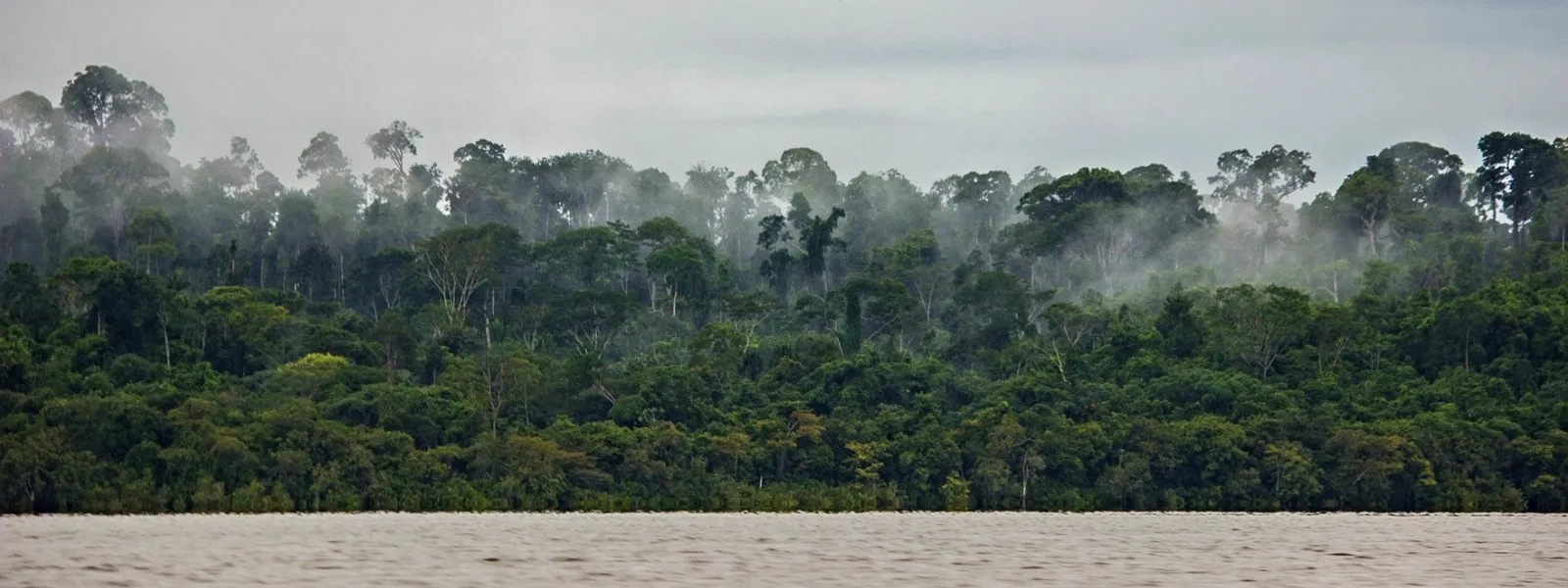
Amazon Watch / Maíra Irigaray
The Belo Monte Dam on the Xingu River: 10 years of impacts in the Amazon and the search for reparations
The Belo Monte Dam has caused an environmental and social disaster in the heart of the Amazon—one of the most important ecosystems on the planet.
This situation has only worsened since the hydroelectric plant began operations in 2016. The quest for justice and reparations by the affected indigenous, fishing, and riverine communities continues to this day.
In 2011, the Inter-American Commission on Human Rights (IACHR) granted them protective measures that, to date, have not been fully implemented by the Brazilian State.
Furthermore, since June of that same year, the IACHR has yet to rule on a complaint against the State regarding its international responsibility in the case.
The IACHR may refer the case to the Inter-American Court of Human Rights, which has the authority to issue a ruling condemning the Brazilian State.
After 10 years of the hydroelectric plant's operation and more than 15 years of documented human rights violations, it is time for justice to be served for the affected communities.
Read the open letter from the organizations bringing the case before the IACHR
Background
The Belo Monte hydroelectric plant—the fourth largest in the world by installed capacity (11,233 MW)—was built on the Xingu River in Pará, a state in northern Brazil.
It was inaugurated on May 5, 2016, with a single turbine. At that time, 80% of the river’s course was diverted, flooding 516 km² of land—an area larger than the city of Chicago. Of that area, 400 km² was native forest. The dam began operating at full capacity in November 2019.
Belo Monte was built and is operated by the Norte Energia S.A. consortium, which is composed primarily of state-owned companies. It was financed by the Brazilian Development Bank (BNDES), which provided the consortium with 25.4 billion reais (approximately US$10.16 billion), the largest investment in the bank’s history. Therefore, the BNDES is also legally responsible for the socio-environmental impacts associated with the hydroelectric plant.
Decades of harm to the environment and people
Human rights violations and degradation of the Amazon have been occurring since the project’s inception. In March 2011, Norte Energía began construction of the dam without adequate consultation and without the prior, free, and informed consent of the affected communities.
The construction caused the forced displacement of more than 40,000 people, severing social and cultural ties. The resettlement plan in Altamira—a city directly affected by the hydroelectric dam—involved housing units located on the outskirts, lacking adequate public services and decent living conditions for the relocated families, with no special provisions for those from indigenous communities.
Belo Monte's operations have caused a permanent, man-made drought in the Volta Grande (or "Great Bend") of the Xingu River, exacerbated by the historic droughts in the Amazon in 2023 and 2024. As a result, the deaths of millions of fish eggs were documented for four consecutive years (from 2021 to 2024), and for the past three years, there has been no upstream migration of fish to spawn and reproduce. Thus, artisanal fishing, the main source of protein for indigenous peoples and riverside communities, was severely affected: fish dropped from 50% to 30% of total protein consumed, replaced by processed foods. In summary, there was an environmental and humanitarian collapse that resulted in the breakdown of fishing as a traditional way of life, food insecurity, and access to drinking water for thousands of families, impoverishment, and disease.
Furthermore, the construction of the dam increased deforestation and intensified illegal logging and insecurity on indigenous and tribal lands, putting the survival of these communities at risk. Another consequence was the deepening of poverty and social conflicts, as well as the strain on health, education, and public safety systems in Altamira—a city ranked as the most violent in the country in 2017, where human trafficking and sexual violence increased. Violence was also reported against human rights defenders involved in the case.
In 2025, during the 30th UN Climate Change Conference (COP30), held in Brazil, the Federal Public Prosecutor’s Office labeled the damage caused by the Belo Monte dam as ecocide.
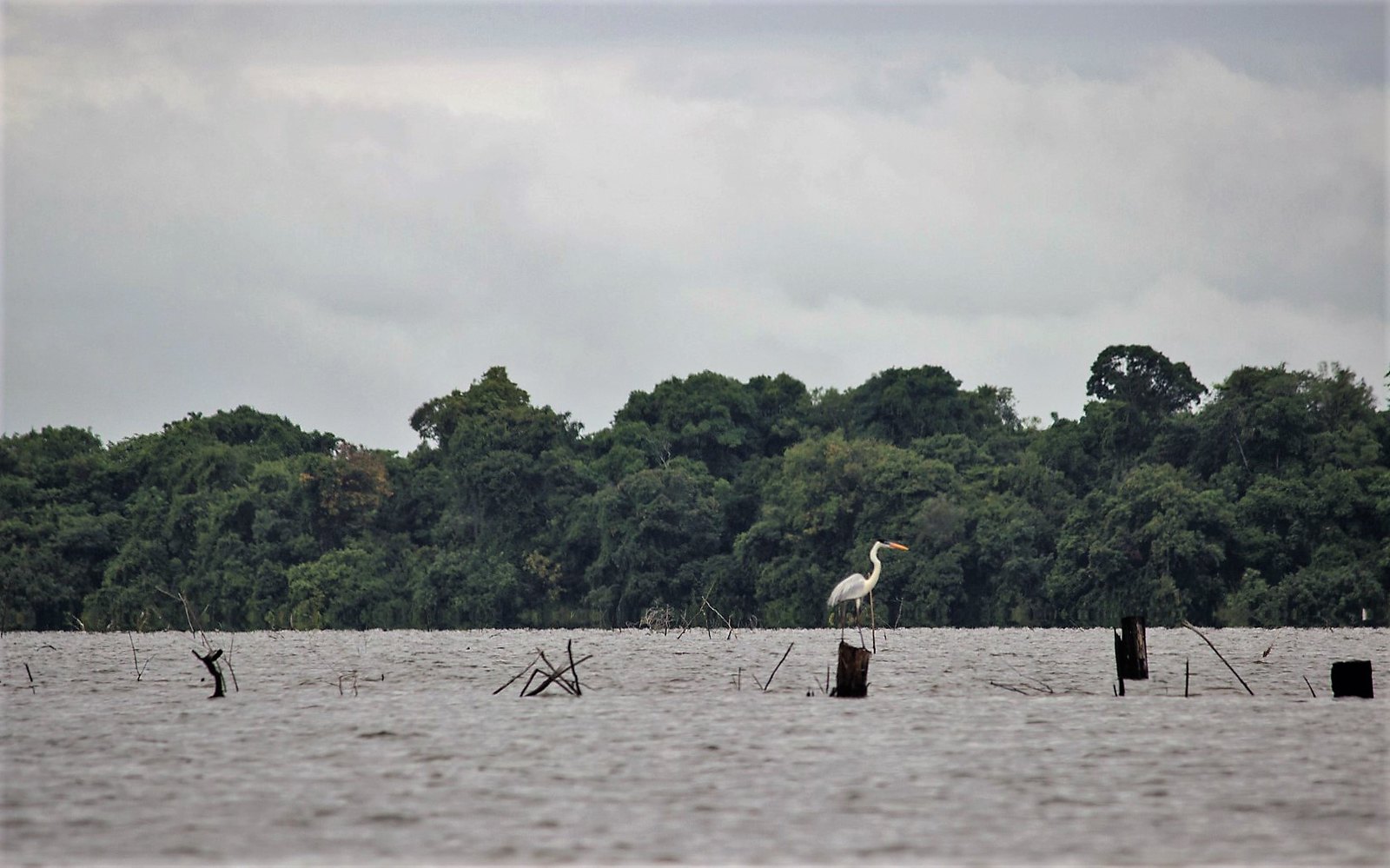
Photo: Amazon Watch / Maíra Irigaray.
The search for justice and reparations
Over the years, the Federal Public Prosecutor’s Office in Pará, the Public Defender’s Office, and civil society organizations have filed dozens of legal actions in Brazilian courts to challenge the project’s various irregularities and its impacts. Most of the claims are still pending resolution, some for more than 10 years.
These efforts have failed because the national government has repeatedly overturned rulings in favor of the affected communities by invoking a mechanism that allowed a court president to suspend a judicial decision based solely on generic arguments such as "the national interest" or "economic order."
In the absence of effective responses at the national level, AIDA, together with a coalition of partner organizations, brought the case before the Inter-American Commission on Human Rights (IACHR) and, in 2010, requested precautionary measures to protect the lives, safety, and health of the affected indigenous communities.
On April 1, 2011, the IACHR granted these measures and requested that the Brazilian government suspend environmental permits and any construction work until the conditions related to prior consultation and the protection of the health and safety of the communities are met.
And on June 16, 2011 —together with the Xingu Vivo Para Sempre Movement, the Coordinating Committee of Indigenous Organizations of the Brazilian Amazon, the Diocese of Altamira, the Indigenous Missionary Council, the Pará Society for the Defense of Human Rights and Global Justice— we filed a formal complaint against the Brazilian State for its international responsibility in the violation of the human rights of the people affected in the case. The case was opened for processing in December 2015.
On August 3, 2011, the IACHR amended the precautionary measures to request, instead of the suspension of permits and construction, the protection of people living in voluntary isolation, the health of indigenous communities, and the regularization and protection of ancestral lands.
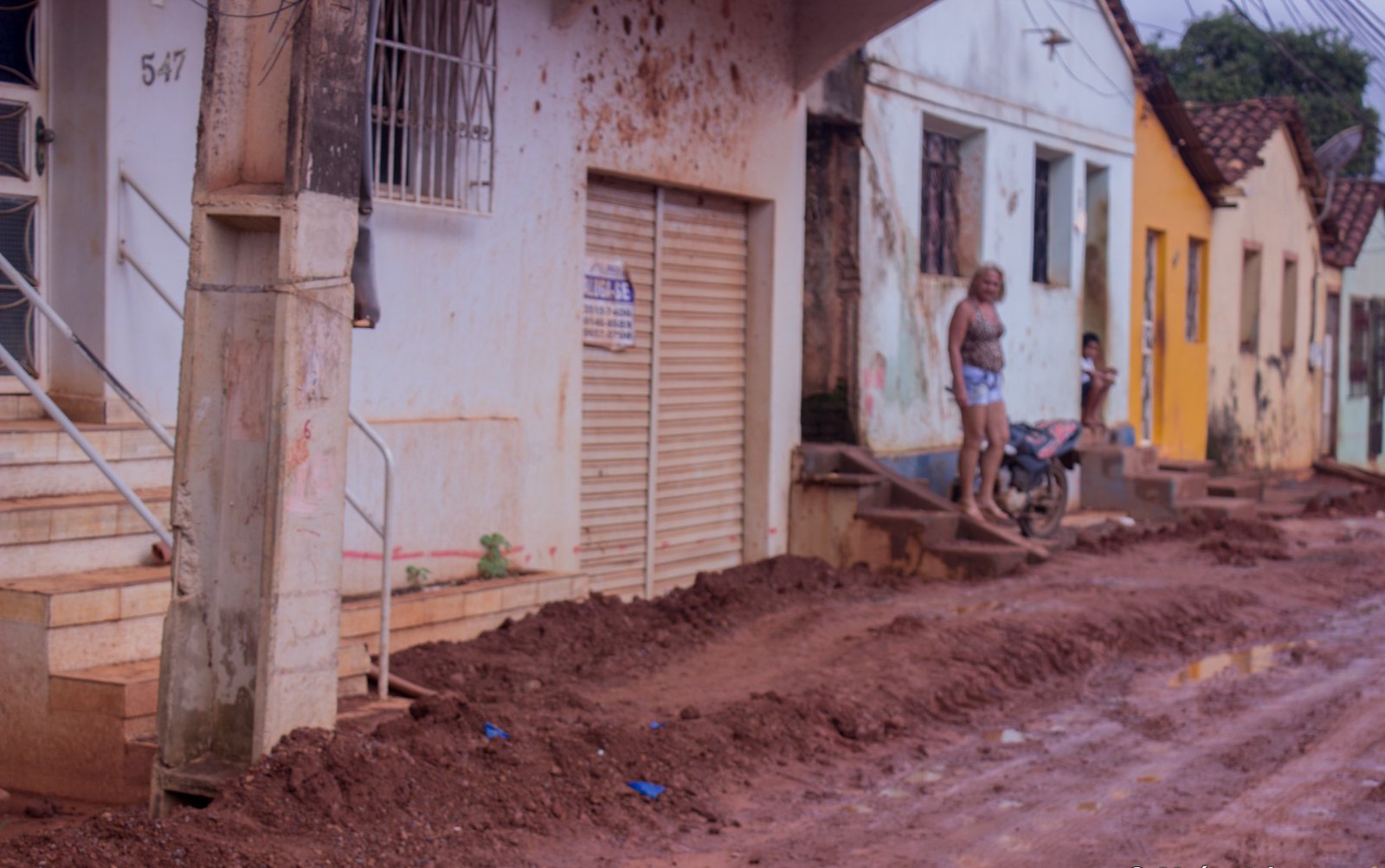
Photo: Amazon Watch / Maíra Irigaray.
Current situation
The protective measures granted by the IACHR remain in effect, but the Brazilian government has not fully complied with them, reporting only on general actions. The communities have documented the ongoing violations of their rights. The situation that prompted the request for these measures—the risk to the lives, physical integrity, and ways of life of the communities—persists and has worsened with the hydroelectric plant operating at full capacity and the recent extreme droughts in the Amazon.
In addition to the impacts of Belo Monte, there is a risk of further social and environmental impacts from the implementation of another mining megaproject in the Volta Grande do Xingu. There, the Canadian company Belo Sun plans to build Brazil’s largest open-pit gold mine.
The combined and cumulative impacts of the dam and the mine were not assessed. The government excluded Indigenous peoples, riverine and peasant communities from the project’s environmental permitting process. Despite protests by Indigenous communities and other irregularities surrounding the project, the government of Pará formally authorized the mine in April 2026.
Like other hydroelectric dams, Belo Monte exacerbates the climate emergency by generating greenhouse gas emissions in its reservoir. And it is inefficient amid the longer, more intense droughts caused by the crisis, as it loses its ability to generate power.
The case before the Inter-American Commission
In October 2017, the IACHR announced that it would rule jointly on the admissibility (whether the case meets the requirements for admission) and the merits (whether a human rights violation actually occurred) of the international complaint against the Brazilian State.
Fifteen years after the complaint was filed, the affected communities and the organizations representing them are still awaiting this decision. If the IACHR concludes that human rights violations occurred and issues recommendations that the Brazilian State fails to comply with, it may refer the case to the Inter-American Court of Human Rights, whose rulings are binding.
A potential ruling by the international court in this case would set a regional legal precedent regarding the rights of indigenous and riverine peoples, public participation in megaprojects, and state responsibility in the context of the climate crisis—a precedent that is particularly relevant in light of the Court’s Advisory Opinion No. 32, which reaffirmed the obligations of States to protect the people and communities of the continent from the climate emergency.
Partners:
Related projects
Letter to the President of the World Bank Group
DR. JIM YONG KIM PRESIDENT THE WORLD BANK GROUP Dear Dr. Kim: We are writing to express our deepest concern regarding the World Bank Group decision to start financing and promoting large hydroelectric projects as “sustainable energy.” We urge you to review the information about negative impacts that large dams have had on the environment and human rights in the Americas, and to reconsider that decision. Large dams commonly cause severe harm to the environment. Underwater decomposition of trees and plants releases major quantities of methane, contributing to climate change. Large dams degrade water quality and sanitation both upstream and downstream from the artificial modification of river systems. Degradation of aquatic ecosystems leads to loss of biodiversity. Seismic instability is another common consequence of dam construction. These environmental harms often violate human rights protected by international legal instruments. These projects repeatedly generate health risks, block access to traditional food sources, and interfere with the ability to earn a livelihood. They displace entire communities, interfering with the human rights to freedom of movement, property, housing, and just compensation. State sponsors of large dams routinely fail to produce comprehensive environmental and social impact assessments, which are required by international law. Access to the information that should be provided by such an assessment is essential to ensuring the human rights to informed consent and prior consultation. Specific international laws and standards that apply to indigenous, afro-descendant and tribal peoples are routinely ignored. In some cases, public protest to ill-considered dam projects is criminalized, contrary to international human rights law. Many organizations and institutions, including the World Commission on Dams, have identified these negative consequences. AIDA has also produced a report analyzing the effects of large dams on the environment and human rights, “Large Dams in the Americas.” The executive summary of the report (in English) and the full version (in Spanish) are attached to this letter. AIDA stands with the World Bank Group in supporting development in Latin America. But that development should be sustainable. It should not come at the expense of the environment and human rights. Promotion of truly renewable resources, including wind, solar, and geothermal energy, can also encourage development that sustains growing economies, thriving environments, and respect for human rights. We insist that the World Bank Group finance only projects that abide by international law and standards, and give due and full consideration to alternative energy sources and efficiency measures. We would be more than happy to help the World Bank Group to drive true, sustainable development and to promote projects that increase human well-being while also protecting the environment and human rights. We hope you find this information useful and incorporate it into World Bank policy.
Read moreFrom Anton’s Valley to Altamira: It’s Been a Great Decade with AIDA!
By Astrid Puentes Riaño, AIDA Co-Director , @astridpuentes November 1 marks my 10th anniversary working with AIDA! It’s been a decade since the board of directors, meeting in Anton’s Valley, Panama, decided to hire me. I was thrilled with the offer: when I was a law student in Colombia and an assistant with the NGO Fundepúblico, I had participated in the founding of AIDA and in setting up its first meeting, in 1998. Over the past decade, I have had the great fortune to meet wonderful people and to visit extraordinary places in Latin America— Cordoba in Argentina, Altamira in Brazil, Los Altos de Jalisco and La Parota in Mexico, La Oroya and Iquitos in Peru. Today, as I celebrate and renew my commitment to keep learning and giving my best to AIDA, I am grateful to be able to provide a positive contribution to the region. AIDA was and is my dream job! A big challenge from the beginning When the AIDA board appointed me, it was more for the potential they saw than for my experience. I did my best, contributing my energy and passion to the expansion of environmental law and to promoting an understanding of the link between human rights and the environment, all while raising a family. Ten years later, and thanks to this incredible opportunity, I can say that I have made some mistakes, learned, grown immensely, and come to understand the sometimes-harsh reality of our environment in Latin America. It seems that the board of directors is happy with the results, because I’m still here! How much we have grown! When I started, AIDA was just Anna Cederstav (co-executive director) and me, working with a budget of approximately U.S. $300,000, a small office within the Earthjustice headquarters in California, and four cases. We had many dreams for AIDA. The main goal was to make it a solid regional organization that works on emblematic legal cases, always giving highest priority to the people and communities in the most vulnerable situations, and with about ten lawyers in key countries who stand out for the quality of their work and effective collaboration. Today our team includes 11 attorneys, one scientist, and 10 administrative and communications professionals, based in seven countries. We work every day to promote greater protection and environmental justice and to encourage regional economic development that does not sacrifice our natural resources or our future. Some milestones I’ve been extremely pleased that we’ve helped to improve several areas and communities in the region. For example, we’ve helped achieve: ▪ Official recognition of the environmental and human health disaster in La Oroya, Peru, where the 70-plus people we represent have begun to receive some medical attention from the government; ▪ A significant decrease in the aerial spraying of coca and poppy plants in Colombian national parks; ▪ Protection of leatherback turtles and one of their last remaining nesting sites in Costa Rica; ▪ Increased awareness of the human rights violations suffered by thousands of indigenous people living near the Belo Monte hydroelectric dam in Brazil; ▪ Suspension of a mega-tourism project in Baja California Sur, Mexico that would destroy the Cabo Pulmo Coral Reef, known as the world’s aquarium; ▪ Amendments to the Mexican Constitution to include human rights protections and to improve the recognition of the human right to a healthy environment. In addition, we have published a trilingual guide on how to apply human rights mechanisms to environmental cases; a report on the human rights impacts of climate change in Latin America; and a report on how large dams are not a panacea but instead are having a negative impact on millions of people in our region. We also have organized periodic workshops with our colleagues that emphasize the inseparable link between human rights and the environment. The best aspect of my job over these years has been learning more about the region and every person I have met along the way. In 2004, for example, I took my first trip to La Oroya, where I met Pedro and Juan*, brothers both under 10 years old whom we represent before the Inter-American Commission on Human Rights. With high spirits, they attentively took part in our workshop aimed at protecting their rights, although they nearly fell asleep while eating their soup at lunchtime—one of the effects of lead poisoning. Now teenagers, they have begun their professional careers; Juan is serving in the military, and Pedro in the process of starting the university. Then there are Juanita and Margarita*, who were not yet born in 2004. I got to know the girls during later trips to La Oroya; when I first met them they arrived with their mothers, wrapped in slings. Now they are nearly teenagers and we have developed warm personal relationships that go beyond our legal work with them and with many others. Not everything has been rosy It hasn’t all been happiness and celebration. Over the past 10 years I have sadly witnessed: ▪ Construction of the Baba hydroelectric dam in Ecuador, despite a Constitutional Court ruling that ordered review of the environmental assessment because the project violated constitutional and international laws; ▪ Construction of El Zapotillo Dam in Los Altos de Jalisco, Mexico, although it seems for now that Temaca, a town that authorities had planned to flood, won’t be destroyed; ▪ Start of construction of the huge Belo Monte dam in Brazil, in defiance of the precautionary measures issued by the Inter-American Commission on Human Rights; ▪ Exponential growth in mining projects, including in the Colombian páramos—unique high-altitude ecosystems that provide fresh water for much of the population. What comes next If I weigh the good and the bad, the overall balance is positive. For now, a great part of our dream has become a reality. But just as today’s challenges have become greater, so has my commitment to see through our goals for the region. I extend my sincere thanks to the AIDA board and to Anna, my co-director, as well as to our great team and everyone who has collaborated with AIDA in the past. And I thank my family, friends and our donors, including the foundations and friends who have each managed to donate something, no matter how large or small. Thank you for your generosity and for helping us to fulfill our dreams and change the world together. All of the successes and challenges make the gray hair and wrinkles worth it. I’m ready for many more years at AIDA, as long as I continue to be an effective agent of its success! *Names have been changed to protect the identities of the people mentioned.
Read more
"A full belly makes a happy heart": How does food waste affect the environment?
By Gladys Martínez, legal advisor, AIDA It’s the weekend and we’re at the beach in Costa Rica. The sun is shining, we’re surrounded by nature and listening to the sound of the sea as we enjoy a delicious traditional breakfast of tropical fruit, gallopinto (rice and beans), eggs, home-made tortillas and coffee brewed in a cloth filter. I wish I could say, “And we lived happily ever after". But I can’t. I get upfrom the table to see a heapof leftovers... The problem of food waste and its impacts On World Environment Day this past June 5, the Food and Agriculture Organization of the United Nations (FAO) presented alarming data about the impact of food waste on the environment. In the report Food wastage footprint: Impacts on natural resources, the FAO states that food production accounts for: - 25% of the earth’s surface, - 70% of water consumption, - 80% of deforestation, - and 30% of the greenhouse gas emissions that contribute to climate change. The report notes that producing one liter of milk requires 1,000 liters of water! This means that pouring a glass of milk down the sink is equivalent to dumping 250 liters of water. Throwing out one hamburger is like tossing more than 60,000 liters of water. In terms of total food wastage, 54% is generated during the production, handling and storage at harvests. The remaining 46% is generated during the processing, distribution and consumption of food. The direct economic cost of food wastage is estimated at more than USD $750 billion annually. This figure seems unthinkable on a planet where one in every seven people go hungry and more than 20,000 children under the age of five die from hunger every day. A lot can done inpidually and as a country Costa Rica has campaigns aimed at motivating people to consume responsibly and raise awareness about sensible eating to preserve the environment and other people’s right to food. Working together with the United Nations Environment Programme (UNEp) and the FAO on the campaign Think.Eat.Save, Costa Rican singers Debi Nova, José Cañas (in Spanish) and Manuel Obregón (in Spanish), who doubles as the country’s minister of culture and youth, composed a song against food wastage called “Alimento para el alma” (“Food for the Soul”). ”Food for the Soul" video (in Spanish). Source: YouTube The Food Bank (Banco de Alimentos) is another Costa Rican initiative. Fourteen private companies have agreed to donate products unfit for sale because of damaged labels or packaging. The social and environmental awareness of these companies has made it possible for 15,169 poor people to receive about two plates of food every day over the past year and a half. What can I do at home? Everyone can helpreduce food waste. The campaign Think.Eat.Save offers these helpful tips: ▪ Purchase wisely: Don’t buy more than you need and choose products withless packaging. ▪ Better planning: Cook what you can eat and freeze the leftovers to eat later. ▪ Support distributors of organic and “wonky” fruits and vegetables. Eating organic food has a minimal impact on your health and the environment, and misshapen fruits and vegetables still taste delicious even if they do not look perfect. ▪ Read food labels carefully so as not to throw away perfectly good food. Nine out of 10 people throw out food because they don’t understand what the labels mean.Did you know that if you put an egg in a bowl of water and it floats, that means the egg is bad? If it sinks, it’s still edible. Find out more at FixFoodDates.com ▪ Reduce your food waste and compost what you don’t eat. You can find more useful advice at thinkeatsave.org. Bon appétit!
Read more