
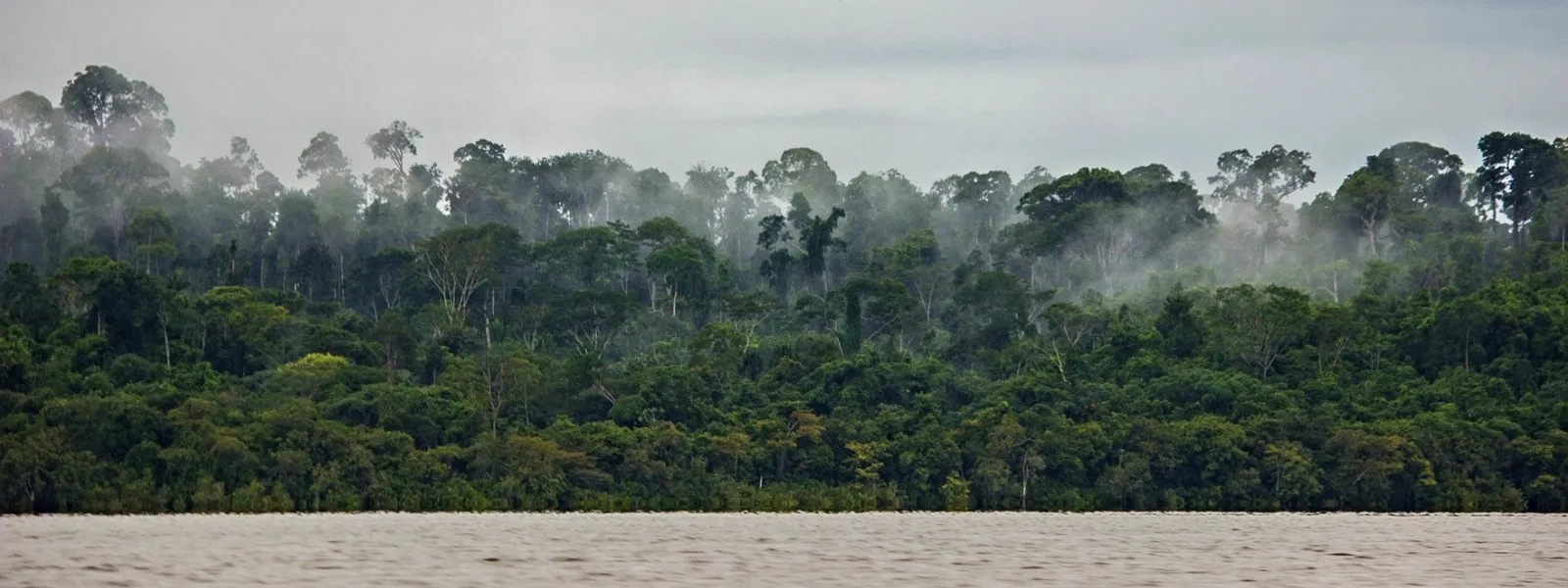
Project
Amazon Watch / Maíra Irigaray
The Belo Monte Dam on the Xingu River: 10 years of impacts in the Amazon and the search for reparations
The Belo Monte Dam has caused an environmental and social disaster in the heart of the Amazon—one of the most important ecosystems on the planet.
This situation has only worsened since the hydroelectric plant began operations in 2016. The quest for justice and reparations by the affected indigenous, fishing, and riverine communities continues to this day.
In 2011, the Inter-American Commission on Human Rights (IACHR) granted them protective measures that, to date, have not been fully implemented by the Brazilian State.
Furthermore, since June of that same year, the IACHR has yet to rule on a complaint against the State regarding its international responsibility in the case.
The IACHR may refer the case to the Inter-American Court of Human Rights, which has the authority to issue a ruling condemning the Brazilian State.
After 10 years of the hydroelectric plant's operation and more than 15 years of documented human rights violations, it is time for justice to be served for the affected communities.
Read the open letter from the organizations bringing the case before the IACHR
Background
The Belo Monte hydroelectric plant—the fourth largest in the world by installed capacity (11,233 MW)—was built on the Xingu River in Pará, a state in northern Brazil.
It was inaugurated on May 5, 2016, with a single turbine. At that time, 80% of the river’s course was diverted, flooding 516 km² of land—an area larger than the city of Chicago. Of that area, 400 km² was native forest. The dam began operating at full capacity in November 2019.
Belo Monte was built and is operated by the Norte Energia S.A. consortium, which is composed primarily of state-owned companies. It was financed by the Brazilian Development Bank (BNDES), which provided the consortium with 25.4 billion reais (approximately US$10.16 billion), the largest investment in the bank’s history. Therefore, the BNDES is also legally responsible for the socio-environmental impacts associated with the hydroelectric plant.
Decades of harm to the environment and people
Human rights violations and degradation of the Amazon have been occurring since the project’s inception. In March 2011, Norte Energía began construction of the dam without adequate consultation and without the prior, free, and informed consent of the affected communities.
The construction caused the forced displacement of more than 40,000 people, severing social and cultural ties. The resettlement plan in Altamira—a city directly affected by the hydroelectric dam—involved housing units located on the outskirts, lacking adequate public services and decent living conditions for the relocated families, with no special provisions for those from indigenous communities.
Belo Monte's operations have caused a permanent, man-made drought in the Volta Grande (or "Great Bend") of the Xingu River, exacerbated by the historic droughts in the Amazon in 2023 and 2024. As a result, the deaths of millions of fish eggs were documented for four consecutive years (from 2021 to 2024), and for the past three years, there has been no upstream migration of fish to spawn and reproduce. Thus, artisanal fishing, the main source of protein for indigenous peoples and riverside communities, was severely affected: fish dropped from 50% to 30% of total protein consumed, replaced by processed foods. In summary, there was an environmental and humanitarian collapse that resulted in the breakdown of fishing as a traditional way of life, food insecurity, and access to drinking water for thousands of families, impoverishment, and disease.
Furthermore, the construction of the dam increased deforestation and intensified illegal logging and insecurity on indigenous and tribal lands, putting the survival of these communities at risk. Another consequence was the deepening of poverty and social conflicts, as well as the strain on health, education, and public safety systems in Altamira—a city ranked as the most violent in the country in 2017, where human trafficking and sexual violence increased. Violence was also reported against human rights defenders involved in the case.
In 2025, during the 30th UN Climate Change Conference (COP30), held in Brazil, the Federal Public Prosecutor’s Office labeled the damage caused by the Belo Monte dam as ecocide.
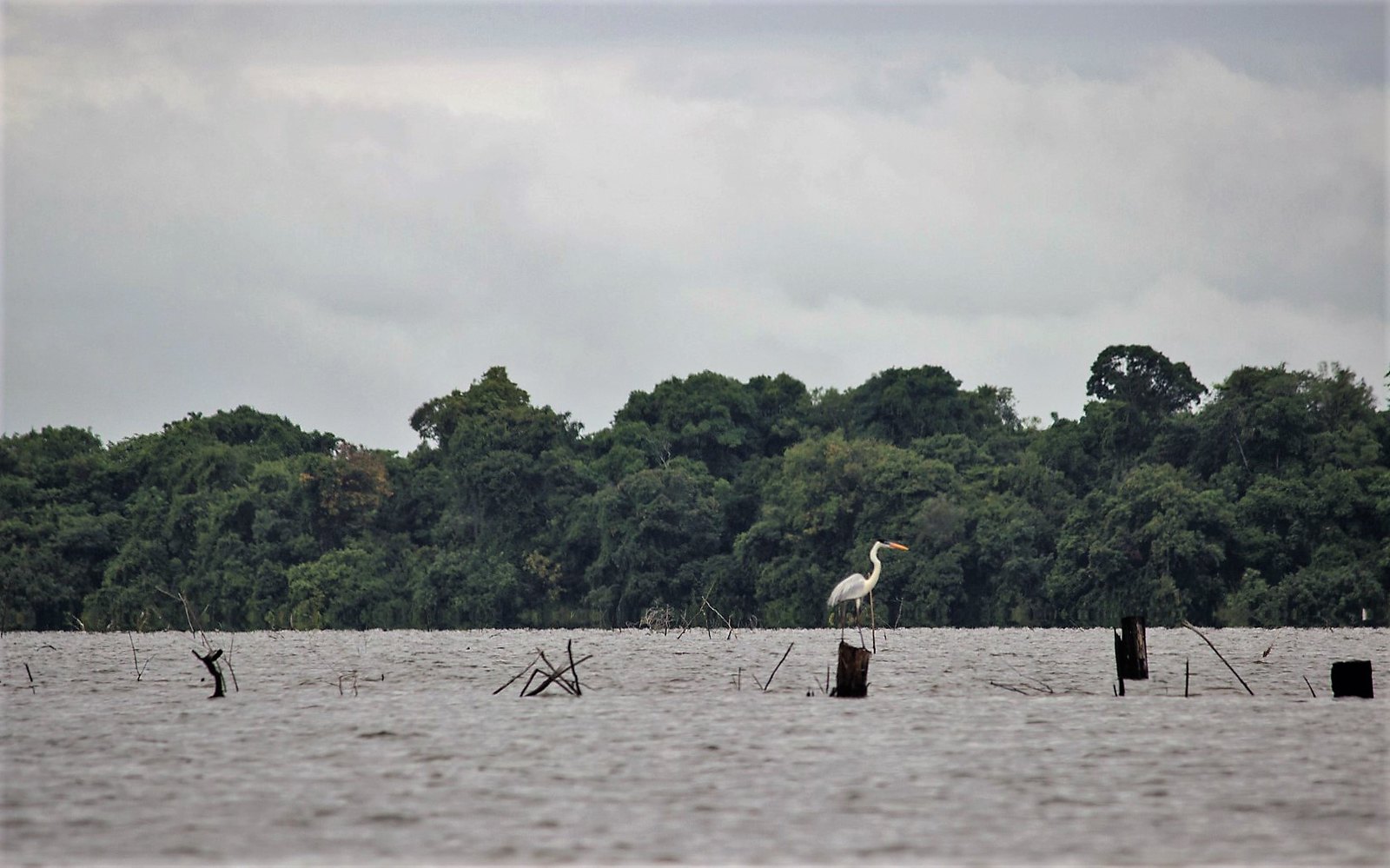
Photo: Amazon Watch / Maíra Irigaray.
The search for justice and reparations
Over the years, the Federal Public Prosecutor’s Office in Pará, the Public Defender’s Office, and civil society organizations have filed dozens of legal actions in Brazilian courts to challenge the project’s various irregularities and its impacts. Most of the claims are still pending resolution, some for more than 10 years.
These efforts have failed because the national government has repeatedly overturned rulings in favor of the affected communities by invoking a mechanism that allowed a court president to suspend a judicial decision based solely on generic arguments such as "the national interest" or "economic order."
In the absence of effective responses at the national level, AIDA, together with a coalition of partner organizations, brought the case before the Inter-American Commission on Human Rights (IACHR) and, in 2010, requested precautionary measures to protect the lives, safety, and health of the affected indigenous communities.
On April 1, 2011, the IACHR granted these measures and requested that the Brazilian government suspend environmental permits and any construction work until the conditions related to prior consultation and the protection of the health and safety of the communities are met.
And on June 16, 2011 —together with the Xingu Vivo Para Sempre Movement, the Coordinating Committee of Indigenous Organizations of the Brazilian Amazon, the Diocese of Altamira, the Indigenous Missionary Council, the Pará Society for the Defense of Human Rights and Global Justice— we filed a formal complaint against the Brazilian State for its international responsibility in the violation of the human rights of the people affected in the case. The case was opened for processing in December 2015.
On August 3, 2011, the IACHR amended the precautionary measures to request, instead of the suspension of permits and construction, the protection of people living in voluntary isolation, the health of indigenous communities, and the regularization and protection of ancestral lands.
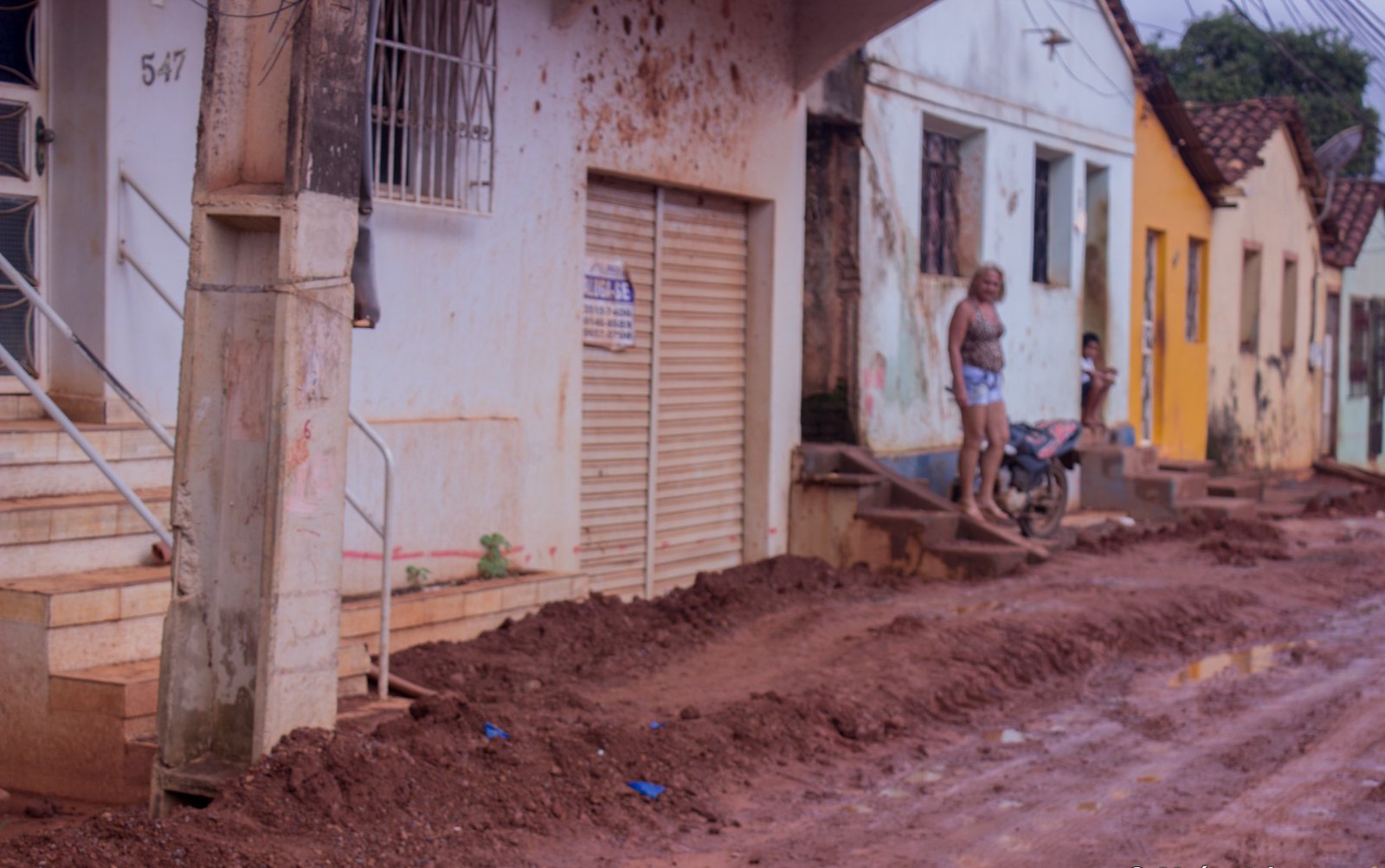
Photo: Amazon Watch / Maíra Irigaray.
Current situation
The protective measures granted by the IACHR remain in effect, but the Brazilian government has not fully complied with them, reporting only on general actions. The communities have documented the ongoing violations of their rights. The situation that prompted the request for these measures—the risk to the lives, physical integrity, and ways of life of the communities—persists and has worsened with the hydroelectric plant operating at full capacity and the recent extreme droughts in the Amazon.
In addition to the impacts of Belo Monte, there is a risk of further social and environmental impacts from the implementation of another mining megaproject in the Volta Grande do Xingu. There, the Canadian company Belo Sun plans to build Brazil’s largest open-pit gold mine.
The combined and cumulative impacts of the dam and the mine were not assessed. The government excluded Indigenous peoples, riverine and peasant communities from the project’s environmental permitting process. Despite protests by Indigenous communities and other irregularities surrounding the project, the government of Pará formally authorized the mine in April 2026.
Like other hydroelectric dams, Belo Monte exacerbates the climate emergency by generating greenhouse gas emissions in its reservoir. And it is inefficient amid the longer, more intense droughts caused by the crisis, as it loses its ability to generate power.
The case before the Inter-American Commission
In October 2017, the IACHR announced that it would rule jointly on the admissibility (whether the case meets the requirements for admission) and the merits (whether a human rights violation actually occurred) of the international complaint against the Brazilian State.
Fifteen years after the complaint was filed, the affected communities and the organizations representing them are still awaiting this decision. If the IACHR concludes that human rights violations occurred and issues recommendations that the Brazilian State fails to comply with, it may refer the case to the Inter-American Court of Human Rights, whose rulings are binding.
A potential ruling by the international court in this case would set a regional legal precedent regarding the rights of indigenous and riverine peoples, public participation in megaprojects, and state responsibility in the context of the climate crisis—a precedent that is particularly relevant in light of the Court’s Advisory Opinion No. 32, which reaffirmed the obligations of States to protect the people and communities of the continent from the climate emergency.
Partners:
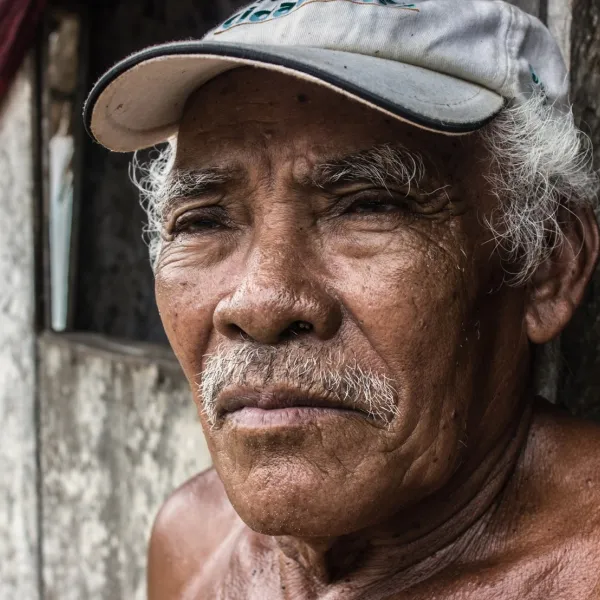
Related projects
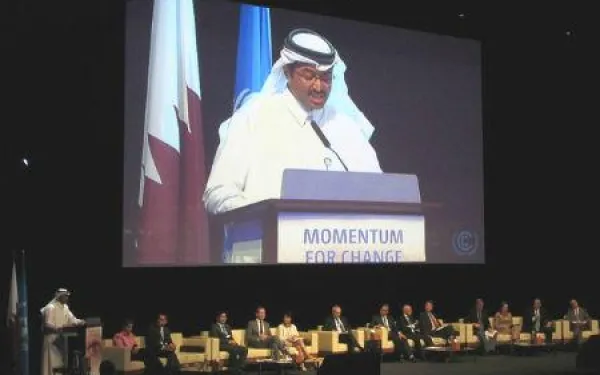
Can COP19 move the Green Climate Fund closer to reality?
By Andrea Rodríguez, AIDA's legal advisor, and Marcus Pearson, AIDA's volunteer (article published in Respond/RTCC Magazine) The Green Climate Fund was created as an effective response to the impacts of climate change by channeling financial resources from developed to developing countries. Will this happen? The Conference of the Parties in November will provide an opportunity for developing countries to lobby for significant financial commitments from the developed world to ensure the long-term viability of the GCF. The Green Climate Fund (GCF) was created in 2010 at the 16th Conference of the Parties (COP16) to the United Nations Framework Convention on Climate Change (UNFCCC). Its mission is to channel public and private financial resources to developing countries to help them mitigate and adapt to the impacts of climate change through low-emission and climate-resilient programs. But nearly four years later, the GCF has yet to disburse any funds. The GCF board has held four meetings with only limited results. At the first meeting in Geneva in August 2012, the board selected two interim co-chairs: Mr. Zaheer Fakir of South Africa and Mr. Ewen McDonald of Australia. It also formed committees, designated the World Bank as Interim Trustee, and agreed to invite observer organizations to participate, albeit in a restricted capacity. A lack of consensus stalled decisions at the October 2012 meeting in South Korea, where the only notable motion was making Songdo, South Korea the GCF’s headquarters. More advances came at the February 2013 meeting in Berlin. The board adopted procedural rules to govern its actions, regulate board member selection and define the participation and role of civil society observers. This laid the groundwork for the GCF to carry out its mission. At the June 2013 meeting in South Korea, the board then discussed the GCF’s business model framework (BMF) and the policies, guidelines and organizational structures needed to commence operations. The board also chose the governance structure of the private sector facility (PSF) [i] and appointed Ms. Hela Cheikhrouhou of Tunisia as executive director of the GCF Secretariat. The fifth meeting in Paris could address the many outstanding issues still needed to bring the GCF into effective operation. To do so, the Board must overcome its perceived ineffectiveness. Civil society concerns Civil society organizations (CSOs) are concerned about the GCF’s decision-making process and future. Perhaps the greatest issue is the uncertainty of funding. The GCF board has started to identify project areas and define criteria to allocate resources, but developed countries have yet to pledge meaningful funds. Concrete commitments are essential to ensuring the availability of predictable resources needed to achieve long-term results to mitigate and protect against the impacts of climate change. CSOs also fear that a lack of transparency and accountability will hamstring the GCF. Transparency does not seem to be a priority for the board. For example, the board has decided against webcasting its meetings even though the UNFCCC commonly does so, helping to cut costs and carbon emissions associated with travel. If the GCF already broadcasts meetings to observers in an overflow room, why not webcast? CSOs fear the board does not want to make its meetings open to the public. Lack of public accountability remains a concern particularly because of the small opportunity given to civil society to participate in the decision- making process. The GCF will mobilize financial resources from both public and private sectors, and civil society oversight is needed to ensure that policies do not respond to the investment interests of the private sector but to the needs of the most vulnerable. Moreover, the board is not granting CSOs meaningful opportunities for participation. The GCF publishes documents before meetings without sufficient time for many CSOs to review and comment on proposals[ii]. Meanwhile, only two CSO representatives may actively participate at board meetings in person and even so may not be allowed to talk or approach board members[iii]. These practices call into question the GCF’s legitimacy. Globally, CSOs play a vital role in developing climate change policy by informing decision makers about local issues and needs, and by providing examples of best practices for resource allocation. Given that the GCF stresses accountability in its mandate, CSOs should have access to government representatives and information in open and transparent meetings. COP19: An opportunity for the GCF? The COP19 this November in Warsaw will show the world whether the GCF can become an effective engine for climate change funding in developing countries. At this conference, developing countries must seek firm financial commitments for climate adaptation and mitigation. Only guaranteed funding will enable the board to make effective decisions regarding resource distribution or provide developing nations with a clear picture of how much funding is available. The GCF Board must also seek -- and receive -- guidance because many COP attendees will benefit from GCF resources. Countries can use the COP to provide advice on GCF policies, share their priority needs for funding, and recommend criteria to guarantee access to resources. The COP will also give CSO representatives a chance to raise questions and highlight counterproductive practices. Conclusions The COP presents a prime opportunity for developed nations to commit to the GCF’s stated goals and pledge desperately needed financing. Parties and CSOs must use the COP – GCF’s monitoring body – as a tool to improve GCF accountability, inclusivity and transparency so that the GCF can truly work to benefit vulnerable populations in developing countries. The COP should be a benchmark for advancing the GCF rather than just another event for developed countries to congratulate themselves on timorous steps forward. [i] The PSF will enable the GCF to directly and indirectly finance private sector mitigation and adaptation activities at the national, regional and international level. [ii] For the June meeting in South Korea, documents were published less than two weeks before the meeting, rather than 21 days as outlined in the additional rules of procedure decision taken in Berlin. [iii] As was the case on the last day of the meeting in Songdo.
Read moreCan COP19 move the Green Climate Fund closer to reality?
By Andrea Rodríguez, AIDA's legal advisor, and Marcus Pearson, AIDA's volunteer (article published in Respond/RTCC Magazine) The Green Climate Fund was created as an effective response to the impacts of climate change by channeling financial resources from developed to developing countries. Will this happen? The Conference of the Parties in November will provide an opportunity for developing countries to lobby for significant financial commitments from the developed world to ensure the long-term viability of the GCF. The Green Climate Fund (GCF) was created in 2010 at the 16th Conference of the Parties (COP16) to the United Nations Framework Convention on Climate Change (UNFCCC). Its mission is to channel public and private financial resources to developing countries to help them mitigate and adapt to the impacts of climate change through low-emission and climate-resilient programs. But nearly four years later, the GCF has yet to disburse any funds. The GCF board has held four meetings with only limited results. At the first meeting in Geneva in August 2012, the board selected two interim co-chairs: Mr. Zaheer Fakir of South Africa and Mr. Ewen McDonald of Australia. It also formed committees, designated the World Bank as Interim Trustee, and agreed to invite observer organizations to participate, albeit in a restricted capacity. A lack of consensus stalled decisions at the October 2012 meeting in South Korea, where the only notable motion was making Songdo, South Korea the GCF’s headquarters. More advances came at the February 2013 meeting in Berlin. The board adopted procedural rules to govern its actions, regulate board member selection and define the participation and role of civil society observers. This laid the groundwork for the GCF to carry out its mission. At the June 2013 meeting in South Korea, the board then discussed the GCF’s business model framework (BMF) and the policies, guidelines and organizational structures needed to commence operations. The board also chose the governance structure of the private sector facility (PSF) [i] and appointed Ms. Hela Cheikhrouhou of Tunisia as executive director of the GCF Secretariat. The fifth meeting in Paris could address the many outstanding issues still needed to bring the GCF into effective operation. To do so, the Board must overcome its perceived ineffectiveness. Civil society concerns Civil society organizations (CSOs) are concerned about the GCF’s decision-making process and future. Perhaps the greatest issue is the uncertainty of funding. The GCF board has started to identify project areas and define criteria to allocate resources, but developed countries have yet to pledge meaningful funds. Concrete commitments are essential to ensuring the availability of predictable resources needed to achieve long-term results to mitigate and protect against the impacts of climate change. CSOs also fear that a lack of transparency and accountability will hamstring the GCF. Transparency does not seem to be a priority for the board. For example, the board has decided against webcasting its meetings even though the UNFCCC commonly does so, helping to cut costs and carbon emissions associated with travel. If the GCF already broadcasts meetings to observers in an overflow room, why not webcast? CSOs fear the board does not want to make its meetings open to the public. Lack of public accountability remains a concern particularly because of the small opportunity given to civil society to participate in the decision- making process. The GCF will mobilize financial resources from both public and private sectors, and civil society oversight is needed to ensure that policies do not respond to the investment interests of the private sector but to the needs of the most vulnerable. Moreover, the board is not granting CSOs meaningful opportunities for participation. The GCF publishes documents before meetings without sufficient time for many CSOs to review and comment on proposals[ii]. Meanwhile, only two CSO representatives may actively participate at board meetings in person and even so may not be allowed to talk or approach board members[iii]. These practices call into question the GCF’s legitimacy. Globally, CSOs play a vital role in developing climate change policy by informing decision makers about local issues and needs, and by providing examples of best practices for resource allocation. Given that the GCF stresses accountability in its mandate, CSOs should have access to government representatives and information in open and transparent meetings. COP19: An opportunity for the GCF? The COP19 this November in Warsaw will show the world whether the GCF can become an effective engine for climate change funding in developing countries. At this conference, developing countries must seek firm financial commitments for climate adaptation and mitigation. Only guaranteed funding will enable the board to make effective decisions regarding resource distribution or provide developing nations with a clear picture of how much funding is available. The GCF Board must also seek -- and receive -- guidance because many COP attendees will benefit from GCF resources. Countries can use the COP to provide advice on GCF policies, share their priority needs for funding, and recommend criteria to guarantee access to resources. The COP will also give CSO representatives a chance to raise questions and highlight counterproductive practices. Conclusions The COP presents a prime opportunity for developed nations to commit to the GCF’s stated goals and pledge desperately needed financing. Parties and CSOs must use the COP – GCF’s monitoring body – as a tool to improve GCF accountability, inclusivity and transparency so that the GCF can truly work to benefit vulnerable populations in developing countries. The COP should be a benchmark for advancing the GCF rather than just another event for developed countries to congratulate themselves on timorous steps forward. [i] The PSF will enable the GCF to directly and indirectly finance private sector mitigation and adaptation activities at the national, regional and international level. [ii] For the June meeting in South Korea, documents were published less than two weeks before the meeting, rather than 21 days as outlined in the additional rules of procedure decision taken in Berlin. [iii] As was the case on the last day of the meeting in Songdo.
Read more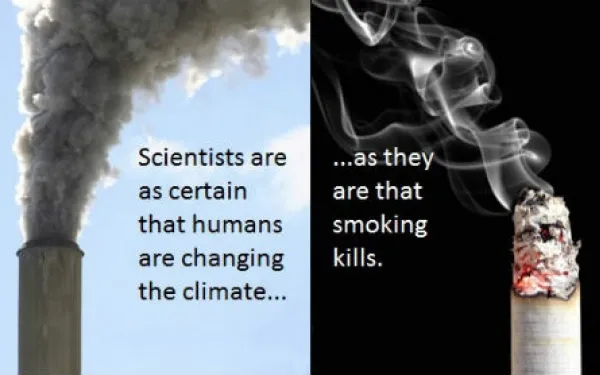
Climate change is real and will have a serious impact on human rights
By Héctor Herrera, AIDA legal advisor and coordinator of the Colombian Environmental Justice Network, @RJAColombia The impact of human-induced global climate change is already being felt, and going forward it will have a profound effect on the global population. Many people already believe the phenomenon exists, and they know about its likely impacts. But many others ignore the problem or deny it. In fact, the Climate Name Change initiative has compiled a list of policymakers who still deny climate change in the United States, a country with the greatest emissions of greenhouse gases in the Western Hemisphere. Watch the video Climate Name Change. Source: YouTube New and compelling evidence of climate change was published this year in the first part of the fifth report by the Intergovernmental Panel on Climate Change (IPCC), which was commissioned by the governments of 195 countries and with input from over 800 international scientists. The most recent IPCC report found that: · The warming of the climate system is ‘unequivocal,’ · The odds that humans are the principal cause of climate change are at least 95%, · The Earth’s average surface temperature rose 0.85ºC between the years 1880 and 2012, · The Earth’s sea level rose 0.19 meters between 1901 and 2010, · Average global temperatures could rise between 1.5ºC and 4.5ºC by the year 2100, and · Sea levels could rise between 26 and 82 centimeters by 2100. There is scientific unanimity on climate change, and it will have a negative impact on human rights. It is worth noting that in 2008 the General Assembly of the Organization of American States (OAS) requested the Inter-American Commission on Human Rights (IACHR) to investigate the link between climate change and human rights. Within this framework, AIDA published the report “A Human Crisis: Climate Change and Human Rights in Latin America,” which explains how the impact of global warming affects people’s ability to exercise their basic human rights in Latin America. It concludes that the IACHR should recognize the negative impacts of climate change on human rights and make recommendations to the OAS member states to fulfill their obligations to protect and guarantee human rights as global warming becomes more pronounced. The report mentions that the harmful effects of global warming include the loss of resources such as clean water as well as more extreme floods and storms, rising sea levels, more intense forest fires and droughts, and an increase in the spread of heat- and vector-borne diseases. These impacts, the document states, will have a profound effect on fundamental human rights such as the rights to a healthy environment, food, water, housing and a dignified life. AIDA says that in the face of such a scenario it is important to recognize that some communities are more vulnerable than others because they suffer from poverty or discrimination. The responsibility to take care of these communities is shared between different governments to varying degrees, which is to say that more responsibility falls on the states that have historically polluted the most. In sum, the report recommends that governments and other relevant bodies including intergovernmental organizations and international financial institutions adopt and promote measures to prevent human rights violations brought about by climate change. Althoughthese actions are executed on an institutional level, there are still many things we can do on a personal level. We can become informed of the problem, learn how to mitigate the effects of climate change and reduce greenhouse gas emissions, and apply these principles to our everyday lives. For example, you can ride a bike, reduce your electricity consumption or lessen your red meat intake. In short, the scientific community is certain that human-induced climate change is a reality. As AIDA notes in its report, the impact of global warming will seriously affect human rights in Latin America and around the globe. Now is the time to act! To learn more, visit the section on climate change on AIDA’s website.
Read more