
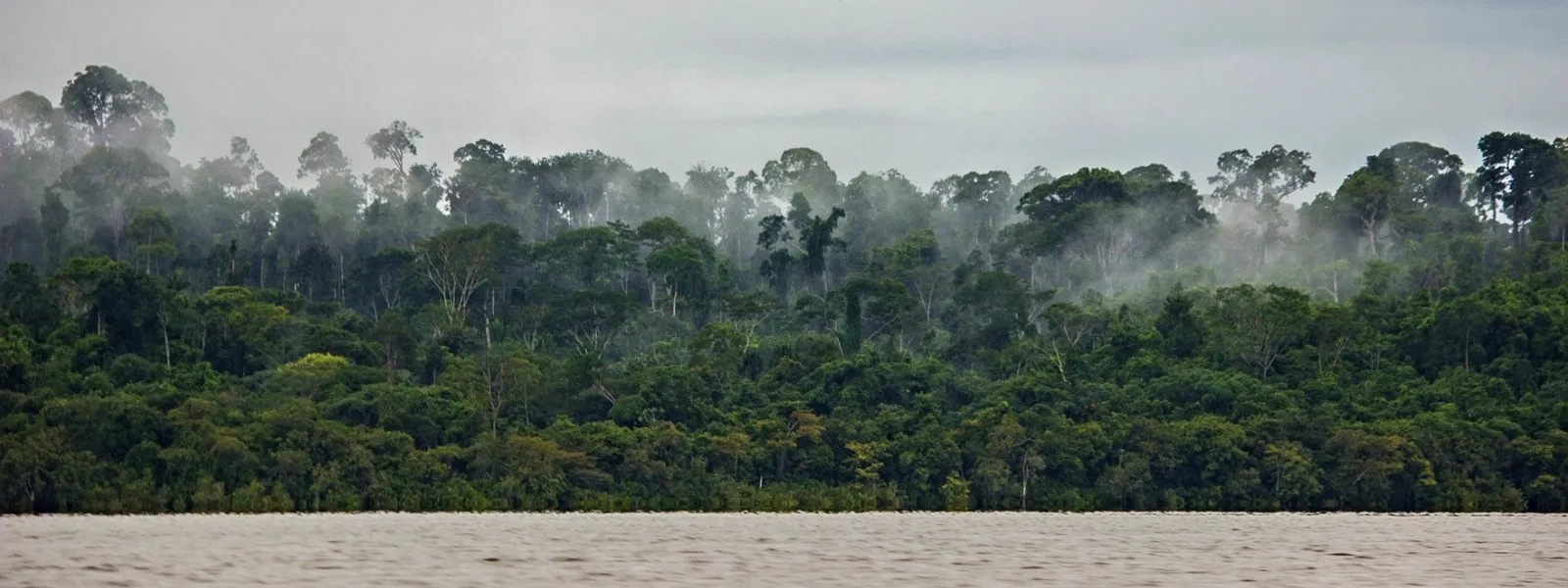
Project
Amazon Watch / Maíra Irigaray
The Belo Monte Dam on the Xingu River: 10 years of impacts in the Amazon and the search for reparations
The Belo Monte Dam has caused an environmental and social disaster in the heart of the Amazon—one of the most important ecosystems on the planet.
This situation has only worsened since the hydroelectric plant began operations in 2016. The quest for justice and reparations by the affected indigenous, fishing, and riverine communities continues to this day.
In 2011, the Inter-American Commission on Human Rights (IACHR) granted them protective measures that, to date, have not been fully implemented by the Brazilian State.
Furthermore, since June of that same year, the IACHR has yet to rule on a complaint against the State regarding its international responsibility in the case.
The IACHR may refer the case to the Inter-American Court of Human Rights, which has the authority to issue a ruling condemning the Brazilian State.
After 10 years of the hydroelectric plant's operation and more than 15 years of documented human rights violations, it is time for justice to be served for the affected communities.
Read the open letter from the organizations bringing the case before the IACHR
Background
The Belo Monte hydroelectric plant—the fourth largest in the world by installed capacity (11,233 MW)—was built on the Xingu River in Pará, a state in northern Brazil.
It was inaugurated on May 5, 2016, with a single turbine. At that time, 80% of the river’s course was diverted, flooding 516 km² of land—an area larger than the city of Chicago. Of that area, 400 km² was native forest. The dam began operating at full capacity in November 2019.
Belo Monte was built and is operated by the Norte Energia S.A. consortium, which is composed primarily of state-owned companies. It was financed by the Brazilian Development Bank (BNDES), which provided the consortium with 25.4 billion reais (approximately US$10.16 billion), the largest investment in the bank’s history. Therefore, the BNDES is also legally responsible for the socio-environmental impacts associated with the hydroelectric plant.
Decades of harm to the environment and people
Human rights violations and degradation of the Amazon have been occurring since the project’s inception. In March 2011, Norte Energía began construction of the dam without adequate consultation and without the prior, free, and informed consent of the affected communities.
The construction caused the forced displacement of more than 40,000 people, severing social and cultural ties. The resettlement plan in Altamira—a city directly affected by the hydroelectric dam—involved housing units located on the outskirts, lacking adequate public services and decent living conditions for the relocated families, with no special provisions for those from indigenous communities.
Belo Monte's operations have caused a permanent, man-made drought in the Volta Grande (or "Great Bend") of the Xingu River, exacerbated by the historic droughts in the Amazon in 2023 and 2024. As a result, the deaths of millions of fish eggs were documented for four consecutive years (from 2021 to 2024), and for the past three years, there has been no upstream migration of fish to spawn and reproduce. Thus, artisanal fishing, the main source of protein for indigenous peoples and riverside communities, was severely affected: fish dropped from 50% to 30% of total protein consumed, replaced by processed foods. In summary, there was an environmental and humanitarian collapse that resulted in the breakdown of fishing as a traditional way of life, food insecurity, and access to drinking water for thousands of families, impoverishment, and disease.
Furthermore, the construction of the dam increased deforestation and intensified illegal logging and insecurity on indigenous and tribal lands, putting the survival of these communities at risk. Another consequence was the deepening of poverty and social conflicts, as well as the strain on health, education, and public safety systems in Altamira—a city ranked as the most violent in the country in 2017, where human trafficking and sexual violence increased. Violence was also reported against human rights defenders involved in the case.
In 2025, during the 30th UN Climate Change Conference (COP30), held in Brazil, the Federal Public Prosecutor’s Office labeled the damage caused by the Belo Monte dam as ecocide.
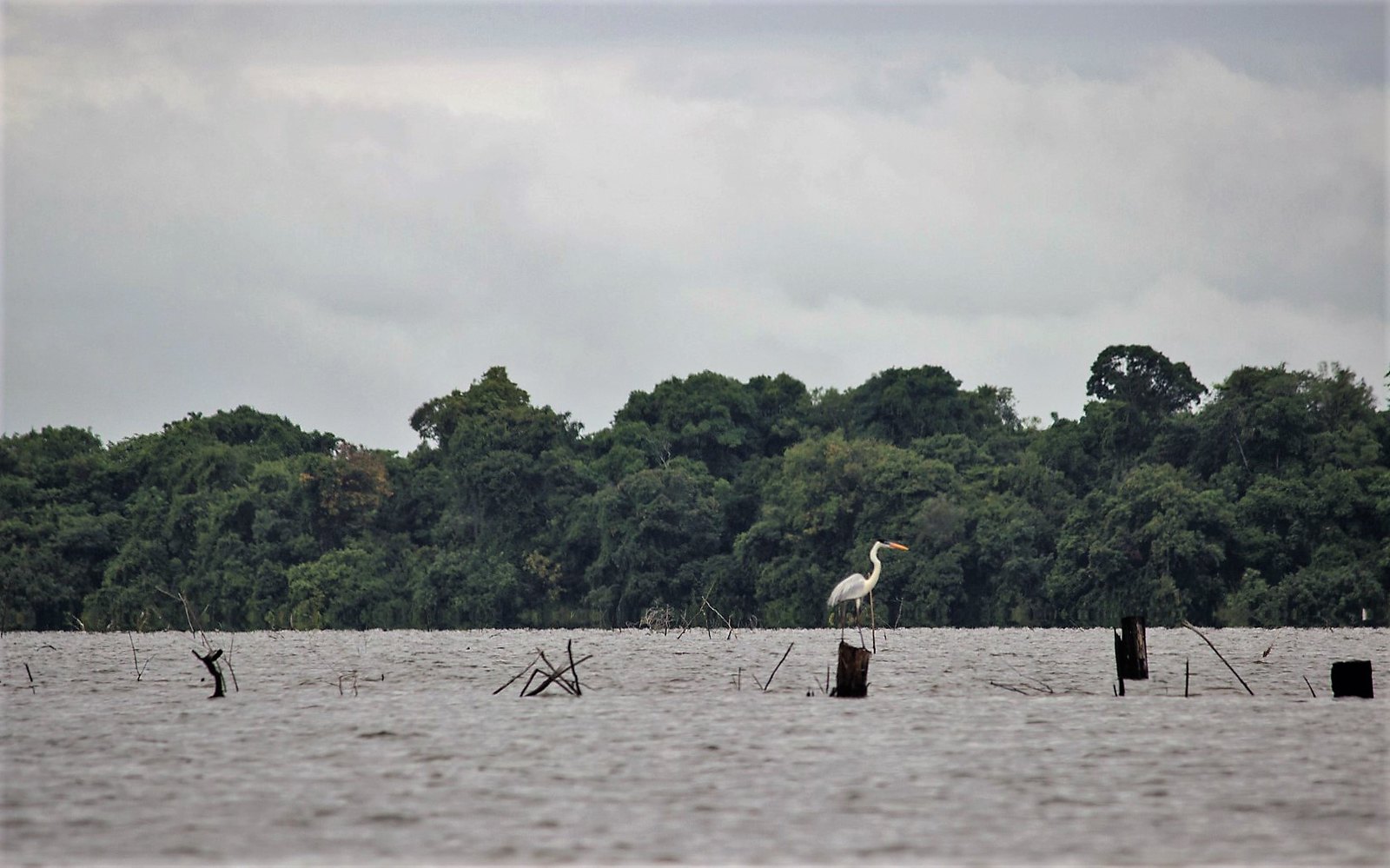
Photo: Amazon Watch / Maíra Irigaray.
The search for justice and reparations
Over the years, the Federal Public Prosecutor’s Office in Pará, the Public Defender’s Office, and civil society organizations have filed dozens of legal actions in Brazilian courts to challenge the project’s various irregularities and its impacts. Most of the claims are still pending resolution, some for more than 10 years.
These efforts have failed because the national government has repeatedly overturned rulings in favor of the affected communities by invoking a mechanism that allowed a court president to suspend a judicial decision based solely on generic arguments such as "the national interest" or "economic order."
In the absence of effective responses at the national level, AIDA, together with a coalition of partner organizations, brought the case before the Inter-American Commission on Human Rights (IACHR) and, in 2010, requested precautionary measures to protect the lives, safety, and health of the affected indigenous communities.
On April 1, 2011, the IACHR granted these measures and requested that the Brazilian government suspend environmental permits and any construction work until the conditions related to prior consultation and the protection of the health and safety of the communities are met.
And on June 16, 2011 —together with the Xingu Vivo Para Sempre Movement, the Coordinating Committee of Indigenous Organizations of the Brazilian Amazon, the Diocese of Altamira, the Indigenous Missionary Council, the Pará Society for the Defense of Human Rights and Global Justice— we filed a formal complaint against the Brazilian State for its international responsibility in the violation of the human rights of the people affected in the case. The case was opened for processing in December 2015.
On August 3, 2011, the IACHR amended the precautionary measures to request, instead of the suspension of permits and construction, the protection of people living in voluntary isolation, the health of indigenous communities, and the regularization and protection of ancestral lands.
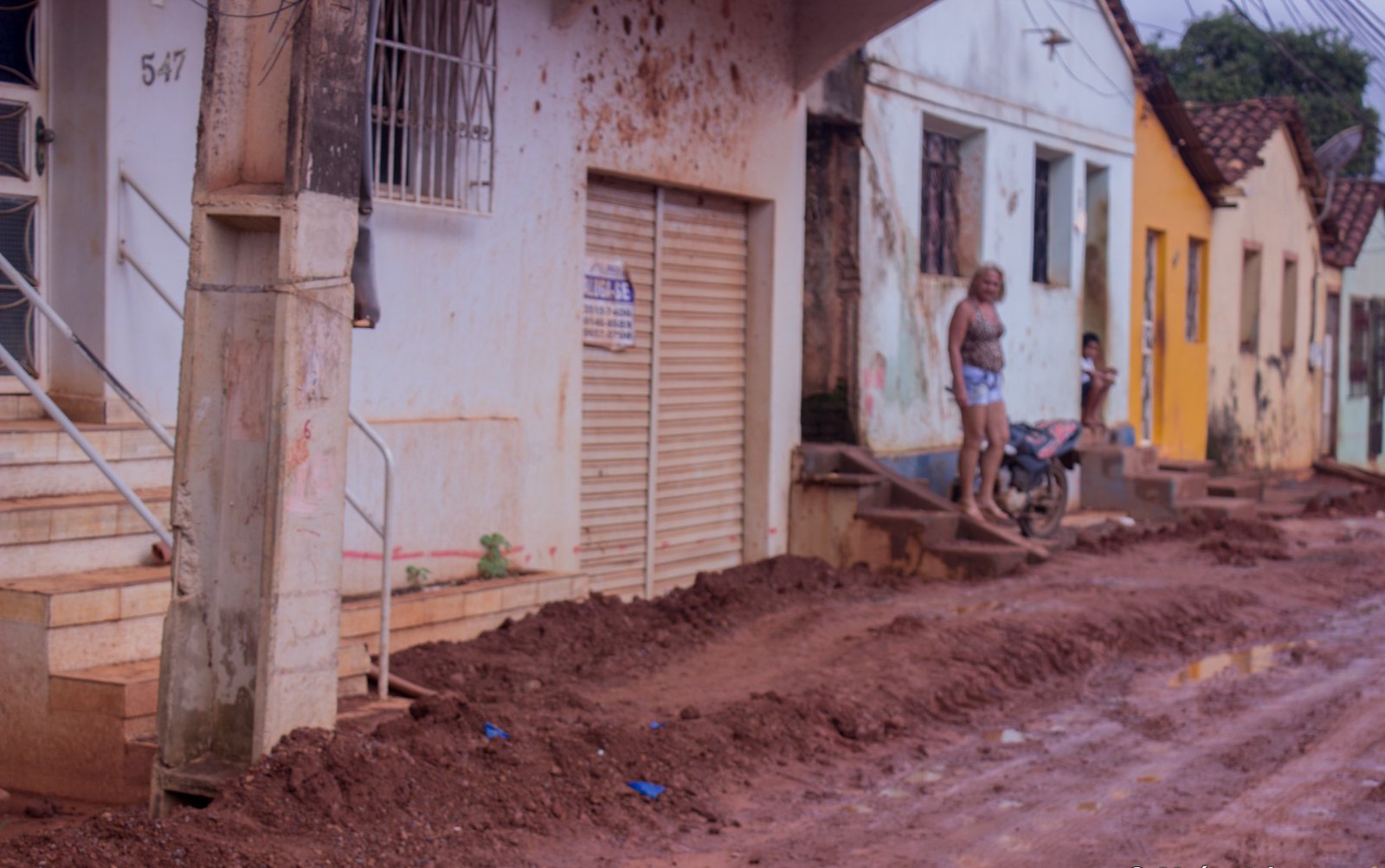
Photo: Amazon Watch / Maíra Irigaray.
Current situation
The protective measures granted by the IACHR remain in effect, but the Brazilian government has not fully complied with them, reporting only on general actions. The communities have documented the ongoing violations of their rights. The situation that prompted the request for these measures—the risk to the lives, physical integrity, and ways of life of the communities—persists and has worsened with the hydroelectric plant operating at full capacity and the recent extreme droughts in the Amazon.
In addition to the impacts of Belo Monte, there is a risk of further social and environmental impacts from the implementation of another mining megaproject in the Volta Grande do Xingu. There, the Canadian company Belo Sun plans to build Brazil’s largest open-pit gold mine.
The combined and cumulative impacts of the dam and the mine were not assessed. The government excluded Indigenous peoples, riverine and peasant communities from the project’s environmental permitting process. Despite protests by Indigenous communities and other irregularities surrounding the project, the government of Pará formally authorized the mine in April 2026.
Like other hydroelectric dams, Belo Monte exacerbates the climate emergency by generating greenhouse gas emissions in its reservoir. And it is inefficient amid the longer, more intense droughts caused by the crisis, as it loses its ability to generate power.
The case before the Inter-American Commission
In October 2017, the IACHR announced that it would rule jointly on the admissibility (whether the case meets the requirements for admission) and the merits (whether a human rights violation actually occurred) of the international complaint against the Brazilian State.
Fifteen years after the complaint was filed, the affected communities and the organizations representing them are still awaiting this decision. If the IACHR concludes that human rights violations occurred and issues recommendations that the Brazilian State fails to comply with, it may refer the case to the Inter-American Court of Human Rights, whose rulings are binding.
A potential ruling by the international court in this case would set a regional legal precedent regarding the rights of indigenous and riverine peoples, public participation in megaprojects, and state responsibility in the context of the climate crisis—a precedent that is particularly relevant in light of the Court’s Advisory Opinion No. 32, which reaffirmed the obligations of States to protect the people and communities of the continent from the climate emergency.
Partners:
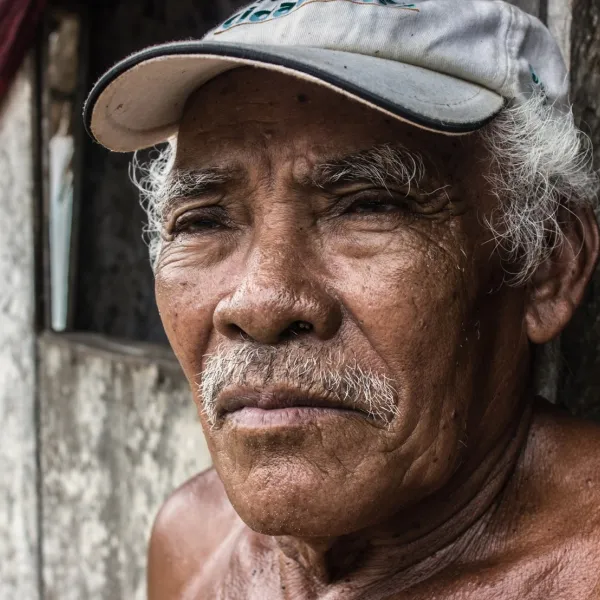
Related projects
Groups appeal to UN to halt imminent forced evictions of indigenous Ngöbe families
Appeal to the UN seeks to stop eviction of Panamanian community. Panama, Washington D.C., San Francisco, Lima. Environmental and human rights organizations submitted an urgent appeal to United Nations Special Rapporteurs on behalf of members of the indigenous Ngöbe community - the community faces imminent forced eviction from their land for the Barro Blanco hydroelectric dam project in western Panama. The eviction would force Ngöbe communities from their land, which provides their primary sources of food and water, means of subsistence, and culture. The urgent appeal, submitted by the Ngöbe organization Movimiento 10 de Abril para la Defensa del Rio Tabasará (M10) and three international NGOs, the Interamerican Association for Environmental Defense (AIDA), the Center for International Environmental Law (CIEL), and Earthjustice, asks the Special Rapporteurs to call upon the State of Panama to suspend the eviction process and dam construction until it complies with its obligations under international law. Given that the project is financed by the German and Dutch development banks (DEG and FMO, respectively) and the Central American Bank for Economic Integration (CABEI), the groups also urge the Special Rapporteurs to call on Germany, the Netherlands, and the member States of CABEI to suspend financing until each country has taken measures to remedy and prevent further violations of the Ngöbe's human rights. The forced evictions of the Ngöbe are the most recent threat arising from the Barro Blanco project. These evictions raise imminent violations of their human rights to adequate housing; property, including free, prior and informed consent; food, water and means of subsistence; culture; and education. "Our lands and natural resources are the most important aspects of our culture. Every day, we fear we will be forced from our home,"said Weni Bagama of the M10. The appeal highlights the fact that the Ngöbe were never consulted, nor gave consent to leave their land. "Panama must respect the rights of the Ngöbe indigenous peoples and refrain from evicting them. Executing these forced evictions will constitute a violation of international human rights law," said María José Veramendi Villa of AIDA. Also central to the appeal is the role of governments whose banks are funding the dam. "Under international law, States must ensure that their development banks do not finance projects that violate human rights, including extraterritorially. Forced eviction of the Ngöbe without their consent is reason enough to suspend financing of this project," said Abby Rubinson of Earthjustice. Barro Blanco's registration under the Kyoto Protocol's Clean Development Mechanism (CDM) is another point of concern. "Panama's failure to protect the Ngöbe from being forcibly displaced from their land without their consent casts serious doubt on the CDM's ability to ensure respect for human rights under international law," said Alyssa Johl of CIEL. "CDM projects must be designed and implemented in a manner that respects human rights obligations."
Read more
Mandela: lessons in tribal leadership to effectively protect the environment
“It always seems impossible until it becomes reality.” —Nelson Mandela Nelson Mandela died one month ago. Much has been written about him since then, and he has been globally honored like none other. Despite possible year-end amnesia and at the risk of sounding cliché, I am writing this post in his honor. I’m particularly interested in highlighting four leadership qualities Mandela possessed, and pointing out how those same qualities can help us be more effective environment defenders. Nelson Rolihlahla Mandela was born in Qunu, a Xhosa community in the state of Transkei, in the southeastern part of South Africa. Mandela’s birth name Rolihlahla means “troublemaker,” in the Xhosa language. But a schoolteacher began calling him Nelson, according to the custom of calling children by their English, rather than African, names. Another of Mandela’s names—Dalibunga (or founder of the bunga)—was given to him during a traditional initiation ceremony at the age of 16. He was also called Madiba, a name given by his tribe in honor of a Tembu chief who ruled during the 18th Century. According to tradition, Mandela was destined to be an advisor to the Tembu king. But he ended up being a leader far beyond the borders of the Transkei region, and changed the world even beyond South Africa. He was a leader of reconciliation and compromise. He had an enormous capacity for forgiveness and an ability work peacefully with, rather than seek revenge against, those who oppressed his people for centuries, and imprisoned him for 27 years. In what follows, I’d like to discuss four characteristics that Mandela exemplified. If we emulate these qualities, we can, like Mandela, help make the world a freer and more just place. 1. Values and a common cause as an absolute guide to decisions “There is no easy walk to freedom anywhere, and many of us will have to pass through the valley of the shadow of death again and again before we reach the mountaintop of our desires.” Mandela lived according to his values. He had the goal of ending apartheid and securing freedom for himself and his people. His desire for freedom guided each of his actions, including after he succeeded in ending apartheid in his country. Over the decades of his struggle, including more than a quarter century in prison, there were undoubtedly moments of despair and fear in which other people would have given up hope. Mandela and his colleagues, however, persisted. The cause that united them was greater than their individual will, and stronger than even Mandela himself. Although we cannot compare our work to the struggle against apartheid, we have indeed made important progress by rallying behind a common cause. One recent victory, in 2011, was a change in the Mexican Constitution in favor human rights. It would not have been possible without the joint work of our partner organizations, academia, and the Office of the High Commissioner of Mexico. 2. Conscientious, disciplined, committed and coherent “Running taught me valuable lessons. In cross-country competitions, training counted more than intrinsic ability, and I could compensate for a lack of natural aptitude with diligence and discipline. I applied this in everything I did.” Persistence and discipline were qualities that made a big difference for Mandela in reaching his goals. His commitment to every challenge, his clarity, and even his limitless stubbornness still manage to surprise us. His success was not achieved through supernatural powers, nor was there a single moment in which everything magically changed. On the contrary, Mandela’s achievements were a consequence of a life dedicated to study, work, and learning. He was constantly listening to others, building strategies, and rethinking them in order to achieve his goals. He made mistakes and bad decisions, but also had successes that collectively helped achieve his dream of freedom. Sometimes we feel that the results are impossible. In fact, they are, if we’re trying to reach them immediately. At AIDA, we have learned this in the case of La Oroya, in which we have had to be persistent and disciplined in order to achieve lasting results. With the people of La Oroya we have worked for change for 15 years, and we will continue until we achieve it. 3. All on the same side — there is no good vs. bad “If you want to make peace with your enemy, you should work with your enemy. Then he will become your partner.” I often wonder where South Africa would be if Mandela and his colleagues had not reached small agreements, if they had not overcome their many differences and moved forward. Moreover, what would have happened in that country if they had not been able to transcend hatred toward their oppressors in order to find peaceful and coordinated solutions? Surely, the outcome would have been a civil war with unimaginable consequences. One element that avoided such a catastrophe was Mandela’s constant ability to find solutions, reach agreements, maintain dialogue, and demand concrete results toward real change. No doubt, the process was not easy, quick, or smooth. But perseverance, clear goals, a desire to reach consensus, and the ability to find interlocutors made even the most complicated situations possible. When I think of our job of protecting the environment, I realize how much we lack and the great opportunity that lies before us. For example, instead of competing with colleagues at other organizations, or trying to defeat governments or corporations, we should remember that we are all working toward solutions to a common goal. The lure of “winning” and seeing others lose is powerful. But, surely, we will gain more if we work with our “enemies” and become partners instead. 4. A step back in celebration, a step forward in times of peril “It is better to lead from behind, and put others to the front, especially in celebration when good things occur. You step forward when there is danger. Then, people will appreciate your leadership.” Leadership is very different from being a dictator or a strongman. A person who is a true leader allows and encourages others to grow, develop and evolve in order to reach a common goal, even if they shine more than their bosses. Mandela was conscious of being a symbol so that everyone in South Africa could be free and treated as equals. Many times, he put that role above his own self-interest. On more than one occasion, Mandela had the possibility of improving his prison conditions or of obtaining early release. Instead, he chose to stay imprisoned because he believed that the conditions to dismantle apartheid were not met, and that the unjust system would not change if he were released. “Real leaders must be ready to sacrifice everything for the freedom of their people.” Sadly, contrary to what Mandela said, many “leaders” jump at the chance to receive medals, but have difficulty taking responsibility for the mistakes or shortcomings of their team. We must remember that the type of leadership that Mandela embodied can accomplish miracles. It translates into actions that allow changes no one would have thought possible—the fall of apartheid, for example, or a simple handshake between President Obama and Raul Castro, a symbol of reconciliation that took place at Mandela’s funeral. So, dear leaders, have a happy 2014! I invite you to consider these leadership skills and put them into practice. For your success, and for the survival of our planet!
Read moreMexican government breaches international commitments to put Veracruz Reef System at risk
Organizations denounce the incident to the Ramsar Convention, an international treaty for the protection of wetlands. By modifying the boundaries of the coral reef national park, the federal government is seeking to expand the Port of Veracruz. Mexico City, Mexico. Civil society organizations have denounced to international bodies that Mexico’s government intends to modify the boundaries of the Veracruz Coral Reef System National Park, known as PNSAV in its Spanish acronym, in order to expand the Port of Veracruz. This violates the government’s commitment to preserve and protect a wetland of global importance. Mexico’s Secretariat of Environment and Natural Resources (Semarnat) authorized the port expansion project on December 19, 2013. In response, the Interamerican Association for Environmental Defense (AIDA) and the Mexican Center for Environmental Law (CEMDA) – with support from the Veracruz Assembly of Environmental Initiatives and Defense (LAVIDA), Pobladores A.C., Paths and Meetings for Sustainable Development (SENDAS), Litiga OLE, Pronatura Veracruz and the doctor and researcher Leonardo Ortíz Lozano – filed with the Ramsar Secretariat a report on the federal government’s failure to comply with that international treaty. The Veracruz Reef System was declared a Protected Natural Area (PNA) in 1992 with the aim of protecting the human right to a healthy environment. In 2004, it was registered as a wetland of international importance on the Ramsar List. While Mexico can modify the boundaries of sites on the Ramsar List, this must be done in accordance with the grounds and procedures identified in the Ramsar Convention. However, the federal government intends to modify the area of the PNSAV, contradicting to its own actions and acting in breach of the principle of law. [1] According to public information secured from the National Commission of Natural Protected Areas (Conanp) [2], the Mexican government based its decision to amend the boundaries of the PNSAV on a so-called error clause contained in Resolution VIII.22. This clause can only be invoked when there are changes in the ecological characteristics stemming from the degradation of part of a wetland. The federal government has yet to scientifically prove that there have been any ecological changes to the detriment of the wetland. Of note, it is questionable that the Conanp decided to notify the Ramsar Convention Secretariat of the alleged error on the eve of the Semarnat’s authorization of the Port of Veracruz expansion. Another legal way to change the boundaries of Ramsar sites is if there is "urgent national interest," as contained in Resolution VIII.20. This requires a prior environmental assessment and a consultation with all stakeholders, something that has not yet happened. "The federal government is determined to illegally change the polygonal of the PNSAV every time that it is not legally possible to proceed according to the procedures established by the Ramsar Convention," said Sandra Moguel, an AIDA legal adviser. "The polygonal change and the environmental impact authorization of the proposed expansion of the Port of Veracruz are unilateral decisions by the federal government in which the arguments of the affected peoples were not taken into account," she added. The Mexican government is violating the Ramsar Convention, and hence its international obligations on the conservation of a wetland of international importance. If the amendment to the PNSAV goes through, the government will hurt the right of Mexicans – and the people of Veracruz, in particular – to a healthy environment. Because of this, AIDA and the other civil society organizations requested the Ramsar Convention Secretariat to consider as unacceptable the proposed reduction of the PNSAV’s boundaries. We also requested that these proposed changes be discussed at Ramsar’s next Conference of the Contracting Parties to be held in Uruguay in 2015. Editor's notes: 1. According to this general principle of law, the authority can only do what is expressly mandated by law. 2. Information request 1615100033713.
Read more