
Project
Amazon Watch / Maíra Irigaray
The Belo Monte Dam on the Xingu River: 10 years of impacts in the Amazon and the search for reparations
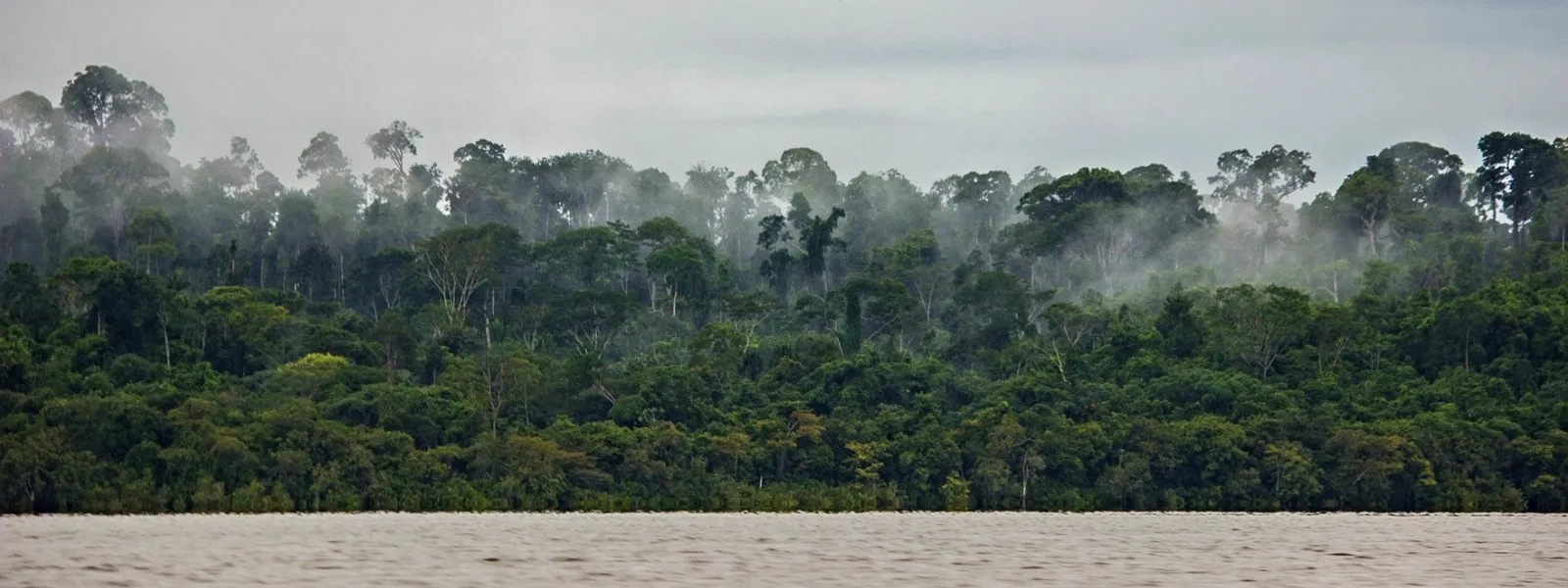
The Belo Monte Dam has caused an environmental and social disaster in the heart of the Amazon—one of the most important ecosystems on the planet.
This situation has only worsened since the hydroelectric plant began operations in 2016. The quest for justice and reparations by the affected indigenous, fishing, and riverine communities continues to this day.
In 2011, the Inter-American Commission on Human Rights (IACHR) granted them protective measures that, to date, have not been fully implemented by the Brazilian State.
Furthermore, since June of that same year, the IACHR has yet to rule on a complaint against the State regarding its international responsibility in the case.
The IACHR may refer the case to the Inter-American Court of Human Rights, which has the authority to issue a ruling condemning the Brazilian State.
After 10 years of the hydroelectric plant's operation and more than 15 years of documented human rights violations, it is time for justice to be served for the affected communities.
Read the open letter from the organizations bringing the case before the IACHR
Background
The Belo Monte hydroelectric plant—the fourth largest in the world by installed capacity (11,233 MW)—was built on the Xingu River in Pará, a state in northern Brazil.
It was inaugurated on May 5, 2016, with a single turbine. At that time, 80% of the river’s course was diverted, flooding 516 km² of land—an area larger than the city of Chicago. Of that area, 400 km² was native forest. The dam began operating at full capacity in November 2019.
Belo Monte was built and is operated by the Norte Energia S.A. consortium, which is composed primarily of state-owned companies. It was financed by the Brazilian Development Bank (BNDES), which provided the consortium with 25.4 billion reais (approximately US$10.16 billion), the largest investment in the bank’s history. Therefore, the BNDES is also legally responsible for the socio-environmental impacts associated with the hydroelectric plant.
Decades of harm to the environment and people
Human rights violations and degradation of the Amazon have been occurring since the project’s inception. In March 2011, Norte Energía began construction of the dam without adequate consultation and without the prior, free, and informed consent of the affected communities.
The construction caused the forced displacement of more than 40,000 people, severing social and cultural ties. The resettlement plan in Altamira—a city directly affected by the hydroelectric dam—involved housing units located on the outskirts, lacking adequate public services and decent living conditions for the relocated families, with no special provisions for those from indigenous communities.
Belo Monte's operations have caused a permanent, man-made drought in the Volta Grande (or "Great Bend") of the Xingu River, exacerbated by the historic droughts in the Amazon in 2023 and 2024. As a result, the deaths of millions of fish eggs were documented for four consecutive years (from 2021 to 2024), and for the past three years, there has been no upstream migration of fish to spawn and reproduce. Thus, artisanal fishing, the main source of protein for indigenous peoples and riverside communities, was severely affected: fish dropped from 50% to 30% of total protein consumed, replaced by processed foods. In summary, there was an environmental and humanitarian collapse that resulted in the breakdown of fishing as a traditional way of life, food insecurity, and access to drinking water for thousands of families, impoverishment, and disease.
Furthermore, the construction of the dam increased deforestation and intensified illegal logging and insecurity on indigenous and tribal lands, putting the survival of these communities at risk. Another consequence was the deepening of poverty and social conflicts, as well as the strain on health, education, and public safety systems in Altamira—a city ranked as the most violent in the country in 2017, where human trafficking and sexual violence increased. Violence was also reported against human rights defenders involved in the case.
In 2025, during the 30th UN Climate Change Conference (COP30), held in Brazil, the Federal Public Prosecutor’s Office labeled the damage caused by the Belo Monte dam as ecocide.
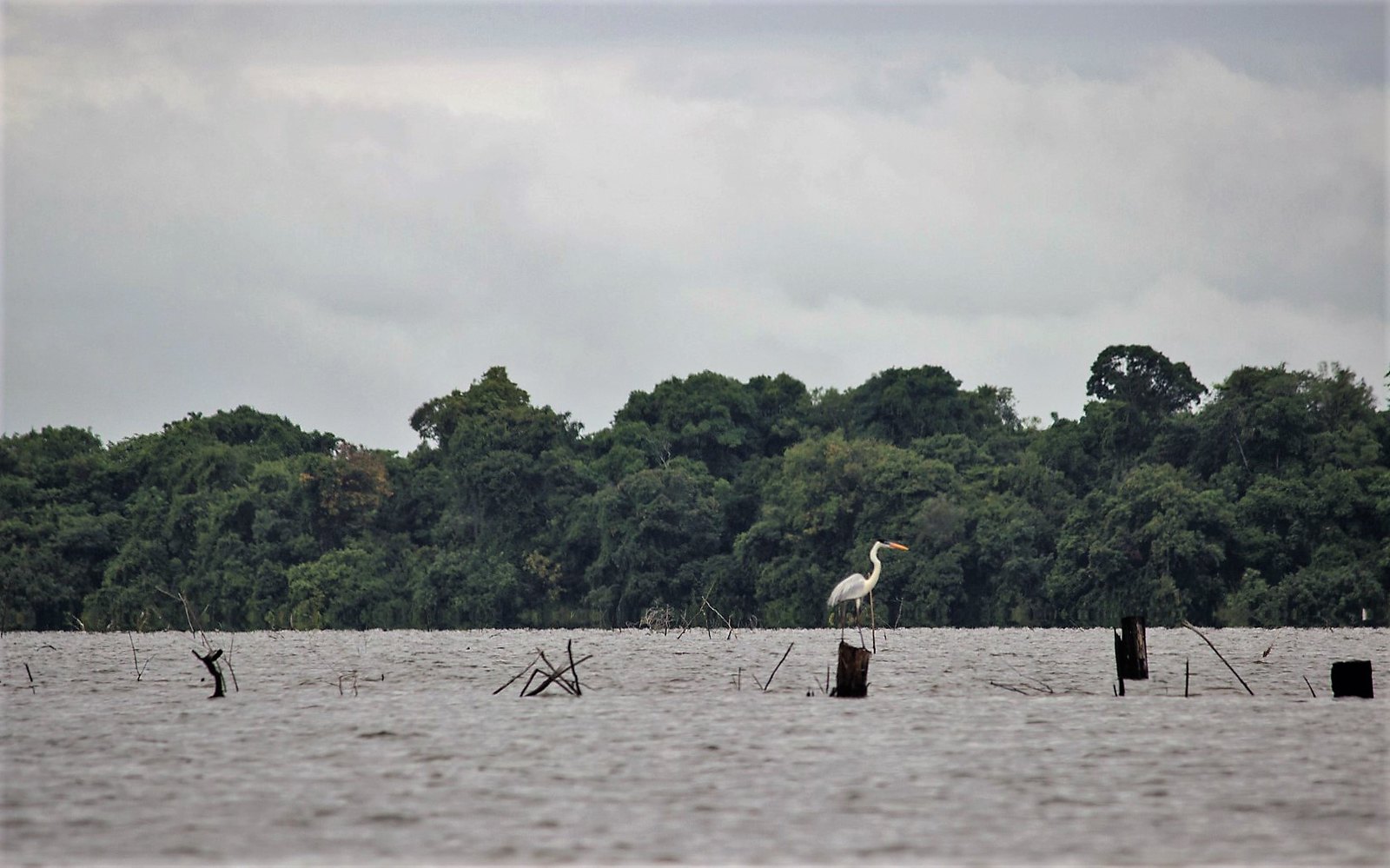
Photo: Amazon Watch / Maíra Irigaray.
The search for justice and reparations
Over the years, the Federal Public Prosecutor’s Office in Pará, the Public Defender’s Office, and civil society organizations have filed dozens of legal actions in Brazilian courts to challenge the project’s various irregularities and its impacts. Most of the claims are still pending resolution, some for more than 10 years.
These efforts have failed because the national government has repeatedly overturned rulings in favor of the affected communities by invoking a mechanism that allowed a court president to suspend a judicial decision based solely on generic arguments such as "the national interest" or "economic order."
In the absence of effective responses at the national level, AIDA, together with a coalition of partner organizations, brought the case before the Inter-American Commission on Human Rights (IACHR) and, in 2010, requested precautionary measures to protect the lives, safety, and health of the affected indigenous communities.
On April 1, 2011, the IACHR granted these measures and requested that the Brazilian government suspend environmental permits and any construction work until the conditions related to prior consultation and the protection of the health and safety of the communities are met.
And on June 16, 2011 —together with the Xingu Vivo Para Sempre Movement, the Coordinating Committee of Indigenous Organizations of the Brazilian Amazon, the Diocese of Altamira, the Indigenous Missionary Council, the Pará Society for the Defense of Human Rights and Global Justice— we filed a formal complaint against the Brazilian State for its international responsibility in the violation of the human rights of the people affected in the case. The case was opened for processing in December 2015.
On August 3, 2011, the IACHR amended the precautionary measures to request, instead of the suspension of permits and construction, the protection of people living in voluntary isolation, the health of indigenous communities, and the regularization and protection of ancestral lands.
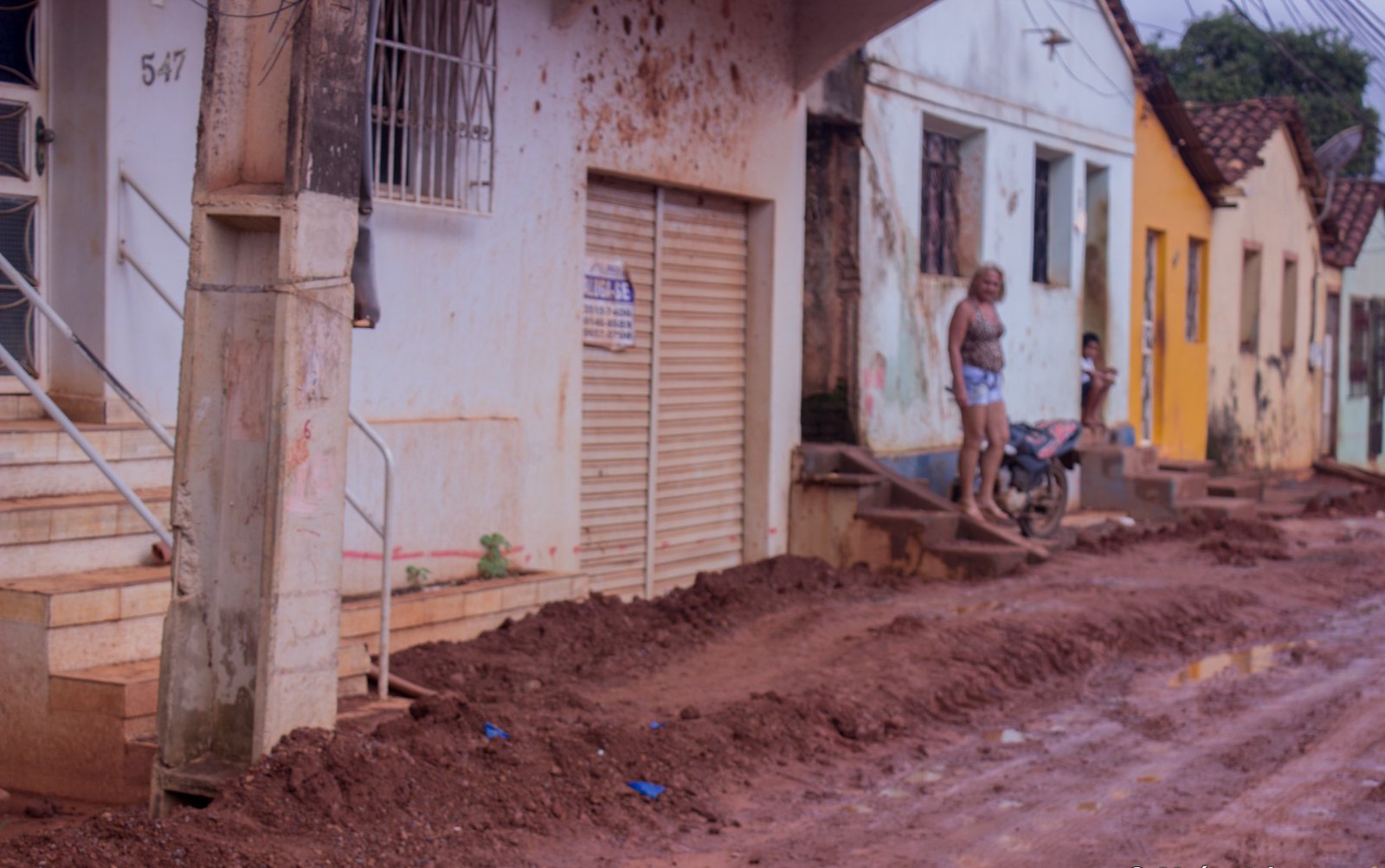
Photo: Amazon Watch / Maíra Irigaray.
Current situation
The protective measures granted by the IACHR remain in effect, but the Brazilian government has not fully complied with them, reporting only on general actions. The communities have documented the ongoing violations of their rights. The situation that prompted the request for these measures—the risk to the lives, physical integrity, and ways of life of the communities—persists and has worsened with the hydroelectric plant operating at full capacity and the recent extreme droughts in the Amazon.
In addition to the impacts of Belo Monte, there is a risk of further social and environmental impacts from the implementation of another mining megaproject in the Volta Grande do Xingu. There, the Canadian company Belo Sun plans to build Brazil’s largest open-pit gold mine.
The combined and cumulative impacts of the dam and the mine were not assessed. The government excluded Indigenous peoples, riverine and peasant communities from the project’s environmental permitting process. Despite protests by Indigenous communities and other irregularities surrounding the project, the government of Pará formally authorized the mine in April 2026.
Like other hydroelectric dams, Belo Monte exacerbates the climate emergency by generating greenhouse gas emissions in its reservoir. And it is inefficient amid the longer, more intense droughts caused by the crisis, as it loses its ability to generate power.
The case before the Inter-American Commission
In October 2017, the IACHR announced that it would rule jointly on the admissibility (whether the case meets the requirements for admission) and the merits (whether a human rights violation actually occurred) of the international complaint against the Brazilian State.
Fifteen years after the complaint was filed, the affected communities and the organizations representing them are still awaiting this decision. If the IACHR concludes that human rights violations occurred and issues recommendations that the Brazilian State fails to comply with, it may refer the case to the Inter-American Court of Human Rights, whose rulings are binding.
A potential ruling by the international court in this case would set a regional legal precedent regarding the rights of indigenous and riverine peoples, public participation in megaprojects, and state responsibility in the context of the climate crisis—a precedent that is particularly relevant in light of the Court’s Advisory Opinion No. 32, which reaffirmed the obligations of States to protect the people and communities of the continent from the climate emergency.
Partners:
Related projects

With the territories: 6 achievements for a healthy environment in 2024
The knowledge, experience and insights that come from the land and communities are an important way to address the global crises of climate, pollution and biodiversity loss.In 2024, by building bridges between communities affected by environmental degradation and high-level decision-making spaces, we at AIDA have helped to establish important precedents for the protection of a healthy environment in Latin America and the Caribbean.These are achievements that show that victories for the environment and human rights on the continent depend on including the voice of those who care for nature and live in balance with it. 1. Inter-American Court ruling sets historic precedent for achieving justice in the face of industrial pollutionOn March 22, the Inter-American Court of Human Rights published its decision in the case of the inhabitants of the Peruvian town of La Oroya, affected by extreme pollution from a metallurgical complex. It found the state responsible for violating their rights and ordered it to adopt comprehensive reparation measures. The ruling is the culmination of more than 20 years of struggle for justice and reparation, and is now the most important regional and global precedent for state oversight of corporate activities in the areas of human rights and the environment. AIDA has supported the case since 1997 and represented the victims before the Court. The outcome reflects our longstanding efforts to guarantee the right to a healthy environment in Latin America.Learn More 2. Voices from the Americas reach international tribunal to strengthen climate actionIn a historic and emblematic event, communities, organizations and civil society alliances from the Americas brought their voices to the process of preparing the declaration that will, for the first time, clarify the Inter-American Court of Human Rights' obligations of the continent's governments to protect people in the face of the climate crisis. AIDA supported the inclusion of these voices through the submission of 15 legal briefs (amicus curiae) to the International Court and the testimony of community representatives at public hearings. We also submitted our own brief to demonstrate the existence of the right to a "stable and safe climate" as part of the universal right to a healthy environment, and the obligations of governments to guarantee it.Learn More 3. Green Climate Fund cancels project funding after evidence of human rights violationsIn an unprecedented move, the Green Climate Fund - the world's leading multilateral climate finance institution - has canceled the disbursement of US$64 million to a forestry project following evidence of violations of the rights of indigenous and Afro-descendant communities in Nicaragua. The decision followed a complaint, supported by AIDA and allied organizations, submitted by the communities to the Fund's Independent Redress Mechanism, which launched an investigation and concluded that the project did not comply with the institution's policies and procedures on socio-environmental safeguards. The proposal that requested the funding ignored the context of violence and lack of human rights protection that indigenous communities in Nicaragua continue to suffer today.Learn More 4. Colombia's High Court reaffirms the right to free, prior and informed consultationIn response to two lawsuits supported by AIDA, the Colombian Constitutional Court, after finding that the territory of the Afro-descendant community of Afrowilches was directly affected, ruled that their right to free, prior and informed consultation had been violated in the environmental licensing process of two pilot projects for the extraction of unconventional hydrocarbons through fracking. This is a regional milestone in which the Supreme Court recognized that the processes and regulations governing the energy transition must be fair and guarantee the rights of communities that may be affected.Learn More 5. The Inter-American Commission hears about the human rights impacts of mining for the energy transitionIn a public hearing, AIDA, together with communities and allied organizations, presented evidence to the Inter-American Commission on Human Rights of human rights violations associated with the extraction of lithium, copper and other minerals used in the energy transition. These violations are already occurring in highly biodiverse areas vulnerable to mining pressures, such as the Gran Atacama —a region located in the cross-border Puna region of Argentina, Bolivia and Chile— and the Amazon. At the hearing, we will ask the Commission to urge the continent's governments to take concrete steps to protect human rights in energy transition processes.Learn More 6. Civil society paves the way for ratification of the High Seas TreatyThe AIDA team joined Latin American government representatives and experts in a series of informative meetings to dispel doubts about the High Seas Treaty —which aims to protect life in the area of the ocean beyond national waters— and to highlight the importance of its ratification, as well as the transfer of knowledge and experience between countries. Issues such as the equitable benefit-sharing mechanism, capacity building and the role of civil society in the implementation of the treaty were addressed, with an emphasis on the realities of each country. Against this backdrop, Panama ratified the treaty in October. To enter into force, the treaty needs to be ratified by 60 countries.Learn MoreIn our 2024 Annual Report you’ll find more information on these achievements and our review of the year.
Read more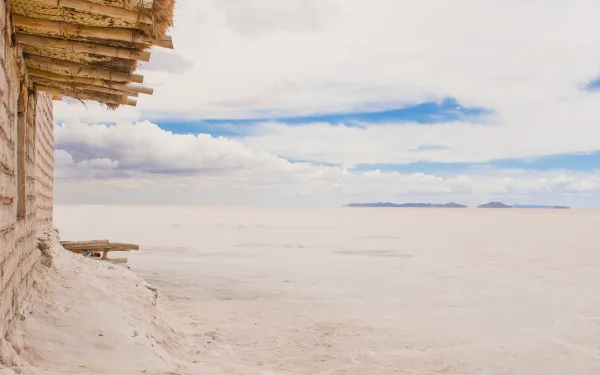
European Union regulations and strategies jeopardize a just energy transition in Latin America
Reducing the production and consumption of minerals and deepening its circularity policy could enable the EU to address the social and environmental crises equitably, without exacerbating inequalities or compromising human well-being in the areas of the Global South where minerals are extracted. Brussels, Belgium – Following EU Raw Materials Week, which convened in Brussels this week, civil society organizations in Latin America warned that European Union regulations fail to respect the rights of communities affected or at risk of being impacted by mineral extraction projects used for energy transition and other industries, deepening inequalities in the Global South.While the debate around the future dynamics of raw materials in Europe – under the slogan “Europe means business; Europe is a powerhouse”– sought to foster investment opportunities between EU industry and countries of the Global South, the event fully ignored the realities of the territories in which these minerals are extracted. The effective participation of Latin American civil society has been practically non-existent, and the voices of local communities affected by the “critical minerals” projects promoted at the event have been excluded.“The EU's current raw materials and trade policy contradicts Europe's claim and rhetoric of upholding human rights and the highest environmental standards and supporting mineral-rich countries in creating added value and in their own energy transition.” said Teresa Hoffmann, EU raw materials policy expert and member of FARN. “Instead of making rapid progress in implementing human rights and environmental standards, there is a risk of even deregulating existing laws in the name of ‘competitiveness through simplification.’” The competitiveness paradigmThe event's agenda showcased the paradigm promoted by the European Commission in the framework of competitiveness vis-à-vis other countries such as China and the United States, which also seek to control the market of the so-called “clean technologies” and other industries, such as the military and aerospace. This approach is supported by the Draghi report, which stresses the importance of strengthening Europe's position in the global market.This narrative frames competitiveness in a very narrow perspective of perpetual growth, ignoring key elements such as environmental sustainability, social justice, and the need for real action in order for the EU to take steps to reduce its demand for minerals and its energy consumption.“The new paradigm of competitiveness does not take into account the limits of the planet, nor the climate, biodiversity and water crises, and risks deepening the asymmetry of power and inequality that exist between the countries of the Global South and the Global North, while promoting policies that impede a just global energy transition,” said Pía Marchegiani, deputy executive director and director of the Environmental Policy area of the Environment and Natural Resources Foundation (FARN). European Critical Raw Materials Regulation (CRMR)The Commission this week discussed the implementation of the European Critical Raw Materials Regulation (CRMR) through 'strategic projects' and 'strategic partnerships' in and with countries in the Global South.Critically, although the regulation will be widely implemented in Latin America—where many of these minerals are found in strategic ecosystems and indigenous territories—it does not include robust human rights and environmental due diligence mechanisms appropriate to the socio-cultural context of this region.On the contrary, the CRMR allows European companies to self-regulate their compliance with human rights and environmental standards through schemes that do not consider the complexity of the aggregate and synergistic impacts of extractive activities, which are expanding rapidly due to European and global demand.“Europe is seeking to secure access to minerals and energy through the modernization of free trade agreements, bilateral investment agreements and the CRMR itself. This new law promotes private mechanisms for multi-stakeholder participation and mining standards on environmental issues or transparency, which cannot be understood as a substitute for the procedures and regulations provided for in the laws of countries” said Ramón Balcázar, researcher and executive director of the Fundación Tantí. “Currently, we see them being used by the same companies and states that together systematically deny the right to free, prior and informed consultation to the peoples who are often affected simultaneously by mining and energy mega-projects”. Territorial realities not on the EU agendaIn Latin America, there is vast evidence that large-scale mineral extraction leads to socio-environmental degradation and conflict, and poses serious risks to local communities and environmental defenders.In the Salar de Atacama in Chile and the Salar del Hombre Muerto in Argentina, lithium extraction has generated environmental conflicts, weakened the social fabric, deepened state violence, and significantly affected these sensitive ecosystems.Despite this, government representatives from several Argentine provinces attending the event failed to refer to the lack of social license and the serious socio-environmental conflicts they face. On the contrary, they emphasized the investment opportunities in these mineral-rich provinces and promoted reforms that represent a serious setback for human and environmental rights, such as the Incentive Regime for Large Investments (RIGI), denounced by the Argentinean organization FARN in a recent communication.“The European Union has regulations whose implementation processes do not respect the rights of access and international environmental law,” said Yeny Rodríguez, senior lawyer at the Interamerican Association for Environmental Defense (AIDA). “This is extremely worrying because we know that there are 49 strategic projects applications for the extraction of transitional minerals outside of the EU (out of a total of 170 proposals), but we have no information about which ones. They are likely in the Global South and, more worryingly, they may be planned on indigenous lands and in strategic ecosystems that should be recognized by the EU as no-go zones, or mining-free areas”.We call on the EU to rapidly adopt effective solutions to reduce the production and consumption of minerals and to deepen its circularity policy to address the social and environmental crises in an equitable and intergenerational way, without creating new inequalities or compromising human well-being in Latin America, as recently called for by the UN Economic Commission for Europe itself. Press contactsAnna Miller (USA), AIDA, [email protected], +17166029553Belén Felix (Argentina), FARN, [email protected], +5491134214728Felipe Fontecilla (Chile), Fundación Tantí, [email protected], +56954460903
Read more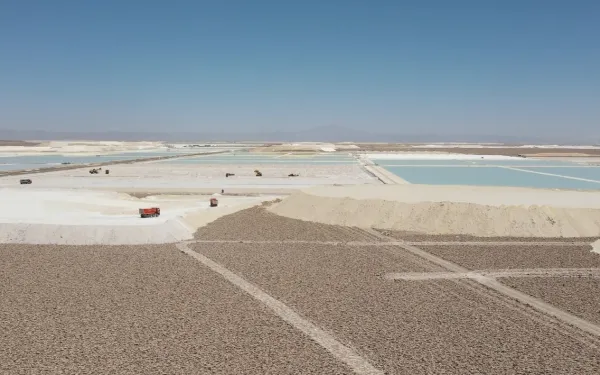
The role of critical minerals in the energy transition: policy implications at the local, national, regional and global level
2023 was the hottest year: 1.45 ºC above pre-industrial values. The trend points to an increase of 3º C. Consequently, climate events are becoming more extreme, frequent and long-lasting, affecting particularly vulnerable populations in the Global South. These countries not only lack financing to face losses and damages, and to propose mitigation and adaptation measures, but also bear the brunt of increased extraction of minerals needed for the energy transition in the Global North. The G20 countries, responsible for 76% of GHG emissions, should lead ambitious climate action, particularly in the energy sector, which accounts for 86% of global CO2 emissions (UNEP, 2023).In the outline of plans and policies for the energy transition, the demand for minerals considered critical, such as lithium, is increasing rapidly, exacerbating the global climate and ecological crisis by threatening Andean wetlands´ contribution to climate adaptation and mitigation. Also, this pressure to extract is affecting the rights of the indigenous communities who inhabit the salt flats in Argentina, Chile and Bolivia, which together concentrate over 50% of the world’s reserves. Additionally, geopolitical competition for technological control of the energy transition hinders countries in the region from advancing in the battery production value chain. Tensions emerge between technicaleconomic positions that prioritize the security of supply and friend-shoring and those that integrate the relationship between energy, ecological and socio-economic systems and challenge power asymmetries.This policy brief discusses lithium´s challenges for energy transition debates and calls the G-20 to ensure commitment to improved global cooperation that involves material reduction targets in the Global North, benefits for producer countries and a strong respect for planetary boundaries and human rights. Read and download the policy brief
Read more