
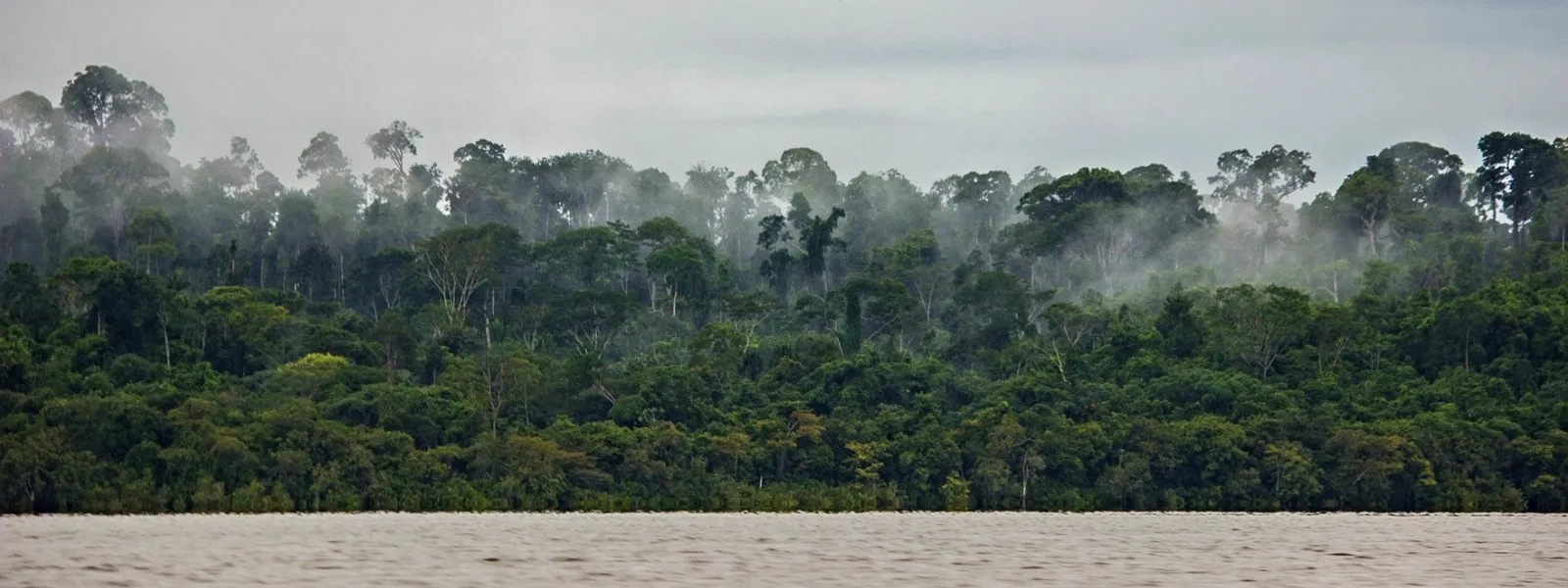
Project
Amazon Watch / Maíra Irigaray
The Belo Monte Dam on the Xingu River: 10 years of impacts in the Amazon and the search for reparations
The Belo Monte Dam has caused an environmental and social disaster in the heart of the Amazon—one of the most important ecosystems on the planet.
This situation has only worsened since the hydroelectric plant began operations in 2016. The quest for justice and reparations by the affected indigenous, fishing, and riverine communities continues to this day.
In 2011, the Inter-American Commission on Human Rights (IACHR) granted them protective measures that, to date, have not been fully implemented by the Brazilian State.
Furthermore, since June of that same year, the IACHR has yet to rule on a complaint against the State regarding its international responsibility in the case.
The IACHR may refer the case to the Inter-American Court of Human Rights, which has the authority to issue a ruling condemning the Brazilian State.
After 10 years of the hydroelectric plant's operation and more than 15 years of documented human rights violations, it is time for justice to be served for the affected communities.
Read the open letter from the organizations bringing the case before the IACHR
Background
The Belo Monte hydroelectric plant—the fourth largest in the world by installed capacity (11,233 MW)—was built on the Xingu River in Pará, a state in northern Brazil.
It was inaugurated on May 5, 2016, with a single turbine. At that time, 80% of the river’s course was diverted, flooding 516 km² of land—an area larger than the city of Chicago. Of that area, 400 km² was native forest. The dam began operating at full capacity in November 2019.
Belo Monte was built and is operated by the Norte Energia S.A. consortium, which is composed primarily of state-owned companies. It was financed by the Brazilian Development Bank (BNDES), which provided the consortium with 25.4 billion reais (approximately US$10.16 billion), the largest investment in the bank’s history. Therefore, the BNDES is also legally responsible for the socio-environmental impacts associated with the hydroelectric plant.
Decades of harm to the environment and people
Human rights violations and degradation of the Amazon have been occurring since the project’s inception. In March 2011, Norte Energía began construction of the dam without adequate consultation and without the prior, free, and informed consent of the affected communities.
The construction caused the forced displacement of more than 40,000 people, severing social and cultural ties. The resettlement plan in Altamira—a city directly affected by the hydroelectric dam—involved housing units located on the outskirts, lacking adequate public services and decent living conditions for the relocated families, with no special provisions for those from indigenous communities.
Belo Monte's operations have caused a permanent, man-made drought in the Volta Grande (or "Great Bend") of the Xingu River, exacerbated by the historic droughts in the Amazon in 2023 and 2024. As a result, the deaths of millions of fish eggs were documented for four consecutive years (from 2021 to 2024), and for the past three years, there has been no upstream migration of fish to spawn and reproduce. Thus, artisanal fishing, the main source of protein for indigenous peoples and riverside communities, was severely affected: fish dropped from 50% to 30% of total protein consumed, replaced by processed foods. In summary, there was an environmental and humanitarian collapse that resulted in the breakdown of fishing as a traditional way of life, food insecurity, and access to drinking water for thousands of families, impoverishment, and disease.
Furthermore, the construction of the dam increased deforestation and intensified illegal logging and insecurity on indigenous and tribal lands, putting the survival of these communities at risk. Another consequence was the deepening of poverty and social conflicts, as well as the strain on health, education, and public safety systems in Altamira—a city ranked as the most violent in the country in 2017, where human trafficking and sexual violence increased. Violence was also reported against human rights defenders involved in the case.
In 2025, during the 30th UN Climate Change Conference (COP30), held in Brazil, the Federal Public Prosecutor’s Office labeled the damage caused by the Belo Monte dam as ecocide.
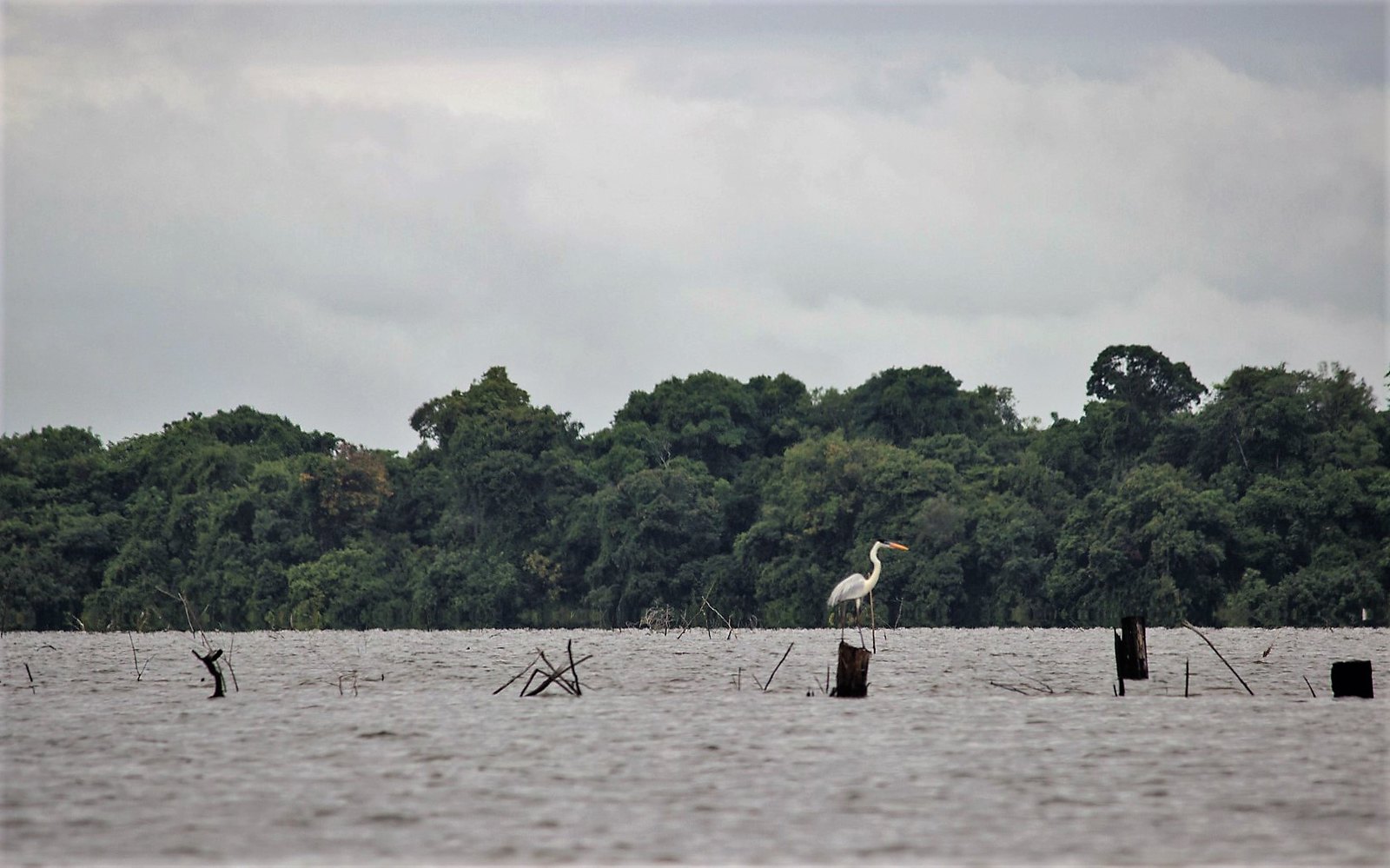
Photo: Amazon Watch / Maíra Irigaray.
The search for justice and reparations
Over the years, the Federal Public Prosecutor’s Office in Pará, the Public Defender’s Office, and civil society organizations have filed dozens of legal actions in Brazilian courts to challenge the project’s various irregularities and its impacts. Most of the claims are still pending resolution, some for more than 10 years.
These efforts have failed because the national government has repeatedly overturned rulings in favor of the affected communities by invoking a mechanism that allowed a court president to suspend a judicial decision based solely on generic arguments such as "the national interest" or "economic order."
In the absence of effective responses at the national level, AIDA, together with a coalition of partner organizations, brought the case before the Inter-American Commission on Human Rights (IACHR) and, in 2010, requested precautionary measures to protect the lives, safety, and health of the affected indigenous communities.
On April 1, 2011, the IACHR granted these measures and requested that the Brazilian government suspend environmental permits and any construction work until the conditions related to prior consultation and the protection of the health and safety of the communities are met.
And on June 16, 2011 —together with the Xingu Vivo Para Sempre Movement, the Coordinating Committee of Indigenous Organizations of the Brazilian Amazon, the Diocese of Altamira, the Indigenous Missionary Council, the Pará Society for the Defense of Human Rights and Global Justice— we filed a formal complaint against the Brazilian State for its international responsibility in the violation of the human rights of the people affected in the case. The case was opened for processing in December 2015.
On August 3, 2011, the IACHR amended the precautionary measures to request, instead of the suspension of permits and construction, the protection of people living in voluntary isolation, the health of indigenous communities, and the regularization and protection of ancestral lands.
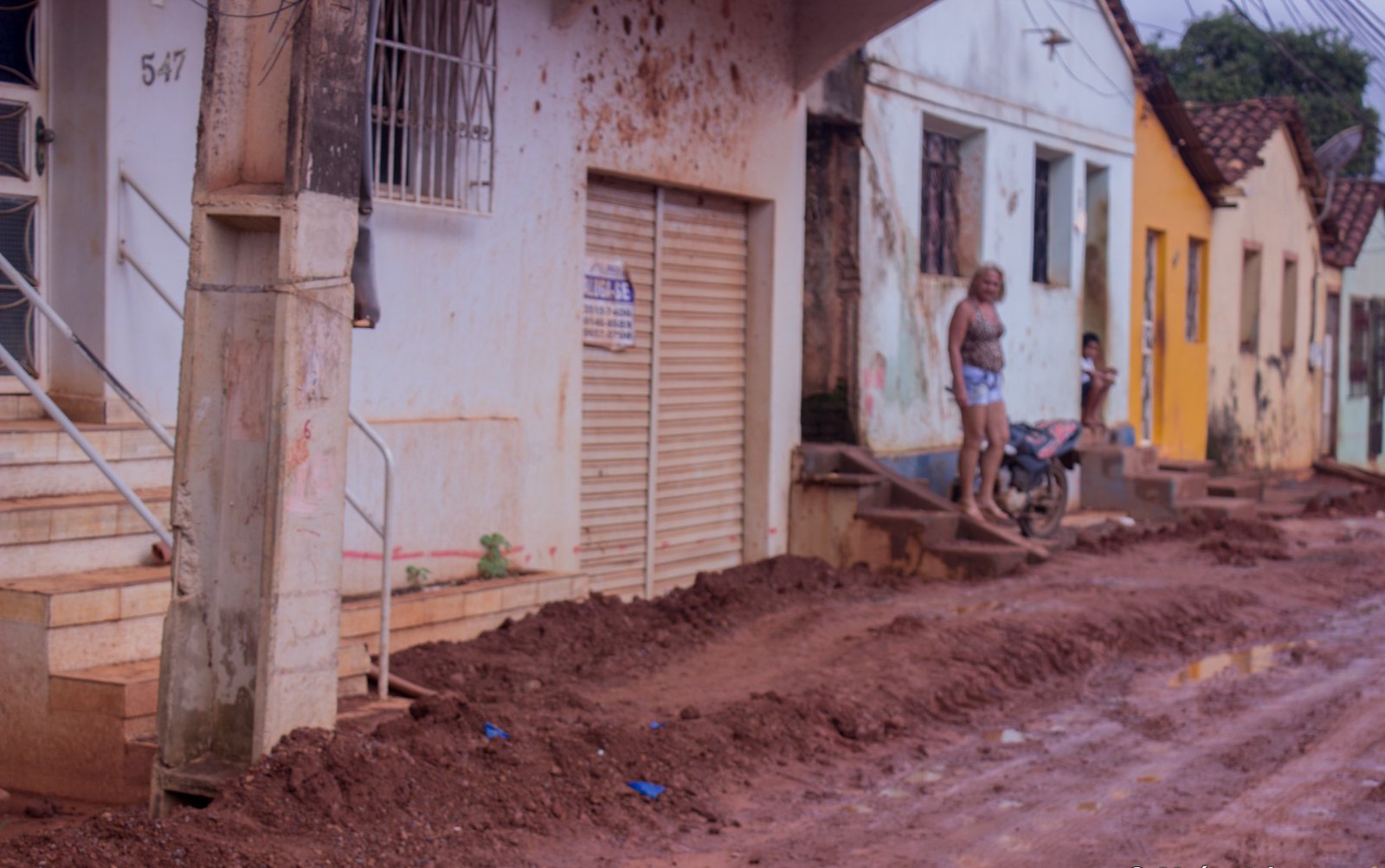
Photo: Amazon Watch / Maíra Irigaray.
Current situation
The protective measures granted by the IACHR remain in effect, but the Brazilian government has not fully complied with them, reporting only on general actions. The communities have documented the ongoing violations of their rights. The situation that prompted the request for these measures—the risk to the lives, physical integrity, and ways of life of the communities—persists and has worsened with the hydroelectric plant operating at full capacity and the recent extreme droughts in the Amazon.
In addition to the impacts of Belo Monte, there is a risk of further social and environmental impacts from the implementation of another mining megaproject in the Volta Grande do Xingu. There, the Canadian company Belo Sun plans to build Brazil’s largest open-pit gold mine.
The combined and cumulative impacts of the dam and the mine were not assessed. The government excluded Indigenous peoples, riverine and peasant communities from the project’s environmental permitting process. Despite protests by Indigenous communities and other irregularities surrounding the project, the government of Pará formally authorized the mine in April 2026.
Like other hydroelectric dams, Belo Monte exacerbates the climate emergency by generating greenhouse gas emissions in its reservoir. And it is inefficient amid the longer, more intense droughts caused by the crisis, as it loses its ability to generate power.
The case before the Inter-American Commission
In October 2017, the IACHR announced that it would rule jointly on the admissibility (whether the case meets the requirements for admission) and the merits (whether a human rights violation actually occurred) of the international complaint against the Brazilian State.
Fifteen years after the complaint was filed, the affected communities and the organizations representing them are still awaiting this decision. If the IACHR concludes that human rights violations occurred and issues recommendations that the Brazilian State fails to comply with, it may refer the case to the Inter-American Court of Human Rights, whose rulings are binding.
A potential ruling by the international court in this case would set a regional legal precedent regarding the rights of indigenous and riverine peoples, public participation in megaprojects, and state responsibility in the context of the climate crisis—a precedent that is particularly relevant in light of the Court’s Advisory Opinion No. 32, which reaffirmed the obligations of States to protect the people and communities of the continent from the climate emergency.
Partners:
Related projects
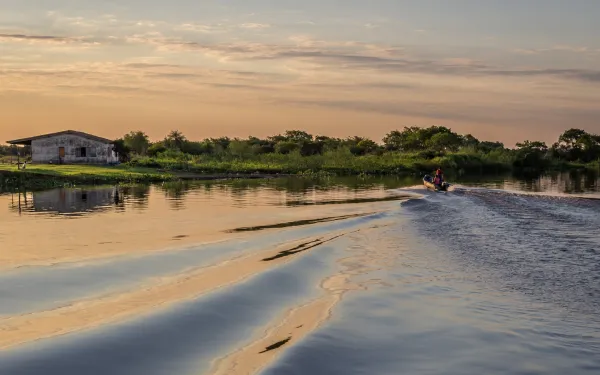
Biocultural Corridor: Hope for a better future for the Pantanal
By Jorge Lu Palencia and Andrea Islas López*The Pantanal is a unique and rich wetland. It integrates elements of the semi-arid Amazon Rainforest, the Atlantic Forest (humid forest), the Cerrado (tropical savannah), the Chiquitano Dry Forest and the steppe savannah of the Chaco. With an extension of almost 18 million hectares, it crosses the borders of Bolivia, Brazil and Paraguay. Its biodiversity is fundamental to water conservation, food production, climate regulation, and the life and culture of millions of people: farmers, traditional communities, quilombola communities, and indigenous peoples. The Pantanal, however, is in danger of disappearing due to devastating seasons of forest fires and other threats caused by structural deficiencies in the institutional management of the ecosystem.In 2022, civil society organizations asked the Ramsar Convention to apply the protection mechanisms for wetlands of international importance to the Pantanal, warning that the number of heat sources had increased to five times the historical average. And in 2024, they reported that the fire season again exceeded historical average conditions.A few weeks after the fires, in November 2024, the Popular Water and Climate Committees—made up of small farmers from the Paraguay River basin—gathered to celebrate nature and reaffirm their commitment to water conservation through the self-affirmation of the Paraguay River / Pantanal Biocultural Corridor.These committees have been working for more than 25 years to confront the socio-environmental threats posed by mining, projects such as waterways and hydroelectric dams, and soy and sugarcane monocultures.They represent an alternative model of ecosystem management in which communities organize themselves to protect their territory and promote sustainable practices. What does self-affirmation of the biocultural corridor mean?In environmental practice, the term “corridor” is applied to ecological corridors, whose main function is connectivity, i.e., the movement of wildlife species for shelter, feeding and reproduction, as well as plant dispersal.Adding the “biocultural” element to the corridors means thinking that human beings are part of the ecosystem, that the conservation of nature does not exclude the purpose of making possible the full life of human groups, and that culture—materialized in the diverse world views, ancestral knowledge, traditional practices and forms of organization—is a fundamental element for effective conservation of nature.The self-affirmation of the popular committees of the Pantanal is a milestone that reminds us that the protection of nature does not depend only on the action of governments but is made possible by the awareness and popular initiative of communities and peoples. It shows that the exercise of public participation rights is indispensable and fundamental for public policies that make life and socio-environmental justice possible.Biocultural corridors make it possible to integrate conservation and economic and cultural activities with ecological practices, thus promoting a more sustainable future for the communities and the Pantanal region.They represent the birth of a more legitimate and effective conservation initiative, a participatory management and an organizational system in which decisions and policies flourish from the bottom up. An alternative model to poor institutional governance In the context of the climate crisis and a political and economic system that exacerbates the threats, the devastating fire seasons in the Pantanal highlight the problems of land-use change, irresponsible use of fire for agricultural and cattle raising activities, inadequate management of resources to prevent and fight fires, and the lack of coordination and transboundary cooperation.Structural deficiencies in institutional governance have led to inadequate public policies or even to habitat loss through incentives for monocultures and extensive cattle ranching, water regulation using waterways and dams that provide ecosystem services, subsistence and culture for local communities and indigenous peoples.Faced with this panorama, the self-affirmation of the biocultural corridor emerges as an alternative model of territorial management, driven by the people as a response to the lack of effective public policies.With this model, the communities promote conscious popular education to protect water and adopt ecological agricultural practices, instead of relying on a system that favors an economy of degradation at the expense of habitat destruction. Reasons to be hopeful about preserving the PantanalThe self-affirmation of the biocultural corridor allows us to be optimistic due to:The resilience of the people of the Pantanal, which allows them to overcome the devastation and open an alternative path for the conservation of the ecosystem, with the initiative and participation of the farmers.Emancipatory awareness and action that puts life at the center, based on the rights of nature, respect for human rights, and social and environmental justice.An organization that resists and builds itself democratically, based on the Pantanal’s identity, mystique, ancestral knowledge and sustainable traditional practices.A popular and participatory management model that harmonizes conservation and integral development goals, builds bridges with other communities and indigenous peoples, and has the potential to expand as a transboundary socio-environmental governance system with an ecosystem approach.Thanks to the popular committees, the Pantanal is alive and has possibilities for a more sustainable future. The creation of the biocultural corridor is a clear sign of hope for this vast and rich wetland.This model, based on popular management and respect for nature, offers a viable alternative to the threats facing the Pantanal and is a source of inspiration for other territories in crisis on the continent.* Jorge Lu Palencia is an attorney with AIDA's Ecosystems Program; Andrea Islas López is an attorney and intern at AIDA.
Read more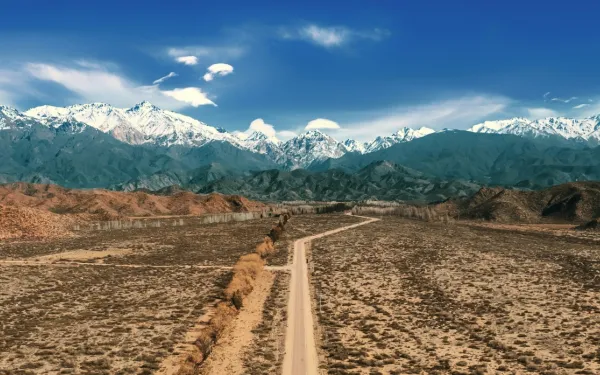
The international search for justice of the Mapuche communities in Mendoza, Argentina
In the context of a global climate crisis that has deepened existing inequalities in Latin America, Mapuche communities in Mendoza, Argentina, face multiple threats that increase their vulnerability to climate change and violate their rights.One of these activities is hydraulic fracturing, or fracking, a method of extracting hydrocarbons widely associated with socio-environmental impacts. In Argentina, it is widely used in the Vaca Muerta mega-development, which covers an area of about 30,000 square kilometers and is considered the second largest gas deposit and the fourth largest unconventional oil deposit in the world.A significant portion of Vaca Muerta is in Mendoza Province. The megaproject covers 8,700 square kilometers. Here, Mapuche communities also face a complex political environment that is threatening their territorial rights and even their identity. Added to this are national policies that are detrimental to indigenous rights in the country. These policies aim to dispossess the communities and make it easier to carry out fracking and other extractive activities.Faced with this situation, the Mapuche people are not willing to give up in the defense of their rights, their way of life and their territorial integrity.The Malalweche Territorial Identity Organization, which represents more than 20 Mapuche communities in the province of Mendoza, has appealed to various international organizations to denounce and publicize the critical situation and to demand justice.This process of international denunciation includes communications to the UN Special Rapporteurs on the Rights of Indigenous Peoples and on the Environment and Human Rights, and the submission of an amicus curiae brief to the Inter-American Court of Human Rights on climate emergency and human rights. Fracking's many impactsOil and gas extraction through fracking in Vaca Muerta takes place on the ancestral lands of the Mapuche people. Fracking is an extreme extraction technique that has significant environmental impacts, including increased greenhouse gas emissions. In the provinces of Neuquén and Río Negro, where the exploitation of Vaca Muerta is most widespread, serious environmental and human damage has been occurring for more than a decade and continues to increase.For Mapuche communities, the impact of fracking goes beyond physical damage to the environment. Extractive activities in their territories undermine their capacity for self-determination and profoundly affect their psychological and spiritual well-being, as their relationship with the land is fundamental to their identity and culture.Although fracking in Mendoza is in its infancy, with only a few active wells, the companies and the province have plans to expand it, in addition to the continued growth of activity throughout Vaca Muerta. In order to do this, they will need larger areas of land and the availability of large amounts of water. In this context, traditional practices such as transhumance – a type of seasonal migration in which shepherds move their animals between pastures at different times of the year – are seriously threatened.The growth of these activities, in the current context of water and climate crises in the region, increases the vulnerability of these communities and compromises their ability to continue living sustainably in their natural environment. Reduced human rights safeguardsThe strategy of expanding the occupation of Mapuche lands with mining and other extractive activities has led to the adoption of retrogressive policies that are undermining the framework for the protection of the rights of the Mapuche people in Mendoza and throughout the country.One of these is the declaration approved in March 2023 by the Chamber of Deputies of Mendoza, which questions the status of the Mapuche as an indigenous people of Argentina. This has raised concerns about the possibility of recognizing their territorial rights and the increase in evictions they are already suffering.Complementary measures that facilitate the development of extractive activities over the human rights of indigenous peoples are also being promoted at the national level. These include the closure by decree of the National Institute against Discrimination, Xenophobia and Racism, whose mission was to promote policies and actions aimed at achieving a society free of discrimination. This measure weakens the institutional protection of human rights.Similarly, the government announced the closure of the National Institute of Indigenous Affairs, dedicated to the promotion and defense of indigenous rights. Although this measure has not been carried out, its functional autonomy has been abolished and the areas dedicated to the recognition of communities and the regularization of their territories have been eliminated. In practice, these measures prevent these peoples from exercising their constitutional right to their ancestral lands.In addition, Law 26160, which had suspended the evictions of indigenous peoples while their territorial regularization was in process, has also been repealed. The Secretary of National Security, Patricia Bullrich, argued that there cannot be permanent laws preventing evictions, since "there cannot be a right to usurp.” Violent evictions against indigenous communities have already begun. Actions of international defenseIn response, the Mapuche communities of Mendoza have shown an enormous capacity for organization and resistance.They have turned to international bodies to expose their situation and demand concrete action from local and national authorities. A key example is the communications sent to the UN Rapporteurs on Indigenous Peoples and on Environment and Human Rights to denounce political persecution and violations of their territorial rights. These communications highlight the complacency of the authorities towards extractive interests. The focus of these denunciations has been the defense of their rights in the face of the advance of fracking and other extractive activities.Additionally, the communities were part of the advisory opinion process through which the Inter-American Court of Human Rights will clarify the continent's states' obligations to protect human rights in the face of the climate crisis.The Malalweche Organization submitted an amicus curiae brief, and its representative testified at a public hearing before the International Court of Justice to demonstrate that the extraction of hydrocarbons through fracking and metalliferous mining in their territories reduces their capacity to resist the climate crisis and exacerbates the severe water scarcity in the area, threatening their very survival.The Mapuche communities of Mendoza also presented concrete proposals for action. They called for their inclusion in all consultation and decision-making processes that affect their territories, in accordance with Convention 169 of the International Labor Organization. They stressed the importance of including their traditional wisdom in the development of public policies that benefit indigenous communities and contribute to more effective and sustainable solutions to global environmental challenges.They also called for the intervention of multilateral organizations to demand that the Argentine state guarantee free, prior and informed consultation and strengthen the national institutions responsible for protecting the rights of indigenous peoples.Supported by organizations that defend human rights and the environment, these struggles aim not only to protect the ancestral territories of the Mapuche, but also to guarantee their right to live in peace, with dignity, and in harmony with their natural environment. Their goal is to ensure the self-determination of indigenous peoples. This will allow them to manage their lands and resources in accordance with their worldview, which is deeply linked to conservation.Recognition of the rights of Mapuche communities, including the cessation of extractive activities such as fracking in their territories, is essential to protect their culture, health and livelihoods. With their ancestral wisdom, they offer a way to effectively address the climate crisis and build a more just and sustainable future.
Read more
10 legal advances toward climate justice in 2024
If there is one thing we've seen in the world this year, it's the advancement of climate litigation and the publication of new guidelines and best practices with future generations in mind. We know that the climate fight can often seem exhausting, but today we invite you to take a breath and celebrate the good news and small victories that are bringing us closer to climate justice. 1. The climate emergency comes before the Inter-American CourtThis year, a very important question came before the Inter-American Court of Human Rights (IACHR): What obligations do States have to protect people, especially those in vulnerable situations, from the effects of the climate crisis?Colombia and Chile asked the Court for an advisory opinion to answer this question. To this end, the Court called for public hearings with unprecedented participation. AIDA testified before the court and we supported communities, organizations and civil society alliances through the productions of 15 amicus briefs. We expect their pronouncement in the first half of 2025.Learn more about the voices that arrived to the Court. 2. Inter-American Court highlights climate in landmark ruling on a healthy environment In March, the Inter-American Court of Justice found the Peruvian state guilty of violating the rights of the inhabitants of the town of La Oroya to a healthy environment, health, personal integrity, a life of dignity, access to information, political participation, judicial guarantees and protection, and the right to childhood. It was an unprecedented decision for failing to act in a timely and effective manner to protect the residents from extreme levels of pollution from a metallurgical complex that has operated in their community for almost 90 years.In its ruling, the Court highlighted the relationship between the protection of children and action on climate change, stating that the protection of children requires the adoption of effective measures to prevent and mitigate the risks to their health caused by the emission of polluting gases that contribute to climate change.Learn more about the case's legal contributions. 3. Brazil's biggest trial on climate impactsIn July, a cattle rancher was sentenced to pay more than US$50 million for destroying part of the Brazilian Amazon rainforest and ordered to restore the affected area. The decision is seen as a milestone in the fight against illegal deforestation in the country and sets a precedent for future legal action.This is the largest lawsuit ever brought by the Brazilian Attorney General's Office for damage to the rainforest. It was filed by the Brazilian Institute for the Environment and Renewable Natural Resources (IBAMA) and seeks compensation for climate damage caused by greenhouse gas emissions from the burning of vegetation and the loss of carbon sinks from deforestation. The court stressed the importance of holding violators accountable and restoring the Amazon ecosystem.Learn more: The Guardian and Climate Case Chart. 4. Landmark victory for island nations at the International Tribunal for the Law of the SeaSmall island states have won a resounding victory at the International Tribunal for the Law of the Sea. The unanimous ruling established that the 169 signatory states to the United Nations Convention on the Law of the Sea have an obligation to reduce greenhouse gas emissions as marine pollution. This decision strengthens the struggle of island nations, which are least responsible for the climate crisis but face its worst consequences. The ruling sets a global precedent by underlining that compliance with the Paris Agreement is not enough and that concrete action and accountability are required from the major powers.Learn more: Grist, EuroNews and High Commission on Human Rights. 5. Ruling urges regulation of carbon credits in indigenous territoriesColombia's Constitutional Court has issued a ruling highlighting the importance of protecting the rights of indigenous communities in carbon credit projects, in a case involving the Pirá Paraná indigenous territory. The ruling, which defends the self-determination of communities, underlines the need for clearer regulations and an approach that guarantees their participation and respect in these projects. The decision has been welcomed as a positive step by both indigenous communities and carbon market actors, who believe it will provide greater legal certainty and strengthen the sustainability of environmental projects.Learn more: La Silla Vacía and Corte Constitucional. 6. Mexico Recognizes First Climate Displaced and Orders RelocationIn an unprecedented development in Mexico, the first families displaced by climate change have been relocated to new homes in Tabasco. The residents of El Bosque, a fishing community affected by sea erosion, received 51 houses from the federal government, marking the beginning of official recognition of climate impacts in the region. After years of uncertainty, these families, who saw their homes swallowed by the sea, describe their relocation as "a dream come true." While there is still work to be done to count all those affected, this step is a crucial step towards climate justice and the protection of vulnerable communities.Learn more: Nuestro Futuro, Greenpeace and El País. 7. A global commitment to move beyond fossil fuelsThe UN General Assembly adopted the Compact for the Future, an agreement that reaffirms the commitment of members to accelerate the transition to renewable energy. The Compact, the result of years of negotiations, sets clear goals such as tripling global renewable energy capacity and doubling energy efficiency by 2030. It also commits to a "just phase-down" of fossil fuels, recognizing the need for a global transition to a cleaner and more sustainable energy system. While it remains to be seen how these goals will be implemented, the agreement marks a significant step forward in reducing the use of fossil fuels.Learn more: Pacto por el Futuro and EuroNews. 8. South Korea Recognizes Climate Crisis as Constitutional IssueIn a landmark ruling, the Constitutional Court of Korea declared parts of the Carbon Neutrality Act unconstitutional because the law does not set greenhouse gas reduction targets beyond 2030, thus shifting the burden of climate action to future generations. This is a significant development for climate litigation globally, as it is the first time that the climate crisis has been recognized as a constitutional issue in the country, and the rights of future generations have been recognized.Learn more in the Plataforma de Litigio Climático. 9. UN launches principles to prioritize equity in energy transitionThe United Nations Panel on Critical Minerals for Energy Transition has issued key recommendations to ensure the fair, equitable and sustainable management of these minerals, which are essential for the transition to renewable energy. The report emphasizes the importance of prioritizing human rights and social equity, especially in regions such as Latin America where large reserves of these minerals are found. The proposal includes seven guiding principles, ranging from environmental protection to international cooperation, with the aim of promoting sustainable development and equity in developing countries.Learn more: AIDA and the UN Principles. 10. Climate crisis reaches the International Court of JusticeWe close the year with hearings at the International Court of Justice on the legal obligations of governments to protect the environment and curb climate change. Initiated by a group of law students from Vanuatu, this case could set important legal precedents for global action on climate change. The ICJ is expected to issue an advisory opinion in 2025 that could strengthen international cooperation and assistance to vulnerable countries, promoting a more effective approach to addressing climate challenges and protecting human rights.Learn more: The Conversation. BONUS: The Climate Litigation Platform continues to growWith so much progress to serve as inspiration, the Climate Litigation Platform for Latin America and the Caribbean continues to grow in information, membership and cases. This project, the result of the collaboration of organizations and professionals, is an effort to continue promoting climate litigation and supporting those who want to learn more and work for environmental justice.
Read more