
Project
Amazon Watch / Maíra Irigaray
The Belo Monte Dam on the Xingu River: 10 years of impacts in the Amazon and the search for reparations
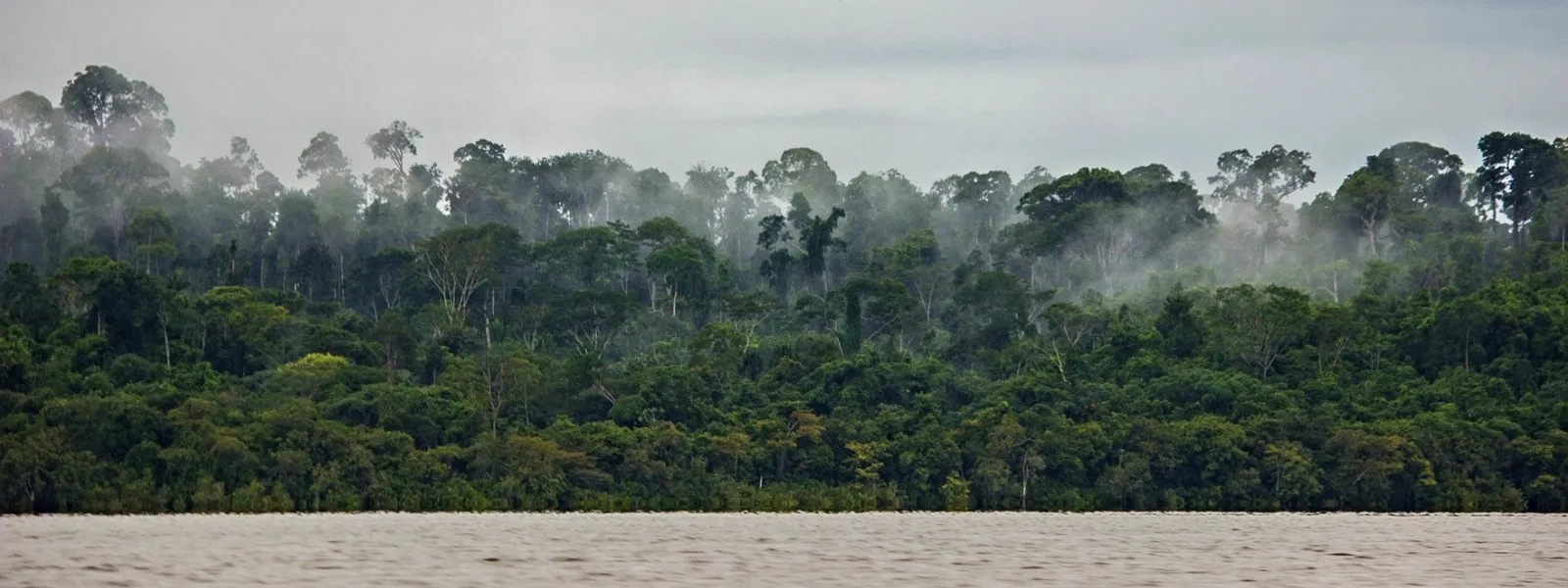
The Belo Monte Dam has caused an environmental and social disaster in the heart of the Amazon—one of the most important ecosystems on the planet.
This situation has only worsened since the hydroelectric plant began operations in 2016. The quest for justice and reparations by the affected indigenous, fishing, and riverine communities continues to this day.
In 2011, the Inter-American Commission on Human Rights (IACHR) granted them protective measures that, to date, have not been fully implemented by the Brazilian State.
Furthermore, since June of that same year, the IACHR has yet to rule on a complaint against the State regarding its international responsibility in the case.
The IACHR may refer the case to the Inter-American Court of Human Rights, which has the authority to issue a ruling condemning the Brazilian State.
After 10 years of the hydroelectric plant's operation and more than 15 years of documented human rights violations, it is time for justice to be served for the affected communities.
Read the open letter from the organizations bringing the case before the IACHR
Background
The Belo Monte hydroelectric plant—the fourth largest in the world by installed capacity (11,233 MW)—was built on the Xingu River in Pará, a state in northern Brazil.
It was inaugurated on May 5, 2016, with a single turbine. At that time, 80% of the river’s course was diverted, flooding 516 km² of land—an area larger than the city of Chicago. Of that area, 400 km² was native forest. The dam began operating at full capacity in November 2019.
Belo Monte was built and is operated by the Norte Energia S.A. consortium, which is composed primarily of state-owned companies. It was financed by the Brazilian Development Bank (BNDES), which provided the consortium with 25.4 billion reais (approximately US$10.16 billion), the largest investment in the bank’s history. Therefore, the BNDES is also legally responsible for the socio-environmental impacts associated with the hydroelectric plant.
Decades of harm to the environment and people
Human rights violations and degradation of the Amazon have been occurring since the project’s inception. In March 2011, Norte Energía began construction of the dam without adequate consultation and without the prior, free, and informed consent of the affected communities.
The construction caused the forced displacement of more than 40,000 people, severing social and cultural ties. The resettlement plan in Altamira—a city directly affected by the hydroelectric dam—involved housing units located on the outskirts, lacking adequate public services and decent living conditions for the relocated families, with no special provisions for those from indigenous communities.
Belo Monte's operations have caused a permanent, man-made drought in the Volta Grande (or "Great Bend") of the Xingu River, exacerbated by the historic droughts in the Amazon in 2023 and 2024. As a result, the deaths of millions of fish eggs were documented for four consecutive years (from 2021 to 2024), and for the past three years, there has been no upstream migration of fish to spawn and reproduce. Thus, artisanal fishing, the main source of protein for indigenous peoples and riverside communities, was severely affected: fish dropped from 50% to 30% of total protein consumed, replaced by processed foods. In summary, there was an environmental and humanitarian collapse that resulted in the breakdown of fishing as a traditional way of life, food insecurity, and access to drinking water for thousands of families, impoverishment, and disease.
Furthermore, the construction of the dam increased deforestation and intensified illegal logging and insecurity on indigenous and tribal lands, putting the survival of these communities at risk. Another consequence was the deepening of poverty and social conflicts, as well as the strain on health, education, and public safety systems in Altamira—a city ranked as the most violent in the country in 2017, where human trafficking and sexual violence increased. Violence was also reported against human rights defenders involved in the case.
In 2025, during the 30th UN Climate Change Conference (COP30), held in Brazil, the Federal Public Prosecutor’s Office labeled the damage caused by the Belo Monte dam as ecocide.
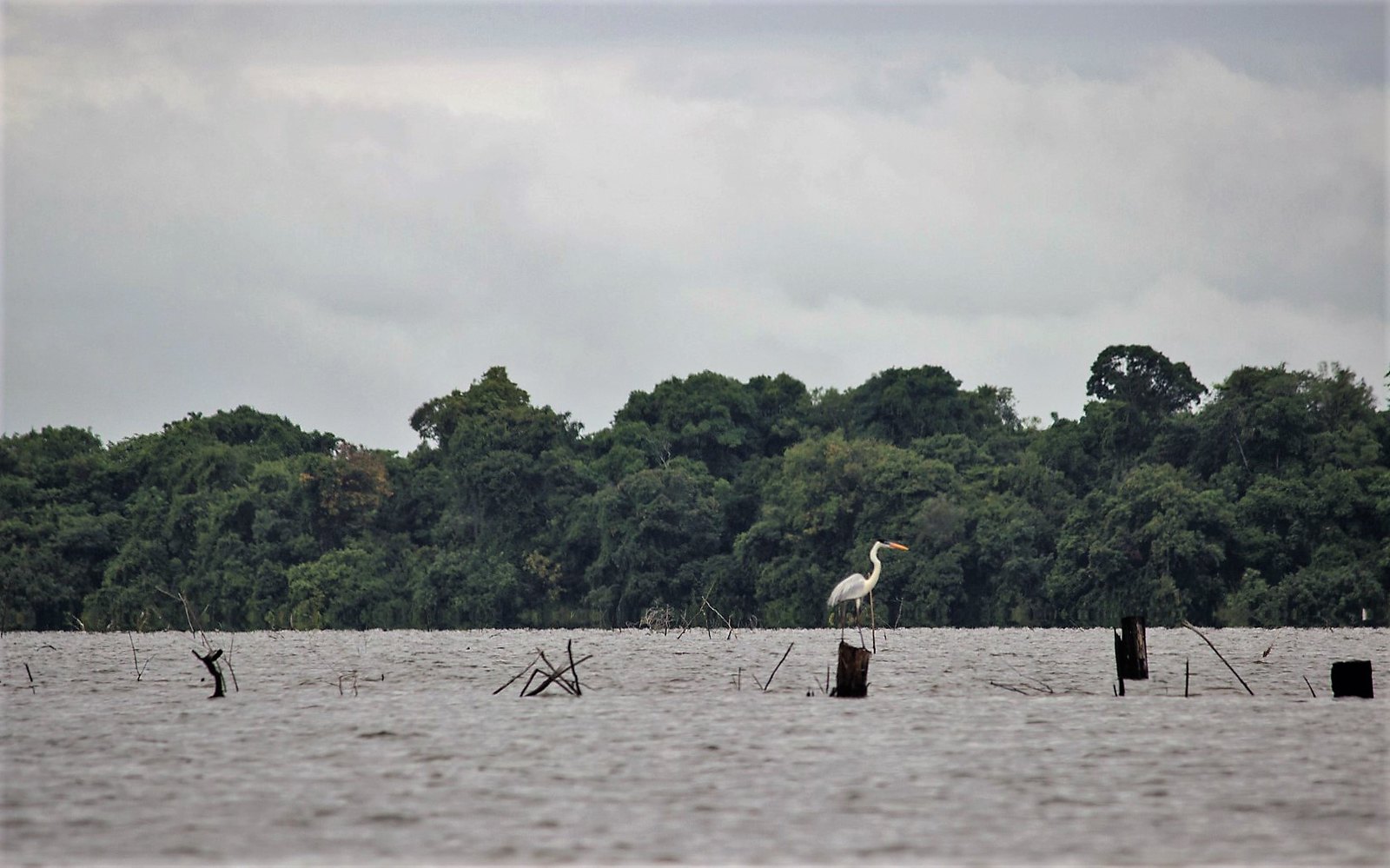
Photo: Amazon Watch / Maíra Irigaray.
The search for justice and reparations
Over the years, the Federal Public Prosecutor’s Office in Pará, the Public Defender’s Office, and civil society organizations have filed dozens of legal actions in Brazilian courts to challenge the project’s various irregularities and its impacts. Most of the claims are still pending resolution, some for more than 10 years.
These efforts have failed because the national government has repeatedly overturned rulings in favor of the affected communities by invoking a mechanism that allowed a court president to suspend a judicial decision based solely on generic arguments such as "the national interest" or "economic order."
In the absence of effective responses at the national level, AIDA, together with a coalition of partner organizations, brought the case before the Inter-American Commission on Human Rights (IACHR) and, in 2010, requested precautionary measures to protect the lives, safety, and health of the affected indigenous communities.
On April 1, 2011, the IACHR granted these measures and requested that the Brazilian government suspend environmental permits and any construction work until the conditions related to prior consultation and the protection of the health and safety of the communities are met.
And on June 16, 2011 —together with the Xingu Vivo Para Sempre Movement, the Coordinating Committee of Indigenous Organizations of the Brazilian Amazon, the Diocese of Altamira, the Indigenous Missionary Council, the Pará Society for the Defense of Human Rights and Global Justice— we filed a formal complaint against the Brazilian State for its international responsibility in the violation of the human rights of the people affected in the case. The case was opened for processing in December 2015.
On August 3, 2011, the IACHR amended the precautionary measures to request, instead of the suspension of permits and construction, the protection of people living in voluntary isolation, the health of indigenous communities, and the regularization and protection of ancestral lands.
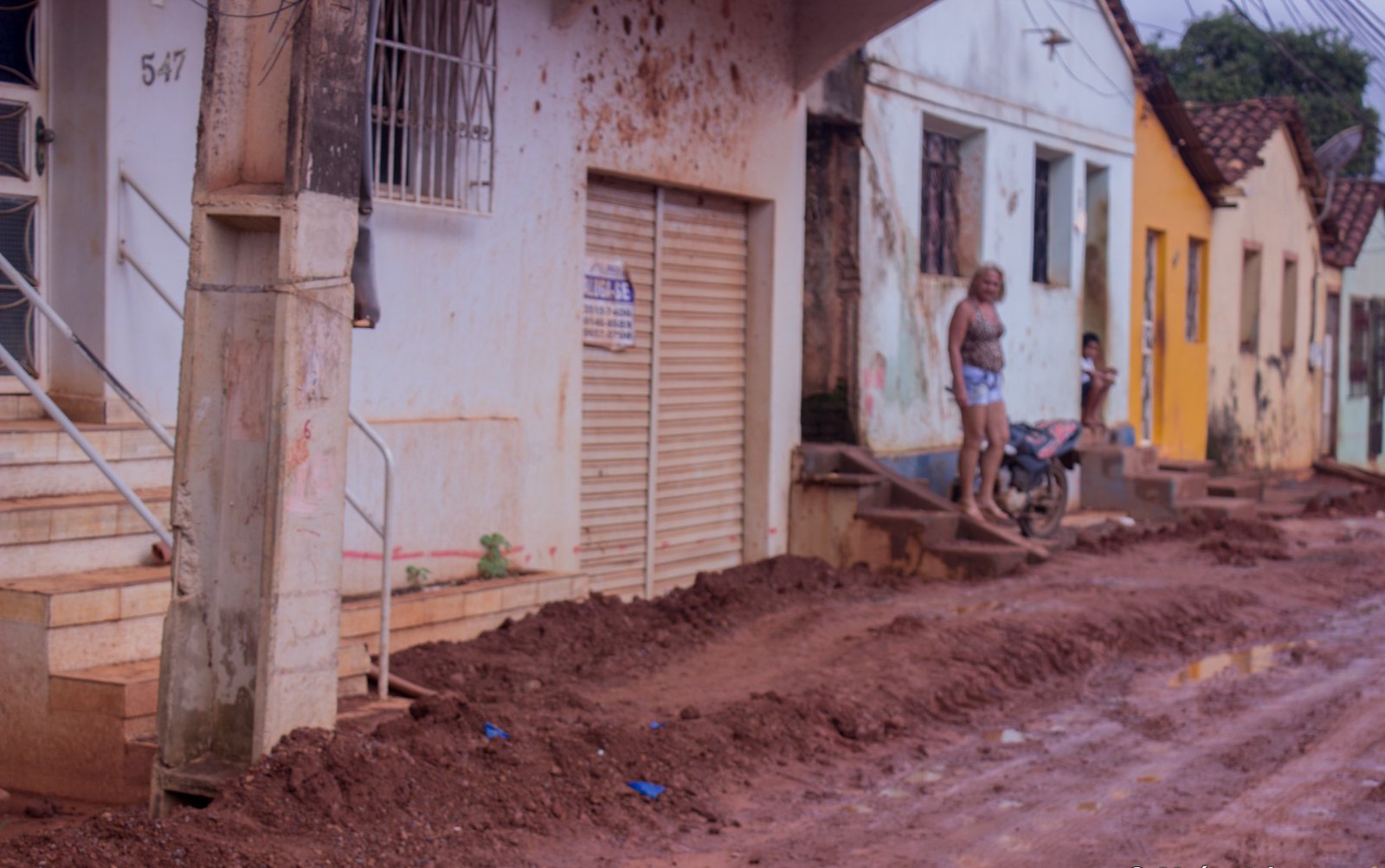
Photo: Amazon Watch / Maíra Irigaray.
Current situation
The protective measures granted by the IACHR remain in effect, but the Brazilian government has not fully complied with them, reporting only on general actions. The communities have documented the ongoing violations of their rights. The situation that prompted the request for these measures—the risk to the lives, physical integrity, and ways of life of the communities—persists and has worsened with the hydroelectric plant operating at full capacity and the recent extreme droughts in the Amazon.
In addition to the impacts of Belo Monte, there is a risk of further social and environmental impacts from the implementation of another mining megaproject in the Volta Grande do Xingu. There, the Canadian company Belo Sun plans to build Brazil’s largest open-pit gold mine.
The combined and cumulative impacts of the dam and the mine were not assessed. The government excluded Indigenous peoples, riverine and peasant communities from the project’s environmental permitting process. Despite protests by Indigenous communities and other irregularities surrounding the project, the government of Pará formally authorized the mine in April 2026.
Like other hydroelectric dams, Belo Monte exacerbates the climate emergency by generating greenhouse gas emissions in its reservoir. And it is inefficient amid the longer, more intense droughts caused by the crisis, as it loses its ability to generate power.
The case before the Inter-American Commission
In October 2017, the IACHR announced that it would rule jointly on the admissibility (whether the case meets the requirements for admission) and the merits (whether a human rights violation actually occurred) of the international complaint against the Brazilian State.
Fifteen years after the complaint was filed, the affected communities and the organizations representing them are still awaiting this decision. If the IACHR concludes that human rights violations occurred and issues recommendations that the Brazilian State fails to comply with, it may refer the case to the Inter-American Court of Human Rights, whose rulings are binding.
A potential ruling by the international court in this case would set a regional legal precedent regarding the rights of indigenous and riverine peoples, public participation in megaprojects, and state responsibility in the context of the climate crisis—a precedent that is particularly relevant in light of the Court’s Advisory Opinion No. 32, which reaffirmed the obligations of States to protect the people and communities of the continent from the climate emergency.
Partners:
Related projects
Coral reefs in Latin America: A natural spectacle at risk
Gladys Martínez de Lemos, legal advisor, AIDA Twenty five percent of all marine species have lived at some stage in coral reefs. In Costa Rica, these reefs are under threat from deforestation and other human activities. Coral reefs help maintain balance in the marine environment. They are home to many marine species for human consumption, they protect coasts from erosion and hurricanes, and they offer coastal communities a source of income from diving tourism. But a lack of clear policies and regulations is threatening their survival. These natural wonders help balance the ecosystem by providing a source of food to superior organisms, thus forming vital food webs. Their environmental value is so significant that economists have estimated that a hectare of reef is worth over one million dollars per year. Even though coral reefs cover about a tenth of the ocean floor, current estimates suggest that 25% of all marine species have lived in coral reefs at some stage of their life cycle. Despite this, coral reefs are under threat in Costa Rica and elsewhere from ocean acidification, destructive fishing practices, unsustainable coastal development, and pollution, among other factors. According to the Costa Rica's 15th State of the Nation Report, the loss of 75% of live corals in the Cahuita Reef is mostly due to sedimentation caused by basin deforestation and other human actions. Governmental inaction It's evident that coral reefs are endangered. There are no clear and widespread policies and regulations to deal with this issue; there are no mechanisms for the control, monitoring or even protection to preserve coral reefs. Even current international obligations on coral reef protection are overlooked. This can no longer be. Marine biodiversity and ecosystems must be preserved for future generations to see the beauty and diversity of coral reefs. We all have a son, nephew or cousin who we want to have the opportunity to enjoy the richness of the coral reefs, or the chance to savor fish and their valuable protein. Most Latin American countries and their decision makers have not yet created special laws to protect the coral reefs. They face a huge challenge -- and responsibility -- to protect the reefs.
Read moreCoral reefs in Latin America: A natural spectacle at risk
Gladys Martínez de Lemos, legal advisor, AIDA Twenty five percent of all marine species have lived at some stage in coral reefs. In Costa Rica, these reefs are under threat from deforestation and other human activities. Coral reefs help maintain balance in the marine environment. They are home to many marine species for human consumption, they protect coasts from erosion and hurricanes, and they offer coastal communities a source of income from diving tourism. But a lack of clear policies and regulations is threatening their survival. These natural wonders help balance the ecosystem by providing a source of food to superior organisms, thus forming vital food webs. Their environmental value is so significant that economists have estimated that a hectare of reef is worth over one million dollars per year. Even though coral reefs cover about a tenth of the ocean floor, current estimates suggest that 25% of all marine species have lived in coral reefs at some stage of their life cycle. Despite this, coral reefs are under threat in Costa Rica and elsewhere from ocean acidification, destructive fishing practices, unsustainable coastal development, and pollution, among other factors. According to the Costa Rica's 15th State of the Nation Report, the loss of 75% of live corals in the Cahuita Reef is mostly due to sedimentation caused by basin deforestation and other human actions. Governmental inaction It's evident that coral reefs are endangered. There are no clear and widespread policies and regulations to deal with this issue; there are no mechanisms for the control, monitoring or even protection to preserve coral reefs. Even current international obligations on coral reef protection are overlooked. This can no longer be. Marine biodiversity and ecosystems must be preserved for future generations to see the beauty and diversity of coral reefs. We all have a son, nephew or cousin who we want to have the opportunity to enjoy the richness of the coral reefs, or the chance to savor fish and their valuable protein. Most Latin American countries and their decision makers have not yet created special laws to protect the coral reefs. They face a huge challenge -- and responsibility -- to protect the reefs.
Read more
Protection of Sinaloa’s mangrove swamps put off
By Sandra Moguel, legal advisor, AIDA, @sandra_moguel Marismas Nacionales, the largest wetland in Mexico, is still at risk almost four years since the announcement of a proposed decree to protect it from threats such as major tourist developments. Mexico is the country with the largest number of sites designated as wetlands of international importance in Latin America and yet, surprisingly, these sites have not been looked after. By signing up to the Ramsar Convention[i], the Mexican government made a commitment to draw up plans for, defend and promote the wise useof these ecosystems, as well as to expand its system of protected areas[ii]. Marismas Nacionales is the largest wetland in Mexico, located between the states of Sinaloa and Nayarit. It has been a Ramsar site since 22 June 1995, which means it belongs to the international system for the protection and regulation of wetlands of international importance. The Recommendations of the Ramsar Advisory Mission from 2010 point out that although politically the ecosystem is pided into two different regions, ecologically the two sections of wetland have many things in common and therefore their management should be tackled as a whole. The federal government has already protected the Nayarit portion of the wetland, but four years since the publication of an official Announcement of Decree on the Sinaloa Marismas Nacionales Biosphere Reserve, the procedures for the creation of this Protected Natural Area, which would cover 47,556 hectares of mangrove forest, are yet to be completed. Meanwhile, the construction of massive infrastructure remains a threat to Marismas. The Pacific Coast Integrally Planned Centre – now known as Playa Espíritu (Spirit Beach) – and the Isla de Palma Development are both projects which put this site in jeopardy. The first of these projects has obtained environmental permission to build a 10,000-room resort (although the official proposal involved 44,000 rooms), while the second includes plans to construct accommodation for 200 guests, located in a nuclear zone according to the Sinaloa Marismas Nacionales Biosphere Reserve. The Mexican Secretariat of Environment and Natural Resources (SEMARNAT) justified its authorisation of the Integrally Planned Centre project explaining that the site had not been designated as a Protected Natural Area (or ANP by its Spanish acronym). It is currently studying the environmental impact study on the Isla de Palma development, but it is entirely possible that the argument of the effect it will have on a mangrove area and the habitat of highly migratory birds will not be enough to reject the application for environmental permission. In its Sectoral Program for the Environment and Natural Resources 2007-2012, the federal government promised to increase the total area of land designated as belonging to Protected Natural Areas from 22 million hectares in 2007 to 25.6 million in 2012. But how can this conservation objective be realised if the sites which are expected to be declared Protected Areas at the end of the six-year program have not been “protected”? The declaration of the Sinaloa Marismas Nacionales Biosphere Reserve is not the only decree of its kind to have been delayed: it is much the same story for La Sierra La Laguna and Balandra in Baja California Sur, Santuario Madera in Chihuahua and Ejido el Palmito in Sinaloa, to name but a few. The lack of coordination amongst administrative entities and the disparate organs which make up the environmental sector, combined with insufficient planning instruments such as ANP decrees, prevent decision-making which would favour conservation. Putting off these decrees is unjustifiable regardless of the fact that SEMARNAT’s legal department is swamped with ANP justification studies needing to be examined, or that there may be political reasons for delaying their approval. Issuing a decree on Sinaloa Marismas Nacionales is one way of guaranteeing the constitutional right to a healthy environment, as well as fulfilling international obligations such as Ramsar. It also protects the economic activities of the communities which depend on this ecosystem. [i] Ratified by Mexico on 20 December 1984 and published in the Official Gazette of the Federation on 24 January 1985. [ii] Resolution IX. 22 of the Ramsar Secretariat on wetlands and systems of protected areas, 9th Meeting of the Conference of the Contracting Parties, Uganda, 8-15 November 2005.
Read more