
Project
Amazon Watch / Maíra Irigaray
The Belo Monte Dam on the Xingu River: 10 years of impacts in the Amazon and the search for reparations
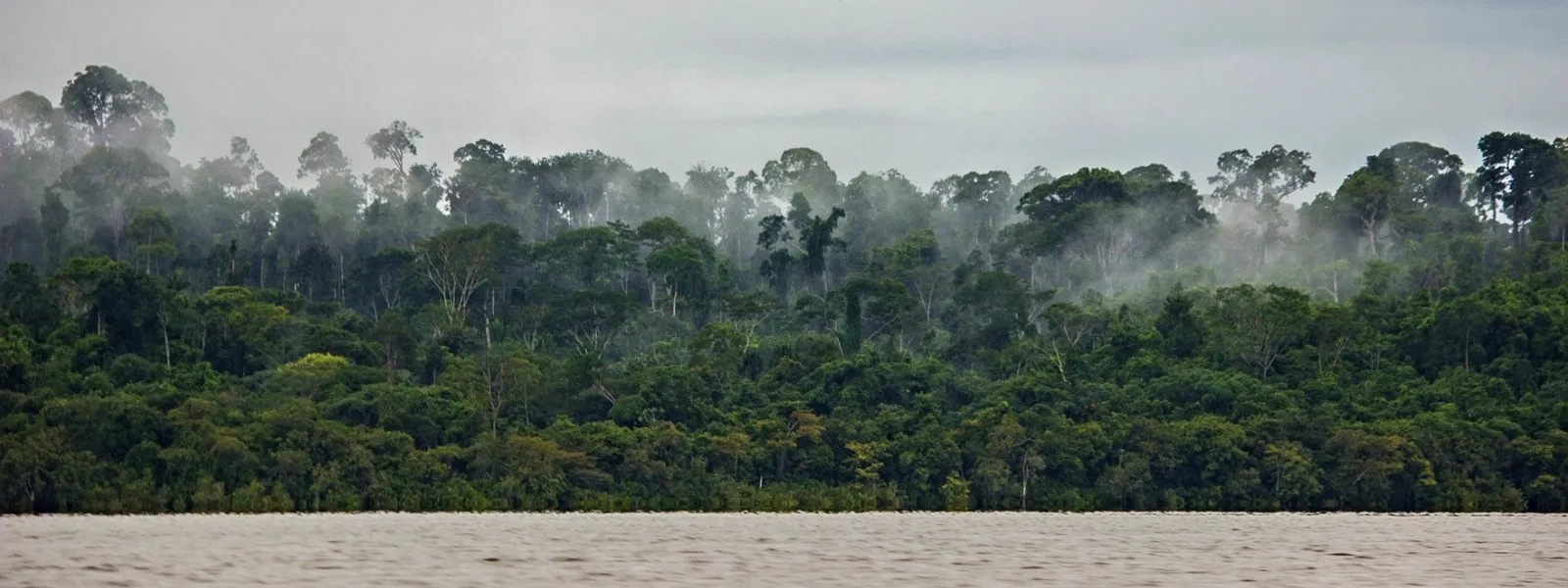
The Belo Monte Dam has caused an environmental and social disaster in the heart of the Amazon—one of the most important ecosystems on the planet.
This situation has only worsened since the hydroelectric plant began operations in 2016. The quest for justice and reparations by the affected indigenous, fishing, and riverine communities continues to this day.
In 2011, the Inter-American Commission on Human Rights (IACHR) granted them protective measures that, to date, have not been fully implemented by the Brazilian State.
Furthermore, since June of that same year, the IACHR has yet to rule on a complaint against the State regarding its international responsibility in the case.
The IACHR may refer the case to the Inter-American Court of Human Rights, which has the authority to issue a ruling condemning the Brazilian State.
After 10 years of the hydroelectric plant's operation and more than 15 years of documented human rights violations, it is time for justice to be served for the affected communities.
Read the open letter from the organizations bringing the case before the IACHR
Background
The Belo Monte hydroelectric plant—the fourth largest in the world by installed capacity (11,233 MW)—was built on the Xingu River in Pará, a state in northern Brazil.
It was inaugurated on May 5, 2016, with a single turbine. At that time, 80% of the river’s course was diverted, flooding 516 km² of land—an area larger than the city of Chicago. Of that area, 400 km² was native forest. The dam began operating at full capacity in November 2019.
Belo Monte was built and is operated by the Norte Energia S.A. consortium, which is composed primarily of state-owned companies. It was financed by the Brazilian Development Bank (BNDES), which provided the consortium with 25.4 billion reais (approximately US$10.16 billion), the largest investment in the bank’s history. Therefore, the BNDES is also legally responsible for the socio-environmental impacts associated with the hydroelectric plant.
Decades of harm to the environment and people
Human rights violations and degradation of the Amazon have been occurring since the project’s inception. In March 2011, Norte Energía began construction of the dam without adequate consultation and without the prior, free, and informed consent of the affected communities.
The construction caused the forced displacement of more than 40,000 people, severing social and cultural ties. The resettlement plan in Altamira—a city directly affected by the hydroelectric dam—involved housing units located on the outskirts, lacking adequate public services and decent living conditions for the relocated families, with no special provisions for those from indigenous communities.
Belo Monte's operations have caused a permanent, man-made drought in the Volta Grande (or "Great Bend") of the Xingu River, exacerbated by the historic droughts in the Amazon in 2023 and 2024. As a result, the deaths of millions of fish eggs were documented for four consecutive years (from 2021 to 2024), and for the past three years, there has been no upstream migration of fish to spawn and reproduce. Thus, artisanal fishing, the main source of protein for indigenous peoples and riverside communities, was severely affected: fish dropped from 50% to 30% of total protein consumed, replaced by processed foods. In summary, there was an environmental and humanitarian collapse that resulted in the breakdown of fishing as a traditional way of life, food insecurity, and access to drinking water for thousands of families, impoverishment, and disease.
Furthermore, the construction of the dam increased deforestation and intensified illegal logging and insecurity on indigenous and tribal lands, putting the survival of these communities at risk. Another consequence was the deepening of poverty and social conflicts, as well as the strain on health, education, and public safety systems in Altamira—a city ranked as the most violent in the country in 2017, where human trafficking and sexual violence increased. Violence was also reported against human rights defenders involved in the case.
In 2025, during the 30th UN Climate Change Conference (COP30), held in Brazil, the Federal Public Prosecutor’s Office labeled the damage caused by the Belo Monte dam as ecocide.
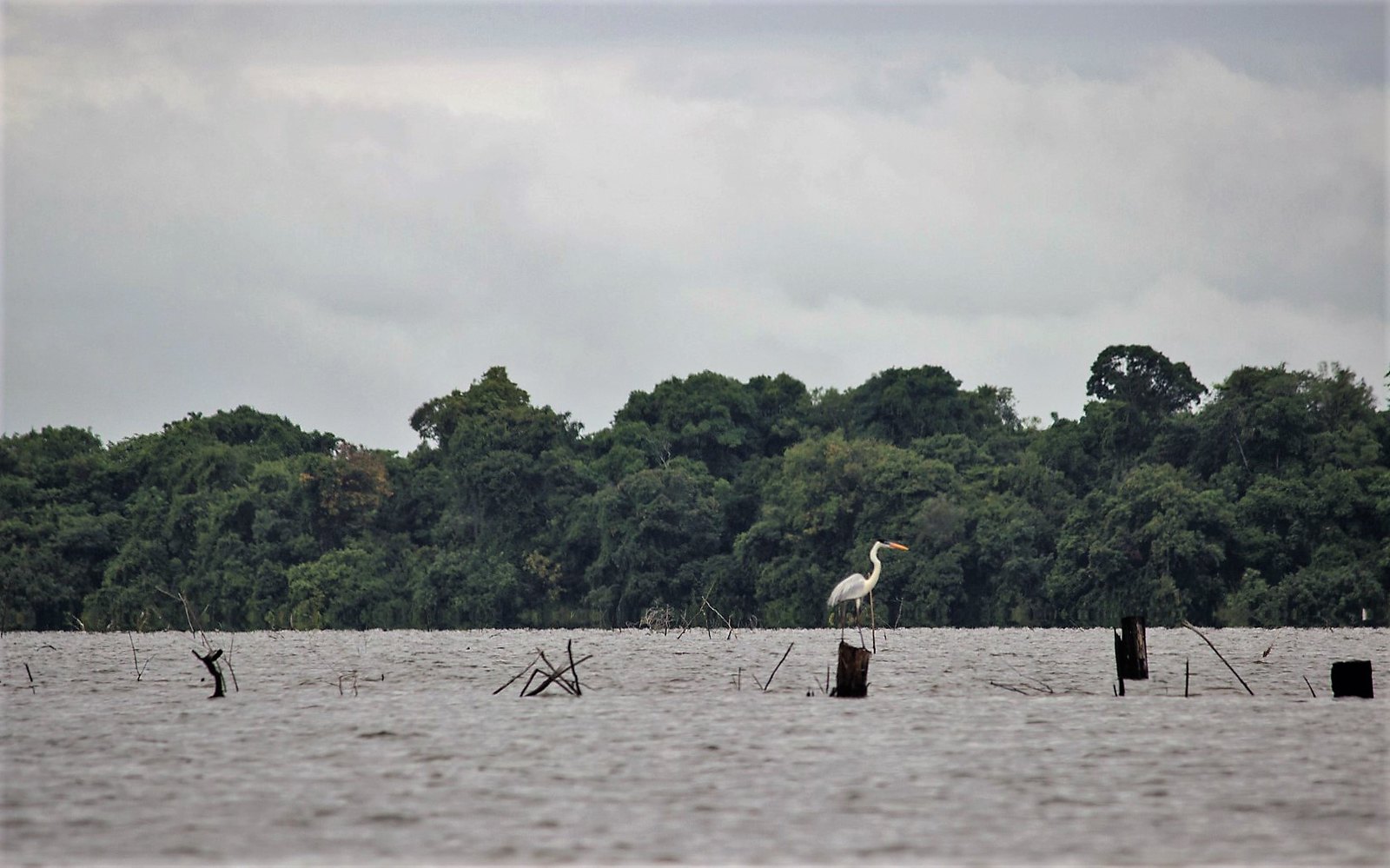
Photo: Amazon Watch / Maíra Irigaray.
The search for justice and reparations
Over the years, the Federal Public Prosecutor’s Office in Pará, the Public Defender’s Office, and civil society organizations have filed dozens of legal actions in Brazilian courts to challenge the project’s various irregularities and its impacts. Most of the claims are still pending resolution, some for more than 10 years.
These efforts have failed because the national government has repeatedly overturned rulings in favor of the affected communities by invoking a mechanism that allowed a court president to suspend a judicial decision based solely on generic arguments such as "the national interest" or "economic order."
In the absence of effective responses at the national level, AIDA, together with a coalition of partner organizations, brought the case before the Inter-American Commission on Human Rights (IACHR) and, in 2010, requested precautionary measures to protect the lives, safety, and health of the affected indigenous communities.
On April 1, 2011, the IACHR granted these measures and requested that the Brazilian government suspend environmental permits and any construction work until the conditions related to prior consultation and the protection of the health and safety of the communities are met.
And on June 16, 2011 —together with the Xingu Vivo Para Sempre Movement, the Coordinating Committee of Indigenous Organizations of the Brazilian Amazon, the Diocese of Altamira, the Indigenous Missionary Council, the Pará Society for the Defense of Human Rights and Global Justice— we filed a formal complaint against the Brazilian State for its international responsibility in the violation of the human rights of the people affected in the case. The case was opened for processing in December 2015.
On August 3, 2011, the IACHR amended the precautionary measures to request, instead of the suspension of permits and construction, the protection of people living in voluntary isolation, the health of indigenous communities, and the regularization and protection of ancestral lands.
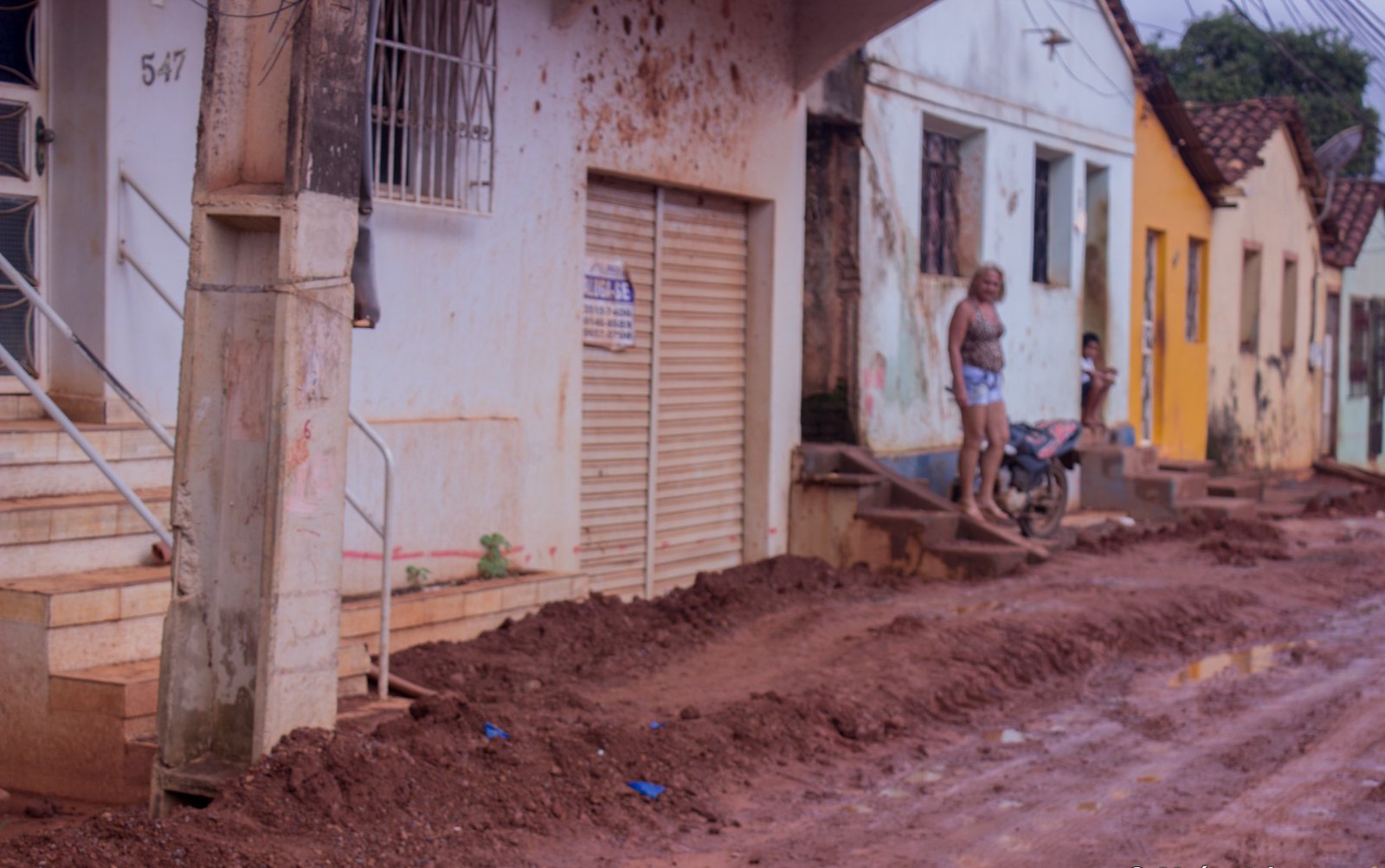
Photo: Amazon Watch / Maíra Irigaray.
Current situation
The protective measures granted by the IACHR remain in effect, but the Brazilian government has not fully complied with them, reporting only on general actions. The communities have documented the ongoing violations of their rights. The situation that prompted the request for these measures—the risk to the lives, physical integrity, and ways of life of the communities—persists and has worsened with the hydroelectric plant operating at full capacity and the recent extreme droughts in the Amazon.
In addition to the impacts of Belo Monte, there is a risk of further social and environmental impacts from the implementation of another mining megaproject in the Volta Grande do Xingu. There, the Canadian company Belo Sun plans to build Brazil’s largest open-pit gold mine.
The combined and cumulative impacts of the dam and the mine were not assessed. The government excluded Indigenous peoples, riverine and peasant communities from the project’s environmental permitting process. Despite protests by Indigenous communities and other irregularities surrounding the project, the government of Pará formally authorized the mine in April 2026.
Like other hydroelectric dams, Belo Monte exacerbates the climate emergency by generating greenhouse gas emissions in its reservoir. And it is inefficient amid the longer, more intense droughts caused by the crisis, as it loses its ability to generate power.
The case before the Inter-American Commission
In October 2017, the IACHR announced that it would rule jointly on the admissibility (whether the case meets the requirements for admission) and the merits (whether a human rights violation actually occurred) of the international complaint against the Brazilian State.
Fifteen years after the complaint was filed, the affected communities and the organizations representing them are still awaiting this decision. If the IACHR concludes that human rights violations occurred and issues recommendations that the Brazilian State fails to comply with, it may refer the case to the Inter-American Court of Human Rights, whose rulings are binding.
A potential ruling by the international court in this case would set a regional legal precedent regarding the rights of indigenous and riverine peoples, public participation in megaprojects, and state responsibility in the context of the climate crisis—a precedent that is particularly relevant in light of the Court’s Advisory Opinion No. 32, which reaffirmed the obligations of States to protect the people and communities of the continent from the climate emergency.
Partners:
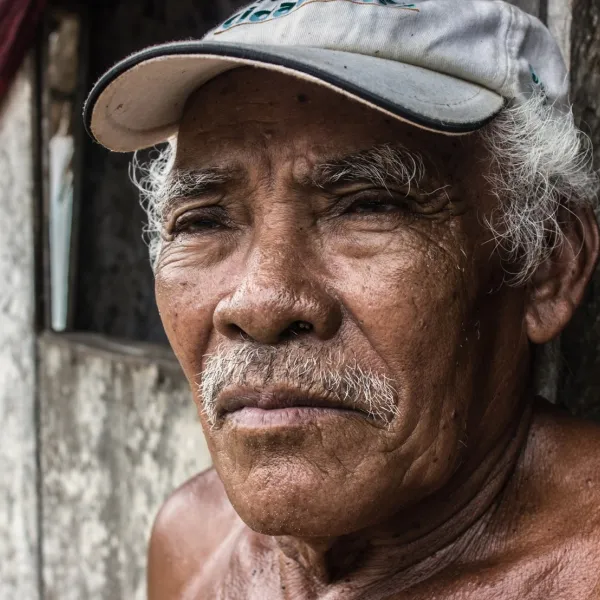
Related projects
International Mission Visits Mexico to Discuss Threats to Mangroves (Spanish Only)
PARA PUBLICACION INMEDIATA CONTACTOS Sofía Cortina, (52-612) 165-509, [email protected] México, 18 de junio de 2010.- AIDA y CEMDA. La Secretaría de la Convención Relativa a los Humedales de Importancia Internacional especialmente como Hábitat de Aves Acuáticas (Convención de Ramsar) anunció la visita de una misión técnica internacional a México, del 21 al 25 de junio. El objetivo de dicha misión es estudiar los potenciales impactos ambientales que dos proyectos promovidos por el gobierno mexicano podrían causar en los humedales de Marismas Nacionales (sitio Ramsar 732) y Laguna Huizache Caimanero (sitio Ramsar 1689), ubicados en los estados de Nayarit y Sinaloa, respectivamente. El 16 de junio de 2009 la Asociación Interamericana para la Defensa del Ambiente (AIDA) y el Centro Mexicano de Derecho Ambiental A.C. (CEMDA), con apoyo de Greenpeace México, COSTA SALVAjE, Alianza para la Sustentabilidad del Noroeste Costero (CONSELVA) y la Red Manglar Internacional; solicitaron la intervención de la Secretaría de la Convención de Ramsar ante los riesgos que sufren dichos humedales. El gobierno mexicano planea la construcción de un desarrollo turístico conocido como Centro Integralmente Planeado de la Costa del Pacífico (CIP) y el proyecto de la hidroeléctrica de las Cruces en el Río Baluarte cuyos potenciales graves impactos afectarían seriamente a los humedales de importancia internacional. Los humedales son fundamentales por los servicios ambientales que prestan, como son ser guarderías de las pesquerías, protectores de biodiversidad y la línea costera contra la erosión del oleaje y los huracanes, captores de dióxido de carbono, entre otros. “Esta visita sin precedentes, ya que es la primera vez que se realiza por la solicitud de organizaciones no gubernamentales, es una esperanza para la sociedad civil, para que el gobierno federal cumpla con sus compromisos y escuche nuestras demandas de observancia legal, respeto a las comunidades locales así como a la protección de la biodiversidad de la zona. Si se toman en cuenta los criterios emitidos por la Convención en materia de evaluación de impacto ambiental, que hasta ahora han sido ignorados por los promoventes de los proyectos, se podrá garantizar en cierta medida su sostenibilidad”, manifestó Pablo Uribe, Director de CEMDA Noroeste. La agenda de la Misión comprende reuniones con autoridades de los tres niveles de gobierno: federal, local y municipal, organizaciones no gubernamentales, académicos y pescadores de las zonas con el fin de recabar toda la información pertinente para hacer las recomendaciones al gobierno federal para promover el uso racional de los humedales en comento, entendiendo como uso racional “el mantenimiento de sus características ecológicas, logrado mediante la implementación de enfoques por ecosistemas, dentro del contexto del desarrollo sostenible”(1). “El gobierno mexicano está obligado a hacer una planificación del uso del suelo, normativas y legislación apropiadas, medidas de gestión, educación al público y estrategias de políticas públicas, herramientas que deben desarrollarse antes de autorizar este tipo de megaproyectos”, afirmó Sofía Cortina asesora legal de AIDA. “Las recomendaciones de la Misión al gobierno mexicano deben encaminarse a que los sitios no pierdan sus características ecosistémicas y puedan continuar enlistados como sitios de dicha Convención”, aseveró Sandra Guido, Directora Ejecutiva de CONSELVA. “Las consecuencias de no tomar las consideraciones de la Misión no sólo tendrán efectos ambientales negativos irreversibles, sino que en la esfera internacional serán reclasificados como humedales costeros en condiciones graves de deterioro”, sentenció Alejandro Olivera de Greenpeace. Además no hay que olvidar que en el Programa Especial de Cambio Climático, presentado por el gobierno mexicano, se plantean entre otras metas el registrar el 50% de la superficie de manglares como sitio Ramsar y restaurar y/o reforestar 10,000 ha de manglar (2), objetivos que se verán claramente impactados por la desarticulación de políticas.
Read moreViolations of the Right to a Healthy Environment in Panama Denounced before the United Nations (Spanish Only)
UPR Report Panama 2010 Ciudad de Panamá, Panamá – Una coalición de catorce organizaciones ambientales y de derechos humanos denunció problemas graves para la protección de los derechos humanos, vinculados con afectaciones al ambiente en Panamá, ante el Consejo de Derechos Humanos de las Naciones Unidas, en el marco del mecanismo del Examen Periódico Universal (EPU). Las organizaciones formularon recomendaciones que deberían implementarse para atender esta situación. “El gobierno panameño está promoviendo un aumento escalofriante en el número de grandes proyectos en el país sin respetar los derechos humanos o el ambiente, especialmente los derechos de las comunidades afectadas,” dijo Félix Wing, Director Legal del Centro de Incidencia Ambiental (CIAM). CIAM y la Asociación Interamericana para la Defensa del Ambiente (AIDA) lideraron una coalición de 14 organizaciones de la sociedad civil en la presentación del informe. El informe señala tendencias alarmantes que amenazan la protección del ambiente a tal punto que están agravando la situación de derechos humanos en el país. Dentro de los problemas más graves que se identificaron están la existencia de cientos de nuevas concesiones mineras, otorgadas o en trámite, que cubren el 35% del territorio panameño; el desarrollo de más de ochenta nuevos proyectos hidroeléctricos; y varios nuevos proyectos turísticos que afectarían los recursos hídricos y costeros del país. “Nos preocupa especialmente la falta de aplicación de normas nacionales e internacionales obligatorias en la planeación y desarrollo de estos proyectos”, señala Astrid Puentes Riaño, co directora de AIDA. “De continuar esta situación, podrían violarse varios derechos humanos vinculados con el desplazamiento de poblaciones, la devastación irreversible del ambiente y el empeoramiento de la calidad de vida; con pérdidas económicas y sociales incalculables”. Entre los mayores problemas presentados en Panamá, el informe destaca los impedimentos a la participación ciudadana y la falta de consulta a los pueblos indígenas y comunidades locales. Además, han surgido nuevas barreras legales para acceder a la información pública que impiden conocer los impactos reales de un proyecto. “La participación pública y el acceso a la información son derechos humanos esenciales para proteger a las personas y al ambiente”, aclaró Félix Wing de CIAM. El informe también denuncia hostigamientos hacia defensores ambientales y el incumplimiento de recomendaciones de organismos internacionales como la Comisión Interamericana de Derechos Humanos y el Relator Especial de las Naciones Unidas sobre la situación de los derechos humanos y libertades fundamentales de los indígenas, James Anaya. El próximo 23 de noviembre, el Estado panameño será objeto del Examen Periódico Universal (EPU) ante el Consejo de Derechos Humanos de Naciones Unidas en Ginebra. Durante el Examen se evaluará información sometida por organizaciones de la sociedad civil y por el gobierno y se plantearán recomendaciones para que Panamá mejore la protección de derechos humanos. A través de estos esfuerzos, las organizaciones de la sociedad civil buscan aportar su experiencia directa respecto a las violaciones a derechos humanos, como parte del diagnóstico de la situación de Panamá frente a sus obligaciones internacionales en esta materia, con el objeto de lograr una protección más efectiva de los derechos humanos. PARA MAYOR INFORMACIÓN CONTACTAR: Félix Wing, Director Legal de CIAM, Tel. 236-0866/236-0868, [email protected] Jacob Kopas, Asesor Legal de AIDA (Colombia), Tel. (+57-1) 338-1277, [email protected] INFORMACIÓN ADICIONAL: Para bajar una copia del informe y más información: http://www.aida-americas.org/sites/default/files/refDocuments/UPRjointsub_envhrgroups_Panama.pdf El informe establece que, para garantizar la efectiva protección de los derechos humanos en Panamá, particularmente los derechos a un ambiente sano, a la vida, la salud, la integridad y la participación pública, así como el acceso a la justicia y a la información, se hace necesario que el Estado: Reconozca efectivamente el derecho a un ambiente sano, de conformidad con los estándares internacionales; Adopte las recomendaciones anteriormente emitidas por órganos internacionales de derechos humanos; Ratifique el Convenio 169 de la OIT e incorpore la Declaración de las Naciones Unidas sobre los Derechos de los Pueblos Indígenas en la legislación interna; Atienda las limitaciones al acceso a la justicia en casos de protección del derecho a un ambiente sano mediante modificaciones constitucionales y legales necesarias, la implementación de medidas para mejorar los tiempos y calidad de respuesta del sistema judicial, y la adopción de estándares proteccionistas de los derechos humanos, entre otros. Reconozca la importancia de la labor de las personas que defienden los derechos humanos e implemente medidas para garantizar la protección integral de sus derechos humanos; Elimine cualquier obstáculo a la participación pública y el acceso a la información en la práctica. Las conclusiones de este informe fueron incluidas también en un documento presentado por otra decena de organizaciones dedicadas a la promoción y defensa de distintos derechos humanos, que incluyó, además, el planteamiento de violaciones al derecho a la justicia, de los privados de libertad, de la mujer, a la no discriminación racial y al trabajo. El Examen Periódico Universal (EPU) es un mecanismo del Consejo de Derechos Humanos de las Naciones Unidas para evaluar la situación de todos los derechos humanos en todos los países del mundo. En el proceso, el Consejo de Derechos Humanos examinará información proporcionado por el Estado panameño, la Oficina del Alto Comisionado sobre Derechos Humanos de las Naciones Unidas y organizaciones de la sociedad civil. ## El Centro de Incidencia Ambiental (CIAM) (http://www.ciampanama.org) es una organización no gubernamental que defiende activamente los invaluables recursos naturales de Panamá ante las graves amenazas que representan las actividades incompatibles con el desarrollo sostenible. Su misión es promover la protección del ambiente, motivando la participación ciudadana, a través de la difusión del conocimiento, la construcción de redes, y la rendición de cuentas, para incidir en las decisiones y políticas relevantes. La Asociación Interamericana para la Defensa del Ambiente (AIDA) (http://www.aida-americas.org) es una organización de carácter hemisférico que trabaja con organizaciones no gubernamentales de derecho ambiental de Estados Unidos, Canadá, México, Costa Rica, Ecuador, Perú, Argentina y Chile, cuya misión es fortalecer la capacidad de las personas para garantizar su derecho individual y colectivo a un ambiente sano por medio del desarrollo, aplicación y cumplimiento efectivo de la legislación nacional e internacional.
Read moreAIDA Presents Report on Large Dams Before the Inter-American Development Bank (Spanish)
Para Publicación Inmediata: 19 de Marzo de 2010 Contacto: Astrid Puentes Riaño - AIDA, +(52-1-55) 23016639, [email protected] Informe: Grandes Represas en América ¿Peor el remedio que la enfermedad? AIDA PRESENTA DOCUMENTO ANTE EL BID El objetivo del documento es el de promover un mejor entendimiento de la situación, evidenciar la vinculación entre los graves impactos ambientales y la violación a los derechos humanos que las grandes represas pueden causar. Cancún, México – La Asociación Interamericana para la Defensa del Ambiente, AIDA, presentará el informe: “Grandes Represas en América, ¿Peor el remedio que la enfermedad?” ante el Banco Interamericano de Desarrollo, BID. La presentación se hará en el marco de la Reunión Anual de Gobernadores del BID que se celebra en Cancún, hasta el 23 de marzo. En esta reunión, entre otros, el BID decidirá acerca de la recapitalización del Banco para promover mayores inversiones en el hemisferio. “Esperamos que las futuras inversiones financiadas por el BID y otras Instituciones Financieras Internacionales tengan en cuenta este informe, así como los estándares internacionales para estos proyectos, incluyendo las recomendaciones de la Comisión Mundial de Represas” declaró Astrid Puentes, co-directora de AIDA. “Esto podría Así podrían evitar graves impactos ambientales y a los derechos humanos, y promover verdaderos proyectos de energía limpia”. El objetivo del Informe es evidenciar la vinculación entre los graves impactos ambientales y la violación a los derechos humanos que las grandes represas pueden causar y motivar la implementación de proyectos de energía adecuados. Para ello, se analizan cinco estudios de caso de distintas regiones de América Latina: La Parota (México), Chan 75 (Centroamérica), Baba (región Andina), Río Madeira (Brasil) y Yacyretá (Cono Sur). El informe preparado por AIDA en coordinación con International Rivers y con la cooperación de múltiples organizaciones no gubernamentales y de comunidades afectadas por las grandes represas en el hemisferio, se presentó también en noviembre pasado ante la Comisión Interamericana de Derechos Humanos (CIDH) en Washington. La CIDH celebró esta audiencia dada la importancia del tema para la adecuada protección de los derechos humanos en la región. Entre los impactos más graves generados por las grandes represas, abordados en el Informe, se incluyen: el empeoramiento de la calidad y salubridad de las aguas tanto río arriba como río abajo por la modificación artificial de las cuencas hidrográficas; la degradación de ecosistemas acuáticos; los impactos a la biodiversidad; los impactos en el cambio climático por el aumento en la emisión de gases efecto invernadero dada la descomposición de materia orgánica inundada; el posible aumento de actividad sísmica; la destrucción de ecosistemas estratégicos; el desplazamiento forzado de comunidades típicamente en situación de vulnerabilidad, como las indígenas, campesinas y afrodescendientes, así como las mujeres y los niños y las niñas; la pérdida de fuentes de alimentación y de sustento; la falta de participación pública y acceso a la información; la falta de consulta y la obtención del consentimiento libre, previo e informado de comunidades afectadas; y criminalización de la protesta social hacia personas o comunidades que defienden sus derechos. “Buscamos evitar estas consecuencias negativas y promover alternativas efectivas a las necesidades energéticas, para lograr un verdadero desarrollo sostenible”, puntualizó Jacob Kopas, abogado de AIDA y coautor del Informe. Versión completa del informe y Resumen Ejecutivo Para mayor información acerca de la situación de las grandes represas en América Latina visite: www.aida-americas.org www.internationalrivers.org www.redlar.org/
Read more