
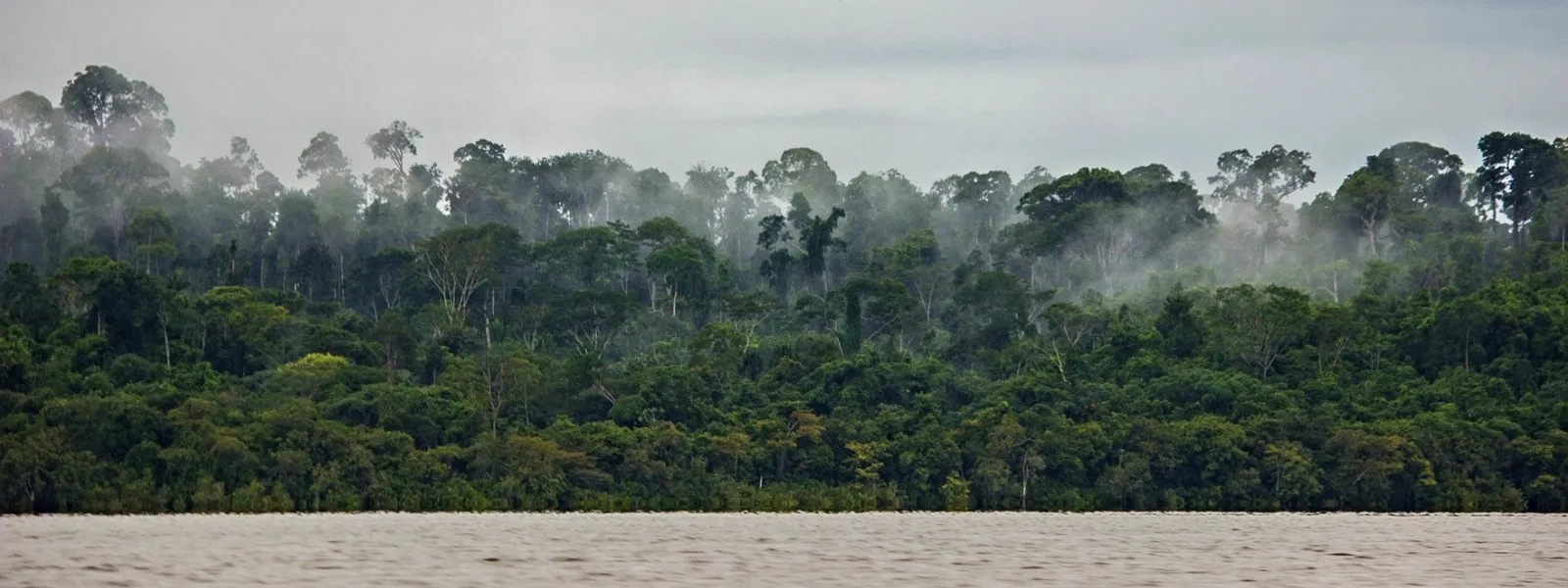
Project
Amazon Watch / Maíra Irigaray
The Belo Monte Dam on the Xingu River: 10 years of impacts in the Amazon and the search for reparations
The Belo Monte Dam has caused an environmental and social disaster in the heart of the Amazon—one of the most important ecosystems on the planet.
This situation has only worsened since the hydroelectric plant began operations in 2016. The quest for justice and reparations by the affected indigenous, fishing, and riverine communities continues to this day.
In 2011, the Inter-American Commission on Human Rights (IACHR) granted them protective measures that, to date, have not been fully implemented by the Brazilian State.
Furthermore, since June of that same year, the IACHR has yet to rule on a complaint against the State regarding its international responsibility in the case.
The IACHR may refer the case to the Inter-American Court of Human Rights, which has the authority to issue a ruling condemning the Brazilian State.
After 10 years of the hydroelectric plant's operation and more than 15 years of documented human rights violations, it is time for justice to be served for the affected communities.
Read the open letter from the organizations bringing the case before the IACHR
Background
The Belo Monte hydroelectric plant—the fourth largest in the world by installed capacity (11,233 MW)—was built on the Xingu River in Pará, a state in northern Brazil.
It was inaugurated on May 5, 2016, with a single turbine. At that time, 80% of the river’s course was diverted, flooding 516 km² of land—an area larger than the city of Chicago. Of that area, 400 km² was native forest. The dam began operating at full capacity in November 2019.
Belo Monte was built and is operated by the Norte Energia S.A. consortium, which is composed primarily of state-owned companies. It was financed by the Brazilian Development Bank (BNDES), which provided the consortium with 25.4 billion reais (approximately US$10.16 billion), the largest investment in the bank’s history. Therefore, the BNDES is also legally responsible for the socio-environmental impacts associated with the hydroelectric plant.
Decades of harm to the environment and people
Human rights violations and degradation of the Amazon have been occurring since the project’s inception. In March 2011, Norte Energía began construction of the dam without adequate consultation and without the prior, free, and informed consent of the affected communities.
The construction caused the forced displacement of more than 40,000 people, severing social and cultural ties. The resettlement plan in Altamira—a city directly affected by the hydroelectric dam—involved housing units located on the outskirts, lacking adequate public services and decent living conditions for the relocated families, with no special provisions for those from indigenous communities.
Belo Monte's operations have caused a permanent, man-made drought in the Volta Grande (or "Great Bend") of the Xingu River, exacerbated by the historic droughts in the Amazon in 2023 and 2024. As a result, the deaths of millions of fish eggs were documented for four consecutive years (from 2021 to 2024), and for the past three years, there has been no upstream migration of fish to spawn and reproduce. Thus, artisanal fishing, the main source of protein for indigenous peoples and riverside communities, was severely affected: fish dropped from 50% to 30% of total protein consumed, replaced by processed foods. In summary, there was an environmental and humanitarian collapse that resulted in the breakdown of fishing as a traditional way of life, food insecurity, and access to drinking water for thousands of families, impoverishment, and disease.
Furthermore, the construction of the dam increased deforestation and intensified illegal logging and insecurity on indigenous and tribal lands, putting the survival of these communities at risk. Another consequence was the deepening of poverty and social conflicts, as well as the strain on health, education, and public safety systems in Altamira—a city ranked as the most violent in the country in 2017, where human trafficking and sexual violence increased. Violence was also reported against human rights defenders involved in the case.
In 2025, during the 30th UN Climate Change Conference (COP30), held in Brazil, the Federal Public Prosecutor’s Office labeled the damage caused by the Belo Monte dam as ecocide.
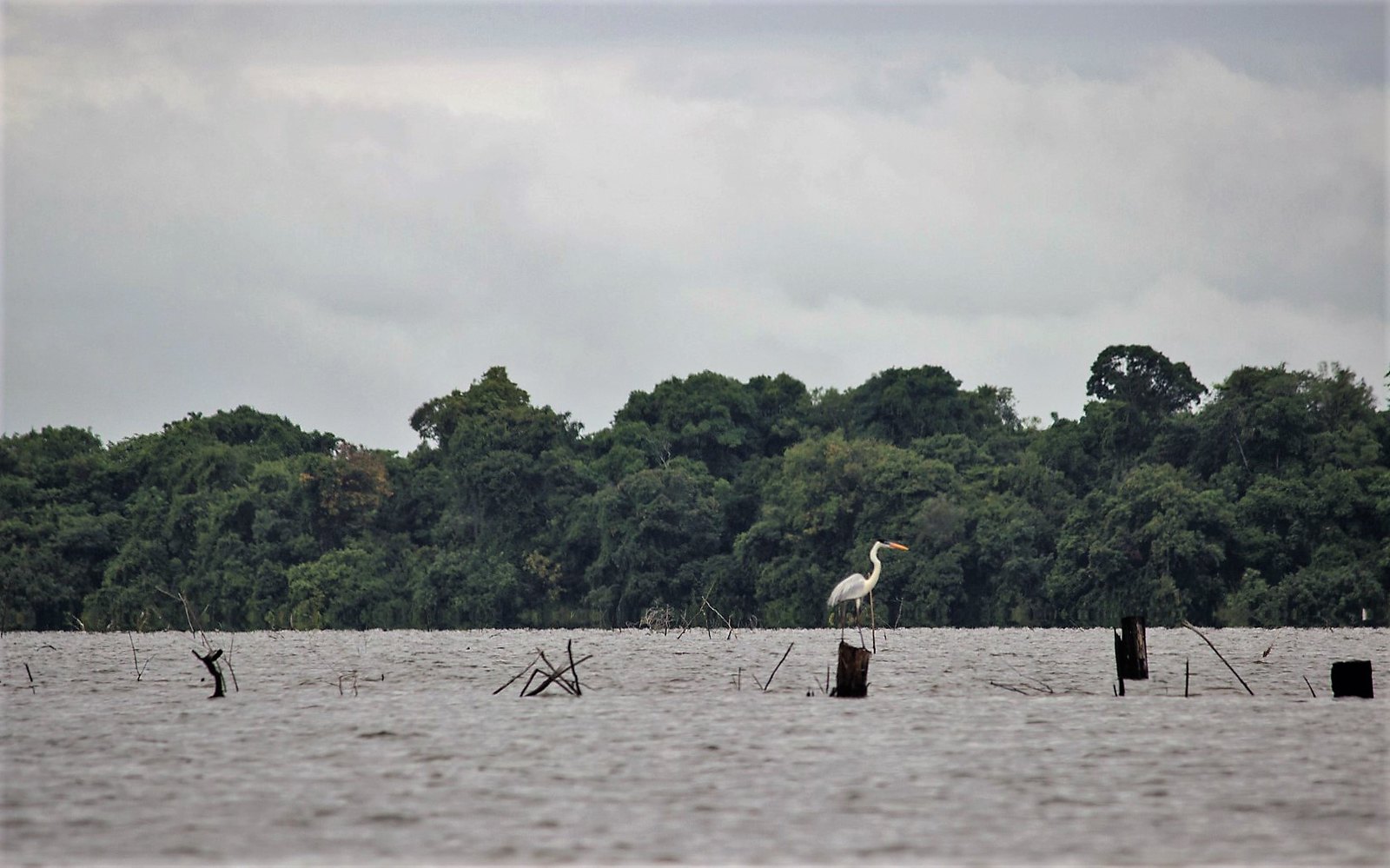
Photo: Amazon Watch / Maíra Irigaray.
The search for justice and reparations
Over the years, the Federal Public Prosecutor’s Office in Pará, the Public Defender’s Office, and civil society organizations have filed dozens of legal actions in Brazilian courts to challenge the project’s various irregularities and its impacts. Most of the claims are still pending resolution, some for more than 10 years.
These efforts have failed because the national government has repeatedly overturned rulings in favor of the affected communities by invoking a mechanism that allowed a court president to suspend a judicial decision based solely on generic arguments such as "the national interest" or "economic order."
In the absence of effective responses at the national level, AIDA, together with a coalition of partner organizations, brought the case before the Inter-American Commission on Human Rights (IACHR) and, in 2010, requested precautionary measures to protect the lives, safety, and health of the affected indigenous communities.
On April 1, 2011, the IACHR granted these measures and requested that the Brazilian government suspend environmental permits and any construction work until the conditions related to prior consultation and the protection of the health and safety of the communities are met.
And on June 16, 2011 —together with the Xingu Vivo Para Sempre Movement, the Coordinating Committee of Indigenous Organizations of the Brazilian Amazon, the Diocese of Altamira, the Indigenous Missionary Council, the Pará Society for the Defense of Human Rights and Global Justice— we filed a formal complaint against the Brazilian State for its international responsibility in the violation of the human rights of the people affected in the case. The case was opened for processing in December 2015.
On August 3, 2011, the IACHR amended the precautionary measures to request, instead of the suspension of permits and construction, the protection of people living in voluntary isolation, the health of indigenous communities, and the regularization and protection of ancestral lands.
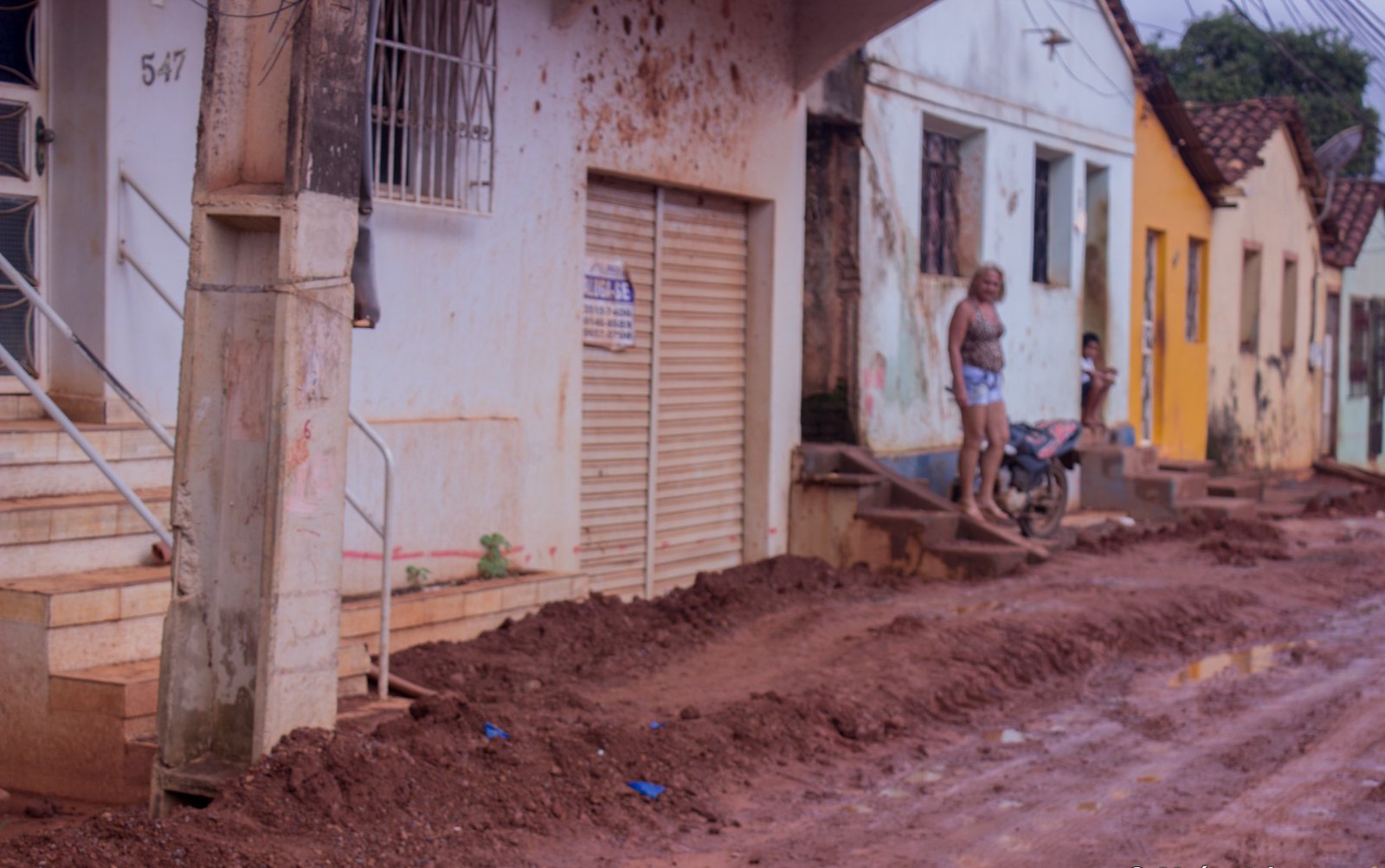
Photo: Amazon Watch / Maíra Irigaray.
Current situation
The protective measures granted by the IACHR remain in effect, but the Brazilian government has not fully complied with them, reporting only on general actions. The communities have documented the ongoing violations of their rights. The situation that prompted the request for these measures—the risk to the lives, physical integrity, and ways of life of the communities—persists and has worsened with the hydroelectric plant operating at full capacity and the recent extreme droughts in the Amazon.
In addition to the impacts of Belo Monte, there is a risk of further social and environmental impacts from the implementation of another mining megaproject in the Volta Grande do Xingu. There, the Canadian company Belo Sun plans to build Brazil’s largest open-pit gold mine.
The combined and cumulative impacts of the dam and the mine were not assessed. The government excluded Indigenous peoples, riverine and peasant communities from the project’s environmental permitting process. Despite protests by Indigenous communities and other irregularities surrounding the project, the government of Pará formally authorized the mine in April 2026.
Like other hydroelectric dams, Belo Monte exacerbates the climate emergency by generating greenhouse gas emissions in its reservoir. And it is inefficient amid the longer, more intense droughts caused by the crisis, as it loses its ability to generate power.
The case before the Inter-American Commission
In October 2017, the IACHR announced that it would rule jointly on the admissibility (whether the case meets the requirements for admission) and the merits (whether a human rights violation actually occurred) of the international complaint against the Brazilian State.
Fifteen years after the complaint was filed, the affected communities and the organizations representing them are still awaiting this decision. If the IACHR concludes that human rights violations occurred and issues recommendations that the Brazilian State fails to comply with, it may refer the case to the Inter-American Court of Human Rights, whose rulings are binding.
A potential ruling by the international court in this case would set a regional legal precedent regarding the rights of indigenous and riverine peoples, public participation in megaprojects, and state responsibility in the context of the climate crisis—a precedent that is particularly relevant in light of the Court’s Advisory Opinion No. 32, which reaffirmed the obligations of States to protect the people and communities of the continent from the climate emergency.
Partners:
Related projects
Environmental Organizations Denounce Flaws and Impacts of the Costa del Pacifico (CIP) Mega-Resort at a Public Hearing (Spanish only)
PARA PUBLICACIÓN INMEDIATA: CEMDA, WildCoast, Conselva, Greenpeace, AIDA DENUNCIAN ORGANIZACIONES AMBIENTALES IRREGULARIDADES E IMPACTOS DEL PROYECTO CIP ESCUINAPA, DURANTE LA REUNIÓN DE INFORMACIÓN *Manifestación de impacto ambiental presentada de manera fragmentada, sólo es por 93 de las 2,600 hectáreas que abarca el proyecto *Preocupa a pescadores y ONG grave impacto a la actividad pesquera de la región *El proyecto no considera de manera adecuada la planeación de servicios básicos como el agua, y podría poner en riesgo los recursos hídricos de la región La Paz, BCS a 9 de marzo, 2010 - Durante la Reunión de Información realizada por la Unidad Coordinadora de Participación Social y Transparencia (UCPAST) de la Secretaría de Medio Ambiente y Recursos Naturales (Semarnat), varias organizaciones ambientalistas denunciaron nuevamente las irregularidades e impactos no contemplados en el proyecto “Infraestructura Básica del predio CIP Escuinapa, Sinaloa” promovido por el Fondo Nacional de Fomento al Turismo (FONATUR). La Manifestación de Impacto Ambiental (MIA) del proyecto se presentó de manera fragmentada, presentando análisis de impactos individuales en lugar de manera integral. Esto minimiza los graves impactos socio-ambientales del Proyecto en su conjunto, pues la MIA presentada solamente abarca 93.48 hectáreas, de las 2,600 hectáreas que comprende el Proyecto. El Centro Integralmente Planeado (CIP) Escuinapa es uno de los proyectos más ambiciosos del actual gobierno y estará ubicado al sur de Sinaloa, dentro de Marismas Nacionales. De acuerdo con Sofía Cortina, abogada de AIDA, “El CIP se construiría alrededor de una de las zonas de humedales más prioritarias para la conservación a nivel internacional, lo que ocasionará un severo desgaste ecológico a la región y un alto impacto a la actividad pesquera en el noroeste del país”. El Proyecto contempla una capacidad de 44,200 habitaciones, 4 campos de golf, 2 marinas, un malecón marítimo del palmar, paseo de los lagos interiores, ramblas comerciales y de entretenimiento, y otros servicios. Entre otras omisiones legales, las organizaciones destacaron las observaciones y comentarios que se han generado acerca de la MIA. A pesar que se invertirían 200 millones de pesos para estudios en materia ambiental para este proyecto (según manifestó FONATUR en una presentación del proyecto en la página1 del municipio de Escuinapa) “la evaluación del proyecto está fragmentada y no se expone la totalidad de los impactos ambientales que el CIP causaría” puntualizó Cortina. La MIA no incluyó estudios detallados sobre los impactos a especies endémicas como reptiles, peces, moluscos y sobretodo, acerca de las más de 250 especies de aves, como es obligación de acuerdo con la NOM-059-SEMARNAT-2003. A la lista de omisiones, se suma que en la MIA no se señala una planeación detallada para la provisión de los servicios básicos como son el agua y la recolección de desechos sólidos, siendo este último un grave problema actual para el municipio Escuinapa ya que no cuenta con un relleno sanitario. Adicionalmente, “no se propusieron las medidas de mitigación adecuadas basadas en los criterios de la Convención Ramsar, tratado internacional para la conservación y uso racional de los humedales y sus recursos, de la cual México forma parte y es uno de los países con mayor número de humedales registrados, incluyendo Marismas Nacionales”, comentó Sandra Moguel, abogada del Centro Mexicano de Derecho Ambiental. “Este ecosistema cuenta con un valor especial para la preservación de la diversidad genética y ecológica de la región, es reconocida como hábitat del jaguar, representa alrededor del 10% del total de manglares en México y más de 90 especies de fauna de las cuales 73 se encuentran amenazadas o en peligro de extinción, y es el hábitat de una población de 20,000 aves acuáticas y refugio invernal para más de 100,000 aves acuáticas migratorias”, continuó Moguel. El CEMDA y la Asociación Interamericana para la Defensa del Ambiente (AIDA), junto con Greenpeace México, Wildcoast, Conselva y Red Manglar, presentaron en abril del 2009, una petición al Secretariado Ramsar informando del incumplimiento del Gobierno Federal en su compromiso como integrante de la Convención, de proteger los humedales mexicanos enlistados en Ramsar. Al igual que Marismas Nacionales, la laguna Huizache-Caimanero, ubicada en el municipio de Rosario, Sinaloa, es un sitio Ramsar de gran importancia para la actividad pesquera de la región y el cual es amenazado a la vez por cuatro proyectos de alto impacto. Actualmente se espera la visita de una misión de verificación internacional. Tanto pescadores de Sinaloa y Nayarit, como ONG y pobladores, han manifestado su preocupación por una posible resolución a favor del desarrollo del CIP en Escuinapa, debido a que temen la afectación a los ingresos económicos de la actividad pesquera de los lugareños por los impactos sobre el ecosistema que hasta ahora es regulada en gran parte por la existencia de los humedales y manglares de Marismas Nacionales. Por último Moguel señaló de gran importancia, la participación de las organizaciones ambientales en la Reunión Pública de Información, como ejercicio de involucramiento público en la evaluación de impacto ambiental, para el empoderamiento de la ciudadanía en la toma de decisiones respecto al uso y aprovechamiento de sus recursos naturales. PARA MAYOR INFORMACIÓN CONTACTAR: Claudia Gómez-Portugal M. Directora de Comunicación 01 (55) 55256136 / 01 (55) 52863323 [email protected] Sofìa Cortina Segovia Asesora Legal 01 (612) 1221369 [email protected]
Read moreCanadian Supreme Court prohibits project splitting and guarantees public participation in environmental assessments (Spanish text only)
PARA PUBLICACIÓN INMEDIATA: CONTACTO: Jacob Kopas: [email protected] Teléfonos: (+57) 1-338-1277 / 320-316-0379 Corte Suprema de Canadá prohíbe fragmentar proyectos mineros y rectifica la obligatoriedad de evaluaciones de impacto ambiental integrales y con participación pública Ottawa, Canadá - En un cambio jurisprudencial fundamental, el 21 de enero la Corte Suprema de Canadá determinó que los grandes proyectos mineros están obligados a tener una evaluación de impacto ambiental comprehensiva, sin fragmentar el proyecto, y que garantice la participación pública. La sentencia concluye que las autoridades canadienses, al realizar la evaluación ambiental del proyecto minero Red Chris (un inmenso proyecto minero de oro y cobre a cielo abierto), lo fragmentaron ilegalmente impidiendo así conocer el verdadero impacto ambiental de la obra. “Celebramos enormemente esta decisión de la Corte Suprema de Canadá, que debería ser replicada por los gobiernos y las empresas mineras, especialmente las canadienses, con grandes intereses en la región”, dijo Jacob Kopas, abogado de la Asociación Interamericana para la Defensa del Ambiente (AIDA). AIDA, CELA y varias organizaciones presentaron un escrito ante la Corte, apoyando la demanda presentada por Ecojustice y otros grupos ambientalistas, resaltando entre otros, que la autorización de este proyecto también desconoce el derecho internacional ambiental. El proyecto “Red Chris” procesaría 30,000 toneladas métricas de mineral al día y arrojaría los desechos tóxicos en un área remota y prístina de la provincia de Columbia Británica, Canadá, habitada por grandes mamíferos y que es un importante sitio para la reproducción de salmón. Ante los posibles riesgos irreparables que esta mina a cielo abierto implica para esta área y sus pobladores, una evaluación comprehensiva es sin duda, un requisito esencial antes de autorizarlo. El máximo tribunal canadiense concluyó que el gobierno federal violó las normas aplicables al autorizar este proyecto de manera fragmentada, y también al impedir la participación pública activa de las comunidades y los grupos locales en la evaluación de impactos ambientales para grandes proyectos, como la minería. Estos dos elementos son esenciales dado que proyectos como la mina Red Chris no sólo interesan a los inversionistas y al gobierno, sino también a todas las comunidades locales que de múltiples maneras tienen un interés en las áreas a afectarse. “En el hemisferio hemos sido testigos de innumerables proyectos con inmensos impactos ambientales y sociales, que desafortunadamente se presentan y evalúan por partes, las minas a cielo abierto son un ejemplo reiterado, por lo que esta sentencia es vital para la región”, dijo Astrid Puentes, Co-Directora de AIDA. “Además, la decisión de la Corte está de acuerdo con normas ambientales internacionales, contribuye a prevenir daños ambientales irreparables y respeta el derecho humano a la participación pública, constituyéndose en un gran ejemplo a seguir”. ## Para mayor información ir a: www.aida-americas.org Enlace de información de otras organizaciones: www.ecojustice.ca; www.cela.ca
Read more
Environmental Defense Guide
The purpose of this publication is to promote the use of the Inter-American System of Human Rights for addressing environmental degradation that causes human rights violations. Within this guide we provide the legal strategies and arguments necessary to use the System effectively and properly. Our goal with this publication and our work in general, is to strengthen people’s capacity to defend their individual and collective right to a healthy environment through the proper development, implementation and fulfillment of domestic and international law. With the publication and widespread distribution of the English-language edition of the Guide, we hope to significantly advance this goal. Read and download the guide
Read more