
Project
Amazon Watch / Maíra Irigaray
The Belo Monte Dam on the Xingu River: 10 years of impacts in the Amazon and the search for reparations
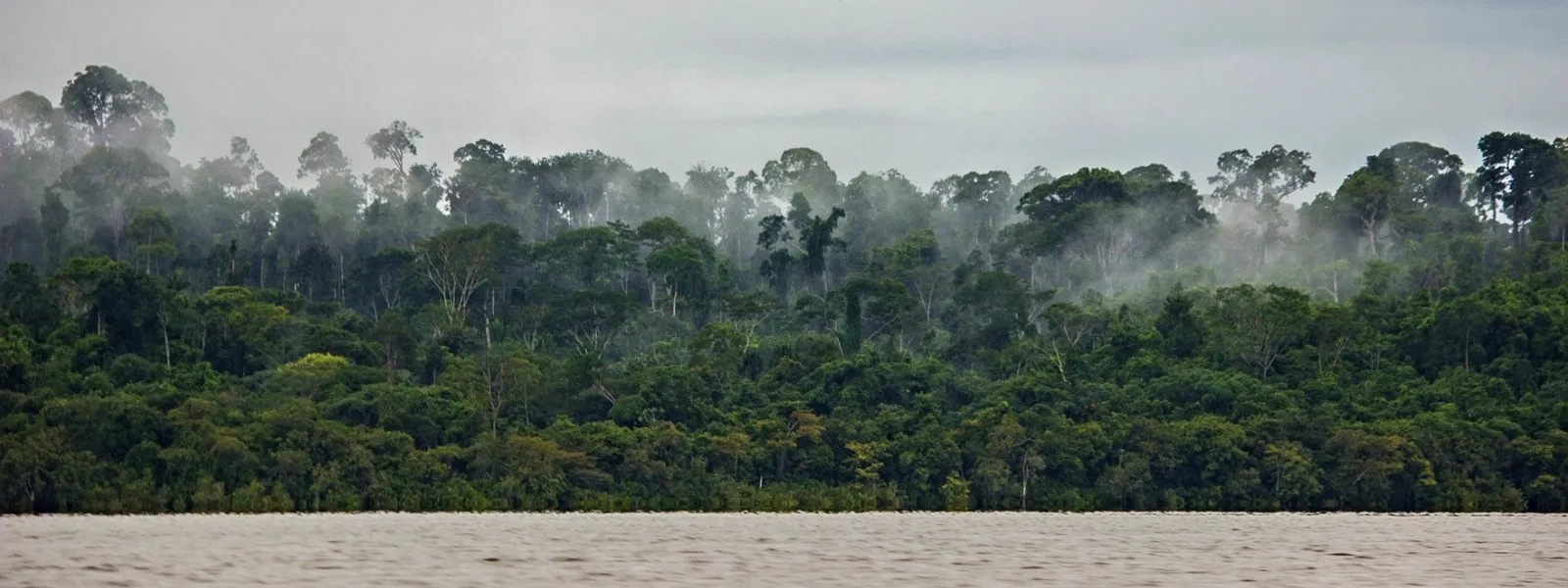
The Belo Monte Dam has caused an environmental and social disaster in the heart of the Amazon—one of the most important ecosystems on the planet.
This situation has only worsened since the hydroelectric plant began operations in 2016. The quest for justice and reparations by the affected indigenous, fishing, and riverine communities continues to this day.
In 2011, the Inter-American Commission on Human Rights (IACHR) granted them protective measures that, to date, have not been fully implemented by the Brazilian State.
Furthermore, since June of that same year, the IACHR has yet to rule on a complaint against the State regarding its international responsibility in the case.
The IACHR may refer the case to the Inter-American Court of Human Rights, which has the authority to issue a ruling condemning the Brazilian State.
After 10 years of the hydroelectric plant's operation and more than 15 years of documented human rights violations, it is time for justice to be served for the affected communities.
Read the open letter from the organizations bringing the case before the IACHR
Background
The Belo Monte hydroelectric plant—the fourth largest in the world by installed capacity (11,233 MW)—was built on the Xingu River in Pará, a state in northern Brazil.
It was inaugurated on May 5, 2016, with a single turbine. At that time, 80% of the river’s course was diverted, flooding 516 km² of land—an area larger than the city of Chicago. Of that area, 400 km² was native forest. The dam began operating at full capacity in November 2019.
Belo Monte was built and is operated by the Norte Energia S.A. consortium, which is composed primarily of state-owned companies. It was financed by the Brazilian Development Bank (BNDES), which provided the consortium with 25.4 billion reais (approximately US$10.16 billion), the largest investment in the bank’s history. Therefore, the BNDES is also legally responsible for the socio-environmental impacts associated with the hydroelectric plant.
Decades of harm to the environment and people
Human rights violations and degradation of the Amazon have been occurring since the project’s inception. In March 2011, Norte Energía began construction of the dam without adequate consultation and without the prior, free, and informed consent of the affected communities.
The construction caused the forced displacement of more than 40,000 people, severing social and cultural ties. The resettlement plan in Altamira—a city directly affected by the hydroelectric dam—involved housing units located on the outskirts, lacking adequate public services and decent living conditions for the relocated families, with no special provisions for those from indigenous communities.
Belo Monte's operations have caused a permanent, man-made drought in the Volta Grande (or "Great Bend") of the Xingu River, exacerbated by the historic droughts in the Amazon in 2023 and 2024. As a result, the deaths of millions of fish eggs were documented for four consecutive years (from 2021 to 2024), and for the past three years, there has been no upstream migration of fish to spawn and reproduce. Thus, artisanal fishing, the main source of protein for indigenous peoples and riverside communities, was severely affected: fish dropped from 50% to 30% of total protein consumed, replaced by processed foods. In summary, there was an environmental and humanitarian collapse that resulted in the breakdown of fishing as a traditional way of life, food insecurity, and access to drinking water for thousands of families, impoverishment, and disease.
Furthermore, the construction of the dam increased deforestation and intensified illegal logging and insecurity on indigenous and tribal lands, putting the survival of these communities at risk. Another consequence was the deepening of poverty and social conflicts, as well as the strain on health, education, and public safety systems in Altamira—a city ranked as the most violent in the country in 2017, where human trafficking and sexual violence increased. Violence was also reported against human rights defenders involved in the case.
In 2025, during the 30th UN Climate Change Conference (COP30), held in Brazil, the Federal Public Prosecutor’s Office labeled the damage caused by the Belo Monte dam as ecocide.
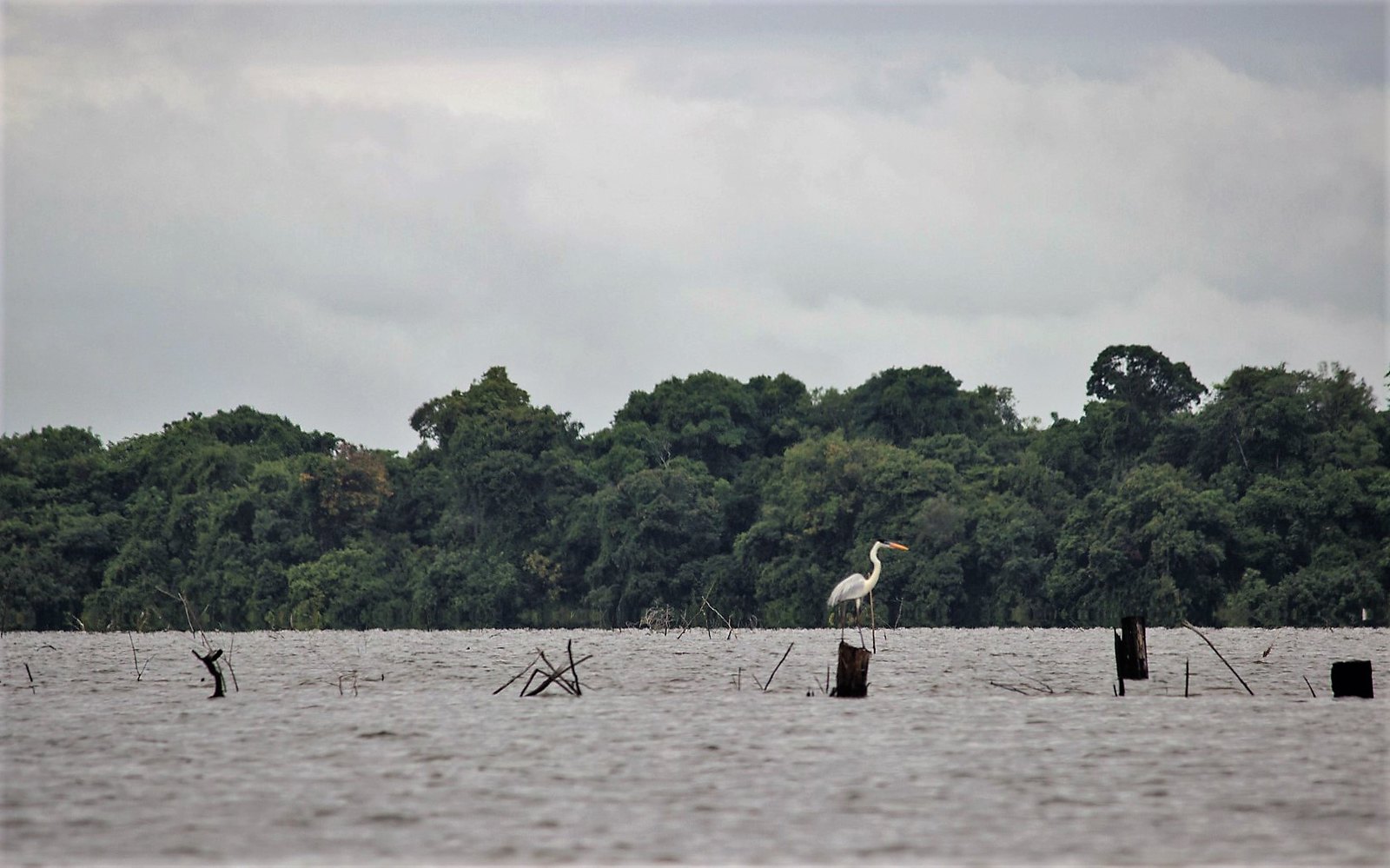
Photo: Amazon Watch / Maíra Irigaray.
The search for justice and reparations
Over the years, the Federal Public Prosecutor’s Office in Pará, the Public Defender’s Office, and civil society organizations have filed dozens of legal actions in Brazilian courts to challenge the project’s various irregularities and its impacts. Most of the claims are still pending resolution, some for more than 10 years.
These efforts have failed because the national government has repeatedly overturned rulings in favor of the affected communities by invoking a mechanism that allowed a court president to suspend a judicial decision based solely on generic arguments such as "the national interest" or "economic order."
In the absence of effective responses at the national level, AIDA, together with a coalition of partner organizations, brought the case before the Inter-American Commission on Human Rights (IACHR) and, in 2010, requested precautionary measures to protect the lives, safety, and health of the affected indigenous communities.
On April 1, 2011, the IACHR granted these measures and requested that the Brazilian government suspend environmental permits and any construction work until the conditions related to prior consultation and the protection of the health and safety of the communities are met.
And on June 16, 2011 —together with the Xingu Vivo Para Sempre Movement, the Coordinating Committee of Indigenous Organizations of the Brazilian Amazon, the Diocese of Altamira, the Indigenous Missionary Council, the Pará Society for the Defense of Human Rights and Global Justice— we filed a formal complaint against the Brazilian State for its international responsibility in the violation of the human rights of the people affected in the case. The case was opened for processing in December 2015.
On August 3, 2011, the IACHR amended the precautionary measures to request, instead of the suspension of permits and construction, the protection of people living in voluntary isolation, the health of indigenous communities, and the regularization and protection of ancestral lands.
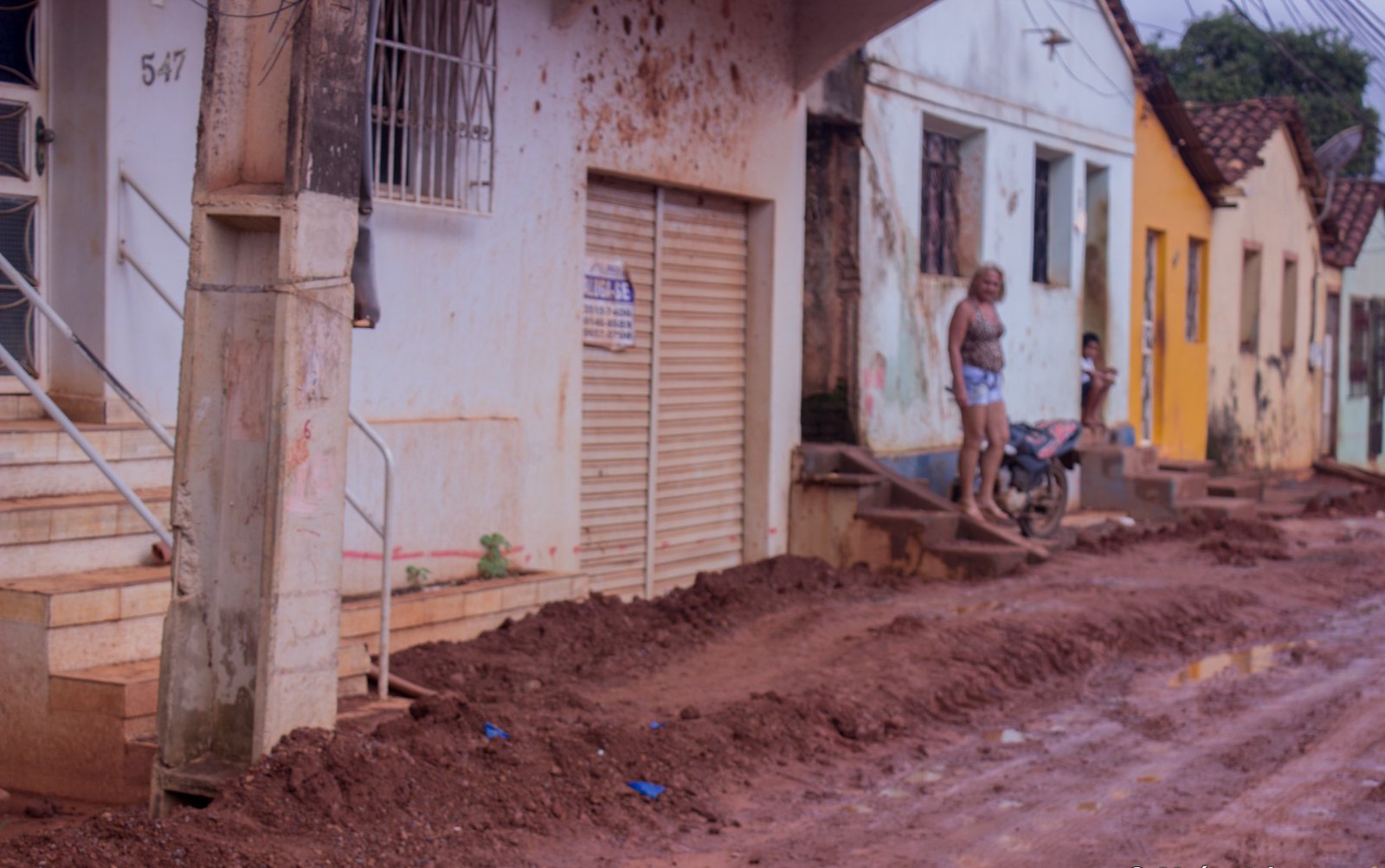
Photo: Amazon Watch / Maíra Irigaray.
Current situation
The protective measures granted by the IACHR remain in effect, but the Brazilian government has not fully complied with them, reporting only on general actions. The communities have documented the ongoing violations of their rights. The situation that prompted the request for these measures—the risk to the lives, physical integrity, and ways of life of the communities—persists and has worsened with the hydroelectric plant operating at full capacity and the recent extreme droughts in the Amazon.
In addition to the impacts of Belo Monte, there is a risk of further social and environmental impacts from the implementation of another mining megaproject in the Volta Grande do Xingu. There, the Canadian company Belo Sun plans to build Brazil’s largest open-pit gold mine.
The combined and cumulative impacts of the dam and the mine were not assessed. The government excluded Indigenous peoples, riverine and peasant communities from the project’s environmental permitting process. Despite protests by Indigenous communities and other irregularities surrounding the project, the government of Pará formally authorized the mine in April 2026.
Like other hydroelectric dams, Belo Monte exacerbates the climate emergency by generating greenhouse gas emissions in its reservoir. And it is inefficient amid the longer, more intense droughts caused by the crisis, as it loses its ability to generate power.
The case before the Inter-American Commission
In October 2017, the IACHR announced that it would rule jointly on the admissibility (whether the case meets the requirements for admission) and the merits (whether a human rights violation actually occurred) of the international complaint against the Brazilian State.
Fifteen years after the complaint was filed, the affected communities and the organizations representing them are still awaiting this decision. If the IACHR concludes that human rights violations occurred and issues recommendations that the Brazilian State fails to comply with, it may refer the case to the Inter-American Court of Human Rights, whose rulings are binding.
A potential ruling by the international court in this case would set a regional legal precedent regarding the rights of indigenous and riverine peoples, public participation in megaprojects, and state responsibility in the context of the climate crisis—a precedent that is particularly relevant in light of the Court’s Advisory Opinion No. 32, which reaffirmed the obligations of States to protect the people and communities of the continent from the climate emergency.
Partners:
Related projects
AIDA Supports Legal Action Against Baba Dam (Spanish Text Only)
Para publicación inmediata Contactos: Astrid Puentes (México) Natalia Landivar (Quito) Monti Aguirre (Berkeley, EEUU) (5255) 55212-0141 (593) 2 22 24 962 (1-510) 848-1155 [email protected] [email protected] [email protected] Organizaciones Internacionales apoyan amparo contra Proyecto Multipropósito Baba ante Tribunal Constitucional de Ecuadorpara proteger derechos humanos y ambiente QUITO, MÉXICO, BERKELEY, 19 DE JUNIO DE 2008-- La Asociación Interamericana para la Defensa del Ambiente (AIDA), presentó un amicus curiae (escrito de amigo de la corte) ante el Tribunal Constitucional de Ecuador, suscrito por International Rivers y FoodFirst Information and Action Network (FIAN) International, apoyando la demanda de Amparo Constitucional interpuesta por afectados del Proyecto Multipropósito Baba. Las organizaciones internacionales argumentaron violaciones a los derechos humanos y al ambiente en la aprobación del proyecto, por lo cual se unen a los demandantes para solicitar la suspensión de su ejecución. “Existen sinnúmero de experiencias donde la implementación inadecuada de mega-represas ha generado daños irreversibles, es necesario aprender de ellas” aseguró Astrid Puentes de AIDA. “La producción de energía no puede implementarse a costa del ambiente y de los derechos humanos, más aún cuando existen alternativas que ni siquiera se han evaluado y que a la larga, podrían evitar mayores costos para los países” puntualizó. El Proyecto Baba, que incluye la construcción de una represa que inundará más de 1,000 hectáreas, fue aprobado por el Ministerio de Medio Ambiente en noviembre de 2006 sin los estudios de impacto ambiental y sociales integrales que se exigen en la legislación nacional e internacionalmente. Estos estudios son de vital importancia, pues el proyecto afectará importantes zonas y tierras de cultivo, impactando seriamente la vida de cientos de personas que dependen de la pesca y la agricultura. Además, se dañará seriamente el hábitat de biodiversidad endémica y en peligro de extinción, como el ave rascón, el venado pequeño y el oso hormiguero de chaleco. “Tenemos la confianza que el Tribunal considerará los estándares internacionales en su decisión” mencionó Monti Aguirre de International Rivers. Dentro de los derechos afectados con este proyecto se incluyen el derecho a la calidad de vida, a la alimentación y a la vivienda, al ambiente sano, al debido proceso y a las garantías judiciales, y a la consulta previa, consagrados en la Constitución Ecuatoriana, en la Convención Americana, el Convenio 169 de la OIT, el Pacto Internacional de Derechos Económicos, Sociales y Culturales y el Protocolo de San Salvador, entre otros. “Buscamos aportar argumentos ante el Tribunal Constitucional evidenciando que la aprobación del proyecto ignora normas internacionales ambientales y de derechos humanos, lo cual puede generar responsabilidad internacional del gobierno ecuatoriano” aseguró Natalia Landivar de FIAN ECUADOR. “Confiamos en que se fallará de acuerdo a las normas” agregó.
Read moreCosta Rican Court Reinforces Protection of Leatherback National Marine Park: Declares Ruling Allowing Construction in Park Unconstitutional
SAN JOSÉ, Costa Rica, June 2, 2008 – On May 23rd, the Constitutional Chamber of the Supreme Court of Justice of Costa Rica repealed a municipal zoning regulation because of its impacts on the most important nesting zone for the leatherback sea turtle in the Eastern Pacific Ocean: the Leatherback National Marine Park (LNMP). The court resolution confirms that the park is necessary to guarantee protection of the leatherback turtle, an internationally declared endangered species, and therefore development within the park must be prevented. The court ruled in favor of the plaintiff, the Leatherback Trust, which filed suit in July 2006 against the zoning regulation for the Cabo Velas district of the city of Santa Cruz in the province of Guanacaste. In filing this suit, the Trust was advised by the Environmental and Natural Resources Law Center (CEDARENA), with the support the Interamerican Association for Environmental Defense (AIDA) regarding applicable aspects of international law. Only two weeks ago, the same court ordered the Ministry of Environment and Energy (MINAE) to begin expropriating private lands inside the park due to the impact of private developments on the leatherback turtles. This decision resulted from a case brought by CEDARENA, AIDA, and the Costa Rican organization, Justice for Nature (JPN). The zoning regulation that the court annulled in the May 23rd ruling allowed the City of Santa Cruz to issue construction permits inside the park, ignoring the serious impacts that such operations can have on leatherback turtles. “As is well known, leatherbacks require special nesting conditions and thus people’s presence and lights from construction operations on nesting beaches seriously impacts the turtles,” declared Mario Boza, biologist for The Leatherback Trust. The LNMP was created to preserve the conditions necessary for the turtles’ reproduction, but the zoning regulation disregarded this intention. “We are very pleased with the court decision in Costa Rica because it sets a precedent that builds hope for the conservation of this species,” declared Astrid Puentes, Legal Director for AIDA. “We hope that this decision will be replicated in other countries in the region,” added Puentes. The court’s decision is retroactive, so it should cancel all the permits granted and constructions operations initiated under the regulation. “With this decision the court is not only protecting Costa Rica’s ecological balance, as established in article 50 of the Costa Rican Constitution, but also ordering the country to comply with its commitments to international agreements,” declared Rolando Castro, a lawyer with CEDARENA. Press Contacts Rolando Castro, Attorney, (506) 283-7080 [email protected] CEDARENA Gladys Martínez, Attorney, AIDA: (506) 283-7080 [email protected]
Read moreDoe Run Smelter in La Oroya, Peru, Loses Environmental Certification
FOR IMMEDIATE PUBLICATION: April 9, 2008 Press Contacts: Perry Gottesfeld, Executive Director OK International 415-362-9898 [email protected] Anna Cederstav, Ph.D. AIDA and Earthjustice 510-550-6700 [email protected] DOE RUN SMELTER IN LA OROYA, PERU, LOSES ENVIRONMENTAL CERTIFICATION Lima, Peru – Doe Run Peru, which operates one of the largest metal-smelters in the hemisphere, has lost its Environmental Certification in a highly unusual move taken by the company’s independent third-party auditors. TUV Rheinland initially granted the certification less than two years ago, but revoked it March 11, 2008 citing non-compliance with Peruvian environmental laws and the lack of adequate pollution prevention measures. The loss of the certification comes on the heels of a $234,000 US fine imposed last year against Doe Run Peru for several serious violations of environmental laws in Peru. This week, Peruvian authorities released a report detailing those violations, including noncompliance with the standards for lead and particulate matter. Doe Run Peru obtained the environmental certification under ISO 14001 in 2006 calling it a “significant milestone in delivering on our commitments to our communities, our employees and the environment." The Doe Run Company’s web site calls the ISO certification an “internationally recognized symbol of a company’s dedication to superior quality, customer satisfaction and continuous improvement.” Nevertheless, a number of studies conducted by the government as well as international health experts have shown that almost all of the children living in the area surrounding Doe Run Peru’s smelter have unacceptably high levels of lead in their bodies. Many are severely exposed and require immediate medical treatment. “TUV Rheinland acted responsibly in taking this unprecedented action to underscore the need for Doe Run Peru to do more to protect public health in La Oroya” said Perry Gottesfeld, Executive Director of Occupational Knowledge International (USA). “Revoking the certification should send a strong message to Doe Run that they have much more work to do,.” said Anna Cederstav, Staff Scientist with AIDA and Earthjustice, and author of the book La Oroya Cannot Wait. “Nevertheless, we are still concerned that, if paid enough, another certifying body will agree to provide Doe Run with a similar certification.” she added. In 2006, several organizations filed a petition with the Inter-American Commission on Human Rights of the Organization of American States, seeking a recommendation that the Peruvian government implement urgent measures to halt the grave violations against the health and lives of the citizens of La Oroya. Last year, the Commission agreed and requested that the state implement such precautionary measures. The World Health Organization (WHO) estimates that 120 million people are overexposed to lead (approximately three times the number infected by HIV/AIDS) and 99 percent of the most severely affected reside in the developing world. Lead affects both children and adults and causes brain damage, metal retardation, and other learning disabilities in children. In addition to lead, the population of La Oroya is also exposed to extreme levels of other harmful contaminants, including arsenic, cadmium, and sulfur dioxide.
Read more