
Project
Amazon Watch / Maíra Irigaray
The Belo Monte Dam on the Xingu River: 10 years of impacts in the Amazon and the search for reparations
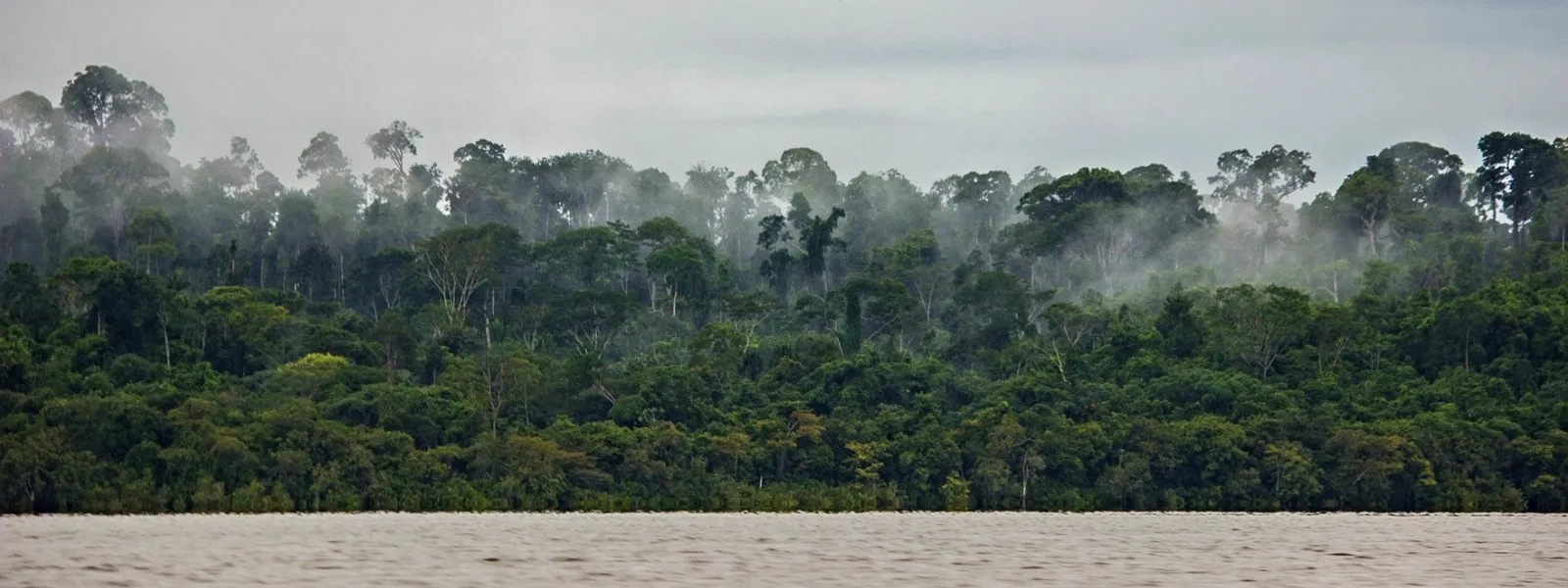
The Belo Monte Dam has caused an environmental and social disaster in the heart of the Amazon—one of the most important ecosystems on the planet.
This situation has only worsened since the hydroelectric plant began operations in 2016. The quest for justice and reparations by the affected indigenous, fishing, and riverine communities continues to this day.
In 2011, the Inter-American Commission on Human Rights (IACHR) granted them protective measures that, to date, have not been fully implemented by the Brazilian State.
Furthermore, since June of that same year, the IACHR has yet to rule on a complaint against the State regarding its international responsibility in the case.
The IACHR may refer the case to the Inter-American Court of Human Rights, which has the authority to issue a ruling condemning the Brazilian State.
After 10 years of the hydroelectric plant's operation and more than 15 years of documented human rights violations, it is time for justice to be served for the affected communities.
Read the open letter from the organizations bringing the case before the IACHR
Background
The Belo Monte hydroelectric plant—the fourth largest in the world by installed capacity (11,233 MW)—was built on the Xingu River in Pará, a state in northern Brazil.
It was inaugurated on May 5, 2016, with a single turbine. At that time, 80% of the river’s course was diverted, flooding 516 km² of land—an area larger than the city of Chicago. Of that area, 400 km² was native forest. The dam began operating at full capacity in November 2019.
Belo Monte was built and is operated by the Norte Energia S.A. consortium, which is composed primarily of state-owned companies. It was financed by the Brazilian Development Bank (BNDES), which provided the consortium with 25.4 billion reais (approximately US$10.16 billion), the largest investment in the bank’s history. Therefore, the BNDES is also legally responsible for the socio-environmental impacts associated with the hydroelectric plant.
Decades of harm to the environment and people
Human rights violations and degradation of the Amazon have been occurring since the project’s inception. In March 2011, Norte Energía began construction of the dam without adequate consultation and without the prior, free, and informed consent of the affected communities.
The construction caused the forced displacement of more than 40,000 people, severing social and cultural ties. The resettlement plan in Altamira—a city directly affected by the hydroelectric dam—involved housing units located on the outskirts, lacking adequate public services and decent living conditions for the relocated families, with no special provisions for those from indigenous communities.
Belo Monte's operations have caused a permanent, man-made drought in the Volta Grande (or "Great Bend") of the Xingu River, exacerbated by the historic droughts in the Amazon in 2023 and 2024. As a result, the deaths of millions of fish eggs were documented for four consecutive years (from 2021 to 2024), and for the past three years, there has been no upstream migration of fish to spawn and reproduce. Thus, artisanal fishing, the main source of protein for indigenous peoples and riverside communities, was severely affected: fish dropped from 50% to 30% of total protein consumed, replaced by processed foods. In summary, there was an environmental and humanitarian collapse that resulted in the breakdown of fishing as a traditional way of life, food insecurity, and access to drinking water for thousands of families, impoverishment, and disease.
Furthermore, the construction of the dam increased deforestation and intensified illegal logging and insecurity on indigenous and tribal lands, putting the survival of these communities at risk. Another consequence was the deepening of poverty and social conflicts, as well as the strain on health, education, and public safety systems in Altamira—a city ranked as the most violent in the country in 2017, where human trafficking and sexual violence increased. Violence was also reported against human rights defenders involved in the case.
In 2025, during the 30th UN Climate Change Conference (COP30), held in Brazil, the Federal Public Prosecutor’s Office labeled the damage caused by the Belo Monte dam as ecocide.
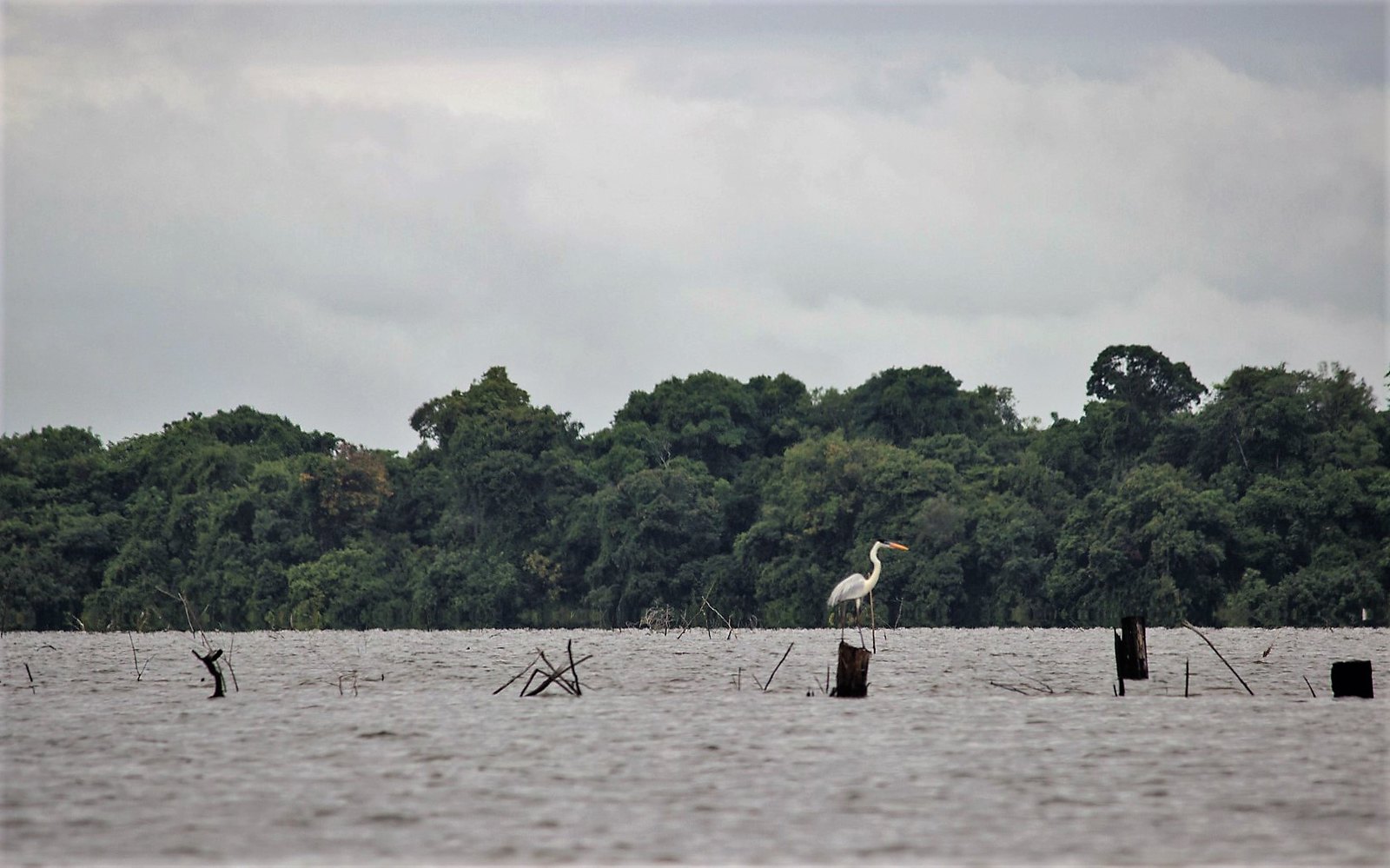
Photo: Amazon Watch / Maíra Irigaray.
The search for justice and reparations
Over the years, the Federal Public Prosecutor’s Office in Pará, the Public Defender’s Office, and civil society organizations have filed dozens of legal actions in Brazilian courts to challenge the project’s various irregularities and its impacts. Most of the claims are still pending resolution, some for more than 10 years.
These efforts have failed because the national government has repeatedly overturned rulings in favor of the affected communities by invoking a mechanism that allowed a court president to suspend a judicial decision based solely on generic arguments such as "the national interest" or "economic order."
In the absence of effective responses at the national level, AIDA, together with a coalition of partner organizations, brought the case before the Inter-American Commission on Human Rights (IACHR) and, in 2010, requested precautionary measures to protect the lives, safety, and health of the affected indigenous communities.
On April 1, 2011, the IACHR granted these measures and requested that the Brazilian government suspend environmental permits and any construction work until the conditions related to prior consultation and the protection of the health and safety of the communities are met.
And on June 16, 2011 —together with the Xingu Vivo Para Sempre Movement, the Coordinating Committee of Indigenous Organizations of the Brazilian Amazon, the Diocese of Altamira, the Indigenous Missionary Council, the Pará Society for the Defense of Human Rights and Global Justice— we filed a formal complaint against the Brazilian State for its international responsibility in the violation of the human rights of the people affected in the case. The case was opened for processing in December 2015.
On August 3, 2011, the IACHR amended the precautionary measures to request, instead of the suspension of permits and construction, the protection of people living in voluntary isolation, the health of indigenous communities, and the regularization and protection of ancestral lands.
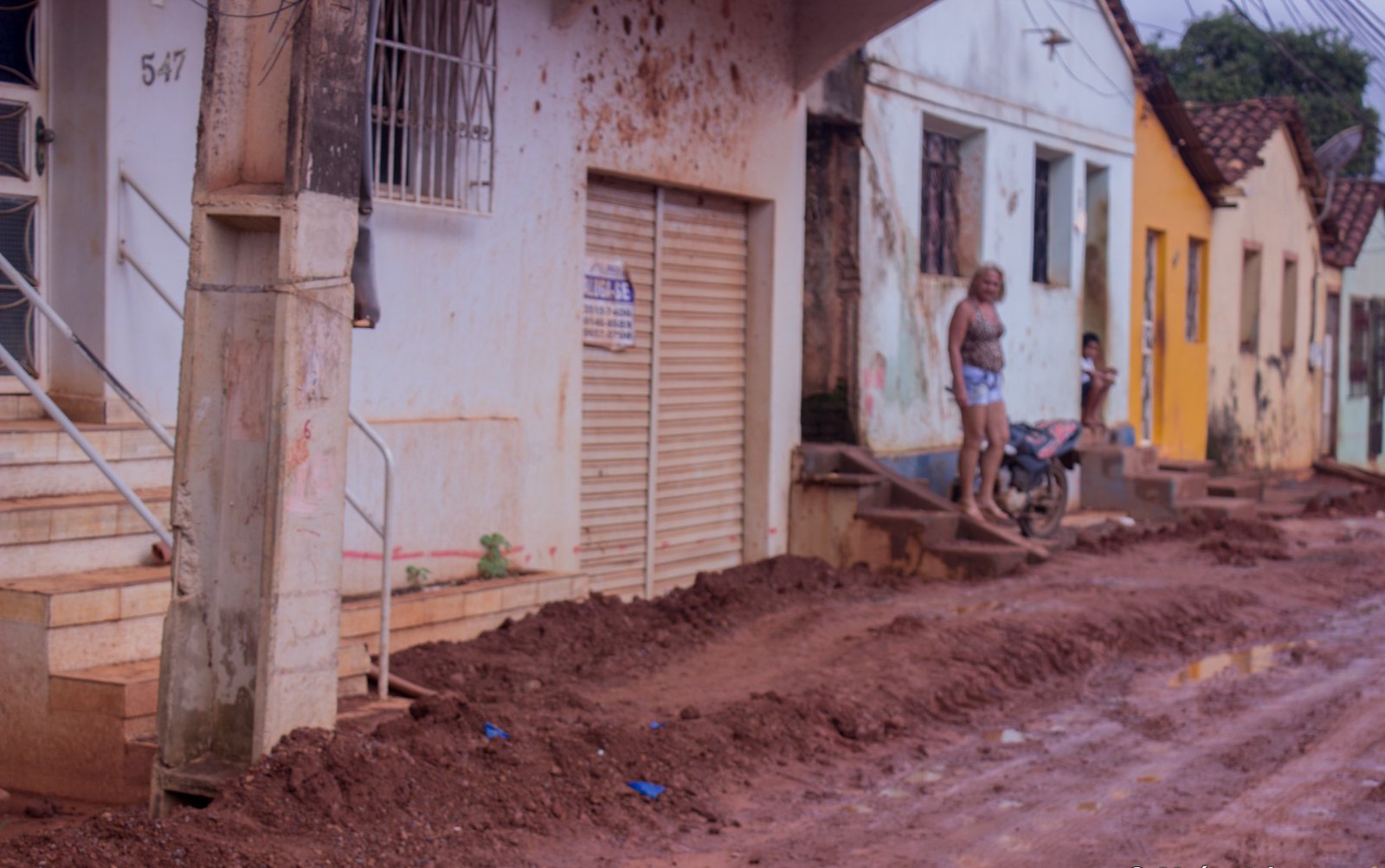
Photo: Amazon Watch / Maíra Irigaray.
Current situation
The protective measures granted by the IACHR remain in effect, but the Brazilian government has not fully complied with them, reporting only on general actions. The communities have documented the ongoing violations of their rights. The situation that prompted the request for these measures—the risk to the lives, physical integrity, and ways of life of the communities—persists and has worsened with the hydroelectric plant operating at full capacity and the recent extreme droughts in the Amazon.
In addition to the impacts of Belo Monte, there is a risk of further social and environmental impacts from the implementation of another mining megaproject in the Volta Grande do Xingu. There, the Canadian company Belo Sun plans to build Brazil’s largest open-pit gold mine.
The combined and cumulative impacts of the dam and the mine were not assessed. The government excluded Indigenous peoples, riverine and peasant communities from the project’s environmental permitting process. Despite protests by Indigenous communities and other irregularities surrounding the project, the government of Pará formally authorized the mine in April 2026.
Like other hydroelectric dams, Belo Monte exacerbates the climate emergency by generating greenhouse gas emissions in its reservoir. And it is inefficient amid the longer, more intense droughts caused by the crisis, as it loses its ability to generate power.
The case before the Inter-American Commission
In October 2017, the IACHR announced that it would rule jointly on the admissibility (whether the case meets the requirements for admission) and the merits (whether a human rights violation actually occurred) of the international complaint against the Brazilian State.
Fifteen years after the complaint was filed, the affected communities and the organizations representing them are still awaiting this decision. If the IACHR concludes that human rights violations occurred and issues recommendations that the Brazilian State fails to comply with, it may refer the case to the Inter-American Court of Human Rights, whose rulings are binding.
A potential ruling by the international court in this case would set a regional legal precedent regarding the rights of indigenous and riverine peoples, public participation in megaprojects, and state responsibility in the context of the climate crisis—a precedent that is particularly relevant in light of the Court’s Advisory Opinion No. 32, which reaffirmed the obligations of States to protect the people and communities of the continent from the climate emergency.
Partners:
Related projects
Lead Astray: What Happens when an American Company Offshores Pollution?
An article from Mother Jones magazine detailing the horrible effects of the Doe Run Peru smelter on the community of La Oroya.
Read morePublic Hearing on the Angostura Mine Suspended: AIDA Publishes Brief Urging the Colombian Government to Protect the Páramos (Spanish Text Only)
PARA PUBLICACION INMEDIATA CONTACTO: Natalia Jiménez, [email protected] Teléfono: (+57) 310-5734176 Suspendida audiencia pública del proyecto minero Angostura: AIDA publica su intervención en la que insta al Gobierno colombiano a proteger los páramos. Marzo 8 de 2011, Bogotá, Colombia – La audiencia pública programada para el viernes 4 de marzo en la ciudad de Bucaramanga (Departamento de Santander, Colombia) por el Ministerio de Ambiente, Vivienda y Desarrollo Territorial en el proceso de licenciamiento ambiental del proyecto de gran minería de oro a cielo abierto "Angostura" fue suspendida debido a situaciones que impidieron el normal desarrollo de la misma. Por esta razón, la Asociación Interamericana para la Defensa del Ambiente, AIDA hará llegar al gobierno colombiano su escrito de intervención sobre las obligaciones internacionales y constitucionales del Estado colombiano de proteger los páramos, que no pudo presentar en la suspendida audiencia. En los próximos días, el Ministerio de Ambiente, Vivienda y Desarrollo Territorial colombiano deberá pronunciarse sobre la cancelación total de la audiencia o sobre la posibilidad de reanudarla. Estaremos atentos a dicha notificación y nos aseguraremos de que los argumentos aportados por AIDA sean conocidos abiertamente y considerados dentro del proceso de solicitud de la Licencia Ambiental al proyecto Angostura. La misión de AIDA es fortalecer la capacidad de las personas para garantizar su derecho individual y colectivo a un ambiente sano por medio del desarrollo, aplicación y cumplimiento efectivo de la legislación nacional e internacional. La protección de agua dulce es una de nuestras líneas mediante la cual buscamos proteger el derecho al agua y asegurar recursos de agua dulce adecuados para las comunidades y los ecosistemas en las Américas AIDA, 426 17th Street, Oakland, CA 94612 T. (510) 550-6753, F. (510) 550-6740 AIDA Atlixco 138, Col. Condesa, México, DF, 06140, T/F (5255) 52120141 AIDA Diagonal 40 A No 14 – 75, Tel. (57 1) 3381277, Bogotá - Colombia AIDA Costa Rica, San Pedro c/o Centro de Derecho Ambiental y de los Recursos Naturales (CEDARENA) T. (506) 22837080 E-mail: [email protected], Website: www.aida-americas.org
Read moreThe Colombian Government Should Reject the Angosture Mining Project in the Páramos (Spanish Text Only)
PARA PUBLICACION INMEDIATA CONTACTO: Natalia Jiménez, [email protected] Teléfono: (+57) 310-5734176 El Estado colombiano debe rechazar proyecto de gran minería de oro "Angostura" en zona de páramo Desconocería obligaciones constitucionales internacionales Marzo 4 de 2011, Bucaramanga, Colombia – Hoy, La Asociación Interamericana para la Defensa del Ambiente (AIDA) instará al gobierno colombiano a detener un proyecto de gran minería de oro y otros metales que sería un precedente perjudicial para los ecosistemas frágiles en América Latina. El proyecto de minería a cielo abierto Angostura, planeado en el páramo de Santurbán, se encuentra en proceso de aprobación por parte del Ministerio de Ambiente, Vivienda y Desarrollo Territorial colombiano. Hoy se celebra una audiencia pública en la que el Ministerio recibirá argumentos de diferentes sectores. AIDA argumentará que las obligaciones internacionales y constitucionales del Estado colombiano de proteger el ambiente, especialmente áreas de gran importancia ecológica como los páramos, impiden la autorización. "Los páramos son ecosistemas altamente frágiles y la minería a cielo abierto causaría daños graves e irreversibles," dijo Natalia Jiménez, abogada de AIDA. "De acuerdo con la Constitución Política y los Principios de Río, la Convención de Biodiversidad y la de Cambio Climático, todos ratificados por Colombia, el Estado está obligado a conservar los páramos y procurar su intangibilidad." De ser aprobado el proyecto Angostura afectaría de forma definitiva por lo menos 575 ha del páramo de Santurbán (más del 50%), pudiendo afectar un área mayor. En Colombia, como en el resto de la región Andina en los páramos se origina la mayor parte del agua dulce que consumen los habitantes. Tienen una alta capacidad de purificar el ambiente, de estabilizar los suelos y el clima, de prevenir los deslaves y los derrumbes y de contener un alto nivel de animales y plantas. En efecto, son el hábitat de especies únicas en el mundo como el oso de anteojos y el cóndor de los Andes. La Procuraduría General de Colombia, miembros del Parlamento Andino y ex ministros de ambiente, así como organizaciones y expertos ambientales se oponen a la licencia. El proyecto carece de un adecuado Estudio de Impacto Ambiental integral, pues los impactos de la mina y los de la infraestructura complementaria, se analizan en dos procesos de forma fragmentada. Por ello, AIDA también solicita que el Ministerio los unifique y analice el impacto global del proyecto. Así lo ordenan los estándares internacionales y la Corte Suprema de Canadá, país de origen de la empresa Greystar Resources Ltds. que promueve el proyecto. La misión de AIDA es fortalecer la capacidad de las personas para garantizar su derecho individual y colectivo a un ambiente sano por medio del desarrollo, aplicación y cumplimiento efectivo de la legislación nacional e internacional. La protección de agua dulce es una de nuestras líneas mediante la cual buscamos proteger el derecho al agua y asegurar recursos de agua dulce adecuados para las comunidades y los ecosistemas en las Américas. AIDA, 426 17th Street, Oakland, CA 94612 T. (510) 550-6753, F. (510) 550-6740 AIDA Atlixco 138, Col. Condesa, México, DF, 06140, T/F (5255) 52120141 AIDA Diagonal 40 A No 14 – 75, Tel. (57 1) 3381277, Bogotá - Colombia AIDA Costa Rica, San Pedro c/o Centro de Derecho Ambiental y de los Recursos Naturales (CEDARENA) T. (506) 22837080 E-mail: [email protected], Website: www.aida-americas.org
Read more