
Project
Amazon Watch / Maíra Irigaray
The Belo Monte Dam on the Xingu River: 10 years of impacts in the Amazon and the search for reparations
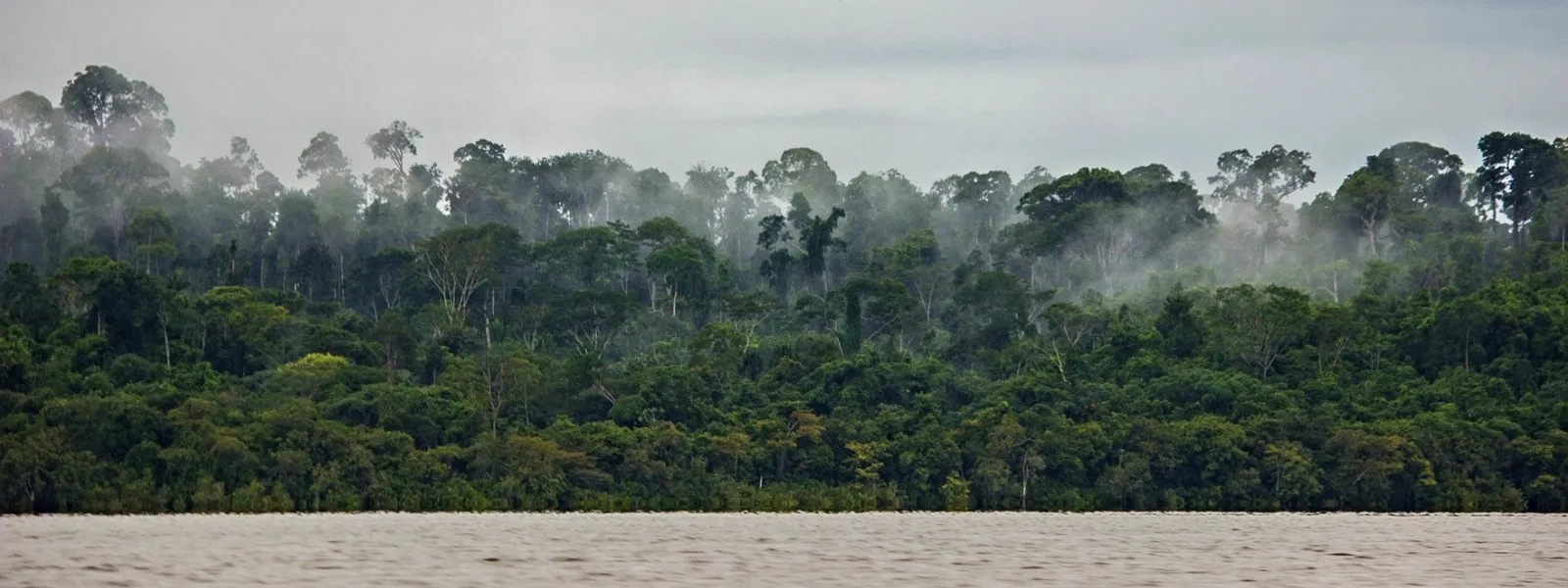
The Belo Monte Dam has caused an environmental and social disaster in the heart of the Amazon—one of the most important ecosystems on the planet.
This situation has only worsened since the hydroelectric plant began operations in 2016. The quest for justice and reparations by the affected indigenous, fishing, and riverine communities continues to this day.
In 2011, the Inter-American Commission on Human Rights (IACHR) granted them protective measures that, to date, have not been fully implemented by the Brazilian State.
Furthermore, since June of that same year, the IACHR has yet to rule on a complaint against the State regarding its international responsibility in the case.
The IACHR may refer the case to the Inter-American Court of Human Rights, which has the authority to issue a ruling condemning the Brazilian State.
After 10 years of the hydroelectric plant's operation and more than 15 years of documented human rights violations, it is time for justice to be served for the affected communities.
Read the open letter from the organizations bringing the case before the IACHR
Background
The Belo Monte hydroelectric plant—the fourth largest in the world by installed capacity (11,233 MW)—was built on the Xingu River in Pará, a state in northern Brazil.
It was inaugurated on May 5, 2016, with a single turbine. At that time, 80% of the river’s course was diverted, flooding 516 km² of land—an area larger than the city of Chicago. Of that area, 400 km² was native forest. The dam began operating at full capacity in November 2019.
Belo Monte was built and is operated by the Norte Energia S.A. consortium, which is composed primarily of state-owned companies. It was financed by the Brazilian Development Bank (BNDES), which provided the consortium with 25.4 billion reais (approximately US$10.16 billion), the largest investment in the bank’s history. Therefore, the BNDES is also legally responsible for the socio-environmental impacts associated with the hydroelectric plant.
Decades of harm to the environment and people
Human rights violations and degradation of the Amazon have been occurring since the project’s inception. In March 2011, Norte Energía began construction of the dam without adequate consultation and without the prior, free, and informed consent of the affected communities.
The construction caused the forced displacement of more than 40,000 people, severing social and cultural ties. The resettlement plan in Altamira—a city directly affected by the hydroelectric dam—involved housing units located on the outskirts, lacking adequate public services and decent living conditions for the relocated families, with no special provisions for those from indigenous communities.
Belo Monte's operations have caused a permanent, man-made drought in the Volta Grande (or "Great Bend") of the Xingu River, exacerbated by the historic droughts in the Amazon in 2023 and 2024. As a result, the deaths of millions of fish eggs were documented for four consecutive years (from 2021 to 2024), and for the past three years, there has been no upstream migration of fish to spawn and reproduce. Thus, artisanal fishing, the main source of protein for indigenous peoples and riverside communities, was severely affected: fish dropped from 50% to 30% of total protein consumed, replaced by processed foods. In summary, there was an environmental and humanitarian collapse that resulted in the breakdown of fishing as a traditional way of life, food insecurity, and access to drinking water for thousands of families, impoverishment, and disease.
Furthermore, the construction of the dam increased deforestation and intensified illegal logging and insecurity on indigenous and tribal lands, putting the survival of these communities at risk. Another consequence was the deepening of poverty and social conflicts, as well as the strain on health, education, and public safety systems in Altamira—a city ranked as the most violent in the country in 2017, where human trafficking and sexual violence increased. Violence was also reported against human rights defenders involved in the case.
In 2025, during the 30th UN Climate Change Conference (COP30), held in Brazil, the Federal Public Prosecutor’s Office labeled the damage caused by the Belo Monte dam as ecocide.
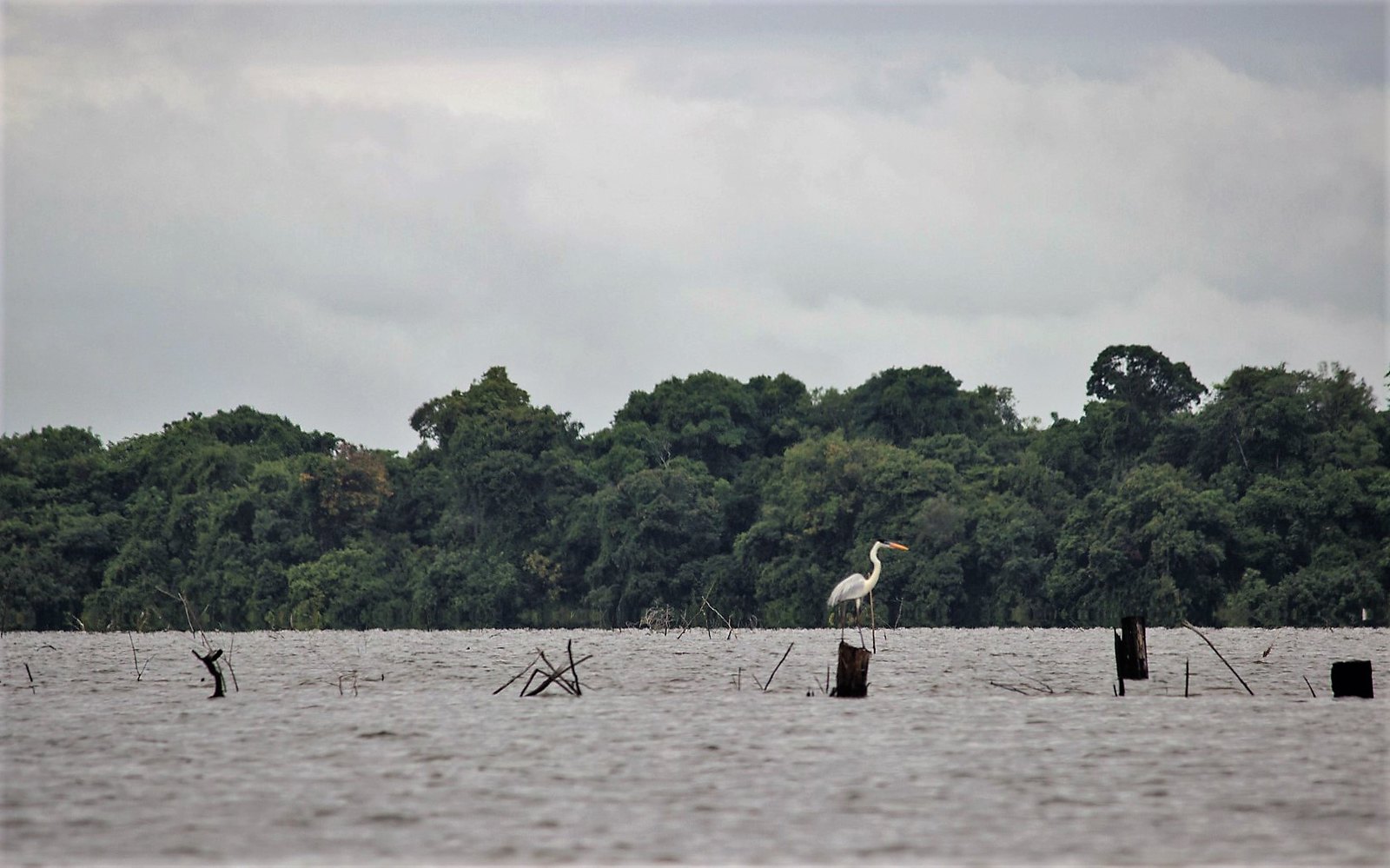
Photo: Amazon Watch / Maíra Irigaray.
The search for justice and reparations
Over the years, the Federal Public Prosecutor’s Office in Pará, the Public Defender’s Office, and civil society organizations have filed dozens of legal actions in Brazilian courts to challenge the project’s various irregularities and its impacts. Most of the claims are still pending resolution, some for more than 10 years.
These efforts have failed because the national government has repeatedly overturned rulings in favor of the affected communities by invoking a mechanism that allowed a court president to suspend a judicial decision based solely on generic arguments such as "the national interest" or "economic order."
In the absence of effective responses at the national level, AIDA, together with a coalition of partner organizations, brought the case before the Inter-American Commission on Human Rights (IACHR) and, in 2010, requested precautionary measures to protect the lives, safety, and health of the affected indigenous communities.
On April 1, 2011, the IACHR granted these measures and requested that the Brazilian government suspend environmental permits and any construction work until the conditions related to prior consultation and the protection of the health and safety of the communities are met.
And on June 16, 2011 —together with the Xingu Vivo Para Sempre Movement, the Coordinating Committee of Indigenous Organizations of the Brazilian Amazon, the Diocese of Altamira, the Indigenous Missionary Council, the Pará Society for the Defense of Human Rights and Global Justice— we filed a formal complaint against the Brazilian State for its international responsibility in the violation of the human rights of the people affected in the case. The case was opened for processing in December 2015.
On August 3, 2011, the IACHR amended the precautionary measures to request, instead of the suspension of permits and construction, the protection of people living in voluntary isolation, the health of indigenous communities, and the regularization and protection of ancestral lands.
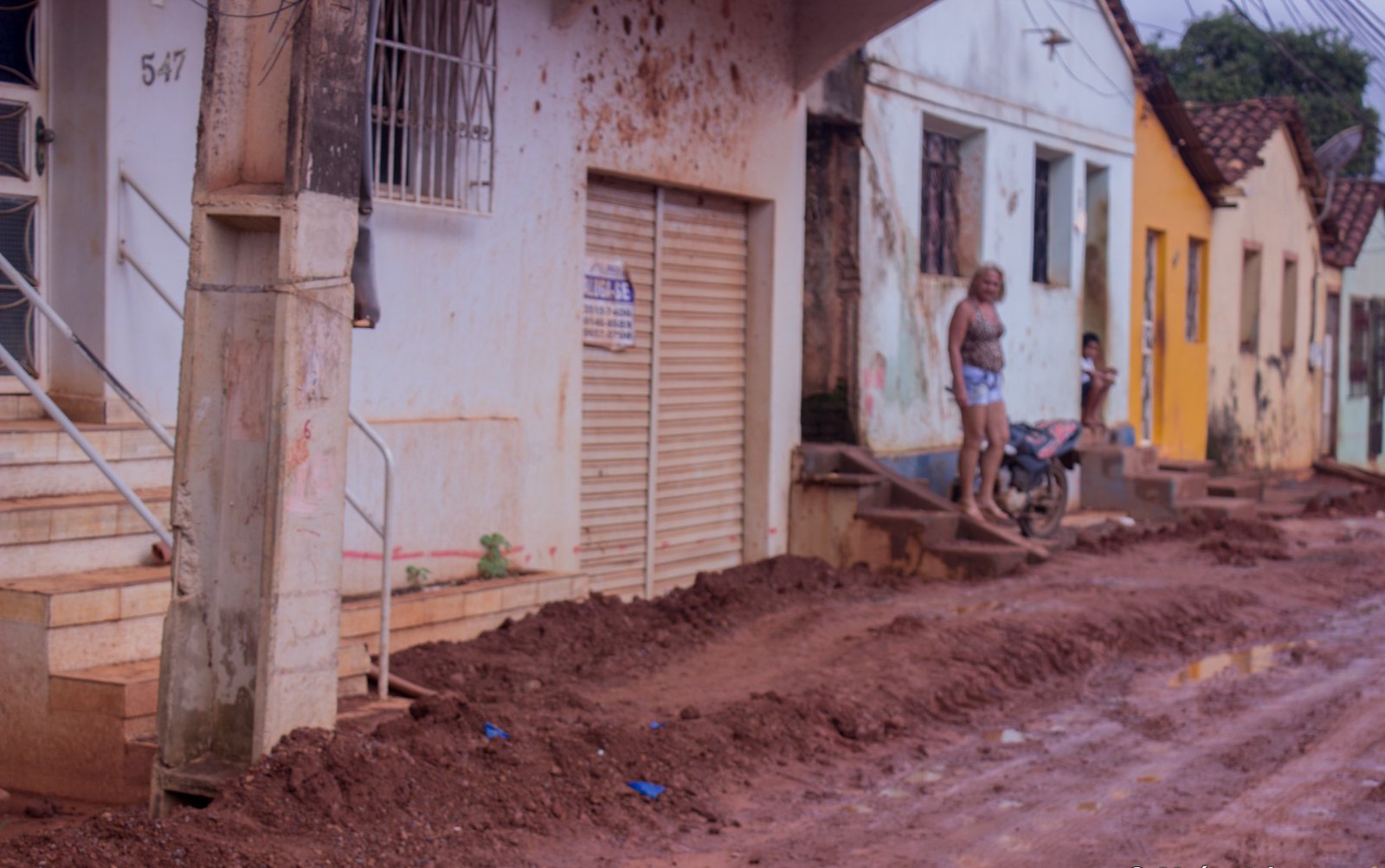
Photo: Amazon Watch / Maíra Irigaray.
Current situation
The protective measures granted by the IACHR remain in effect, but the Brazilian government has not fully complied with them, reporting only on general actions. The communities have documented the ongoing violations of their rights. The situation that prompted the request for these measures—the risk to the lives, physical integrity, and ways of life of the communities—persists and has worsened with the hydroelectric plant operating at full capacity and the recent extreme droughts in the Amazon.
In addition to the impacts of Belo Monte, there is a risk of further social and environmental impacts from the implementation of another mining megaproject in the Volta Grande do Xingu. There, the Canadian company Belo Sun plans to build Brazil’s largest open-pit gold mine.
The combined and cumulative impacts of the dam and the mine were not assessed. The government excluded Indigenous peoples, riverine and peasant communities from the project’s environmental permitting process. Despite protests by Indigenous communities and other irregularities surrounding the project, the government of Pará formally authorized the mine in April 2026.
Like other hydroelectric dams, Belo Monte exacerbates the climate emergency by generating greenhouse gas emissions in its reservoir. And it is inefficient amid the longer, more intense droughts caused by the crisis, as it loses its ability to generate power.
The case before the Inter-American Commission
In October 2017, the IACHR announced that it would rule jointly on the admissibility (whether the case meets the requirements for admission) and the merits (whether a human rights violation actually occurred) of the international complaint against the Brazilian State.
Fifteen years after the complaint was filed, the affected communities and the organizations representing them are still awaiting this decision. If the IACHR concludes that human rights violations occurred and issues recommendations that the Brazilian State fails to comply with, it may refer the case to the Inter-American Court of Human Rights, whose rulings are binding.
A potential ruling by the international court in this case would set a regional legal precedent regarding the rights of indigenous and riverine peoples, public participation in megaprojects, and state responsibility in the context of the climate crisis—a precedent that is particularly relevant in light of the Court’s Advisory Opinion No. 32, which reaffirmed the obligations of States to protect the people and communities of the continent from the climate emergency.
Partners:
Related projects
Latest News
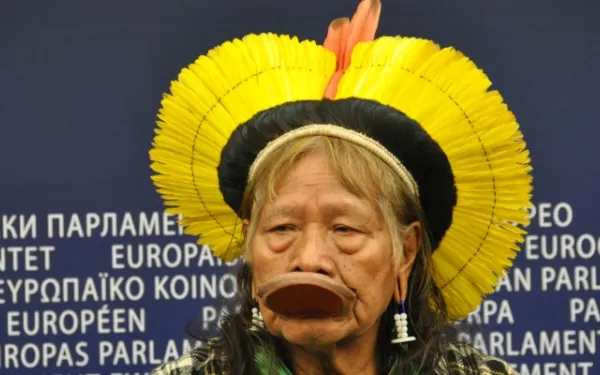
Why I’m joining the fight for justice for Belo Monte’s victims
On April 1, 2011, the Inter-American Commission on Human Rights granted protective measures to the indigenous communities affected by a large dam in the heart of the Brazilian Amazon. It was then I first heard of Belo Monte. I was working as a human rights defender in my native country of Colombia. The Commission ordered the suspension of all permits and work related to the dam until the protection of indigenous rights was guaranteed. I remember clearly the excitement generated by the decision, followed swiftly by Brazil’s rejection of it and the imposition of their diplomatic power. Other governments of the region supported Brazil’s position with unusual solidarity, questioning the competence of the international organization to grant such measures in relation to “development” projects. Due to the overwhelming pressure, the Commission, for the first time in its history, modified its decision: it said Brazil must guarantee the life and integrity of affected populations, but that construction could continue. I’ve never understood the governments’ reaction in this case. The Commission had simply fulfilled its mandate: to avoid irreparable harm to the rights of a group of people. The project had not consulted affected indigenous communities, and lacked adequate social and environmental impact studies. It has gone on, as predicted, to cause serious damage to both the environment and human health and wellbeing. The indigenous and riverside communities, which have for generations cared for the Xingu River, have been left to deal with the impacts of a project that interrupted the flow of the river, irreversibly altering their way of life and means of subsistence. The hope continues More than six years have passed since the case was taken before the Commission, which, as an organ of the Organization of American States, is called to protect human rights on the continent. Over this time, Belo Monte has progressed as planned and the threats of social and ecological harm have become a reality. The dam has: caused the forced displacement of more than 40 thousand people, aggravating poverty and social conflict in the area; saturated the health, education, and public safety systems in Altamira, the nearest city; violated the right to adequate housing for thousands of families; and increased violence against human rights defenders. It caused and continues to cause damage to the Amazon rainforest, worsening climate change and its impacts. Despite the setbacks, the hope of achieving justice for affected people has grown over time as well. In September, I became the Senior Attorney for AIDA’s Human Rights and Environment Program. As such, I’m involved with our case before the Commission. I’m honored to have joined an organization that, in alliance with local organizations, has dedicated years to ensuring that the people of the Xingu get reparation for the damages they’ve suffered, and is working to create new standards for environmental and human rights protections in the region. In 2010, AIDA and our allies requested precautionary measures from the Commission. One year later, we filed a formal complaint against Brazil regarding the human rights violations related to Belo Monte. In December 2015, the Commission opened the case for processing. On October 31 of this year, the Commission gave new impetus to the litigation process against Brazil: it decided to unite two stages that, as a rule, are processed separately. In the first, the necessary aspects regarding admissibility of the case are verified. In the second, a fundamental decision is made that analyzes whether a State failed to comply with the international obligations it undertook when signing the American Convention on Human Rights. The petitioners must present the allegations of human rights violations, and the State their responses to them. The Commission will then issue a decision on the case’s admissibility as well as its merit. Their recent exception will expedite the process of reaching that decision. We’re working for the Commission to issue recommendations to Brazil to repair the violations committed. If those recommendations are unfulfilled, the case may be referred to the Inter-American Court of Human Rights, which has the power to issue a ruling condemning Brazil and recommending reparation measures. Valuable lessons Belo Monte is, without a doubt, a lesson for the continent. The case shows that projects of this type are environmentally unviable and generate irreparable damage to human rights. Belo Monte also shows that States must rethink their energy models and turn their efforts toward promoting truly clean and sustainable energy. It’s a warning sign for financial institutions to avoid investing in projects with negative socio-environmental impacts. Finally, it’s an opportunity for the Inter-American Human Rights System to establish a valuable precedent that will hopefully help avoid a similar situation from happening again. On behalf of AIDA, I’m proud to be contributing to the fight for a healthy environment in this and many other cases. Our journey is just beginning.
Read more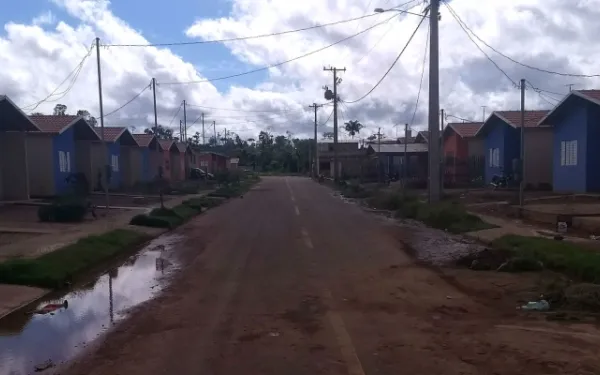
Belo Monte: Hope remains, despite failed promises
When the Belo Monte Dam builders came to this corner of the Brazilian Amazon, they came with the promise of sustainable development, particularly for Altamira, the city closest to the dam. On a recent visit to that city, it was clear to me that—six years after construction began and one year after beginning operations—Belo Monte has brought anything but. Last June, Brazil’s Institute of Applied Economics classified Altamira as the most dangerous city in Brazil. According to the study, Altamira’s rapid and disorderly growth over the last six years has had serious implications for crime in the city. In 2000, according to the Brazilian Institute of Geography and Statistics, Altamira had about 77 thousand residents. With dam construction, that figure soared to 110 thousand last year. The result: Altamira registered the country’s highest homicide rate in 2015, with 105.2 murders per 100 thousand people. A troubling context frames these numbers: Brazil is the most dangerous country in the world for environmental defenders, according to Global Witness. That’s especially true for those who dedicate their lives to defending the Amazon—16 of Brazil’s 49 murders in 2016 were related to protection of the Amazon rainforest. Unsanitary conditions In addition to generalized violence, the other big worry in Altamira is basic sanitation, which involves sources and systems of clean water, as well as waste management. During the last six years, when the dam completely altered the urban and social dynamic of the city, no one bothered to provide an adequate, basic sanitation system. And that’s despite the fact that dam construction and operation were approved on condition of building such a system. The only thing built in Altamira at that time was the massive hydroelectric dam. In April of this year, a Brazilian court ordered the dam’s operations suspended until basic sanitation is adequately provided to the resettlement districts of Altamira. But the company in charge of the dam has refused to comply with the ruling, arguing that it has permission to operate. This clearly demonstrates the government’s inability to avoid the abuses caused by this mega-project and its operating company. Questionable investment The current reality of Belo Monte is aggravated by the fact that a Chinese state-owned company, Grid Brazil Holding, won the auction to take over the second power transmission system to be fed by the dam. The company offered 988 million reales (roughly $300 million USD), which makes me question the previous statements of the Brazilian government that hydroelectric energy is cheap, as well as clean. This investment is worrying because the company has already been fined several times for failing to meet deadlines related to the first power transmission system. Worse still, Chinese companies are known for failing to protect human rights and the environment, which is why the situation in Altamira is likely to become even more complicated. Hope remains Despite this discouraging panorama, the urban population, as well as the indigenous and riverside communities, still have hope that Altamira will one day be a quiet and beautiful city again. I heard many people speak of their desire to return to the days of sitting on chairs in the street talking with neighbors, and bathing in the waters of the Xingu river; the days of collective fishing and parties in the parks. Those people have shown me that we should not be afraid or lose hope. There are many who believe in my work as a defender of the Amazon. It is for them that I will keep fighting. I will work so that institutions, like the Inter-American Commission on Human Rights, before which our case is pending, hold Brazil accountable for the human rights violations that have occurred from the construction and operation of Belo Monte. And I will ensure that the people affected by Belo Monte get justice and reparations.
Read more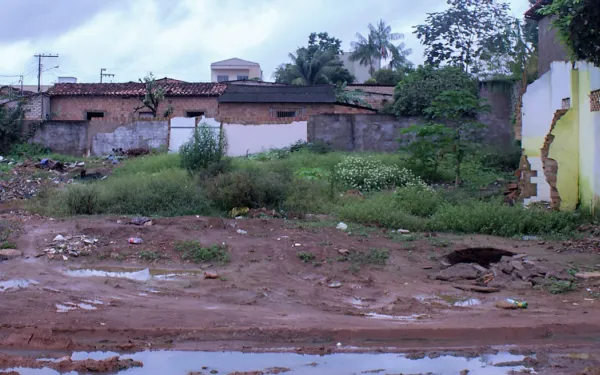
Belo Monte Dam must comply with conditions before continuing operations
Last week a federal court in Brazil suspended the operating license of the Belo Monte Dam. Prosecutors said the dam's operating company, Norte Energía, failed to complete basic sanitation works in the city of Altamira, which has been directly affected by the hydroelectric project. The decision comes in response to a legal appeal filed by the Federal Public Ministry. The sanitation work was a condition for the dam's licensing, authorized by the Brazilian Institute of Environmental Resources (IBAMA), and should have been completed before the reservoir was filled; it was not. "This is the first time that a federal court has suspended one of Belo Monte's suspensão de segurança, a legal tool that guarantees the dam's operation even though it hasn't completed the conditions required under its operating license. In practice, the decision means that the dam must immediately halt all operations, although the completion of pending work may continue," explained AIDA attorney Marcella Ribeiro. "Beyond being an issue of sanitation, this judgment represents an important step forward in the fight to force the operating company to adequately comply with the conditions necessary for the dam's operation, which favor affected communities." "We hope the Brazilian justice system continues to guarantee the protection of the rights of all those affected by the Belo Monte Dam.”
Read more