
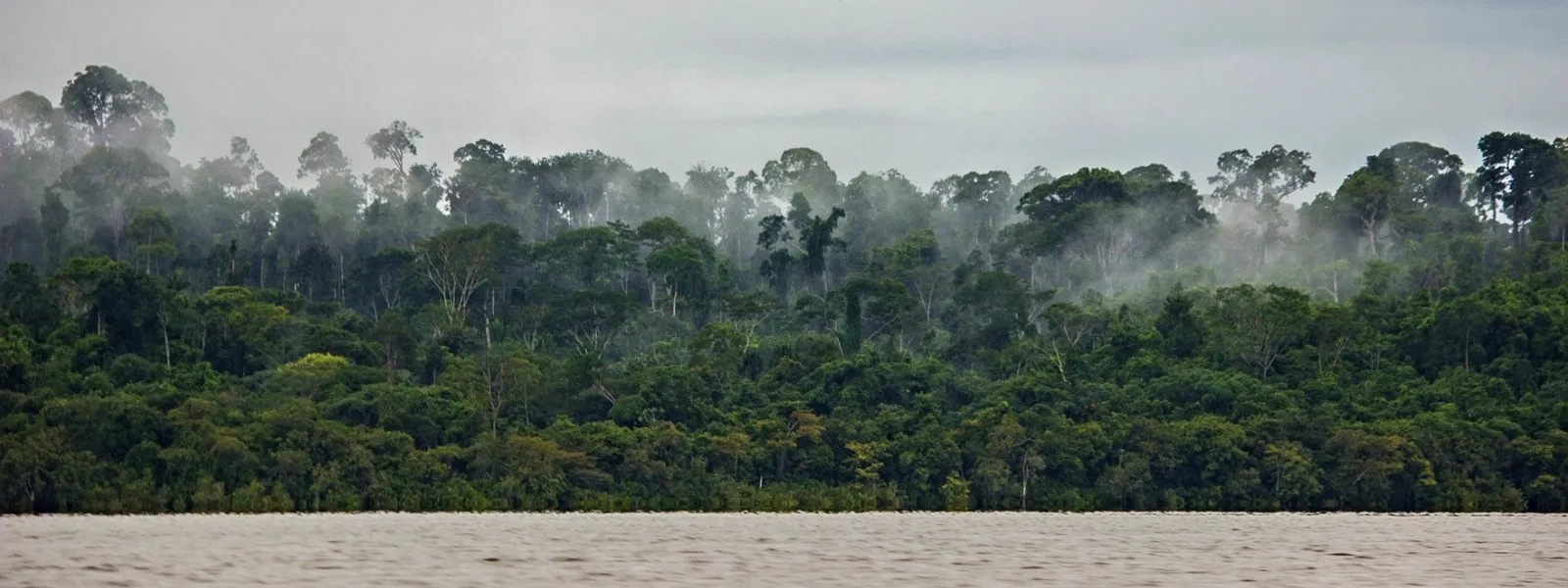
Project
Amazon Watch / Maíra Irigaray
The Belo Monte Dam on the Xingu River: 10 years of impacts in the Amazon and the search for reparations
The Belo Monte Dam has caused an environmental and social disaster in the heart of the Amazon—one of the most important ecosystems on the planet.
This situation has only worsened since the hydroelectric plant began operations in 2016. The quest for justice and reparations by the affected indigenous, fishing, and riverine communities continues to this day.
In 2011, the Inter-American Commission on Human Rights (IACHR) granted them protective measures that, to date, have not been fully implemented by the Brazilian State.
Furthermore, since June of that same year, the IACHR has yet to rule on a complaint against the State regarding its international responsibility in the case.
The IACHR may refer the case to the Inter-American Court of Human Rights, which has the authority to issue a ruling condemning the Brazilian State.
After 10 years of the hydroelectric plant's operation and more than 15 years of documented human rights violations, it is time for justice to be served for the affected communities.
Read the open letter from the organizations bringing the case before the IACHR
Background
The Belo Monte hydroelectric plant—the fourth largest in the world by installed capacity (11,233 MW)—was built on the Xingu River in Pará, a state in northern Brazil.
It was inaugurated on May 5, 2016, with a single turbine. At that time, 80% of the river’s course was diverted, flooding 516 km² of land—an area larger than the city of Chicago. Of that area, 400 km² was native forest. The dam began operating at full capacity in November 2019.
Belo Monte was built and is operated by the Norte Energia S.A. consortium, which is composed primarily of state-owned companies. It was financed by the Brazilian Development Bank (BNDES), which provided the consortium with 25.4 billion reais (approximately US$10.16 billion), the largest investment in the bank’s history. Therefore, the BNDES is also legally responsible for the socio-environmental impacts associated with the hydroelectric plant.
Decades of harm to the environment and people
Human rights violations and degradation of the Amazon have been occurring since the project’s inception. In March 2011, Norte Energía began construction of the dam without adequate consultation and without the prior, free, and informed consent of the affected communities.
The construction caused the forced displacement of more than 40,000 people, severing social and cultural ties. The resettlement plan in Altamira—a city directly affected by the hydroelectric dam—involved housing units located on the outskirts, lacking adequate public services and decent living conditions for the relocated families, with no special provisions for those from indigenous communities.
Belo Monte's operations have caused a permanent, man-made drought in the Volta Grande (or "Great Bend") of the Xingu River, exacerbated by the historic droughts in the Amazon in 2023 and 2024. As a result, the deaths of millions of fish eggs were documented for four consecutive years (from 2021 to 2024), and for the past three years, there has been no upstream migration of fish to spawn and reproduce. Thus, artisanal fishing, the main source of protein for indigenous peoples and riverside communities, was severely affected: fish dropped from 50% to 30% of total protein consumed, replaced by processed foods. In summary, there was an environmental and humanitarian collapse that resulted in the breakdown of fishing as a traditional way of life, food insecurity, and access to drinking water for thousands of families, impoverishment, and disease.
Furthermore, the construction of the dam increased deforestation and intensified illegal logging and insecurity on indigenous and tribal lands, putting the survival of these communities at risk. Another consequence was the deepening of poverty and social conflicts, as well as the strain on health, education, and public safety systems in Altamira—a city ranked as the most violent in the country in 2017, where human trafficking and sexual violence increased. Violence was also reported against human rights defenders involved in the case.
In 2025, during the 30th UN Climate Change Conference (COP30), held in Brazil, the Federal Public Prosecutor’s Office labeled the damage caused by the Belo Monte dam as ecocide.
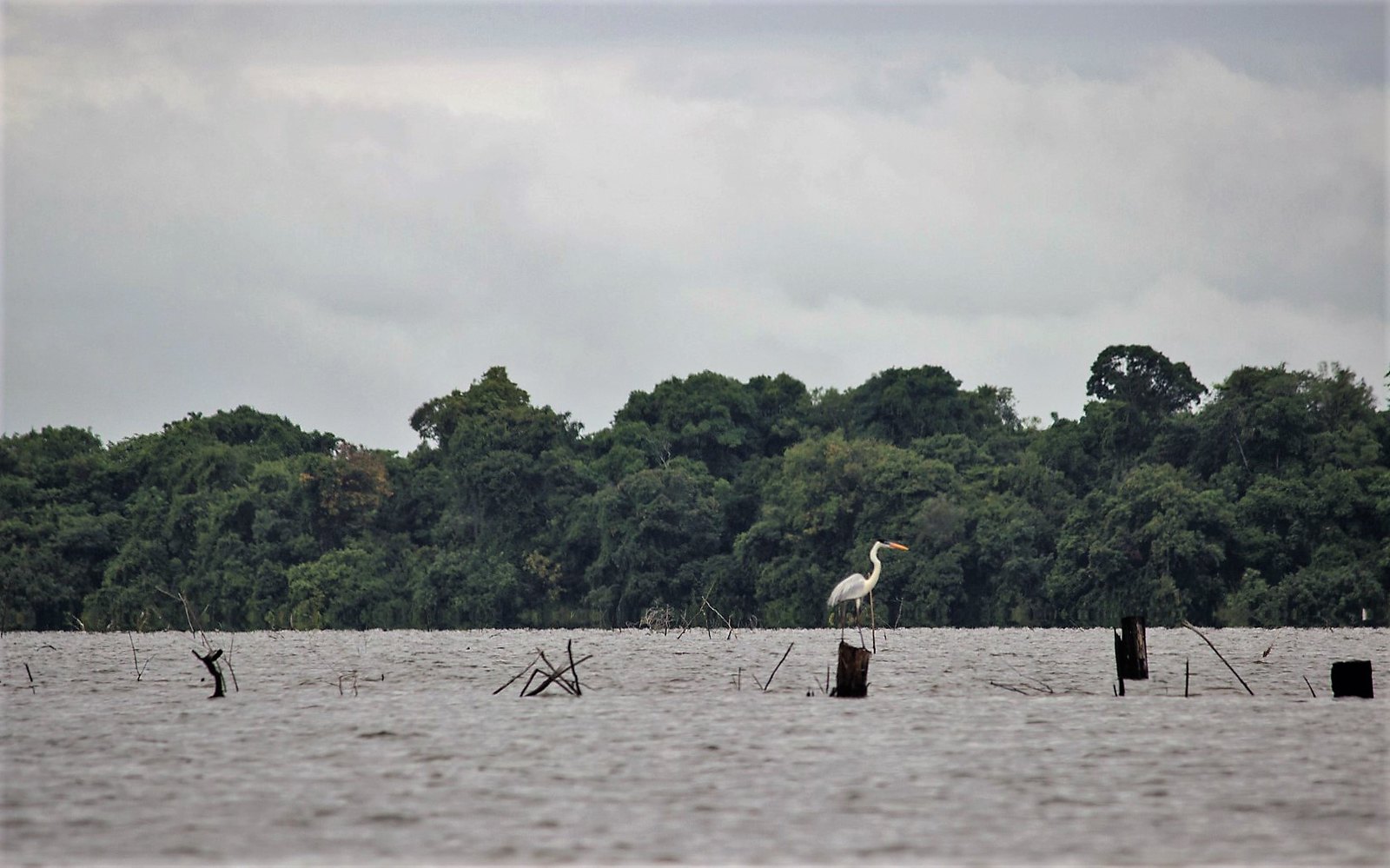
Photo: Amazon Watch / Maíra Irigaray.
The search for justice and reparations
Over the years, the Federal Public Prosecutor’s Office in Pará, the Public Defender’s Office, and civil society organizations have filed dozens of legal actions in Brazilian courts to challenge the project’s various irregularities and its impacts. Most of the claims are still pending resolution, some for more than 10 years.
These efforts have failed because the national government has repeatedly overturned rulings in favor of the affected communities by invoking a mechanism that allowed a court president to suspend a judicial decision based solely on generic arguments such as "the national interest" or "economic order."
In the absence of effective responses at the national level, AIDA, together with a coalition of partner organizations, brought the case before the Inter-American Commission on Human Rights (IACHR) and, in 2010, requested precautionary measures to protect the lives, safety, and health of the affected indigenous communities.
On April 1, 2011, the IACHR granted these measures and requested that the Brazilian government suspend environmental permits and any construction work until the conditions related to prior consultation and the protection of the health and safety of the communities are met.
And on June 16, 2011 —together with the Xingu Vivo Para Sempre Movement, the Coordinating Committee of Indigenous Organizations of the Brazilian Amazon, the Diocese of Altamira, the Indigenous Missionary Council, the Pará Society for the Defense of Human Rights and Global Justice— we filed a formal complaint against the Brazilian State for its international responsibility in the violation of the human rights of the people affected in the case. The case was opened for processing in December 2015.
On August 3, 2011, the IACHR amended the precautionary measures to request, instead of the suspension of permits and construction, the protection of people living in voluntary isolation, the health of indigenous communities, and the regularization and protection of ancestral lands.
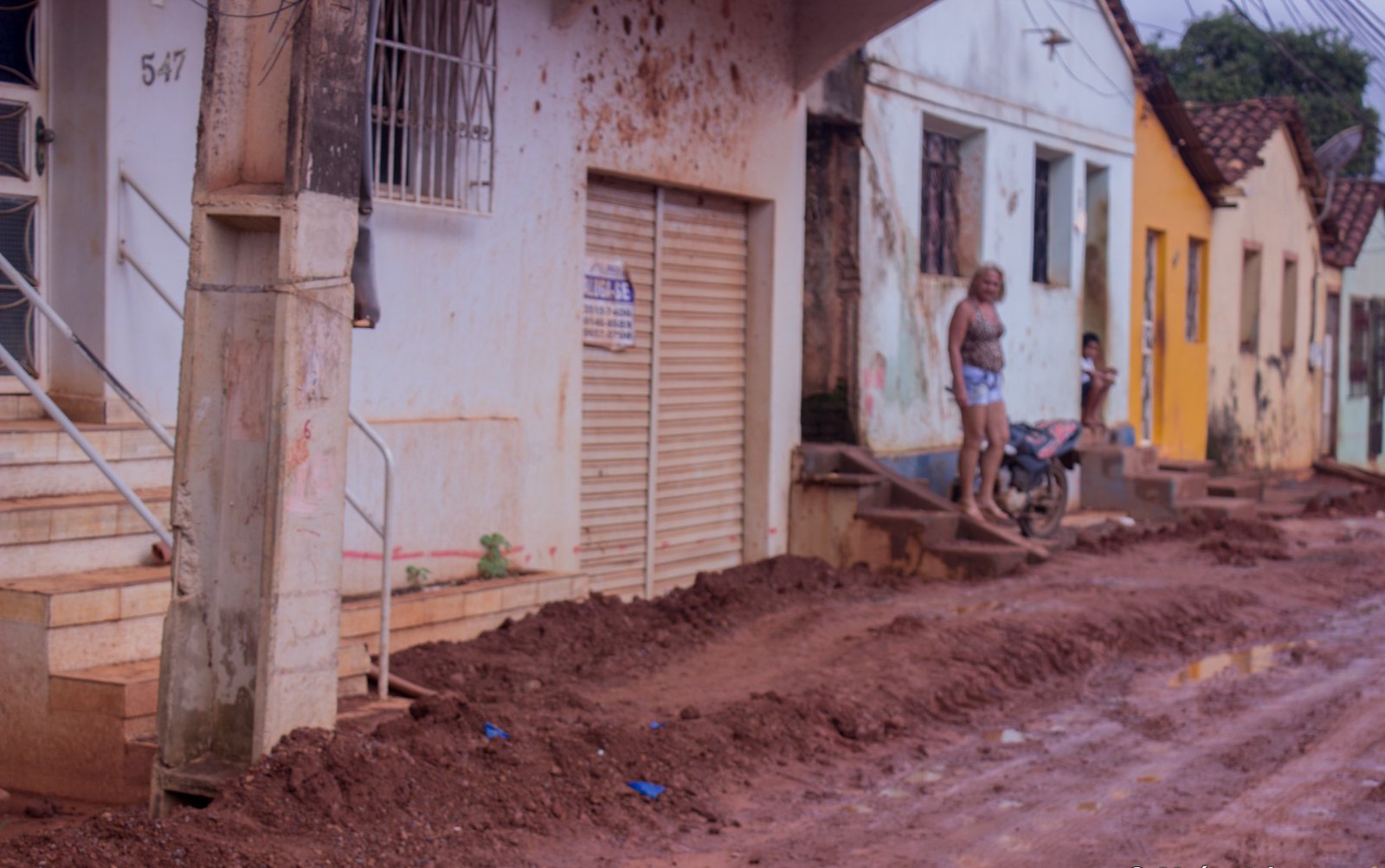
Photo: Amazon Watch / Maíra Irigaray.
Current situation
The protective measures granted by the IACHR remain in effect, but the Brazilian government has not fully complied with them, reporting only on general actions. The communities have documented the ongoing violations of their rights. The situation that prompted the request for these measures—the risk to the lives, physical integrity, and ways of life of the communities—persists and has worsened with the hydroelectric plant operating at full capacity and the recent extreme droughts in the Amazon.
In addition to the impacts of Belo Monte, there is a risk of further social and environmental impacts from the implementation of another mining megaproject in the Volta Grande do Xingu. There, the Canadian company Belo Sun plans to build Brazil’s largest open-pit gold mine.
The combined and cumulative impacts of the dam and the mine were not assessed. The government excluded Indigenous peoples, riverine and peasant communities from the project’s environmental permitting process. Despite protests by Indigenous communities and other irregularities surrounding the project, the government of Pará formally authorized the mine in April 2026.
Like other hydroelectric dams, Belo Monte exacerbates the climate emergency by generating greenhouse gas emissions in its reservoir. And it is inefficient amid the longer, more intense droughts caused by the crisis, as it loses its ability to generate power.
The case before the Inter-American Commission
In October 2017, the IACHR announced that it would rule jointly on the admissibility (whether the case meets the requirements for admission) and the merits (whether a human rights violation actually occurred) of the international complaint against the Brazilian State.
Fifteen years after the complaint was filed, the affected communities and the organizations representing them are still awaiting this decision. If the IACHR concludes that human rights violations occurred and issues recommendations that the Brazilian State fails to comply with, it may refer the case to the Inter-American Court of Human Rights, whose rulings are binding.
A potential ruling by the international court in this case would set a regional legal precedent regarding the rights of indigenous and riverine peoples, public participation in megaprojects, and state responsibility in the context of the climate crisis—a precedent that is particularly relevant in light of the Court’s Advisory Opinion No. 32, which reaffirmed the obligations of States to protect the people and communities of the continent from the climate emergency.
Partners:
Related projects
Latest News
Belo Monte Dam may lead Brazil to OAS High Court
Local communities and NGOs deliver petition exposing human rights violations to Inter-American Commission on Human Rights. Brasilia, Brazil—Local communities and NGOs delivered a petition to the Organization of American States’ (OAS) human rights body today claiming that Brazil has steamrolled human rights in its rush to fast-track construction of the controversial Belo Monte Dam, slated for construction on the Xingu River in the Amazon interior. The petition, signed by representatives of indigenous communities and other populations threatened by the dam, denounced the Brazilian government and called on the Inter-American Commission on Human Rights (IACHR) to declare human rights violations and order the Brazilian government to cancel the project and pay damages. Two weeks ago the Brazilian government defied IACHR’s demand that Brazil halt the dam’s licensing process. Brazil instead granted Belo Monte’s installation license, clearing the way to commence construction despite blatant non-compliance with social and environmental protections. Petition-signers scrutinized illegal aspects of the dam’s licensing process, especially with regard to the rights of indigenous peoples living along the Big Bend of the Xingu River, where 80% of the river's flow would be diverted to an artificial reservoir, undermining livelihoods and potentially leading to the forced displacement of thousands of people in clear violation of Brazil’s Constitution and international law. NGO and legal groups expect the Commission to determine that the Brazilian government has violated the rights of local peoples, and will recommend compensation. If the government continues to ignore the IACHR, the case could go to the Inter-American Court on Human Rights, which could formally condemn the Brazilian government for violations of its international obligations. The petition delivery today follows an initial complaint submitted last November that led to the granting of "precautionary measures" by the IACHR in April 2011. These measures recommended to the Brazilian government that urgent action be taken to guarantee the rights of indigenous peoples—as required by the Brazilian Constitution and international agreements such as the American Convention on Human Rights, Convention 169 of the International Labor Organization (ILO) and the UN Declaration on the Rights of Indigenous Peoples—before proceeding with dam construction. That decision by the IACHR provoked a defensive response from the administration of President Dilma Rousseff, which refused to take additional measures to protect indigenous rights. Eleven civil actions lawsuits against the Belo Monte Dam, filed by the Federal Public Prosecutor's Office, are still pending in Brazilian courts. “It is clear that the Brazilian judicial system is not working to protect human rights in the case of mega-infrastructure projects such as Belo Monte, given the tremendous economic and political pressures, often linked to corruption,” said Antonia Melo, coordinator of the Xingu Forever Alive Movement (Movimento Xingu Vivo para Sempre). “As a result, we have no alternative but to request the support of the Inter-American Commission on Human Rights.” “Our community is under threat and the leaders are the ones who suffer the most,” stated José Carlos Arara, an indigenous chief of the Arara village in the Big Bend region of the Xingu. “I am stuck in my village and no longer leave my community after receiving death threats.” "Brazilian diplomacy is in serious danger of an international embarrassment,” said Roberta Amanajás, a lawyer with the Pará Society for the Defense of Human Rights. “The Rousseff administration's aggressive response to the IACHR, followed by the Brazilian Senate’s vote to censure the OAS last week is a dangerous sign.” "The Brazilian government's position on Belo Monte goes against the image it promotes as a regional leader and its role as the host of the UN Conference on Sustainable Development (Rio +20) in 2012," said Astrid Puentes, Co-Director of the Inter-American Association for Environmental Defense (AIDA). "We hope that the governments of the region stop promoting environmentally and socially harmful projects and instead seek truly sustainable development based on respect for human rights.”
Read moreOrganization of American States requests immediate suspension of Belo Monte Dam in the Brazilian Amazon
The Inter-American Commission on Human Rights considered that Indigenous Peoples must be consulted BEFORE the dam’s construction begins. Altamira, Brazil / Washington, D.C., USA - The Inter-American Commission on Human Rights (IACHR), part of the Organization of American States (OAS), has officially requested the Brazilian Government to immediately suspend the Belo Monte Dam Complex in the Amazonian state of Para, citing the project's potential harm to the rights of traditional communities living within the Xingu river basin. According to the IACHR, the Brazilian Government must comply with legal obligations to undertake a consultation process that is "free, prior, informed, of good faith and culturally appropriate" with indigenous peoples threatened by the project before further work can proceed. The Brazilian Ministry of Foreign Affairs must inform the OAS within 15 days regarding urgent measures undertaken to comply with the Commission's resolution. The IACHR's decision responds to a complaint submitted in November 2010 on behalf of local, traditional communities of the Xingu river basin. The complaint was presented by the Xingu Alive Forever Movement - (MXVPS), the Coordination of Indigenous Organizations in the Brazilian Amazon (COIAB), the Prelacy of the Roman Catholic Church in the Xingu region, the Indigenous Missionary Council (CIMI), the Pará Society for the Defense of Human Rights (SDDH), Global Justice and the Inter-American Association for Environmental Defense (AIDA). According to the complaint, there were no appropriate consultations with affected indigenous and riverine communities regarding the impacts of the mega-dam project. The document argues that the dam would cause irreversible social and environmental damage, including forced displacement of communities, while threatening one of the Amazon's most valuable areas for biodiversity conservation. "By recognizing the rights of indigenous people to prior and informed consultations, the IACHR is requesting that the Brazilian Government stop the licensing and construction of the Belo Monte dam project to ensure their right to decide," said Roberta Amanajas, SDDH lawyer. "Continuing this project without proper consultations would constitute a violation of international law. In that case, the Brazilian Government would be internationally liable for the negative impacts caused by the dam." The IACHR also requests Brazil to adopt "vigorous and comprehensive measures" to protect the lives and personal integrity of isolated indigenous peoples in the Xingu river basin, as well as effective measures to prevent the spread of diseases and epidemics among traditional communities threatened by the project. "The IACHR's decision sends a clear message that the Brazilian Government's unilateral decisions to promote economic growth at any cost are a violation of our country's laws and the human rights of local traditional communities," said Antonia Melo, MXVPS coordinator. "Our leaders no longer can use economic "development" as an excuse to ignore human rights and to push for projects of destruction and death to our natural heritage and to the peoples of Amazon, as is the case of Belo Monte." "The OAS's decision is a warning to the Federal Government and a call to Brazilian society to broadly discuss the highly authoritarian and predatory development model being implemented in this country," said Andressa Caldas, Global Justice director. Andressa recalls examples of human rights violations caused by other infrastructure projects within the federal government's Accelerated Growth Program (PAC). "There are numerous cases involving the forced displacement of families without compensation, as well as serious environmental impacts, social disruption of communities, rising violence in areas surrounding construction sites and poor working conditions." Criticism of the Belo Monte dam comes not only from civil society organizations, and local communities, but also from scientists, researchers, and government institutions. The Federal Public Prosecutor's office in Pará state has already filed ten civil lawsuits against the mega-project that are still awaiting final decisions. "I am very moved by this news," said Sheyla Juruna, an Indigenous leader of the Juruna community in Altamira. "Today, more than ever, I am sure that we were right to expose the Brazilian Government - including the federal judicial system - for violations of the rights of indigenous peoples in the Xingu and of all those who are fighting together to protect life and a healthy environment. We will maintain our firm resistance against the implementation of the Belo Monte Dam Complex." The IACHR's decision is founded on international law established by the American Convention on Human Rights, Convention 169 of the International Labour Organisation (ILO), the United Nations Declaration on Indigenous Rights (UNDRIP), and the UN Convention on Biological Diversity (CBD), as well as the Brazilian Constitution itself.
Read moreOrganization of American States questions Belo Monte Dam project
Human rights body of the OAS solicits official inquiry while Amazonian communities stage major protests. Altamira, Brazil - The Organization of American States (OAS) officially requested the Brazilian government to clarify information on the Belo Monte Dam’s licensing process, which moved forward without ensuring proper consultation with local indigenous groups. This request comes amid heightening local and international controversy around plans to construct the dam complex on the Xingu River in the Brazilian Amazon. The Inter-American Commission on Human Rights (IACHR) of the OAS, solicited the request in response to a complaint filed by several organizations including the Xingu Alive Forever Movement (MXVPS), the Inter-American Association for Environmental Defense (AIDA) and the Para Society for the Defense of Human Rights (SDDH), and supported by another 40 institutions advocating for the rights of indigenous and traditional communities of the Xingu River basin. The complaint demands that the Brazilian government immediately suspend the licensing process for the Belo Monte Dam, stop construction of the project, and guarantee the human rights of affected people and communities. The IACHR gave the government ten days to clarify the steps taken to ensure free, prior and informed consultations with local peoples and the legality of the dams "partial license," among other issues. The request is the first step in a longer proceeding in which local communities are alleging human rights violations stemming from the proposed dam. "When Brazil signs a treaty, it is obliged to comply with its resolutions," said Roberta Amanajás, a lawyer for the Para Society for the Defense of Human Rights (SDDH). "As a signatory to the Inter-American Convention on Human Rights, Brazil must recognize its legitimacy to examine cases such as Belo Monte." "With huge development projects like the Belo Monte Dam Complex, all governments must be held accountable for protecting human rights and the environment of local communities," said Jacob Kopas, a lawyer with AIDA. "The Inter-American Commission has already recognized this in other cases and has urged the suspension of a large dam project in Panama and as large gold mine in Guatemala." Meanwhile, hundreds of fisherman staged a protest on Friday in the city of Altamira to show their opposition to a project that could destroy their livelihoods by decimating the region's migratory fish species. The event, blessed by Dom Erwin Kräutler, Bishop of the Xingu and historic opponent of the hydroelectric plant, was marked by dozens of fishing boats setting out on the Xingu River to symbolize the importance of defending the river and preserving their way of life. "The fisherfolk of the Xingu are committed to organizing in defense of their river," said Kräutler. "From it they pull sustenance for themselves and their families, while their hard work supplies all of the cities along the Xingu. It was very powerful to see them set out in large numbers to fish last week. Their return today has shown that the river is alive and that they want to see it remain alive forever." Today, dozens more fishing boats from surrounding communities affected by the dam have joined the protesters in a show of solidarity, where they will greet the fishermen on their return and share their catch to mark the International Day of Action for Rivers.
Read more