
Project
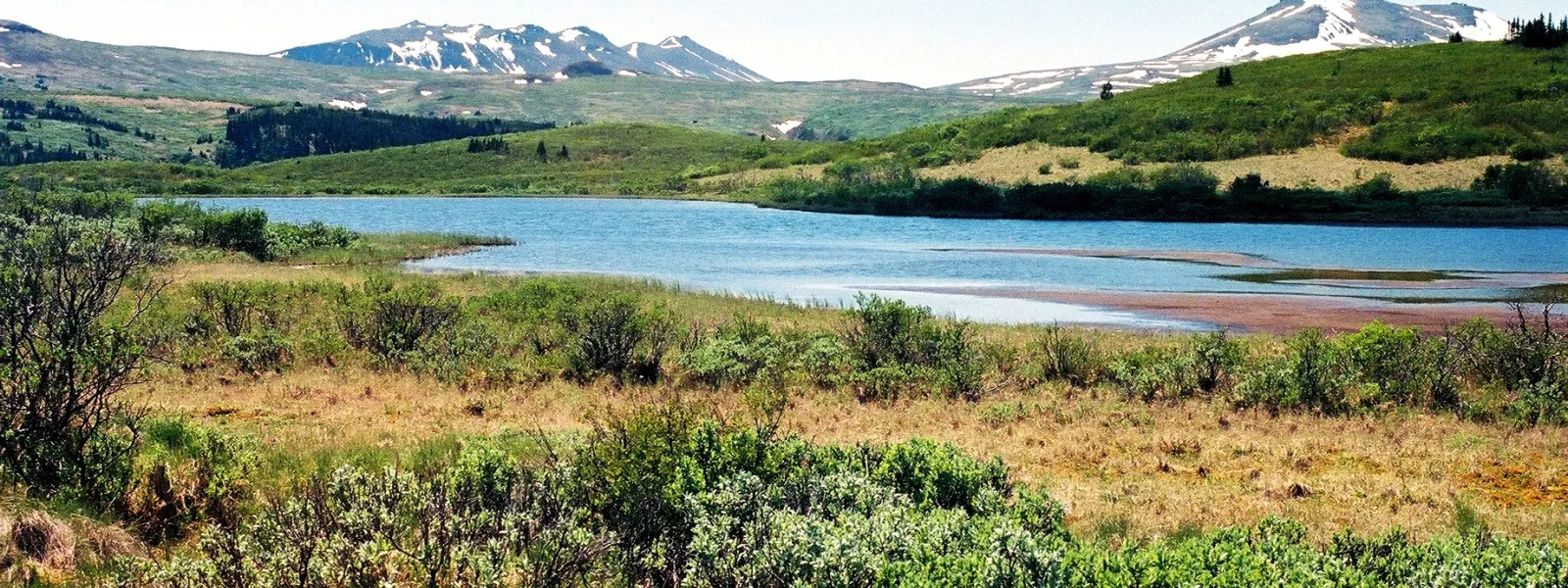
Photo: Steven Ablitt / Cassiar WatchVictory: Canada supports public participation and environmental assessment
Thanks to a court ruling to which AIDA and our allies contributed, Canadian authorities must allow active participation in all mining and industrial megaprojects, as well as comprehensive environmental impact assessments.
The decision came after a long legal battle that began in 2006. That year, an open-pit copper and gold mine called Red Chris was approved without the adequate evaluation of its environmental impacts. It was sleighted to process 30 thousand metric tons a day.
The Imperial Metals company intended to build the mine in the Kapplan River Valley, a remote and pristine natural area home to large mammals such as Dali’s sheep, caribou, bears and moose. In addition, the area is part of the migratory salmon route and the Tathlan indigenous community lives nearby.
The company had fragmented the project into small parts to avoid evaluating the full impact of the project, thus violating international standards and the right to public participation.
In 2009 AIDA filed a brief with Canada’s Supreme Court in support of a lawsuit filed against the project by MiningWatch and Ecojustice.
The ruling remains a powerful tool to protect huge expanses of pristine and valuable land for its biodiversity, water sources, and the culture of indigenous communities.
It was a watershed moment in terms of ensuring companies fulfill their obligations when developing projects that put at risk the natural environment and those who depend on it.
Related projects
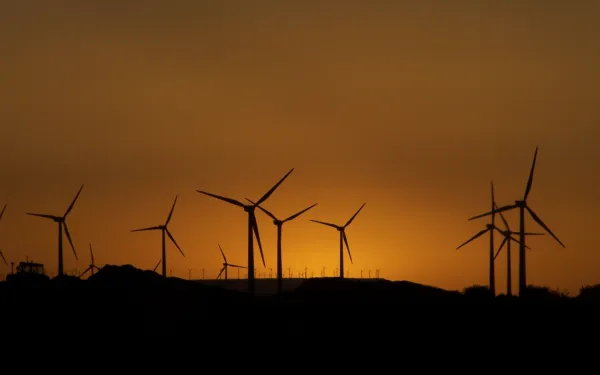
As US withdraws from Paris Climate Agreement, Latin America must step up
Without US participation, other countries must urgently limit greenhouse gas emissions. Now that President Donald Trump has withdrawn the United States from the Paris Climate Agreement, Latin American nations must act with new urgency to combat global climate change. In a blow to the Paris Agreement, Trump’s move sends a message that the U.S. federal government is no longer committed to curbing greenhouse gas emissions. The United States, Syria, and Nicaragua are now the only nations that refuse to join the historic fight against global warming. The Paris Agreement, which directs countries to set targets for the reduction of greenhouse gas emissions, was hailed as the first truly global climate deal to curb climate change. “This has huge implications for the Global South in the fight against climate change,” said Astrid Puentes, Co-Executive Director of the Interamerican Association for Environmental Defense, or AIDA. “We can no longer rely on the U.S. government to set an example for climate progress. Now more than ever, it’s important that Latin American countries step up efforts to curb their greenhouse gas emissions.” Although the United States and China are the largest emitters of greenhouse gases, nine percent of total global emissions come from Latin America, according to the UN Economic Commission on Latin America and the Caribbean. “In a region with immense ecological diversity, Latin America has an opportunity to take a leadership role in protecting natural resources and communities by shaping a clean energy future without reliance on fossil fuels,” Puentes said. “Without the United States, Latin America now needs to lead the global fight against climate change, and AIDA will continue to be at the forefront of that fight.” AIDA has worked with Latin American governments to increase their capacity to secure international funding for climate projects, raised awareness that many dam reservoirs emit significant amounts of methane, built a regional effort to counter the spread of hydraulic fracturing projects, and helped to protect critical carbon sinks, among other projects. As a team of environmental and legal experts, AIDA also works to protect the human rights of people and their communities throughout Latin America. AIDA is the only regional organization in Latin America that provides free legal support to communities and organizations dedicated to protecting human rights and the environment. Press contact: Astrid Puentes Riaño, Executive Co-Director, [email protected]
Read more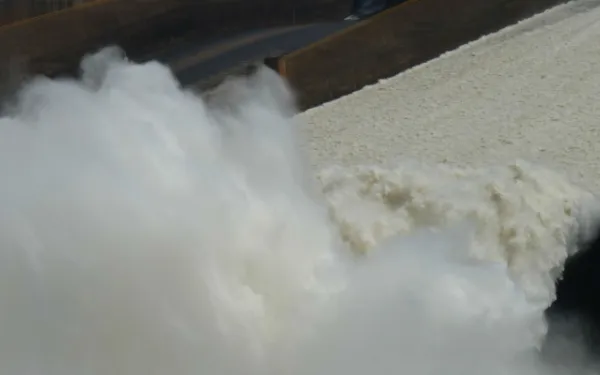
Spending climate dollars on large dams – a bad idea
During its last board meeting, the Green Climate Fund—charged with financing developing nations’ fight against climate change—approved two projects related to large dams. That means $136 million will finance large-scale hydropower, contradicting the Fund’s goal of stimulating a low-emission and climate-resilient future. We’ve said it before: large dams are not part of the paradigm shift we need. They worsen climate change and are highly vulnerable to its impacts. They also cause grave economic and socio-environmental problems that make it impossible to label them as sustainable development. dam Projects before the gcf While the two projects will exacerbate climate change, they aren’t the most destructive we’ve seen. The first is expected to generate 15 MW of electricity in the Solomon Islands, an impoverished Pacific archipelago highly vulnerable to climate change. Planned for the Tina River, the dam will be the country’s first major infrastructure project. Today, the Solomon Islands rely almost entirely on imported diesel to produce energy. It is an unreliable, highly polluting energy source for which residents must pay one of the highest rates in the region. We would have liked to see the Solomon Islands leapfrog toward a more sustainable alternative, avoiding the era of large dams altogether. But we were pleased to see the World Bank’s consultation and engagement processes with local communities, which lend legitimacy to the project. The second project will rehabilitate a dam built in the 1950’s in Tajikistan. The repairs will make the dam more resilient to weather and less subject to accidents. Since it is focused on rehabilitation, the project will not generate the socio-environmental impacts typical of ground-up dam construction. Tajikistan already gets 98 percent of its energy from hydropower, an increasingly unreliable energy source. In fact, during colder months, when more energy is needed, more than 70 percent of the population suffers cutbacks due to the malfunctioning of dams. It’s unreasonable to use climate finance to deepen a country’s energy dependency instead of diversifying its matrix and increasing its climate resiliency. Our Campaign against large dams When we learned that large dam proposals would come before the Fund, just before the 14th meeting of the Board of Directors, we drafted a letter explaining why large dams are ineligible for climate funding. Then, in anticipation of the 16th meeting, during which the projects would be discussed, we sent Board Members an informational letter on each of the projects, signed by our closest allies. Finally, during the board meeting, we circulated a statement signed by a coalition of 282 organizations, further strengthening our position against the funding of large dams. We obtained official replies from several members of the Board, the European Bank for Reconstruction and Development (in charge of the project in Tajikistan), and the Designated National Authority of the Solomon Islands. Delegates from Canada and France requested further discussion of the issue. The problems with large dams received international media attention through articles published in The Guardian and Climate Home. Advancing with Optimism Although financing was ultimately granted to both of the projects, we managed to draw international attention to the contradiction inherent in funding large dams with money designated to combat climate change. Several members of the Green Climate Fund expressed doubts about further promoting large hydropower initiatives. We’re confident they’ll raise their voices when faced with projects far more damaging than those recently approved. Cheaper, more effective, and more environmentally friendly alternatives need the support and momentum the Green Climate Fund can provide. Both solar and wind power, for example, have proved to be more efficient and less costly than large-scale hydropower. Other less-developed technologies, such as geothermal, have largely unexplored potential. As part of a coalition of civil society organizations monitoring the Fund’s decisions, AIDA will continue working to ensure that the recent decision to fund large dams does not become a precedent.
Read moreSpending climate dollars on large dams – a bad idea
During its last board meeting, the Green Climate Fund—charged with financing developing nations’ fight against climate change—approved two projects related to large dams. That means $136 million will finance large-scale hydropower, contradicting the Fund’s goal of stimulating a low-emission and climate-resilient future. We’ve said it before: large dams are not part of the paradigm shift we need. They worsen climate change and are highly vulnerable to its impacts. They also cause grave economic and socio-environmental problems that make it impossible to label them as sustainable development. dam Projects before the gcf While the two projects will exacerbate climate change, they aren’t the most destructive we’ve seen. The first is expected to generate 15 MW of electricity in the Solomon Islands, an impoverished Pacific archipelago highly vulnerable to climate change. Planned for the Tina River, the dam will be the country’s first major infrastructure project. Today, the Solomon Islands rely almost entirely on imported diesel to produce energy. It is an unreliable, highly polluting energy source for which residents must pay one of the highest rates in the region. We would have liked to see the Solomon Islands leapfrog toward a more sustainable alternative, avoiding the era of large dams altogether. But we were pleased to see the World Bank’s consultation and engagement processes with local communities, which lend legitimacy to the project. The second project will rehabilitate a dam built in the 1950’s in Tajikistan. The repairs will make the dam more resilient to weather and less subject to accidents. Since it is focused on rehabilitation, the project will not generate the socio-environmental impacts typical of ground-up dam construction. Tajikistan already gets 98 percent of its energy from hydropower, an increasingly unreliable energy source. In fact, during colder months, when more energy is needed, more than 70 percent of the population suffers cutbacks due to the malfunctioning of dams. It’s unreasonable to use climate finance to deepen a country’s energy dependency instead of diversifying its matrix and increasing its climate resiliency. Our Campaign against large dams When we learned that large dam proposals would come before the Fund, just before the 14th meeting of the Board of Directors, we drafted a letter explaining why large dams are ineligible for climate funding. Then, in anticipation of the 16th meeting, during which the projects would be discussed, we sent Board Members an informational letter on each of the projects, signed by our closest allies. Finally, during the board meeting, we circulated a statement signed by a coalition of 282 organizations, further strengthening our position against the funding of large dams. We obtained official replies from several members of the Board, the European Bank for Reconstruction and Development (in charge of the project in Tajikistan), and the Designated National Authority of the Solomon Islands. Delegates from Canada and France requested further discussion of the issue. The problems with large dams received international media attention through articles published in The Guardian and Climate Home. Advancing with Optimism Although financing was ultimately granted to both of the projects, we managed to draw international attention to the contradiction inherent in funding large dams with money designated to combat climate change. Several members of the Green Climate Fund expressed doubts about further promoting large hydropower initiatives. We’re confident they’ll raise their voices when faced with projects far more damaging than those recently approved. Cheaper, more effective, and more environmentally friendly alternatives need the support and momentum the Green Climate Fund can provide. Both solar and wind power, for example, have proved to be more efficient and less costly than large-scale hydropower. Other less-developed technologies, such as geothermal, have largely unexplored potential. As part of a coalition of civil society organizations monitoring the Fund’s decisions, AIDA will continue working to ensure that the recent decision to fund large dams does not become a precedent.
Read more