
Project
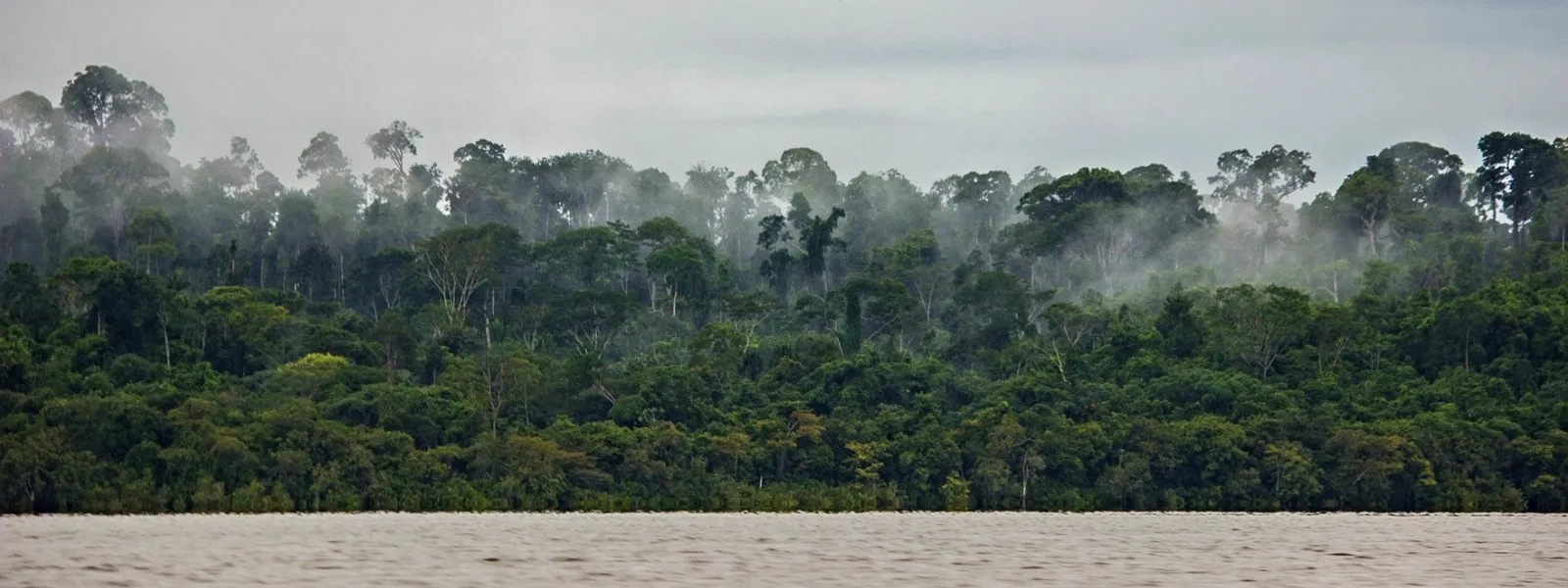
Amazon Watch / Maíra Irigaray
Barragem de Belo Monte no rio Xingu: 10 anos de impactos na Amazônia e de busca por reparações
A usina hidrelétrica de Belo Monte causou um desastre ambiental e social no coração da Amazônia: um dos ecossistemas mais importantes do planeta.
Essa situação só piorou desde que a usina começou a operar em 2016. A busca por justiça e reparação para as comunidades indígenas e ribeirinhas afetadas continua até hoje.
Em 2011, a Comissão Interamericana de Direitos Humanos (CIDH) concedeu a essas comunidades medidas de proteção, que até hoje não foram totalmente implementadas pelo Estado brasileiro.
E, desde junho daquele mesmo ano, a CIDH mantém um processo contra o Estado por sua responsabilidade internacional no caso.
A CIDH pode encaminhar o caso à Corte Interamericana de Direitos Humanos, que tem o poder de emitir uma sentença condenatória contra o Estado brasileiro.
Consulta o expediente de fatos do caso
Após 10 anos de operação da usina hidrelétrica e mais de 15 anos de violações de direitos humanos documentadas, é hora da justiça ser feita para as comunidades afetadas.
Leia a carta aberta das organizações que levam o caso à CIDH
Leia nosso comunicado à imprensa
Contexto
A usina hidrelétrica de Belo Monte — a quarta maior do mundo em capacidade instalada (11.233 MW) — foi construída no rio Xingu, no estado do Pará, norte do Brasil.
Foi inaugurada em 5 de maio de 2016, com uma única turbina. Naquela época, 80% do curso do rio foi desviado e 516 km² de terra foram inundados, uma área maior que a cidade de Chicago. Desse total, 400 km² eram de mata nativa. A usina começou a operar em plena capacidade em novembro de 2019.
Belo Monte foi construída e é operada pelo consórcio Norte Energia S.A., composto principalmente por empresas estatais. Foi financiada pelo Banco Nacional de Desenvolvimento Econômico e Social (BNDES), que aportou ao consórcio 25,4 bilhões de reais (aproximadamente US$ 10,16 bilhões), o maior investimento de sua história. Portanto, o BNDES também é legalmente responsável pelos impactos socioambientais associados ao projeto hidrelétrico.
Décadas de danos ambientais e humanos
As violações dos direitos humanos e a degradação da Amazônia remontam ao início do projeto. Em março de 2011, a Norte Energia iniciou a construção da barragem sem consulta adequada e sem o consentimento prévio, livre e informado das comunidades afetadas.
A construção levou ao deslocamento forçado de mais de 40.000 pessoas, rompendo laços sociais e culturais. O plano de reassentamento em Altamira — cidade diretamente afetada pelo projeto hidrelétrico — incluía moradias na periferia da cidade, sem serviços públicos adequados, moradias dignas para as famílias reassentadas e moradias diferenciadas para aqueles pertencentes a comunidades indígenas.
A operação da barragem de Belo Monte impôs uma seca permanente e artificial na Volta Grande do rio Xingu, agravada pelas secas históricas na Amazônia em 2023 e 2024. Como resultado, a morte de milhões de ovos de peixe foi documentada por quatro anos consecutivos (de 2021 a 2024) e, nos últimos três anos, não houve migração de peixes rio acima para desovar e se reproduzir. Assim, a pesca artesanal, principal fonte de proteína para os povos indígenas e comunidades ribeirinhas, foi severamente afetada: o consumo de peixe caiu de 50% para 30% do total de proteínas consumidas, sendo substituído por alimentos processados. Em suma, houve um colapso ambiental e humanitário que resultou no colapso da pesca como modo de vida tradicional, insegurança alimentar e falta de acesso à água potável para milhares de famílias, empobrecimento e doenças.
Além disso, a construção da barragem aumentou o desmatamento e intensificou a extração ilegal de madeira e a insegurança em terras indígenas e tribais, colocando em risco a sobrevivência dessas comunidades. Outra consequência foi o agravamento da pobreza e dos conflitos sociais, bem como a sobrecarga dos sistemas de saúde, educação e segurança pública em Altamira, cidade considerada a mais violenta do país em 2017, onde houve aumento do tráfico de pessoas e da violência sexual. Também foram registrados casos de violência contra defensores de direitos humanos envolvidos no caso.
Em 2025, durante a 30ª Conferência das Nações Unidas sobre Mudanças Climáticas (COP30), realizada no Brasil, o Ministério Público Federal classificou os danos causados por Belo Monte como ecocídio.
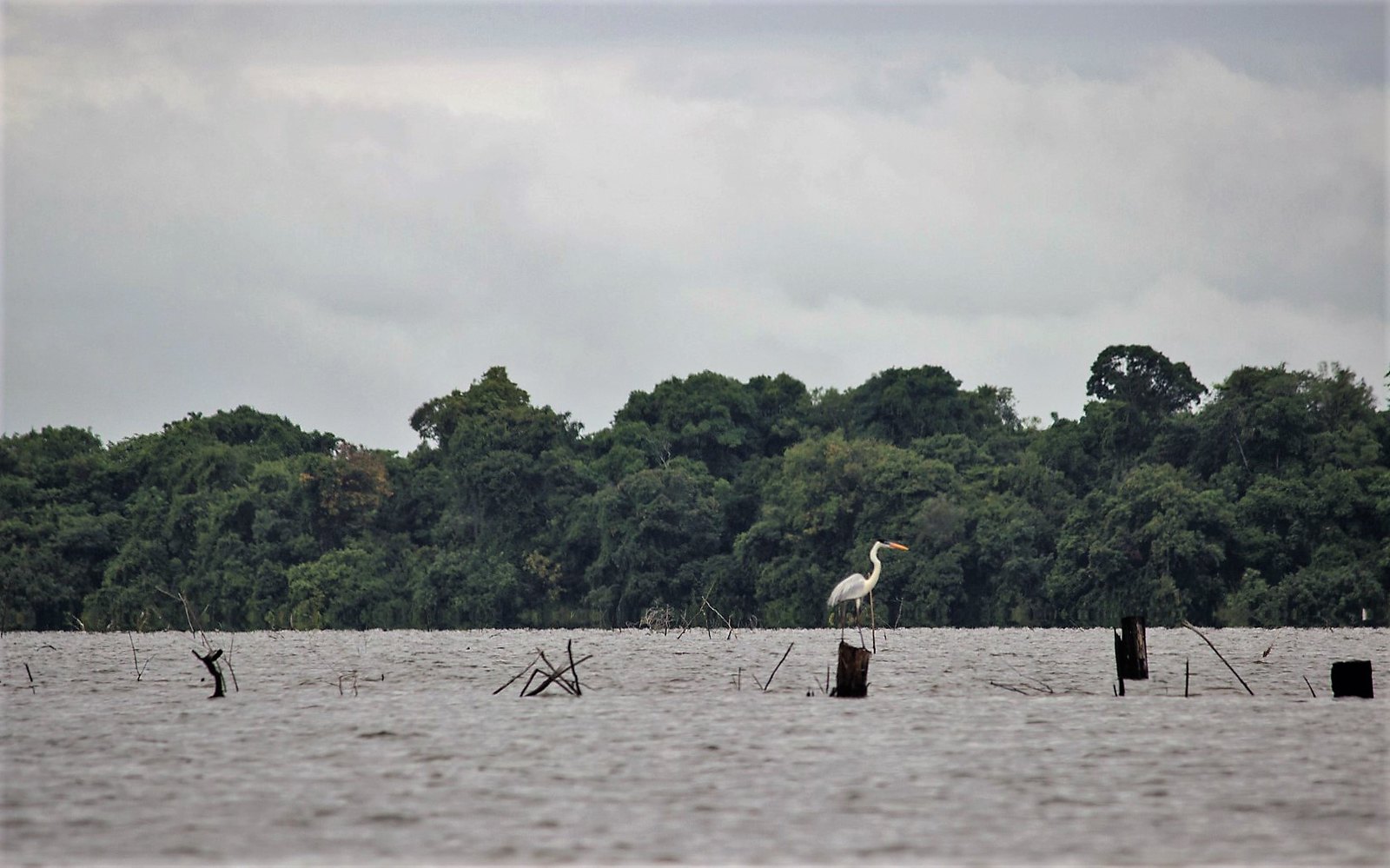
Foto: Amazon Watch / Maíra Irigaray.
A busca por justiça e reparação
Ao longo dos anos, o Ministério Público Federal do Pará, a Defensoria Pública e organizações da sociedade civil impetraram dezenas de ações judiciais em tribunais brasileiros para contestar as diversas irregularidades do projeto, bem como seus impactos. A maioria das ações permanece sem solução, algumas há mais de 10 anos.
Essas ações não obtiveram sucesso porque o governo federal tem reiteradamente anulado decisões favoráveis às comunidades afetadas, recorrendo a um mecanismo pelo qual o presidente do Supremo Tribunal Federal pode suspender uma decisão judicial com base unicamente em argumentos genéricos como "interesse nacional" ou "ordem econômica".
Diante da falta de respostas eficazes em nível nacional, a AIDA — juntamente com uma coalizão de organizações aliadas — levou o caso à Comissão Interamericana de Direitos Humanos (CIDH) e, em 2010, solicitou medidas cautelares para proteger a vida, a integridade e a saúde das comunidades indígenas afetadas.
Em 1º de abril de 2011, a CIDH concedeu essas medidas e solicitou ao Estado brasileiro a suspensão das licenças ambientais e de quaisquer obras de construção até que as condições relativas à consulta prévia e à proteção da saúde e integridade das comunidades fossem atendidas.
E, em 16 de junho de 2011, apresentamos uma denúncia formal à CIDH — juntamente com o Movimento Xingu Vivo Para Siempre, a Coordenação das Organizações Indígenas da Amazônia Brasileira, a Diocese de Altamira, o Conselho Missionário Indígena, a Sociedade Pará de Defesa dos Direitos Humanos e a Global Justice — contra o Estado brasileiro por sua responsabilidade internacional nas violações de direitos humanos contra os povos afetados neste caso. A denúncia foi apresentada em dezembro de 2015.
Em 3 de agosto de 2011, a CIDH modificou as medidas cautelares para solicitar — em vez da suspensão de licenças e obras — a proteção dos povos que vivem em isolamento voluntário, a saúde das comunidades indígenas e a regularização e proteção das terras ancestrais.
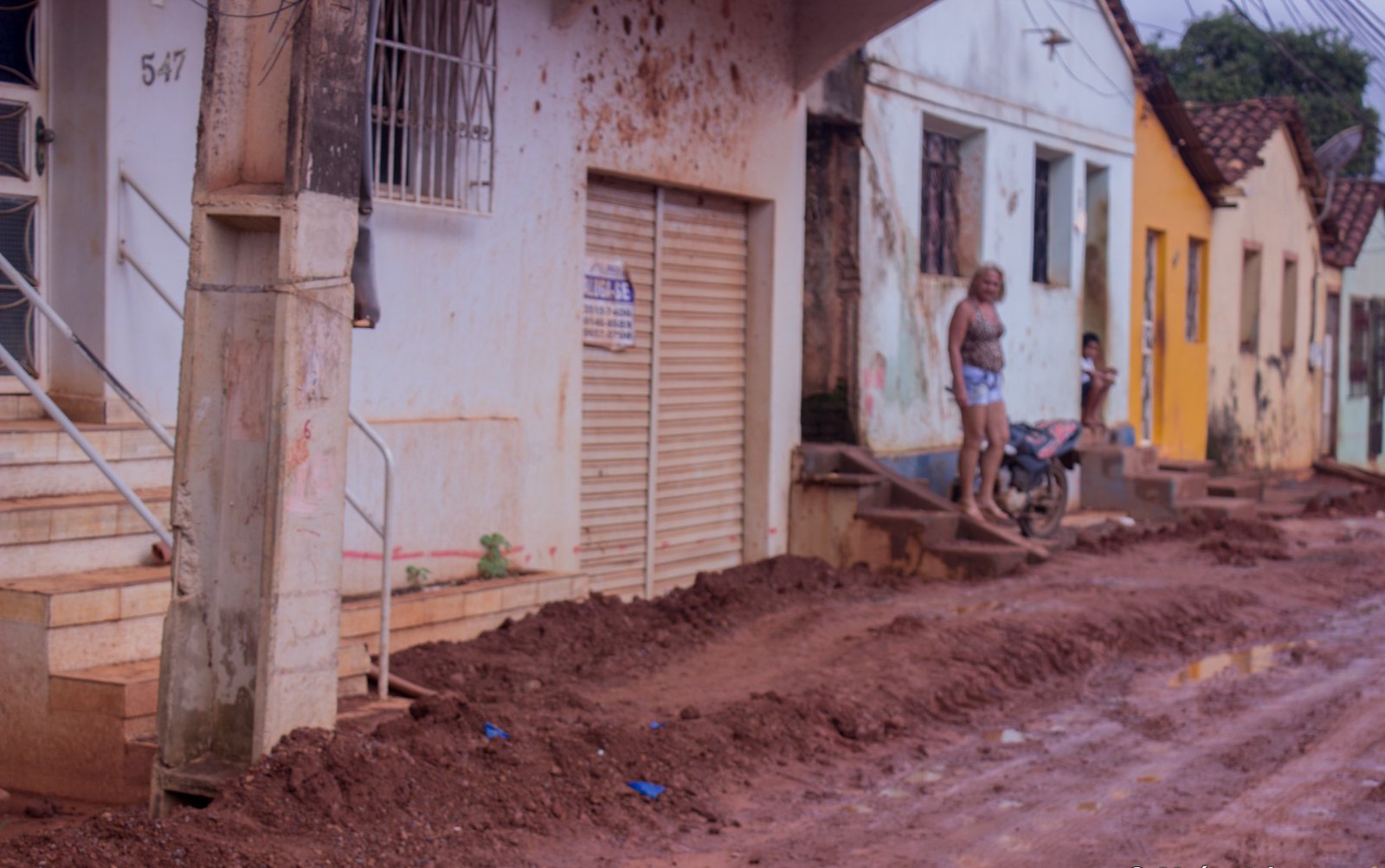
Foto: Amazon Watch / Maíra Irigaray.
Situação atual
As medidas de proteção concedidas pela CIDH permanecem em vigor, mas o Estado brasileiro não as cumpriu integralmente, relatando apenas ações genéricas. As comunidades documentaram as contínuas violações de seus direitos. A situação que motivou o pedido dessas medidas — o risco à vida, à segurança e aos meios de subsistência das comunidades — persiste e se agravou com a usina hidrelétrica operando em plena capacidade e com as recentes secas extremas na Amazônia.
Além do ocorrido em Belo Monte, existe o risco de maiores danos sociais e ambientais decorrentes da implementação de outro megaprojeto de mineração na Volta Grande do Xingu. Lá, a empresa canadense Belo Sun pretende construir a maior mina de ouro a céu aberto do Brasil.
Os impactos sinérgicos e cumulativos da usina e da mina não foram avaliados. O Estado excluiu povos indígenas, comunidades ribeirinhas e comunidades camponesas do processo de licenciamento ambiental do projeto. Apesar disso, dos protestos indígenas e de outras irregularidades em torno do projeto, o governo do estado do Pará autorizou formalmente a mina em abril de 2026.
Belo Monte, assim como outras usinas hidrelétricas, agrava a emergência climática ao gerar emissões de gases de efeito estufa em seu reservatório. Além disso, é ineficiente diante das secas prolongadas e intensas causadas pela crise, pois perde capacidade de geração de energia.
O caso perante a Comissão Interamericana
Em outubro de 2017, a CIDH anunciou que decidiria conjuntamente sobre a admissibilidade (se o caso preenche os requisitos para admissão) e o mérito (se houve, de fato, violação de direitos humanos) da denúncia internacional contra o Estado brasileiro.
Quinze anos após a apresentação da denúncia, as comunidades afetadas e as organizações que as representam ainda aguardam essa decisão. Caso a CIDH conclua que houve violações de direitos humanos e emita recomendações que o Estado brasileiro não cumpra, poderá encaminhar o caso à Corte Interamericana de Direitos Humanos, cujas decisões são vinculativas.
Uma possível decisão da Corte Internacional de Direitos Humanos neste caso estabeleceria um precedente jurídico regional em relação aos direitos dos povos indígenas e ribeirinhos, à participação pública em megaprojetos e à responsabilidade do Estado no contexto da crise climática. Isso é particularmente relevante à luz do Parecer Consultivo nº 32 da Corte, que reafirmou as obrigações dos Estados de proteger pessoas e comunidades em todo o continente da emergência climática.
Partners:
Related projects
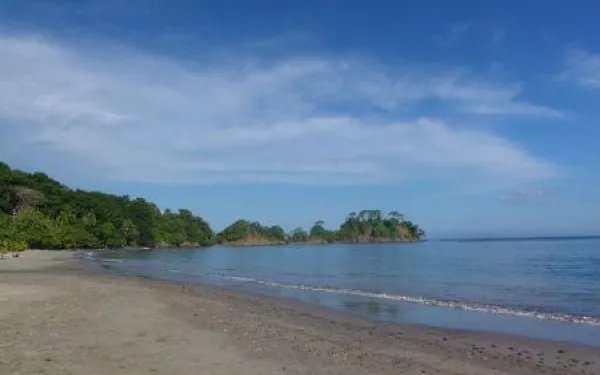
Costa Rica, Panama and Mexico: Lots of tourism, little sustainability
By Sandra Moguel, legal advisor, AIDA, @sandra_moguel Sun and sand tourism is one of the fastest growing economic sectors in the Americas. Indeed, an increasing number of foreigners, mostly Americans and Canadians, are opting to retire to beaches in Latin America. Mass tourism is having a negative impact on the region’s coasts and oceans. In this post, I’ll talk about what’s happening in Costa Rica, Panama and Mexico. Ecotourism and social problems Since the late 1980s, Costa Rica has become known for promoting a successful ecotourism industry. Leisure travel is now the country’s leading foreign exchange earner. According to official data, international tourism increased sixfold and the gross income it generated shot up twelvefold between 1986 and 2005. Thanks to ecotourism, Costa Rica nets over USD $1,000 per tourist today. But it’s not all icing on the cake. Despite its sustainable tourism fame, Costa Rica has fallen into the temptation of building massive resorts that feature “all-inclusive” services and end up causing a number of social problems. When mass tourism is prioritized, the results are mass displacements of people from their homes, unequal wealth distribution and a shortage of public services like energy supplies and garbage collection. Local populations also face a loss of identity, greater competition for resources like clean water and access to the beach, not to mention environmental damages. Panama Bay Like Costa Rica, Panama is not without its problems. The country’s environmental and tourism policies undermine the rights of indigenous communities and harm the environment. Demonstrating the power and determination of the tourism industry, a group of developers seeking to build mega-resorts in the protected area of Panama Bay have filed several lawsuits questioning the legality of a decree declaring the protected status of this ecosystem. In 2012, AIDA worked with its Panamanian partners to defend the bay, which so far has maintained its protected status. Mexico and competitive tourism In 2011, 22.3 million foreign tourists visited Mexico, contributing USD$1.18 billion to the economy, according to the United Nations World Tourism Organization (UNWTO). Mexico was ranked 43rd in the world for its potential to attract new tourism investment in 2011, according to the World Economic Forum’s Travel & Tourism Competitiveness Report. Under the leadership of Felipe Calderón, who served as president between 2006 and 2012, efforts were made to raise Mexico’s profile as a global tourism destination and policies were implemented to create a more sustainable and competitive tourism industry. Despite the start of these policies and the approval of the General Tourism Law, Mexico’s plan to boost tourism numbers is wanting. For example, the law doesn’t have regulations that detail the new figures it has created, nor does it provide legal certainty to investors or the local communities about their involvement in making decisions about where they live. Research on Mexico’s tourism industry has found that authorities are failing in their responsibility to protect the environment. In its report Alternative Development Models and Good Practices for Sustainable Coastal Tourism: A Framework for Decision Makers in Mexico, The Center for Responsible Travel (CREST) found the country’s chief tourism bodies, the Secretary of Tourism (SEMARNAT) and the National Tourism Development Fund (FONATUR), in many cases did not follow international best practices for sustainable tourism, approving resorts that have caused social and environmental damage including in the use of energy generated from the burning of fossil fuels. The destruction of mangroves, wetlands and coral reefs not only negatively affect Mexico’s competitiveness as a tourist destination, but these bad practices also demonstrate that the country is failing to meet its international obligation to reduce greenhouse gas emissions to combat climate change. For these reasons AIDA and Earthjustice, working as partners to represent 11 civil society organizations, submitted a citizen petition to the Commission for Environmental Cooperation (CEC). In the petition, we denounced the Mexican government for not properly implementing its environmental legislation to evaluate the environmental impacts of planned mega resorts on the Gulf of California. This suggests that the government may have skirted important safeguards in order to attract more investment to the country, and thereby creating – possibly unfairly – competition with its trade partners, the United States and Canada. In large-scale tourism, local communities are generally not properly consulted during the planning stages of mega resorts and their development model. The WTO Global Code of Ethics for Tourism states that tourism professionals, particularly investors, “should deliver, with the greatest transparency and objectivity, information on their future programs and their foreseeable repercussions and foster dialogue on their contents with the populations concerned.” Mass tourism developments typically bring with them new hydropower plants, highways, airports and other major infrastructure projects. These do not necessarily favor the interests of local communities. In Resolution XI.7, the Ramsar Convention, an international treaty that protects wetlands of international importance and of which Mexico, Panama and Costa Rica are signatories, it is stressed that there is a need to implement closer collaboration between the tourism and conservation sectors and the rational use of the wetlands in order to maximize and sustain the long-term benefits derived from the expertise of each sector. It is worth noting Ramsar’s proposal because it shows the inconsistencies between environmental and tourism policies. An example of successful environmental and tourism management is Argentina, where the two sectors complement each other through close coordination. The country’s National Parks Administration (APN) is a public body that functions under the aegis of the Ministry of Tourism. The infrastructure of bathrooms, visitor centers, signage and marked pathways reflects the sustainability of the business plan and management of tourism sites. There still is a great deal of work to be done to achieve sustainable tourism in Latin America. Great strides can be made if we strengthen tourism and environmental policies and establish methodologies for public consultation that foster community involvement.
Read moreGroups support challenge to dam project in Panama for violating indigenous rights
Amicus brief highlights unlawful consultation process. Mexico City, Mexico – Civil society organizations filed an amicus brief yesterday in Panama’s Supreme Court of Justice in support of a challenge by indigenous people to the environmental review of the Barro Blanco hydroelectric dam. Supporting a lawsuit filed by the Environmental Advocacy Center, Panamá (CIAM), the Interamerican Association for Environmental Defense (AIDA), the Center for International Environmental Law (CIEL) and Earthjustice argue that the Panamanian government violated international law by approving the project without adequately consulting or obtaining the free, prior and informed consent of the affected Ngӓbe-Buglé indigenous peoples, and without adequately reviewing the environmental impacts to their lands. “Our lands and natural resources are the most important aspects of our culture, and we wish to thank the international organizations that are supporting our struggle to protect them,” said Goejet Miranda, President of a Ngäbe community movement to defend the Tabasará River from development projects. Once completed, the dam is projected to flood homes and religious, archaeological and cultural sites in the Ngӓbe-Buglé territories. The Barro Blanco dam will transform the Tabasará River from a vibrant source of food and water into a stagnant lake ecosystem, and will lead to the forced relocation of several families. Following a visit with indigenous communities in Panama last month, U.N. Special Rapporteur on the Rights of Indigenous Peoples James Anaya concluded that the government should have ensured adequate consultation with the Ngäbe people before authorizing the project. “Indigenous people have special protections under international law,” said CIEL senior attorney Alyssa Johl. “And in the case of Barro Blanco, Panama violated international law by ignoring the Ngäbe peoples’ rights to consultation and to free, prior and informed consent, which require states to ensure that indigenous peoples are actively engaged in, and take ownership of, decisions that affect their lives and livelihoods.” The amicus supports CIAM’s lawsuit seeking to nullify the resolution that approved the project’s environmental impact assessment (EIA) and to suspend construction of the dam until an adequate EIA has been conducted. “Given Panama’s international human rights obligations,” explained AIDAsenior attorney María José Veramendi, “we expect that the Court will rule in favor of the affected Ngäbe people, strengthening the protection of indigenous communities with respect to development projects in Panamá and contributing to the development of a strong and coherent jurisprudence on the issues of human rights and the environment in the region.” The Barro Blanco project has also received criticism related to its registration under the Clean Development Mechanism (CDM), a carbon-offsetting scheme established under the Kyoto Protocol. In theory, the CDM – with its dual objectives of reducing carbon emissions and achieving sustainable development – could be a valuable tool in the fight against climate change. However, among other problems, the CDM fails to ensure that its projects do not violate human rights. “Mechanisms to address climate change should do more than provide economic benefit for the companies developing the projects,” said Earthjustice attorney Abby Rubinson. “They must ensure protection of human rights and equitable solutions on the ground.” For more information view the amicus brief here.
Read more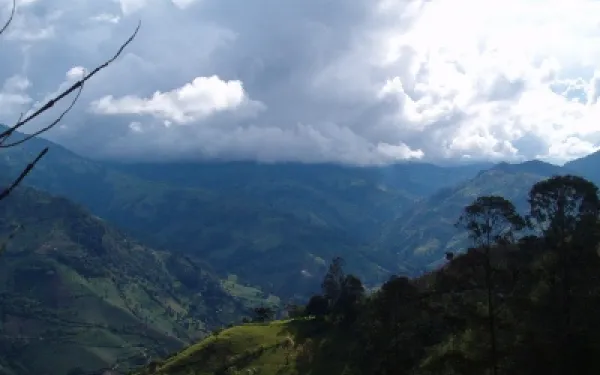
How we protect Andean ecosystems from mining's impacts
Few places in the world are so vulnerable to environmental degradation from mining than Colombia. The country ranks second in coal reserves in South America and is home to what could be one of the largest gold mines in the Americas. This means it is imperative to deal with the environmental problems linked to mining. Paradoxically, Colombia has a rich ecology. This ranges from forests to fragile environments such as páramos, or high-altitude ecosystems that capture water from fog and supply it to lowlands. Both have a rich biodiversity that would suffer devastating impacts from mining. But it’s not just the environment. The ethnic and rural communities that rely on these natural resources for their livelihoods are the most susceptible to mining. AIDA has worked to protect these Andean ecosystems, which are vital sources of water. Due to a shift in national policy from agriculture to mining as Colombia’s economic and industrial priority, the threats of mining are intensifying. In response, AIDA has used political and legal strategies to strengthen and enforce environmental legislation in the country. We have turned to comparative and international law to clarify the country’s legal requirements and establish precedents for the creation of public policies that protect fragile environments from large-scale mining. In this effort, AIDA helped the Inter-Church Commission for Justice and Peace, a Colombian human rights group, to file a lawsuit against the Mandé Norte project of Muriel Mining Corp. in the northeastern department of Chocó. With the resolution of this case (see above, Spanish only), Colombia's Constitutional Court set a crucial precedent. It ruled that indigenous and tribal communities have the right to freely access information about the project and to express their prior consent for the construction of the mine, all while under the protection of national and international laws. Specifically, the court ordered the Colombian government to stop all work on the Mandé Norte mine until the company carried out extensive studies on the potential environmental impacts and made a new and adequate consultation of the affected communities. The Ministry of Interior and the mining company asked the court to reverse its decision. AIDA and other organizations submitted requests (see our interventions, Spanish only) to keep the ruling intact. This finally happened on March 12, 2012 when the court confirmed its decision (see the confirmation of the sentence, Spanish only). To the east of the Mandé Norte project, another such project is threatening the environment and communities in the Santander department. AIDA is working to stop the construction of Angostura, an open-pit gold mine that Canada’s Greystar Resources Ltd. – now called Eco Oro Minerals Corp. – plans to build in the Santurbán páramos, high-altitude wetlands that supply drinking water to 2.2 million Colombians and help to mitigate the effects of climate change. During the environmental licensing process for the project, AIDA helped to demonstrate that Colombia’s legal obligations as well as international norms prohibit mining in the páramos. Based on this argument, Colombia’s Ministry of Environment, Housing and Territorial Development rejected (Spanish only) the environmental impact assessment denied the environmental license for Angostura in May 2011. But as the decision didn’t cancel the mining licenses, Eco Oro said it would seek to build an underground mine. In January 2013, the ministry declared Santurbán a Regional Natural Park, a move that can prevent the development of mining concessions in páramos areas. Through all of this, we found evidence of violations to social and environmental standards in the national and international funding for the Angostura mine by the International Finance Corporation (IFC), an entity of the World Bank Group. Given the alleged noncompliance with these standards, we teamed up with the Center for International Environmental Law (CIEL) and MiningWatch Canada to submit a complaint to the Office of the Compliance Advisor Ombudsman (CAO), the independent complaints office of the IFC. We called for an audit of the project and a subsequent divestment. The CAO decided to audit the investment process. The outcome could set a precedent to ensure that the IFC does not finance mining in páramos, a key decision given that such initiatives are planned elsewhere in Colombia as well as in Ecuador and Peru. In addition to these efforts, AIDA has been actively involved in the debate (Spanish only) concerning a boundary demarcation of Colombia’s páramos as a way to protect these ecosystems. According to Colombian law, the geographical location and characteristics of páramo ecosystems must be mapped out to establish their legal perimeters. Once officially determined, the boundaries will provide the basis for conservation measures, in particular the prevention of activities that cause irreversible damage. Together with prestigious Colombian environmentalists and society as a whole, AIDA has taken action (Spanish only) to press the Ministry of Environment to endorse a demarcation based on scientific criteria by adopting a new atlas of the páramos drawn up by Colombian officials. At the same time, AIDA has worked with other environmental organizations to investigate La Colosa, a mining project that South Africa-based AngloGold Ashanti Ltd. plans to develop in the forest reserves and the large farmlands of Tolima, a central-western department of Colombia. In this case, we have sought a more active and informed participation of citizens and compliance with the highest environmental standards. AIDA also has joined forces with other organizations to file a suit with the goal of analyzing the constitutionality of Colombia’s National Mining Code. The Constitutional Court has set important precedents regarding the need to protect environmentally sensitive areas and the importance of the precautionary principle. It also has set a precedent for ensuring the independence of environmental authorities in regard to mining authorities when it comes to awarding environmental licenses for mining projects. In addition to Colombia, AIDA has been enlisted to help halt the construction of mines in Bolivia, Ecuador, Costa Rica, Mexico, Panama and elsewhere. To do this, AIDA has developed legal and scientific resources from our analysis of case studies and writing of reports. These resources can be useful for protecting the environment and the rural and indigenous communities that are the most affected by mining.
Read more