
Project
Amazon Watch / Maíra Irigaray
Barragem de Belo Monte no rio Xingu: 10 anos de impactos na Amazônia e de busca por reparações
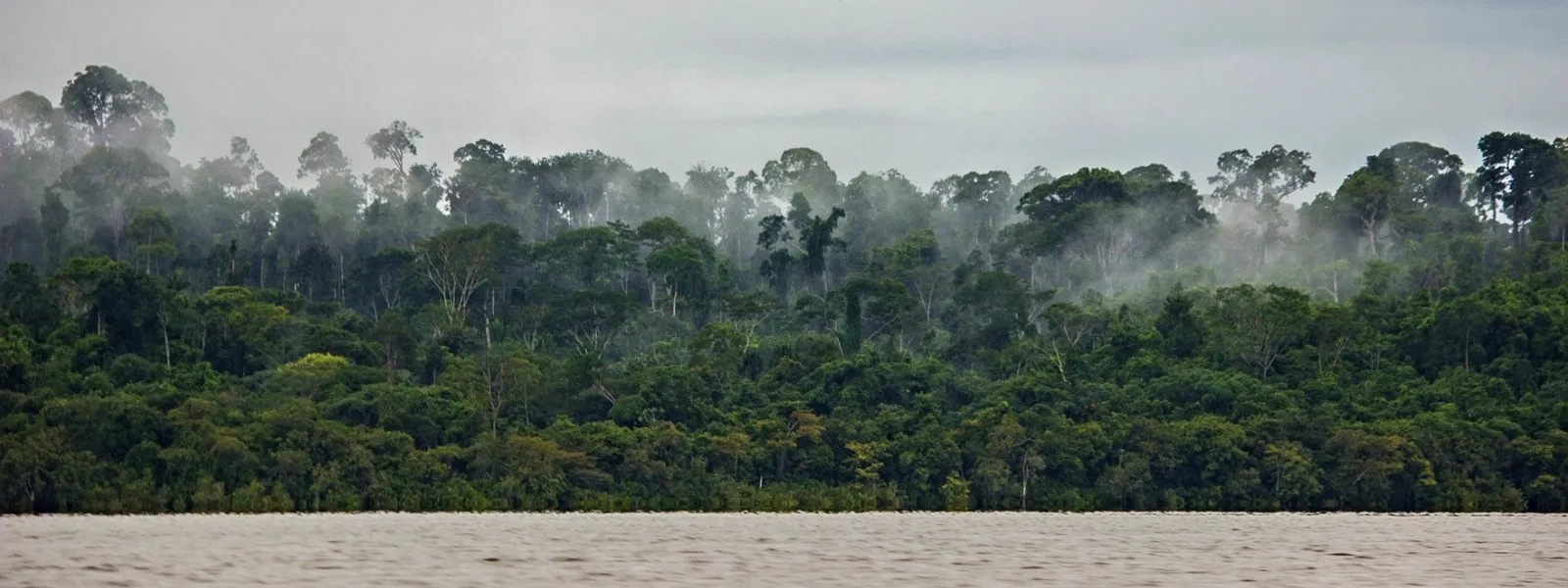
A usina hidrelétrica de Belo Monte causou um desastre ambiental e social no coração da Amazônia: um dos ecossistemas mais importantes do planeta.
Essa situação só piorou desde que a usina começou a operar em 2016. A busca por justiça e reparação para as comunidades indígenas e ribeirinhas afetadas continua até hoje.
Em 2011, a Comissão Interamericana de Direitos Humanos (CIDH) concedeu a essas comunidades medidas de proteção, que até hoje não foram totalmente implementadas pelo Estado brasileiro.
E, desde junho daquele mesmo ano, a CIDH mantém um processo contra o Estado por sua responsabilidade internacional no caso.
A CIDH pode encaminhar o caso à Corte Interamericana de Direitos Humanos, que tem o poder de emitir uma sentença condenatória contra o Estado brasileiro.
Consulta o expediente de fatos do caso
Após 10 anos de operação da usina hidrelétrica e mais de 15 anos de violações de direitos humanos documentadas, é hora da justiça ser feita para as comunidades afetadas.
Leia a carta aberta das organizações que levam o caso à CIDH
Leia nosso comunicado à imprensa
Contexto
A usina hidrelétrica de Belo Monte — a quarta maior do mundo em capacidade instalada (11.233 MW) — foi construída no rio Xingu, no estado do Pará, norte do Brasil.
Foi inaugurada em 5 de maio de 2016, com uma única turbina. Naquela época, 80% do curso do rio foi desviado e 516 km² de terra foram inundados, uma área maior que a cidade de Chicago. Desse total, 400 km² eram de mata nativa. A usina começou a operar em plena capacidade em novembro de 2019.
Belo Monte foi construída e é operada pelo consórcio Norte Energia S.A., composto principalmente por empresas estatais. Foi financiada pelo Banco Nacional de Desenvolvimento Econômico e Social (BNDES), que aportou ao consórcio 25,4 bilhões de reais (aproximadamente US$ 10,16 bilhões), o maior investimento de sua história. Portanto, o BNDES também é legalmente responsável pelos impactos socioambientais associados ao projeto hidrelétrico.
Décadas de danos ambientais e humanos
As violações dos direitos humanos e a degradação da Amazônia remontam ao início do projeto. Em março de 2011, a Norte Energia iniciou a construção da barragem sem consulta adequada e sem o consentimento prévio, livre e informado das comunidades afetadas.
A construção levou ao deslocamento forçado de mais de 40.000 pessoas, rompendo laços sociais e culturais. O plano de reassentamento em Altamira — cidade diretamente afetada pelo projeto hidrelétrico — incluía moradias na periferia da cidade, sem serviços públicos adequados, moradias dignas para as famílias reassentadas e moradias diferenciadas para aqueles pertencentes a comunidades indígenas.
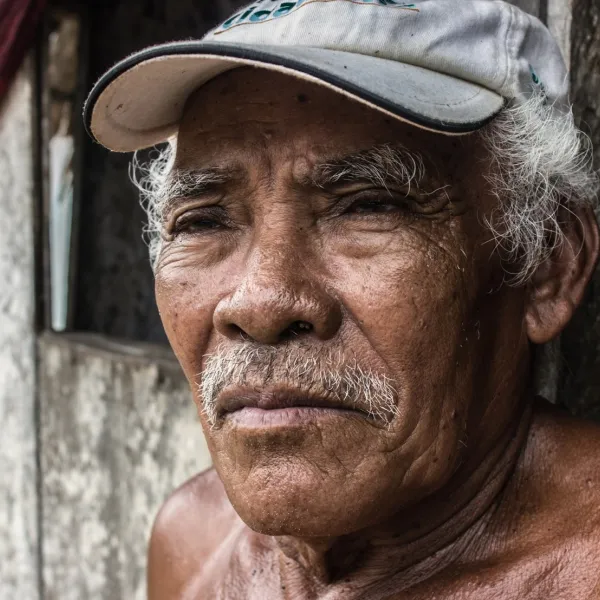
A operação da barragem de Belo Monte impôs uma seca permanente e artificial na Volta Grande do rio Xingu, agravada pelas secas históricas na Amazônia em 2023 e 2024. Como resultado, a morte de milhões de ovos de peixe foi documentada por quatro anos consecutivos (de 2021 a 2024) e, nos últimos três anos, não houve migração de peixes rio acima para desovar e se reproduzir. Assim, a pesca artesanal, principal fonte de proteína para os povos indígenas e comunidades ribeirinhas, foi severamente afetada: o consumo de peixe caiu de 50% para 30% do total de proteínas consumidas, sendo substituído por alimentos processados. Em suma, houve um colapso ambiental e humanitário que resultou no colapso da pesca como modo de vida tradicional, insegurança alimentar e falta de acesso à água potável para milhares de famílias, empobrecimento e doenças.
Além disso, a construção da barragem aumentou o desmatamento e intensificou a extração ilegal de madeira e a insegurança em terras indígenas e tribais, colocando em risco a sobrevivência dessas comunidades. Outra consequência foi o agravamento da pobreza e dos conflitos sociais, bem como a sobrecarga dos sistemas de saúde, educação e segurança pública em Altamira, cidade considerada a mais violenta do país em 2017, onde houve aumento do tráfico de pessoas e da violência sexual. Também foram registrados casos de violência contra defensores de direitos humanos envolvidos no caso.
Em 2025, durante a 30ª Conferência das Nações Unidas sobre Mudanças Climáticas (COP30), realizada no Brasil, o Ministério Público Federal classificou os danos causados por Belo Monte como ecocídio.
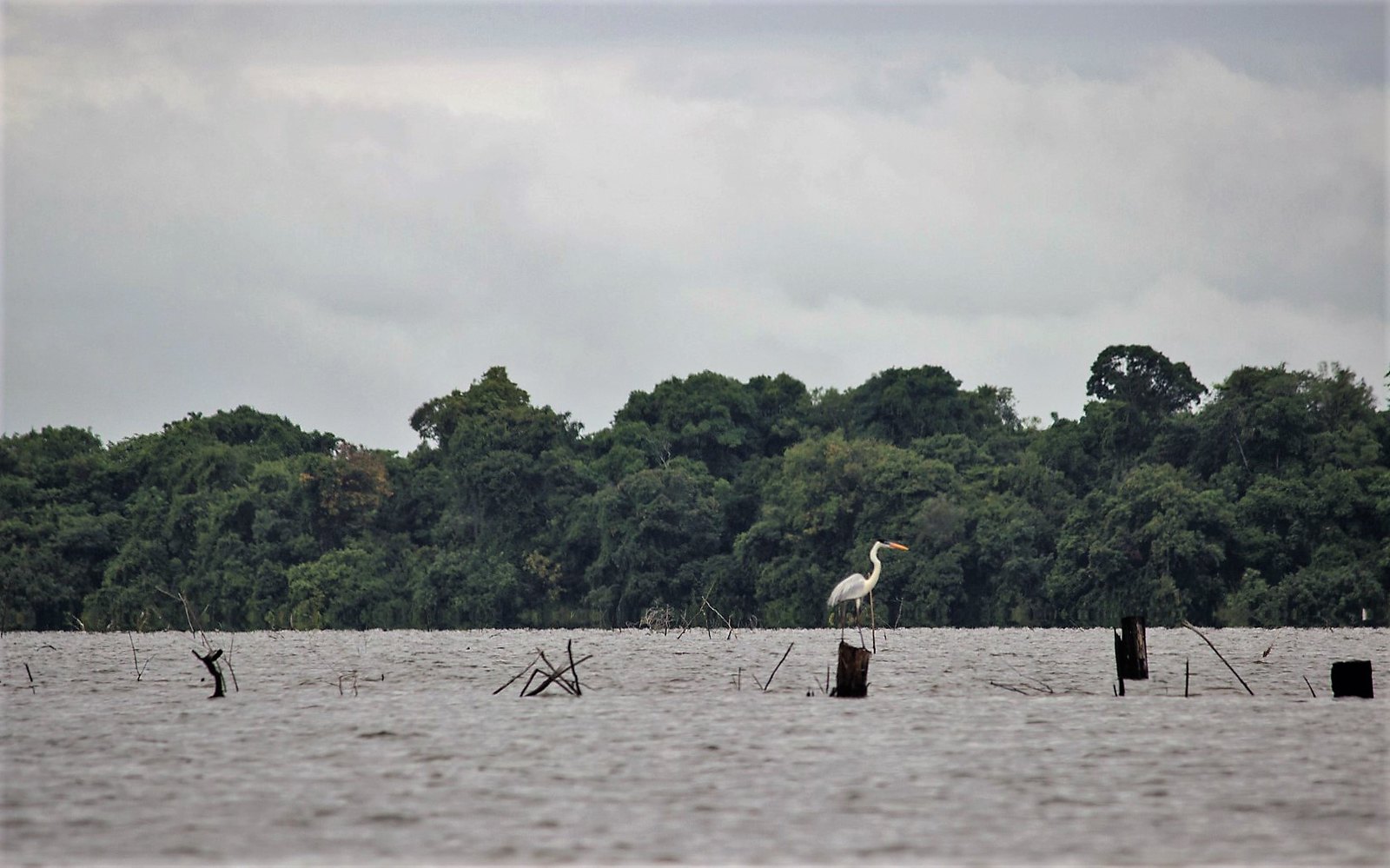
Foto: Amazon Watch / Maíra Irigaray.
A busca por justiça e reparação
Ao longo dos anos, o Ministério Público Federal do Pará, a Defensoria Pública e organizações da sociedade civil impetraram dezenas de ações judiciais em tribunais brasileiros para contestar as diversas irregularidades do projeto, bem como seus impactos. A maioria das ações permanece sem solução, algumas há mais de 10 anos.
Essas ações não obtiveram sucesso porque o governo federal tem reiteradamente anulado decisões favoráveis às comunidades afetadas, recorrendo a um mecanismo pelo qual o presidente do Supremo Tribunal Federal pode suspender uma decisão judicial com base unicamente em argumentos genéricos como "interesse nacional" ou "ordem econômica".
Diante da falta de respostas eficazes em nível nacional, a AIDA — juntamente com uma coalizão de organizações aliadas — levou o caso à Comissão Interamericana de Direitos Humanos (CIDH) e, em 2010, solicitou medidas cautelares para proteger a vida, a integridade e a saúde das comunidades indígenas afetadas.
Em 1º de abril de 2011, a CIDH concedeu essas medidas e solicitou ao Estado brasileiro a suspensão das licenças ambientais e de quaisquer obras de construção até que as condições relativas à consulta prévia e à proteção da saúde e integridade das comunidades fossem atendidas.
E, em 16 de junho de 2011, apresentamos uma denúncia formal à CIDH — juntamente com o Movimento Xingu Vivo Para Siempre, a Coordenação das Organizações Indígenas da Amazônia Brasileira, a Diocese de Altamira, o Conselho Missionário Indígena, a Sociedade Pará de Defesa dos Direitos Humanos e a Global Justice — contra o Estado brasileiro por sua responsabilidade internacional nas violações de direitos humanos contra os povos afetados neste caso. A denúncia foi apresentada em dezembro de 2015.
Em 3 de agosto de 2011, a CIDH modificou as medidas cautelares para solicitar — em vez da suspensão de licenças e obras — a proteção dos povos que vivem em isolamento voluntário, a saúde das comunidades indígenas e a regularização e proteção das terras ancestrais.
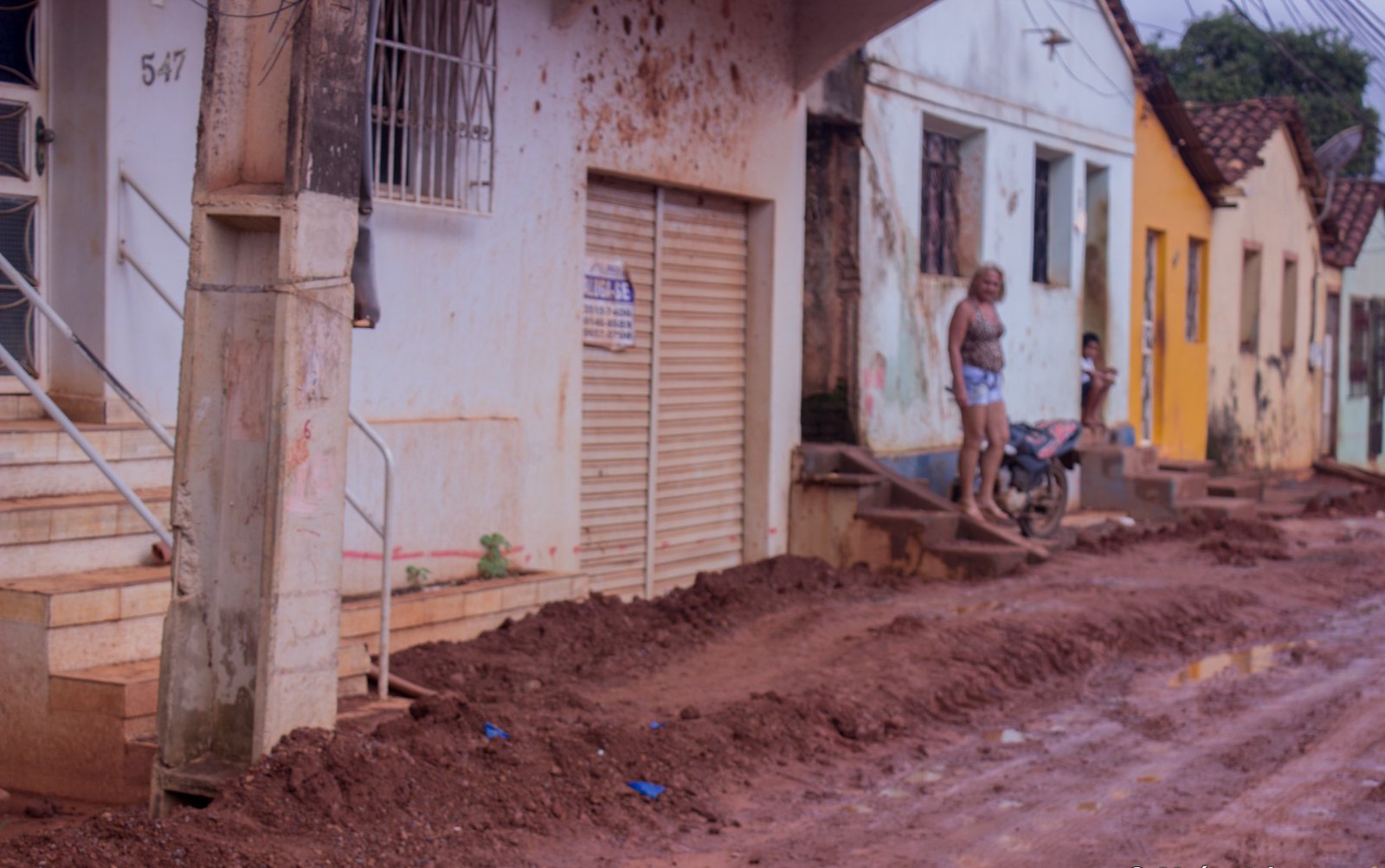
Foto: Amazon Watch / Maíra Irigaray.
Situação atual
As medidas de proteção concedidas pela CIDH permanecem em vigor, mas o Estado brasileiro não as cumpriu integralmente, relatando apenas ações genéricas. As comunidades documentaram as contínuas violações de seus direitos. A situação que motivou o pedido dessas medidas — o risco à vida, à segurança e aos meios de subsistência das comunidades — persiste e se agravou com a usina hidrelétrica operando em plena capacidade e com as recentes secas extremas na Amazônia.
Além do ocorrido em Belo Monte, existe o risco de maiores danos sociais e ambientais decorrentes da implementação de outro megaprojeto de mineração na Volta Grande do Xingu. Lá, a empresa canadense Belo Sun pretende construir a maior mina de ouro a céu aberto do Brasil.
Os impactos sinérgicos e cumulativos da usina e da mina não foram avaliados. O Estado excluiu povos indígenas, comunidades ribeirinhas e comunidades camponesas do processo de licenciamento ambiental do projeto. Apesar disso, dos protestos indígenas e de outras irregularidades em torno do projeto, o governo do estado do Pará autorizou formalmente a mina em abril de 2026.
Belo Monte, assim como outras usinas hidrelétricas, agrava a emergência climática ao gerar emissões de gases de efeito estufa em seu reservatório. Além disso, é ineficiente diante das secas prolongadas e intensas causadas pela crise, pois perde capacidade de geração de energia.
O caso perante a Comissão Interamericana
Em outubro de 2017, a CIDH anunciou que decidiria conjuntamente sobre a admissibilidade (se o caso preenche os requisitos para admissão) e o mérito (se houve, de fato, violação de direitos humanos) da denúncia internacional contra o Estado brasileiro.
Quinze anos após a apresentação da denúncia, as comunidades afetadas e as organizações que as representam ainda aguardam essa decisão. Caso a CIDH conclua que houve violações de direitos humanos e emita recomendações que o Estado brasileiro não cumpra, poderá encaminhar o caso à Corte Interamericana de Direitos Humanos, cujas decisões são vinculativas.
Uma possível decisão da Corte Internacional de Direitos Humanos neste caso estabeleceria um precedente jurídico regional em relação aos direitos dos povos indígenas e ribeirinhos, à participação pública em megaprojetos e à responsabilidade do Estado no contexto da crise climática. Isso é particularmente relevante à luz do Parecer Consultivo nº 32 da Corte, que reafirmou as obrigações dos Estados de proteger pessoas e comunidades em todo o continente da emergência climática.
Partners:
Related projects
The Colombian Government Should Reject the Angosture Mining Project in the Páramos (Spanish Text Only)
PARA PUBLICACION INMEDIATA CONTACTO: Natalia Jiménez, [email protected] Teléfono: (+57) 310-5734176 El Estado colombiano debe rechazar proyecto de gran minería de oro "Angostura" en zona de páramo Desconocería obligaciones constitucionales internacionales Marzo 4 de 2011, Bucaramanga, Colombia – Hoy, La Asociación Interamericana para la Defensa del Ambiente (AIDA) instará al gobierno colombiano a detener un proyecto de gran minería de oro y otros metales que sería un precedente perjudicial para los ecosistemas frágiles en América Latina. El proyecto de minería a cielo abierto Angostura, planeado en el páramo de Santurbán, se encuentra en proceso de aprobación por parte del Ministerio de Ambiente, Vivienda y Desarrollo Territorial colombiano. Hoy se celebra una audiencia pública en la que el Ministerio recibirá argumentos de diferentes sectores. AIDA argumentará que las obligaciones internacionales y constitucionales del Estado colombiano de proteger el ambiente, especialmente áreas de gran importancia ecológica como los páramos, impiden la autorización. "Los páramos son ecosistemas altamente frágiles y la minería a cielo abierto causaría daños graves e irreversibles," dijo Natalia Jiménez, abogada de AIDA. "De acuerdo con la Constitución Política y los Principios de Río, la Convención de Biodiversidad y la de Cambio Climático, todos ratificados por Colombia, el Estado está obligado a conservar los páramos y procurar su intangibilidad." De ser aprobado el proyecto Angostura afectaría de forma definitiva por lo menos 575 ha del páramo de Santurbán (más del 50%), pudiendo afectar un área mayor. En Colombia, como en el resto de la región Andina en los páramos se origina la mayor parte del agua dulce que consumen los habitantes. Tienen una alta capacidad de purificar el ambiente, de estabilizar los suelos y el clima, de prevenir los deslaves y los derrumbes y de contener un alto nivel de animales y plantas. En efecto, son el hábitat de especies únicas en el mundo como el oso de anteojos y el cóndor de los Andes. La Procuraduría General de Colombia, miembros del Parlamento Andino y ex ministros de ambiente, así como organizaciones y expertos ambientales se oponen a la licencia. El proyecto carece de un adecuado Estudio de Impacto Ambiental integral, pues los impactos de la mina y los de la infraestructura complementaria, se analizan en dos procesos de forma fragmentada. Por ello, AIDA también solicita que el Ministerio los unifique y analice el impacto global del proyecto. Así lo ordenan los estándares internacionales y la Corte Suprema de Canadá, país de origen de la empresa Greystar Resources Ltds. que promueve el proyecto. La misión de AIDA es fortalecer la capacidad de las personas para garantizar su derecho individual y colectivo a un ambiente sano por medio del desarrollo, aplicación y cumplimiento efectivo de la legislación nacional e internacional. La protección de agua dulce es una de nuestras líneas mediante la cual buscamos proteger el derecho al agua y asegurar recursos de agua dulce adecuados para las comunidades y los ecosistemas en las Américas. AIDA, 426 17th Street, Oakland, CA 94612 T. (510) 550-6753, F. (510) 550-6740 AIDA Atlixco 138, Col. Condesa, México, DF, 06140, T/F (5255) 52120141 AIDA Diagonal 40 A No 14 – 75, Tel. (57 1) 3381277, Bogotá - Colombia AIDA Costa Rica, San Pedro c/o Centro de Derecho Ambiental y de los Recursos Naturales (CEDARENA) T. (506) 22837080 E-mail: [email protected], Website: www.aida-americas.org
Read moreCosta Rica's High Court Annuls Industrias Infinito's Crucitas Mining Project Concession
25th November, 2010, San José, Costa Rica – The Costa Rican Administrative Court set a historical precedent in the region yesterday when it annulled the concession granted to Industrias Infinito for the development of the Crucitas Gold Mining Project in Curtis, San Carlos. The Court annulled the concession because it violates environmental regulations, and because of the environmental damage caused by the project. “We welcome the Court’s decision because it regulates a project that attempted to go against national and international norms,” said Gladys Martínez J.D., lawyer for the Interamerican Association for Environmental Defense (AIDA). “We congratulate each and every one of the national environmental organizations that participated in this judicial process, and especially our partner organization the Centre for Environmental Law and Natural Resources (CEDARENA), for their undying efforts in defense of the environment” added Martínez. “We hope that Costa Rica’s example is followed by other nations,” said Astrid Puentes R., Co-Director of AIDA. “Open-pit mines can cause irreparable environmental damage and human rights violations, so compliance with norms and regulations is of the upmost importance,” added Puentes. In August 2008, AIDA sent to then-President of Costa Rica Oscar Arias a document that warned about the international regulations that the Crucitas Project would violate, given the possible impacts on Nicaraguan territory and the San Juan River. AIDA’s efforts and arguments are in line with the recent Court decision, which reiterates the importance of complying with such regulations. In fact, the Court recommended the criminal investigation of the ex-President Arias for having authorized the project, regardless of norms, through an executive decree. AIDA is a nongovernmental international environmental law organization that has fought for the prevention of negative environmental impacts from the open-pit-mining industry in South America. As part of its mission to protect people’s right to a healthy environment, AIDA works alongside partner organizations on the continent, as well as with other organizations and communities. To find out more about our efforts to prevent harmful mining projects, visit http://www.aida-americas.org/en/freshwater
Read moreIndigenous and Riverbank Communities Call on the Inter-American Commission on Human Rights to Suspend the Massive Belo Monte Dam in the Brazilian Amazon
FOR IMMEDIATE RELEASE November 11, 2010 Media Contacts: Astrid Puentes, AIDA - +1 510 984 4610, [email protected] Andressa Caldas, Justiça Global: +55 21 2544 2320 / 21 8187 0794, [email protected] Renata Pinheiro, Xingu Alive Forever Movement: + 55 93 9172 9776, [email protected] Christian Poirier, Amazon Watch: +1 510-666-7565, [email protected] As the government prepares to issue the dam’s construction license, communities urge the Commission to denounce illegalities in licensing and violations of human rights Washington, D.C., Brazil- Today international and Brazilian human rights and environmental organizations submitted a formal petition to the Inter-American Commission on Human Rights (IACHR), denouncing grave and imminent violations upon the rights of indigenous and riverine communities that will be affected by the construction of Belo Monte Dam Complex on the Xingu River in the Brazilian Amazon. Signed by the Xingu Alive Forever Movement as well as the representatives of affected communities – the Conselho Indigenista Missionário (CIMI), Coordenação das Organizações Indígenas da Amazônia Brasileira (COIAB), Prelazia do Xingu, Sociedade Paraense de Direitos Humanos (SDDH), Justiça Global, and the Interamerican Association for Environmental Defense (AIDA) – with the support of over twenty organizations and social movements, the petition urgently calls on the Commission to adopt “precautionary measures” that would compel the Brazilian government to halt plans to build the dam, slated to be world’s 3rd largest. The petition documents the Brazilian government’s violation of international treaties, ignoring the fundamental rights of indigenous peoples from the lower Xingu Basin, including the Arroz Cru, Arara da Volta Grande, Juruna do Km 17 and Ramal pas Penas communities. It also highlights major threats posed by the Belo Monte Dam, including forced displacement of communities without insuring their free, prior and informed consent, threats to food security and access to drinking water. “The government claims that the Juruna will not be affected, but we do not believe this. We have not been consulted and we do not want the government to speak for us,” said Sheyla Juruna, member of a Juruna indigenous community that will be affected by Belo Monte. “We are against the Belo Monte Dam and we are committed to fight with our bodies and souls to defend our lives and the life of our river.” The IACHR petition comes on the same week as prosecutors from Brazil’s Federal Public Ministry (MPF) sent a document to Brazil’s environmental agency IBAMA advising that the agency not issue an installation license until the dam-building consortium Norte Energia can comply with an obligatory set of social and environmental conditions. Norte Energia and the Brazilian government have been pushing IBAMA to issue a “partial” installation license, which would allow the project to break ground without complying with legally binding conditions on the dam’s provisional license. Based on assessments from government agencies – like IBAMA [Brazil’s environmental agency] and the Federal Public Ministry – and those from groups of specialists, the organizations affirm that the construction of Belo Monte will increase illness and poverty, while causing a surge of disorderly migration to the region that will overload health, education, and public safety infrastructure. The petition concludes: "Despite the gravity and irreversibility of the impacts of the project to local communities, there were no appropriate measures taken to ensure the protection of human rights and the environment." “It worries us how the Brazilian government is ignoring national and international standards to accelerate this project, even at the expense of human rights and the environment,” affirmed Astrid Puentes Riaño, the co-Director of the Interamerican Association for Environmental Defense (AIDA). “Moving forward without taking precautions required by international norms will only result in human rights violations and the irreversible destruction of a critically important region of the Amazon.” In addition to calling attention to the illegalities and human rights violations associated with the Belo Monte Dam, the petition cites an important precedent, pointing out that in 2009 the IACHR implemented similar precautionary measures, leading to the suspension of the Chan-75 hydroelectric dam in Panama due to possible violations of indigenous communities’ rights. ### For more information on the Belo Monte Dam, visit: http://xingu-vivo.blogspot.com http://www.aida-americas.org http://www.internationalrivers.org http://amazonwatch.org /
Read more