
Project
RA Killmer_CC BY-NC-ND 2.0Protecting herbivorous fish, to secure a future for corals
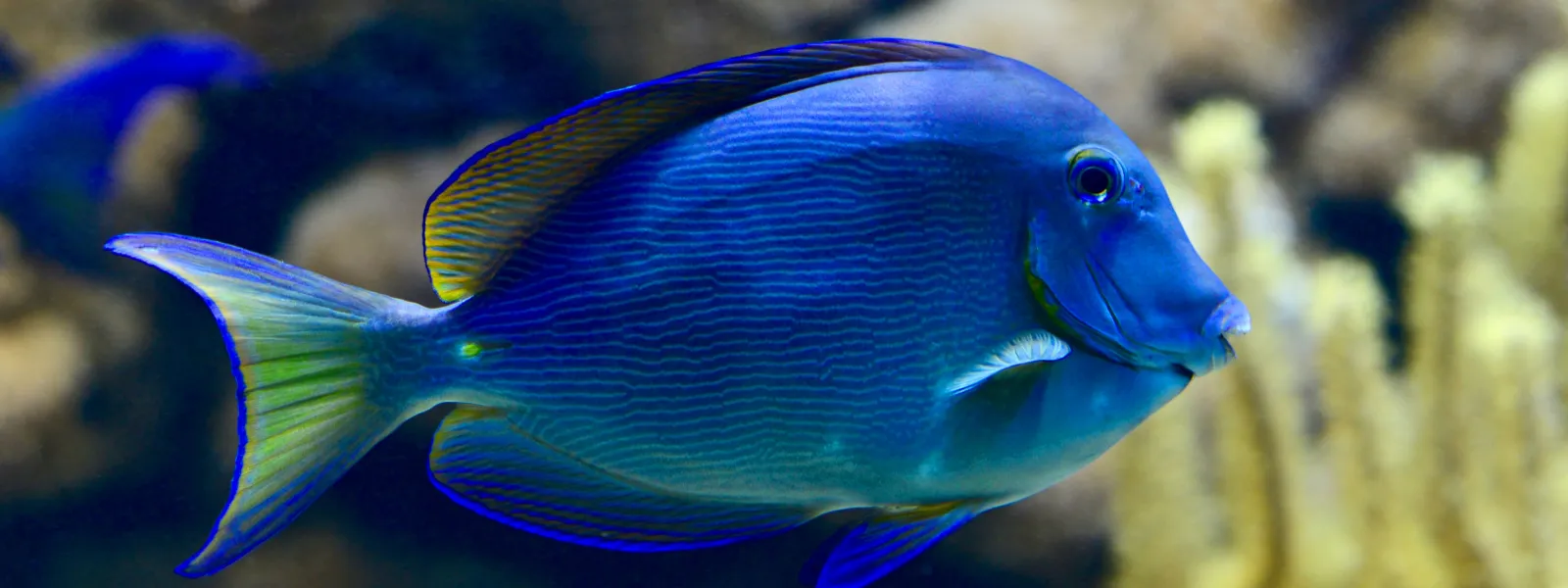
Herbivorous fish rarely go unnoticed. Their brilliant colors illuminate the reef to the delight of scuba divers. But more importantly, these iconic fish are also vital for the conservation of coral reefs.
Herbivorous fish feed on the algae that grow on corals and compete with them for light and oxygen. By eating the algae, these tiny fish play a big role in the survival of the entire ecosystem.
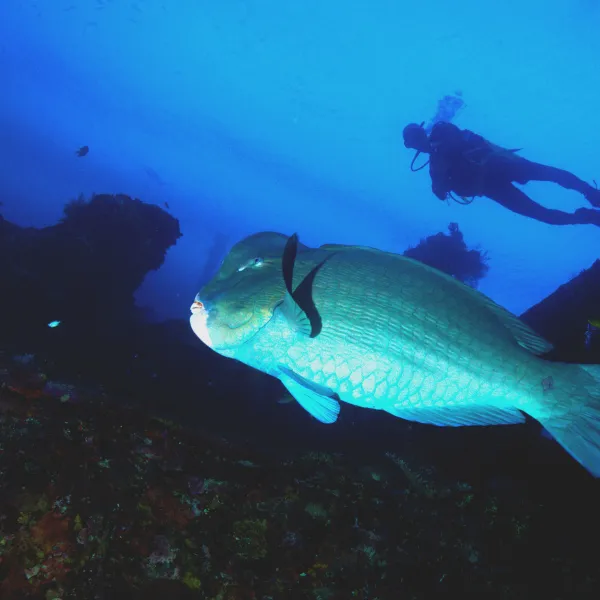
Species of these herbivorous fish include: parrotfish, which eat corals that break off the reef and excrete them as white sand; damselfish, which fend off the macro algae growth that kills coral; and surgeonfish, whose most famous representative is Dory from Finding Nemo.
But corals are quickly losing their greatest allies. Populations of herbivorous fish are dwindling, particularly in the Caribbean.
The overfishing of commercial species is driving artisanal fishermen to capture even the youngest herbivorous fish, preventing those species from replenishing their numbers.
The loss of these fish is one more threat to coral reefs, already fragile ecosystems that are increasingly vulnerable to climate change. Preserving our reefs will ensure we continue to enjoy the services they provide. Among other things, coral reefs act as fish hatcheries, natural barriers against storms and hurricanes, and the source of medicines that treat illnesses like cancer and Alzheimer’s.
Related projects
AIDA presents report at Durban linking climate change to decline of human rights in Latin America
Calls for measures to protect the human rights of the most vulnerable communities. Durban, South Africa – On Wednesday, December 7, 2011, the Interamerican Association for Environmental Defense (AIDA) presented delegates at climate meetings in Durban, South Africa with a report detailing the negative effects of climate change on human rights to life, access to water, health, food, and housing for millions of people in Latin America. “Climate change causes the greatest harm to the human rights of those who are least responsible for greenhouse gas emissions – vulnerable and historically disadvantaged communities such as peasant farmers, indigenous peoples, and the urban poor,” said AIDA staff attorney Jacob Kopas. “Governments disproportionately responsible for historical and current emissions have an international obligation to contribute more to lasting solutions.” The most troubling of the impacts detailed by the report is a dramatic reduction in access to freshwater in Latin America. Increased melting of glaciers, degradation of high-mountain páramo wetlands, erratic weather patterns and severe droughts will limit dry-season access to water for up to 50 million people in the Tropical Andean region by 2050. Other impacts include heavier rains and flooding, which affected 2.2 million people and caused $300 million of damages in Colombia alone in 2010, and the loss of 80% of Caribbean coral reefs due in large part to warming ocean temperatures and ocean acidification. “The parties must understand that the climate change problem can no longer be ignored. We need to act now to help the world’s most affected communities cope with climate change by securing urgent yet attainable solutions like the Green Climate Fund here in Durban,” said AIDA attorney Andrés Pirazzoli, who distributed the report to delegates at the meeting. AIDA backs the Green Climate Fund, which would finance low-carbon technology adoption and adaptation programs in the developing world. AIDA issued the report this week to inform an investigation by the Inter-American Commission on Human Rights (IACHR) on the link between climate change and human rights. The report calls for a binding climate treaty and for the biggest emitters to pay for adaptation and mitigation measures in the developing world.
Read moreAIDA presents report at Durban linking climate change to decline of human rights in Latin America
Calls for measures to protect the human rights of the most vulnerable communities. Durban, South Africa – On Wednesday, December 7, 2011, the Interamerican Association for Environmental Defense (AIDA) presented delegates at climate meetings in Durban, South Africa with a report detailing the negative effects of climate change on human rights to life, access to water, health, food, and housing for millions of people in Latin America. “Climate change causes the greatest harm to the human rights of those who are least responsible for greenhouse gas emissions – vulnerable and historically disadvantaged communities such as peasant farmers, indigenous peoples, and the urban poor,” said AIDA staff attorney Jacob Kopas. “Governments disproportionately responsible for historical and current emissions have an international obligation to contribute more to lasting solutions.” The most troubling of the impacts detailed by the report is a dramatic reduction in access to freshwater in Latin America. Increased melting of glaciers, degradation of high-mountain páramo wetlands, erratic weather patterns and severe droughts will limit dry-season access to water for up to 50 million people in the Tropical Andean region by 2050. Other impacts include heavier rains and flooding, which affected 2.2 million people and caused $300 million of damages in Colombia alone in 2010, and the loss of 80% of Caribbean coral reefs due in large part to warming ocean temperatures and ocean acidification. “The parties must understand that the climate change problem can no longer be ignored. We need to act now to help the world’s most affected communities cope with climate change by securing urgent yet attainable solutions like the Green Climate Fund here in Durban,” said AIDA attorney Andrés Pirazzoli, who distributed the report to delegates at the meeting. AIDA backs the Green Climate Fund, which would finance low-carbon technology adoption and adaptation programs in the developing world. AIDA issued the report this week to inform an investigation by the Inter-American Commission on Human Rights (IACHR) on the link between climate change and human rights. The report calls for a binding climate treaty and for the biggest emitters to pay for adaptation and mitigation measures in the developing world.
Read moreAIDA presents report at Durban linking climate change to decline of human rights in Latin America
Calls for measures to protect the human rights of the most vulnerable communities. Durban, South Africa – On Wednesday, December 7, 2011, the Interamerican Association for Environmental Defense (AIDA) presented delegates at climate meetings in Durban, South Africa with a report detailing the negative effects of climate change on human rights to life, access to water, health, food, and housing for millions of people in Latin America. “Climate change causes the greatest harm to the human rights of those who are least responsible for greenhouse gas emissions – vulnerable and historically disadvantaged communities such as peasant farmers, indigenous peoples, and the urban poor,” said AIDA staff attorney Jacob Kopas. “Governments disproportionately responsible for historical and current emissions have an international obligation to contribute more to lasting solutions.” The most troubling of the impacts detailed by the report is a dramatic reduction in access to freshwater in Latin America. Increased melting of glaciers, degradation of high-mountain páramo wetlands, erratic weather patterns and severe droughts will limit dry-season access to water for up to 50 million people in the Tropical Andean region by 2050. Other impacts include heavier rains and flooding, which affected 2.2 million people and caused $300 million of damages in Colombia alone in 2010, and the loss of 80% of Caribbean coral reefs due in large part to warming ocean temperatures and ocean acidification. “The parties must understand that the climate change problem can no longer be ignored. We need to act now to help the world’s most affected communities cope with climate change by securing urgent yet attainable solutions like the Green Climate Fund here in Durban,” said AIDA attorney Andrés Pirazzoli, who distributed the report to delegates at the meeting. AIDA backs the Green Climate Fund, which would finance low-carbon technology adoption and adaptation programs in the developing world. AIDA issued the report this week to inform an investigation by the Inter-American Commission on Human Rights (IACHR) on the link between climate change and human rights. The report calls for a binding climate treaty and for the biggest emitters to pay for adaptation and mitigation measures in the developing world.
Read more