
Project
Alberto Peña Kay
Protecting the Santurban páramo from mining's damage
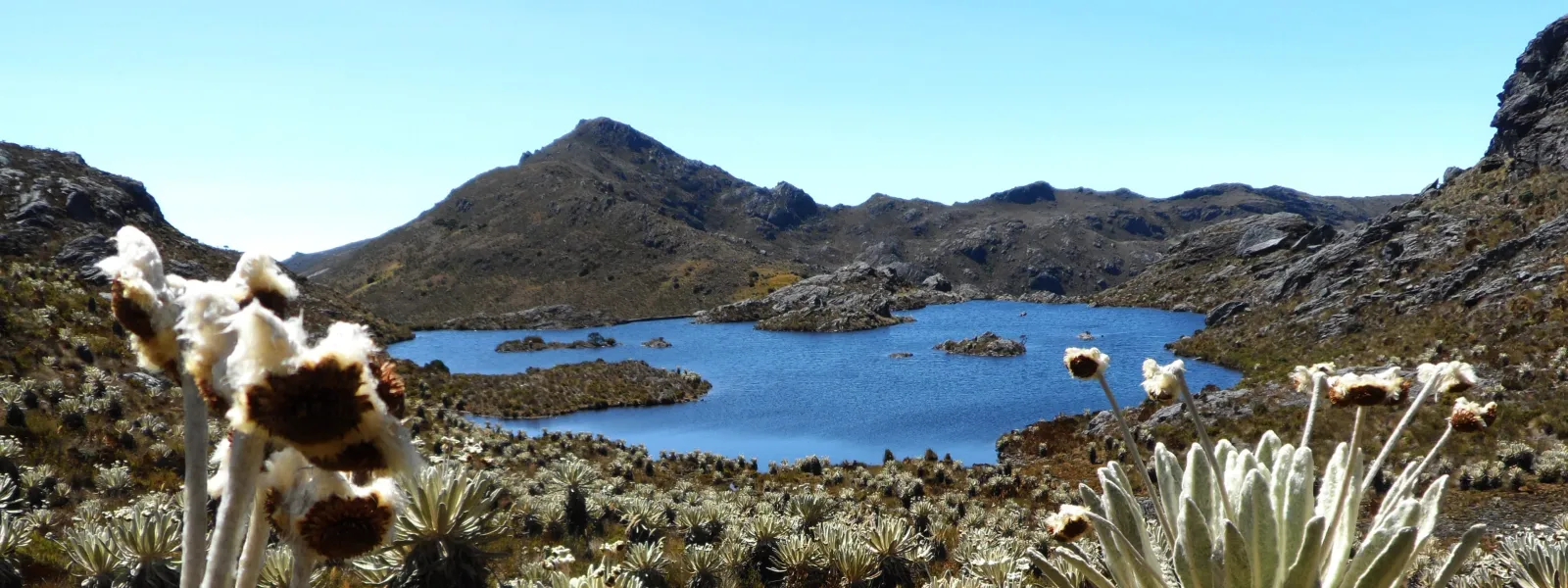
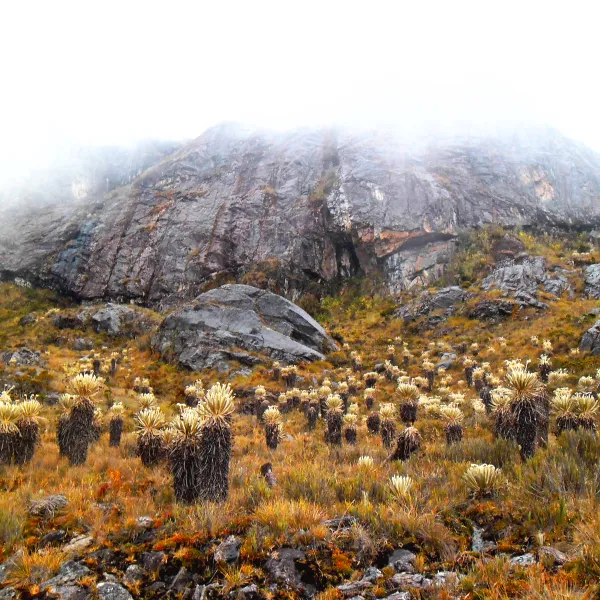
In the Andean region, high-mountain ecosystems known as páramos capture water from the fog and supply it to the lowlands. One such ecosystem is the Santurbán páramo, which provides fresh water to more than two million people in Colombia.
Santurbán, like the other páramos on the continent, also captures large amounts of carbon, making it a key ally in mitigating the climate crisis. It is also a refuge for hundreds of endangered species, including the iconic spectacled bear.
The land in and around the páramo contains gold and other minerals. This has put Santurbán in the spotlight of the multinational mining industry, which for decades has sought to establish large-scale projects in the ecosystem that threaten to degrade it.
The Committee for the Defense of Water and the Santurbán Páramo—a coalition of environmental advocates—has thwarted these ongoing attempts, with support from AIDA and other civil society organizations.
Background
The Santurbán páramo is located in the heart of the Eastern Cordillera of the Colombian Andes, in the departments of Santander and Norte de Santander, at an elevation ranging from 2,200 to 4,290 meters above sea level.
It covers an area of 129,743 hectares and is home to 57 lakes. It serves as a habitat for 457 plant species and 293 species of vertebrate fauna.
There are mineral deposits in Santurbán, primarily gold, but also silver and copper. This explains the region’s mining tradition, particularly in the part of the páramo located in Santander, in the province of Soto Norte. The communities in the area have built their culture and identity around gold mining, which is mainly artisanal and small-scale.
But since the 1990s, the gold deposits in the páramo have also attracted foreign mining conglomerates seeking to develop large-scale projects. This has raised concerns among the population that relies on the Santurbán water sources, who have mobilized in defense of water, their land, and life.
Although national and international regulations prohibit mining in páramos, the Colombian government has granted mining concessions to transnational corporations in Santurbán.
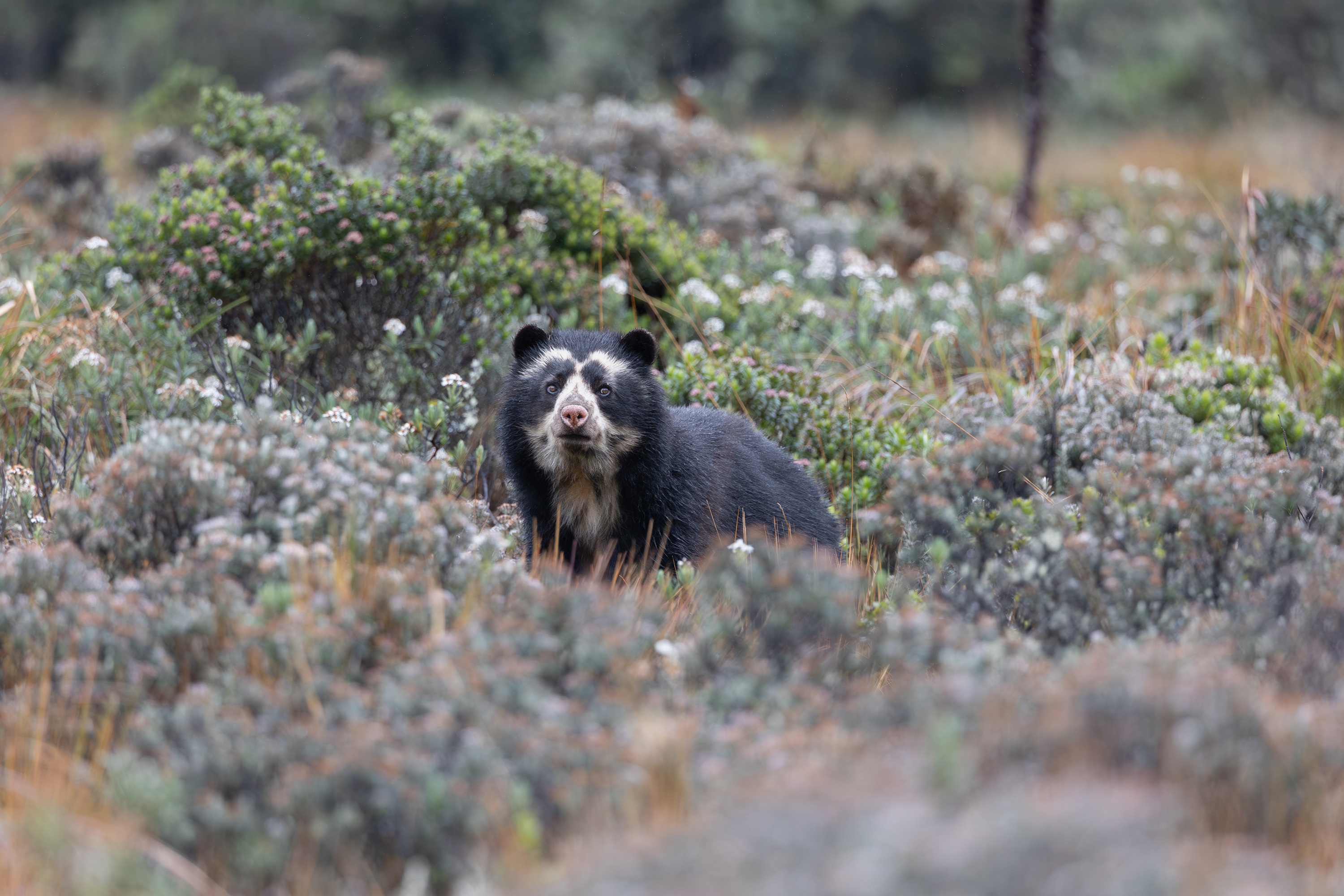
Photo: Keishpixl / Pixabay.
The long struggle to protect the páramo
One of the companies that sought to develop large-scale mining in Santurbán is Eco Oro Minerals Corp.—formerly Greystar Resources—a Canadian company that intended to establish the Angostura open-pit mine there to extract gold and silver. Between 1994 and 1995, the company acquired its mining titles and conducted exploration. And in 2010, it applied for a mining permit.
That was the year AIDA became involved in defending the ecosystem, supporting the Committee for the Defense of Water and the Santurbán Páramo. Our legal work helped convince the Colombian government to deny the mine an environmental permit in May 2011.
In January 2013, the government designated a portion of the páramo (11,700 hectares) as a Regional Natural Park. That year—together with the committee and partner organizations—we carried out a campaign and advocacy efforts to urge the government to recognize the entire Santurbán area as a páramo ecosystem through a delimitation based on scientific criteria. In December 2014, the Ministry of the Environment established a delimitation that protected 76% of the páramo (98,954 hectares).
Furthermore, as a result of a litigation supported by AIDA, in February 2016, Colombia’s highest court reaffirmed that mining in páramos is prohibited.
That same year, in December, the International Finance Corporation (IFC), the World Bank Group’s private sector arm, decided to divest from Eco Oro Minerals. This achievement was the result of a process that began in 2012, when the committee—advised and supported by AIDA and international partner organizations—filed a complaint before an independent accountability mechanism, which concluded that the IFC’s investment in the Angostura project failed to take into account the project’s social and environmental impacts, thereby contradicting the financial institution’s internal policies.
Also in 2016, Eco Oro Minerals filed an arbitration claim against the Colombian government with the International Centre for Settlement of Investment Disputes (ICSID), arguing that it had been adversely affected by government decisions aimed at protecting the country’s páramos, including the delimitation of Santurbán.
In 2017, the Constitutional Court invalidated the delimitation because the affected communities were not consulted. The high court ordered that a participatory delimitation be carried out.
And that year, a new threat to Santurbán emerged when the Canadian multinational Aris Mining applied for an environmental permit for Soto Norte, a gold mining project located near the páramo. Following citizen protests and technical objections, in October 2020, the National Environmental Licensing Authority shelved the project.
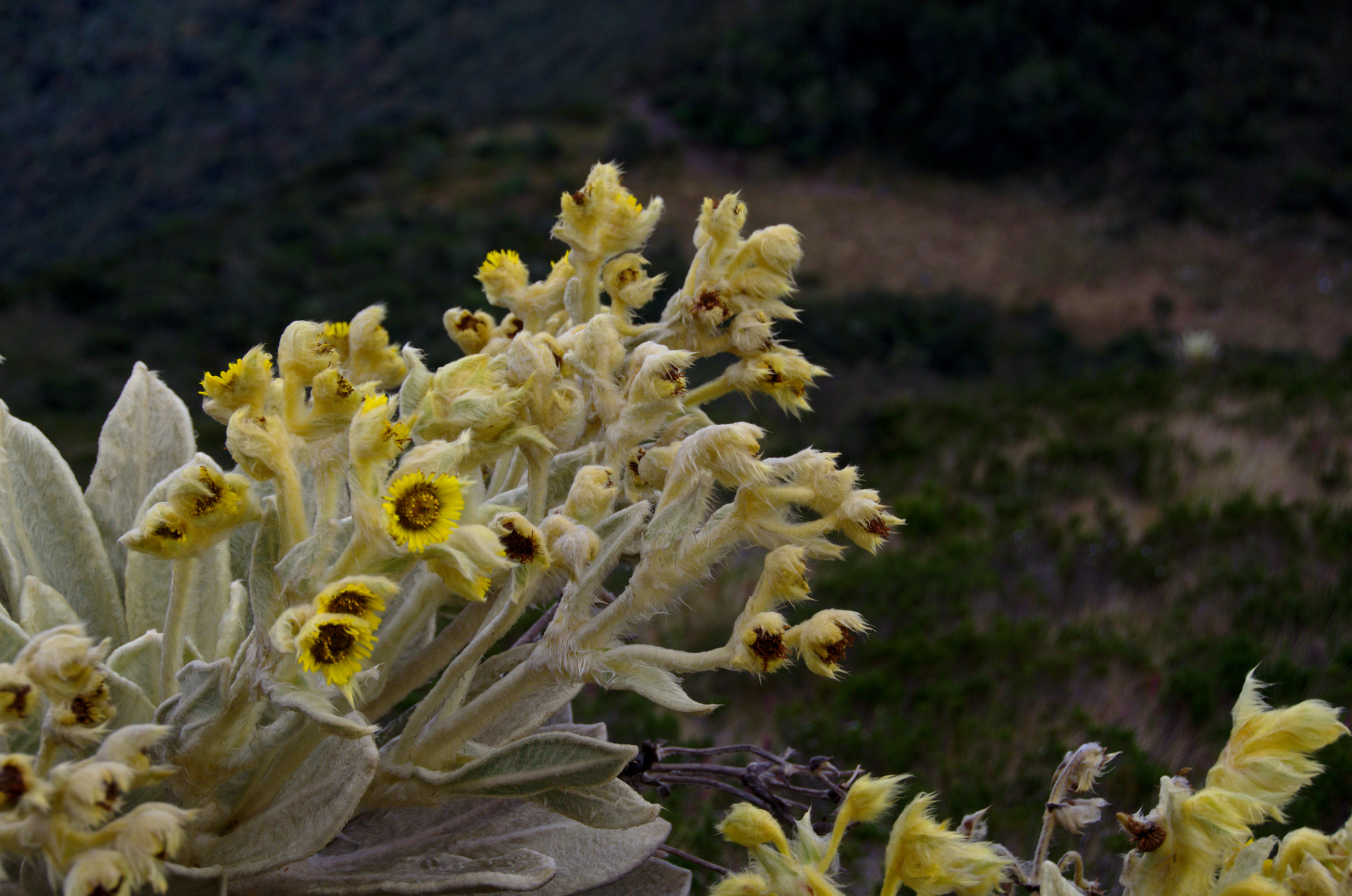
Photo: Aztlec.
Current situation
In March 2025, the Colombian government designated the western flank of the Santurbán massif as a temporary renewable natural resource reserve area, delimiting and protecting an area of 75,344.65 hectares. This resulted in a two-year suspension of the Soto Norte project. However, Aris Mining's contract to formalize Calimineros' small-scale mining activities through the purchase and processing of mineralized material remains in effect.
In addition, the Canadian mining company continues to move the project forward. In September 2025, it released its prefeasibility study, revising the mine’s original design.
Meanwhile, members of the Committee for the Defense of Water and the Santurbán Páramo face threats and stigmatization because of their work. In March 2025, UN Special Rapporteurs and the Working Group on Business and Human Rights denounced these incidents in communications sent to the governments of Colombia, Canada, and the United Arab Emirates, as well as to the companies Aris Mining and MDC Industry Holding Company LLC, the former co-owner of the Soto Norte project.
Regarding the arbitration claim filed by Eco Oro Minerals, in July 2024, ICSID ruled in favor of the Colombian government and rejected the Canadian company’s claim for USD 1.1 billion in compensation.
Concerning the delimitation of Santurbán, in July 2026, the Ministry of the Environment issued a resolution introducing the concept of "progressive delimitation." On that basis, the government proposes to progressively demarcate the páramo, covering 29,199 hectares across 19 municipalities—those where the participatory agreements required by the Constitutional Court in its 2017 ruling have already been finalized. It also proposes two measures on the creation and expansion of reserves to restrict mining in the ecosystem.
Learn more about the impacts of mining on the páramos of Latin America (in Spanish).
Partners:
Related projects
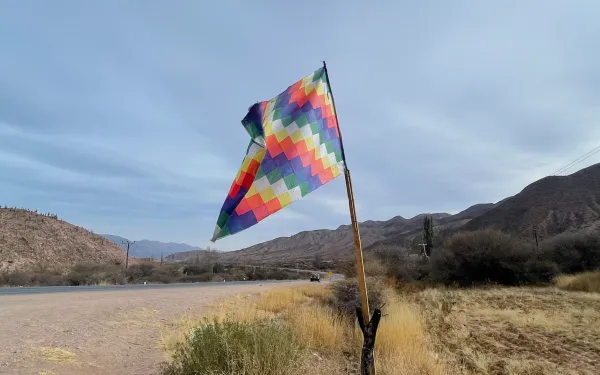
Argentina: the scramble for lithium threatens the rights of Indigenous Peoples in Jujuy
International civil society organisations with extensive experience in the defence of the environment and human rights present the conclusions of an observation mission to the Argentinian province of Jujuy in August 2023 following the constitutional reform approved in June of the same year, which facilitates lithium extraction. Paris and San Salvador de Jujuy. In a report published today, ten international civil society organisations with extensive experience in human rights and environmental issues warn that the lack of prior consultation of the 11 Indigenous Peoples of Jujuy in the approval process for the reform of the provincial constitution is incompatible with international human rights and environmental standards.The report also denounces that the new Jujuy Constitution authorises productive activities on public lands, which opens the door to the implementation of extractive projects in Indigenous ancestral territories, without guaranteeing prior, free and informed consultation with the communities. It also approves the large-scale use of water, which facilitates the use of an essential resource for the survival of Indigenous Peoples for the exploitation of lithium, an activity with a high water footprint.The constitutional reform process is framed in a context of mining deployment in the high Andean wetlands of Jujuy, whose watersheds are located in the area known by the mining industry as the "lithium triangle", located on the borders of Argentina, Bolivia and Chile. This area is so named because it is the largest, most easily extractable and economically profitable lithium reserve in the world."We denounce the permanent and disproportionate restriction of the right to social protest introduced by the Jujuy constitution - in particular the general prohibition of road and street blockades, which are not only a legitimate form of peaceful demonstration, but are also protected by international law," the organisations point out.The report also highlights the testimonies of victims of police repression, who suffered arbitrary detentions and serious physical injuries caused by the excessive and unjustified use of force. It also documents the cases of protesters who are currently facing arbitrary and disproportionate criminal proceedings for participating in and promoting public demonstrations against the constitutional reform.In light of the findings presented in the report, the organisations:Request compliance with the international obligations of the Argentinian State to guarantee the protection of the collective property of Indigenous communities over their ancestral territories, as well as to guarantee the right to water intended for human consumption and the reproduction of life.Urge the authorities to refrain from promoting regulations that restrict the ways, places or times in which citizens can exercise their right to demonstrate publicly.Make an urgent call to the judiciary to assess, based on a rigorous examination of international human rights standards, the probable unconstitutionality of the approval process for the reform and its contents. Relationship between the events in Jujuy and the reforms promoted by Javier Milei’s governmentThe analysis offered in the report on what happened in Jujuy is especially relevant in the current national context because President Javier Milei’s national government has followed a similar line to the trend observed in Jujuy of promoting reforms that deepen an extractivist model in protected ecosystems of the country. This occurs while eliminating frameworks for the protection of human and environmental rights and facilitating the repression and criminalisation of legitimate protests, as detailed in the report.Through Decree of Necessity and Urgency No. 70/2023, President Milei repealed the Land Law (26.737) on 20th December 2023, eliminating restrictions aimed at preventing land grabbing by foreign investment projects. In addition, the "omnibus" bill proposes to repeal environmental protection laws to facilitate economic activities in ecosystems such as native forests and glaciers.These measures, similar to those implemented in Jujuy, were accompanied by disproportionate restrictions on the exercise of the right to protest. For example, on 14th December 2023, the executive approved the "protocol of anti-picketing action", which considers any demonstration that interrupts or decreases the movement of people a flagrant offence, requiring police intervention. Read the report
Read more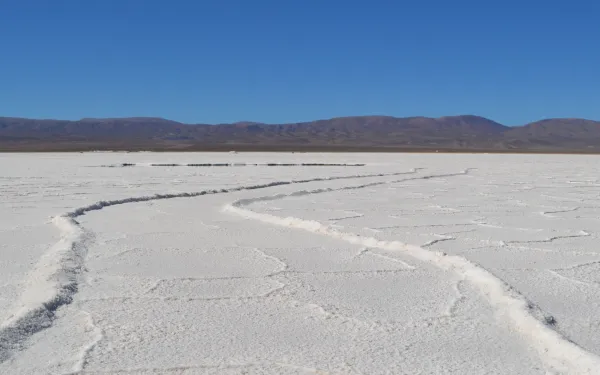
Lithium Fever: Indigenous Peoples’ Rights Under Attack in Jujuy, Argentina
International Fact-finding Mission Report (21-25 August 2023) Jujuy is one of the 23 autonomous provinces making up the federal state of the Argentine Republic. It is located in the north west of the country, bordering the Plurinational State of Bolivia and the Republic of Chile. According to the official census, it is one of the provinces with the highest percentage of indigenous population in the country.On 20 June 2023, the Jujuy Province approved the modification of 193 of the 212 articles of its Provincial Constitution,1 through a Constitutional Convention that was in session for less than a month.The constitutional reform was the subject of numerous and prolonged citizen protests. During and after its approval, different social sectors in Jujuy criticised the lack of citizen participation and the exclusion of indigenous peoples’ voices in the constitutional process. They also denounced provisions in the new Constitution, which severely restrict the right to protest and undermine the rights of indigenous peoples over their ancestral territories and water sources.Eight international civil society organisations with extensive experience in human rights and environmental rights carried out an international fact-finding mission to Jujuy from 21 to 25 August 2023. Members of the International Federation for Human Rights (FIDH),2 the Interamerican Association for Environmental Defense (AIDA), Brot für die Welt/Bread for the World, the Economic, Social and Cultural Rights Project (ProDESC), the Human Rights Law Centre (HRLC), the Centre for the Study of Law, Justice and Society (Dejusticia), Movement Law Lab (MLL) and the Global Network of Movement Lawyers (GNML) participated in this initiative.The objective of the international fact-finding mission was to document, through fieldwork and access to direct sources, potential violations of human and environmental rights that occurred in the context of the constitutional reform, including the repression and criminalisation of people who participated in and promoted protests against it. To this end, the mission interviewed civil society actors, representatives of indigenous peoples and provincial and national authorities. Meetings took place both in San Salvador de Jujuy, the provincial capital, and in rural communities located in the towns of La Quiaca, Salinas Grandes, Susques, Humahuaca, San Roque and Purmamarca.The international fact-finding mission acknowledges that the Provincial Government of Jujuy, as well as the National Government of the Argentine Republic, offered the necessary guarantees for the visit to take place and provided information on the human rights context, respecting the right to defend human rights. It is also grateful for the trust of the representatives and members of indigenous and rural communities and human rights and environmental defenders, who shared their testimonies with the mission. To all of them, we express our recognition and solidarity with their struggle for human rights.This report contains the main findings of the international mission, based on the field visit, the review of primary and secondary documentary sources and the processing of the information gathered during and after the visit to Jujuy, through interviews with more than one hundred people. Read and download the report
Read more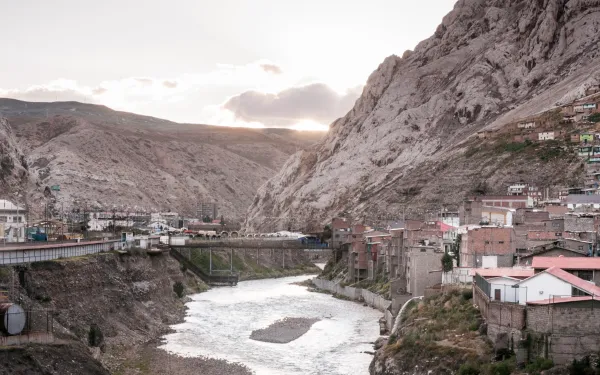
Community of La Oroya wins landmark ruling to stop environmental damage in Latin America
After more than 20 years, the residents of the town of La Oroya in the Peruvian Andes have found justice, opening a major new avenue for protecting a healthy environment throughout the continent. In an unprecedented decision, the Inter-American Court of Human Rights found Peru guilty of violating their human rights by failing to act in a timely and effective manner to protect them from extreme levels of pollution from a metallurgical complex that has operated in their community for nearly 90 years. "Twenty years ago, when this struggle began, I carried my banner saying that children's health is worth more than gold," recalls Don Pablo, a resident of La Oroya. "We never gave up, and now I am very happy with the Court's decision.” La Oroya is located in the central mountain range of Peru, in the department of Junín, approximately 176 km from Lima. In 1992, the US company Cerro de Pasco Cooper Corporation installed the La Oroya Metallurgical Complex to process ore concentrates. The complex was nationalized in 1974 and operated by the state until 1997, when it was taken over by Doe Run Peru, which operated it until 2009. For generations, the inhabitants of La Oroya have inhaled toxic substances that pose serious risks to human health. Heavy metal contamination has invaded their respiratory system, traveled through their bloodstream, and been imperceptibly deposited in several of their vital organs. Most of those affected had lead levels above those recommended by the World Health Organization, and in some cases higher levels of arsenic and cadmium, in addition to stress, anxiety, skin disorders, stomach problems, chronic headaches, and respiratory or cardiac problems. In 1997, AIDA became involved in defending the rights of the La Oroya community. Our publication La Oroya No Espera (La Oroya Cannot Wait), published in 2002, helped bring the gravity of the situation to international attention. In 2006, in the absence of effective responses in Peru, we joined an international coalition of organizations in filing a complaint against Peru before the Inter-American Commission on Human Rights. In 2021, the Commission established the responsibility of the Peruvian government in the case and referred it to the Inter-American Court. In October 2022, more than 16 years after the complaint was filed, the victims presented the case to the Court in a public hearing, represented by AIDA and the Asociación Pro Derechos Humanos (APRODEH), with the support of Earthjustice. Since 2009, when the metallurgical complex ceased operations due to Doe Run Peru's financial crisis, the levels of heavy metal contamination have not been reduced to acceptable levels. Nor has the situation of those affected improved significantly in recent years. Although the Peruvian government has known since 2009 that all children living near the complex are suffering from lead poisoning, it has not provided them with adequate medical care. But there is no deadline that will not be met. On March 22, the Inter-American Court of Human Rights gave a powerful response to more than two decades of seeking justice. The Court found that Peru was guilty of violating the rights to a healthy environment, health, personal integrity, life with dignity, access to information, political participation, judicial guarantees, and judicial protection of the 80 people involved in the case; of violating the rights of the children of 57 victims; and of violating the right to life of two others. "This is the first judgment that recognizes the international responsibility of a state for violating the right to a healthy environment and other related rights," says Rosa Peña, AIDA Senior Attorney. Ver esta publicación en Instagram In addition, the Court ordered the State to adopt measures of integral reparation for the damage caused to the people of La Oroya. These include the prosecution and punishment of those who harassed the residents for their environmental defense work; the preparation of a remediation plan for air, soil, and water contamination; the provision of free and specialized medical care to the victims, as well as to other residents with symptoms and illnesses related to mining and metallurgical activities; the updating of air quality regulations to ensure the protection of the environment and human health; the provision of monetary compensation to the victims; and the creation of an air, water, and soil quality monitoring system. It also ordered that the operations of the La Oroya Metallurgical Complex—which was transferred to the workers of Doe Run Peru as part of the company's liquidation—comply with international environmental standards and prevent and mitigate damage to the environment and human health. The Court's decision is not only a unique opportunity to restore the dignity and rights of the people of La Oroya. Its scope extends beyond the Peruvian context, making it an important precedent in Latin America for the protection of the right to a healthy environment and for adequate state oversight of corporate activities. Among other things, the Court established the obligations of states to regulate, monitor and control air and water quality, to identify sources of pollution, and to implement plans to enforce air and water quality standards. The Court held that in order to establish state liability for environmental damage, it is sufficient to show that the state, despite being aware of the existence of high levels of pollution, failed to take adequate measures and thus allowed the pollution to continue, thereby posing a significant risk to human health. In light of the judgment, states must prevent human rights abuses by public and private enterprises. Businesses, for their part, must prevent their activities from causing or contributing to human rights abuses and take steps to remedy such abuses. Defending the right to a healthy environment has been part of AIDA's history since our inception and has always been a collective effort. We celebrate and recognize all the people who, from different sectors, roles and capacities, made possible the historic result of the La Oroya case. With renewed vigor, we will work for the proper implementation of the judgment and for the establishment of new important precedents that will guarantee in practice the universal right to a healthy environment in the region.
Read more