
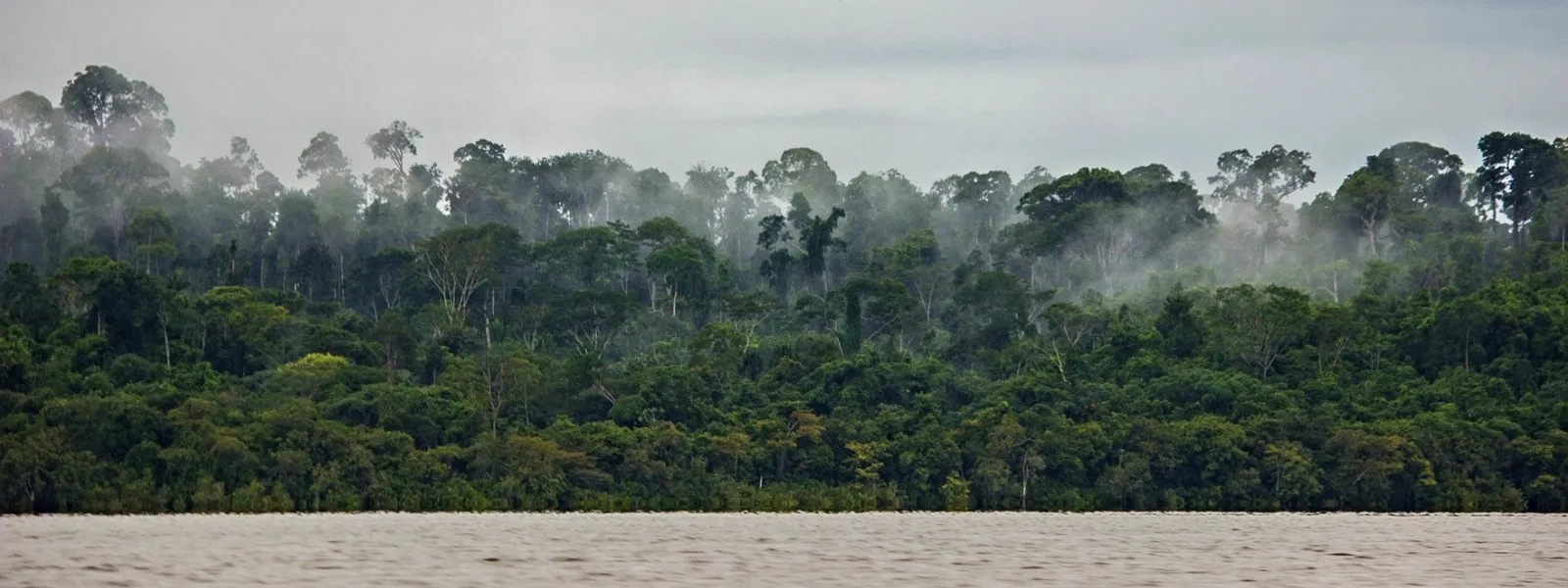
Project
Amazon Watch / Maíra Irigaray
The Belo Monte Dam on the Xingu River: 10 years of impacts in the Amazon and the search for reparations
The Belo Monte Dam has caused an environmental and social disaster in the heart of the Amazon—one of the most important ecosystems on the planet.
This situation has only worsened since the hydroelectric plant began operations in 2016. The quest for justice and reparations by the affected indigenous, fishing, and riverine communities continues to this day.
In 2011, the Inter-American Commission on Human Rights (IACHR) granted them protective measures that, to date, have not been fully implemented by the Brazilian State.
Furthermore, since June of that same year, the IACHR has yet to rule on a complaint against the State regarding its international responsibility in the case.
The IACHR may refer the case to the Inter-American Court of Human Rights, which has the authority to issue a ruling condemning the Brazilian State.
After 10 years of the hydroelectric plant's operation and more than 15 years of documented human rights violations, it is time for justice to be served for the affected communities.
Read the open letter from the organizations bringing the case before the IACHR
Background
The Belo Monte hydroelectric plant—the fourth largest in the world by installed capacity (11,233 MW)—was built on the Xingu River in Pará, a state in northern Brazil.
It was inaugurated on May 5, 2016, with a single turbine. At that time, 80% of the river’s course was diverted, flooding 516 km² of land—an area larger than the city of Chicago. Of that area, 400 km² was native forest. The dam began operating at full capacity in November 2019.
Belo Monte was built and is operated by the Norte Energia S.A. consortium, which is composed primarily of state-owned companies. It was financed by the Brazilian Development Bank (BNDES), which provided the consortium with 25.4 billion reais (approximately US$10.16 billion), the largest investment in the bank’s history. Therefore, the BNDES is also legally responsible for the socio-environmental impacts associated with the hydroelectric plant.
Decades of harm to the environment and people
Human rights violations and degradation of the Amazon have been occurring since the project’s inception. In March 2011, Norte Energía began construction of the dam without adequate consultation and without the prior, free, and informed consent of the affected communities.
The construction caused the forced displacement of more than 40,000 people, severing social and cultural ties. The resettlement plan in Altamira—a city directly affected by the hydroelectric dam—involved housing units located on the outskirts, lacking adequate public services and decent living conditions for the relocated families, with no special provisions for those from indigenous communities.
Belo Monte's operations have caused a permanent, man-made drought in the Volta Grande (or "Great Bend") of the Xingu River, exacerbated by the historic droughts in the Amazon in 2023 and 2024. As a result, the deaths of millions of fish eggs were documented for four consecutive years (from 2021 to 2024), and for the past three years, there has been no upstream migration of fish to spawn and reproduce. Thus, artisanal fishing, the main source of protein for indigenous peoples and riverside communities, was severely affected: fish dropped from 50% to 30% of total protein consumed, replaced by processed foods. In summary, there was an environmental and humanitarian collapse that resulted in the breakdown of fishing as a traditional way of life, food insecurity, and access to drinking water for thousands of families, impoverishment, and disease.
Furthermore, the construction of the dam increased deforestation and intensified illegal logging and insecurity on indigenous and tribal lands, putting the survival of these communities at risk. Another consequence was the deepening of poverty and social conflicts, as well as the strain on health, education, and public safety systems in Altamira—a city ranked as the most violent in the country in 2017, where human trafficking and sexual violence increased. Violence was also reported against human rights defenders involved in the case.
In 2025, during the 30th UN Climate Change Conference (COP30), held in Brazil, the Federal Public Prosecutor’s Office labeled the damage caused by the Belo Monte dam as ecocide.
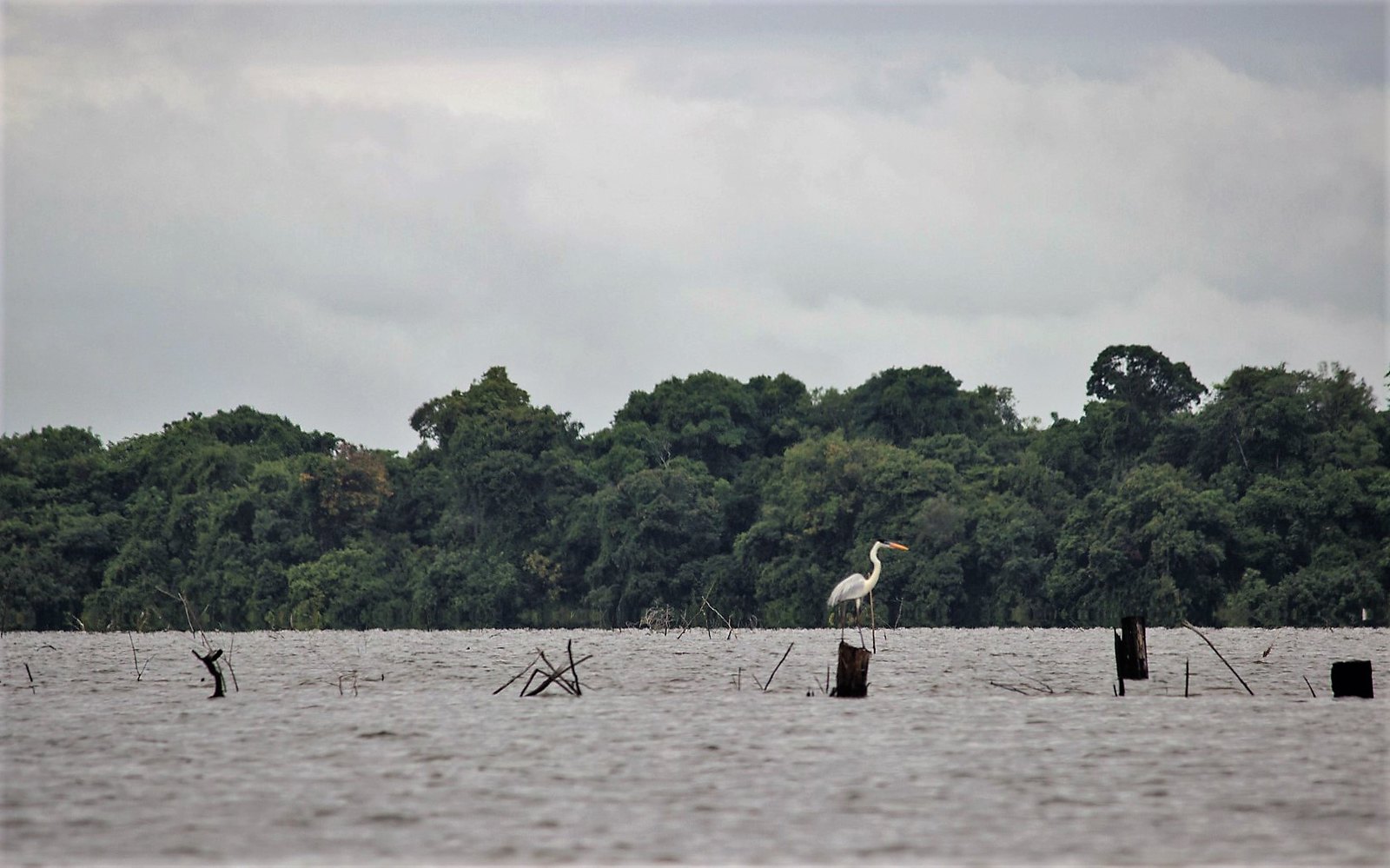
Photo: Amazon Watch / Maíra Irigaray.
The search for justice and reparations
Over the years, the Federal Public Prosecutor’s Office in Pará, the Public Defender’s Office, and civil society organizations have filed dozens of legal actions in Brazilian courts to challenge the project’s various irregularities and its impacts. Most of the claims are still pending resolution, some for more than 10 years.
These efforts have failed because the national government has repeatedly overturned rulings in favor of the affected communities by invoking a mechanism that allowed a court president to suspend a judicial decision based solely on generic arguments such as "the national interest" or "economic order."
In the absence of effective responses at the national level, AIDA, together with a coalition of partner organizations, brought the case before the Inter-American Commission on Human Rights (IACHR) and, in 2010, requested precautionary measures to protect the lives, safety, and health of the affected indigenous communities.
On April 1, 2011, the IACHR granted these measures and requested that the Brazilian government suspend environmental permits and any construction work until the conditions related to prior consultation and the protection of the health and safety of the communities are met.
And on June 16, 2011 —together with the Xingu Vivo Para Sempre Movement, the Coordinating Committee of Indigenous Organizations of the Brazilian Amazon, the Diocese of Altamira, the Indigenous Missionary Council, the Pará Society for the Defense of Human Rights and Global Justice— we filed a formal complaint against the Brazilian State for its international responsibility in the violation of the human rights of the people affected in the case. The case was opened for processing in December 2015.
On August 3, 2011, the IACHR amended the precautionary measures to request, instead of the suspension of permits and construction, the protection of people living in voluntary isolation, the health of indigenous communities, and the regularization and protection of ancestral lands.
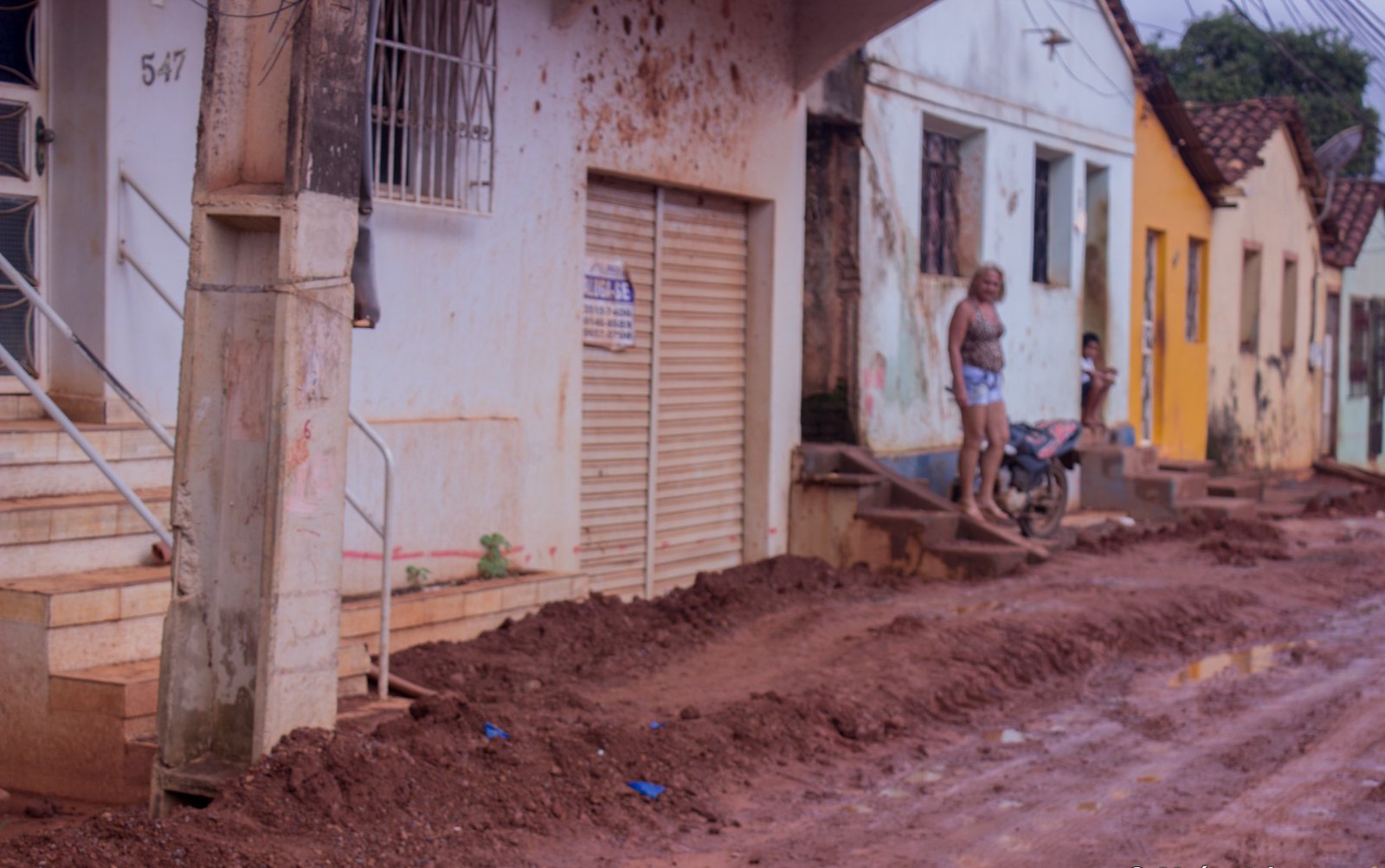
Photo: Amazon Watch / Maíra Irigaray.
Current situation
The protective measures granted by the IACHR remain in effect, but the Brazilian government has not fully complied with them, reporting only on general actions. The communities have documented the ongoing violations of their rights. The situation that prompted the request for these measures—the risk to the lives, physical integrity, and ways of life of the communities—persists and has worsened with the hydroelectric plant operating at full capacity and the recent extreme droughts in the Amazon.
In addition to the impacts of Belo Monte, there is a risk of further social and environmental impacts from the implementation of another mining megaproject in the Volta Grande do Xingu. There, the Canadian company Belo Sun plans to build Brazil’s largest open-pit gold mine.
The combined and cumulative impacts of the dam and the mine were not assessed. The government excluded Indigenous peoples, riverine and peasant communities from the project’s environmental permitting process. Despite protests by Indigenous communities and other irregularities surrounding the project, the government of Pará formally authorized the mine in April 2026.
Like other hydroelectric dams, Belo Monte exacerbates the climate emergency by generating greenhouse gas emissions in its reservoir. And it is inefficient amid the longer, more intense droughts caused by the crisis, as it loses its ability to generate power.
The case before the Inter-American Commission
In October 2017, the IACHR announced that it would rule jointly on the admissibility (whether the case meets the requirements for admission) and the merits (whether a human rights violation actually occurred) of the international complaint against the Brazilian State.
Fifteen years after the complaint was filed, the affected communities and the organizations representing them are still awaiting this decision. If the IACHR concludes that human rights violations occurred and issues recommendations that the Brazilian State fails to comply with, it may refer the case to the Inter-American Court of Human Rights, whose rulings are binding.
A potential ruling by the international court in this case would set a regional legal precedent regarding the rights of indigenous and riverine peoples, public participation in megaprojects, and state responsibility in the context of the climate crisis—a precedent that is particularly relevant in light of the Court’s Advisory Opinion No. 32, which reaffirmed the obligations of States to protect the people and communities of the continent from the climate emergency.
Partners:
Related projects
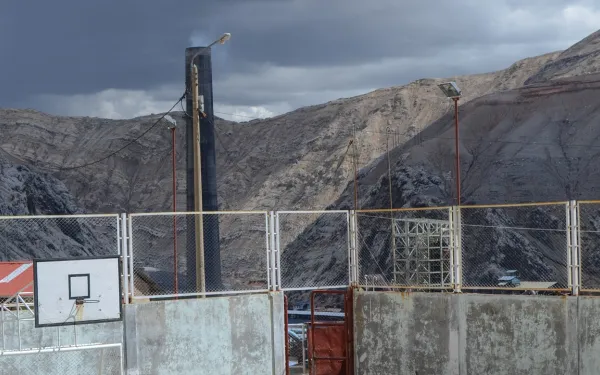
5 milestones in the "Inhabitants of La Oroya v. Peru" case ruling
Our long-fought victory before the Inter-American Court sets important precedents for all communities seeking environmental justice in the Americas. The story of the community of La Oroya, Peru, in its quest for justice and reparations spans decades. The perseverance of the residents of this Andean town has borne fruit for the entire region, as they achieved a victory that sets important precedents for all communities seeking environmental justice on the continent. The Inter-American Court of Human Rights ruled in favor of the community of La Oroya, holding the Peruvian state responsible for violating the right to a healthy environment and other related rights, such as health and life, of its inhabitants by failing to take timely and effective measures to protect them from extreme levels of pollution from a metallurgical complex. AIDA has led the case from its inception, bringing La Oroya's struggle to the Inter-American Human Rights System and providing legal representation to the victims before the Court. Why is the international court’s ruling in "Community of La Oroya vs. Peru" such a joy and a door opener for us? We explain below, how the ruling: 1. Responds to the first case of its kind before the Inter-American Court. This is the first time the Inter-American Court has ruled on a case of toxic air and environmental pollution in an urban community. In its ruling, the Court recognized the disparate impact on women, children, and other vulnerable populations. It also addressed the importance of the rights of access to information and participation. 2. Recognizes and values the importance of a healthy environment as a human right. The Court recognized this right as a jus cogens (mandatory) norm and clarified the obligations of states to ensure a healthy environment for all people. A key point of the judgment is that states must avoid, prevent, and control environmental damage and its effects on human health by using all the means at their disposal. 3. Opens the door to accountability. The ruling sets precedents to hold states and companies accountable for taking the necessary measures to avoid lifelong impacts on people's health and the environment. The Peruvian state must provide financial compensation to the affected people of La Oroya, provide free and specialized medical care, adopt non-recurrence measures, and monitor air and water quality in places where mining activities are taking place. 4. Establishes the responsibility of the State in a case of contamination. In addition to stating that companies must act with due diligence and respect for human rights, the Court concluded in its ruling that the Peruvian state should have acted to protect and guarantee the rights of the people exposed to the contamination, using, among other tools, the precautionary principle. 5. Sets precedents for the entire region. The ruling goes beyond the Peruvian context, as it is binding on States Parties to the American Convention on Human Rights and sets an important precedent in Latin America for the protection of the right to a healthy environment and for the adequate supervision by States of corporate activities.
Read more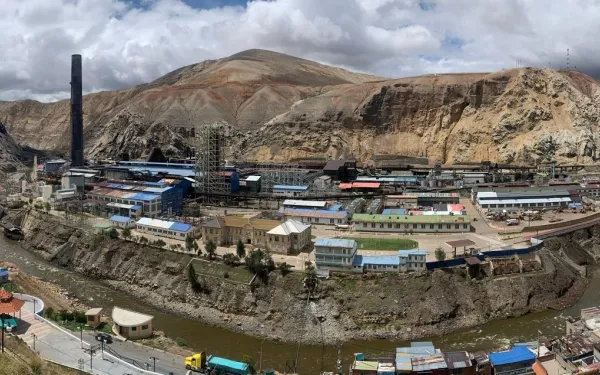
Inter-American Court ruling on La Oroya case sets key precedent for the protection of a healthy environment
The Court found Peru responsible for violating the rights of residents of La Oroya, who have been exposed to unsafe levels of toxic contamination for generations. San José, Costa Rica. The ruling of the Inter-American Court of Human Rights in the case "Community of La Oroya vs. Peru" sets an important precedent for the protection of the right to a healthy environment across the Americas and for adequate state oversight of corporate activities. The first-of-its-kind decision holds Peru accountable for its failure to protect the inhabitants of the Andean city of La Oroya who were exposed to toxic pollution from a smelter complex that operated without adequate pollution controls for a century.The Inter-American Court heard the case in a public hearing against Peru. In the absence of effective responses at the national level and on behalf of the victims, an international coalition of organizations filed a complaint against Peru before the Inter-American Commission on Human Rights in 2006. In October 2021, the Commission established the Peruvian government's responsibility in the case and referred it to the Inter-American Court. In October 2022, more than 16 years after the filing of the complaint, the victims presented the case before the Court in a public hearing, represented by the Interamerican Association for Environmental Defense (AIDA) and the Pro Human Rights Association (APRODEH), with the support of Earthjustice."This ruling is a very important step forward and a key precedent for environmental justice in Latin America, as it is the first case in which the Court recognizes a state’s responsibility for violating the right to a healthy environment and the impact this has on the guarantee of several other rights," said Liliana Avila, coordinator of AIDA's Human Rights and Environment Program. "The Court also referred to the collective and individual dimensions of this right, acknowledging the differential impact of its violation on children, women and the elderly, and the important role of environmental defenders."In its judgment, published on March 22, 2024, the international court established the Peru’s responsibility for the violation of the rights to a healthy environment, health, personal integrity, life with dignity, access to information, political participation, judicial guarantees and judicial protection of the 80 people involved in the case; for the violation of the rights of the children of 57 victims; and for the violation of the right to life of two victims. The Court also concluded that the State was responsible for violating the obligation of progressive development by adopting regressive measures in environmental protection."The decision is a fundamental precedent in international law that establishes the parameters of the State's obligation to regulate, control and remediate the effects of environmental pollution, as well as the obligations derived from the right to a healthy environment as an autonomous right and its interdependence and indivisibility with other fundamental rights of human existence, such as health, life and personal integrity," said Christian Huaylinos, Legal Coordinator of APRODEH. "It is also a great satisfaction for the victim’s two decades long struggle.”For more than 20 years, the residents of La Oroya have been seeking justice and redress for the widespread contamination caused by the La Oroya smelter complex, which was operated by Doe Run Peru from 1997 to 2009. The town has been recognized as one of the most polluted places on the planet."Twenty years ago, when this fight started, I was carrying my banner saying that the health of the children is worth more than gold," recalls Don Pablo, a resident of La Oroya. "We never gave up, and now I am very happy with the Court's decision."In the judgment, the Court ordered the State of Peru to adopt comprehensive reparation measures for the damage caused to the population of La Oroya, including identifying, prosecuting and, where appropriate, punishing those responsible for the harassment of the victims; determining the state of contamination of the air, water and soil and preparing an environmental remediation plan; providing free medical care to the victims and guaranteeing specialized care to residents with symptoms and illnesses related to contamination from mining and metallurgical activities; ensuring the effectiveness of the city's warning system and developing a system for monitoring the quality of air, water, and soil; ensuring that the operations of the La Oroya Metallurgical Complex comply with international environmental standards, preventing and mitigating damage to the environment and human health; providing monetary compensation to victims for material and non-material damages."What we expect now is that the ruling will be implemented, that for the first time the State will fulfill its obligations and guarantee our rights as environmental defenders," said Yolanda Zurita, a resident of La Oroya and a petitioner in the case. "Compliance with this ruling is the least we expect from a state that is committed to guaranteeing the rights of its citizens."Since 1999, the government of Peru has known that almost all the children living near the complex suffer from lead poisoning yet failed to offer proper medical care and remediation. For decades, the population of La Oroya was exposed to extreme levels of lead and other harmful contaminants, including arsenic, cadmium, and sulfur dioxide. Nearly all the children in the case have had lead and other heavy metals in their blood at concentrations many times higher than the guidelines established by the World Health Organization. And many residents suffer from chronic respiratory illness, in addition to stress, anxiety, skin problems, stomach problems, chronic headaches, and heart problems, among others."This ruling issues a warning to governments across the Americas that they cannot sit idly by while multinational corporations poison local communities. Corporations will now be on notice that exposing families to unhealthy levels of industrial pollution is a violation of international law and governments must hold polluters accountable,” said Jacob Kopas, Earthjustice senior attorney. ResourcesCourt's press release on the judgment, available here (in Spanish).Official summary of the judgment, available here (in Spanish).Full text of the judgment, available here (in Spanish).Background information on the case, available here.Folder with photographs, available here.Press contactVíctor Quintanilla-Sangüeza (Mexico), AIDA, [email protected], +521 70522107
Read more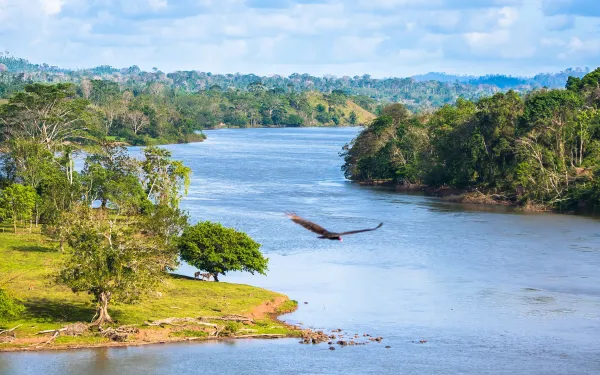
Communities in Nicaragua win Green Climate Fund withdrawal from project that violated their rights
In an unprecedented decision resolving a complaint filed in 2021, the Green Climate Fund terminated a forestry project because the developers failed to comply with the Fund's policies and procedures on socio-environmental safeguards. This non-compliance violated the human rights of indigenous and Afro-descendant communities. The Green Climate Fund, the world's leading multilateral climate finance institution, decided to terminate funding for a forest conservation project in Nicaragua because the developers failed to comply with the institution's policies and procedures on socio-environmental safeguards. The non-compliance violated the rights of indigenous and Afro-descendant communities, as the project threatened to exacerbate the situation of violence from which they were already suffering. The Fund had not made any disbursements for the project and project implementation had not yet begun.The decision, the first of its kind in the Fund's history, is in response to a complaint filed in June 2021 by representatives of the affected communities, with the support of local and international organizations, with the Fund's Independent Redress Mechanism. The Independent Redress Mechanism hears complaints from people who are or may be affected by projects or programs financed by the Fund."This decision is a recognition of the tireless efforts of the communities behind the case, who were able to demonstrate the difficult situation they face, as well as a reminder of the importance of involving local communities in all stages of a project, from its conception," said Florencia Ortúzar, Senior Attorney at AIDA, one of the organizations that accompanied and provided legal support to the complaint process.In the complaint, the communities argued that implementing the project— called Bio-CLIMA: Integrated Climate Action to Reduce Deforestation and Strengthen Resilience in the BOSAWAS and Río San Juan Biospheres— would have serious impacts because:There was no adequate disclosure of information, no indigenous consultation, and no free, prior, and informed consent.The project would cause environmental degradation and increase violence against indigenous communities due to land colonization.The conditions imposed by the Fund's Board of Directors for project approval (including independent monitoring of project implementation and ensuring the legitimate participation of indigenous peoples) were not met.There was a lack of confidence in the Central American Bank for Economic Integration, the entity accredited to channel the funds, as to its compliance with the Fund's policies.There was a lack of confidence in the ability of the Government of Nicaragua, as the implementing agency, to fulfill its obligations in the execution of the project. The goal of the project, for which the Fund committed $64 million USD in 2020, was to restore degraded forest landscapes in Nicaragua's most biodiverse region (home to 80 percent of the country's forests and most of its indigenous peoples) and to channel investments toward sustainable land and forest management.However, the project was designed without adequate consultation, with a complete lack of transparency on the part of the sponsoring bank and ignoring the difficult context of violence and lack of human rights protection still suffered by indigenous communities in Nicaragua, particularly in the project area.In recent decades, the harsh local situation has only worsened because of organized crime, drug trafficking, the expansion of agriculture and cattle ranching, and the promotion of extractivist policies, as well as the lack of state protection.The investigation launched by the Independent Reparations Mechanism, which included field work and face-to-face and virtual interviews with all stakeholders, confirmed some of the allegations made in the complaint, including the lack of adequate consultation processes and the lack of free, prior, and informed consent of the affected communities. This is stated in the investigation’s final report.In July 2023, the Fund's Board of Directors, which was called upon to decide on the future of the project based on the Investigation Report, delegated the task to the Fund's Secretariat. As a result, neither the IRM nor the claimants had any further say in the matter.Finally, on March 7 of this year, the Secretariat announced its decision: to terminate the project's financing agreement, acknowledging that the developers had failed to comply with the Fund's policies, as alleged by the communities in the complaint."The decision is a valuable lesson for the Green Climate Fund, whose policies and safeguards exist to prevent these unfortunate situations and must be applied rigorously and consistently from the conception of projects seeking funding," said Ortúzar. Press contactVíctor Quintanilla (Mexico), AIDA, [email protected], +52 5570522107
Read more