
Project
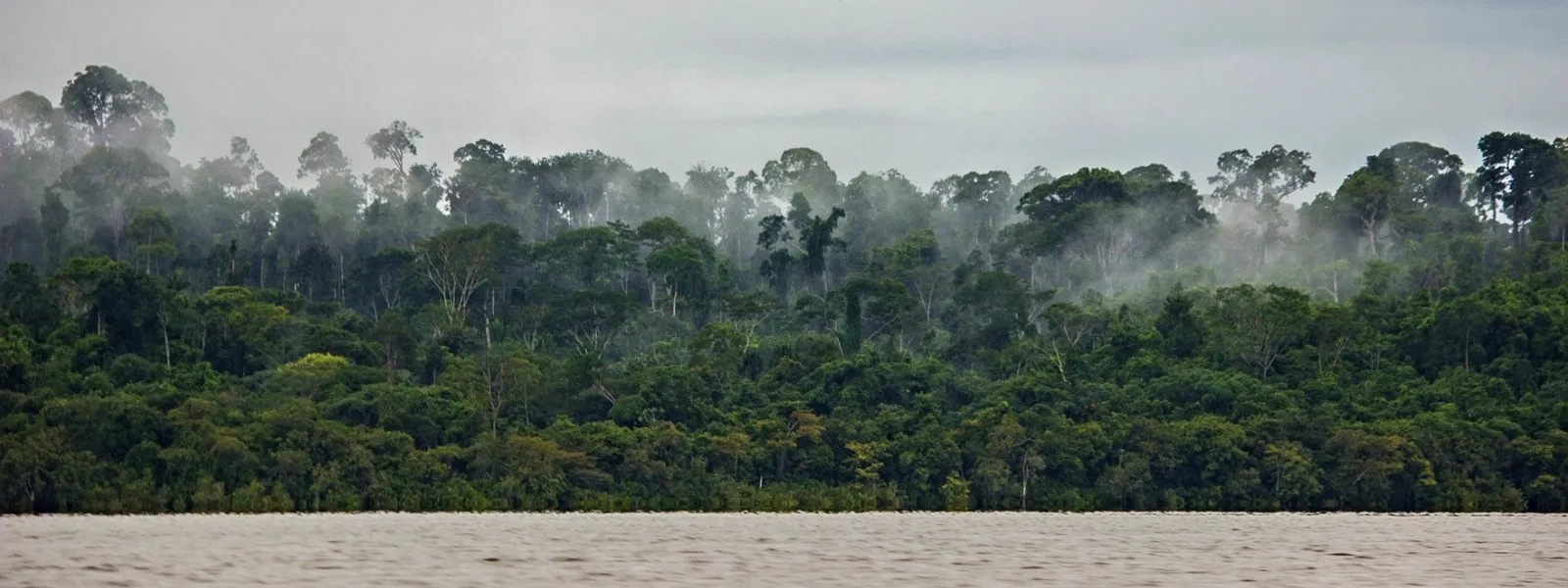
Amazon Watch / Maíra Irigaray
The Belo Monte Dam on the Xingu River: 10 years of impacts in the Amazon and the search for reparations
The Belo Monte Dam has caused an environmental and social disaster in the heart of the Amazon—one of the most important ecosystems on the planet.
This situation has only worsened since the hydroelectric plant began operations in 2016. The quest for justice and reparations by the affected indigenous, fishing, and riverine communities continues to this day.
In 2011, the Inter-American Commission on Human Rights (IACHR) granted them protective measures that, to date, have not been fully implemented by the Brazilian State.
Furthermore, since June of that same year, the IACHR has yet to rule on a complaint against the State regarding its international responsibility in the case.
The IACHR may refer the case to the Inter-American Court of Human Rights, which has the authority to issue a ruling condemning the Brazilian State.
After 10 years of the hydroelectric plant's operation and more than 15 years of documented human rights violations, it is time for justice to be served for the affected communities.
Read the open letter from the organizations bringing the case before the IACHR
Background
The Belo Monte hydroelectric plant—the fourth largest in the world by installed capacity (11,233 MW)—was built on the Xingu River in Pará, a state in northern Brazil.
It was inaugurated on May 5, 2016, with a single turbine. At that time, 80% of the river’s course was diverted, flooding 516 km² of land—an area larger than the city of Chicago. Of that area, 400 km² was native forest. The dam began operating at full capacity in November 2019.
Belo Monte was built and is operated by the Norte Energia S.A. consortium, which is composed primarily of state-owned companies. It was financed by the Brazilian Development Bank (BNDES), which provided the consortium with 25.4 billion reais (approximately US$10.16 billion), the largest investment in the bank’s history. Therefore, the BNDES is also legally responsible for the socio-environmental impacts associated with the hydroelectric plant.
Decades of harm to the environment and people
Human rights violations and degradation of the Amazon have been occurring since the project’s inception. In March 2011, Norte Energía began construction of the dam without adequate consultation and without the prior, free, and informed consent of the affected communities.
The construction caused the forced displacement of more than 40,000 people, severing social and cultural ties. The resettlement plan in Altamira—a city directly affected by the hydroelectric dam—involved housing units located on the outskirts, lacking adequate public services and decent living conditions for the relocated families, with no special provisions for those from indigenous communities.
Belo Monte's operations have caused a permanent, man-made drought in the Volta Grande (or "Great Bend") of the Xingu River, exacerbated by the historic droughts in the Amazon in 2023 and 2024. As a result, the deaths of millions of fish eggs were documented for four consecutive years (from 2021 to 2024), and for the past three years, there has been no upstream migration of fish to spawn and reproduce. Thus, artisanal fishing, the main source of protein for indigenous peoples and riverside communities, was severely affected: fish dropped from 50% to 30% of total protein consumed, replaced by processed foods. In summary, there was an environmental and humanitarian collapse that resulted in the breakdown of fishing as a traditional way of life, food insecurity, and access to drinking water for thousands of families, impoverishment, and disease.
Furthermore, the construction of the dam increased deforestation and intensified illegal logging and insecurity on indigenous and tribal lands, putting the survival of these communities at risk. Another consequence was the deepening of poverty and social conflicts, as well as the strain on health, education, and public safety systems in Altamira—a city ranked as the most violent in the country in 2017, where human trafficking and sexual violence increased. Violence was also reported against human rights defenders involved in the case.
In 2025, during the 30th UN Climate Change Conference (COP30), held in Brazil, the Federal Public Prosecutor’s Office labeled the damage caused by the Belo Monte dam as ecocide.
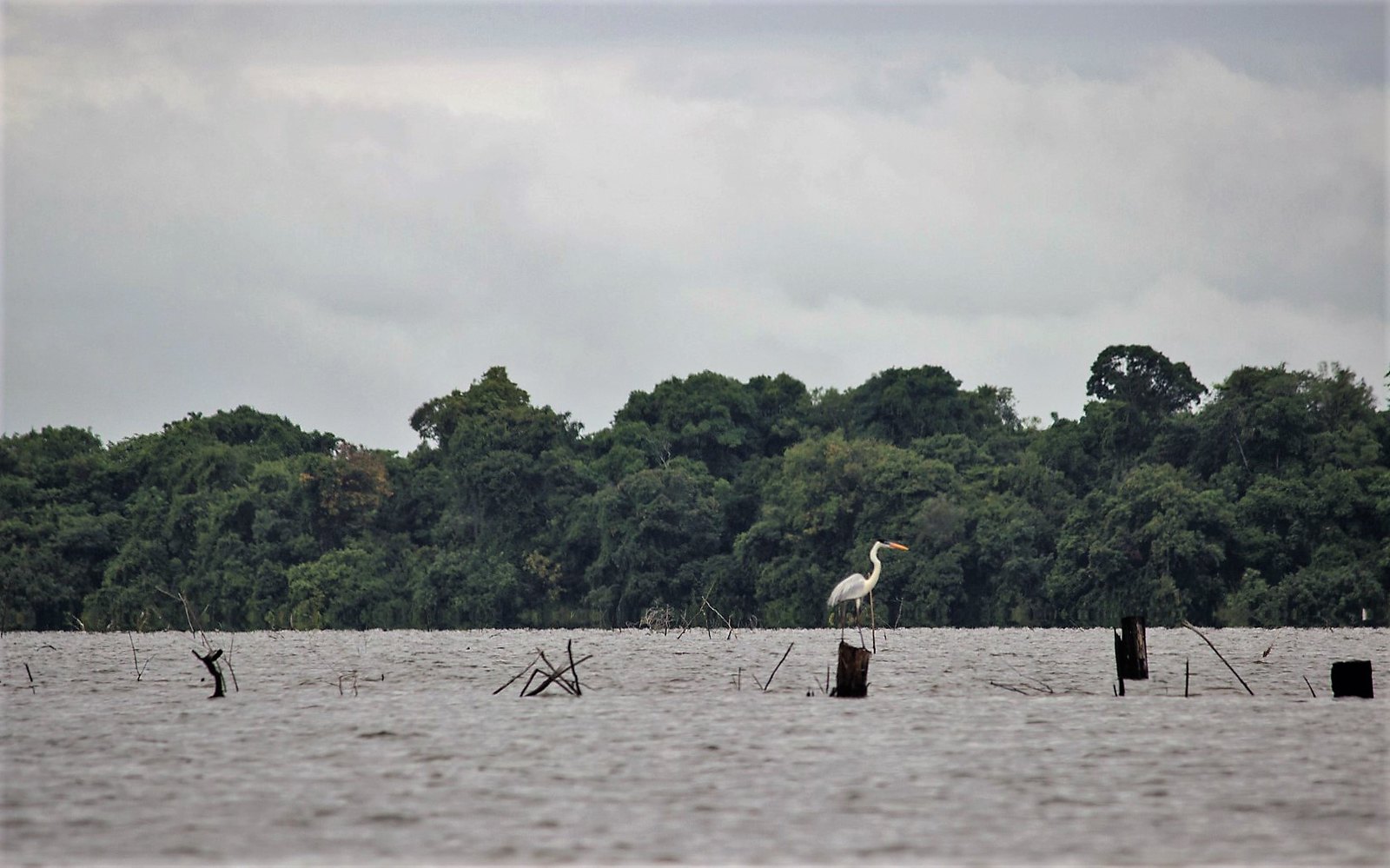
Photo: Amazon Watch / Maíra Irigaray.
The search for justice and reparations
Over the years, the Federal Public Prosecutor’s Office in Pará, the Public Defender’s Office, and civil society organizations have filed dozens of legal actions in Brazilian courts to challenge the project’s various irregularities and its impacts. Most of the claims are still pending resolution, some for more than 10 years.
These efforts have failed because the national government has repeatedly overturned rulings in favor of the affected communities by invoking a mechanism that allowed a court president to suspend a judicial decision based solely on generic arguments such as "the national interest" or "economic order."
In the absence of effective responses at the national level, AIDA, together with a coalition of partner organizations, brought the case before the Inter-American Commission on Human Rights (IACHR) and, in 2010, requested precautionary measures to protect the lives, safety, and health of the affected indigenous communities.
On April 1, 2011, the IACHR granted these measures and requested that the Brazilian government suspend environmental permits and any construction work until the conditions related to prior consultation and the protection of the health and safety of the communities are met.
And on June 16, 2011 —together with the Xingu Vivo Para Sempre Movement, the Coordinating Committee of Indigenous Organizations of the Brazilian Amazon, the Diocese of Altamira, the Indigenous Missionary Council, the Pará Society for the Defense of Human Rights and Global Justice— we filed a formal complaint against the Brazilian State for its international responsibility in the violation of the human rights of the people affected in the case. The case was opened for processing in December 2015.
On August 3, 2011, the IACHR amended the precautionary measures to request, instead of the suspension of permits and construction, the protection of people living in voluntary isolation, the health of indigenous communities, and the regularization and protection of ancestral lands.
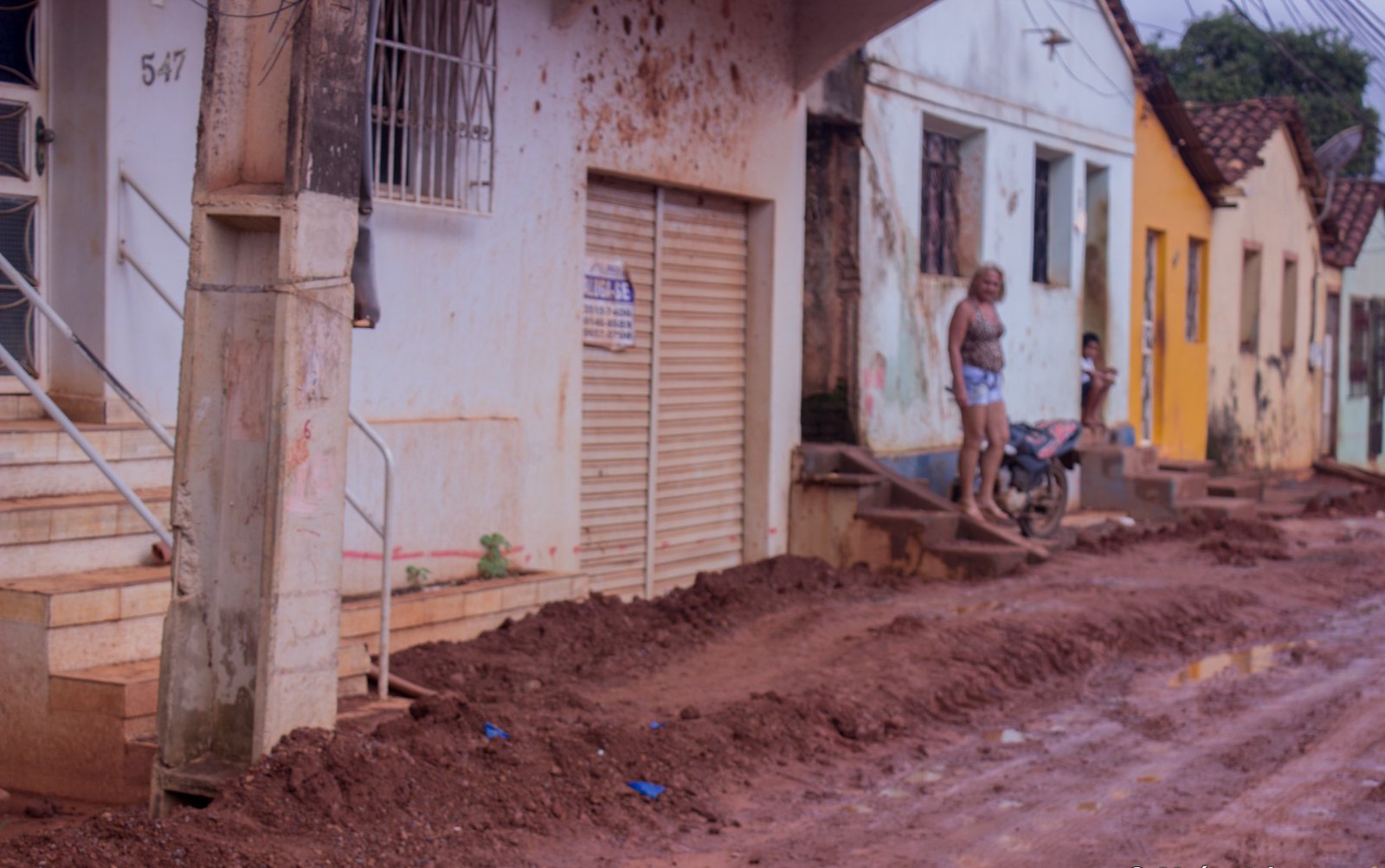
Photo: Amazon Watch / Maíra Irigaray.
Current situation
The protective measures granted by the IACHR remain in effect, but the Brazilian government has not fully complied with them, reporting only on general actions. The communities have documented the ongoing violations of their rights. The situation that prompted the request for these measures—the risk to the lives, physical integrity, and ways of life of the communities—persists and has worsened with the hydroelectric plant operating at full capacity and the recent extreme droughts in the Amazon.
In addition to the impacts of Belo Monte, there is a risk of further social and environmental impacts from the implementation of another mining megaproject in the Volta Grande do Xingu. There, the Canadian company Belo Sun plans to build Brazil’s largest open-pit gold mine.
The combined and cumulative impacts of the dam and the mine were not assessed. The government excluded Indigenous peoples, riverine and peasant communities from the project’s environmental permitting process. Despite protests by Indigenous communities and other irregularities surrounding the project, the government of Pará formally authorized the mine in April 2026.
Like other hydroelectric dams, Belo Monte exacerbates the climate emergency by generating greenhouse gas emissions in its reservoir. And it is inefficient amid the longer, more intense droughts caused by the crisis, as it loses its ability to generate power.
The case before the Inter-American Commission
In October 2017, the IACHR announced that it would rule jointly on the admissibility (whether the case meets the requirements for admission) and the merits (whether a human rights violation actually occurred) of the international complaint against the Brazilian State.
Fifteen years after the complaint was filed, the affected communities and the organizations representing them are still awaiting this decision. If the IACHR concludes that human rights violations occurred and issues recommendations that the Brazilian State fails to comply with, it may refer the case to the Inter-American Court of Human Rights, whose rulings are binding.
A potential ruling by the international court in this case would set a regional legal precedent regarding the rights of indigenous and riverine peoples, public participation in megaprojects, and state responsibility in the context of the climate crisis—a precedent that is particularly relevant in light of the Court’s Advisory Opinion No. 32, which reaffirmed the obligations of States to protect the people and communities of the continent from the climate emergency.
Partners:
Related projects
What you need to know about the “loss and damage” of the climate crisis
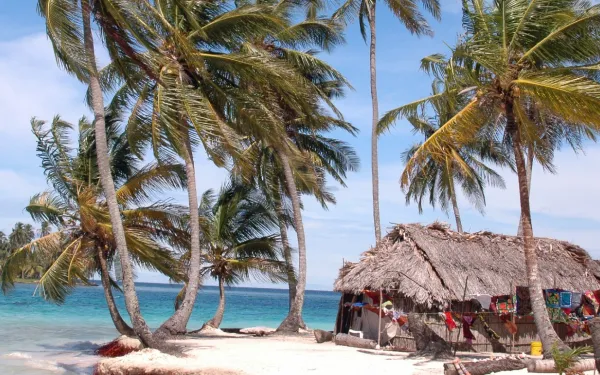
Recent flooding in the southern Brazilian state of Rio Grande do Sul has forced more than 500,000 people from their homes, turning them into climate refugees and causing millions of dollars in crop and livestock losses.Meanwhile, in Panama, some 300 coastal families had to leave Cartí Sugdupu, an island threatened by rising sea levels, and be relocated to a government-built settlement off the Caribbean coast.These types of negative impacts of extreme weather events, which occur despite or because of the lack of mitigation and adaptation measures, are technically referred to as "loss and damage" of the climate crisis.Scientific evidence shows that these losses and damages are already occurring, will increase, and are unevenly distributed, with a disproportionate impact on developing countries and vulnerable groups.This issue - key to international climate negotiations - is closely linked to the concept of climate justice, as it raises the question of who should pay for the losses and damages in the poorest countries, which bear little historical responsibility for the climate emergency.In this text, we address the basic aspects of this issue, which is becoming increasingly relevant and requires urgent action. What counts as loss and damage?Let's start by breaking down the term a little further:"Loss" refers to what is permanently lost due to the climate crisis, such as human and other species’ lives, territories, water sources, ecosystems, livelihoods, cultural heritage, and languages."Damage" refers to what has been affected by the climate crisis but can be restored or rebuilt, such as impacts on physical and mental health, soils, roads, schools, homes, health centers, and businesses. Loss and damage are usually divided into two categories, which may overlap:Economic. Loss and damage can be assigned a monetary value: destruction of assets such as houses or cars, loss of livelihoods such as crops or livestock, reduced productivity due to lost working hours, damage to basic infrastructure or disruption of supply chains. This can occur at the international, national or local level.Non-economic. Loss and damage that is difficult to measure in monetary terms. They include loss of human life, damage to health, the trauma of forced displacement, and impacts on culture, language, heritage, identity, etc. This category also includes the loss or reduction of biodiversity, the extinction of species, and the disruption or loss of ecosystem services, such as the production of oxygen by a forest. In international climate negotiations, however, the term takes on a different meaning. The United Nations Framework Convention on Climate Change refers to efforts to "avert, minimize and address loss and damage associated with climate change impacts, especially in developing countries that are particularly vulnerable to the adverse effects of climate change."The terms "avoid" and "minimize" generally refer to mitigation and adaptation, respectively, while the word "address" refers to actions to deal with the impacts of the climate crisis that could not be avoided. How much money is needed to address loss and damage?Discussions on loss and damage, which address issues such as liability and compensation, have been contentious in international negotiations. Developed countries – historically responsible for most of the greenhouse gases that have warmed the planet – have resisted possible agreements that would hold them accountable and make them pay for the loss and damage their emissions have caused and continue to cause.How big is the bill?According to a report published by the Loss and Damage Collaboration, 55 of the most climate-vulnerable economies will suffer losses of more than $500 billion between 2000 and 2020, and this could increase by a similar amount in the following decade. Other estimates put the annual cost of loss and damage at $400 billion by 2030.In Latin America, according to a 2019 study, losses and damages due to the climate crisis are expected to reach $462 billion by 2050 and could rise to $891 billion by 2070. What is being done to address loss and damage?Although the issue of loss and damage has emerged in international climate negotiations for more than three decades, it only gained momentum in 2013. That year, at the 19th United Nations Climate Change Conference (COP19), countries established the Warsaw International Mechanism on Loss and Damage with a mandate to share knowledge, strengthen dialogue among stakeholders, and mobilize expertise to strengthen action and support on the issue.In 2015, developing countries successfully lobbied for the inclusion of an article on loss and damage in the Paris Agreement (a legally binding international treaty in force since 2016), but the issue of finance was left out.This brings us to the next milestone, which occurred at COP27 in Egypt in 2022, when it was agreed to establish a Loss and Damage Fund to provide financial support to developing countries.A year later, at COP28 in Dubai, the launch of the fund was agreed, including the rules of operation and other key aspects, like an invitation to the World Bank to act as interim manager for the first four years.In June 2024, during the Bonn negotiations, the World Bank accepted the invitation to manage the fund, and discussions began to make it operational.Civil society is calling for loss and damage to be recognized as the third pillar of climate action (alongside mitigation and adaptation), but developed countries are resisting, suggesting that the creation of the fund would be sufficient and even suggesting that loss and damage should not be part of the new global finance goal.While welcome, the existence of the fund is only the first step in making it what is so desperately needed by countries suffering the worst impacts of the climate crisis. Challenges include:Financing. Developed countries have so far pledged US$700 million, less than 0.2% of what is needed ($400 billion).Governance. Among other things, the World Bank must ensure the independence and integrity of the fund's Board and Secretariat, that all countries party to the Paris Agreement have direct access to resources (even if they are not members of the Bank), and that resources are delivered in a sufficient and efficient manner.Participation. The Fund requires a decentralized structure and the participation of civil society, indigenous communities, youth, women and other vulnerable groups from the outset to ensure that the money reaches those who need it.Access. The fund should provide direct access to funding, not only to national authorities, but also to civil society organizations and affected communities.Inventories. Developing countries need to monitor and report losses and damage on their territory, which requires economic and technical resources. Sources- United Nations Environment Programme, "About Loss and damage".- Preety Bhandari, Nate Warszawski, Deirdre Cogan y Rhys Gerholdt, "What Is 'Loss and Damage' from Climate Change? 8 Key Questions, Answered", World Resources Institute.- United Nations, "Loss and Damage: A Moral Imperative to Act".- The Loss & Damage Collaboration, "WHAT IS LOSS AND DAMAGE?".- The London School of Economics and Political Science, "What is climate change ‘Loss and Damage’?".- Navin Singh Khadka, "COP27: what does the concept of 'loss and damage' mean for extreme weather pitting rich and poor countries against each other," BBC Mundo.- Alejandra Cuéllar, "COP27: What are losses and damages, and what do they mean for Latin America?", Climate Tracker.- Adriana Abramovits, “The Loss and Damage Fund, why is it not what civil society expected?”, Dejusticia.
Read more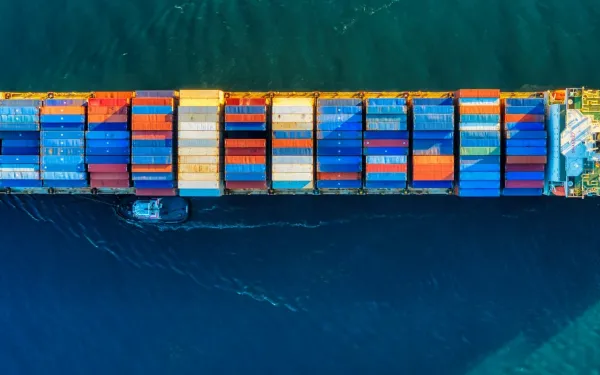
Maritime shipping: what’s being done to reduce emissions?
Maritime transport is the activity of moving goods from one destination to another by sea. It is fundamental to trade and accounts for 80% of global shipping.However, it is also a major source of pollution, particularly greenhouse gases that warm the planet and other pollutants that harm human health.The sector therefore needs to decarbonize its activities by reducing its emissions, both in transport and in the loading and unloading of goods at ports around the world. How many emissions does international shipping produce?Every year, 10 billion tons of cargo are transported by sea, accounting for 2.9% of global greenhouse gas emissions - including carbon dioxide (CO₂) - a percentage close to that of Japan. This is because ships use enormous amounts of oil to move, emitting nearly 1 billion tons of greenhouse gases.The above figures do not include emissions generated at cargo ports, which are not automated and use fossil fuels. The main energy source for ships moving goods around the world is heavy fuel oil, a highly polluting fossil fuel that produces CO₂ emissions that accelerate global warming.In 2023, greenhouse gas emissions from shipping will be 20% higher than they were 10 years ago, according to the United Nations. And projections published by the European Environment Agency indicate that they could reach 17% of global emissions by 2050 if no action is taken to decarbonize the sector.The warming and subsequent melting of the Arctic - the geographic region around the North Pole - is evidence of the impact of shipping emissions on the global climate:According to the Clean Arctic Alliance, the Arctic —one of the world's most important climate regulators— is warming up to four times faster than the rest of the planet.Much of this is due to emissions of black carbon, or soot, from shipping, which is the residue left after heavy fuel is burned on ships.Black carbon is emitted in both gaseous and solid forms. As a gas, it contributes to the greenhouse effect in the atmosphere; as a solid particle, it accelerates the melting of snow and ice. How do ship emissions affect human health?International shipping generates pollutants such as black carbon and particulate matter that affect human health.According to the Barcelona Institute for Global Health, which reviewed 32 studies on shipping emissions, the industry could be responsible for an estimated 265,000 premature deaths worldwide in 2020. This means that 0.5% of global mortality would be associated with its emissions.Although air pollution from shipping is a global problem, it disproportionately affects coastal populations, especially those living near ports and other industrial facilities. Who is responsible for preventing emissions from shipping?The International Maritime Organization (IMO) is the specialized agency of the United Nations responsible for setting standards for safe, efficient, and environmentally sound shipping. In 2023, the 175 countries that make up the IMO agreed to reduce greenhouse gas emissions from industry by 20-30% (compared to 2008) by 2030 and by at least 70% by 2040. The pact is complemented by a target to achieve a zero emissions balance (so that gases released into the atmosphere are neutralized or offset by sinks) by "around 2050."Within this framework, meetings at the IMO in the coming months and until April 2025 will focus on achieving the decarbonization of shipping through a just energy transition.During this period, a range of technical and economic measures will be analyzed and discussed to achieve the objectives of the Ship Emissions Reduction Strategy.The main challenges of these efforts include:Meeting market demand for zero emission fuels in the volume required to power the entire global marine fleet.Bridging the cost gap between fossil fuels and low-emission fuels.Enabling ships to adapt their technology for a rapid transition to cleaner fuels. The process of decarbonizing maritime transport will require the combined efforts of various actors: States, companies, NGOs, and international governance organizations.It is a complex process that involves the entire global shipping chain. For the decarbonization of the sector to be equitable, it is necessary to take into account shared responsibilities as well as the different needs and capacities of countries in the face of the costs of phasing out fossil fuels in maritime transport.It must also consider the impact that global warming is already having on economically and climatically vulnerable countries, such as islands, least developed and developing countries.Sources- International Maritime Organization, "Introduction to the IMO".- Natalie Mueller, "Maritime transport: the forgotten pollution", Barcelona Institute for Global Health.- Michelle Carrere, "Agreements to reduce shipping emissions considered ‘weak’ by environmental organizations", Mongabay.-Paula Mateu, "Maritime transport will reduce emissions by 30% in 2030 but NGOs see it as insufficient", La Vanguardia.
Read more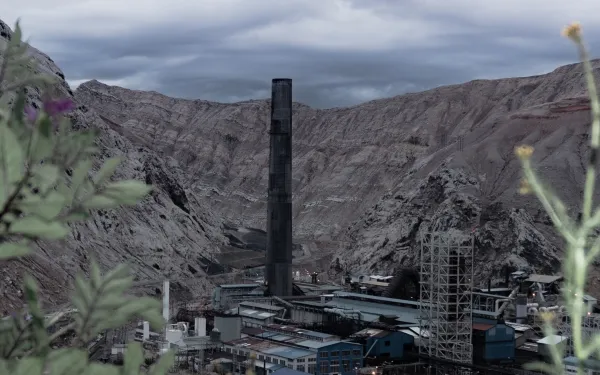
Warning of increased contamination in La Oroya and slow progress by the State to comply with the Inter-American Court ruling
The State's progress in implementing the international court's ruling has been slow and insufficient. Meanwhile, a high level of sulphur dioxide has recently been registered in the Andean city due to the partial reactivation of the metallurgical complex and the lack of prevention, warning, monitoring and control measures by the state. Two months after the Inter-American Court of Human Rights issued its ruling in the case "La Oroya Community vs. Peru," the Inter-American Association for Environmental Defense (AIDA) and the Pro Human Rights Association (APRODEH), organizations that legally represent the victims, warned at a press conference that the Peru is making slow and insufficient progress in effectively complying with the ruling.The ruling, issued on March 22 and considered a landmark in international law, established Peru’s responsibility for violating the rights of La Oroya residents affected by decades of toxic contamination.The international tribunal ordered comprehensive remedial measures, including environmental cleanup, reduction and mitigation of polluting emissions, air quality monitoring, free and specialized medical care, compensation, and a resettlement plan for the affected people. Increased pollution in La OroyaThe organizations also denounced that the government’s slow action is occurring in the midst of an increase in the presence of toxic contamination in the area due to the partial reactivation of the La Oroya Metallurgical Complex and the lack of prevention, warning, monitoring and control measures by the state.According to the Environmental Monitoring System of the Environmental Evaluation and Control Agency, a high presence of sulfur dioxide has recently been recorded in La Oroya, which makes it imperative that Peru take urgent action based on its international responsibility.One of the measures ordered by the Inter-American Court is to ensure that the operations of the La Oroya Metallurgical Complex comply with international environmental standards, preventing and mitigating damage to the environment and human health. Challenges in implementing the rulingDuring the press conference, Rosa Peña, Senior Attorney for AIDA's Human Rights and Environment Program, said: "The ruling is a great opportunity for the State of Peru to prevent and better manage the environmental impacts of mining and metallurgical activities, as well as to improve health care for people exposed to contamination. The Court has already identified the key aspects, now it is up to the State as a whole to ensure a good implementation that will serve as an example for other cases at national and international levels."Christian Huaylinos, coordinator of the legal sector of APRODEH, emphasized the need for an articulated multisectoral work: "A coordinated effort of the three levels of the state—local, regional and national—is needed to advance in the effective compliance of the sentence. In addition, clear mechanisms must be put in place to ensure the effective participation of victims in the implementation of the orders issued by the Court." Community demandsYolanda Zurita, a petitioner in the case, emphasized the community's frustration with the lack of prompt and effective action: "We, as a population, need to feel and see that there is compliance. It is not possible that after 20 years of litigation, and after the Court's ruling has been made public, there are officials who claim to be ignoring the ruling."The Inter-American Court's ruling not only focuses on reparations for direct victims, but also includes restitution measures and guarantees of non-repetition for the entire population of La Oroya and the country. It defines parameters for the proper conduct of mining and metallurgical operations in Peru, in defense of the environment and health.The ruling is an important precedent for the protection of the right to a healthy environment in Latin America and for adequate state oversight of corporate activities.AIDA and APRODEH urge the Peruvian government to comply with the measures ordered by the Inter-American Court and to take immediate action to protect the environment and health of the community of La Oroya.Press contactVíctor Quintanilla-Sangüeza (Mexico), AIDA, [email protected], +52 5570522107
Read more