
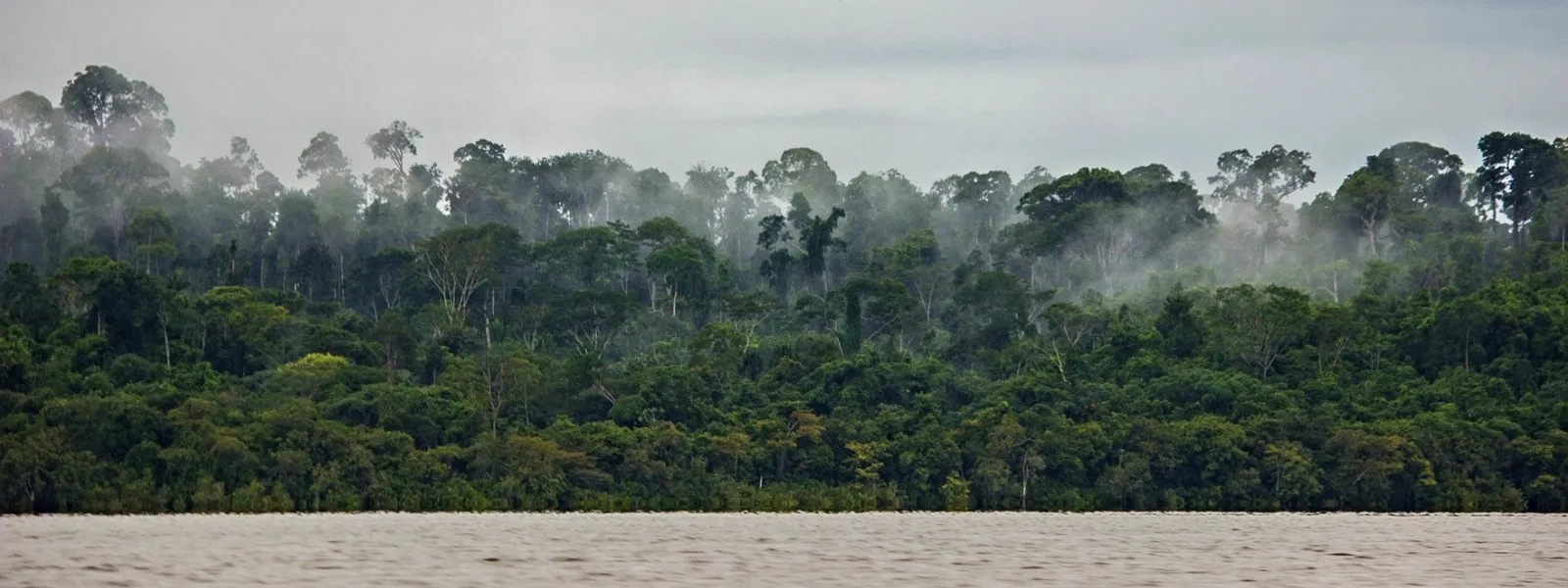
Project
Amazon Watch / Maíra Irigaray
The Belo Monte Dam on the Xingu River: 10 years of impacts in the Amazon and the search for reparations
The Belo Monte Dam has caused an environmental and social disaster in the heart of the Amazon—one of the most important ecosystems on the planet.
This situation has only worsened since the hydroelectric plant began operations in 2016. The quest for justice and reparations by the affected indigenous, fishing, and riverine communities continues to this day.
In 2011, the Inter-American Commission on Human Rights (IACHR) granted them protective measures that, to date, have not been fully implemented by the Brazilian State.
Furthermore, since June of that same year, the IACHR has yet to rule on a complaint against the State regarding its international responsibility in the case.
The IACHR may refer the case to the Inter-American Court of Human Rights, which has the authority to issue a ruling condemning the Brazilian State.
After 10 years of the hydroelectric plant's operation and more than 15 years of documented human rights violations, it is time for justice to be served for the affected communities.
Read the open letter from the organizations bringing the case before the IACHR
Background
The Belo Monte hydroelectric plant—the fourth largest in the world by installed capacity (11,233 MW)—was built on the Xingu River in Pará, a state in northern Brazil.
It was inaugurated on May 5, 2016, with a single turbine. At that time, 80% of the river’s course was diverted, flooding 516 km² of land—an area larger than the city of Chicago. Of that area, 400 km² was native forest. The dam began operating at full capacity in November 2019.
Belo Monte was built and is operated by the Norte Energia S.A. consortium, which is composed primarily of state-owned companies. It was financed by the Brazilian Development Bank (BNDES), which provided the consortium with 25.4 billion reais (approximately US$10.16 billion), the largest investment in the bank’s history. Therefore, the BNDES is also legally responsible for the socio-environmental impacts associated with the hydroelectric plant.
Decades of harm to the environment and people
Human rights violations and degradation of the Amazon have been occurring since the project’s inception. In March 2011, Norte Energía began construction of the dam without adequate consultation and without the prior, free, and informed consent of the affected communities.
The construction caused the forced displacement of more than 40,000 people, severing social and cultural ties. The resettlement plan in Altamira—a city directly affected by the hydroelectric dam—involved housing units located on the outskirts, lacking adequate public services and decent living conditions for the relocated families, with no special provisions for those from indigenous communities.
Belo Monte's operations have caused a permanent, man-made drought in the Volta Grande (or "Great Bend") of the Xingu River, exacerbated by the historic droughts in the Amazon in 2023 and 2024. As a result, the deaths of millions of fish eggs were documented for four consecutive years (from 2021 to 2024), and for the past three years, there has been no upstream migration of fish to spawn and reproduce. Thus, artisanal fishing, the main source of protein for indigenous peoples and riverside communities, was severely affected: fish dropped from 50% to 30% of total protein consumed, replaced by processed foods. In summary, there was an environmental and humanitarian collapse that resulted in the breakdown of fishing as a traditional way of life, food insecurity, and access to drinking water for thousands of families, impoverishment, and disease.
Furthermore, the construction of the dam increased deforestation and intensified illegal logging and insecurity on indigenous and tribal lands, putting the survival of these communities at risk. Another consequence was the deepening of poverty and social conflicts, as well as the strain on health, education, and public safety systems in Altamira—a city ranked as the most violent in the country in 2017, where human trafficking and sexual violence increased. Violence was also reported against human rights defenders involved in the case.
In 2025, during the 30th UN Climate Change Conference (COP30), held in Brazil, the Federal Public Prosecutor’s Office labeled the damage caused by the Belo Monte dam as ecocide.
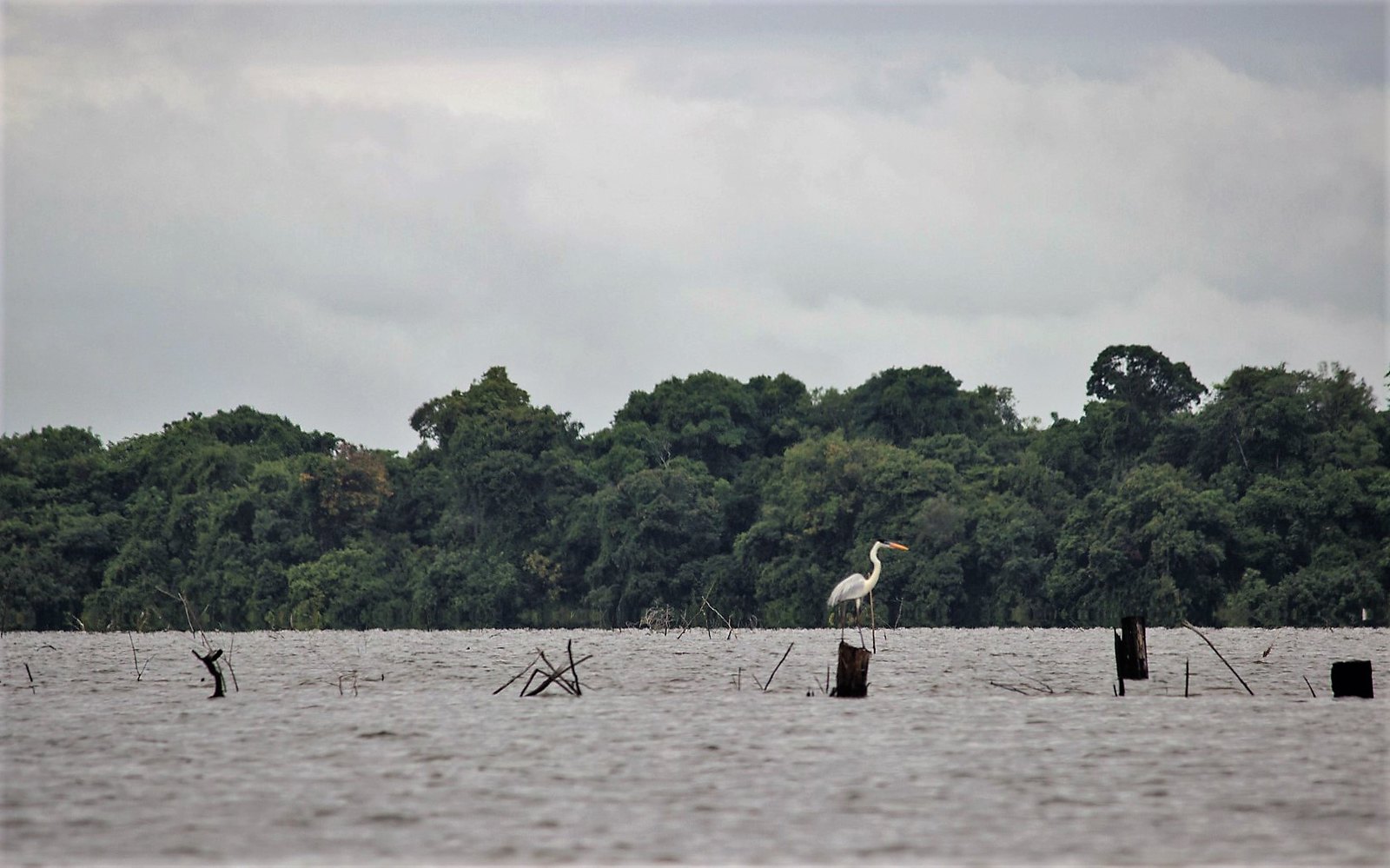
Photo: Amazon Watch / Maíra Irigaray.
The search for justice and reparations
Over the years, the Federal Public Prosecutor’s Office in Pará, the Public Defender’s Office, and civil society organizations have filed dozens of legal actions in Brazilian courts to challenge the project’s various irregularities and its impacts. Most of the claims are still pending resolution, some for more than 10 years.
These efforts have failed because the national government has repeatedly overturned rulings in favor of the affected communities by invoking a mechanism that allowed a court president to suspend a judicial decision based solely on generic arguments such as "the national interest" or "economic order."
In the absence of effective responses at the national level, AIDA, together with a coalition of partner organizations, brought the case before the Inter-American Commission on Human Rights (IACHR) and, in 2010, requested precautionary measures to protect the lives, safety, and health of the affected indigenous communities.
On April 1, 2011, the IACHR granted these measures and requested that the Brazilian government suspend environmental permits and any construction work until the conditions related to prior consultation and the protection of the health and safety of the communities are met.
And on June 16, 2011 —together with the Xingu Vivo Para Sempre Movement, the Coordinating Committee of Indigenous Organizations of the Brazilian Amazon, the Diocese of Altamira, the Indigenous Missionary Council, the Pará Society for the Defense of Human Rights and Global Justice— we filed a formal complaint against the Brazilian State for its international responsibility in the violation of the human rights of the people affected in the case. The case was opened for processing in December 2015.
On August 3, 2011, the IACHR amended the precautionary measures to request, instead of the suspension of permits and construction, the protection of people living in voluntary isolation, the health of indigenous communities, and the regularization and protection of ancestral lands.
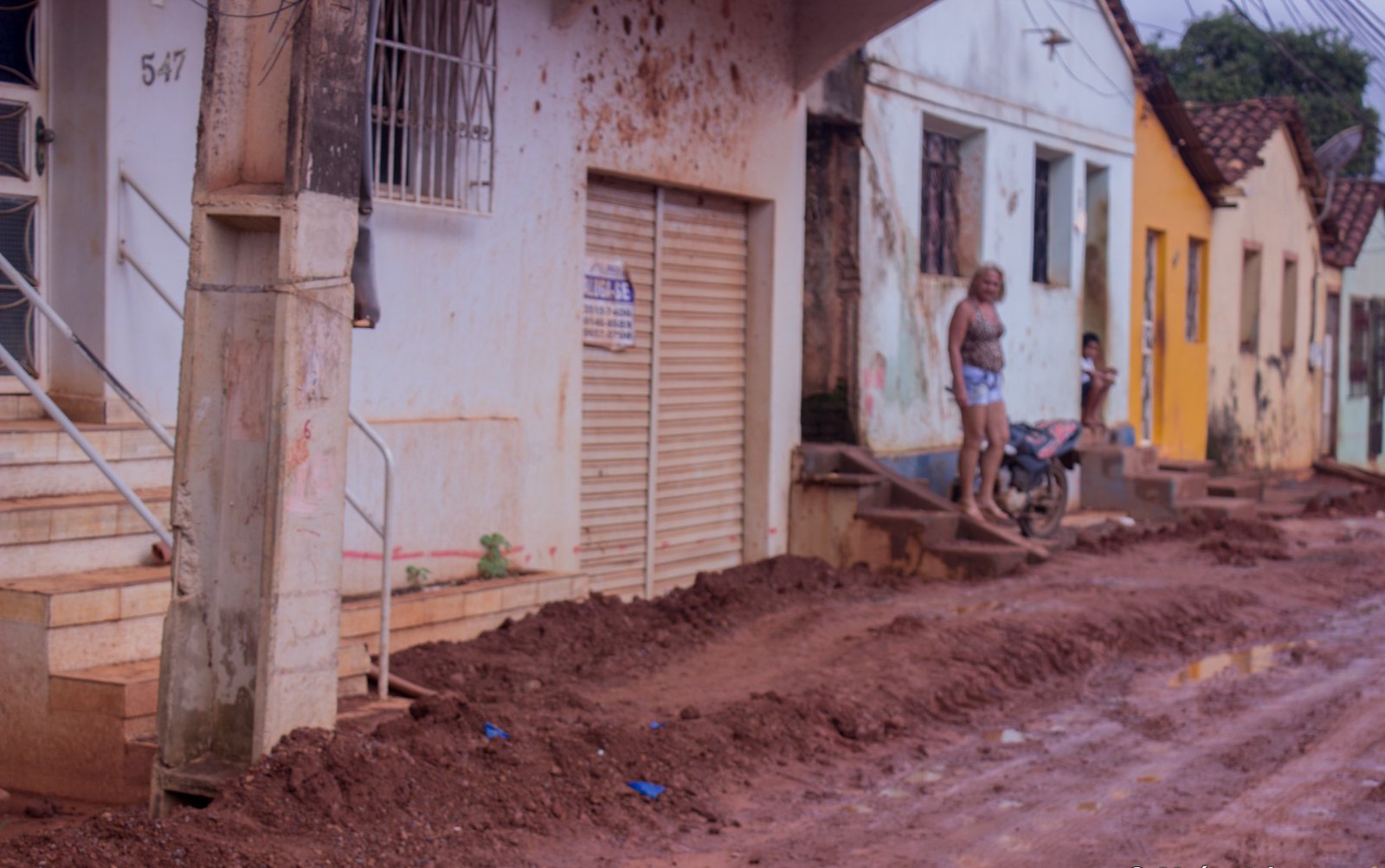
Photo: Amazon Watch / Maíra Irigaray.
Current situation
The protective measures granted by the IACHR remain in effect, but the Brazilian government has not fully complied with them, reporting only on general actions. The communities have documented the ongoing violations of their rights. The situation that prompted the request for these measures—the risk to the lives, physical integrity, and ways of life of the communities—persists and has worsened with the hydroelectric plant operating at full capacity and the recent extreme droughts in the Amazon.
In addition to the impacts of Belo Monte, there is a risk of further social and environmental impacts from the implementation of another mining megaproject in the Volta Grande do Xingu. There, the Canadian company Belo Sun plans to build Brazil’s largest open-pit gold mine.
The combined and cumulative impacts of the dam and the mine were not assessed. The government excluded Indigenous peoples, riverine and peasant communities from the project’s environmental permitting process. Despite protests by Indigenous communities and other irregularities surrounding the project, the government of Pará formally authorized the mine in April 2026.
Like other hydroelectric dams, Belo Monte exacerbates the climate emergency by generating greenhouse gas emissions in its reservoir. And it is inefficient amid the longer, more intense droughts caused by the crisis, as it loses its ability to generate power.
The case before the Inter-American Commission
In October 2017, the IACHR announced that it would rule jointly on the admissibility (whether the case meets the requirements for admission) and the merits (whether a human rights violation actually occurred) of the international complaint against the Brazilian State.
Fifteen years after the complaint was filed, the affected communities and the organizations representing them are still awaiting this decision. If the IACHR concludes that human rights violations occurred and issues recommendations that the Brazilian State fails to comply with, it may refer the case to the Inter-American Court of Human Rights, whose rulings are binding.
A potential ruling by the international court in this case would set a regional legal precedent regarding the rights of indigenous and riverine peoples, public participation in megaprojects, and state responsibility in the context of the climate crisis—a precedent that is particularly relevant in light of the Court’s Advisory Opinion No. 32, which reaffirmed the obligations of States to protect the people and communities of the continent from the climate emergency.
Partners:
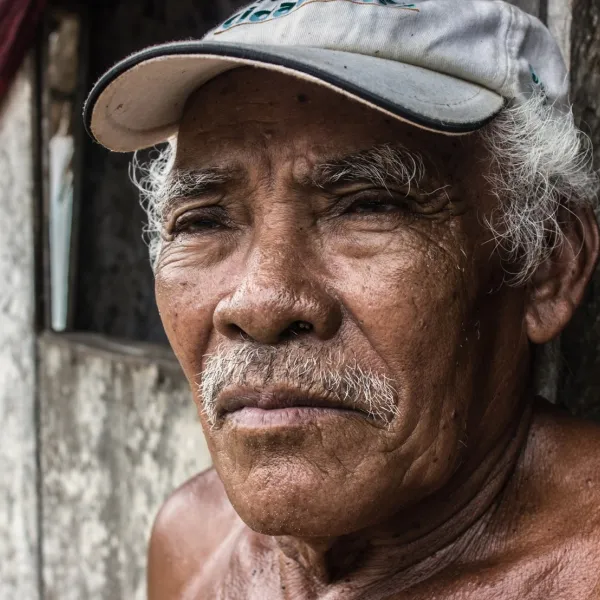
Related projects
Mexican Supreme Court order to protect the Veracruz reef still unenforced
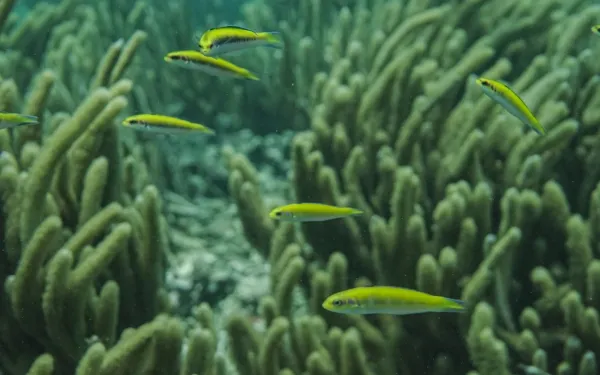
A port expansion project threatens the reef that hosts the greatest biodiversity of reef species in the western Gulf of Mexico. More than two years after the Supreme Court of Mexico ordered the adoption of several measures to protect the Veracruz Reef System and surrounding ecosystems affected by a port expansion project, the Ministry of Environment and Natural Resources (Semarnat) still refuses to comply with the ruling, putting the largest reef in the Gulf of Mexico and its environmental benefits at risk. The environmental organizations Territorios Diversos para la Vida, A.C. (TerraVida), Mexican Center for Environmental Law (CEMDA), Interamerican Association for Environmental Defense (AIDA) and Earthjustice denounce this failure to comply with the court order. The Veracruz Reef System—a Wetland of International Importance under the Ramsar Convention since 2004—hosts the greatest biodiversity of reef species in the western Gulf of Mexico and is home to several critically endangered species such as the hawksbill sea turtle. The reefs are of high importance to the Veracruz community because they protect the coast from hurricanes and support local fishing and tourism. On February 9, 2022, residents of Veracruz won a victory before the Supreme Court in an amparo action filed to defend the Veracruz reef and other relevant ecosystems from the impacts of the port expansion. The highest court in Mexico determined that Semarnat violated the people of Veracruz’s right to a healthy environment after finding the project’s approval to be severely deficient. As a result, the Court ordered the revocation of the project’s permits, as well as a complete and holistic reevaluation of the project’s impacts, tasks that Semarnat has not yet complied with. "Today, the right to a healthy environment of the people living in the Veracruz-Boca del Río-Medellín metropolitan area continues to be violated because Semarnat, when re-evaluating the port expansion’s environmental impact after the court order, used outdated scientific information, failed to conduct a new evaluation, and allowed the port to again fragment its project by separating out the rock quarries and breakwaters," said Francisco Xavier Martínez Esponda, co-coordinator of TerraVida, the organization representing the plaintiffs in the lawsuit. "In short, the project was never evaluated in a complete and holistic manner, as ordered by the Court, and therefore we remain unaware of the project’s true environmental risk." The environmental authority had authorized the project in a fragmented manner, dividing it into 15 sections, which it evaluated and approved independently, obscuring its full impact. Far from complying with the court’s order, on December 30, 2022, Semarnat's General Directorate of Environmental Impact and Risk conditionally reauthorized the Veracruz port’s expansion, but once again in a fragmented manner, without adequately assessing the full project using the best available science and without allowing for public participation, as the court required. In its decision, Mexico’s highest court also ruled that Semarnat was obligated, among other things, to seek international technical assistance to preserve the site within the framework of the Ramsar Convention, an intergovernmental treaty for the protection and sustainable use of wetlands and coastal areas. To date, Semarnat has not yet finalized its request for international support. "In the absence of adequate and meaningful government efforts, there is a clear delay in obtaining expert advice from the Ramsar Convention," said Jorge Lu Palencia, an attorney with AIDA. "It is paradoxical that the expansion of the port has been authorized while still awaiting an independent technical evaluation, which, by its nature, should be prior to any decision that puts the ecosystem at risk." In addition, a scientific analysis prepared by independent researchers concluded that the mitigation measures proposed by the project promoter—the Veracruz Port System Administration—are not capable of avoiding the adverse consequences on the Veracruz reef because they were not based on a scientifically valid assessment of the project’s impacts. The scientific analysis shows that the environmental agency has not studied the potential impacts on the entirety of the reefs within the Veracruz Reef System National Park. In addition, dredging activities were carried out without considering the direct impact on the invertebrate species that inhabit the marine sediments. In view of the situation, the analysis recommends an external evaluation provided by a public research center. For these reasons, the organizations, at different times, have requested the Fifth District Court in Veracruz—in charge of supervising compliance with the judgment—to withhold from ruling on compliance with the judgment until these deficiencies are corrected. Press contacts Gabriela Sánchez, TerraVida, [email protected], +52 5511429935 Víctor Quintanilla (Mexico), AIDA, [email protected], +521 5570522107
Read more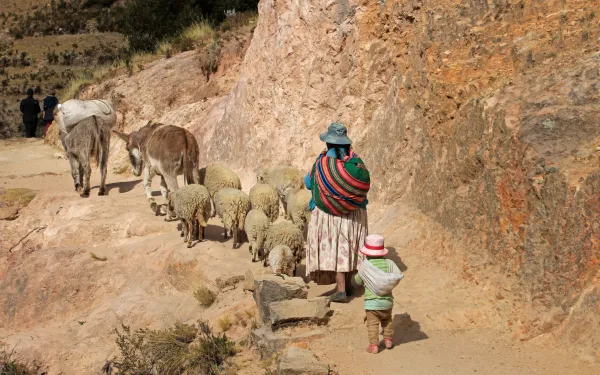
Let's talk about NDCs, countries' commitments to the climate crisis
Nationally Determined Contributions (NDCs) are the plans developed by each country to address the climate crisis under the Paris Agreement. In them, countries commit to meeting targets for reducing their greenhouse gas (GHG) emissions and making progress in adapting to the climate crisis, including - ideally - how they will finance these actions. The Paris Agreement, from which NDCs are derived, is a legally binding international agreement to combat climate change that entered into force in 2016 after being signed by 195 countries. As such, NDCs are the pathway to achieving the Agreement's goals, which are to: Ensure that the global average temperature increase is well below 2°C, preferably 1.5°C, above pre-industrial levels. Strengthen the capacity to adapt to the impacts of climate change. Align financing with the needs of countries to achieve these goals. Each country is free to decide and commit in its NDCs how it will adjust to and alleviate the impacts of the crisis, based on its unique abilities and circumstances. In this sense, NDCs reinforce the agreed-upon global goals to address the climate crisis and contain specific commitments by countries to achieve them. They also provide short- and medium-term plans, with political backing, in key areas not only to stabilize the climate, but also to promote sustainable development and address other global crises such as pollution and biodiversity loss. Countries that have signed the Paris Agreement must submit their NDCs to the Secretariat of the United Nations Framework Convention on Climate Change (UNFCCC) and update them every five years with increasingly ambitious targets based on their own capabilities. The Conferences of the Parties (COPs), the decision-making body of the Convention, will provide guidance to countries on how to meet these commitments. The first NDCs were presented in 2015, when the Paris Agreement was adopted, and their first update occurred in 2020. Next year, countries must update them again with targets for 2030 and 2035. Given their relevance for global climate action and the proximity of the second update, we will dig deeper into relevant aspects of the NDCs. The content of the NDCs In their NDCs, countries present a projected analysis of climate risks and impacts, as well as specific commitments to reduce greenhouse gas emissions and adapt to the impacts. This results in quantitative or qualitative targets, deadlines and actions in priority sectors such as agriculture, water, biodiversity, forests, energy, risk management, industry, infrastructure, fisheries, health, transport, tourism and coastal zones, among others. Most countries include indicative budgets for achieving their targets, and many developing countries indicate the support they will need—financial, technology transfer, and/or capacity-building—to implement some or all their actions. In an NDC, targets that can be achieved without external support are called "unconditional" and those that depend on such support are called "conditional." Examples of NDC commitments include: Reduce 22 percent of its GHG emissions with its own resources by 2030 (unconditional mitigation target). Increase GHG reduction to 36 percent, but subject to a global agreement that includes technical cooperation and technology transfer, as well as access to low-cost financial resources (conditional mitigation target). Increase, by 2030, the adaptive capacity of the population to climate change and reduce the high vulnerability of 160 municipalities (unconditional adaptation goal). Progress on NDCs According to the World Resource Institute, current NDC emission reduction commitments submitted by countries fall far short of the ambition needed to meet the Paris Agreement's goals, as they would result in a temperature increase of between 2.5 and 2.9°C even if fully implemented. On a more optimistic note, data from the United Nations Development Program's Climate Promise initiative, which is supporting 85 percent of countries in the preparation of their NDCs, shows that the most vulnerable countries are making tangible progress in terms of ambition. For example, African countries are more committed than the global average to their climate resilience goals, increasing transparency efforts, and incorporating just transition, while the NDCs of Latin American and Caribbean countries show high levels of stakeholder engagement and accountability compared to the global average. Although most Latin American countries have plans to reduce GHG emissions, adapt to climate change and promote renewable energy in their NDCs, they remain dependent on oil, gas and coal, making their current climate commitments insufficient. Human rights and gender approach in NDCs While the global crisis is a threat to humanity, its impact is disproportionately felt by vulnerable populations who are less able to cope. This is the case for indigenous and Afro-descendant peoples, as well as peasant and rural populations. Furthermore, according to the UN Human Rights Council, "women are particularly vulnerable to the risks associated with climate change due to gender discrimination, inequalities and gender roles that constrain them. One of the main negative impacts of the climate crisis on women is that it exacerbates the burden of unpaid domestic and care work, thereby deepening existing structural inequalities. Considering the above, it is essential that States incorporate the human rights framework and the gender perspective in the formulation of their climate policies, as recognized by various international instruments and treaties. This implies that States - in the elaboration, implementation and monitoring of NDCs - comply with their obligations to promote, respect, protect and fulfil human rights without discrimination and with a gender and intersectional approach, thereby strengthening the capacity of people and communities to act effectively in the face of the climate crisis, particularly those who have been historically marginalized. NDCs must also ensure the rights of future generations and the long-term integrity of ecosystems. What's next Next year's round of NDCs should focus on delivering on the commitments made at the 28th United Nations Climate Change Conference (COP28) to phase out fossil fuels in energy systems, set specific methane emission reduction targets, triple renewable energy and double energy efficiency. Given that this new round will cover targets up to 2035 - the midpoint between 2020, when countries began implementing their NDCs, and 2050, the year agreed for achieving the global goal of zero net emissions - the commitments presented are critical to aligning near-term actions with long-term goals. In the face of accelerating climate impacts with increasingly severe consequences, there is an urgent need for NDCs with sufficient ambition to contribute to deep emission cuts, enhanced adaptation, adequate attention to loss and damage already caused, and a significant increase in climate finance. Learn more To learn more about the progress of each country's climate commitments, you can: Consult the UNFCCC database, which contains the list of countries that have submitted their NDCs and the date they did so. Consult the information generated by the Climate Action Tracker, which tracks governments' climate actions and compares them to the Paris Agreement targets. Learn about NDC LAC, a digital tool that provides information on progress in implementing and updating NDCs in Latin America and the Caribbean. sources - United Nations Framework Convention on Climate Change, "Nationally determined contributions (NDCs). The Paris Agreement and nationally determined contributions". - United Nations, "All about NDCs." -World Resources Institute, "Next Generation NDCs. Accelerating climate action under the Paris Agreement". - United Nations Development Programme, “What are NDCs and how do they drive climate action?”. - Verónica Méndez Villa and Daniela García Aguirre, "Human Rights and Gender Perspective in Nationally Determined Contributions (NDCs) in Latin America," Interamerican Association for Environmental Defense (AIDA). - Inter Press Service, "Latin America arrives at COP28 with insufficient ambitions for its goals".
Read more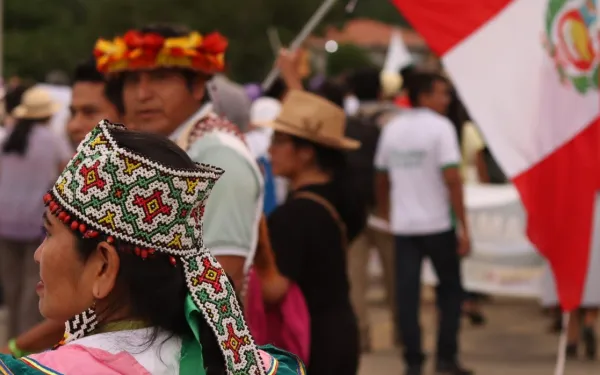
The Amazon: The complexities and challenges of its protection
By Vania Albarracín and José David Castilla* Protecting the Amazon is one of the region's greatest challenges. Facing it requires coordination and cooperation between states, peoples and organizations. In this context, the Pan-Amazonian Social Forum (FOSPA) was born out of the need to think about the Pan-Amazonian region - a region made up of the countries that have jurisdiction or territory in the Amazon basin, and/or have jungle coverage, and/or are part of the Amazon Cooperation Treaty (TCA) - in all its complexity. FOSPA is a regional space for articulation, reflection and exchange between indigenous peoples, social movements and civil society from Bolivia, Brazil, Colombia, Ecuador, Guyana, French Guiana, Peru, Venezuela and Suriname. The reason why so many actors have come together around the Amazon is that it is a mega-diverse ecosystem and a global climate stabilizer, containing more than 13% of all known plant and animal species and releasing 6,600 km³ of freshwater annually into the Atlantic Ocean, representing between 16 and 20% of global runoff. It is therefore essential to consider the interconnections and interdependencies between the Amazon and other ecosystems in the region. Marine-coastal ecosystems, Andean wetlands, mountain ranges and forests are interconnected throughout the continent and should be recognized as part of a comprehensive conservation strategy. The Amazon region is facing serious problems of deforestation and ecosystem degradation, which have led to warnings of reaching the so-called point of no return. This refers to the loss of the ecological balance and climatic functions of the Amazon, which would have incalculable negative global repercussions. FOSPA holds biannual meetings in different cities and sub-regions of the Amazon to discuss the violations of human, environmental, territorial and natural rights that afflict the region, as well as to propose alternatives that come from the local communities and indigenous peoples that inhabit the region. The eleventh version of FOSPA was held from June 12 to 15 in the cities of Rurrenabaque and San Buenaventura, in the Amazon region of Bolivia. The meeting resulted in a joint declaration in defense of life, peoples and nature. AIDA participated in the meeting and we share below our assessment of the main agreements, the gaps in their implementation and what is missing to ensure the protection of the Amazon. The agreements 1. Mining threats The threats posed by mining to the Amazon region can be seen in two key issues: the promotion and impact of new extractivism (such as copper mining) and mercury contamination from gold mining. The meeting highlighted the need to ban the global trade of mercury and to develop multinational strategies to combat its use in gold mining, in accordance with the Minamata Convention. In addition, a biocultural approach to assessing the impacts of mining was advocated, recognizing the interrelationship between biodiversity and indigenous cultures, the fundamental role of women in preserving and reproducing life, and the participation of civil society in decision-making spaces, ensuring transparency and full disclosure. 2. An Amazon free of extractivism One of the main concerns of the communities, peoples and organizations that participated in the meeting is the presence of different types of extractivism in the Amazon region. They recognized that their rights are violated and threatened by hydrocarbon extraction and transportation projects, by the exploitation of transition minerals such as gold and copper, and by the implementation of public policies related to the energy transition. One of the most relevant proposals in this regard was to generate a multifactorial and plurinational declaration of the Amazon as a zone free of fossil fuels and mining, not only as a slogan, but as a political, social and environmental horizon for the protection of life in all its forms. This proposal must be evaluated in the context of the different tensions and social realities of the region. 3. Guarantees for a just and popular energy transition A just and popular energy transition was another relevant point of the meeting. Indigenous communities and peoples raised the need to decolonize the concept of energy transition and propose a process that comes from them, who have historically suffered the impacts of extractivism. The call was for an energy transition that remediates these impacts and restores affected ecosystems. Achieving this goal requires responsible project closure and exit processes, as well as transition processes that incorporate the highest human rights standards and the perspectives of affected communities. Practical gaps 1. Insufficient commitment to regional cooperation The eleventh version of the FOSPA revealed a lack of political commitment on the part of the member governments of the Amazon Cooperation Treaty Organization (ACTO), reflected in the absence of firm agreements and mechanisms for effective participation. This favors extractivist policies and weakens the protection of indigenous and environmental rights. It is essential that ACTO review and strengthen its structures to ensure that international commitments are implemented and that pan-Amazonian communities play an active and decisive role in policy formulation. 2. Exclusion of indigenous peoples and communities from the decision-making process The exclusion of indigenous peoples and indigenous Amazonian communities from decision-making processes is evident. This results in policies and agreements that do not reflect their needs and realities. A clear example of this is the Conferences of the Parties (COP) on climate change and biodiversity, where indigenous representation is not real or substantive, resulting in a failure to value their ancestral knowledge and fundamental role in biodiversity and climate protection. 3. Absence of a binding mechanism The implementation of agreements reached in forums such as FOSPA has been inadequate and, in many cases, non-existent. This has been one of the main demands of indigenous peoples and communities. Due to the non-binding nature of FOSPA and its lack of relevance to the state perspective, many of the demands remain in the realm of declarations. Although the FOSPA is essential for pan-Amazonian integration and the construction of alternatives from the territories, a joint effort is needed to strengthen its link with decision-makers, to promote the active participation of communities and to turn the forum into a platform for mobilization and action. The road ahead The next FOSPA meeting will take place in two years, but the effective protection of the Pan-Amazon region cannot wait. In the short term, it is necessary to take concrete actions to mitigate the impacts on the ecosystem and to adopt regional cooperation measures to ensure its integral and transboundary protection. Among other things, it is necessary and urgent: Achieve a regional consensus and design a plan to guarantee the declaration of the Amazon as a zone free of fossil fuels and all forms of extractivism. Coordinate an Andean-Amazonian and coastal articulation for the integral defense of territories, demanding concrete actions against mining with a biocultural approach. Demand regulatory frameworks for environmental and human rights due diligence in the Amazonian countries and in the countries of origin of the companies, in order to oblige them to comply with international standards in these two areas. Urge states to apply the principles of prevention and precaution and to raise their standards for projects that may affect the Amazon. Develop a mechanism for the closure and phasing out of fossil fuel extraction projects in the Amazon. Guarantee the active, representative and binding participation of Pan-Amazonian communities and peoples in international forums where decisions are made about nature, such as the next UN Conference on Biodiversity (COP16 in Colombia) and the next UN Conferences on Climate Change (COP29 in Azerbaijan and COP30 in Brazil). *Vania Albarracín Silva is an attorney with AIDA's Ecosystems Program and José David Castilla Parra is an attorney with Human Rights and Environment Program.
Read more