
Project
ShutterstockTowards an end to subsidies that promote overfishing
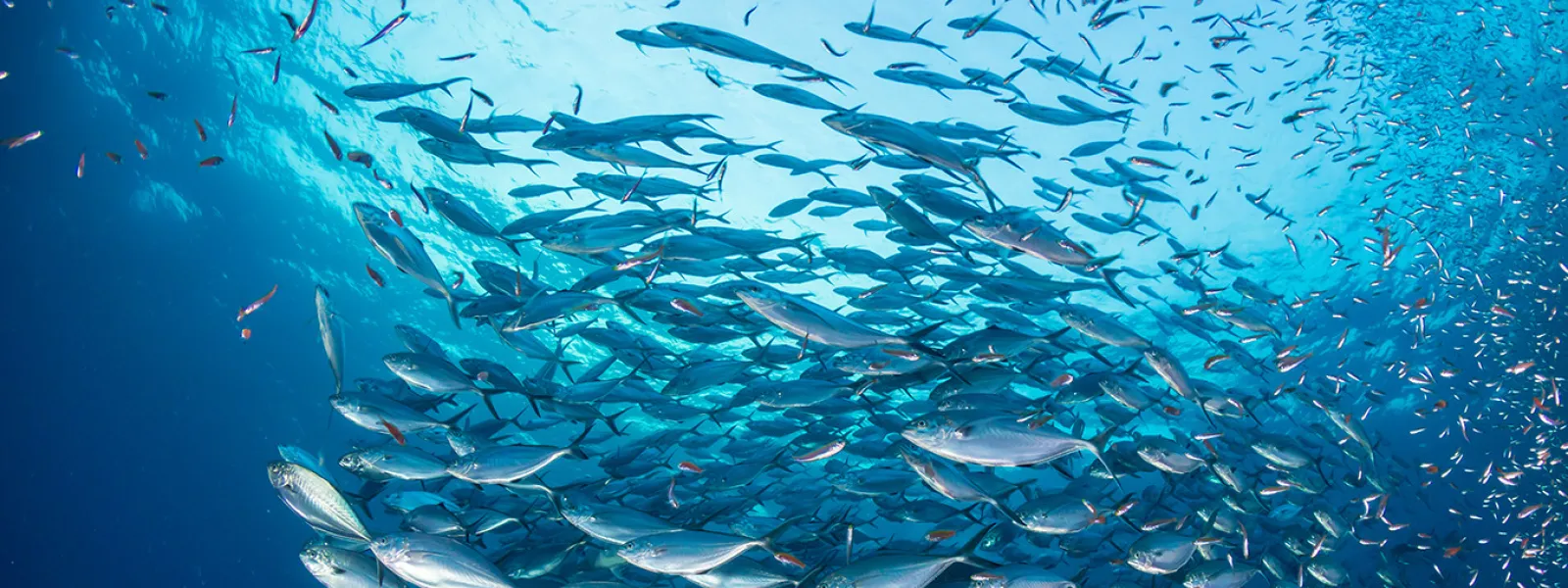
Overfishing is one of the main problems for the health of our ocean. And the provision of negative subsidies to the fishing sector is one of the fundamental causes of overfishing.
Fishing subsidies are financial contributions, direct or indirect, that public entities grant to the industry.
Depending on their impacts, they can be beneficial when they promote the growth of fish stocks through conservation and fishery resource management tools. And they are considered negative or detrimental when they promote overfishing with support for, for example, increasing the catch capacity of a fishing fleet.
It is estimated that every year, governments spend approximately 22 billion dollars in negative subsidies to compensate costs for fuel, fishing gear and vessel improvements, among others.
Recent data show that, as a result of this support, 63% of fish stocks worldwide must be rebuilt and 34% are fished at "biologically unsustainable" levels.
Although negotiations on fisheries subsidies, within the framework of the World Trade Organization, officially began in 2001, it was not until the 2017 WTO Ministerial Conference that countries committed to taking action to reach an agreement.
This finally happened in June 2022, when member countries of the World Trade Organization reached, after more than two decades, a binding agreement to curb some harmful fisheries subsidies. It represents a fundamental step toward achieving the effective management of our fisheries resources, as well as toward ensuring global food security and the livelihoods of coastal communities.
The agreement reached at the 12th WTO Ministerial Conference provides for the creation of a global framework to reduce subsidies for illegal, unreported and unregulated fishing; subsidies for fishing overexploited stocks; and subsidies for vessels fishing on the unregulated high seas. It also includes measures aimed at greater transparency and accountability in the way governments support their fisheries sector.
The countries agreed to continue negotiating rules to curb other harmful subsidies, such as those that promote fishing in other countries' waters, overfishing and the overcapacity of a fleet to catch more fish than is sustainable.
If we want to have abundant and healthy fishery resources, it is time to change the way we have conceived fishing until now. We must focus our efforts on creating models of fishery use that allow for long-term conservation.
Partners:
Environmental Defense Guide
The purpose of this publication is to promote the use of the Inter-American System of Human Rights for addressing environmental degradation that causes human rights violations. Within this guide we provide the legal strategies and arguments necessary to use the System effectively and properly. Our goal with this publication and our work in general, is to strengthen people’s capacity to defend their individual and collective right to a healthy environment through the proper development, implementation and fulfillment of domestic and international law. With the publication and widespread distribution of the English-language edition of the Guide, we hope to significantly advance this goal. Read and download the guide
Read more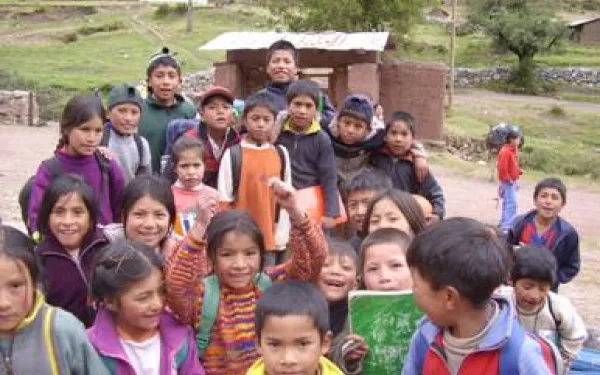
La Oroya before the Inter-American Commission on Human Rights
In an effort to compel the Peruvian government to resolve the health crisis in La Oroya, AIDA appealed to the Inter-American Commission on Human Rights (IACHR) in 2005, requesting that the Commission take urgent precautionary measures (in Spanish) to safeguard human rights. Working together with Earthjustice, CEDHA, and our Peruvian colleagues, we brought this case on behalf of more than 60 adults and children who live in La Oroya and suffer from health problems believed to be caused by the smelter’s pollution. The following year, after the government failed to heed Peruvian court mandates to clean up La Oroya, we submitted a full petition to the IACHR, asking the Commission to thoroughly evaluate the human rights situation and obligate the State of Peru to prevent the Doe Run Peru smelter from further contaminating the city. The Commission responded favorably to our efforts. In 2007, the IACHR requested that the State of Peru take precautionary measures to prevent irreversible harm to the health, integrity, and lives of the people of La Oroya. Specifically, as a first step, the Commission requested that the Peruvian government diagnose and provide specialized medical treatment to the group of people we represent. When the government was slow to comply, the Commission met with the parties again in 2008 and 2009, and successfully motivated the state to implement the measures appropriately, a process currently in progress. In August 2009, the IACHR accepted AIDA’s petition to fully evaluate the case against Peru. It based its decision on the fact that the illnesses and deaths allegedly resulting from the severe pollution constitute potential violations of the human rights to life and integrity. It also found that the State of Peru likely violated the public’s right to information when it manipulated and failed to publish important human health information. Finally, the Commission concluded that the State of Peru unjustifiably delayed compliance with the 2006 decision of the Peruvian Constitutional Tribunal, and thus may be violating citizen’s rights of access to justice and to effective domestic remedies. Now, several years after the IACHR first ordered Peru to provide precautionary measures, it is clear that the state’s efforts have been woefully inadequate. The 65 residents represented by AIDA have received spotty medical attention that falls far short of the “specialized” care that was promised, and the government’s efforts have not reduced health risks in a meaningful way. In March 2010, AIDA and its partners returned for another public hearing at the IACHR, to present evidence that the Peruvian government’s actions fail to satisfy the terms of the 2007 recommendations. Backed by findings from independent experts, AIDA argued that the medical evaluations conducted by the government were never completed and that the city is still contaminated by heavy metal pollution that causes a range of debilitating conditions, especially among children. The State denied these claims, insisting that it has taken sufficient action and the case should be closed. While we wait for a final decision on the case, AIDA will continue to pressure the Peruvian Ministry of Health to comply with its obligations, and to encourage the IACHR to maintain a spotlight on the Peruvian State until the pollution in La Oroya no longer threatens people’s fundamental human rights. Positive changes resulting from this case will not only benefit those we represent, but all residents of La Oroya. A decision from the IACHR will also create a vital precedent that can be applied in other cases throughout the hemisphere. IACHR hearing - La Oroya Follow us on Twitter: @AIDAorg "Like" our page on Facebook: https://www.facebook.com/AIDAorg
Read more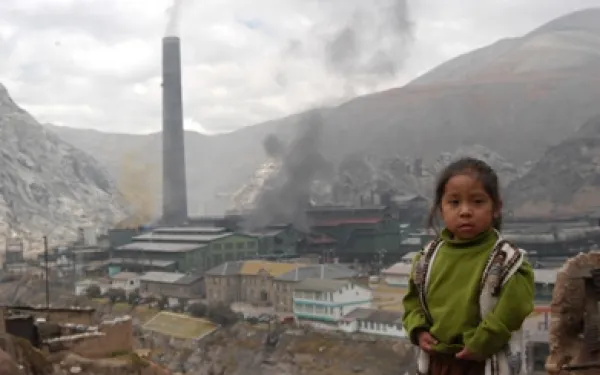
La Oroya triumphed in the Constitutional Court, but the ruling was not implemented
In 2006, the Peruvian Constitutional Tribunal recognized that high levels of pollution in La Oroya were causing serious health problems for the local population. The Tribunal ordered the Ministry of Health to comply with the law and take urgent action to prevent additional irreversible impacts to the environment and human health. This decision was supported by numerous scientific reports from the government, civil society organizations, and Doe Run Peru, which operates the smelter. In its decision, the Tribunal accepted all the arguments presented by the Peruvian Society for Environmental Law (SPDA), which represented La Oroya citizens in the case with AIDA’s support. The court gave the government 30 days to: Provide emergency medical attention for people contaminated with lead, giving priority to pregnant women and children; Implement an action plan to improve air quality in La Oroya; Declare States of Alert when pollution levels are excessive; Establish epidemiological and environmental monitoring programs. This ruling established a key legal precedent for three fundamental reasons. First, it recognized that extremely high pollution levels like those in La Oroya can cause serious and irreversible harm to people’s health, violating human rights. Second, it reiterated the State’s obligation to protect citizen rights, requiring specific actions to reduce health threats. Third, by ordering the State to coordinate with the polluting company, the Tribunal confirmed that corporations are responsible for conducting their businesses in ways that respect the human rights to health, to life, and to a healthy environment. In response to this ruling, the Peruvian government made some changes, but by no means complied fully with the order. Thus, in 2006, AIDA, in conjunction with Peruvian lawyers, Earthjustice, and CEDHA, brought the case to the Inter-American Commission on Human Rights. Through this case, we seek enforcement of the Peruvian court’s order and implementation of additional measures that would truly protect health in La Oroya. Follow us on Twitter: @AIDAorg "Like" our page on Facebook: https://www.facebook.com/AIDAorg
Read more