
Project
Photo: Anna Laurie Miller / AIDAConserving the Ciénaga Grande de Santa Marta
Ciénaga Grande de Santa Marta, the largest and most productive coastal wetland in Colombia, covers 45,000 hectares. At the confluence of the Magdalena River and the Caribbean Sea, the site boasts an immense variety of flora and fauna, including mammals, birds and fish. Its southern tip is a beautiful sanctuary of mangroves, swamp and amphibious forest.
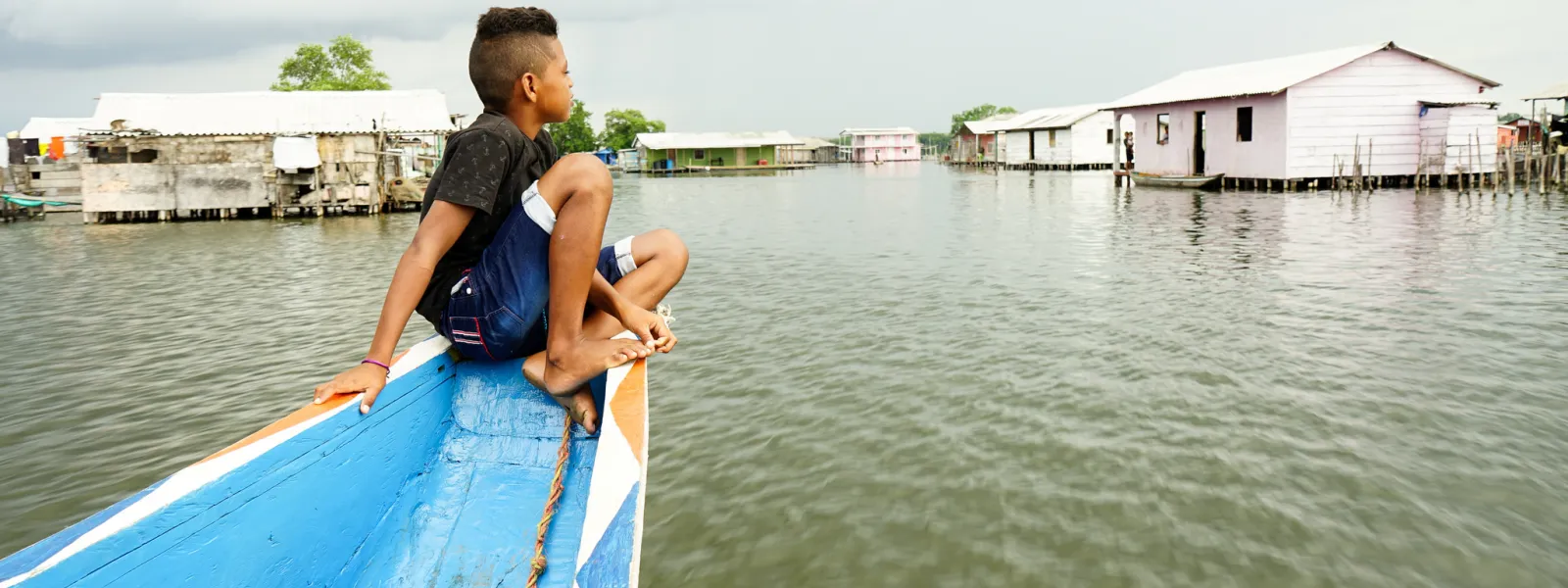
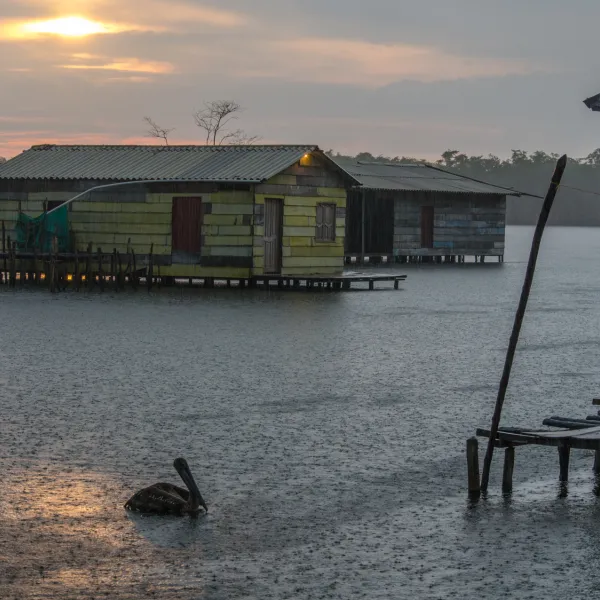
On the calm waters of the marsh stand the Ciénaga’s famous stilt villages, supported by pillars or simple wooden stakes and inhabited by local fishermen since 1800. In a place accessible only by water, many of the things we take for granted—being served a glass of water, quick access to a doctor—are considered luxuries. Residents depend on the natural world around them. Sadly, in recent years mass fish die-offs caused by the marsh’s degradation have threatened the livelihoods of 2,500 people who call the Ciénaga Grande home.
Illegal activities are destroying this vital ecosystem: intentionally set forest fires, deforestation of large tracks of land for agriculture and livestock, logging and burning of mangroves, and 27 kilometers of illegally built dikes.
This destruction not only devastates the local fishery; it also has global impact. Ciénaga Grande’s mangroves absorb large quantities of carbon dioxide from the atmosphere, aiding in the global fight against climate change.
The importance of the Ciénaga Grande has been recognized both nationally – the Sanctuary of Flora and Fauna Ciénaga Grande de Santa Marta is a national park – and internationally: UNESCO’s Man and the Biosphere program declared the lagoon a biosphere reserve; and the Ciénaga Grande is listed as a Wetland of International Importance under the Ramsar Convention, an intergovernmental treaty for the protection of wetlands.
AIDA and our partners are advocating for the Colombian government to fulfill its national and international obligations to protect the Ciénaga Grande. After all, millions of animals, the local community, and our global climate depend on it.
Partners:
Related projects
Inter-American Development Bank to investigate Ituango hydroelectric project
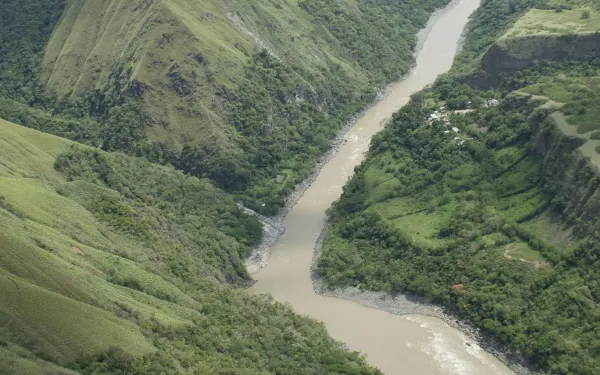
Washington D.C. In a historic decision, the Board of Executive Directors of the Inter-American Development Bank (IDB) approved an international investigation of the Bank’s private lending arm, IDB Invest, for its investment in the Ituango hydroelectric project. Located in the department of Antioquia, the Ituango dam has had a devastating impact on thousands of people across four departments and 27 municipalities in Colombia. The investigation’s main objective will be to determine whether—when financing this megaproject in a region of Colombia that continues to be affected by high levels of violence and resurgent armed conflict—the Bank complied with the social and environmental standards that it is obligated to uphold. The investigation will also examine whether any non-compliance by the Bank is connected to the serious harm that has been sustained by affected communities. “As those who have been affected by the Ituango dam, we demand that the investigation be rigorous and independent,” declared Isabel Zuleta, spokesperson for Movimiento Ríos Vivos in Colombia, which represents the affected communities. “For more than a decade, our communities have denounced the serious problems that the project has caused. These problems have been further exacerbated by the multiple emergencies that have occurred since 2018 and that continue to this day. We hope that, with this international investigation, the voices of victims and opponents of the project will finally be heard.” The investigation originated in a complaint filed by 477 people affected by the Ituango dam project. In the complaint, the affected communities—which are represented by Movimiento Ríos Vivos—emphasize that the Bank’s own policies require that the projects it finances must be sustainable, participatory, and in conformity with national legislation. In the case of the Ituango dam, none of this has happened. In the complaint, the communities indicate that the project lacked an adequate environmental impact assessment and that it did not allow for the participation of communities or provide access to information. They emphasize that the project has been advanced in a context marked by human rights violations, the disproportionate use of force, and increasing violence against people who defend their land and water. They also point out the pattern of discrimination faced by communities for deciding to oppose the project, as well as by women affected by the project. As the complaint lays out, all of this contradicts the social and environmental standards that the IDB must apply to its investments. Further, the complaint was filed in the wake of a humanitarian crisis that endangered the lives of thousands of people in the area surrounding the dam’s construction site. The crisis began after two of the dam’s diversion tunnels were blocked with cement, when a third tunnel became obstructed and the river’s flow increased dramatically. The resulting landslides and flooding forced thousands of people to be evacuated from their homes in a poorly planned, ad hoc manner, and many remain displaced to this day. No other development project in Colombia has caused a humanitarian crisis of this magnitude. This crisis reveals the inadequacy of both the impact assessment and the environmental regulation of the project, which—despite these deficiencies—was nevertheless approved. The state of emergency in the area affected by the crisis has yet to be lifted, and neither the government nor the regulatory agencies in Colombia have ruled out the possibility that the dam could collapse altogether. Even in this critical context, the affected communities sought to engage in a process of dialogue and dispute resolution with the company behind the dam project, which would have been facilitated by the IDB’s accountability mechanism. However, the company refused to participate in such a dialogue. For this reason, as the next step in the process following from the complaint, the accountability mechanism recommended this investigation. The communities affected by the Ituango dam, who live in the river basin of the Cauca River and its tributaries, are accompanied in the complaint process by the Center for International Environmental Law (CIEL), the Interamerican Association for Environmental Defense (AIDA), and International Accountability Project (IAP). The Ituango dam is expected to be the largest hydropower plant in Colombia, capable of generating 2,400 MW of electricity. Although the dam’s 79-kilometer-long reservoir was filled nearly two years ago, however, the dam has yet to generate any electricity. Moreover, the project has flooded 4,500 hectares without first removing the area’s vegetation, which is now generating large quantities of methane, a greenhouse gas. This flooding was undertaken even before the dam structure itself was completed and without informing, relocating, or compensating communities in the impacted area. IDB Invest has invested millions of dollars in the project and facilitated an additional billion-dollar investment in the project by other international banks. These investments have been maintained despite the grave crisis caused by the project. press contacts: Isabel Zuleta, Movimiento Ríos Vivos, [email protected] (Spanish only) Carla García Zendejas, Center for International Environmental Law, [email protected] Victor Quintanilla, Interamerican Association for Environmental Defense, [email protected] Alexandre Sampaio, International Accountability Project, [email protected] Note for editors: The investigation will be conducted by the Independent Consultation and Investigation Mechanism (MICI) of the Inter-American Development Bank. As an international accountability mechanism, the MICI addresses complaints from people and communities affected by IDB-funded development projects. The investigation will be carried out within a maximum period of nine months, in light of the high complexity of the case. Among the aspects of the project that will be investigated are the following: Whether the area of influence was adequately assessed and the affected population properly identified; The heightened levels of conflict and insecurity in the area surrounding the dam, and its differentiated impacts on women; The participation of communities, which—in the opinion of the communities themselves—has been seriously lacking; The relationship between the project and the damage caused; The deficiencies in the project’s resettlement plans and supposed compensation; The assessment of the risk of disasters, and access to information about these risks.
Read more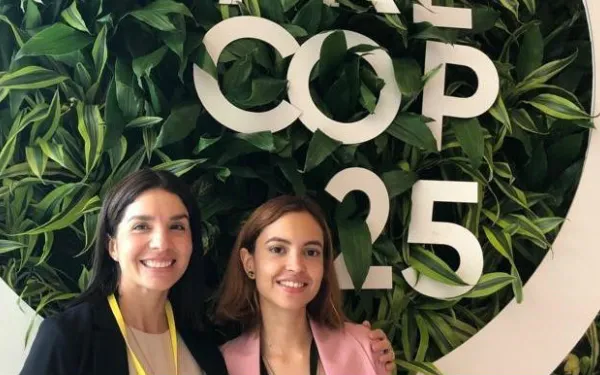
Defending my place in the fight for the climate
I started at AIDA as a law student exploring the possibilities of working in the field of environmental law. Four years later, I am the youngest attorney on the organization's legal team, supporting the efforts of the Marine Biodiversity and Coastal Protection Program. I always say that the best part of my job is being surrounded by so many young, powerful and exemplary women. Their teachings have cemented my path. Last month, I participated in the preparatory meeting for the 25th Conference of the Parties (COP25) of the United Nations Framework Convention on Climate Change, which took place in Costa Rica. It was my first time at such an event. It was there that I really felt the strength of women and the younger generations, who have united to demand our place at the table to discuss solutions to the climate crisis. In recent months, we’ve seen the strength of global and regional movements of young people outraged by what they see as the inaction of governments to curb global warming. For the most part, young women, adolescents and even girls have led these movements. The climate meeting in Costa Rica was no exception, and reflected the generational change we are experiencing. In that forum, young people of various professions and aspirations made our claim and sought to be heard. We were united by a common purpose: to guarantee our future and to be better than present generations in fulfilling that goal. Millennials (the generational group to which I belong) and the centennials (to which my 13-year-old sister belongs) are the ones who will have to live with the consequences of political inaction in the face of the climate crisis. It is our future that is at stake. Women are especially vulnerable to environmental degradation due to the special role we play in caring for natural resources and the people around us. That is why it’s good news that we’re rising up and demanding clear, concrete and, above all, urgent actions. This PreCOP was an opportunity for learning and growth. I identified with the emphasis that the government of Costa Rica placed on the protection of the ocean and solutions based in nature. And I was inspired to see more and more young women taking the lead in the determined and ambitious actions that the world's environmental and social crises require us to take.
Read more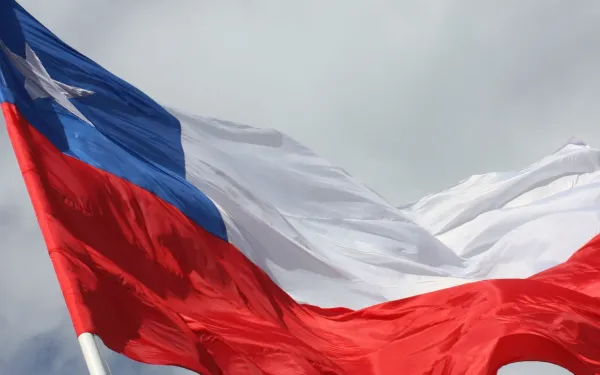
Statement on the suspension of COP25 in Chile
Today the Chilean government, after two weeks of mass demonstrations, cancelled the twenty-fifth Conference of the Parties (COP25) to the United Nations Framework Convention on Climate Change, scheduled for December in Santiago. We lament the decision and express our support to the Chilean people, facing a difficult situation that makes the nation unable to guarantee the safety that an event of such magnitude requires. We call on the Chilean State to ensure that the process of change the country is going through is developed with respect for the human rights of all those involved. Abuse from public forces is unacceptable, especially in a process that seeks to repair the social wounds that tarnish our societies. The Chilean government must comply with its human rights obligations. We also urge the State and private sector to take firm steps towards transforming Chile into a country with greater social, environmental and climate justice; and to set an example for Latin America, a region where inequality and injustice have intensified over the years. Underlying the social crisis in Chile is a very serious environmental crisis that has long corroded equity and is part of the spark that ignited social discontent. Two examples of this inadmissible reality include sacrifice zones, where coal-fired power plants have condemned families to suffering a large part of the country's atmospheric pollution, making them sick and truncating their development; and the privatization of water, meaning Chile fails to recognize access to drinking water and sanitation as a human right, and does not prioritize their use for human consumption and the maintenance of ecosystems. Similar problems occur in other countries of the region. We hope that Chile will continue in its role as President of the COP, pushing with more force than ever toward ambitious climate commitments that will help us keep global warming under control while complying with the Paris Agreement. The events of the past month clearly demonstrate that, in the face of crises, changes must come from the people, always protecting and favoring the most vulnerable members of society. Indigenous peoples and rural communities, who have suffered hardest from social and environmental injustice, can often best contribute to the solutions our planet needs. All efforts to combat the climate crisis must ensure a just, participatory energy transition that respects human rights. Chile today has the opportunity to make history by including environmental protection and climate justice as pillars in the construction of a cleaner, fairer and more equitable future. We warmly call on the international community to join in this show of support for the people of Chile. PRESS CONTACT: Victor Quintanilla (México), [email protected], +5215570522107
Read more