
Project
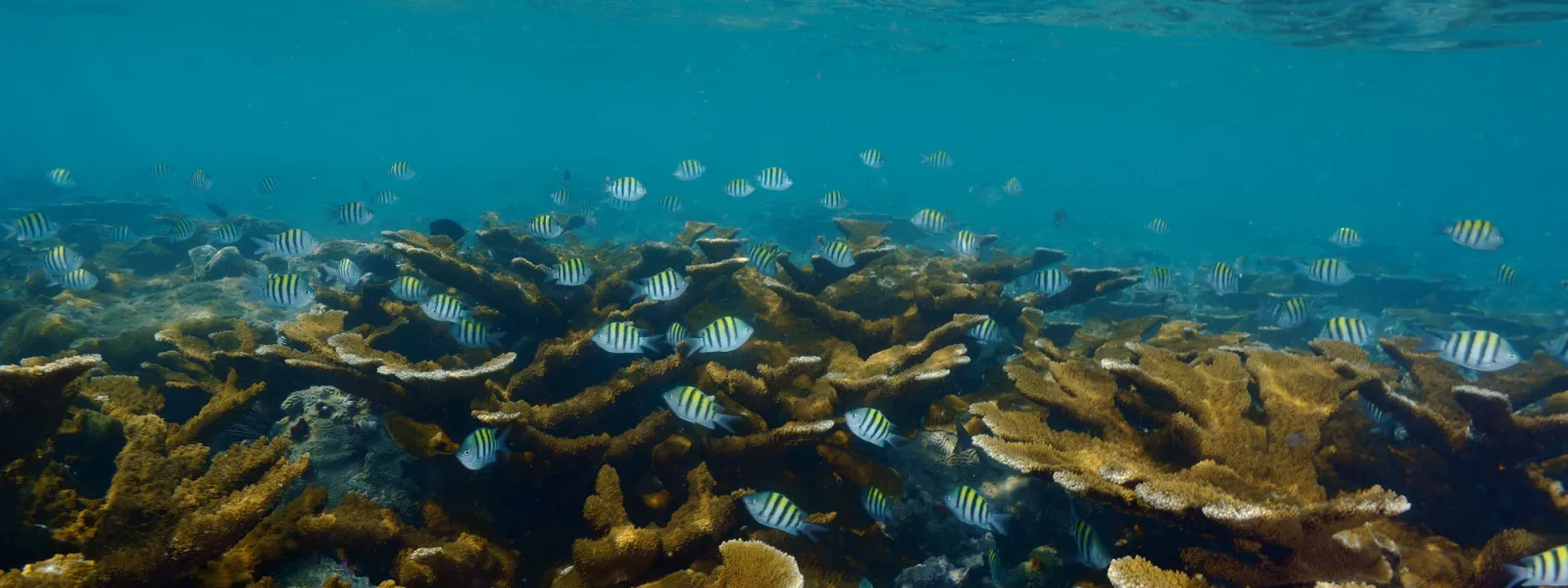
Photo: Manuel VictoriaDefending the Veracruz Reef from a port expansion project
In the Gulf of Mexico, 27 coral reefs form a submarine mountain range running for miles between six islands. Hundreds of colorful fish species, sea urchins, starfish, and sea grasses share the reef with an abundance of other life forms. Fishing, sport diving, and beach tourism thrive along the coast. This is the magnificent Veracruz Reef, the largest coral ecosystem in the Gulf.
In 1992, Mexico’s government declared the Veracruz Reef System a Natural Protected Area. In 2004, it was listed as a Wetland of International Importance under the Ramsar Convention, a treaty for the protection of wetlands including reefs.
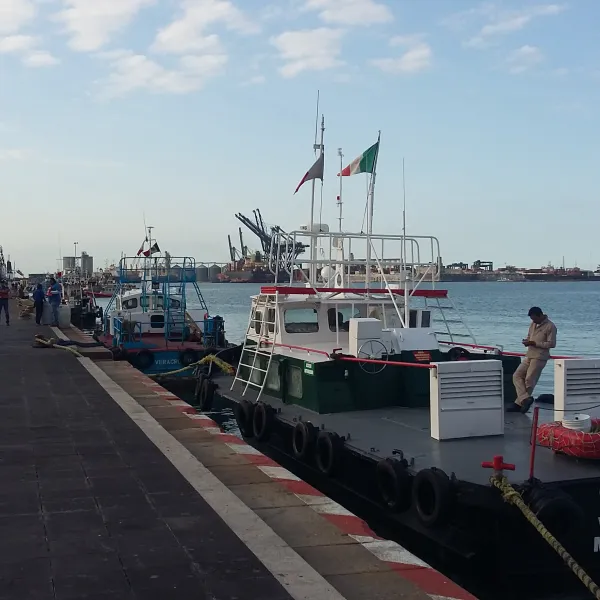
Despite the reef’s recognized significance, in 2013 the government reduced the size of the Natural Protected Area and approved a port expansion project. Local communities and organizations challenged the project's environmental permits, demanding protection of the right to a healthy environment.
On February 9, 2022, the Supreme Court of Justice of the Nation unanimously decided that the authorities violated the right to a healthy environment of Veracruz residents by authorizing the port expansion based on a fragmented environmental impact assessment. This means that the permits for the project are non-existent and that the impacts of the project on the health of the reefs must be studied again, this time in a comprehensive manner, and even the viability of the project.
The ruling is a historic precedent not only in Mexico, but for the entire region, as it allows access to environmental justice for the people neighboring an ecosystem affected by a project.
Partners:
Related projects
Human Rights Council addresses the water crisis and environmental defenders protection
The 46th session of the United Nations Human Rights Council is the first to be held entirely online, due to the COVID-19 pandemic. It runs until March 23. The virtual format of this HRC session enabled AIDA to make our first participation ever in the HRC and join the discussions on two of the topics that are at the core of its human rights work: the right to a healthy environment and the protection of environmental human rights defenders. On 03 March, the Special Rapporteur on Human Rights and the Environment, David Boyd, presented his report “Human Rights and the Global Water Crisis” to the Human Rights Council. In it, Boyd highlighted the severe impacts of water pollution, water scarcity and water-related disasters on the rights to life, health, education, food, development and the right to a healthy environment. He also emphasized that climate change is a risk-multiplier, exacerbating water-related human rights issues. The Special Rapporteur called on States to incorporate a rights-based approach in both their climate strategies and water plans. Finally, Boyd reiterated his call for the Human Rights Council to support the initiative for a resolution to recognize that everyone everywhere has the right to live in a safe, clean, healthy and sustainable environment. In the Interactive Dialogue that followed Boyd’s presentation, AIDA Attorney Rosa Peña denounced the negative impacts of mega-dams, coal mining and fracking on human rights and water access in Latin America. She noted that these projects not only threaten the human rights of local communities but also exacerbate the climate crisis. She called the attention of the Special Rapporteur to the communities affected by the Belo Monte mega-dam in the Brazilian Amazon. Currently, implementation of the so-called ‘Consensus Hydrogram’ in the Xingu River threatens the lives of local communities, pollutes the water, dries up the river and causes food insecurity and severe biodiversity loss. On March 4, it was the turn of the Special Rapporteur on Human Rights Defenders, Mary Lawlor, to engage in an Interactive Dialogue on ”Final warning: death threats and killings of human rights defenders” She concluded that lack of political will is one of the reasons why various States fail in their moral and legal obligation to protect Human Rights Defenders, and therefore called for more effective responses to the threats against them. Representing AIDA in the Interactive Dialogue, Attorney Marcella Torres highlighted that Latin America is the most dangerous region in the world for environmental human rights defenders and urged all States to actively protect them. She turned the spotlight on the situation of environmental defenders in Brazil, Guatemala and Colombia, where the invasion of indigenous lands, mega-dams and fracking are closely related to the increase in violence against defenders. She concluded by reminding States that the protection of environmental defenders should promote the recognition of the right to a healthy environment, and provide guarantees so that all people are free to exercise their right to defend human rights. See AIDA’s contributions in the Interactive Dialogues in full:
Read moreHuman Rights Council addresses the water crisis and environmental defenders protection
The 46th session of the United Nations Human Rights Council is the first to be held entirely online, due to the COVID-19 pandemic. It runs until March 23. The virtual format of this HRC session enabled AIDA to make our first participation ever in the HRC and join the discussions on two of the topics that are at the core of its human rights work: the right to a healthy environment and the protection of environmental human rights defenders. On 03 March, the Special Rapporteur on Human Rights and the Environment, David Boyd, presented his report “Human Rights and the Global Water Crisis” to the Human Rights Council. In it, Boyd highlighted the severe impacts of water pollution, water scarcity and water-related disasters on the rights to life, health, education, food, development and the right to a healthy environment. He also emphasized that climate change is a risk-multiplier, exacerbating water-related human rights issues. The Special Rapporteur called on States to incorporate a rights-based approach in both their climate strategies and water plans. Finally, Boyd reiterated his call for the Human Rights Council to support the initiative for a resolution to recognize that everyone everywhere has the right to live in a safe, clean, healthy and sustainable environment. In the Interactive Dialogue that followed Boyd’s presentation, AIDA Attorney Rosa Peña denounced the negative impacts of mega-dams, coal mining and fracking on human rights and water access in Latin America. She noted that these projects not only threaten the human rights of local communities but also exacerbate the climate crisis. She called the attention of the Special Rapporteur to the communities affected by the Belo Monte mega-dam in the Brazilian Amazon. Currently, implementation of the so-called ‘Consensus Hydrogram’ in the Xingu River threatens the lives of local communities, pollutes the water, dries up the river and causes food insecurity and severe biodiversity loss. On March 4, it was the turn of the Special Rapporteur on Human Rights Defenders, Mary Lawlor, to engage in an Interactive Dialogue on ”Final warning: death threats and killings of human rights defenders” She concluded that lack of political will is one of the reasons why various States fail in their moral and legal obligation to protect Human Rights Defenders, and therefore called for more effective responses to the threats against them. Representing AIDA in the Interactive Dialogue, Attorney Marcella Torres highlighted that Latin America is the most dangerous region in the world for environmental human rights defenders and urged all States to actively protect them. She turned the spotlight on the situation of environmental defenders in Brazil, Guatemala and Colombia, where the invasion of indigenous lands, mega-dams and fracking are closely related to the increase in violence against defenders. She concluded by reminding States that the protection of environmental defenders should promote the recognition of the right to a healthy environment, and provide guarantees so that all people are free to exercise their right to defend human rights. See AIDA’s contributions in the Interactive Dialogues in full:
Read more