
Project
Amazon Watch / Maíra Irigaray
Barragem de Belo Monte no rio Xingu: 10 anos de impactos na Amazônia e de busca por reparações
A usina hidrelétrica de Belo Monte causou um desastre ambiental e social no coração da Amazônia: um dos ecossistemas mais importantes do planeta.
Essa situação só piorou desde que a usina começou a operar em 2016. A busca por justiça e reparação para as comunidades indígenas e ribeirinhas afetadas continua até hoje.
Em 2011, a Comissão Interamericana de Direitos Humanos (CIDH) concedeu a essas comunidades medidas de proteção, que até hoje não foram totalmente implementadas pelo Estado brasileiro.
E, desde junho daquele mesmo ano, a CIDH mantém um processo contra o Estado por sua responsabilidade internacional no caso.
A CIDH pode encaminhar o caso à Corte Interamericana de Direitos Humanos, que tem o poder de emitir uma sentença condenatória contra o Estado brasileiro.
Consulta o expediente de fatos do caso
Após 10 anos de operação da usina hidrelétrica e mais de 15 anos de violações de direitos humanos documentadas, é hora da justiça ser feita para as comunidades afetadas.
Leia a carta aberta das organizações que levam o caso à CIDH
Leia nosso comunicado à imprensa
Contexto
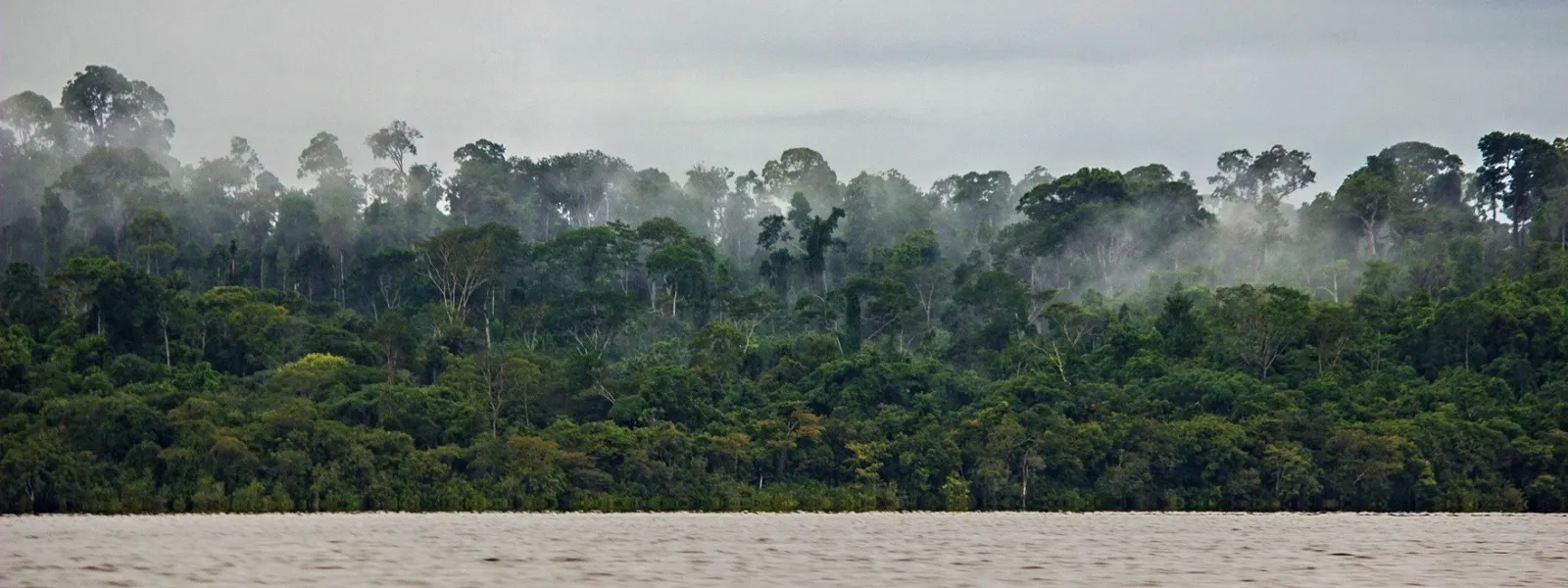
A usina hidrelétrica de Belo Monte — a quarta maior do mundo em capacidade instalada (11.233 MW) — foi construída no rio Xingu, no estado do Pará, norte do Brasil.
Foi inaugurada em 5 de maio de 2016, com uma única turbina. Naquela época, 80% do curso do rio foi desviado e 516 km² de terra foram inundados, uma área maior que a cidade de Chicago. Desse total, 400 km² eram de mata nativa. A usina começou a operar em plena capacidade em novembro de 2019.
Belo Monte foi construída e é operada pelo consórcio Norte Energia S.A., composto principalmente por empresas estatais. Foi financiada pelo Banco Nacional de Desenvolvimento Econômico e Social (BNDES), que aportou ao consórcio 25,4 bilhões de reais (aproximadamente US$ 10,16 bilhões), o maior investimento de sua história. Portanto, o BNDES também é legalmente responsável pelos impactos socioambientais associados ao projeto hidrelétrico.
Décadas de danos ambientais e humanos
As violações dos direitos humanos e a degradação da Amazônia remontam ao início do projeto. Em março de 2011, a Norte Energia iniciou a construção da barragem sem consulta adequada e sem o consentimento prévio, livre e informado das comunidades afetadas.
A construção levou ao deslocamento forçado de mais de 40.000 pessoas, rompendo laços sociais e culturais. O plano de reassentamento em Altamira — cidade diretamente afetada pelo projeto hidrelétrico — incluía moradias na periferia da cidade, sem serviços públicos adequados, moradias dignas para as famílias reassentadas e moradias diferenciadas para aqueles pertencentes a comunidades indígenas.
A operação da barragem de Belo Monte impôs uma seca permanente e artificial na Volta Grande do rio Xingu, agravada pelas secas históricas na Amazônia em 2023 e 2024. Como resultado, a morte de milhões de ovos de peixe foi documentada por quatro anos consecutivos (de 2021 a 2024) e, nos últimos três anos, não houve migração de peixes rio acima para desovar e se reproduzir. Assim, a pesca artesanal, principal fonte de proteína para os povos indígenas e comunidades ribeirinhas, foi severamente afetada: o consumo de peixe caiu de 50% para 30% do total de proteínas consumidas, sendo substituído por alimentos processados. Em suma, houve um colapso ambiental e humanitário que resultou no colapso da pesca como modo de vida tradicional, insegurança alimentar e falta de acesso à água potável para milhares de famílias, empobrecimento e doenças.
Além disso, a construção da barragem aumentou o desmatamento e intensificou a extração ilegal de madeira e a insegurança em terras indígenas e tribais, colocando em risco a sobrevivência dessas comunidades. Outra consequência foi o agravamento da pobreza e dos conflitos sociais, bem como a sobrecarga dos sistemas de saúde, educação e segurança pública em Altamira, cidade considerada a mais violenta do país em 2017, onde houve aumento do tráfico de pessoas e da violência sexual. Também foram registrados casos de violência contra defensores de direitos humanos envolvidos no caso.
Em 2025, durante a 30ª Conferência das Nações Unidas sobre Mudanças Climáticas (COP30), realizada no Brasil, o Ministério Público Federal classificou os danos causados por Belo Monte como ecocídio.
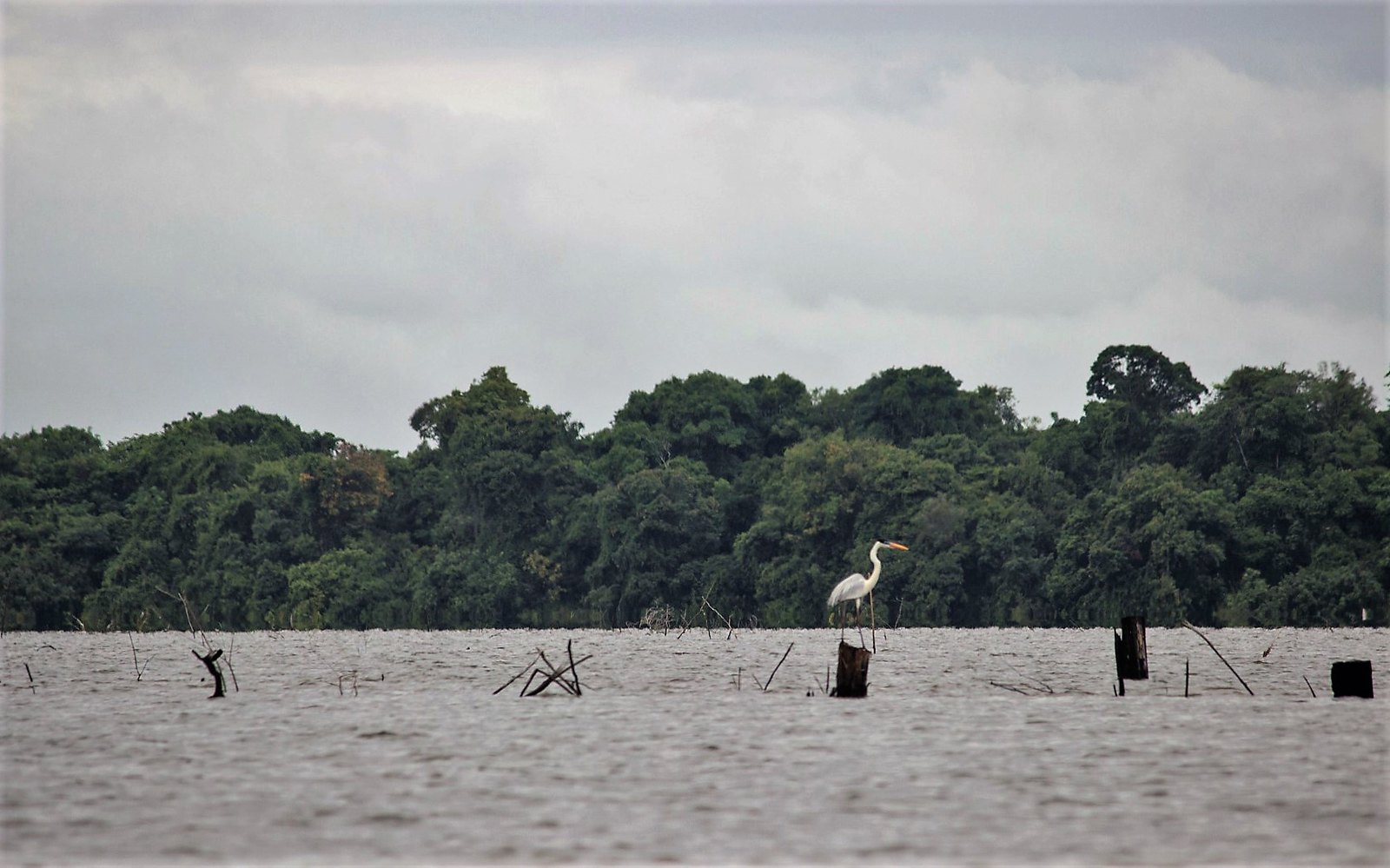
Foto: Amazon Watch / Maíra Irigaray.
A busca por justiça e reparação
Ao longo dos anos, o Ministério Público Federal do Pará, a Defensoria Pública e organizações da sociedade civil impetraram dezenas de ações judiciais em tribunais brasileiros para contestar as diversas irregularidades do projeto, bem como seus impactos. A maioria das ações permanece sem solução, algumas há mais de 10 anos.
Essas ações não obtiveram sucesso porque o governo federal tem reiteradamente anulado decisões favoráveis às comunidades afetadas, recorrendo a um mecanismo pelo qual o presidente do Supremo Tribunal Federal pode suspender uma decisão judicial com base unicamente em argumentos genéricos como "interesse nacional" ou "ordem econômica".
Diante da falta de respostas eficazes em nível nacional, a AIDA — juntamente com uma coalizão de organizações aliadas — levou o caso à Comissão Interamericana de Direitos Humanos (CIDH) e, em 2010, solicitou medidas cautelares para proteger a vida, a integridade e a saúde das comunidades indígenas afetadas.
Em 1º de abril de 2011, a CIDH concedeu essas medidas e solicitou ao Estado brasileiro a suspensão das licenças ambientais e de quaisquer obras de construção até que as condições relativas à consulta prévia e à proteção da saúde e integridade das comunidades fossem atendidas.
E, em 16 de junho de 2011, apresentamos uma denúncia formal à CIDH — juntamente com o Movimento Xingu Vivo Para Siempre, a Coordenação das Organizações Indígenas da Amazônia Brasileira, a Diocese de Altamira, o Conselho Missionário Indígena, a Sociedade Pará de Defesa dos Direitos Humanos e a Global Justice — contra o Estado brasileiro por sua responsabilidade internacional nas violações de direitos humanos contra os povos afetados neste caso. A denúncia foi apresentada em dezembro de 2015.
Em 3 de agosto de 2011, a CIDH modificou as medidas cautelares para solicitar — em vez da suspensão de licenças e obras — a proteção dos povos que vivem em isolamento voluntário, a saúde das comunidades indígenas e a regularização e proteção das terras ancestrais.
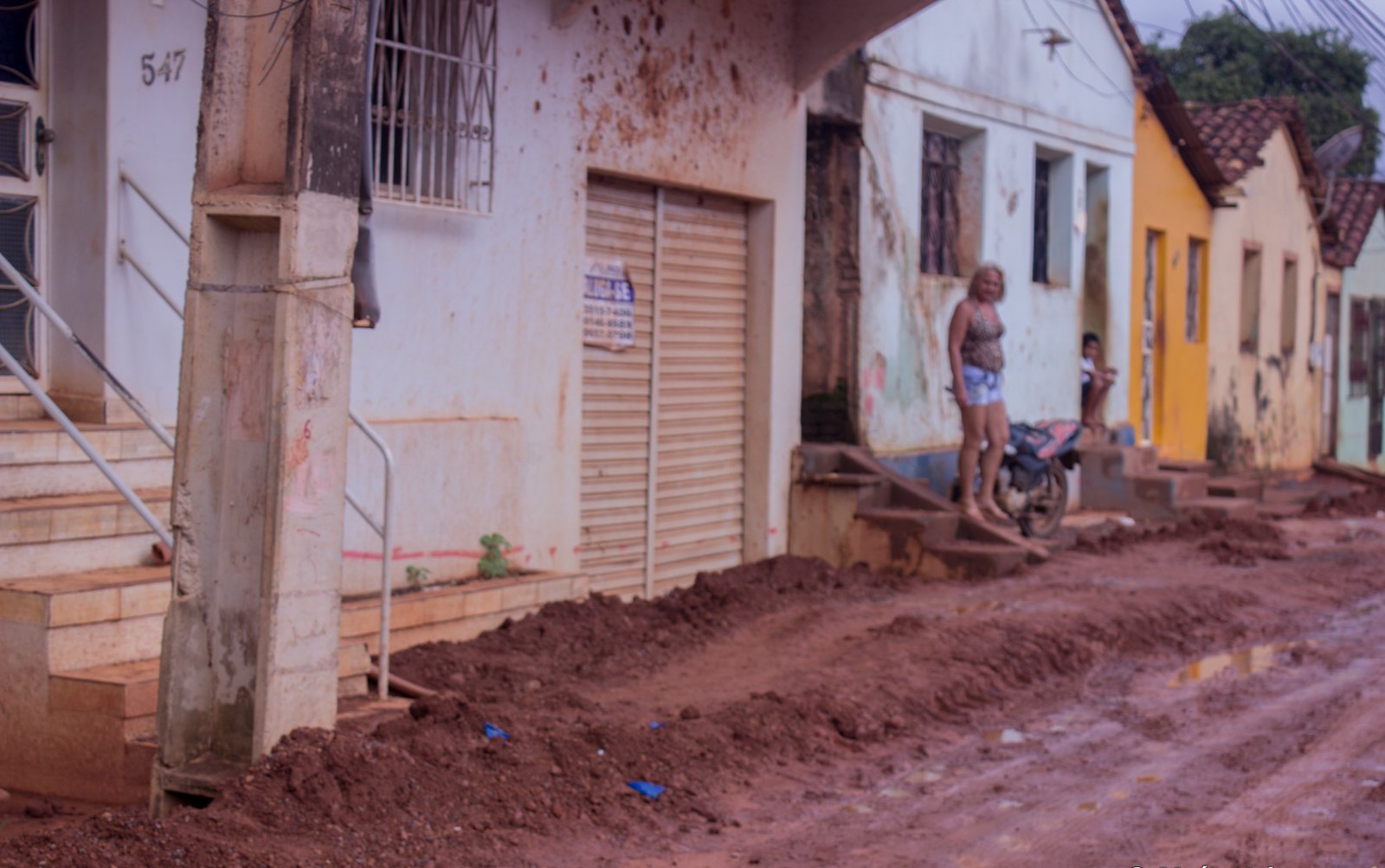
Foto: Amazon Watch / Maíra Irigaray.
Situação atual
As medidas de proteção concedidas pela CIDH permanecem em vigor, mas o Estado brasileiro não as cumpriu integralmente, relatando apenas ações genéricas. As comunidades documentaram as contínuas violações de seus direitos. A situação que motivou o pedido dessas medidas — o risco à vida, à segurança e aos meios de subsistência das comunidades — persiste e se agravou com a usina hidrelétrica operando em plena capacidade e com as recentes secas extremas na Amazônia.
Além do ocorrido em Belo Monte, existe o risco de maiores danos sociais e ambientais decorrentes da implementação de outro megaprojeto de mineração na Volta Grande do Xingu. Lá, a empresa canadense Belo Sun pretende construir a maior mina de ouro a céu aberto do Brasil.
Os impactos sinérgicos e cumulativos da usina e da mina não foram avaliados. O Estado excluiu povos indígenas, comunidades ribeirinhas e comunidades camponesas do processo de licenciamento ambiental do projeto. Apesar disso, dos protestos indígenas e de outras irregularidades em torno do projeto, o governo do estado do Pará autorizou formalmente a mina em abril de 2026.
Belo Monte, assim como outras usinas hidrelétricas, agrava a emergência climática ao gerar emissões de gases de efeito estufa em seu reservatório. Além disso, é ineficiente diante das secas prolongadas e intensas causadas pela crise, pois perde capacidade de geração de energia.
O caso perante a Comissão Interamericana
Em outubro de 2017, a CIDH anunciou que decidiria conjuntamente sobre a admissibilidade (se o caso preenche os requisitos para admissão) e o mérito (se houve, de fato, violação de direitos humanos) da denúncia internacional contra o Estado brasileiro.
Quinze anos após a apresentação da denúncia, as comunidades afetadas e as organizações que as representam ainda aguardam essa decisão. Caso a CIDH conclua que houve violações de direitos humanos e emita recomendações que o Estado brasileiro não cumpra, poderá encaminhar o caso à Corte Interamericana de Direitos Humanos, cujas decisões são vinculativas.
Uma possível decisão da Corte Internacional de Direitos Humanos neste caso estabeleceria um precedente jurídico regional em relação aos direitos dos povos indígenas e ribeirinhos, à participação pública em megaprojetos e à responsabilidade do Estado no contexto da crise climática. Isso é particularmente relevante à luz do Parecer Consultivo nº 32 da Corte, que reafirmou as obrigações dos Estados de proteger pessoas e comunidades em todo o continente da emergência climática.
Partners:
Related projects

Closing Statement by NGOs at Ramsar COP12
Presented by Rafaela Nicola, World Wetland Network Committee’s Neo-Tropics delegate We would like to thank the Secretary General and the Parties for this opportunity to address the meeting, to share our message that NGOS are committed to Ramsar and we want to do more. We also wish to thank the government of Uruguay for hosting the COP. We appreciated the field trips yesterday, which introduced us to the beautiful wetlands in this country, some of which are Ramsar Sites. World Wetland Network was launched at Ramsar COP 10; this is our third COP. Our participation in Ramsar is recognized in Resolution 11.6.We were formed to complement the activity of the IOPs. We fully appreciate the value and expertise of the non-governmental IOPs, who work in strong partnership with local communities and indigenous peoples. WWN was formed at the initiative of smaller, grass-roots NGOs and CSOs seeking a voice at the table. I speak on behalf of our 2000 members worldwide and our friends at the COP: local and sub-regional organizations who have been meeting daily to engage with and monitor this important process. The core work of the Ramsar COP 12 has been the resolutions. Crafting and revising resolutions. Collaborating, negotiating and finally reaching agreement. We humbly acknowledge the co- operation and hard work of the Secretariat, Contracting Parties and IOPs to create meaningful resolutions that ensure conservation and wise of our world’s wetlands. When we all return home the real challenge begins, turning these resolutions into action. We urge the Contracting Parties to show steadfast commitment and leadership. We stand ready to help at the local level. The Fourth Strategic Plan is the most significant outcome of this COP, guiding our combined efforts for the next nine years. World Wetland Network welcomes the Contracting Parties initiative to strengthen engagement of NGOs, civil society groups, local communities and indigenous peoples in the Strategic Plan. These stakeholders provide a long-term and often continuous connection to wetland sites and are essential partners to achieve the Ramsar vision. We note that the top priority of the Strategic Plan is to prevent, stop and reverse the loss and degradation of wetlands. Your recognition of the key threats including unsustainable agriculture, forestry and extractive industries, especially oil, gas, mining, and urbanization closely reflects the local knowledge and concerns of our members, in Latin America and globally. We encourage Contracting Parties to work cohesively across ministries and prioritize long-term sustainability when approving developments. A healthy environment is fundamental to our economic and social security. Cohesive implementation will be supported by the effective mobilization of National Wetland Committees. We note that establishment of these committees, with both government and non- government representatives, is an indicator for success of Goal 1 in the Plan, and we urge the parties to comply. The theme of the COP has been “Wetlands for our future.” That future starts today. Every planning and development decision taken today will directly impact on wetlands and the communities that depend on them. Our message is loud and clear: we are committed to Ramsar and we want to do more. We trust our activities at Ramsar COP 12 have enhanced the meeting and we pledge our commitment to the conservation and wise use of wetlands. Thank you
Read more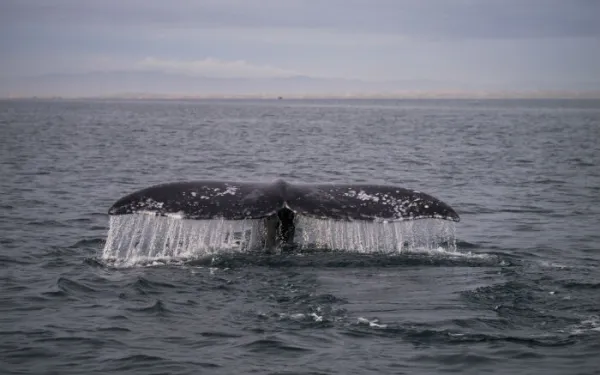
Mine Threatens a Great Marine Migrator
By Haydée Rodríguez Each year, the gray whale sets out on one of the longest migratory journeys on the planet: a nearly 13,000-mile swim from its feeding grounds in Alaska to the warm waters of Baja California Sur, Mexico, where it births and raises its calves—after which it turns around and swims back again. It’s been estimated that, by the time a gray whale turns 50, it has traveled the equivalent of a journey from the Earth to the Moon and back. This impressive mammal, 50 feet long in its adult years, and its migratory feat are at risk from a marine mining project. If executed as proposed, the project would gravely damage the environment and living conditions of the gray whale. At the end of February this year, 2,652 grey whales arrived at the San Ignacio and Ojo de Liebre lagoons in Baja California Sur, very close to Ulloa Bay. This was the highest number recorded in the last 19 years, an occurrence that provides an important source of income for local families who depend on the sustainable tourism generated by whale watches. Yet it’s precisely in this area near Ulloa Bay that Odyssey Marine Explorations intends to begin the Don Diego phosphate-mining project. The project began in September 2014, when the company presented its Environmental Impact Assessment (EIA) to Mexico’s Secretariat of Environment and Natural Resources (SEMARNAT). The Don Diego Mine The proposed mine would comprise five work sites in an area of 91,267 hectares. Each site would be exploited for 10 years, resulting in a 50-year-long project. The intent is to extract 350 million tons of phosphate sand from the marine floor—a quantity that would fill Mexico City’s Aztec Stadium 264 times. As proposed, the project would have grave and irreversible impacts on a marine zone rich in biodiversity and of great importance to local fisheries. The gray whale, as well as other species of whale and turtle that live or pass through the zone, depend on sound to communicate, stay united and locate food. The Don Diego project will use dredging boats to obtain the phosphate sand, producing a lot of noise in the area, potentially creating a “modification of vocal behavior or surprise reaction” in the whales, according to the project's Environmental Impact Assessment (chapter 4, page 229). Among other consequences, the noise would jeopardize the survival of the whales by causing changes in their behavior and migratory route, and would disrupt the feeding of calves. Principal Impacts on the Marine Ecosystem AIDA presented our comments on the Don Diego EIA before SEMARNAT, pointing out the environmental reasons why the project should not be authorized under the conditions by which it was approved. Our key points were as follows: The proposed mining activity would gravely alter the marine ecosystem: large boats will dredge the seabed to extract sand, but also living organisms. The dredged material will be separated to obtain phosphate, and the material not considered useful will be returned to the sea. The sediments that will return to the sea may contain high levels of toxic elements such as uranium and thorium, which are exposed during the phosphate-separation process. Exposed toxins may be transported on other organisms or consumed by fish that may then arrive on our tables. This is why the phosphate mining industry is considered a potential source of radioactive contamination. The exposed toxic sediments, noise and dredging will put at risk the gray whale and other vulnerable species of whale (humpback and blue) and turtle (loggerhead) already in danger. In addition to altering the habitat of marine species, the project will threaten the fishing and tourism activities on which various coastal communities depend. In places such as Namibia and New Zealand, after analyzing similar projects, the governments negated permissions or declared a moratorium on phosphate mining until the industry can show that it does not cause grave impacts. The Mexican government should follow this example and apply the precautionary principle to avoid irreversible environmental damage. The Environmental Impact Assessment of the project lacks important information about the possible impacts on the marine ecosystem and measures to avoid them. In our comments, AIDA highlighted the need for the company to provide more detailed information on the project’s potential impacts. The Mexican government has shown similar concern, as in their analysis of the EIA they’ve also requested additional information from the company. It is of particular interest to us to have better information on the impacts of sound and dredging on the coastal marine ecosystem, and on possible damage to fishing in the area. Without a doubt, it is better to prevent damage than to be sorry once it’s been done. The gray whale still has many miles left to swim.
Read moreAIDA Calls for the Effective Protection of Wetlands in the Americas
The Interamerican Association for Environmental Defense (AIDA) calls on the Member States of the Ramsar Convention to effectively protect wetlands in the Americas. The Contracting Parties of Latin America must protect and promote the wise use of coral reefs, mangroves and high Andean wetlands in their territories. To achieve this vision, we demand that the Contracting Parties engage in proper management of their wetlands, and commit to undertaking adequate assessments of environmental impact. This is particularly important in regions with tourism development, port and hydroelectric projects, and extractive industries, such as mining and hydraulic fracturing. We ask for the inclusion in the Montreux Record of several of the region’s key wetlands: Panama Bay (Panama), Marismas Nacionales and the Veracruz Reef System National Park (Mexico), as well as Otún Lagoon and the Cienaga Grande de Santa Marta (Colombia). We encourage the Contracting Parties to extend existing mechanisms of participation to ensure that civil society is included in wetlands management.
Read more