
Project
Amazon Watch / Maíra Irigaray
Barragem de Belo Monte no rio Xingu: 10 anos de impactos na Amazônia e de busca por reparações
A usina hidrelétrica de Belo Monte causou um desastre ambiental e social no coração da Amazônia: um dos ecossistemas mais importantes do planeta.
Essa situação só piorou desde que a usina começou a operar em 2016. A busca por justiça e reparação para as comunidades indígenas e ribeirinhas afetadas continua até hoje.
Em 2011, a Comissão Interamericana de Direitos Humanos (CIDH) concedeu a essas comunidades medidas de proteção, que até hoje não foram totalmente implementadas pelo Estado brasileiro.
E, desde junho daquele mesmo ano, a CIDH mantém um processo contra o Estado por sua responsabilidade internacional no caso.
A CIDH pode encaminhar o caso à Corte Interamericana de Direitos Humanos, que tem o poder de emitir uma sentença condenatória contra o Estado brasileiro.
Consulta o expediente de fatos do caso
Após 10 anos de operação da usina hidrelétrica e mais de 15 anos de violações de direitos humanos documentadas, é hora da justiça ser feita para as comunidades afetadas.
Leia a carta aberta das organizações que levam o caso à CIDH
Leia nosso comunicado à imprensa
Contexto
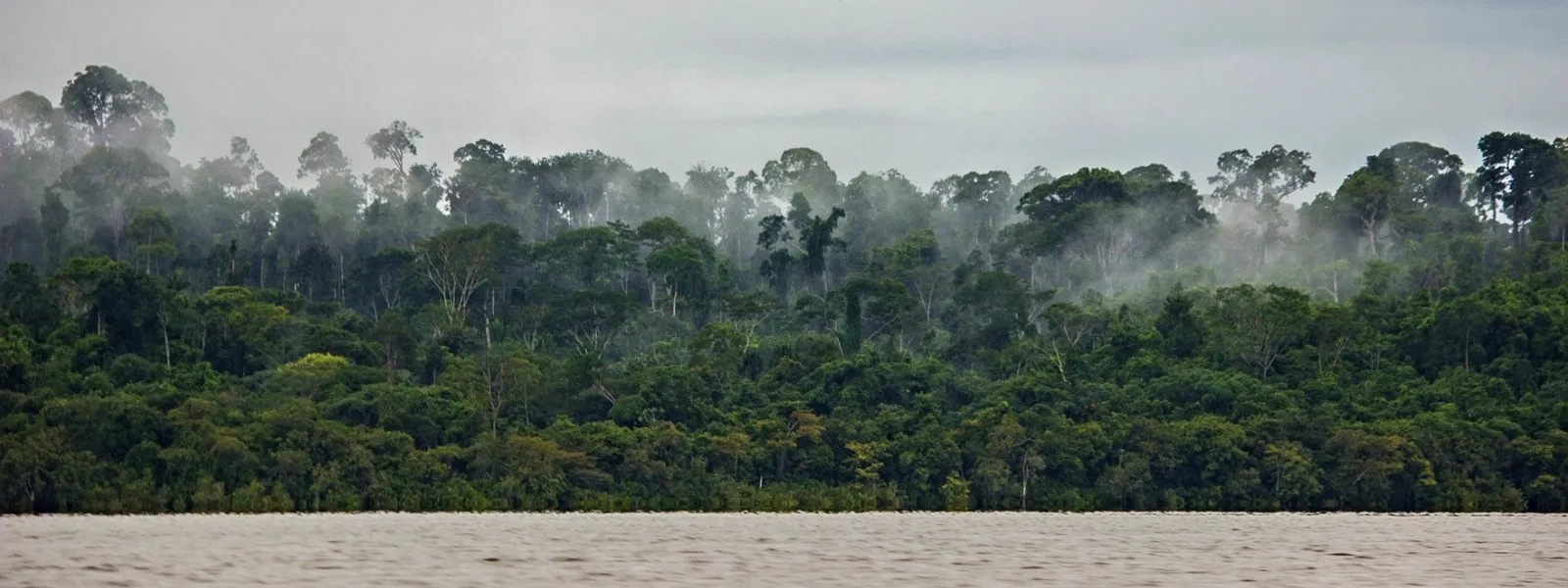
A usina hidrelétrica de Belo Monte — a quarta maior do mundo em capacidade instalada (11.233 MW) — foi construída no rio Xingu, no estado do Pará, norte do Brasil.
Foi inaugurada em 5 de maio de 2016, com uma única turbina. Naquela época, 80% do curso do rio foi desviado e 516 km² de terra foram inundados, uma área maior que a cidade de Chicago. Desse total, 400 km² eram de mata nativa. A usina começou a operar em plena capacidade em novembro de 2019.
Belo Monte foi construída e é operada pelo consórcio Norte Energia S.A., composto principalmente por empresas estatais. Foi financiada pelo Banco Nacional de Desenvolvimento Econômico e Social (BNDES), que aportou ao consórcio 25,4 bilhões de reais (aproximadamente US$ 10,16 bilhões), o maior investimento de sua história. Portanto, o BNDES também é legalmente responsável pelos impactos socioambientais associados ao projeto hidrelétrico.
Décadas de danos ambientais e humanos
As violações dos direitos humanos e a degradação da Amazônia remontam ao início do projeto. Em março de 2011, a Norte Energia iniciou a construção da barragem sem consulta adequada e sem o consentimento prévio, livre e informado das comunidades afetadas.
A construção levou ao deslocamento forçado de mais de 40.000 pessoas, rompendo laços sociais e culturais. O plano de reassentamento em Altamira — cidade diretamente afetada pelo projeto hidrelétrico — incluía moradias na periferia da cidade, sem serviços públicos adequados, moradias dignas para as famílias reassentadas e moradias diferenciadas para aqueles pertencentes a comunidades indígenas.
A operação da barragem de Belo Monte impôs uma seca permanente e artificial na Volta Grande do rio Xingu, agravada pelas secas históricas na Amazônia em 2023 e 2024. Como resultado, a morte de milhões de ovos de peixe foi documentada por quatro anos consecutivos (de 2021 a 2024) e, nos últimos três anos, não houve migração de peixes rio acima para desovar e se reproduzir. Assim, a pesca artesanal, principal fonte de proteína para os povos indígenas e comunidades ribeirinhas, foi severamente afetada: o consumo de peixe caiu de 50% para 30% do total de proteínas consumidas, sendo substituído por alimentos processados. Em suma, houve um colapso ambiental e humanitário que resultou no colapso da pesca como modo de vida tradicional, insegurança alimentar e falta de acesso à água potável para milhares de famílias, empobrecimento e doenças.
Além disso, a construção da barragem aumentou o desmatamento e intensificou a extração ilegal de madeira e a insegurança em terras indígenas e tribais, colocando em risco a sobrevivência dessas comunidades. Outra consequência foi o agravamento da pobreza e dos conflitos sociais, bem como a sobrecarga dos sistemas de saúde, educação e segurança pública em Altamira, cidade considerada a mais violenta do país em 2017, onde houve aumento do tráfico de pessoas e da violência sexual. Também foram registrados casos de violência contra defensores de direitos humanos envolvidos no caso.
Em 2025, durante a 30ª Conferência das Nações Unidas sobre Mudanças Climáticas (COP30), realizada no Brasil, o Ministério Público Federal classificou os danos causados por Belo Monte como ecocídio.
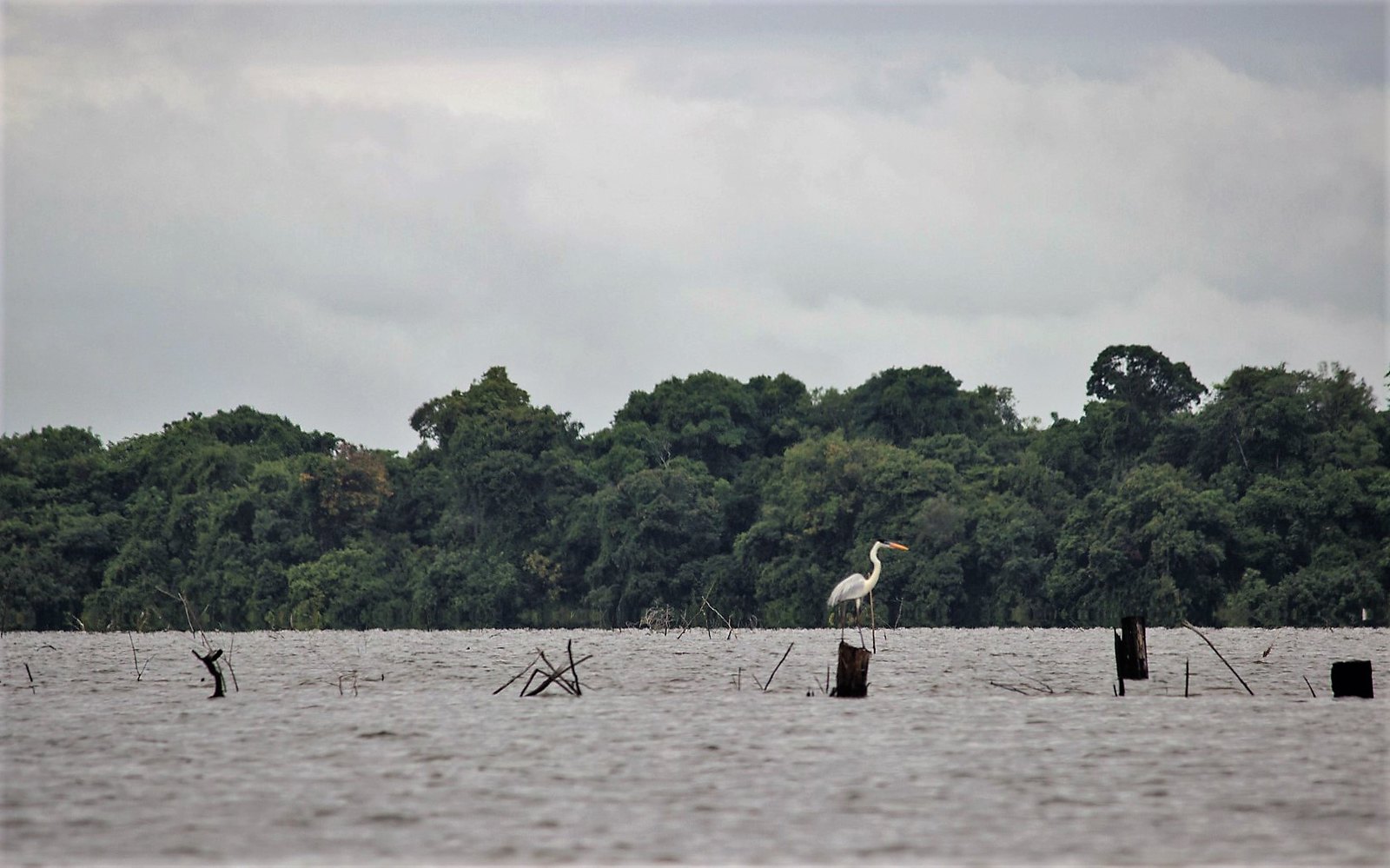
Foto: Amazon Watch / Maíra Irigaray.
A busca por justiça e reparação
Ao longo dos anos, o Ministério Público Federal do Pará, a Defensoria Pública e organizações da sociedade civil impetraram dezenas de ações judiciais em tribunais brasileiros para contestar as diversas irregularidades do projeto, bem como seus impactos. A maioria das ações permanece sem solução, algumas há mais de 10 anos.
Essas ações não obtiveram sucesso porque o governo federal tem reiteradamente anulado decisões favoráveis às comunidades afetadas, recorrendo a um mecanismo pelo qual o presidente do Supremo Tribunal Federal pode suspender uma decisão judicial com base unicamente em argumentos genéricos como "interesse nacional" ou "ordem econômica".
Diante da falta de respostas eficazes em nível nacional, a AIDA — juntamente com uma coalizão de organizações aliadas — levou o caso à Comissão Interamericana de Direitos Humanos (CIDH) e, em 2010, solicitou medidas cautelares para proteger a vida, a integridade e a saúde das comunidades indígenas afetadas.
Em 1º de abril de 2011, a CIDH concedeu essas medidas e solicitou ao Estado brasileiro a suspensão das licenças ambientais e de quaisquer obras de construção até que as condições relativas à consulta prévia e à proteção da saúde e integridade das comunidades fossem atendidas.
E, em 16 de junho de 2011, apresentamos uma denúncia formal à CIDH — juntamente com o Movimento Xingu Vivo Para Siempre, a Coordenação das Organizações Indígenas da Amazônia Brasileira, a Diocese de Altamira, o Conselho Missionário Indígena, a Sociedade Pará de Defesa dos Direitos Humanos e a Global Justice — contra o Estado brasileiro por sua responsabilidade internacional nas violações de direitos humanos contra os povos afetados neste caso. A denúncia foi apresentada em dezembro de 2015.
Em 3 de agosto de 2011, a CIDH modificou as medidas cautelares para solicitar — em vez da suspensão de licenças e obras — a proteção dos povos que vivem em isolamento voluntário, a saúde das comunidades indígenas e a regularização e proteção das terras ancestrais.
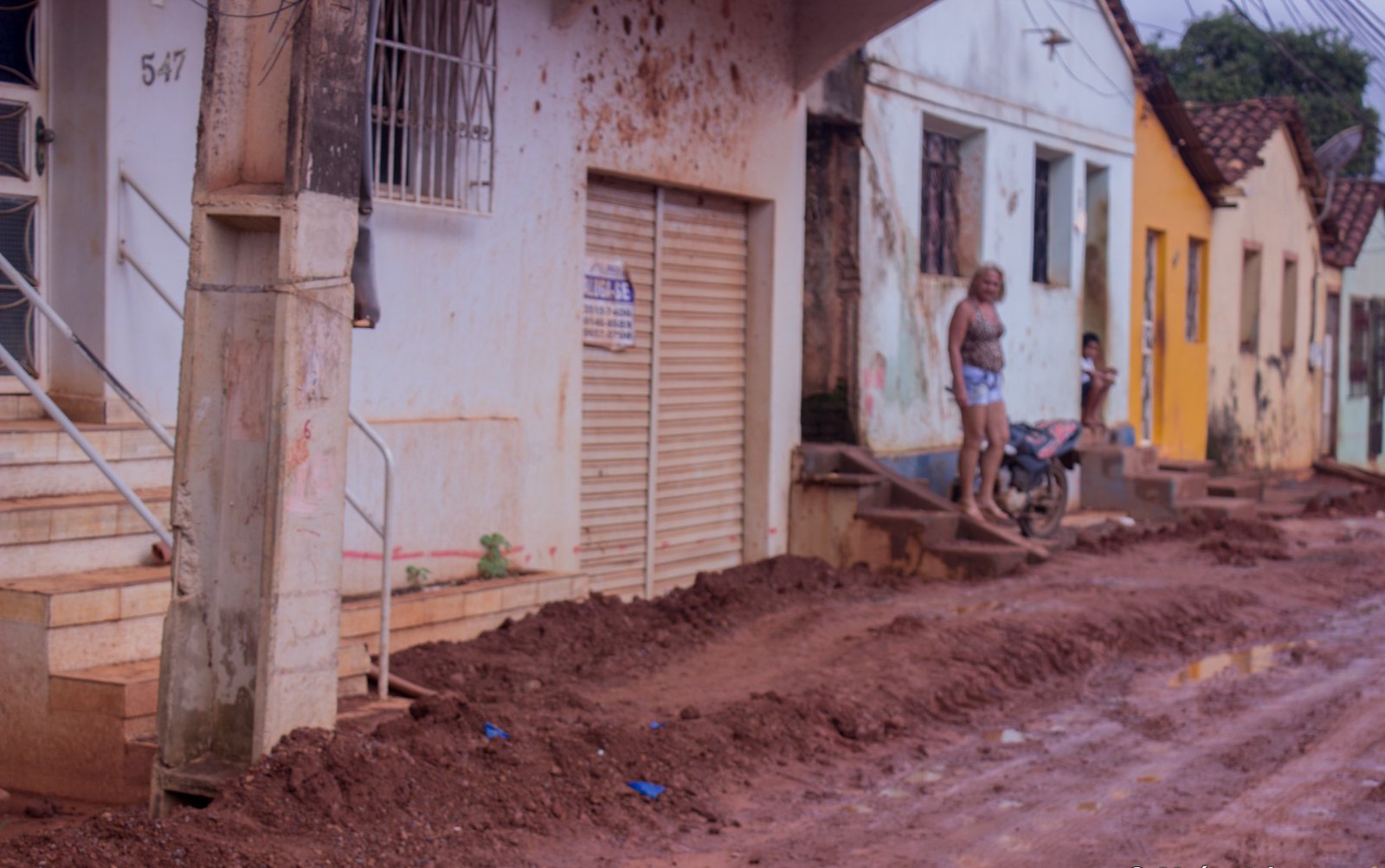
Foto: Amazon Watch / Maíra Irigaray.
Situação atual
As medidas de proteção concedidas pela CIDH permanecem em vigor, mas o Estado brasileiro não as cumpriu integralmente, relatando apenas ações genéricas. As comunidades documentaram as contínuas violações de seus direitos. A situação que motivou o pedido dessas medidas — o risco à vida, à segurança e aos meios de subsistência das comunidades — persiste e se agravou com a usina hidrelétrica operando em plena capacidade e com as recentes secas extremas na Amazônia.
Além do ocorrido em Belo Monte, existe o risco de maiores danos sociais e ambientais decorrentes da implementação de outro megaprojeto de mineração na Volta Grande do Xingu. Lá, a empresa canadense Belo Sun pretende construir a maior mina de ouro a céu aberto do Brasil.
Os impactos sinérgicos e cumulativos da usina e da mina não foram avaliados. O Estado excluiu povos indígenas, comunidades ribeirinhas e comunidades camponesas do processo de licenciamento ambiental do projeto. Apesar disso, dos protestos indígenas e de outras irregularidades em torno do projeto, o governo do estado do Pará autorizou formalmente a mina em abril de 2026.
Belo Monte, assim como outras usinas hidrelétricas, agrava a emergência climática ao gerar emissões de gases de efeito estufa em seu reservatório. Além disso, é ineficiente diante das secas prolongadas e intensas causadas pela crise, pois perde capacidade de geração de energia.
O caso perante a Comissão Interamericana
Em outubro de 2017, a CIDH anunciou que decidiria conjuntamente sobre a admissibilidade (se o caso preenche os requisitos para admissão) e o mérito (se houve, de fato, violação de direitos humanos) da denúncia internacional contra o Estado brasileiro.
Quinze anos após a apresentação da denúncia, as comunidades afetadas e as organizações que as representam ainda aguardam essa decisão. Caso a CIDH conclua que houve violações de direitos humanos e emita recomendações que o Estado brasileiro não cumpra, poderá encaminhar o caso à Corte Interamericana de Direitos Humanos, cujas decisões são vinculativas.
Uma possível decisão da Corte Internacional de Direitos Humanos neste caso estabeleceria um precedente jurídico regional em relação aos direitos dos povos indígenas e ribeirinhos, à participação pública em megaprojetos e à responsabilidade do Estado no contexto da crise climática. Isso é particularmente relevante à luz do Parecer Consultivo nº 32 da Corte, que reafirmou as obrigações dos Estados de proteger pessoas e comunidades em todo o continente da emergência climática.
Partners:
Related projects
Letter to Pope Francis on the Delicate Situation of NGOs in Bolivia
Respectfully we turn to Your Holiness, on the occasion of your upcoming visit to Bolivia, as organizations that protect the environment and human rights in the Americas. We wish to share with Your Holiness our growing concern about the severe limitations imposed upon civil society organizations (CSOs) by the Bolivian government, particularly with respect to those who defend human rights and those of Mother Earth. We celebrate the historic effort to protect our Common Home through the publication of your Encyclical letter, Laudato Si’. It is our hope your text drives profound change in the politics, practices and beliefs of our governments, corporations, and civil society, and inspires every person to create a more just and sustainable world. In your Encyclical letter, Your Holiness has highlighted the substantial contributions of our planet’s CSOs in putting environmental issues on the public agenda. We are deeply grateful for this recognition and we hope that Bolivian CSOs can continue playing their essential role in the promotion of and care for Mother Earth. This requires them to be able to fully exercise their work without threats from the government, even in situations in which they do not agree. As Your Holiness understands, Bolivia has made essential contributions to the national and international recognition of the rights of Mother Earth. In 2009, the Bolivian people approved by an absolute majority their new Constitution, which recognized the right to a healthy and balanced environment for all people; consolidated the environment as a subject of rights; and upheld the rights of future generations to the same. President Evo Morales has also internationally promoted the rights of Mother Earth, the rights of indigenous peoples, and the international recognition of the human right to water. In 2010, President Morales stated, “Now it is more important to defend the rights of Mother Earth than to defend human rights, because in defending the rights of Mother Earth, we defend human rights.”[1] Bolivian civil society organizations, together with indigenous and peasant organizations, played a crucial role in solidifying this new constitutional framework. However, since 2011 their situation and relationship with the government has deteriorated, especially after the government’s decision to construct a highway through a National Park and Indigenous Territory (TIPNIS). This is because most of the indigenous communities of that territory, and many civil society organizations working to defend the environment and human rights, opposed the project, considering it a violation of their rights that would cause irreversible damage to the natural habitat. Since then, the government has implemented policies and actions to weaken and limit the work of the CSOs. In 2013, the government of Evo Morales passed two laws (Act 351 and Supreme Decree 1597) that restrict and condition the functioning of CSOs to their compliance with sectoral policies of the government, that is to say, to the discretion of government actors. For example, the government can revoke the legal status of a CSO when it considers that the organization is not complying with sectoral policies of the government.[2] The Ombudsman of Bolivia submitted a claim of unconstitutionality against those laws in 2013, the outcome of which has not yet been resolved. These laws have scared the country’s CSOs away from their work for fear of losing their legal recognition. Many have been silenced to stay in line; others have ceased operations, or have converted to other legal status to prevent harassment from the government. Both the United Nations Human Rights Council[3] and the UN Special Rapporteur on the Rights to Freedom of Peaceful Assembly and of Association have expressed worry about Act 351 and its regulatory decree. Maina Kiai, UN Special Rapporteur, has stated that such laws “restrict the right of association in accordance with laws, standards, and international principles.”[4] The government has not yet incorporated United Nations recommendations to modify those rules. On May 20, the government approved a law (Supreme Decree 2366) that authorizes the exploration of hydrocarbons in all of the country’s national protected areas. In June, President Morales threatened CSOs, particularly those that promote the protection of the environment, stating: “… I want to say to you: NGOs, foundations that impede the exploration of natural resources, will leave Bolivia…”[5] Your Holiness, as you may appreciate, the situation of CSOs, or any person or institution intending to protect the environment in Bolivia, is very delicate. We therefore respectfully request that you, in your upcoming visit to the country, may use your good offices before President Evo Morales to request that his government stop pressuring CSOs, and assume a public commitment to respect, protect, and guarantee their work in recognition of the freedom of association, freedom of expression, and political and institutional pluralism essential for the sustainability of our democracies. We are incredibly grateful for your attention, and we send our fraternal greetings in the hope that your visit and intervention can contribute to improving the protection of our Common Home in Bolivia. We’d like to take this opportunity to express our highest consideration and great esteem. Fundación Centro de Estudios Ecológicos de la República Argentina (Argentina) Abogadas y Abogados para la Justicia y los Derechos Humanos, A. C. (México) Unidad de Protección a Defensoras y Defensores de Derechos Humanos (Guatemala) Medio Ambiente y Sociedad A.C. (México) Frente Ciudadano en Defensa del Agua y la Vida en B.C.S. (México) COMCAUSA AC (México) Acción Ecológica (Chile) Coordinadora Nacional de Derechos Humanos (Perú) Comisión de Justicia Social de la Diócesis de Chimbote (Perú) Instituto Peruano de Educación en Derechos Humanos y la Paz (Perú) Ambiente y Sociedad (Colombia) Asociación Amigos de los Parques Nacionales de Argentina (Argentina) Centro de Estudios Mineros Colombia Punto Medio (Colombia) Instituto Runa de Desarrollo y Estudios sobre Género (Perú) Centro de Estudios Jurídicos e Investigación Social (Bolivia) Fundación Ambiente y Recursos Naturales (Argentina) Liga de Defensa del Medio Ambiente (Bolivia) Asociación Ecologista Río Mocoretá (Argentina) Asociación Eco Raíces (Argentina) Fundación Myrna Mack (Guatemala) Paz y Esperanza (Perú) Foro del Buen Ayre (Argentina) Asociación Ambientalista Ecolapaz (Argentina) Asociación Ambientalista del Sur (Argentina) Asociación Ambientalista Mayu Sumaj (Argentina) Asociación Argentina de Abogados Ambientalistas (Argentina) Asociación Civil de Ecología Social (Argentina) Asociación Civil Red Ambiental (Argentina) Asociación Civil Tierra XXI (Argentina) Asociación de Protección al Ambiente Serrano - Calamuchita (Argentina) Asociación Ecologista PIUKE (Argentina) Asociación Lihue (Argentina) Asociación Vecinal Moronense (Argentina) Bios Argentina (Argentina) Centro Ambiental Argentino – Cambiar (Argentina) Centro Andino de Desarrollo e Investigación Ambiental (Argentina) Centro Argentino de Meteorólogos (Argentina) Centro de Protección a la Naturaleza (Argentina) Comisión Interdisciplinaria de Medio Ambiente (Argentina) Comisión Ecológica Ituzaingó (Argentina) Continental Nea (Argentina) Federación Amigos de la Tierra Argentina (Argentina) Foro de los Ríos (Argentina) Fundación Ambiente Ecológico (Argentina) Fundación Arandu (Argentina) Fundación Argentina de Energías Alternativas y Renovables (Argentina) Fundación Argentina de Etoecología (Argentina) Fundación Cullunche para la Conservación del Ambiente, la Flora y la Fauna (Argentina) Fundación Inti Cuyum (Argentina) Fundación Norte Ecológico (Argentina) Fundación Orden Ecológica (Argentina) Fundación Pacha Mama para el Medio Ambiente y Desarrollo (Argentina) Fundación para el Desarrollo Sustentable de Eco Regiones (Argentina) Fundación Pasos (Argentina) Fundación Península Raulí (Argentina) Fundación Proyectos Ambientales (Argentina) Fundación Red Informática Ecologista (Argentina) Grupo Ambiental para el Desarrollo (Argentina) Grupo Ecológico Bolívar (Argentina) Greenpeace Argentina (Argentina) Iniciativa Radial (Argentina) Instituto de Estudios e Investigaciones sobre Medio Ambiente (Argentina) Fundación Jorge Esteban Roulet (Argentina) Organización Argentina de Investigaciones Espeleológicas – Karst (Argentina) Movimiento Transfronterizo de ONG Ambientalistas de la Triple Frontera (Argentina, Brasil, Uruguay) Multimedios Ambiente Ecológico (Argentina) Observatorio de Políticas Sociales y Ambientales (Argentina) Red Eco-ambiental de Jujuy (Argentina) Taller ecologista Rótary Internacional (Argentina) Equipo de Reflexión, Investigación y Comunicación de la Compañía de Jesús (Honduras) Ágora Espacio Civil (Paraguay) Plataforma Interamericana de Derechos Humanos, Democracia y Desarrollo (Regional) Centro de Documentación en Derechos Humanos “Segundo Montes Mozo S.J.” (Ecuador) Fundación Étnica Integral (República Dominicana) Corporación para el Desarrollo de Aysén (Chile) Asociación pro Derechos Humanos (Perú) Alianza Mexicana contra el Fracking (México) Blue Planet Project (Internacional) Fundación Instituto Boliviano de la Montaña (Bolivia) Red MUQUI (Perú) Red Regional Agua, Desarrollo y Democracia (Perú) Asociación Interamericana para la Defensa del Ambiente (Regional) Organización Familia Pasta de Conchos (México) Centro de Estudios y Apoyo al Desarrollo Local (Bolivia) GRUFIDES (Perú) Derechos Humanos y Medio Ambiente (Perú) Hnas. de la Misericordia de las Américas, comunidad de Argentina (Argentina) CADEP “José María Arguedas” (Perú) Red Latinoamericana Iglesias y Minería (Regional) Asociación Fe y Derechos Humanos (Perú) Food & Water Watch (EE.UU.) Centro de Derechos Humanos de las Mujeres (México) Grupo de Mujeres de San Cristobal Las Casas (México) Defensa de Niñas y Niños - Internacional, Costa Rica (Costa Rica) Movimiento Franciscano ̈Justicia y Paz ̈ Bolivia (Bolivia) Franciscans International – Bolivia (Bolivia) Instituto NATURA (Perú) CooperAcción (Perú) Consejo Latinoamericano de Iglesias CLAI. Programa Fe, Economía, Ecología y Sociedad (Regional) Centro de Documentación e Información Bolivia (Bolivia) Comisión Colombiana de Juristas (Colombia) Red Uniendo Manos Perú (Perú) Adhesiones personales Albert Hans Argote Adrian, Cochabamba, Bolivia Miguel Vargas Delgado, Santa Cruz, Bolivia Ariel Pérez Castellón, Cochabamba, Bolivia Severo Villarroel Zenzano, Oruro, Bolivia Donald K. Anton, Australia [1] Cfr. http://www.jornada.unam.mx/2010/04/22/mundo/024n1mun [2] Cfr. Decreto Supremo 1597, Artículo 19, inciso g. [3] Cfr. Human Rights Council, Final observations on the third periodic report of the Plurinational State of Bolivia, October 14 to November 1, 2013, paragraph 24 http://tbinternet.ohchr.org/Treaties/CCPR/Shared%20Documents/BOL/CCPR_C_BOL_CO_3_15635_S.doc [4] Cfr. http://www.noticiasfides.com/g/politica/la-onu-alerta-que-ley-sobre-ong-vulnera-el-derecho-a-la-libertad-de-asociacion-en-bolivia-34609/ [5] Cfr. http://www.cambio.bo/?q=oeneg%C3%A9s-que-perjudiquen-al-estado-se-ir%C3%A1n-del-pa%C3%ADs
Read more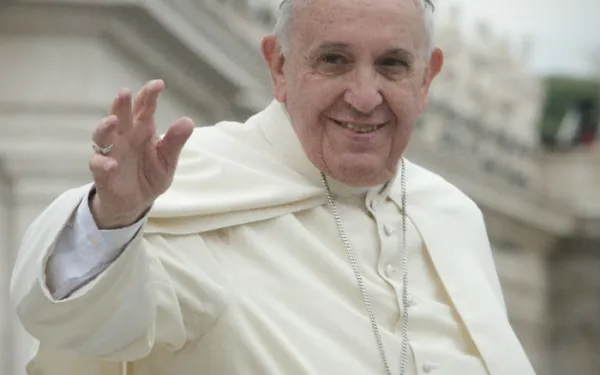
Two Texts That Will Reconnect You With the Earth
There are two texts you should read because you live on this planet, two texts that will reconnect you with the Earth. You should read them because the Earth is protected not just by law and science, but also by heart and spirit; and because, like it or not, we share this home with everyone. They are Laudato Si, the recently published encyclical by Pope Francis, and Falling in Love with the Earth, an essay by Zen Master Thich Nhat Hanh. As the Zen Master says, “we and the Earth are one.” The texts concern all people, regardless of their religion, beliefs, politics or understanding of the planet’s environmental realities. It is not my intent to summarize these publications, or to deter you from reading and experiencing them firsthand. My intention is to encourage you to know them, because each allows us to better understand the realities of our planet, and sheds light on how to make our time on Earth positive. What is at stake is, as the Pope would say, “our dignity.” We must be mindful of the kind of planet we want to leave for the future. Laudato Si: The Papal Encyclical Pope Francis’ encyclical is an extensive document that, with the help of science, analyzes both the reasons behind the planet’s grave environmental situation and its possible solutions. I was pleasantly surprised by the level of scientific detail included in the text, and by the recognition that climate change is the responsibility of human beings. By reminding us of the urgent need to move from fossil fuels to sustainable energy sources, and to control atmospheric pollution, the text illuminates the path to Paris. At the end of the year, the French capital will host the 21st United Nations Climate Change Conference, set to usher in a new and binding global climate accord. It was heartening to see the Pope emphasize the social inequalities of the planet, particularly by explaining the relationship between environmental degradation and the communities it affects—primarily poor and indigenous peoples. But still, the encyclical is not perfect. One point it misses is how women suffer more from climate impacts, so the historical debt the Catholic Church has with us is still pending. The Pope states that those with the most power—corporations, countries and elites—are the primary responsible parties, though they’re certainly not the only ones. The powerful, therefore, are obligated to develop solutions. It is encouraging to read this since the Vatican has not exactly been characterized by its vows of poverty, and especially since I’m Latin American and work in this region, the most unequal in the world. The encyclical concludes that an “ecological conversion” is necessary because “living our vocation to be protectors of God’s handiwork is essential to a life of virtue; it is not an optional or a secondary aspect of our Christian experience.” This applies to everyone, as the work of protecting nature is the essence of being a virtuous person. A Time to Act In reading both the encyclical and the essay, you may notice that their conclusions are not new. The Pope is quite reminiscent of his namesake, St. Francis of Assisi, who first spoke in the 13th Century of the need to protect “our Sister Earth.” Thus, the Pope and the Zen Master continue the urgent call to analyze our way of life, our consumption and our treatment of the Earth. So, why don’t we care for the planet, as we should? Why do we need their reminders? Why does it still seem we’re going from bad to worse? I don’t have the answers. But neither do the Zen Master or the Pope. “Sadly, many efforts to find concrete solutions to the environmental crisis have proven ineffective, due not only to powerful opposition, but also to a general lack of interest,” Pope Francis said. Trending topics on social networks are a hard reminder of this reality. Cities, countries and what seems like the entire world are paralyzed during the World Cup, the Olympics, and even during beauty contests. Paying attention to these events is not bad, but the little attention we give to environmental problems and inequality is. The apathy must stop TODAY. Therein lies the relevance of these documents. We need to get involved, strive to understand their content, act on our understanding and show results, not make excuses. The Pope acknowledges that “politics and business are slow to react, far from living up to global challenges.” Judging from the current situation, I would say we’ve all reacted slowly. Let’s change that now. I’m sure we all have something we could improve, and something we could contribute. Regardless of specifics, simply because we live on Earth, we have a responsibility we must acknowledge. As Zen Master Thich Nhat Hanh says, caring for and honoring the Earth “is not an obligation. It is a matter of happiness, of personal and collective survival.”
Read more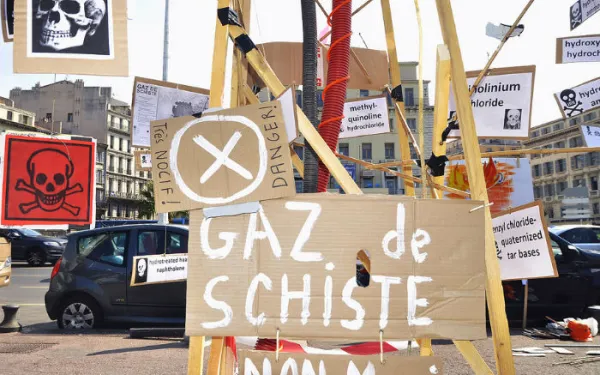
France’s Fracking Ban: Lessons for Latin America
By Eugenia D’Angelo, former AIDA intern, @DangeloEugenia Hydraulic fracturing, or fracking—the process of drilling into rock and injecting a mixture of water, chemicals, and sand under high pressure to fracture it and release oil and gas—is making headway around the world, causing increasing damage to the environment and human health. Even so, social movements have been effective at slowing governments and corporations interested in expanding the practice. One of the best examples can be found in France. The first country to ban fracking, it did so thanks to the pressure applied by French citizens. Having lived in France for four years, I can attest first-hand to the strength and importance of social movements throughout the process. The Legal Process The ‘Jacob Law’ (named for Minister Christian Jacob, who presented it) was approved[1] in 2011, during Nicolas Sarkozy’s presidency. It prohibits fracking for exploration and exploitation of hydrocarbons. Later, taking advantage of division in the Socialist Party, oil companies found the help necessary to present a constitutional challenge to the fracking ban. On October 11, 2011, however, the Constitutional Council reaffirmed the validity of the ‘Jacob Law,’ stating that it complies with all constitutional principles. France became the first country in the world to turn its back on the controversial practice. Making A Difference Civil society and green political parties played a paramount role in France. French citizens overwhelmingly said “No!” to fracking,[2] with more than 80% voicing their opposition[3] (this compares to 47% in the United States, according to the latest Pew Research Center poll[4]). In France, movements are grouped together in social collectives that unite the populations of different departments. These groups were organized to be present in every part of the country where energy companies had permits for the exploration and exploitation of shale gas and oil. They remained there for the entire legal and political battle, until the prohibition on fracking finally became reality. Some of the actions taken by the “No Fracking France” association include: During the famous and highly publicized Tour de France, they carried an anti-oil-and-shale-gas banner signed by thousands of people. In the final stretch of the Tour de France, they sent a climber to hoist the banner to the top of Mont Blanc. They held a press conference on the matter in the National Assembly. They organised various informative and scientific seminars for the mayors of affected communities. They produced a video explaining fracking to the deaf-mute community. They took their complaints to the members of Parliament. Resistance in Latin America In contrast, various countries in Latin America are opening their doors to fracking. In response to this troubling trend, AIDA is helping to facilitate and coordinate a regional group, made up of civil society organizations and academic institutions, created to generate information, stimulate debate, and join forces to prevent and stop the negative impacts of fracking in Latin America. At AIDA we consider it necessary for governments and civil society to apply the precautionary principle. Within the framework of this principle and its constitutional obligations, States of the region should adopt effective measures to prevent the risks and severe damage to the environment and human health that fracking can bring about. As long as there isn’t a guarantee that the risks and impacts of fracking can be effectively prevented and mitigated, this type of activity should not be permitted. Raising awareness amongst citizens and social movements is key. Countries in Latin America are obligated to generate public, truthful and impartial information about the characteristics, process and components of fracking, and about its long-term impacts. Our authorities must create plural and adequate spaces for civil society in the decision-making process about the future of fracking in our territories. If they don’t, we as citizens have the right and the obligation to engage and mobilize ourselves so that those who resist can hear us. [1] It was a closed vote in the senate with 176 votes in favour and 151 against. “Gaz de schiste: le Parlement interdit l’utilisation de la fracturation hydraulique”, Le Monde, 30/06/2011. Available at: http://www.lemonde.fr/planete/article/2011/06/30/gaz-de-schiste-le-parlement-interdit-l-utilisation-de-la-fracturation-hydraulique_1543252_3244.html [2] The Collectif 07 Stop Shale Gas and Oil said: “ …we should be proud of the efficiency of public mobilization which, although it has not won the war, has clearly won the battle. The commitment of millions of citizens, in our department and in the whole of France, that they demonstrated every day, resisted, informed, organized themselves, mobilized themselves…sometimes with the participation of the mayors…has borne fruit. It is a test that gives hope for the fight to come…” See: “Gaz de schiste: la mobilisation citoyenne a gagné une victoire, mais pas la guerre.” Bourg Socialisme avenir. Available at: http://www.bsavenir.fr/2011/10/01/gaz-de-schiste-la-mobilisation-citoyenne-a-gagne-une-victoire-mais-pas-la-guerre/ [3] This percentage is higher than that against nuclear energy (the primary source of energy in France) according to: Chu, Henry. “Pressure builds against France’s ban on fracking,” Los Angeles Times, 22/06/2014. Available at: http://www.latimes.com/world/europe/la-fg-france-fracking-20140622-story.html#page=1 [4] http://thinkprogress.org/climate/2014/11/13/3591891/pew-poll-voters-oppose-fracking/
Read more