
Project
Amazon Watch / Maíra Irigaray
Barragem de Belo Monte no rio Xingu: 10 anos de impactos na Amazônia e de busca por reparações
A usina hidrelétrica de Belo Monte causou um desastre ambiental e social no coração da Amazônia: um dos ecossistemas mais importantes do planeta.
Essa situação só piorou desde que a usina começou a operar em 2016. A busca por justiça e reparação para as comunidades indígenas e ribeirinhas afetadas continua até hoje.
Em 2011, a Comissão Interamericana de Direitos Humanos (CIDH) concedeu a essas comunidades medidas de proteção, que até hoje não foram totalmente implementadas pelo Estado brasileiro.
E, desde junho daquele mesmo ano, a CIDH mantém um processo contra o Estado por sua responsabilidade internacional no caso.
A CIDH pode encaminhar o caso à Corte Interamericana de Direitos Humanos, que tem o poder de emitir uma sentença condenatória contra o Estado brasileiro.
Consulta o expediente de fatos do caso
Após 10 anos de operação da usina hidrelétrica e mais de 15 anos de violações de direitos humanos documentadas, é hora da justiça ser feita para as comunidades afetadas.
Leia a carta aberta das organizações que levam o caso à CIDH
Leia nosso comunicado à imprensa
Contexto
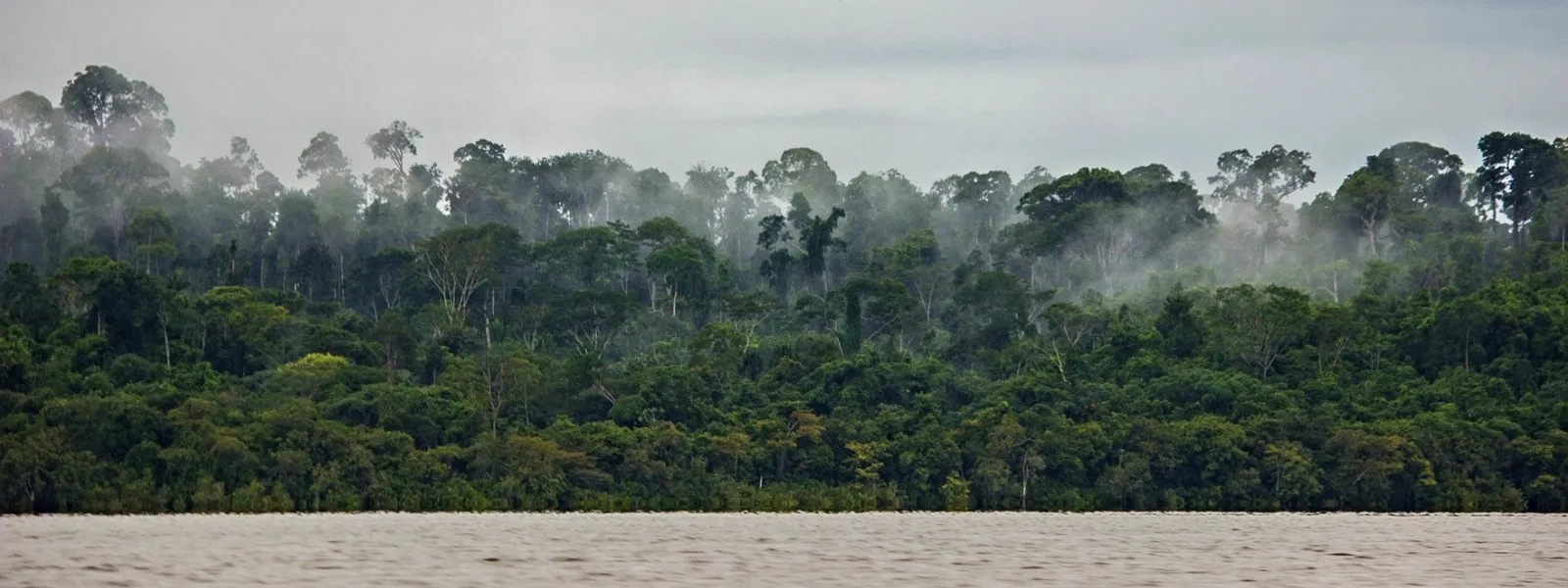
A usina hidrelétrica de Belo Monte — a quarta maior do mundo em capacidade instalada (11.233 MW) — foi construída no rio Xingu, no estado do Pará, norte do Brasil.
Foi inaugurada em 5 de maio de 2016, com uma única turbina. Naquela época, 80% do curso do rio foi desviado e 516 km² de terra foram inundados, uma área maior que a cidade de Chicago. Desse total, 400 km² eram de mata nativa. A usina começou a operar em plena capacidade em novembro de 2019.
Belo Monte foi construída e é operada pelo consórcio Norte Energia S.A., composto principalmente por empresas estatais. Foi financiada pelo Banco Nacional de Desenvolvimento Econômico e Social (BNDES), que aportou ao consórcio 25,4 bilhões de reais (aproximadamente US$ 10,16 bilhões), o maior investimento de sua história. Portanto, o BNDES também é legalmente responsável pelos impactos socioambientais associados ao projeto hidrelétrico.
Décadas de danos ambientais e humanos
As violações dos direitos humanos e a degradação da Amazônia remontam ao início do projeto. Em março de 2011, a Norte Energia iniciou a construção da barragem sem consulta adequada e sem o consentimento prévio, livre e informado das comunidades afetadas.
A construção levou ao deslocamento forçado de mais de 40.000 pessoas, rompendo laços sociais e culturais. O plano de reassentamento em Altamira — cidade diretamente afetada pelo projeto hidrelétrico — incluía moradias na periferia da cidade, sem serviços públicos adequados, moradias dignas para as famílias reassentadas e moradias diferenciadas para aqueles pertencentes a comunidades indígenas.
A operação da barragem de Belo Monte impôs uma seca permanente e artificial na Volta Grande do rio Xingu, agravada pelas secas históricas na Amazônia em 2023 e 2024. Como resultado, a morte de milhões de ovos de peixe foi documentada por quatro anos consecutivos (de 2021 a 2024) e, nos últimos três anos, não houve migração de peixes rio acima para desovar e se reproduzir. Assim, a pesca artesanal, principal fonte de proteína para os povos indígenas e comunidades ribeirinhas, foi severamente afetada: o consumo de peixe caiu de 50% para 30% do total de proteínas consumidas, sendo substituído por alimentos processados. Em suma, houve um colapso ambiental e humanitário que resultou no colapso da pesca como modo de vida tradicional, insegurança alimentar e falta de acesso à água potável para milhares de famílias, empobrecimento e doenças.
Além disso, a construção da barragem aumentou o desmatamento e intensificou a extração ilegal de madeira e a insegurança em terras indígenas e tribais, colocando em risco a sobrevivência dessas comunidades. Outra consequência foi o agravamento da pobreza e dos conflitos sociais, bem como a sobrecarga dos sistemas de saúde, educação e segurança pública em Altamira, cidade considerada a mais violenta do país em 2017, onde houve aumento do tráfico de pessoas e da violência sexual. Também foram registrados casos de violência contra defensores de direitos humanos envolvidos no caso.
Em 2025, durante a 30ª Conferência das Nações Unidas sobre Mudanças Climáticas (COP30), realizada no Brasil, o Ministério Público Federal classificou os danos causados por Belo Monte como ecocídio.
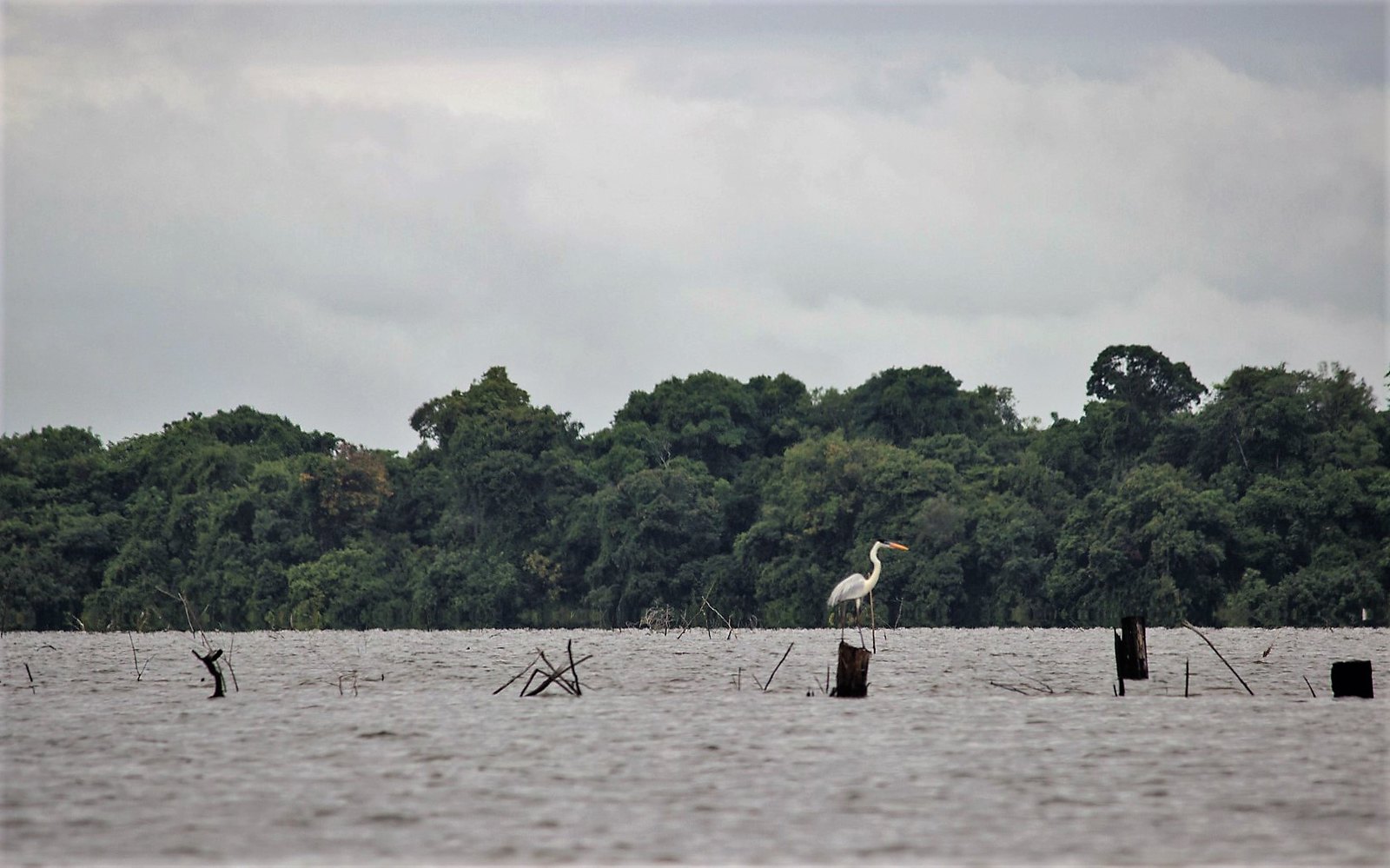
Foto: Amazon Watch / Maíra Irigaray.
A busca por justiça e reparação
Ao longo dos anos, o Ministério Público Federal do Pará, a Defensoria Pública e organizações da sociedade civil impetraram dezenas de ações judiciais em tribunais brasileiros para contestar as diversas irregularidades do projeto, bem como seus impactos. A maioria das ações permanece sem solução, algumas há mais de 10 anos.
Essas ações não obtiveram sucesso porque o governo federal tem reiteradamente anulado decisões favoráveis às comunidades afetadas, recorrendo a um mecanismo pelo qual o presidente do Supremo Tribunal Federal pode suspender uma decisão judicial com base unicamente em argumentos genéricos como "interesse nacional" ou "ordem econômica".
Diante da falta de respostas eficazes em nível nacional, a AIDA — juntamente com uma coalizão de organizações aliadas — levou o caso à Comissão Interamericana de Direitos Humanos (CIDH) e, em 2010, solicitou medidas cautelares para proteger a vida, a integridade e a saúde das comunidades indígenas afetadas.
Em 1º de abril de 2011, a CIDH concedeu essas medidas e solicitou ao Estado brasileiro a suspensão das licenças ambientais e de quaisquer obras de construção até que as condições relativas à consulta prévia e à proteção da saúde e integridade das comunidades fossem atendidas.
E, em 16 de junho de 2011, apresentamos uma denúncia formal à CIDH — juntamente com o Movimento Xingu Vivo Para Siempre, a Coordenação das Organizações Indígenas da Amazônia Brasileira, a Diocese de Altamira, o Conselho Missionário Indígena, a Sociedade Pará de Defesa dos Direitos Humanos e a Global Justice — contra o Estado brasileiro por sua responsabilidade internacional nas violações de direitos humanos contra os povos afetados neste caso. A denúncia foi apresentada em dezembro de 2015.
Em 3 de agosto de 2011, a CIDH modificou as medidas cautelares para solicitar — em vez da suspensão de licenças e obras — a proteção dos povos que vivem em isolamento voluntário, a saúde das comunidades indígenas e a regularização e proteção das terras ancestrais.
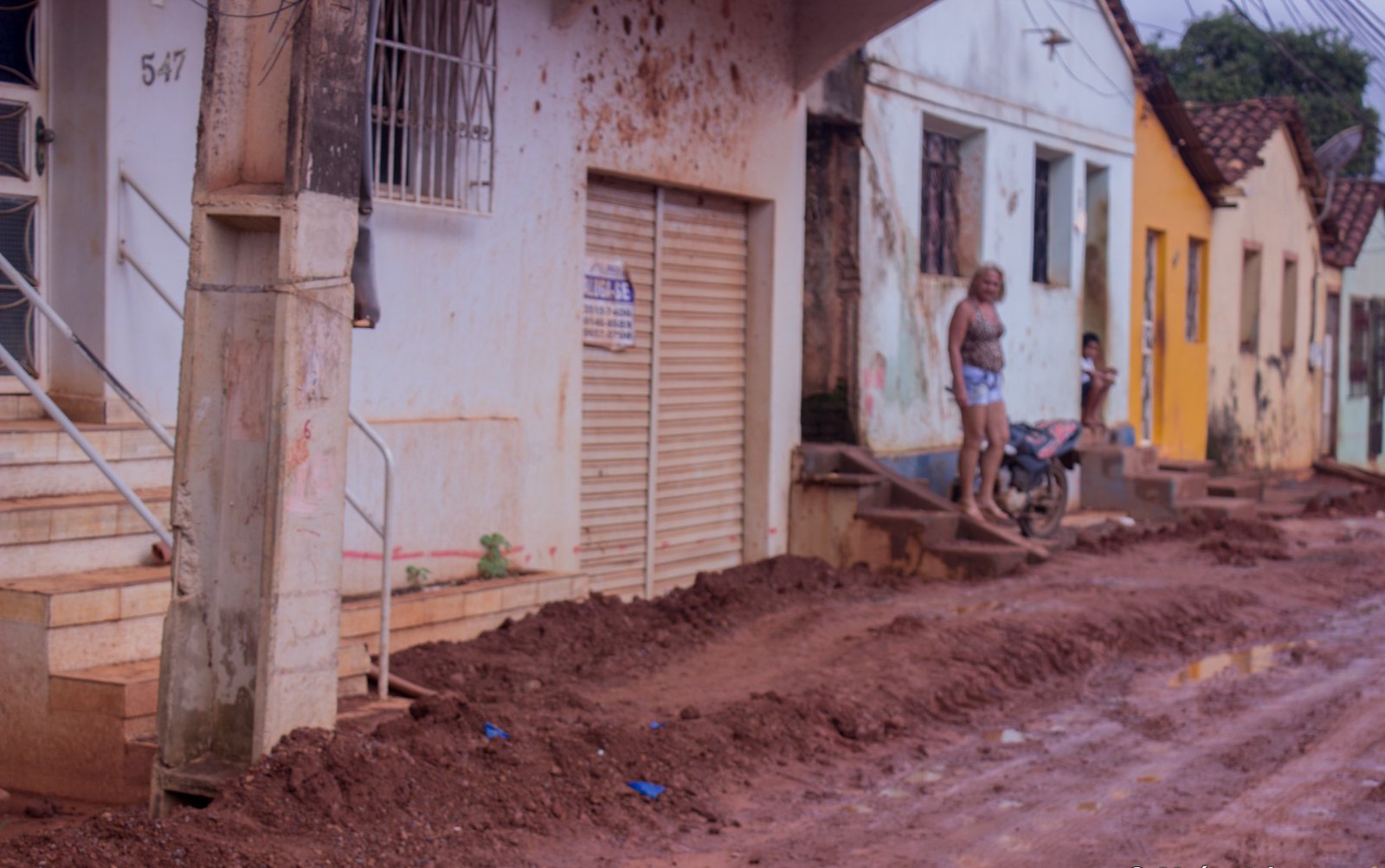
Foto: Amazon Watch / Maíra Irigaray.
Situação atual
As medidas de proteção concedidas pela CIDH permanecem em vigor, mas o Estado brasileiro não as cumpriu integralmente, relatando apenas ações genéricas. As comunidades documentaram as contínuas violações de seus direitos. A situação que motivou o pedido dessas medidas — o risco à vida, à segurança e aos meios de subsistência das comunidades — persiste e se agravou com a usina hidrelétrica operando em plena capacidade e com as recentes secas extremas na Amazônia.
Além do ocorrido em Belo Monte, existe o risco de maiores danos sociais e ambientais decorrentes da implementação de outro megaprojeto de mineração na Volta Grande do Xingu. Lá, a empresa canadense Belo Sun pretende construir a maior mina de ouro a céu aberto do Brasil.
Os impactos sinérgicos e cumulativos da usina e da mina não foram avaliados. O Estado excluiu povos indígenas, comunidades ribeirinhas e comunidades camponesas do processo de licenciamento ambiental do projeto. Apesar disso, dos protestos indígenas e de outras irregularidades em torno do projeto, o governo do estado do Pará autorizou formalmente a mina em abril de 2026.
Belo Monte, assim como outras usinas hidrelétricas, agrava a emergência climática ao gerar emissões de gases de efeito estufa em seu reservatório. Além disso, é ineficiente diante das secas prolongadas e intensas causadas pela crise, pois perde capacidade de geração de energia.
O caso perante a Comissão Interamericana
Em outubro de 2017, a CIDH anunciou que decidiria conjuntamente sobre a admissibilidade (se o caso preenche os requisitos para admissão) e o mérito (se houve, de fato, violação de direitos humanos) da denúncia internacional contra o Estado brasileiro.
Quinze anos após a apresentação da denúncia, as comunidades afetadas e as organizações que as representam ainda aguardam essa decisão. Caso a CIDH conclua que houve violações de direitos humanos e emita recomendações que o Estado brasileiro não cumpra, poderá encaminhar o caso à Corte Interamericana de Direitos Humanos, cujas decisões são vinculativas.
Uma possível decisão da Corte Internacional de Direitos Humanos neste caso estabeleceria um precedente jurídico regional em relação aos direitos dos povos indígenas e ribeirinhos, à participação pública em megaprojetos e à responsabilidade do Estado no contexto da crise climática. Isso é particularmente relevante à luz do Parecer Consultivo nº 32 da Corte, que reafirmou as obrigações dos Estados de proteger pessoas e comunidades em todo o continente da emergência climática.
Partners:
Related projects

The new climate agreement should help nations meet existing commitments!
The governments of the world are working on the negotiating text of a new global agreement to combat climate change. It will be signed in December, during the Paris Conference of the United Nations Framework Convention on Climate Change, and will take effect in 2020. AIDA is advocating for the new climate agreement to be a tool that adequately addresses the effects of extreme changes in climate, especially in the most vulnerable countries. "We want the new climate agreement to help implement existing agreements effectively and strengthen national commitments made through the United Nations Framework Convention on Climate Change; we cannot start from scratch and the new agreement should not replace the Convention, but rather improve its implementation, "said Andrea Rodriguez, AIDA senior attorney. With a view to the Paris Conference, delegates from various countries are meeting to work on the elements that will form the basis of the "Paris package." The package includes a new climate agreement (overarching commitments) and a decision (provisions likely to change over time) that spell out commitments made under the Convention. The next meeting will be held in Bonn, Germany, from August 31 to September 4. To contribute positively to the draft negotiating texts of the agreement and decision, AIDA prepared remarks for the negotiators aimed at strengthening two key issues: the financing of activities to combat climate change, and protection of human rights in carrying out such activities. On climate financing, the comments emphasize the need for the new climate agreement to help mobilize sufficient, adequate and predictable financial resources effectively, establishing concrete commitments, such as terms of responsibilities and timeframes. On the second point, the comments ask the Paris agreement countries to commit themselves to protecting human rights in all actions related to climate change, a commitment already made in the Cancun Agreements of 2010 that needs to be reaffirmed in the new legally binding climate change agreement in order to ensure compliance. Countries have already committed to provide 100 billion dollars to the fight against climate change, beginning in 2020. "The Paris decision on climate finance must provide assurance that countries will make every effort to ensure that commitment from 2020 on; then we will be able to trust that the new climate agreement will actually work," Rodriguez said. Learn more about our comments on climate finance and human rights for the new climate deal!
Read more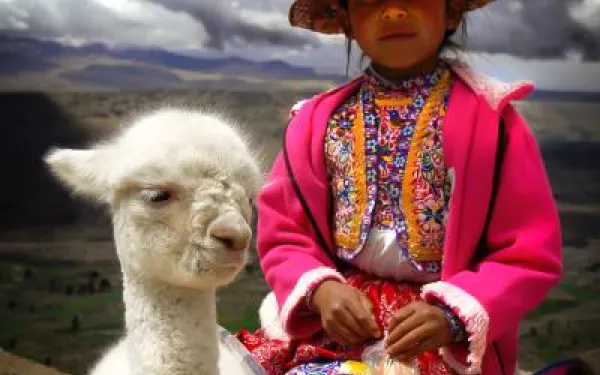
Indifference to life and health in Peru
By María José Veramendi Villa, @MaJoVeramendi In Peru, every year around 400 children die of cold. I learned this dramatic figure a few weeks ago when I read a column titled “Dying from Indifference,” by Congresswoman Veronika Mendoza. I asked with genuine indignation: How is it possible that children could die of cold in a country that prides itself on its mineral wealth, its great attraction for foreign investment, its tourism and culinary strengths? A country that hosts major world events such as the Conference of State Parties to the UN Framework Convention on Climate Change? Besides the lack of political will from our leaders, who worry more about looking good in photos taken at grand events, the answer can be found in a key paragraph of Mendoza’s column: “Where could such political will come from if no one is moved, if no one is indignant that these children die, perhaps because they tend to be “somewhere else,” usually peasants, who often speak Quechua or Aymara?” Regret before prevention On July 18, 2015, the government issued a supreme decree that declared a state of emergency in some districts and provinces of the country, due to frost. The first paragraph of the decree states that “every year and on a recurring basis, between the months of May and September, our country experiences weather events related to low temperatures, such as frost in our highlands, as was observed in recent seasons with extreme temperatures well below 0 ° C ...” If these weather events occur every year, why not prevent their impacts? In 2004, information from the Tyndall Centre, University of Manchester, revealed that Peru is the third most vulnerable country to the effects of climate change, the main cause of such phenomena as increasingly intense frost. Indifference to the violation of human rights Indifference in Peru not only manifests itself in children dying of cold in remote communities, but also La Oroya, a city only 175 kilometers from Lima. In a context of extreme industrial pollution, the population, including children, has for many years suffered violations of the rights to life and health. On August 11, a strike organized by the workers of the metallurgical complex in La Oroya, and the subsequent closure of the main highway that provides access to the center of the country, set off alarm bells in the city. Not bells that should sound when pollution limits are exceeded, but those of a long-neglected social demand. The metallurgical complex, owned by the company Doe Run Peru, is for sale and in the process of liquidating. According to information released to the public, no interested party submitted a financial offer because Peruvian environmental standards are too strict. In response, the workers took control of the road, demanding that the State relax those standards so the complex can be sold and they retain their jobs. The protest left one dead and 60 wounded. It ended after the signing of a five-point agreement, which does not mention the rights to life and health of the population of La Oroya. In a city that has been subjected to unchecked contamination for more than 90 years, Doe Run Peru has continued to obtain extensions to meet its environmental obligations. In July 2015, the company obtained a further extension of 14 years for the complex to meet environmental standards. But what about the life and health of the people? The State has not seen that environmental standards are met in La Oroya. Neither has it fully safeguarded the health of its inhabitants: • The air quality alert system has not been activated properly. • The doctors in charge of health and the heavy metals strategy are scarce and face the constant risk of running out of resources to continue working. • The State insists on asking the Inter-American Commission on Human Rights to lift the measures ordered in 2007 to protect the lives and health of a group of La Oroya residents. Speaking Loudly Children are as vulnerable to cold as they are to the effects of industrial pollution. However, the State only comes to their aid in times of crisis or when it is too late. It sounds like a cliché, but children are our hope. Let us listen so they don’t die of cold and are no longer poisoned! Otherwise, we will also be victims of the disease of indifference.
Read more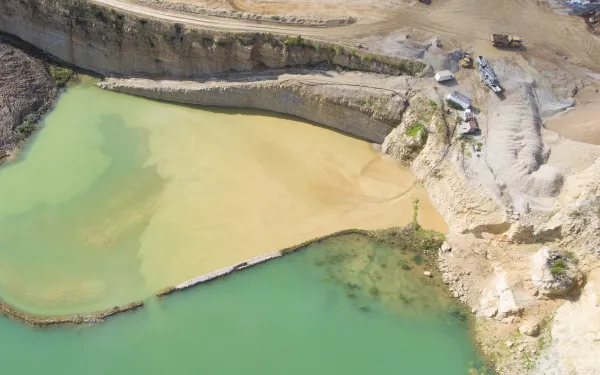
Watch Out! The Mining Industry Wants to Dump its Waste in the Ocean
By Florencia Ortúzar, AIDA attorney, and Karol Rodríguez, AIDA intern Mining gives rise to a serious problem: toxic waste. Tailings from ore extraction have been known to damage the environment and communities living near dump sites. Responsible management, then, is critical if we desire economic development that brings more benefits than problems. In Chile, mine companies are running out of places to dump their dangerous byproducts. Inadequate disposal has already caused substantial harm; nobody wants toxic waste near their home or community. Even depositing tailings in dry areas with low biodiversity is not safe, because rain and floods can wash contaminants into communities. In this context, Chilean mining companies have come up with the “brilliant” idea of depositing mine tailings into the sea, through a pipeline that would transport tons of waste to a valley on the ocean floor. The Ocean: delicate and mysterious cradle of life The ocean is one of the greatest mysteries on our planet. In fact, 95 percent of the ocean floor has not been mapped, which means we know only 5 percent of it. We know more about the surface of the moon than about the depths of the ocean. What’s more, oceans contain the most complex ecosystems on the planet. The variables involved in their health and dynamics are infinite. Given these unknowns, it is impossible to predict the effect that mine tailings would have on the ocean floor. This uncertainty is reason enough to apply the precautionary principle, an important legal tool to prevent environmental degradation caused by human development. We don’t know how the waste may affect complex marine ecosystems, their many species, or even ourselves, who take nourishment from fish and other seafood. So how could we sleep soundly while a pipeline funnels contaminated, and certainly hazardous, waste into our oceans? The effects of the environmental damage could be large and uncontrollable, and, once the water is released into the ocean, there would be no turning back. An international workshop on the idea To understand more about this worrying initiative, two renowned Chilean environmentalists—Juan Pablo Orrego, president of Ecosistemas, and Flavia Liberona, executive director of Fundación Terram—attended an international workshop in Lima in June. Participants at the workshop, convened by the Joint Group of Experts on the Scientific Aspects of Marine Environmental Protection and the International Maritime Organization, discussed the viability of depositing mine tailings in the ocean. Orrego penned an article on the theme, which you can read here. In the workshop they learned that dumping mine waste into the ocean is nothing new. It happens in Canada, Turkey, Papua New Guinea, and in some African countries. The Norwegian government recently authorized the use of a pristine fjord (a narrow sea inlet) as a repository for mine tailings from a rutile mine. During the workshop, an official from the Norwegian government defended the decision, arguing, “The social benefits from the mine outweigh the destruction of the fjord.” According to whom? For and against Supporters of the Chilean proposal claim that dumping tailings into the sea does not necessarily entail a hazard. They say the risks are minimal because there’s no oxygen on the bottom of the ocean, so the chemical reaction that causes toxicity on the surface would not occur. Leonel Sierralta J., former official of Chile’s Environmental Ministry and current scientific director of Sustainable Initiatives for Mining, penned an open letter in response to Orrego’s article. In it, he says that although there have been disastrous cases involving mine waste in the ocean, there are also cases in developed countries in which waste dumping has been carried out based on science and following strict environmental criteria. His arguments have not convinced those who oppose the proposal, including five Chilean senators who sponsored a bill to prohibit the discharge of tailings into the ocean. An alternative: neutralize the risk Orrego proposes to regulate mining more strictly. He says that before tailings are deposited, mining companies must extract from them all heavy metals and neutralize their chemical compounds. In that way, it would be feasible to deposit practically inert tailings in places such as old mine shafts. It would even create an economic opportunity for companies to begin extracting and recycling dangerous elements. The neutralization of tailings is an appropriate alternative to continuing environmental destruction. Orrego’s proposal is sensible. It’s reasonable to assert that economic activities dangerous for the environment continue only if their impacts are neutralized. If we generate more waste than we can deal with, it’s because we are not acting sustainably, which means we are not assuring the conservation of a healthy planet for our descendants. This is why we at AIDA work daily to preserve the health of ecosystems in the face of highly polluting activities like mining.
Read more