
Project
Amazon Watch / Maíra Irigaray
Barragem de Belo Monte no rio Xingu: 10 anos de impactos na Amazônia e de busca por reparações
A usina hidrelétrica de Belo Monte causou um desastre ambiental e social no coração da Amazônia: um dos ecossistemas mais importantes do planeta.
Essa situação só piorou desde que a usina começou a operar em 2016. A busca por justiça e reparação para as comunidades indígenas e ribeirinhas afetadas continua até hoje.
Em 2011, a Comissão Interamericana de Direitos Humanos (CIDH) concedeu a essas comunidades medidas de proteção, que até hoje não foram totalmente implementadas pelo Estado brasileiro.
E, desde junho daquele mesmo ano, a CIDH mantém um processo contra o Estado por sua responsabilidade internacional no caso.
A CIDH pode encaminhar o caso à Corte Interamericana de Direitos Humanos, que tem o poder de emitir uma sentença condenatória contra o Estado brasileiro.
Consulta o expediente de fatos do caso
Após 10 anos de operação da usina hidrelétrica e mais de 15 anos de violações de direitos humanos documentadas, é hora da justiça ser feita para as comunidades afetadas.
Leia a carta aberta das organizações que levam o caso à CIDH
Leia nosso comunicado à imprensa
Contexto
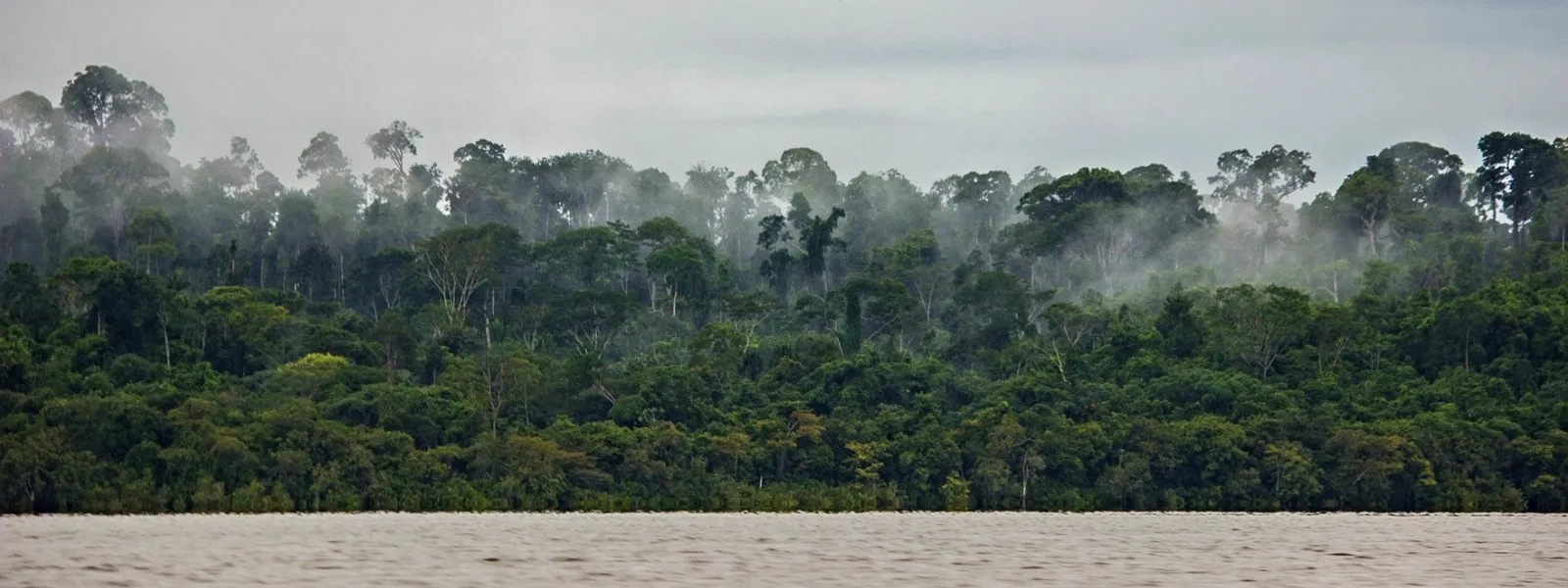
A usina hidrelétrica de Belo Monte — a quarta maior do mundo em capacidade instalada (11.233 MW) — foi construída no rio Xingu, no estado do Pará, norte do Brasil.
Foi inaugurada em 5 de maio de 2016, com uma única turbina. Naquela época, 80% do curso do rio foi desviado e 516 km² de terra foram inundados, uma área maior que a cidade de Chicago. Desse total, 400 km² eram de mata nativa. A usina começou a operar em plena capacidade em novembro de 2019.
Belo Monte foi construída e é operada pelo consórcio Norte Energia S.A., composto principalmente por empresas estatais. Foi financiada pelo Banco Nacional de Desenvolvimento Econômico e Social (BNDES), que aportou ao consórcio 25,4 bilhões de reais (aproximadamente US$ 10,16 bilhões), o maior investimento de sua história. Portanto, o BNDES também é legalmente responsável pelos impactos socioambientais associados ao projeto hidrelétrico.
Décadas de danos ambientais e humanos
As violações dos direitos humanos e a degradação da Amazônia remontam ao início do projeto. Em março de 2011, a Norte Energia iniciou a construção da barragem sem consulta adequada e sem o consentimento prévio, livre e informado das comunidades afetadas.
A construção levou ao deslocamento forçado de mais de 40.000 pessoas, rompendo laços sociais e culturais. O plano de reassentamento em Altamira — cidade diretamente afetada pelo projeto hidrelétrico — incluía moradias na periferia da cidade, sem serviços públicos adequados, moradias dignas para as famílias reassentadas e moradias diferenciadas para aqueles pertencentes a comunidades indígenas.
A operação da barragem de Belo Monte impôs uma seca permanente e artificial na Volta Grande do rio Xingu, agravada pelas secas históricas na Amazônia em 2023 e 2024. Como resultado, a morte de milhões de ovos de peixe foi documentada por quatro anos consecutivos (de 2021 a 2024) e, nos últimos três anos, não houve migração de peixes rio acima para desovar e se reproduzir. Assim, a pesca artesanal, principal fonte de proteína para os povos indígenas e comunidades ribeirinhas, foi severamente afetada: o consumo de peixe caiu de 50% para 30% do total de proteínas consumidas, sendo substituído por alimentos processados. Em suma, houve um colapso ambiental e humanitário que resultou no colapso da pesca como modo de vida tradicional, insegurança alimentar e falta de acesso à água potável para milhares de famílias, empobrecimento e doenças.
Além disso, a construção da barragem aumentou o desmatamento e intensificou a extração ilegal de madeira e a insegurança em terras indígenas e tribais, colocando em risco a sobrevivência dessas comunidades. Outra consequência foi o agravamento da pobreza e dos conflitos sociais, bem como a sobrecarga dos sistemas de saúde, educação e segurança pública em Altamira, cidade considerada a mais violenta do país em 2017, onde houve aumento do tráfico de pessoas e da violência sexual. Também foram registrados casos de violência contra defensores de direitos humanos envolvidos no caso.
Em 2025, durante a 30ª Conferência das Nações Unidas sobre Mudanças Climáticas (COP30), realizada no Brasil, o Ministério Público Federal classificou os danos causados por Belo Monte como ecocídio.
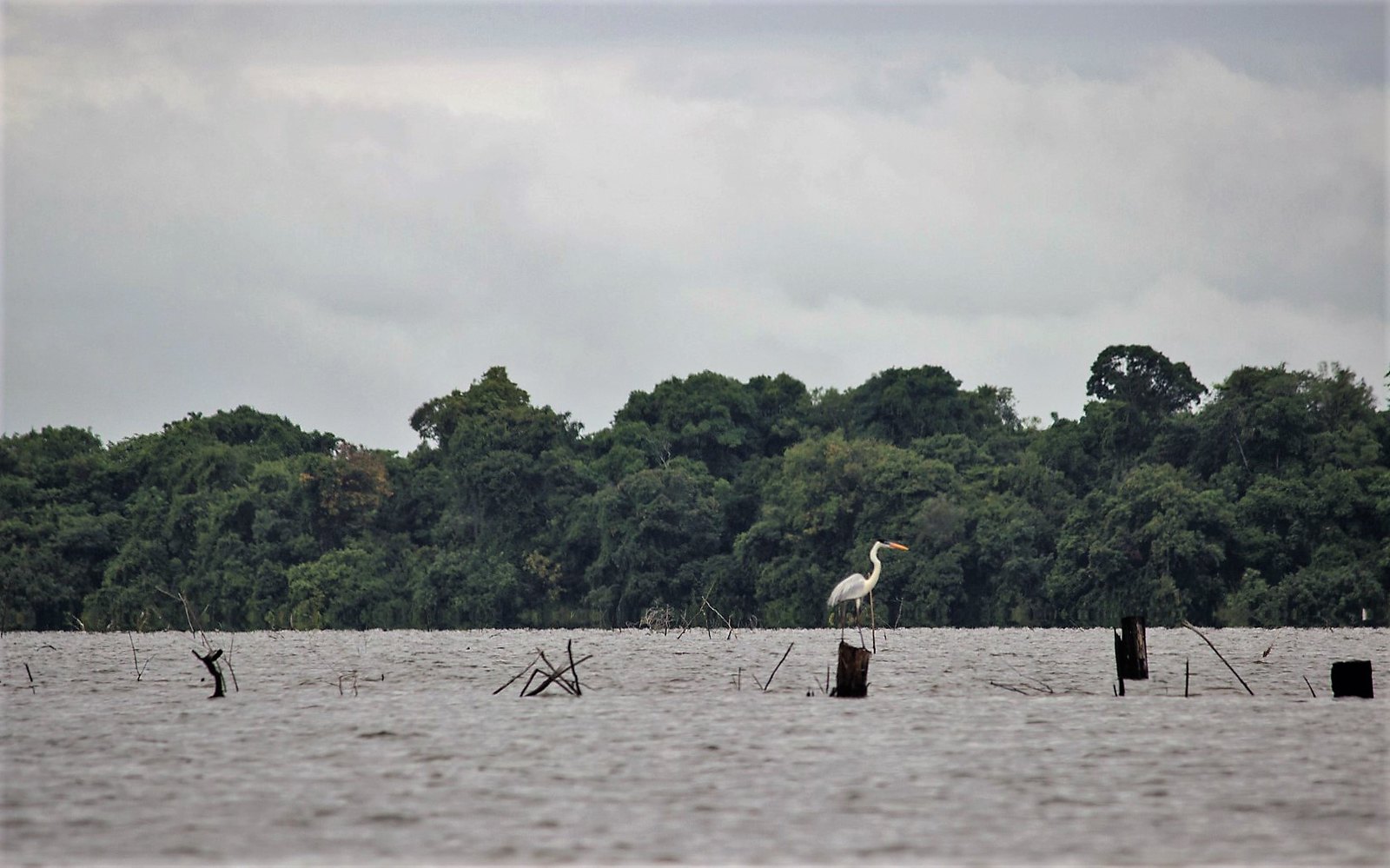
Foto: Amazon Watch / Maíra Irigaray.
A busca por justiça e reparação
Ao longo dos anos, o Ministério Público Federal do Pará, a Defensoria Pública e organizações da sociedade civil impetraram dezenas de ações judiciais em tribunais brasileiros para contestar as diversas irregularidades do projeto, bem como seus impactos. A maioria das ações permanece sem solução, algumas há mais de 10 anos.
Essas ações não obtiveram sucesso porque o governo federal tem reiteradamente anulado decisões favoráveis às comunidades afetadas, recorrendo a um mecanismo pelo qual o presidente do Supremo Tribunal Federal pode suspender uma decisão judicial com base unicamente em argumentos genéricos como "interesse nacional" ou "ordem econômica".
Diante da falta de respostas eficazes em nível nacional, a AIDA — juntamente com uma coalizão de organizações aliadas — levou o caso à Comissão Interamericana de Direitos Humanos (CIDH) e, em 2010, solicitou medidas cautelares para proteger a vida, a integridade e a saúde das comunidades indígenas afetadas.
Em 1º de abril de 2011, a CIDH concedeu essas medidas e solicitou ao Estado brasileiro a suspensão das licenças ambientais e de quaisquer obras de construção até que as condições relativas à consulta prévia e à proteção da saúde e integridade das comunidades fossem atendidas.
E, em 16 de junho de 2011, apresentamos uma denúncia formal à CIDH — juntamente com o Movimento Xingu Vivo Para Siempre, a Coordenação das Organizações Indígenas da Amazônia Brasileira, a Diocese de Altamira, o Conselho Missionário Indígena, a Sociedade Pará de Defesa dos Direitos Humanos e a Global Justice — contra o Estado brasileiro por sua responsabilidade internacional nas violações de direitos humanos contra os povos afetados neste caso. A denúncia foi apresentada em dezembro de 2015.
Em 3 de agosto de 2011, a CIDH modificou as medidas cautelares para solicitar — em vez da suspensão de licenças e obras — a proteção dos povos que vivem em isolamento voluntário, a saúde das comunidades indígenas e a regularização e proteção das terras ancestrais.
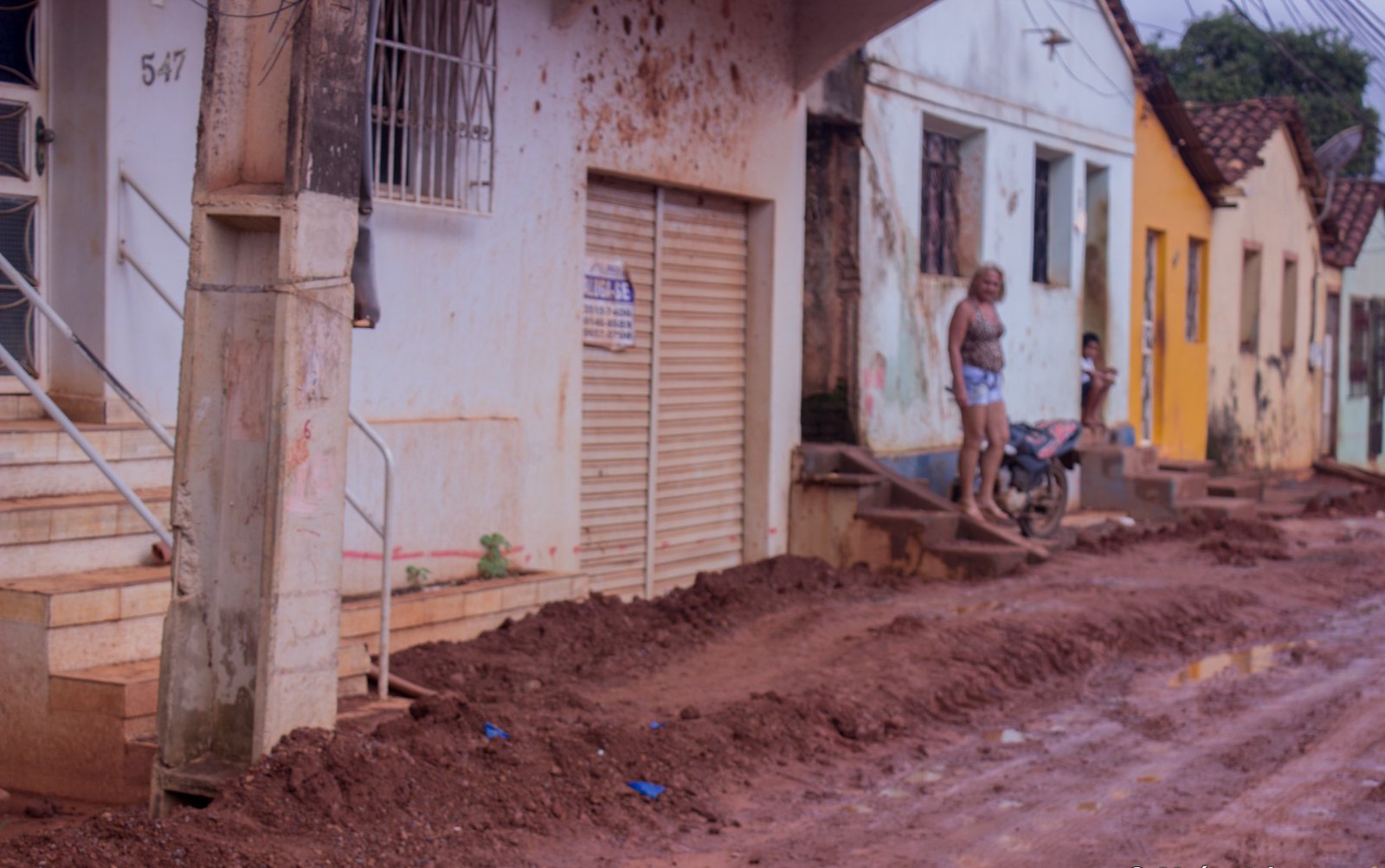
Foto: Amazon Watch / Maíra Irigaray.
Situação atual
As medidas de proteção concedidas pela CIDH permanecem em vigor, mas o Estado brasileiro não as cumpriu integralmente, relatando apenas ações genéricas. As comunidades documentaram as contínuas violações de seus direitos. A situação que motivou o pedido dessas medidas — o risco à vida, à segurança e aos meios de subsistência das comunidades — persiste e se agravou com a usina hidrelétrica operando em plena capacidade e com as recentes secas extremas na Amazônia.
Além do ocorrido em Belo Monte, existe o risco de maiores danos sociais e ambientais decorrentes da implementação de outro megaprojeto de mineração na Volta Grande do Xingu. Lá, a empresa canadense Belo Sun pretende construir a maior mina de ouro a céu aberto do Brasil.
Os impactos sinérgicos e cumulativos da usina e da mina não foram avaliados. O Estado excluiu povos indígenas, comunidades ribeirinhas e comunidades camponesas do processo de licenciamento ambiental do projeto. Apesar disso, dos protestos indígenas e de outras irregularidades em torno do projeto, o governo do estado do Pará autorizou formalmente a mina em abril de 2026.
Belo Monte, assim como outras usinas hidrelétricas, agrava a emergência climática ao gerar emissões de gases de efeito estufa em seu reservatório. Além disso, é ineficiente diante das secas prolongadas e intensas causadas pela crise, pois perde capacidade de geração de energia.
O caso perante a Comissão Interamericana
Em outubro de 2017, a CIDH anunciou que decidiria conjuntamente sobre a admissibilidade (se o caso preenche os requisitos para admissão) e o mérito (se houve, de fato, violação de direitos humanos) da denúncia internacional contra o Estado brasileiro.
Quinze anos após a apresentação da denúncia, as comunidades afetadas e as organizações que as representam ainda aguardam essa decisão. Caso a CIDH conclua que houve violações de direitos humanos e emita recomendações que o Estado brasileiro não cumpra, poderá encaminhar o caso à Corte Interamericana de Direitos Humanos, cujas decisões são vinculativas.
Uma possível decisão da Corte Internacional de Direitos Humanos neste caso estabeleceria um precedente jurídico regional em relação aos direitos dos povos indígenas e ribeirinhos, à participação pública em megaprojetos e à responsabilidade do Estado no contexto da crise climática. Isso é particularmente relevante à luz do Parecer Consultivo nº 32 da Corte, que reafirmou as obrigações dos Estados de proteger pessoas e comunidades em todo o continente da emergência climática.
Partners:
Related projects
“My Mom Is the Best Lawyer in the World”
“My mom is the best lawyer in the world because she defends the turtles, the corals, the salted forests they have in the sea, and alllll the fish.” As I listened to my 4-year-old daughter, Daniela, say this to an auditorium full of parents, boy and girls, my eyes filled with tears and my heart filled with love and happiness. Listening to my little girl brag about what her mother does renewed my strength and enables me to continue working passionately. Daniela summed up quite well my work on AIDA’s team of attorneys in the Marine and Coastal Protection Program. My colleagues and I focus on three key areas: coral reefs, mangroves and fisheries. We use national and international standards to support marine ecosystems and the people who depend upon them. Coral Reefs We know that by protecting coral reefs, we’re preserving natural barriers that protect coastal communities from storms and hurricanes—which are growing ever stronger due to climate change. We’re also conscious that the many varieties of fish we enjoy on our dinner table exist only because of the important breeding grounds that corals provide. Mangroves Mangroves, or “salted forests” as my daughter calls them, are swampy forests that exist in lakes, rivers and tropical coasts where fresh river water mixes with saltwater from the sea. My colleagues and I are determined to safeguard these ecosystems because we know they are our greatest allies. Mangroves capture from the atmosphere 50 times more carbon dioxide than tropical forests. They are also an important food source for birds, and a center of breeding and development for shrimp, crab and some fish, which provide a livelihood for coastal communities. One example of these unique ecosystems is Marismas Nacionales, the largest mangrove forest in Mexico, which we’re currently fighting to protect. Fishing Conscious that ecosystems are interrelated and reliant upon each other, we work to create sustainable fisheries. If we care for one fish, the rest of the fish will also benefit. We hope that future generations will also be able to taste a fish from the sea, not just observe one in a photograph. We have seen that adopting appropriate measures has allowed fish populations to recover, as occurred with the hoki in New Zealand, the anchoveta in Spain and France, and the cod in the northern Atlantic ocean. Every day I appreciate and enjoy the privilege my children, Daniela and Agustín, have to run through a forest, stick their feet in the ocean and feel the movement of little fish between their toes, or marvel at their first glimpse of a magnificent butterfly or a towering tree. In these moments, I reaffirm the words my parents said one day to my husband and me: “Many good memories outside are worth much more than many toys in the house.” At AIDA we are 26 people working throughout the continent with dedication and commitment. We do it for Daniela and Agustín, and for the rest of the little boys and girls who are part of our organization: Amber, Esteban and Eloísa, Constanza, Jared, Isabelle and Caroline, Izabela, Paloma, Marc and Rosalie. We work for our children and for all children, so that current and future generations have the opportunity to enjoy a healthy environment. Thank you for supporting our work!
Read more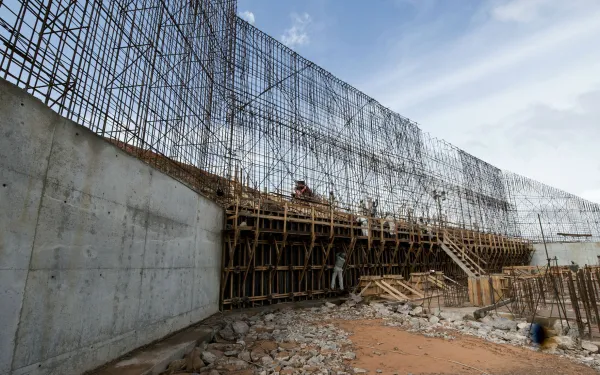
Belo Monte Dam may begin operations despite noncompliance
The dam has failed to comply with conditions for the protection of the health, integrity and way of life of affected communities. Organizations reiterate the validity of the precautionary measures granted by the Inter-American Commission on Human Rights in favor of the indigenous communities of the Xingú River basin, whose situation of risk has worsened. Altamira, Brazil & Washington, DC – The Belo Monte dam is applying for authorization to begin operations, with construction reported at 70 percent complete. This authorization may happen despite the fact that the project has failed to comply with conditions necessary to protect the health, integrity and way of life of affected communities, including the indigenous peoples of the Xingú river basin. Civil society organizations solicited the Inter-American Commission for Human Rights to maintain the precautionary measures granted in 2011 in favor of the indigenous peoples of the Xingú river basin. They did so as a response to the Brazilian government’s request that the Commission lift the measures, which were authorized to avoid irreparable damage to the rights of the communities. The Interamerican Association for Environmental Defense (AIDA), Justiça Global, the Sociedad Paraense de Defensa de los Derechos Humanos (SDDH) and the Movimiento Xingú Vivo para Siempre (MXPVS) filed the brief on behalf of indigenous and river communities affected by Belo Monte. The organizations argued before the Commission that the social and environmental situation surrounding Belo Monte continues to be serious and urgent, and could cause irreparable damages. Their arguments are based on a recent report by the Socio-Environmental Institute of Brazil (ISA), as well as on official government data that include information from health and indigenous protection authorities and the Public Ministry. The ISA report analyzes in detail the situation of Altamira, Pará—the region where Belo Monte is being constructed—and emphasizes the human rights violations and irregularities of the project. The report warns that necessary conditions do not exist for the Brazilian Institute of Environment and Renewable Natural Resources (IBAMA) to grant the project’s operating license. If granted, the license would authorize the filling of the dam, and, thus, the final diversion of the Xingú River. One part of the dam would then begin operation. According to the ISA report, measures to avoid the project’s impacts on health, education and basic sanitation have not been met. This neglect will lead to further damage, such as the fracturing of indigenous communities, saturation of public health services, lower quality education, and greater forest degradation. “The consequences we announced years ago are now a reality,” said Astrid Puentes Riaño, co-director of AIDA. “The filling of the dam, scheduled for the year’s end, will cause the loss of homes and land, and the modification of the traditional lifestyles and livelihoods of Xingú communities. Brazilian authorities and the Commission must act effectively to prevent this disaster.” It is clear that the conditions necessary for Norte Energía, the consortium in charge of the project, to receive the license are not in place. The vice-governor of Pará explained that although the construction is 70 percent complete, only 30 percent of the social and environmental conditions have been met. Similarly, the Attorney of the Republic of Altamira, Thais Santi, said that the consortium is not respecting the protection plan for indigenous lands, the principal condition for the protection of the peoples of the Xingú. The decision on the authorization of Belo Monte must also take into account the recent corruption scandal that has engulfed the project. The investigation Lava Jato, which began a year ago, exposed a massive network of corruption involving the government and Brazil’s largest construction companies. A senior executive, currently in prison on corruption charges, mentioned in his declaration how they had set up and executed bribes for the construction of Belo Monte. The Comptroller General (CGU) thereafter decided to investigate the use of public funds in the project. “The lack of effective control in the execution of the project has made the consequences much worse than anticipated. Giving free reign of operation to the dam at this time would mean completely shutting down the options available to avoid major social and humanitarian disasters in the region,” said Sandy Faidherb of SDDH.
Read moreGreen Climate Fund disappoints by accrediting unfit entities
During its 10th session, in a process characterized by little transparency, the Board of the Green Climate Fund accredited 13 entities to manage financing that the Fund authorizes for climate change adaptation and mitigation projects. The Board accredited the entities as a group, without carefully analyzing them one by one. They did not consider that some have been penalized for financing terrorism and laundering money, or that their primary lending portfolios support fossil fuels. Nor did they consider that some haven’t shown sufficient capacity to manage high-risk climate change projects that could cause irreparable environmental and social impacts. Some do not comply with international fiduciary standards to handle such activities. “We’re disappointed to see that the Green Climate Fund has demonstrated business-orientated behavior, no different from other financial institutions. This doesn’t help the Fund contribute to a paradigm shift and offer better access to resources for local actors,” said Andrea Rodríguez, a senior AIDA lawyer and civil society observer at the Board meetings. The decision-making process for the accreditation of the 13 entities lacked transparency, as no names of the candidates were known until the decision was made. Nevertheless, civil society organizations were able to obtain information to identify inappropriate backgrounds of some of the entities seeking accreditation, and asked the Board to decide on a case-by-case basis. They also requested that the Board assess evidence questioning the ability of these institutions to manage high-risk projects, and to ensure that only the best entities are accredited. The Board, however, opted to make a hasty decision. It reviewed the proposals in a closed Executive Session, and accredited all 13 entities together without considering their problematic histories. “By acting this way, the Board risks the reputation, credibility and legitimacy of the Green Climate Fund,” Rodríguez added. The Board should ensure that all entities seeking accreditation meet the same standards required for access to Fund resources. Developing countries depend on the integrity of accredited entities to ensure access to the financing they need to confront the increasingly severe effects of climate change. It remains vital that the Board guarantees transparency in its decision-making processes.
Read more