
Project
Amazon Watch / Maíra Irigaray
Barragem de Belo Monte no rio Xingu: 10 anos de impactos na Amazônia e de busca por reparações
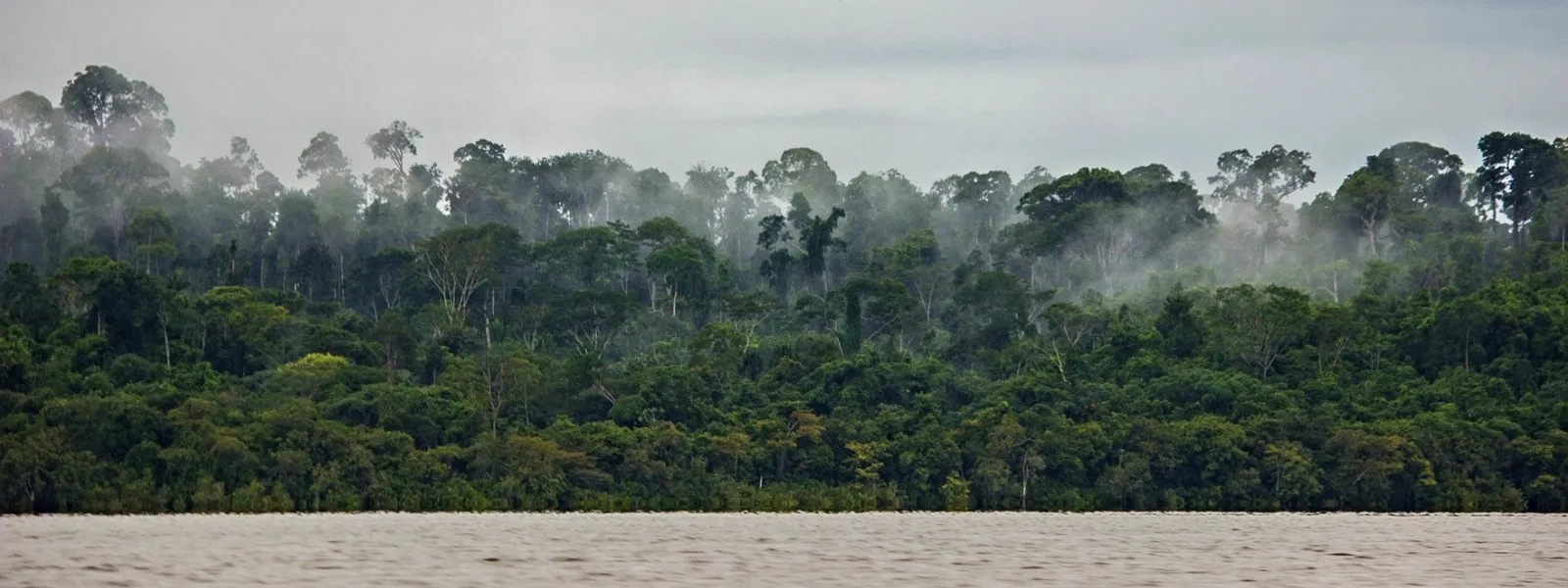
A usina hidrelétrica de Belo Monte causou um desastre ambiental e social no coração da Amazônia: um dos ecossistemas mais importantes do planeta.
Essa situação só piorou desde que a usina começou a operar em 2016. A busca por justiça e reparação para as comunidades indígenas e ribeirinhas afetadas continua até hoje.
Em 2011, a Comissão Interamericana de Direitos Humanos (CIDH) concedeu a essas comunidades medidas de proteção, que até hoje não foram totalmente implementadas pelo Estado brasileiro.
E, desde junho daquele mesmo ano, a CIDH mantém um processo contra o Estado por sua responsabilidade internacional no caso.
A CIDH pode encaminhar o caso à Corte Interamericana de Direitos Humanos, que tem o poder de emitir uma sentença condenatória contra o Estado brasileiro.
Consulta o expediente de fatos do caso
Após 10 anos de operação da usina hidrelétrica e mais de 15 anos de violações de direitos humanos documentadas, é hora da justiça ser feita para as comunidades afetadas.
Leia a carta aberta das organizações que levam o caso à CIDH
Leia nosso comunicado à imprensa
Contexto
A usina hidrelétrica de Belo Monte — a quarta maior do mundo em capacidade instalada (11.233 MW) — foi construída no rio Xingu, no estado do Pará, norte do Brasil.
Foi inaugurada em 5 de maio de 2016, com uma única turbina. Naquela época, 80% do curso do rio foi desviado e 516 km² de terra foram inundados, uma área maior que a cidade de Chicago. Desse total, 400 km² eram de mata nativa. A usina começou a operar em plena capacidade em novembro de 2019.
Belo Monte foi construída e é operada pelo consórcio Norte Energia S.A., composto principalmente por empresas estatais. Foi financiada pelo Banco Nacional de Desenvolvimento Econômico e Social (BNDES), que aportou ao consórcio 25,4 bilhões de reais (aproximadamente US$ 10,16 bilhões), o maior investimento de sua história. Portanto, o BNDES também é legalmente responsável pelos impactos socioambientais associados ao projeto hidrelétrico.
Décadas de danos ambientais e humanos
As violações dos direitos humanos e a degradação da Amazônia remontam ao início do projeto. Em março de 2011, a Norte Energia iniciou a construção da barragem sem consulta adequada e sem o consentimento prévio, livre e informado das comunidades afetadas.
A construção levou ao deslocamento forçado de mais de 40.000 pessoas, rompendo laços sociais e culturais. O plano de reassentamento em Altamira — cidade diretamente afetada pelo projeto hidrelétrico — incluía moradias na periferia da cidade, sem serviços públicos adequados, moradias dignas para as famílias reassentadas e moradias diferenciadas para aqueles pertencentes a comunidades indígenas.
A operação da barragem de Belo Monte impôs uma seca permanente e artificial na Volta Grande do rio Xingu, agravada pelas secas históricas na Amazônia em 2023 e 2024. Como resultado, a morte de milhões de ovos de peixe foi documentada por quatro anos consecutivos (de 2021 a 2024) e, nos últimos três anos, não houve migração de peixes rio acima para desovar e se reproduzir. Assim, a pesca artesanal, principal fonte de proteína para os povos indígenas e comunidades ribeirinhas, foi severamente afetada: o consumo de peixe caiu de 50% para 30% do total de proteínas consumidas, sendo substituído por alimentos processados. Em suma, houve um colapso ambiental e humanitário que resultou no colapso da pesca como modo de vida tradicional, insegurança alimentar e falta de acesso à água potável para milhares de famílias, empobrecimento e doenças.
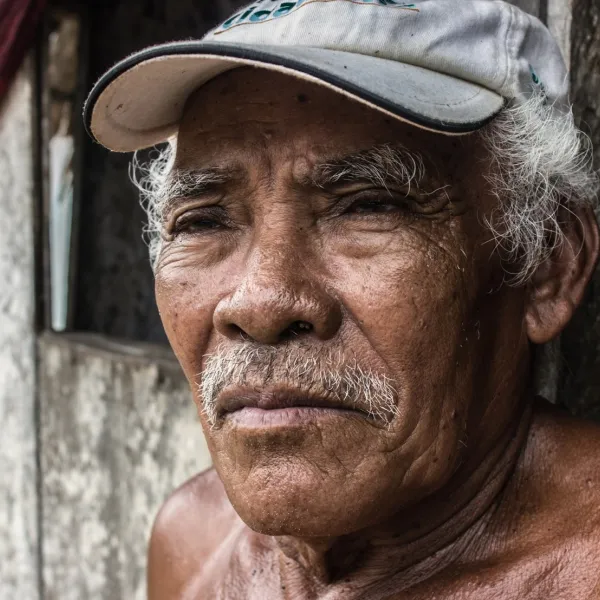
Além disso, a construção da barragem aumentou o desmatamento e intensificou a extração ilegal de madeira e a insegurança em terras indígenas e tribais, colocando em risco a sobrevivência dessas comunidades. Outra consequência foi o agravamento da pobreza e dos conflitos sociais, bem como a sobrecarga dos sistemas de saúde, educação e segurança pública em Altamira, cidade considerada a mais violenta do país em 2017, onde houve aumento do tráfico de pessoas e da violência sexual. Também foram registrados casos de violência contra defensores de direitos humanos envolvidos no caso.
Em 2025, durante a 30ª Conferência das Nações Unidas sobre Mudanças Climáticas (COP30), realizada no Brasil, o Ministério Público Federal classificou os danos causados por Belo Monte como ecocídio.
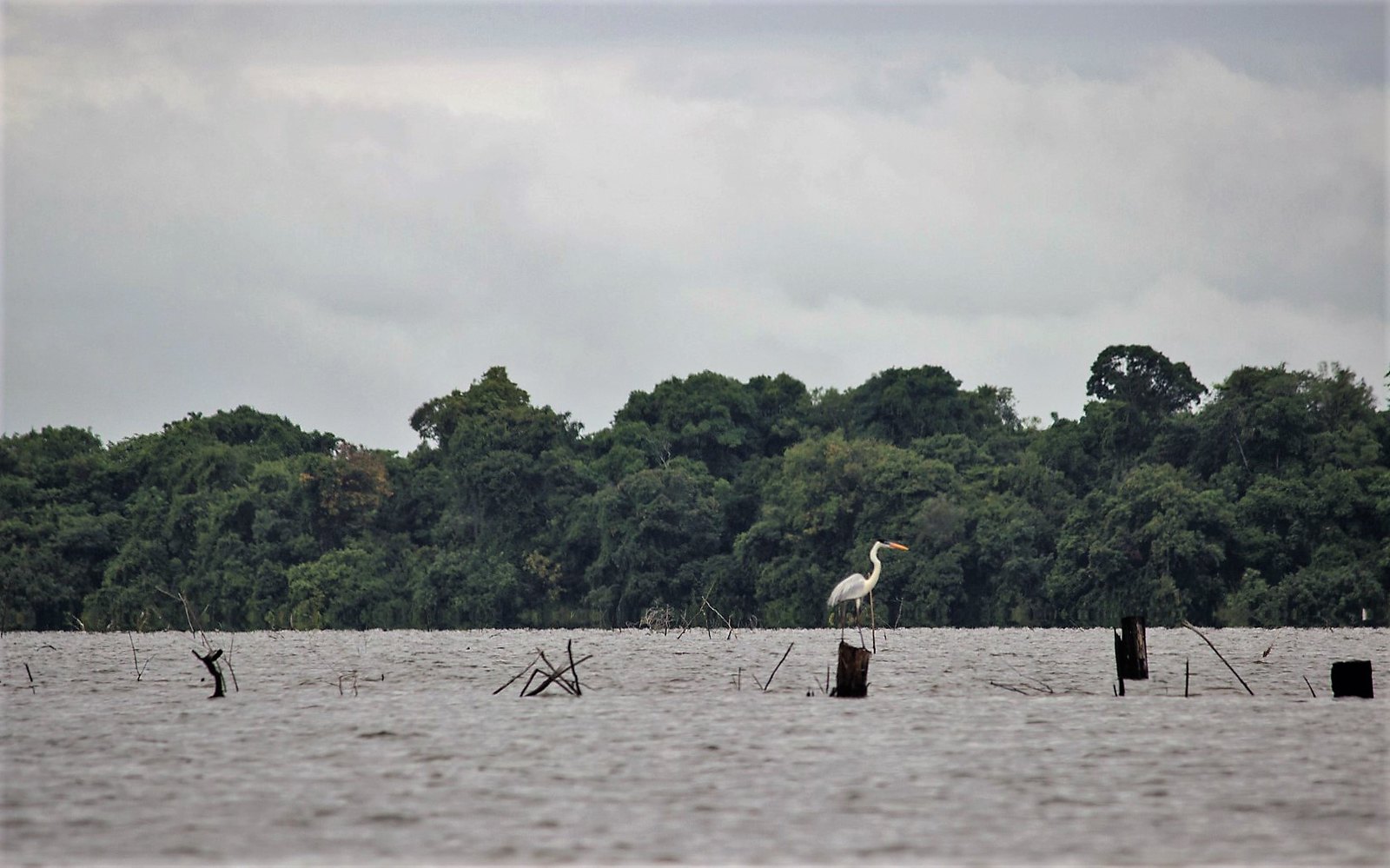
Foto: Amazon Watch / Maíra Irigaray.
A busca por justiça e reparação
Ao longo dos anos, o Ministério Público Federal do Pará, a Defensoria Pública e organizações da sociedade civil impetraram dezenas de ações judiciais em tribunais brasileiros para contestar as diversas irregularidades do projeto, bem como seus impactos. A maioria das ações permanece sem solução, algumas há mais de 10 anos.
Essas ações não obtiveram sucesso porque o governo federal tem reiteradamente anulado decisões favoráveis às comunidades afetadas, recorrendo a um mecanismo pelo qual o presidente do Supremo Tribunal Federal pode suspender uma decisão judicial com base unicamente em argumentos genéricos como "interesse nacional" ou "ordem econômica".
Diante da falta de respostas eficazes em nível nacional, a AIDA — juntamente com uma coalizão de organizações aliadas — levou o caso à Comissão Interamericana de Direitos Humanos (CIDH) e, em 2010, solicitou medidas cautelares para proteger a vida, a integridade e a saúde das comunidades indígenas afetadas.
Em 1º de abril de 2011, a CIDH concedeu essas medidas e solicitou ao Estado brasileiro a suspensão das licenças ambientais e de quaisquer obras de construção até que as condições relativas à consulta prévia e à proteção da saúde e integridade das comunidades fossem atendidas.
E, em 16 de junho de 2011, apresentamos uma denúncia formal à CIDH — juntamente com o Movimento Xingu Vivo Para Siempre, a Coordenação das Organizações Indígenas da Amazônia Brasileira, a Diocese de Altamira, o Conselho Missionário Indígena, a Sociedade Pará de Defesa dos Direitos Humanos e a Global Justice — contra o Estado brasileiro por sua responsabilidade internacional nas violações de direitos humanos contra os povos afetados neste caso. A denúncia foi apresentada em dezembro de 2015.
Em 3 de agosto de 2011, a CIDH modificou as medidas cautelares para solicitar — em vez da suspensão de licenças e obras — a proteção dos povos que vivem em isolamento voluntário, a saúde das comunidades indígenas e a regularização e proteção das terras ancestrais.
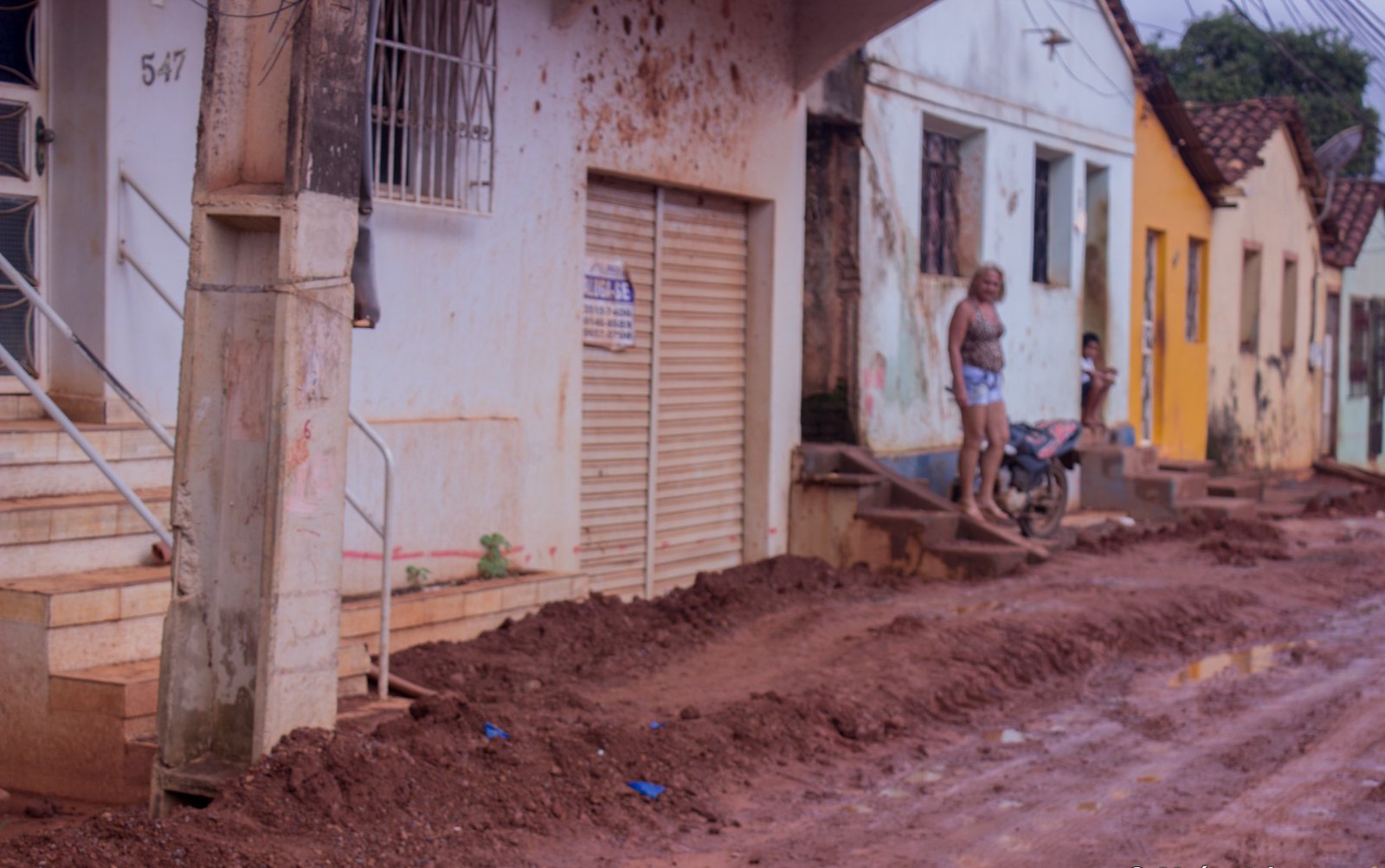
Foto: Amazon Watch / Maíra Irigaray.
Situação atual
As medidas de proteção concedidas pela CIDH permanecem em vigor, mas o Estado brasileiro não as cumpriu integralmente, relatando apenas ações genéricas. As comunidades documentaram as contínuas violações de seus direitos. A situação que motivou o pedido dessas medidas — o risco à vida, à segurança e aos meios de subsistência das comunidades — persiste e se agravou com a usina hidrelétrica operando em plena capacidade e com as recentes secas extremas na Amazônia.
Além do ocorrido em Belo Monte, existe o risco de maiores danos sociais e ambientais decorrentes da implementação de outro megaprojeto de mineração na Volta Grande do Xingu. Lá, a empresa canadense Belo Sun pretende construir a maior mina de ouro a céu aberto do Brasil.
Os impactos sinérgicos e cumulativos da usina e da mina não foram avaliados. O Estado excluiu povos indígenas, comunidades ribeirinhas e comunidades camponesas do processo de licenciamento ambiental do projeto. Apesar disso, dos protestos indígenas e de outras irregularidades em torno do projeto, o governo do estado do Pará autorizou formalmente a mina em abril de 2026.
Belo Monte, assim como outras usinas hidrelétricas, agrava a emergência climática ao gerar emissões de gases de efeito estufa em seu reservatório. Além disso, é ineficiente diante das secas prolongadas e intensas causadas pela crise, pois perde capacidade de geração de energia.
O caso perante a Comissão Interamericana
Em outubro de 2017, a CIDH anunciou que decidiria conjuntamente sobre a admissibilidade (se o caso preenche os requisitos para admissão) e o mérito (se houve, de fato, violação de direitos humanos) da denúncia internacional contra o Estado brasileiro.
Quinze anos após a apresentação da denúncia, as comunidades afetadas e as organizações que as representam ainda aguardam essa decisão. Caso a CIDH conclua que houve violações de direitos humanos e emita recomendações que o Estado brasileiro não cumpra, poderá encaminhar o caso à Corte Interamericana de Direitos Humanos, cujas decisões são vinculativas.
Uma possível decisão da Corte Internacional de Direitos Humanos neste caso estabeleceria um precedente jurídico regional em relação aos direitos dos povos indígenas e ribeirinhos, à participação pública em megaprojetos e à responsabilidade do Estado no contexto da crise climática. Isso é particularmente relevante à luz do Parecer Consultivo nº 32 da Corte, que reafirmou as obrigações dos Estados de proteger pessoas e comunidades em todo o continente da emergência climática.
Partners:
Related projects
If Cecil Had Lived in Costa Rica, He Might Still be Alive Today
By Camila Cossio, AIDA intern Last month Cecil, a 13-year-old African lion, was tracked and killed by a tourist from the United States. Cecil was a victim of trophy hunting, a cruel hobby that serves no conservation purpose. If Cecil had lived in Costa Rica, he might still be alive today. Costa Rica is home to many top predators, including big cats like pumas and jaguars—and the government is committed to their protection. Hunting animals for sport is illegal in Costa Rica. The Costa Rican Congress in 2012 unanimously approved an amendment to the nation’s Wildlife Conservation Law, which bans trophy hunting and the general hunting of wildlife. Costa Rica is the first country to ban hunting save for scientific studies, subsistence, and to reduce overpopulation. Hunters who fail to comply with the law may be fined up to $3,000 or jailed for up to four months. In light of Cecil’s death, many trophy hunters have argued that their actions help conservation efforts. Science, however, tells us otherwise. Natural predators, such as lions, wolves and bears, help balance natural ecosystems by killing the sickest and weakest individuals in a species. This is natural selection at its core. In contrast, trophy hunters aim to kill the most “desirable” animals – those that would look best hanging on their walls tend to be healthy top predators like Cecil. By hunting healthy predators, humans are interfering with the delicate balance of species populations. When a dominant lion like Cecil is killed, for example, it is common for a new lion to take over the pride and kill the former leader’s cubs. This pride disruption would not have occurred now had Cecil not been hunted to his death. Another kind of disruption is being seen in regard to United States wolf populations. The overhunting of red wolves led to an increase in coyote populations. As coyote populations grew, they suppressed the numbers of many smaller predators, such as foxes. Foxes prey on mammals responsible for infecting ticks with Lyme disease. It’s no coincidence that humans are currently facing the highest incidence of Lyme disease ever documented. Instances like this make it clear that predators play a vital role both for healthy animal ecosystems and for human health. Trophy hunting also creates a market for the poaching of threatened and endangered species. Organized trophy hunts imply that animal populations are “recovering” and not in danger, thus increasing the exploitation of already sensitive populations.[1] Costa Rica is a pioneer in wildlife law and wildlife protection – as evidenced by its landmark legislation, and by everyday actions I witness during my internship here in AIDA’s San José office. I see the nation’s concern reflected in the work our attorneys do to protect endangered species. And I see it on the streets, in bumper stickers bearing the image of a big cat like Cecil, captioned “Animals Have the Right of Way. Respect Them." [1] Cecil and the Myth of Conservation Through Sports Hunting, http://www.friendsofanimals.org/news/2015/august/cecil-and-myth-conservation-through-sport-hunting (accessed Aug. 5, 2015).
Read moreGod is an Environmentalist. Are You?
God is with us in the fight to defend the environment. He is the first environmentalist. In his encyclical Laudato Si, also known as the environmental encyclical, Pope Francis says, “The violence present in our hearts, wounded by sin, is also reflected in the symptoms of sickness evident in the soil, in the water, in the air, and in all forms of life.” All religions agree that divinity created the planet we share with all forms of life. Caring for this creation is one of our ancient religious duties. This sentiment has been echoed by high representatives of churches around the world, from Catholic to Muslim, Hindu to Orthodox. The planet and the beings that inhabit it are currently suffering grave environmental impacts. The contamination of oceans and rivers, climate change, soil deterioration, the extinction of species and the disappearance of forests are just some of the ills afflicting the environment. Given this bleak picture, various churches agree they must admonish believers to care for their surroundings. What did Pope Francis say? In Laudato Si, Pope Francis recounts the lessons of Juan Pablo II, who said that “the destruction of the human environment is extremely serious, not only because God has entrusted the world to us men and women, but because human life is itself a gift which must be defended from various forms of debasement.” The encyclical also recognizes the position of the Turkish Orthodox Church. “Patriarch Bartholomew has spoken in particular of the need for each of us to repent of the ways we have harmed the planet,” the text reads. The Pope also adds that Saint Francis of Assisi, who invited us to “care for all that exists,” always asked that part of his friary garden remain uncultivated, so that wild flowers and herbs could grow. Thus, those who admired them could raise their thoughts to the creator of such beauty: God. The Pope praises all who join forces in defense of the environment: “I want to recognize, encourage and thank all those striving in countless ways to guarantee the protection of the home which we share. “ In this same vein, the Conference of Bishops of South Africa stated that the “talents and involvement of all is needed to repair the damage caused by human abuse of God’s creation.” What do other religions say? Islam also encourages defending the environment. Muslim scholars have recently qualified climate change as a serious threat. The Islamic Foundation for Ecology and Environmental Science declared: “God created the world in mizan (balance), but through fasad (corruption), human beings have caused climate change, together with a range of negative effects on the environment that include deforestation, the destruction of biodiversity, and the pollution of the oceans and of water systems.” To learn how Confucianism, Hinduism, Christianity and traditional indigenous religions promote environmental defense, you can consult Ecology and Religion, a book by John Grim and Mary Evelyn Tuckner, published by Island Press in 2014. Better today than tomorrow These religious and environmental lessons are very important, especially when we come to defining moments in this fight to protect God’s creation, our planet. In December the 21st Conference of Parties of the United Nations Framework Convention on Climate Change will take place in Paris. This is the last opportunity for the nations of the world to reach a new binding agreement and avoid a global climate catastrophe. Humanity faces similar challenges with respect to energy sources, the use of fossil fuels, growing food, waste management and the protection of natural areas. The religions of the world, and their commitment to protecting the planet, give us a compelling reason to join in the fight. At AIDA we do so daily. We use the law to protect freshwater sources, the human rights of communities affected by environmental degradation, marine and coastal ecosystems, and to promote appropriate solutions to climate change. We can all do something, from changing personal habits that damage the environment, to pushing for structural solutions. These may include renouncing the use of plastic bags or telling your elected representatives you’ll only vote for people who support a rapid transition away from fossil fuels. Whatever we do, let’s do it soon! Amen.
Read more
New Zealand sets shameful emission-reduction target, completely ignores public consultation
By Natalie Jones Natalie is a legal intern on the Climate Change team at AIDA, based in Mexico City. She is a delegate to COP21 with the New Zealand Youth Delegation, and volunteers for NZ youth climate group Generation Zero. In this post, she covers an issue AIDA is following closely in Latin America—emission-reduction targets—in her native country. Last week New Zealand released its INDC, or “intended nationally determined contribution,” for the post-2020 climate deal set to be agreed upon in Paris this December. It’s not good news. An INDC is the target each country must set for its future greenhouse gas emissions—in other words, its intended contribution to the effort to reduce climate-changing pollutants to a sustainable level. At the UN climate talks, the world’s governments agreed that these targets should be nationally determined, to allow each nation to respond best to its own needs, priorities, and abilities. Because climate change is an issue we all face together, New Zealand’s announcement is relevant to people in all parts of the world, including Latin America. New Zealand is one of the world’s higher emitters: the small country emits more than three times its share of global emissions per capita. So far, however, New Zealand is failing to live up to its historic responsibility. The Government announced an emissions reduction target of 30 percent below 2005 levels by 2030. While this may sound okay – 30 is a big percentage, right? – it actually equates to a cut of just 11 percent below 1990 levels, which is not that much bigger than our already-pitiful 2020 target of 5 percent below 1990 levels. To stay in line with the international effort to limit global warming to below 2 degrees Celsius, New Zealand’s target would need to be a minimum of 40 percent below 1990 levels by 2030 – a rate accepted by the European Union and other progressive nations. Instead, the target is worse than those proposed by China, Mexico and other developing countries. To make matters worse, New Zealand has already proposed a conditional target of 10-20 percent below 1990 levels by 2020, in addition to the unconditional 5 percent target. It is likely that all the conditions attached to the 10-20 percent target will be met. So the recent announcement is essentially lowering New Zealand’s ambition by giving the country ten more years to hit the low end of its conditional target. At this critical moment in history, we can’t afford a decade of inaction. Accounting rule mischief But it doesn’t stop there. The target will remain provisional until a final deal is reached in Paris, including rules on accounting for land sector emissions and carbon markets. This means the target is even worse than it seems. New Zealand’s existing 2020 target is based on gross emissions calculated for 1990, without accounting for the lower net amount of carbon once some of it is taken up and stored by forests. But for 2020, the target does account for forests as a carbon sink. This skewed approach means New Zealand is on track to meet its 5 percent reduction target by 2020, even though actual emissions are on track to increase 36 percent since 1990. If New Zealand plans to use the same methodology for the 2030 target, which seems likely, our target would actually be a 134 percent net increase from 1990 levels. A target for the 1% What’s more, the Government has completely ignored the results of its own public consultation, which overwhelmingly called for much stronger action. Ninety-nine percent of submitters called for a target of 40 percent below 1990 levels by 2030. Over 15,000 submissions were made, and more than 4,600 of those submissions were mobilized by youth climate organization Generation Zero’s Fix Our Future campaign, which I helped run. Generation Zero spokesperson Paul Young characterized the target as being “for the 1 percent who deny the need to transition to a low carbon economy.” Failing to take responsibility for the Pacific New Zealand is a neighbour to many vulnerable Pacific Island countries, such as Samoa, the Marshall Islands, Tuvalu and Vanuatu. These countries are some of the lowest contributors to climate change, but are the first to face its devastating impacts, such as rising sea levels and more frequent and severe storms. New Zealand has a responsibility to care for its neighbours. Oxfam New Zealand called the country’s recent announcement a “slap in the face” to Pacific Island nations. A wasted opportunity Perhaps most disappointing about this announcement is the fact that New Zealand has the ability to lead the way to a thriving, zero carbon world. Currently running on more than 80 percent renewable energy, the country is in a prime position to transition to 100 percent renewable energy, shift its transport and heat needs to electricity and other clean energy sources, and absorb carbon by planting forests. Instead, New Zealand is leaving it to other countries to pick up its slack. Historically, New Zealand has used the inaction of major emitters like the US and China as an excuse for its own inaction, but that simply won’t cut it any more. What’s holding us back now is not technology, but political vision. AIDA’s work on INDCs AIDA advocates for public participation in the formation of INDCs throughout Latin America, and calls on nations to include information in their INDCs about the finance needed to meet their commitments and respond to the impacts of climate change. It is important to monitor the contributions of countries outside Latin America, particularly developed countries who have contributed the most to the problem, in order to determine whether each country is upholding their responsibility on this collective issue and to ensure political accountability for poor contributions. Find Natalie on Twitter at @nataliejonesnz.
Read more