
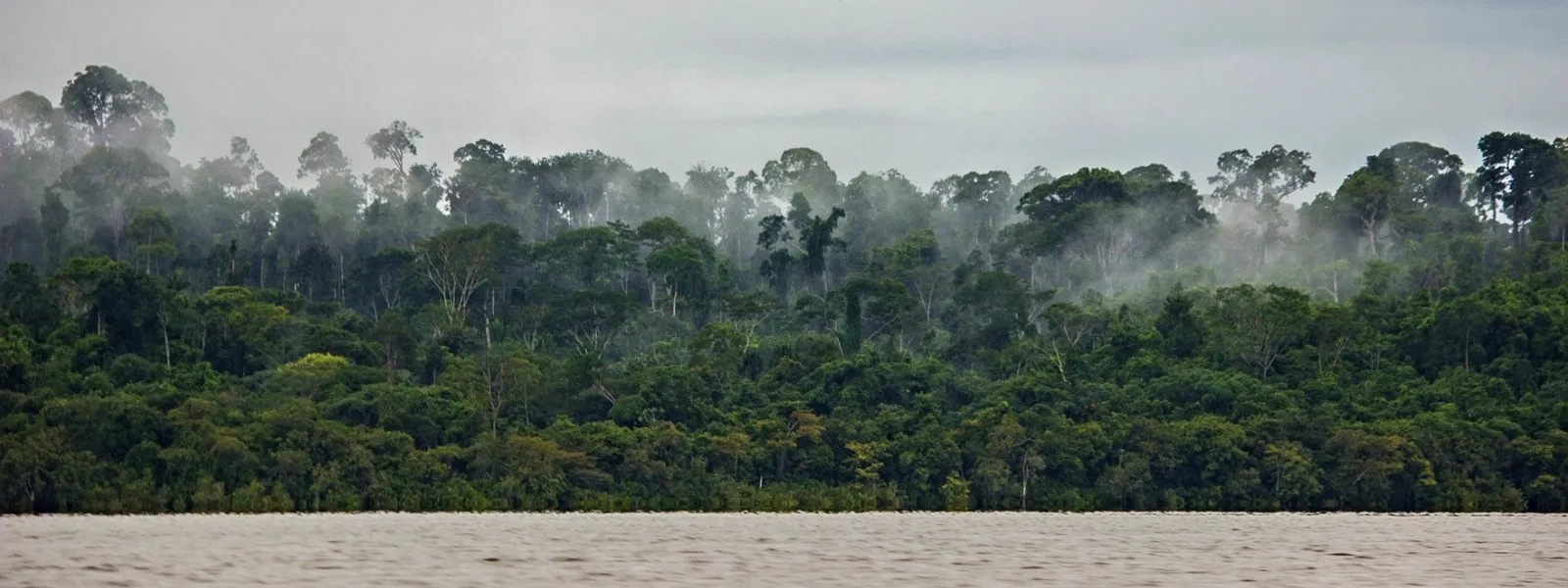
Project
Amazon Watch / Maíra Irigaray
Barragem de Belo Monte no rio Xingu: 10 anos de impactos na Amazônia e de busca por reparações
A usina hidrelétrica de Belo Monte causou um desastre ambiental e social no coração da Amazônia: um dos ecossistemas mais importantes do planeta.
Essa situação só piorou desde que a usina começou a operar em 2016. A busca por justiça e reparação para as comunidades indígenas e ribeirinhas afetadas continua até hoje.
Em 2011, a Comissão Interamericana de Direitos Humanos (CIDH) concedeu a essas comunidades medidas de proteção, que até hoje não foram totalmente implementadas pelo Estado brasileiro.
E, desde junho daquele mesmo ano, a CIDH mantém um processo contra o Estado por sua responsabilidade internacional no caso.
A CIDH pode encaminhar o caso à Corte Interamericana de Direitos Humanos, que tem o poder de emitir uma sentença condenatória contra o Estado brasileiro.
Consulta o expediente de fatos do caso
Após 10 anos de operação da usina hidrelétrica e mais de 15 anos de violações de direitos humanos documentadas, é hora da justiça ser feita para as comunidades afetadas.
Leia a carta aberta das organizações que levam o caso à CIDH
Leia nosso comunicado à imprensa
Contexto
A usina hidrelétrica de Belo Monte — a quarta maior do mundo em capacidade instalada (11.233 MW) — foi construída no rio Xingu, no estado do Pará, norte do Brasil.
Foi inaugurada em 5 de maio de 2016, com uma única turbina. Naquela época, 80% do curso do rio foi desviado e 516 km² de terra foram inundados, uma área maior que a cidade de Chicago. Desse total, 400 km² eram de mata nativa. A usina começou a operar em plena capacidade em novembro de 2019.
Belo Monte foi construída e é operada pelo consórcio Norte Energia S.A., composto principalmente por empresas estatais. Foi financiada pelo Banco Nacional de Desenvolvimento Econômico e Social (BNDES), que aportou ao consórcio 25,4 bilhões de reais (aproximadamente US$ 10,16 bilhões), o maior investimento de sua história. Portanto, o BNDES também é legalmente responsável pelos impactos socioambientais associados ao projeto hidrelétrico.
Décadas de danos ambientais e humanos
As violações dos direitos humanos e a degradação da Amazônia remontam ao início do projeto. Em março de 2011, a Norte Energia iniciou a construção da barragem sem consulta adequada e sem o consentimento prévio, livre e informado das comunidades afetadas.
A construção levou ao deslocamento forçado de mais de 40.000 pessoas, rompendo laços sociais e culturais. O plano de reassentamento em Altamira — cidade diretamente afetada pelo projeto hidrelétrico — incluía moradias na periferia da cidade, sem serviços públicos adequados, moradias dignas para as famílias reassentadas e moradias diferenciadas para aqueles pertencentes a comunidades indígenas.
A operação da barragem de Belo Monte impôs uma seca permanente e artificial na Volta Grande do rio Xingu, agravada pelas secas históricas na Amazônia em 2023 e 2024. Como resultado, a morte de milhões de ovos de peixe foi documentada por quatro anos consecutivos (de 2021 a 2024) e, nos últimos três anos, não houve migração de peixes rio acima para desovar e se reproduzir. Assim, a pesca artesanal, principal fonte de proteína para os povos indígenas e comunidades ribeirinhas, foi severamente afetada: o consumo de peixe caiu de 50% para 30% do total de proteínas consumidas, sendo substituído por alimentos processados. Em suma, houve um colapso ambiental e humanitário que resultou no colapso da pesca como modo de vida tradicional, insegurança alimentar e falta de acesso à água potável para milhares de famílias, empobrecimento e doenças.
Além disso, a construção da barragem aumentou o desmatamento e intensificou a extração ilegal de madeira e a insegurança em terras indígenas e tribais, colocando em risco a sobrevivência dessas comunidades. Outra consequência foi o agravamento da pobreza e dos conflitos sociais, bem como a sobrecarga dos sistemas de saúde, educação e segurança pública em Altamira, cidade considerada a mais violenta do país em 2017, onde houve aumento do tráfico de pessoas e da violência sexual. Também foram registrados casos de violência contra defensores de direitos humanos envolvidos no caso.
Em 2025, durante a 30ª Conferência das Nações Unidas sobre Mudanças Climáticas (COP30), realizada no Brasil, o Ministério Público Federal classificou os danos causados por Belo Monte como ecocídio.
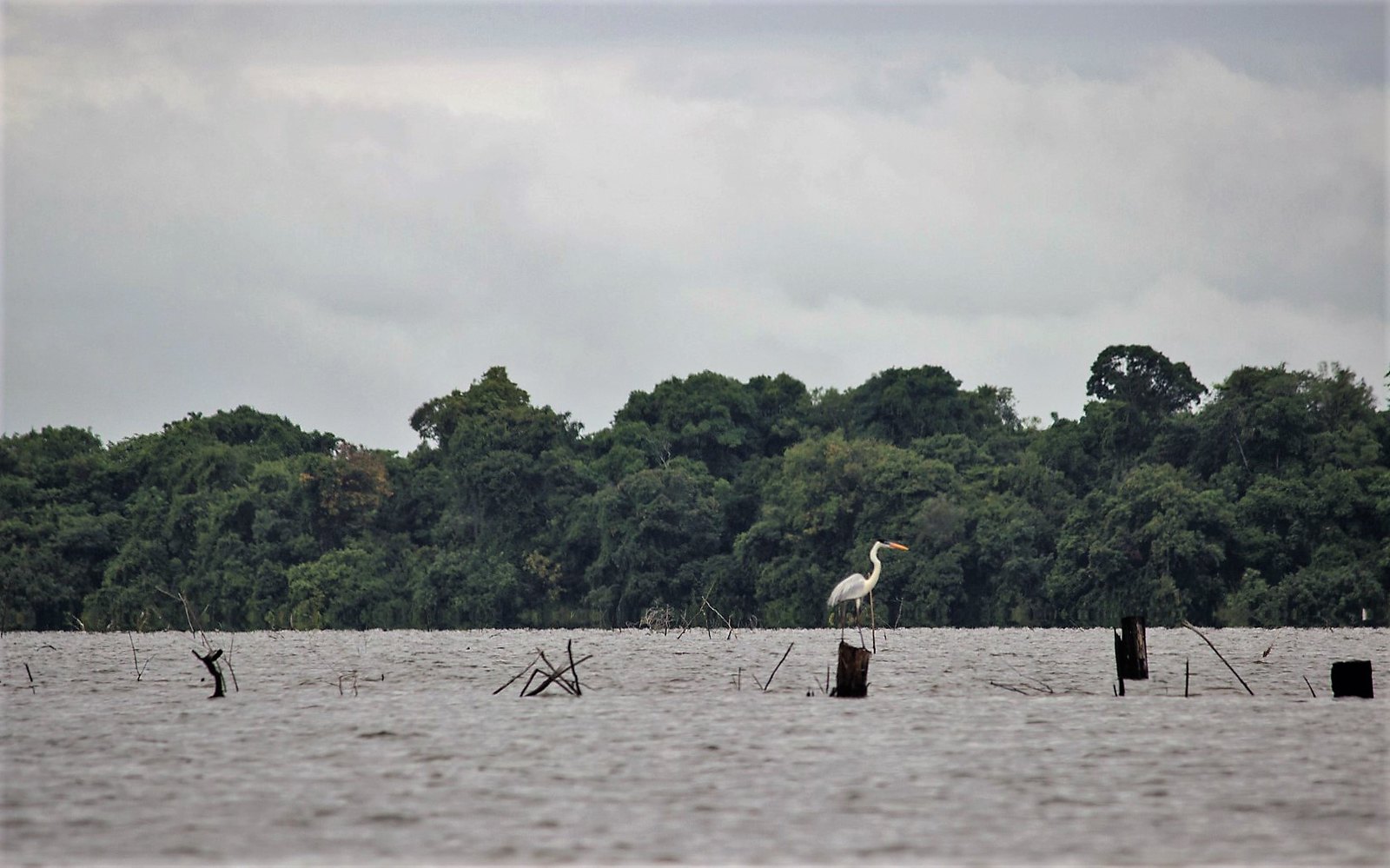
Foto: Amazon Watch / Maíra Irigaray.
A busca por justiça e reparação
Ao longo dos anos, o Ministério Público Federal do Pará, a Defensoria Pública e organizações da sociedade civil impetraram dezenas de ações judiciais em tribunais brasileiros para contestar as diversas irregularidades do projeto, bem como seus impactos. A maioria das ações permanece sem solução, algumas há mais de 10 anos.
Essas ações não obtiveram sucesso porque o governo federal tem reiteradamente anulado decisões favoráveis às comunidades afetadas, recorrendo a um mecanismo pelo qual o presidente do Supremo Tribunal Federal pode suspender uma decisão judicial com base unicamente em argumentos genéricos como "interesse nacional" ou "ordem econômica".
Diante da falta de respostas eficazes em nível nacional, a AIDA — juntamente com uma coalizão de organizações aliadas — levou o caso à Comissão Interamericana de Direitos Humanos (CIDH) e, em 2010, solicitou medidas cautelares para proteger a vida, a integridade e a saúde das comunidades indígenas afetadas.
Em 1º de abril de 2011, a CIDH concedeu essas medidas e solicitou ao Estado brasileiro a suspensão das licenças ambientais e de quaisquer obras de construção até que as condições relativas à consulta prévia e à proteção da saúde e integridade das comunidades fossem atendidas.
E, em 16 de junho de 2011, apresentamos uma denúncia formal à CIDH — juntamente com o Movimento Xingu Vivo Para Siempre, a Coordenação das Organizações Indígenas da Amazônia Brasileira, a Diocese de Altamira, o Conselho Missionário Indígena, a Sociedade Pará de Defesa dos Direitos Humanos e a Global Justice — contra o Estado brasileiro por sua responsabilidade internacional nas violações de direitos humanos contra os povos afetados neste caso. A denúncia foi apresentada em dezembro de 2015.
Em 3 de agosto de 2011, a CIDH modificou as medidas cautelares para solicitar — em vez da suspensão de licenças e obras — a proteção dos povos que vivem em isolamento voluntário, a saúde das comunidades indígenas e a regularização e proteção das terras ancestrais.
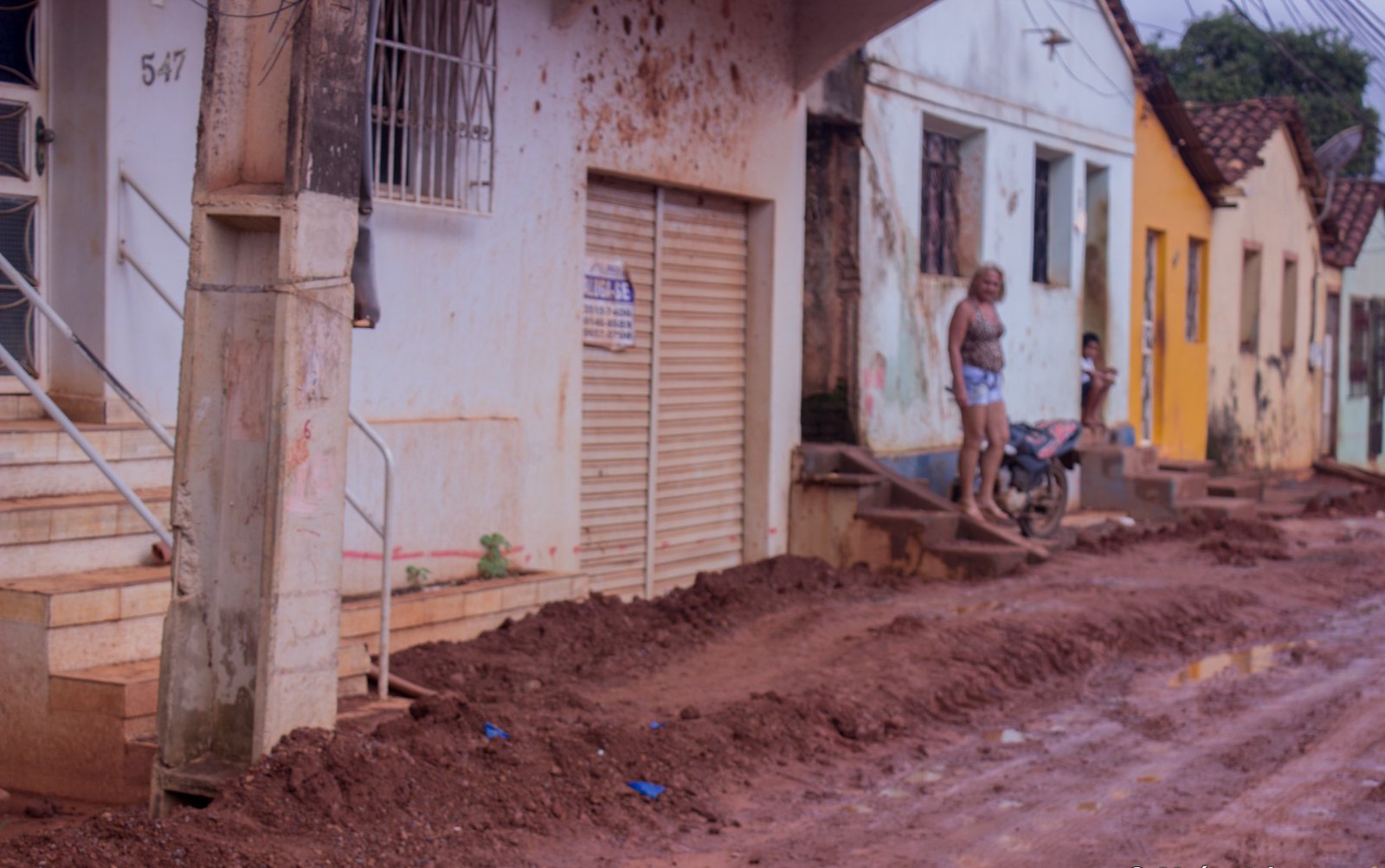
Foto: Amazon Watch / Maíra Irigaray.
Situação atual
As medidas de proteção concedidas pela CIDH permanecem em vigor, mas o Estado brasileiro não as cumpriu integralmente, relatando apenas ações genéricas. As comunidades documentaram as contínuas violações de seus direitos. A situação que motivou o pedido dessas medidas — o risco à vida, à segurança e aos meios de subsistência das comunidades — persiste e se agravou com a usina hidrelétrica operando em plena capacidade e com as recentes secas extremas na Amazônia.
Além do ocorrido em Belo Monte, existe o risco de maiores danos sociais e ambientais decorrentes da implementação de outro megaprojeto de mineração na Volta Grande do Xingu. Lá, a empresa canadense Belo Sun pretende construir a maior mina de ouro a céu aberto do Brasil.
Os impactos sinérgicos e cumulativos da usina e da mina não foram avaliados. O Estado excluiu povos indígenas, comunidades ribeirinhas e comunidades camponesas do processo de licenciamento ambiental do projeto. Apesar disso, dos protestos indígenas e de outras irregularidades em torno do projeto, o governo do estado do Pará autorizou formalmente a mina em abril de 2026.
Belo Monte, assim como outras usinas hidrelétricas, agrava a emergência climática ao gerar emissões de gases de efeito estufa em seu reservatório. Além disso, é ineficiente diante das secas prolongadas e intensas causadas pela crise, pois perde capacidade de geração de energia.
O caso perante a Comissão Interamericana
Em outubro de 2017, a CIDH anunciou que decidiria conjuntamente sobre a admissibilidade (se o caso preenche os requisitos para admissão) e o mérito (se houve, de fato, violação de direitos humanos) da denúncia internacional contra o Estado brasileiro.
Quinze anos após a apresentação da denúncia, as comunidades afetadas e as organizações que as representam ainda aguardam essa decisão. Caso a CIDH conclua que houve violações de direitos humanos e emita recomendações que o Estado brasileiro não cumpra, poderá encaminhar o caso à Corte Interamericana de Direitos Humanos, cujas decisões são vinculativas.
Uma possível decisão da Corte Internacional de Direitos Humanos neste caso estabeleceria um precedente jurídico regional em relação aos direitos dos povos indígenas e ribeirinhos, à participação pública em megaprojetos e à responsabilidade do Estado no contexto da crise climática. Isso é particularmente relevante à luz do Parecer Consultivo nº 32 da Corte, que reafirmou as obrigações dos Estados de proteger pessoas e comunidades em todo o continente da emergência climática.
Partners:
Related projects
Environmental organizations condemn attacks on the environment in Colombia
Bogota, Colombia. The undersigned environmental organizations condemn attacks on the environment made in the Colombian departments of Putumayo, Nariño, Arauca, Boyacá and Norte de Santander, which have been attributed to FARC-EP. According to media sources, attacks on oil infrastructure have caused environmental damage in the river basins of Tibú and Caunapí, among others, and in Bahia de Tumaco, affecting more than 84,000 people. These acts adversely impact local communities, the country and the environment on a global scale. Oil pollution in bodies of water seriously threatens the life and health of people, as well as the integrity of ecosystems and animal species. The undersigned organizations recall that international humanitarian law prohibits actors of armed conflict from engaging in environmental destruction unjustified by military needs, according to the principles of distinction and proportionality. Similarly, actors of armed conflict, when conducting hostilities, should refrain from undermining the human rights to water and a healthy environment. The organizations reaffirm that human rights and environmental law applicable in Colombia, as well as the government’s obligations in the field, are not suspended during periods of armed conflict. For all of these reasons, the undersigned environmental organizations call on FARC-EP to respect international humanitarian law and refrain from causing harm to the environment. They also reaffirm the necessity to exclude communities and ecosystems from armed conflict. Asociación Ambiente y Sociedad Asociación Interamericana para la Defensa del Ambiente (AIDA) Foro Nacional Ambiental Fundación Natura Klimaforum Latinoamérica Network (KLN) Red por la Justicia Ambiental en Colombia (RJAC)
Read more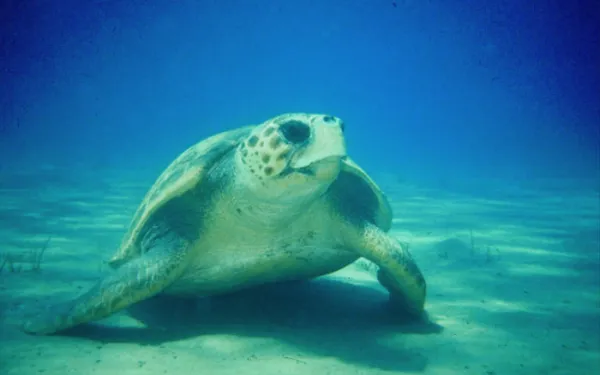
Strengthening the Sea Turtle Treaty
By Gladys Martínez When baby sea turtles first break through their shells, they slowly stick their heads out into the world. Then, they run as fast as they can to the vast body of salt water before them, where they will spend their lives. Sea turtles are migratory creatures that swim in the oceans, and nest on the beaches, of many different countries. Their survival is at risk from the impacts of human activity, such as unsustainable fishing, poorly planned development, and mining projects in marine and coastal areas. In an effort to confront these threats, the Inter-American Convention for the Protection and Conservation of Sea Turtles was created in 2001. The international treaty promotes the protection, conservation and recovery of sea turtle populations. From June 24 to 26 in Mexico City, representatives from member States will discuss achievements and plan for the future of the Convention during the 7th Conference of Parties. AIDA will be there advocating for the States to continue meeting their obligations and making new commitments. Fifteen Contracting Parties have signed the Convention: Argentina, Belize, Brazil, Chile, Costa Rica, Ecuador, Honduras, Mexico, Nicaragua, Netherlands (Antilles), Panama, Peru, Uruguay, Venezuela and the United States. Thirty-two accredited observers, including academic institutions and NGOs, may participate in meetings of Scientific and Consultative committees of experts. The 7th Conference of the Parties will focus on adopting three key resolutions, on: The conservation of leatherback sea turtles (Dermochelys Coriacea) in the Pacific Ocean. The conservation of loggerhead sea turtles (Caretta Caretta). Exceptions to the subsistence harvest of olive ridley turtle eggs in Costa Rica. The Conference will also review the States’ compliance with regards to their annual reports, present the Secretariat’s work plan, and elect a new President, Vice President and Rapporteur. AIDA will seek for the States to: Commit to avoiding threats to turtle nesting habitats by mining projects. Continue restricting and prohibiting developments that affect sea turtle migration routes. Strengthen measures for responsible fishing and bycatch (sea turtles are captured and killed incidentally by fishermen targeting other species). We will concentrate our outreach efforts on creating awareness and promoting measures to curb the risks that the Don Diego marine mining project will have on the loggerhead turtle and Mexico’s marine ecosystem. AIDA has worked since 1998 to protect sea turtles. First we advocated the Convention’s ratification. A campaign organized by AIDA and other sea turtle advocates helped secure the signatures necessary to continue the negotiation process, and, in 2011, for the Convention to enter into force. We have advocated before Courts and decision-makers for the protection of sea turtles in several countries of Latin America, basing our advocacy on the obligations assumed by States under the Convention. Using this strategy, we have protected the green turtle from illegal poaching on Costa Rica’s Atlantic coast, avoided loss of nesting habitat of the leatherback turtle, and guaranteed that hawksbill and olive ridley turtles continue to enjoy one of their favorite coral reefs, Coiba National Park in Panama. Follow us on Facebook and Twitter to learn more about the 7th Conference of Parties of the international treaty to protect sea turtles!
Read more
AIDA applauds Pope Francis’ recognition of urgent environmental challenges
The Interamerican Association for Environmental Defense (AIDA) applauds Pope Francis’ new Encyclical, Laudato Si: On Care For Our Common Home, released today. In it, the Pope addresses the environmental challenges facing humanity, which must be urgently addressed in order to protect the earth “with which we share existence.” His Holiness highlights the recommendations of organizations, like AIDA, which we hope will finally be echoed in governments, international organizations, corporations, and by all the people of this planet. We all have a responsibility to act to protect our home. The encyclical is comprehensive and covers many important issues. We would like to emphasize the Pope’s recognition of the following: The work performed by organizations and individuals to protect the environment. We are grateful for his gesture, and feel honored and committed to continuing this hard work. That fact that “recent World Summits on the environment have not lived up to expectations because, due to lack of political will, they were unable to reach truly meaningful and effective global agreements on the environment.” He concludes, “Reducing greenhouse gases requires honesty, courage and responsibility, above all on the part of those countries which are more powerful and pollute the most.” Social inequality and the impact of environmental degradation, which worsens the misery of the poor, including migrants and indigenous communities. We therefore reiterate our call to protect Earth, taking into particular consideration solutions that address this inequality. The rich and complex biodiversity of the planet’s ecosystems, which must be preserved, as well as the human right to water, which “is essential to human survival and, as such, is a condition for the exercise of other human rights.” The Precautionary Principle as a tool to avoid serious and irreversible harm to the environment. With this Encyclical, Pope Francis joins other religious leaders who have made an urgent call for the adoption of immediate measures to protect the planet.
Read more