
Project
Amazon Watch / Maíra Irigaray
Barragem de Belo Monte no rio Xingu: 10 anos de impactos na Amazônia e de busca por reparações
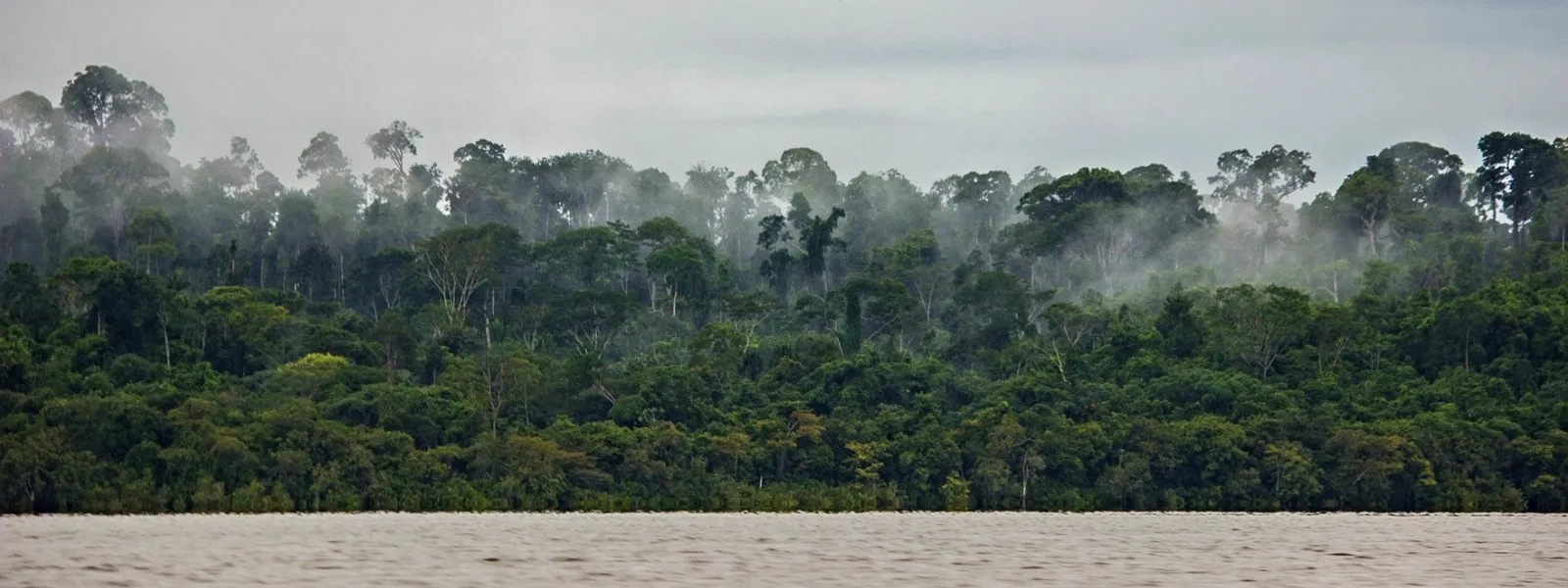
A usina hidrelétrica de Belo Monte causou um desastre ambiental e social no coração da Amazônia: um dos ecossistemas mais importantes do planeta.
Essa situação só piorou desde que a usina começou a operar em 2016. A busca por justiça e reparação para as comunidades indígenas e ribeirinhas afetadas continua até hoje.
Em 2011, a Comissão Interamericana de Direitos Humanos (CIDH) concedeu a essas comunidades medidas de proteção, que até hoje não foram totalmente implementadas pelo Estado brasileiro.
E, desde junho daquele mesmo ano, a CIDH mantém um processo contra o Estado por sua responsabilidade internacional no caso.
A CIDH pode encaminhar o caso à Corte Interamericana de Direitos Humanos, que tem o poder de emitir uma sentença condenatória contra o Estado brasileiro.
Consulta o expediente de fatos do caso
Após 10 anos de operação da usina hidrelétrica e mais de 15 anos de violações de direitos humanos documentadas, é hora da justiça ser feita para as comunidades afetadas.
Leia a carta aberta das organizações que levam o caso à CIDH
Leia nosso comunicado à imprensa
Contexto
A usina hidrelétrica de Belo Monte — a quarta maior do mundo em capacidade instalada (11.233 MW) — foi construída no rio Xingu, no estado do Pará, norte do Brasil.
Foi inaugurada em 5 de maio de 2016, com uma única turbina. Naquela época, 80% do curso do rio foi desviado e 516 km² de terra foram inundados, uma área maior que a cidade de Chicago. Desse total, 400 km² eram de mata nativa. A usina começou a operar em plena capacidade em novembro de 2019.
Belo Monte foi construída e é operada pelo consórcio Norte Energia S.A., composto principalmente por empresas estatais. Foi financiada pelo Banco Nacional de Desenvolvimento Econômico e Social (BNDES), que aportou ao consórcio 25,4 bilhões de reais (aproximadamente US$ 10,16 bilhões), o maior investimento de sua história. Portanto, o BNDES também é legalmente responsável pelos impactos socioambientais associados ao projeto hidrelétrico.
Décadas de danos ambientais e humanos
As violações dos direitos humanos e a degradação da Amazônia remontam ao início do projeto. Em março de 2011, a Norte Energia iniciou a construção da barragem sem consulta adequada e sem o consentimento prévio, livre e informado das comunidades afetadas.
A construção levou ao deslocamento forçado de mais de 40.000 pessoas, rompendo laços sociais e culturais. O plano de reassentamento em Altamira — cidade diretamente afetada pelo projeto hidrelétrico — incluía moradias na periferia da cidade, sem serviços públicos adequados, moradias dignas para as famílias reassentadas e moradias diferenciadas para aqueles pertencentes a comunidades indígenas.
A operação da barragem de Belo Monte impôs uma seca permanente e artificial na Volta Grande do rio Xingu, agravada pelas secas históricas na Amazônia em 2023 e 2024. Como resultado, a morte de milhões de ovos de peixe foi documentada por quatro anos consecutivos (de 2021 a 2024) e, nos últimos três anos, não houve migração de peixes rio acima para desovar e se reproduzir. Assim, a pesca artesanal, principal fonte de proteína para os povos indígenas e comunidades ribeirinhas, foi severamente afetada: o consumo de peixe caiu de 50% para 30% do total de proteínas consumidas, sendo substituído por alimentos processados. Em suma, houve um colapso ambiental e humanitário que resultou no colapso da pesca como modo de vida tradicional, insegurança alimentar e falta de acesso à água potável para milhares de famílias, empobrecimento e doenças.
Além disso, a construção da barragem aumentou o desmatamento e intensificou a extração ilegal de madeira e a insegurança em terras indígenas e tribais, colocando em risco a sobrevivência dessas comunidades. Outra consequência foi o agravamento da pobreza e dos conflitos sociais, bem como a sobrecarga dos sistemas de saúde, educação e segurança pública em Altamira, cidade considerada a mais violenta do país em 2017, onde houve aumento do tráfico de pessoas e da violência sexual. Também foram registrados casos de violência contra defensores de direitos humanos envolvidos no caso.
Em 2025, durante a 30ª Conferência das Nações Unidas sobre Mudanças Climáticas (COP30), realizada no Brasil, o Ministério Público Federal classificou os danos causados por Belo Monte como ecocídio.
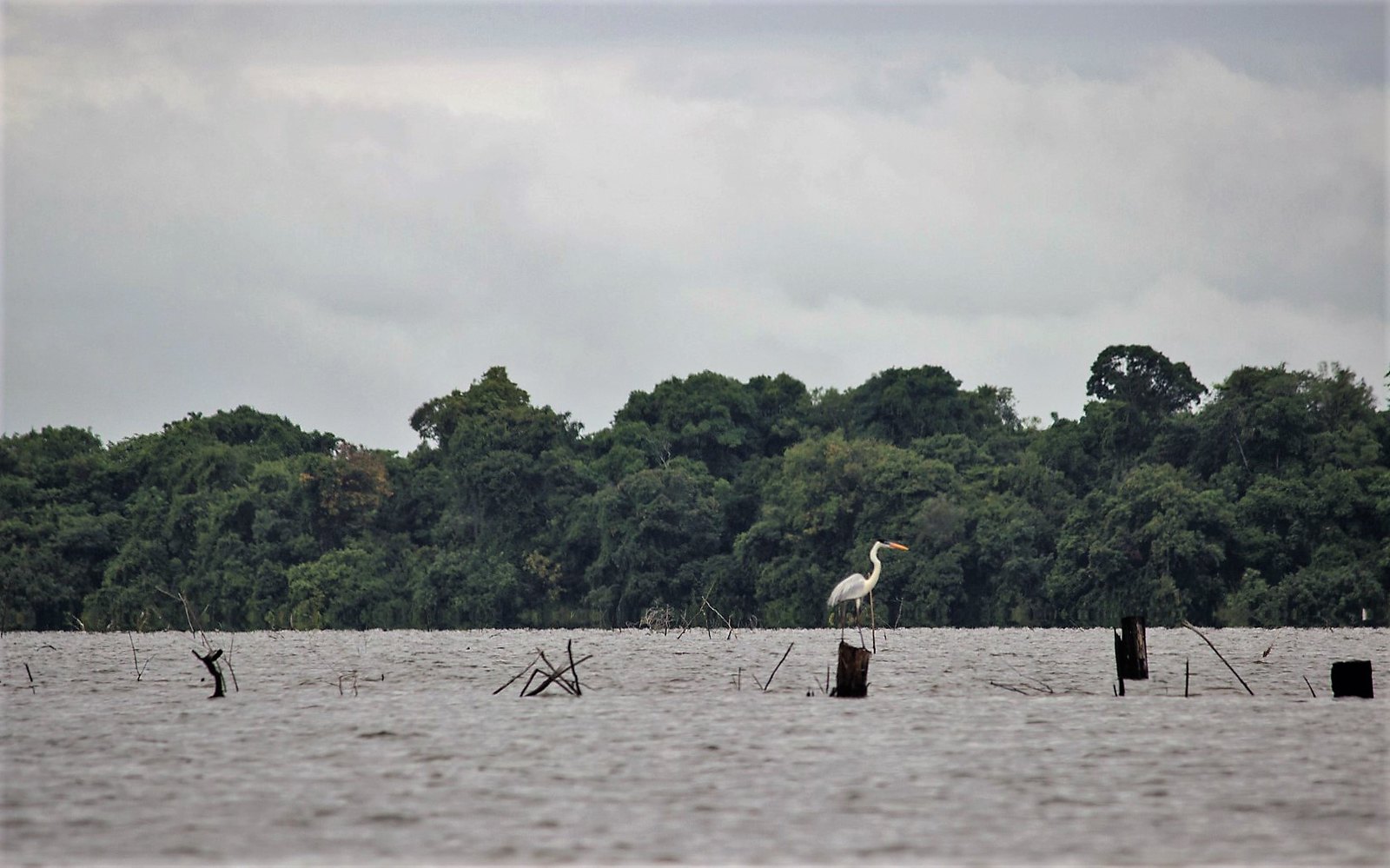
Foto: Amazon Watch / Maíra Irigaray.
A busca por justiça e reparação
Ao longo dos anos, o Ministério Público Federal do Pará, a Defensoria Pública e organizações da sociedade civil impetraram dezenas de ações judiciais em tribunais brasileiros para contestar as diversas irregularidades do projeto, bem como seus impactos. A maioria das ações permanece sem solução, algumas há mais de 10 anos.
Essas ações não obtiveram sucesso porque o governo federal tem reiteradamente anulado decisões favoráveis às comunidades afetadas, recorrendo a um mecanismo pelo qual o presidente do Supremo Tribunal Federal pode suspender uma decisão judicial com base unicamente em argumentos genéricos como "interesse nacional" ou "ordem econômica".
Diante da falta de respostas eficazes em nível nacional, a AIDA — juntamente com uma coalizão de organizações aliadas — levou o caso à Comissão Interamericana de Direitos Humanos (CIDH) e, em 2010, solicitou medidas cautelares para proteger a vida, a integridade e a saúde das comunidades indígenas afetadas.
Em 1º de abril de 2011, a CIDH concedeu essas medidas e solicitou ao Estado brasileiro a suspensão das licenças ambientais e de quaisquer obras de construção até que as condições relativas à consulta prévia e à proteção da saúde e integridade das comunidades fossem atendidas.
E, em 16 de junho de 2011, apresentamos uma denúncia formal à CIDH — juntamente com o Movimento Xingu Vivo Para Siempre, a Coordenação das Organizações Indígenas da Amazônia Brasileira, a Diocese de Altamira, o Conselho Missionário Indígena, a Sociedade Pará de Defesa dos Direitos Humanos e a Global Justice — contra o Estado brasileiro por sua responsabilidade internacional nas violações de direitos humanos contra os povos afetados neste caso. A denúncia foi apresentada em dezembro de 2015.
Em 3 de agosto de 2011, a CIDH modificou as medidas cautelares para solicitar — em vez da suspensão de licenças e obras — a proteção dos povos que vivem em isolamento voluntário, a saúde das comunidades indígenas e a regularização e proteção das terras ancestrais.
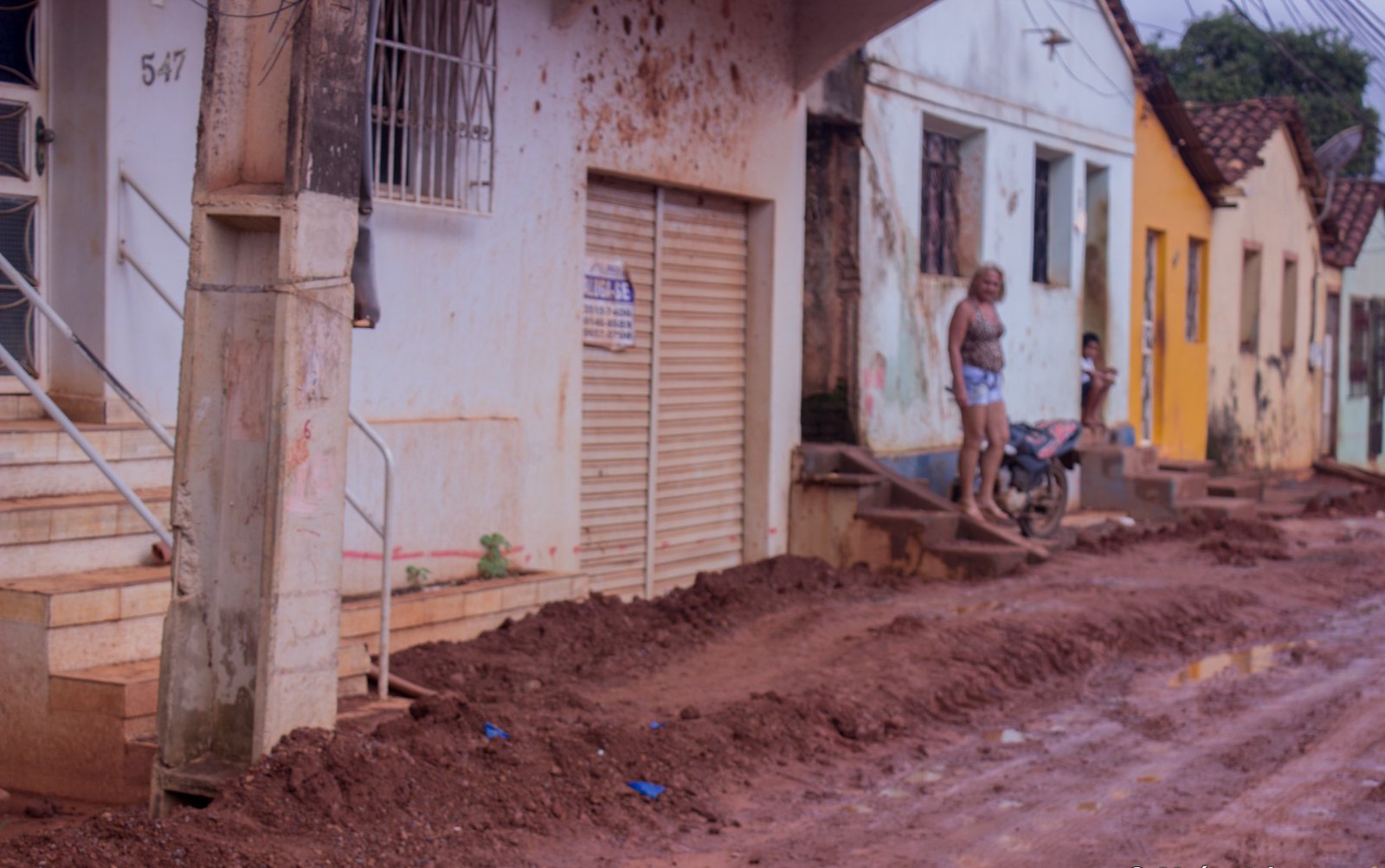
Foto: Amazon Watch / Maíra Irigaray.
Situação atual
As medidas de proteção concedidas pela CIDH permanecem em vigor, mas o Estado brasileiro não as cumpriu integralmente, relatando apenas ações genéricas. As comunidades documentaram as contínuas violações de seus direitos. A situação que motivou o pedido dessas medidas — o risco à vida, à segurança e aos meios de subsistência das comunidades — persiste e se agravou com a usina hidrelétrica operando em plena capacidade e com as recentes secas extremas na Amazônia.
Além do ocorrido em Belo Monte, existe o risco de maiores danos sociais e ambientais decorrentes da implementação de outro megaprojeto de mineração na Volta Grande do Xingu. Lá, a empresa canadense Belo Sun pretende construir a maior mina de ouro a céu aberto do Brasil.
Os impactos sinérgicos e cumulativos da usina e da mina não foram avaliados. O Estado excluiu povos indígenas, comunidades ribeirinhas e comunidades camponesas do processo de licenciamento ambiental do projeto. Apesar disso, dos protestos indígenas e de outras irregularidades em torno do projeto, o governo do estado do Pará autorizou formalmente a mina em abril de 2026.
Belo Monte, assim como outras usinas hidrelétricas, agrava a emergência climática ao gerar emissões de gases de efeito estufa em seu reservatório. Além disso, é ineficiente diante das secas prolongadas e intensas causadas pela crise, pois perde capacidade de geração de energia.
O caso perante a Comissão Interamericana
Em outubro de 2017, a CIDH anunciou que decidiria conjuntamente sobre a admissibilidade (se o caso preenche os requisitos para admissão) e o mérito (se houve, de fato, violação de direitos humanos) da denúncia internacional contra o Estado brasileiro.
Quinze anos após a apresentação da denúncia, as comunidades afetadas e as organizações que as representam ainda aguardam essa decisão. Caso a CIDH conclua que houve violações de direitos humanos e emita recomendações que o Estado brasileiro não cumpra, poderá encaminhar o caso à Corte Interamericana de Direitos Humanos, cujas decisões são vinculativas.
Uma possível decisão da Corte Internacional de Direitos Humanos neste caso estabeleceria um precedente jurídico regional em relação aos direitos dos povos indígenas e ribeirinhos, à participação pública em megaprojetos e à responsabilidade do Estado no contexto da crise climática. Isso é particularmente relevante à luz do Parecer Consultivo nº 32 da Corte, que reafirmou as obrigações dos Estados de proteger pessoas e comunidades em todo o continente da emergência climática.
Partners:
Related projects

Statement by NGOs at Ramsar COP12
By World Wetland Network The non-government NGO sector and civil society greatly appreciates this opportunity to address the 12th Conference of Contracting Parties to the Ramsar Convention on wetlands. We have worked together to prepare this statement through the World Wetland Network, an international alliance of NGOs and civil society organizations, many of whom are focused on one or two wetlands in their local area. These organizations reflect their local cultures and communities and are a considerable force for Ramsar wetland conservation. All present understand the values of wetlands for life on earth. For NGOs and Civil Society groups, these values are very close to our heart, our life’s work. Sometimes even a matter of life and death. Wetlands supply us with fresh, clean water. They are essential to food security, providing water for irrigation, rice and fish to sustain us. Wetlands store carbon to mitigate climate change and reduce the impacts of disaster risk by slowing and storing floodwater. They support a wealth of plants and wildlife that make our world a richer place. Wetlands are our home, sustaining us spiritually and culturally. And we in turn are their custodians. Our stewardship ethic inspires us to work on wetland conservation through many activities: on-ground work, research, monitoring, advocacy, education and community engagement. We now know that our earth has suffered the destruction of 64% of all wetlands at the hands of human development since 1900. NGOs and Civil Society fully support the Ramsar goal to slow, stop and reverse the trend in wetlands loss and degradation world-wide. In 2014, World Wetland Network conducted a global survey of NGOs to explore their relationship with the delivery of Ramsar wetland conservation goals. 190 individuals responded from 52 counties, giving us the chance to hear the collective voice of local people. The survey findings are offered now so that Ramsar Parties can successfully deploy both government and non-government resources to ensure the greatest gain for wetlands, wildlife and people. The survey overwhelmingly showed that NGOs are committed to Ramsar and want to do more. Supporting and enabling volunteers and NGO staff to be engaged in wetland conservation requires resources, but small inputs create big outcomes, leading to better programs for Ramsar sites. Ramsar’s Communication, Education, Participation and Awareness activities require greater advocacy, technical and financial support. Many NGOs have skills that could be more actively used in this process. NGOs are concerned that some governments appear to discourage strategic Ramsar site designations. A means for civil society to highlight potential nominations would be welcomed. Some governments do not actively use Ramsar as a tool to protect wetlands. NGOs reported government inactivity, reduced financial resources and reduced involvement of public officials. NGOs are concerned about inaccurate reporting in the national Ramsar reports. Contracting parties should take responsibility to ensure accurate reporting of wetland status to inform effective decision-making. More needs to be done to enforce site protection. Based on the broad findings of our survey, the World Wetland Network offers the following recommendations for Ramsar consideration: a) Recognize that NGOs often create a longer-term and more continuous link for Ramsar sites than Government Representatives. b) Develop more structured guidance for Ramsar Parties, and National Focal Points, on how to engage civil society. c) Explore options to include more NGOs and civil society organisations in the decision-making process for Ramsar at international, regional and country levels. d) Create avenues for NGO and civil society input into reporting on the state of wetlands, Ramsar site nominations and the Montreux Record. e) Prioritize funding and support for NGOs and civil society organisations that are working on Ramsar listed wetlands. Finally, full and effective collaboration between civil society and contracting parties is critical to achieve wetland conservation at the local level. With regard to the draft resolutions for Ramsar COP12, NGOs are calling for stronger linkages to the NGO and civil society sector in DR2 – the Strategic Plan and DR 9, the CEPA program. We trust that this Ramsar COP12 meeting will help civil society, corporate sector and government partners to work together to protect, restore and promote wetlands.
Read moreThe Montreaux Record: Saving Essential Wetlands
Contamination, deforestation and accelerating urban growth pose serious threats to the health of the world’s wetlands. No tool aimed at protecting these valuable ecosystems should be wasted. The Ramsar Convention, an intergovernmental treaty, promotes national action and international cooperation for the conservation and wise use of wetlands. The 168 countries that signed the Convention inscribe ecologically essential wetlands within their boundaries on the List of Wetlands of International Importance. By doing so, nations become obligated to protect these sites. Sometimes, however, their commitment is not enough to ensure that ecosystems remain intact. For this reason, the Ramsar Convention created the Montreux Record, a tool to protect, as a manner of priority, wetlands that are or will be gravely threatened by technological development, pollution or human activity. The Record includes sites that are listed as Wetlands of International Importance. Far from being a blacklist or a negative mark for a country, the registry is an opportunity for governments to demonstrate their accountability for protecting natural resources that require urgent attention. Five primary points demonstrate the importance and effectiveness of this tool: Cooperation for Conservation By including a wetland in the Montreaux Record, a country calls attention to the importance of taking measures to conserve the ecological characteristics of the site through national and international cooperation. Prioritization The Montreaux Record is a quick way for countries to assign high priority to a wetland site and obtain the technical support and financing to conserve it. Support and Technical Advice To obtain this special protection, the government must formally solicit the Secretariat of the Ramsar Convention and complete a questionnaire with information about the wetland. If it’s determined that the inclusion of the site on the Record is necessary to promote its adequate protection, Ramsar undertakes an advisory mission to the country to provide support and technical advice on appropriate conservation actions. Points for Progress The country may request that the wetland be refused registration once the threats that lead to its inclusion are gone, if it considers that the objectives have been met and the site has regained its environmental balance. The country must request a new advisory visit to the site and complete a survey to show the progress made. Restoring Balance The support received by the Ramsar Secretariat adds to the conservation efforts the country is already developing on a national level. Thus, an at-risk wetland under international protection becomes a key site for restoring the ecological balance of the country. Throughout the Americas, various governments have opted to attract international attention for the conservation of their vulnerable wetlands: Costa Rica has included Palo Verde National Park in the Record, the United States has included Everglades National Park, and Chile has included the Carlos Anwandter Sanctuary. As part of our participation in the 12th Conference of Parties of the Ramsar Convention, taking place in Uruguay this week, AIDA will advocate for the inclusion of two threatened wetlands in the Montreaux Record: the Panama Bay Wetlands and the Veracruz Reef System, important ecological sites threatened, respectively, by urban development and port expansion.
Read more
Independent report finds Dutch and German Development Banks failed to comply with environmental and human rights standards in financing the Barro Blanco Dam in Panama
Indigenous communities and civil society shocked by the banks’ inadequate response to the findings. Kiad, Panama/Amsterdam/Bogota – Last Friday, a long-awaited report by an independent panel found that FMO and DEG, the Dutch and German development banks, violated their own policies by failing to adequately assess the risks to indigenous rights and the environment before approving a US$50 million loan to GENISA, the developer of the Barro Blanco hydroelectric project in Panama. FMO and DEG’s response to the findings, while acknowledging some deficiencies in their assessment, does not commit to any measures to address the outstanding policy violations. Even while the report concludes that “the lenders have not taken the resistance of the affected communities seriously enough,” it appears that FMO and DEG continue to do so. In May 2014, the Movimiento 10 de Abril (M-10), representing indigenous peoples directly affected by the project, with the support of Both ENDS and SOMO, filed the first complaint to the Independent Complaints Mechanism (ICM) of the FMO and DEG. The complaint alleges that the Barro Blanco dam will affect part of the Ngöbe-Buglé indigenous territory, flooding their homes, schools, and religious, archaeological, and cultural sites. Despite national and international human rights obligations, the Panamanian government, GENISA and the banks failed to obtain the free, prior, and informed consent (FPIC) of the Ngöbe-Buglé before the project was approved. The ICM found that the “lenders should have sought greater clarity on whether there was consent to the project from the appropriate indigenous authorities prior to project approval.” “We did not give our consent to this project before it was approved, and it does not have our consent today,” said Manolo Miranda, a representative of the M-10. “We demand that the government, GENISA, and the banks respect our rights and stop this project.” The ICM found that “while the [loan] agreement was reached prior to significant construction, significant issues related to social and environmental impact and, in particular, issues related to the rights of indigenous peoples were not completely assessed prior to the [loan] agreement.” The banks’ failure to identify the potential impacts of the project led to a subsequent failure to require their client to take any action to mitigate those impacts. The environmental and social action plan (ESAP) appended to the loan agreement “contains no provision on land acquisition and resettlement and nothing on biodiversity and natural resources management. Neither does it contain any reference to issues related to cultural heritage.” “This failure constitutes a violation of international standards regarding the obligation to elaborate adequate and comprehensive Environmental and Social Impact Assessments before implementing any development project, in order to guarantee the right to free, prior and informed consent, information and effective participation of the potentially affected community”, explained Ana María Mondragón, lawyer at the Interamerican Association for Environmental Defense (AIDA). While FMO and DEG acknowledged in their official response to the ICM’s report that they “were not fully appraised at credit approval,” they made no further concrete commitments to ensure that the rights of those affected by the dam will be respected. The banks claim that they are “facing limitations in their influence” over government processes to come to a satisfactory agreement with all stakeholders involved. Their actions, however, reveal a different story. In February, the Panamanian government provisionally suspended construction of the Barro Blanco dam. Subsequent to the suspension, the government convened a dialogue table with the Ngöbe-Buglé, with the facilitation of the United Nations, to discuss the future of the project. Rather than supporting the Government of Panama to respect the rights of the Ngöbe-Buglé, FMO and DEG have requested that Panama’s environmental authority reconsider the suspension and allow their client to resume construction. In February, they sent a letter to the Vice President of Panama, expressing their “great concern and consternation” about the suspension and noting that it “may weigh upon future investment decisions, and harm the flow of long-term investments into Panama.” While the banks asserted that their consultants found nothing that would warrant the suspension of the project, they failed to mention that their own independent accountability mechanism was undertaking an investigation of the project. Indeed, by that time, the banks had already seen a draft of the ICM’s report with findings that the project was not in compliance with its own policies. “We were surprised to find out about the role of the banks in influencing the national process, as this is in contradiction to their assertions that they are not in a position to intervene in national decision-making.” said Anouk Franck, senior policy advisor at Both ENDS, based in Amsterdam. “They should now show their commitment in coming to a solution and start taking FPIC seriously, in the case of Barro Blanco, where due to delays in tackling the issue, the banks might need to accept losses on their loan. And they need to find ways to assure themselves FPIC is obtained where relevant, for example through human rights impact assessments.” The handling of the complaint was a lengthy and at times frustrating process. GENISA refused to cooperate with the ICM and provide them with access to project documents, leading the banks to conclude a secret side agreement with GENISA. The secret side agreement superseded the publicly available procedures of the ICM and allowed GENISA to review the draft and final investigation reports before they were shared with complainants. “FMO and DEG are more concerned with protecting the interests of their client than they are with protecting the rights of those affected by the projects they finance,” said Kris Genovese, senior researcher at the Centre for Research on Multinational Corporations (SOMO). “It’s a tragic irony that banks asked the consent of the company to publish the ICM’s investigation report, but didn't ask consent of Ngöbe-Buglé for the project.” The Barro Blanco project was registered under the Clean Development Mechanism, a system under the Kyoto Protocol that allows the crediting of emission reductions from greenhouse gas abatement projects in developing countries. “As climate finance flows are expected to flow through various channels in the future, the lessons of Barro Blanco must be taken very seriously. To prevent that future climate mitigation projects have negative impacts, a strong institutional safeguard system that respects all human rights is required,” said Pierre-Jean Brasier, network coordinator at Carbon Market Watch. “The opportunity to establish such a necessary safeguards system is now, ahead of the Paris agreement, to put the respect of human rights on top of the UNFCCC agenda.” The ICM will monitor the banks’ implementation of corrective actions and recommendations. Meanwhile, the M10 expect FMO and DEG to withdrawal their investment from the project and ask that the Dutch and German governments show a public commitment to ensuring the rights of the affected Ngöbe-Buglé. At the same time, the banks should refrain from putting pressure on the Panamanian government.
Read more