
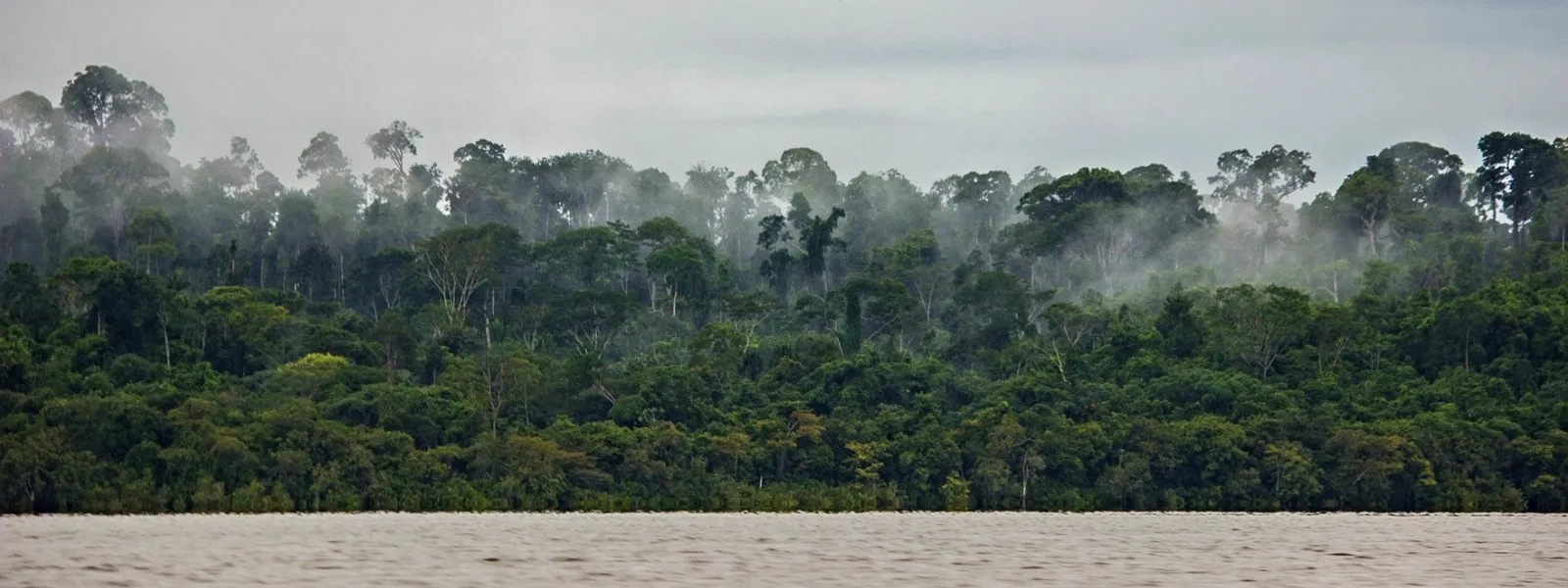
Project
Amazon Watch / Maíra Irigaray
Barragem de Belo Monte no rio Xingu: 10 anos de impactos na Amazônia e de busca por reparações
A usina hidrelétrica de Belo Monte causou um desastre ambiental e social no coração da Amazônia: um dos ecossistemas mais importantes do planeta.
Essa situação só piorou desde que a usina começou a operar em 2016. A busca por justiça e reparação para as comunidades indígenas e ribeirinhas afetadas continua até hoje.
Em 2011, a Comissão Interamericana de Direitos Humanos (CIDH) concedeu a essas comunidades medidas de proteção, que até hoje não foram totalmente implementadas pelo Estado brasileiro.
E, desde junho daquele mesmo ano, a CIDH mantém um processo contra o Estado por sua responsabilidade internacional no caso.
A CIDH pode encaminhar o caso à Corte Interamericana de Direitos Humanos, que tem o poder de emitir uma sentença condenatória contra o Estado brasileiro.
Consulta o expediente de fatos do caso
Após 10 anos de operação da usina hidrelétrica e mais de 15 anos de violações de direitos humanos documentadas, é hora da justiça ser feita para as comunidades afetadas.
Leia a carta aberta das organizações que levam o caso à CIDH
Leia nosso comunicado à imprensa
Contexto
A usina hidrelétrica de Belo Monte — a quarta maior do mundo em capacidade instalada (11.233 MW) — foi construída no rio Xingu, no estado do Pará, norte do Brasil.
Foi inaugurada em 5 de maio de 2016, com uma única turbina. Naquela época, 80% do curso do rio foi desviado e 516 km² de terra foram inundados, uma área maior que a cidade de Chicago. Desse total, 400 km² eram de mata nativa. A usina começou a operar em plena capacidade em novembro de 2019.
Belo Monte foi construída e é operada pelo consórcio Norte Energia S.A., composto principalmente por empresas estatais. Foi financiada pelo Banco Nacional de Desenvolvimento Econômico e Social (BNDES), que aportou ao consórcio 25,4 bilhões de reais (aproximadamente US$ 10,16 bilhões), o maior investimento de sua história. Portanto, o BNDES também é legalmente responsável pelos impactos socioambientais associados ao projeto hidrelétrico.
Décadas de danos ambientais e humanos
As violações dos direitos humanos e a degradação da Amazônia remontam ao início do projeto. Em março de 2011, a Norte Energia iniciou a construção da barragem sem consulta adequada e sem o consentimento prévio, livre e informado das comunidades afetadas.
A construção levou ao deslocamento forçado de mais de 40.000 pessoas, rompendo laços sociais e culturais. O plano de reassentamento em Altamira — cidade diretamente afetada pelo projeto hidrelétrico — incluía moradias na periferia da cidade, sem serviços públicos adequados, moradias dignas para as famílias reassentadas e moradias diferenciadas para aqueles pertencentes a comunidades indígenas.
A operação da barragem de Belo Monte impôs uma seca permanente e artificial na Volta Grande do rio Xingu, agravada pelas secas históricas na Amazônia em 2023 e 2024. Como resultado, a morte de milhões de ovos de peixe foi documentada por quatro anos consecutivos (de 2021 a 2024) e, nos últimos três anos, não houve migração de peixes rio acima para desovar e se reproduzir. Assim, a pesca artesanal, principal fonte de proteína para os povos indígenas e comunidades ribeirinhas, foi severamente afetada: o consumo de peixe caiu de 50% para 30% do total de proteínas consumidas, sendo substituído por alimentos processados. Em suma, houve um colapso ambiental e humanitário que resultou no colapso da pesca como modo de vida tradicional, insegurança alimentar e falta de acesso à água potável para milhares de famílias, empobrecimento e doenças.
Além disso, a construção da barragem aumentou o desmatamento e intensificou a extração ilegal de madeira e a insegurança em terras indígenas e tribais, colocando em risco a sobrevivência dessas comunidades. Outra consequência foi o agravamento da pobreza e dos conflitos sociais, bem como a sobrecarga dos sistemas de saúde, educação e segurança pública em Altamira, cidade considerada a mais violenta do país em 2017, onde houve aumento do tráfico de pessoas e da violência sexual. Também foram registrados casos de violência contra defensores de direitos humanos envolvidos no caso.
Em 2025, durante a 30ª Conferência das Nações Unidas sobre Mudanças Climáticas (COP30), realizada no Brasil, o Ministério Público Federal classificou os danos causados por Belo Monte como ecocídio.
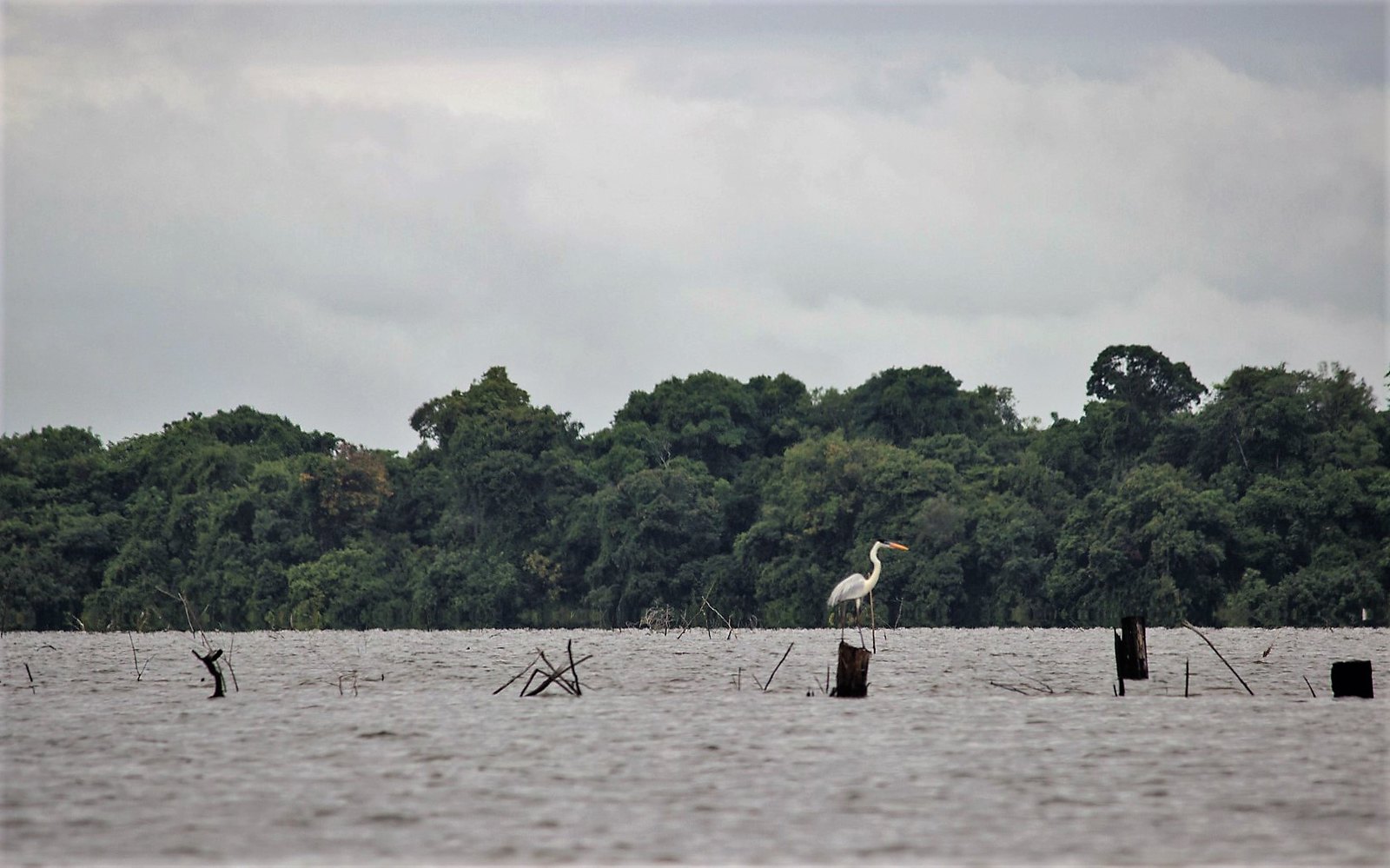
Foto: Amazon Watch / Maíra Irigaray.
A busca por justiça e reparação
Ao longo dos anos, o Ministério Público Federal do Pará, a Defensoria Pública e organizações da sociedade civil impetraram dezenas de ações judiciais em tribunais brasileiros para contestar as diversas irregularidades do projeto, bem como seus impactos. A maioria das ações permanece sem solução, algumas há mais de 10 anos.
Essas ações não obtiveram sucesso porque o governo federal tem reiteradamente anulado decisões favoráveis às comunidades afetadas, recorrendo a um mecanismo pelo qual o presidente do Supremo Tribunal Federal pode suspender uma decisão judicial com base unicamente em argumentos genéricos como "interesse nacional" ou "ordem econômica".
Diante da falta de respostas eficazes em nível nacional, a AIDA — juntamente com uma coalizão de organizações aliadas — levou o caso à Comissão Interamericana de Direitos Humanos (CIDH) e, em 2010, solicitou medidas cautelares para proteger a vida, a integridade e a saúde das comunidades indígenas afetadas.
Em 1º de abril de 2011, a CIDH concedeu essas medidas e solicitou ao Estado brasileiro a suspensão das licenças ambientais e de quaisquer obras de construção até que as condições relativas à consulta prévia e à proteção da saúde e integridade das comunidades fossem atendidas.
E, em 16 de junho de 2011, apresentamos uma denúncia formal à CIDH — juntamente com o Movimento Xingu Vivo Para Siempre, a Coordenação das Organizações Indígenas da Amazônia Brasileira, a Diocese de Altamira, o Conselho Missionário Indígena, a Sociedade Pará de Defesa dos Direitos Humanos e a Global Justice — contra o Estado brasileiro por sua responsabilidade internacional nas violações de direitos humanos contra os povos afetados neste caso. A denúncia foi apresentada em dezembro de 2015.
Em 3 de agosto de 2011, a CIDH modificou as medidas cautelares para solicitar — em vez da suspensão de licenças e obras — a proteção dos povos que vivem em isolamento voluntário, a saúde das comunidades indígenas e a regularização e proteção das terras ancestrais.
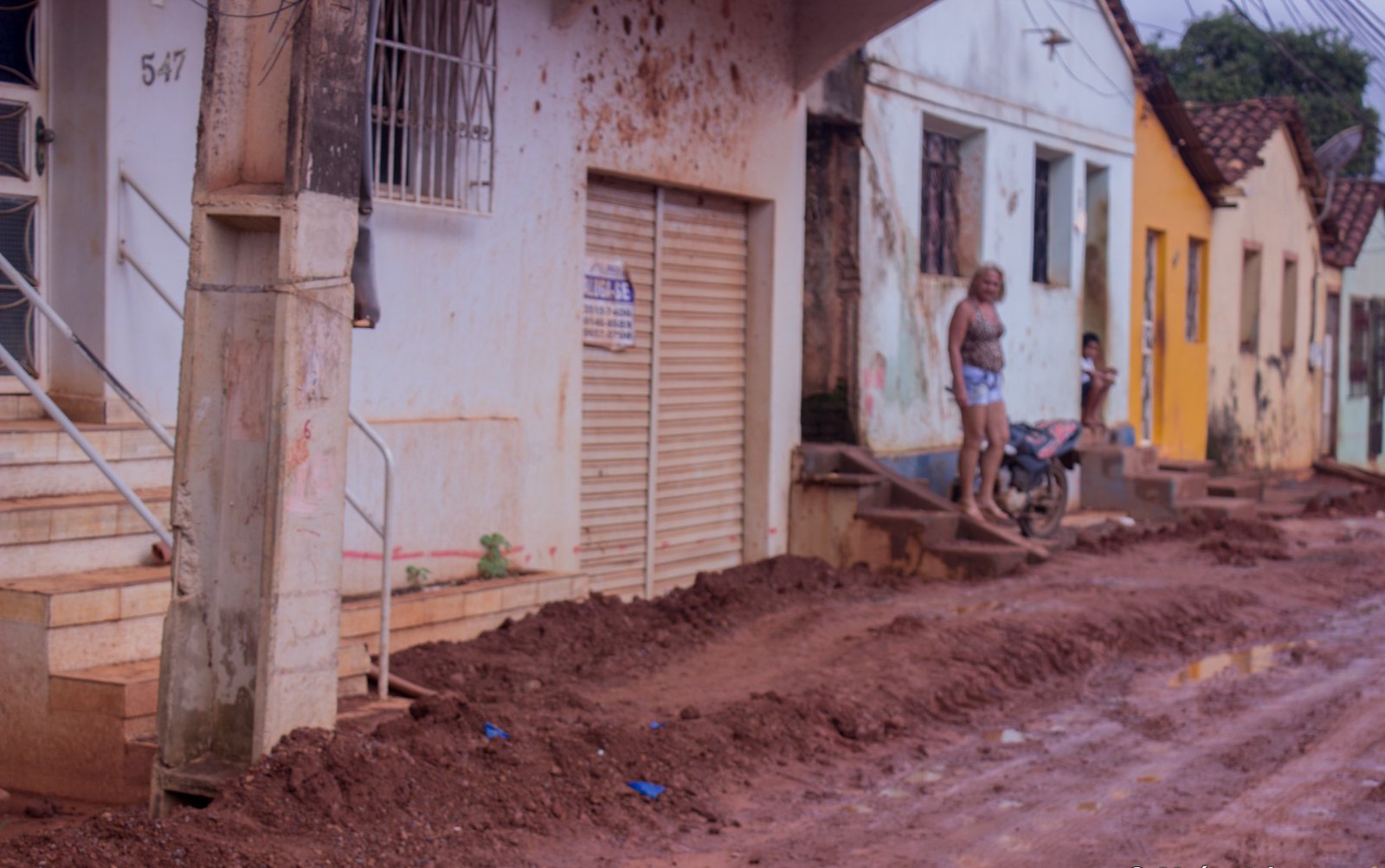
Foto: Amazon Watch / Maíra Irigaray.
Situação atual
As medidas de proteção concedidas pela CIDH permanecem em vigor, mas o Estado brasileiro não as cumpriu integralmente, relatando apenas ações genéricas. As comunidades documentaram as contínuas violações de seus direitos. A situação que motivou o pedido dessas medidas — o risco à vida, à segurança e aos meios de subsistência das comunidades — persiste e se agravou com a usina hidrelétrica operando em plena capacidade e com as recentes secas extremas na Amazônia.
Além do ocorrido em Belo Monte, existe o risco de maiores danos sociais e ambientais decorrentes da implementação de outro megaprojeto de mineração na Volta Grande do Xingu. Lá, a empresa canadense Belo Sun pretende construir a maior mina de ouro a céu aberto do Brasil.
Os impactos sinérgicos e cumulativos da usina e da mina não foram avaliados. O Estado excluiu povos indígenas, comunidades ribeirinhas e comunidades camponesas do processo de licenciamento ambiental do projeto. Apesar disso, dos protestos indígenas e de outras irregularidades em torno do projeto, o governo do estado do Pará autorizou formalmente a mina em abril de 2026.
Belo Monte, assim como outras usinas hidrelétricas, agrava a emergência climática ao gerar emissões de gases de efeito estufa em seu reservatório. Além disso, é ineficiente diante das secas prolongadas e intensas causadas pela crise, pois perde capacidade de geração de energia.
O caso perante a Comissão Interamericana
Em outubro de 2017, a CIDH anunciou que decidiria conjuntamente sobre a admissibilidade (se o caso preenche os requisitos para admissão) e o mérito (se houve, de fato, violação de direitos humanos) da denúncia internacional contra o Estado brasileiro.
Quinze anos após a apresentação da denúncia, as comunidades afetadas e as organizações que as representam ainda aguardam essa decisão. Caso a CIDH conclua que houve violações de direitos humanos e emita recomendações que o Estado brasileiro não cumpra, poderá encaminhar o caso à Corte Interamericana de Direitos Humanos, cujas decisões são vinculativas.
Uma possível decisão da Corte Internacional de Direitos Humanos neste caso estabeleceria um precedente jurídico regional em relação aos direitos dos povos indígenas e ribeirinhos, à participação pública em megaprojetos e à responsabilidade do Estado no contexto da crise climática. Isso é particularmente relevante à luz do Parecer Consultivo nº 32 da Corte, que reafirmou as obrigações dos Estados de proteger pessoas e comunidades em todo o continente da emergência climática.
Partners:
Related projects
Stopping Fracking: Together We’re Stronger!
It’s an increasingly recognized reality: the world cannot burn its reserves of fossil fuels and expect the planet to be habitable. But energy companies continue extracting fossil fuels in pursuit of near-term profit, rather than adapting their business models for the sake of long-term sustainability. Already, much of the world’s reserves of easily extracted, high-quality fossil fuels have been exhausted. New horizontal drilling technology, combined with hydraulic fracturing (fracking), has made exploitation of hard-to-reach ("unconventional") oil and gas deposits possible. For a variety of reasons, fracking poses very high risks to public health and the environment. AIDA has begun working with civil society organizations and institutions to generate information, stimulate debate, and join forces to prevent the negative impacts of fracking in Latin America. The Risks of Fracking Fracking for unconventional deposits involves drilling into the ground vertically, to a depth below aquifers, and then horizontally through layers of shale rock. Then fracking fluid (a high-volume mixture of water, sand, and undisclosed chemicals) is injected at very high pressure to fracture the shale, thus releasing the oil and gas trapped inside. After fracking fluid surfaces, energy companies typically dump it into unlined ponds. The chemical soup—now also contaminated with heavy metals and even radioactive elements—seeps into aquifers and overflows into streams. The severe and irreversible damage associated with fracking includes: Exhaustion of freshwater supplies. Contamination of ground and surface waters. Air pollution from drill and pump rigs. Harms to the health of people (low birth weight, birth defects, increases in congenital heart defects, deformities, allergies, cancer, and respiratory disease) and other living things. Unregulated emissions of methane, which traps 25 times more heat than carbon dioxide. Earthquakes. Effects on subsistence activities, such as agriculture. For and Against Fracking Given these risks, France, Bulgaria, Ireland, and New York State have turned their backs on fracking, banning it or declaring a moratorium in their territories. In Latin America, however, many countries are opening their doors to fracking. Governments are doing so with little or no understanding of its impacts, and in the absence of an adequate process to inform, consult, or invite the participation of affected communities: Mexico promoted fracking through a landmark energy reform law in 2013. As of 2015, 20 wells have been drilled using this technique. Argentina has the largest number of fracking operations in the region, and the largest reserves of shale gas in America. As of 2014, there were more than 500 fracking wells in Neuquén, Chubut, and Rio Negro[6], including wells in the Auca Mahuida reserve and in Mapuche indigenous territories. In Chile, the state-owned oil company ENAP started fracking on the island of Tierra del Fuego in 2013. More drilling is planned in the coming years. Colombia and Brazil have opened public bidding and signed contracts with oil companies for exploitation of unconventional hydrocarbons through fracking. Bolivia's state-owned oil company signed an agreement in 2013 with its counterpart from Argentina to study the potential of fracking in Bolivia. Better together In October 2014, with the help of AIDA, the Regional Alliance on Fracking was formed to raise awareness, generate public debate, and prevent risks associated with the technique. The alliance seeks to ensure that the rights to life, public health, and a healthy environment are respected in Latin America. The idea for the alliance came from previous regional coordination initiatives promoted by Observatorio Petrolero Sur and the Heinrich Böll Foundation. The alliance currently consists of 33 civil society organizations and academic institutions from seven countries in the region. They are working together to: Identify fracking operations in the region, their impacts and affected communities, and promote civil society strategies to stop them. Organize workshops and virtual seminars on the impacts of fracking. Develop international advocacy strategies to stop fracking in the region. Conduct a regional outreach campaign on the issue. The alliance is strengthened by the expertise of its members, its regional scope, and the institutional support provided by organizations in each country. Given its collaborative nature, it is always open to the participation of new institutions and individuals interested in the subject. Major achievements Many civil society organizations, indigenous peoples, and institutions in the region have been working to stop fracking. They have developed strategies to generate information, raise awareness, promote public debate, and influence decision makers. Their achievements encourage us to improve coordination for greater impact throughout Latin America. Already, their efforts have resulted in: More than 30 municipal orders declaring a ban or moratorium on fracking in Argentina, Brazil, and Uruguay. Many have been based on the precautionary principle, as well as on concerns about surface and ground waters and public health. Judgments suspending contracts for fracking in Brazilian oil basins in Sao Paulo, Piauí, Bahia, and Paraná. Judges have also ordered Brazil’s National Petroleum Agency not to open further bidding until the environmental risks and impacts of fracking are sufficiently understood. Publications on the impacts of fracking, community awareness campaigns, and a bill – supported by more than 60 national deputies and nearly 20,000 people – to ban fracking in Mexico. Greater public awareness of fracking, and public debate, in Colombia and Bolivia. Through regional collaboration, AIDA will continue to make progress on preventing the impacts of fracking in our communities, and promote an energy future that is both renewable and humane.
Read more
Don Diego mining project poses grave risk to Mexican marine ecosystem
AIDA’s formal comments on the Environmental Impact Statement for the phosphate-mining project, proposed in a Baja California Sur bay, point to insufficient information about safeguards for the ecosystem, which is vital for both coastal communities and endangered species. Mexico City, Mexico. The Interamerican Association for Environmental Defense (AIDA) has commented on the Environmental Impact Statement for the Don Diego phosphate-mining project in Ulloa Bay, Baja California Sur. In their analysis, AIDA proved that the document lacks sufficient technical information to ensure that the project will not seriously damage the Bay. Ulloa Bay serves as an important marine ecosystem for coastal communities as well as for endangered species like the Blue and Humpback whales and the Loggerhead turtle. The Mexican Center for Environmental Law (CEMDA) presented the comments in AIDA’s name to Mexico’s Secretariat of Environment and Natural Resources (SEMARNAT). "The comments show that the Don Diego project, the first of its type in the region, could cause serious environmental damage," said Haydée Rodríguez, an AIDA attorney. The primary reasons the project should not be authorized as presented are: The project could cause irreversible damage to an ecologically vulnerable and biodiverse region, which includes Magdalena Bay, a mangrove ecosystem considered a Marine Region of Importance. The region is also home both to threatened marine species and to others vital to the fishing industry. The Environmental Impact Statement lacks important information about possible impacts on the marine ecosystem and measures to avoid them. The project involves a mining process that will greatly alter the marine environment: large boats will dredge the seabed and extract sand in search of phosphate, but in doing so may also extract living organisms. The project will alter the marine ecosystem by unearthing sediments that contain toxic elements, such as uranium, that will be returned to the ocean after processing. The exposed toxic sediments, along with the dredging and noise of the mining operation, will alter the habitat of endangered species of whales and turtles. The Mexican government has national and international obligations to apply the Precautionary Principle. As such, they should deny permission to the project to ensure that it does not cause serious and irreversible environmental damage. In authorizing the project, the Mexican government would violate international treaties that require it to protect marine environments and threatened and endangered species. The project puts at risk fishing and tourism activities that provide the livelihoods of the region’s coastal communities. You can see our full comments on the Don Diego Environmental Impact Statement here (in Spanish).
Read more
International Regulatory Best Practices for Coral Reef Protection
This Best Practices Guide provides examples of effective regulatory tools for protecting coral reefs. These tools can be adapted to the circumstances of various jurisdictions where reefs are at risk. It is not an exhaustive list of best practices, but rather a compilation of approaches that countries around the world have implemented to regulate human activities that harm coral reefs. This Guide presents basic legal and regulatory tools and practices that can be modified, improved, strengthened, and applied according to the unique circumstances and objectives of each country seeking to implement stronger protections for its coral reef resources. Download the guide Download the summary report
Read more