
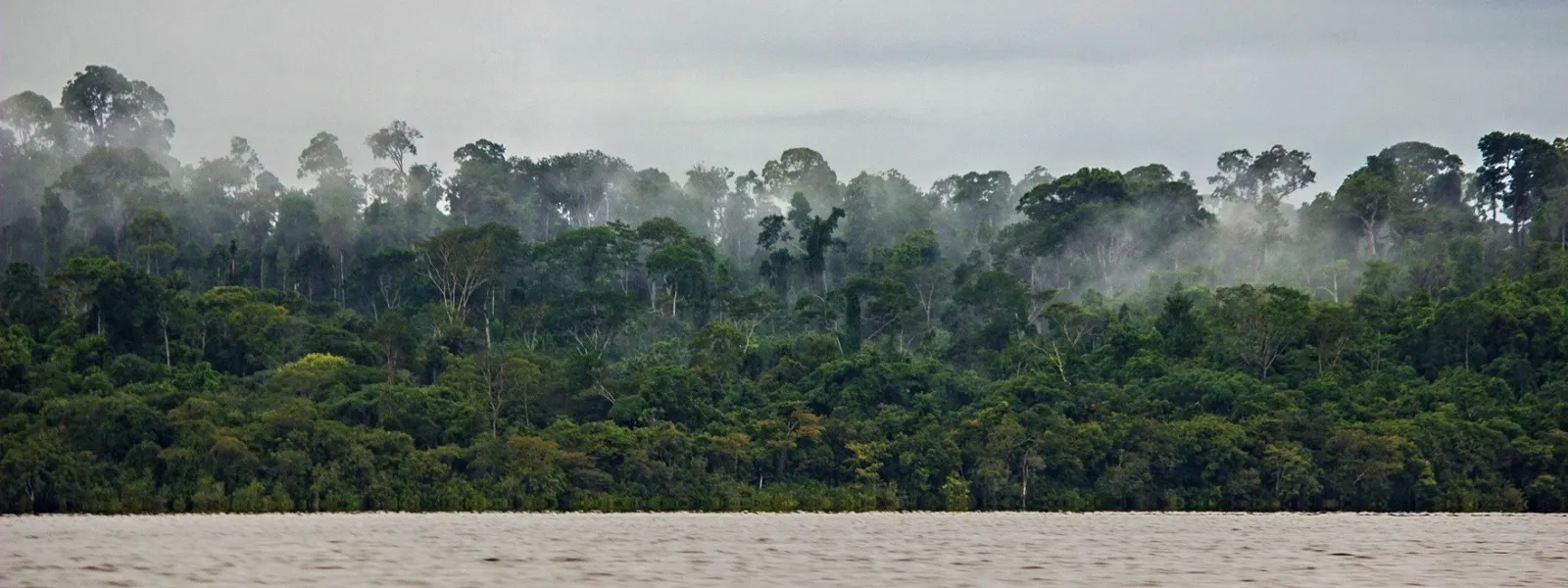
Project
Amazon Watch / Maíra Irigaray
Barragem de Belo Monte no rio Xingu: 10 anos de impactos na Amazônia e de busca por reparações
A usina hidrelétrica de Belo Monte causou um desastre ambiental e social no coração da Amazônia: um dos ecossistemas mais importantes do planeta.
Essa situação só piorou desde que a usina começou a operar em 2016. A busca por justiça e reparação para as comunidades indígenas e ribeirinhas afetadas continua até hoje.
Em 2011, a Comissão Interamericana de Direitos Humanos (CIDH) concedeu a essas comunidades medidas de proteção, que até hoje não foram totalmente implementadas pelo Estado brasileiro.
E, desde junho daquele mesmo ano, a CIDH mantém um processo contra o Estado por sua responsabilidade internacional no caso.
A CIDH pode encaminhar o caso à Corte Interamericana de Direitos Humanos, que tem o poder de emitir uma sentença condenatória contra o Estado brasileiro.
Consulta o expediente de fatos do caso
Após 10 anos de operação da usina hidrelétrica e mais de 15 anos de violações de direitos humanos documentadas, é hora da justiça ser feita para as comunidades afetadas.
Leia a carta aberta das organizações que levam o caso à CIDH
Leia nosso comunicado à imprensa
Contexto
A usina hidrelétrica de Belo Monte — a quarta maior do mundo em capacidade instalada (11.233 MW) — foi construída no rio Xingu, no estado do Pará, norte do Brasil.
Foi inaugurada em 5 de maio de 2016, com uma única turbina. Naquela época, 80% do curso do rio foi desviado e 516 km² de terra foram inundados, uma área maior que a cidade de Chicago. Desse total, 400 km² eram de mata nativa. A usina começou a operar em plena capacidade em novembro de 2019.
Belo Monte foi construída e é operada pelo consórcio Norte Energia S.A., composto principalmente por empresas estatais. Foi financiada pelo Banco Nacional de Desenvolvimento Econômico e Social (BNDES), que aportou ao consórcio 25,4 bilhões de reais (aproximadamente US$ 10,16 bilhões), o maior investimento de sua história. Portanto, o BNDES também é legalmente responsável pelos impactos socioambientais associados ao projeto hidrelétrico.
Décadas de danos ambientais e humanos
As violações dos direitos humanos e a degradação da Amazônia remontam ao início do projeto. Em março de 2011, a Norte Energia iniciou a construção da barragem sem consulta adequada e sem o consentimento prévio, livre e informado das comunidades afetadas.
A construção levou ao deslocamento forçado de mais de 40.000 pessoas, rompendo laços sociais e culturais. O plano de reassentamento em Altamira — cidade diretamente afetada pelo projeto hidrelétrico — incluía moradias na periferia da cidade, sem serviços públicos adequados, moradias dignas para as famílias reassentadas e moradias diferenciadas para aqueles pertencentes a comunidades indígenas.
A operação da barragem de Belo Monte impôs uma seca permanente e artificial na Volta Grande do rio Xingu, agravada pelas secas históricas na Amazônia em 2023 e 2024. Como resultado, a morte de milhões de ovos de peixe foi documentada por quatro anos consecutivos (de 2021 a 2024) e, nos últimos três anos, não houve migração de peixes rio acima para desovar e se reproduzir. Assim, a pesca artesanal, principal fonte de proteína para os povos indígenas e comunidades ribeirinhas, foi severamente afetada: o consumo de peixe caiu de 50% para 30% do total de proteínas consumidas, sendo substituído por alimentos processados. Em suma, houve um colapso ambiental e humanitário que resultou no colapso da pesca como modo de vida tradicional, insegurança alimentar e falta de acesso à água potável para milhares de famílias, empobrecimento e doenças.
Além disso, a construção da barragem aumentou o desmatamento e intensificou a extração ilegal de madeira e a insegurança em terras indígenas e tribais, colocando em risco a sobrevivência dessas comunidades. Outra consequência foi o agravamento da pobreza e dos conflitos sociais, bem como a sobrecarga dos sistemas de saúde, educação e segurança pública em Altamira, cidade considerada a mais violenta do país em 2017, onde houve aumento do tráfico de pessoas e da violência sexual. Também foram registrados casos de violência contra defensores de direitos humanos envolvidos no caso.
Em 2025, durante a 30ª Conferência das Nações Unidas sobre Mudanças Climáticas (COP30), realizada no Brasil, o Ministério Público Federal classificou os danos causados por Belo Monte como ecocídio.
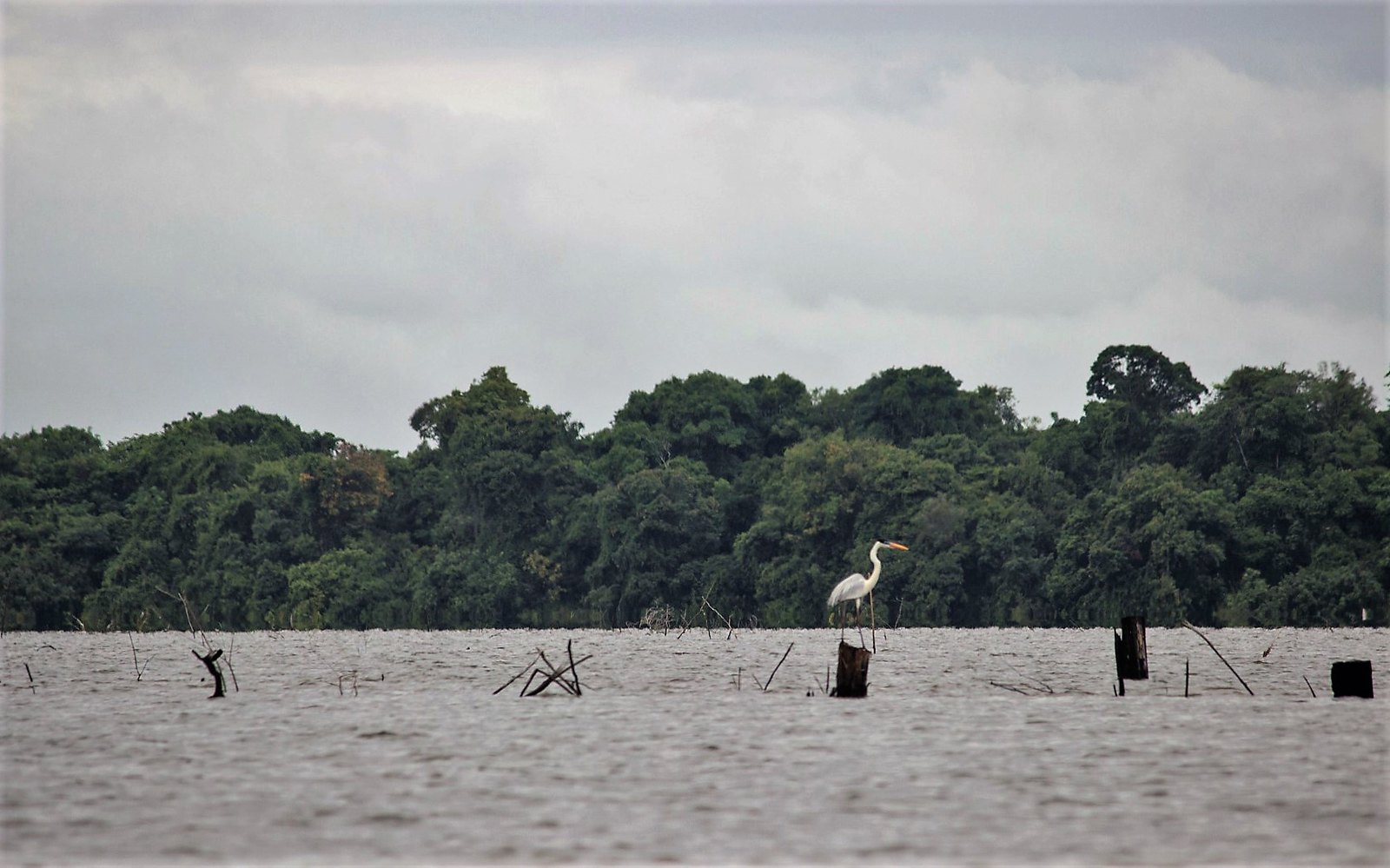
Foto: Amazon Watch / Maíra Irigaray.
A busca por justiça e reparação
Ao longo dos anos, o Ministério Público Federal do Pará, a Defensoria Pública e organizações da sociedade civil impetraram dezenas de ações judiciais em tribunais brasileiros para contestar as diversas irregularidades do projeto, bem como seus impactos. A maioria das ações permanece sem solução, algumas há mais de 10 anos.
Essas ações não obtiveram sucesso porque o governo federal tem reiteradamente anulado decisões favoráveis às comunidades afetadas, recorrendo a um mecanismo pelo qual o presidente do Supremo Tribunal Federal pode suspender uma decisão judicial com base unicamente em argumentos genéricos como "interesse nacional" ou "ordem econômica".
Diante da falta de respostas eficazes em nível nacional, a AIDA — juntamente com uma coalizão de organizações aliadas — levou o caso à Comissão Interamericana de Direitos Humanos (CIDH) e, em 2010, solicitou medidas cautelares para proteger a vida, a integridade e a saúde das comunidades indígenas afetadas.
Em 1º de abril de 2011, a CIDH concedeu essas medidas e solicitou ao Estado brasileiro a suspensão das licenças ambientais e de quaisquer obras de construção até que as condições relativas à consulta prévia e à proteção da saúde e integridade das comunidades fossem atendidas.
E, em 16 de junho de 2011, apresentamos uma denúncia formal à CIDH — juntamente com o Movimento Xingu Vivo Para Siempre, a Coordenação das Organizações Indígenas da Amazônia Brasileira, a Diocese de Altamira, o Conselho Missionário Indígena, a Sociedade Pará de Defesa dos Direitos Humanos e a Global Justice — contra o Estado brasileiro por sua responsabilidade internacional nas violações de direitos humanos contra os povos afetados neste caso. A denúncia foi apresentada em dezembro de 2015.
Em 3 de agosto de 2011, a CIDH modificou as medidas cautelares para solicitar — em vez da suspensão de licenças e obras — a proteção dos povos que vivem em isolamento voluntário, a saúde das comunidades indígenas e a regularização e proteção das terras ancestrais.
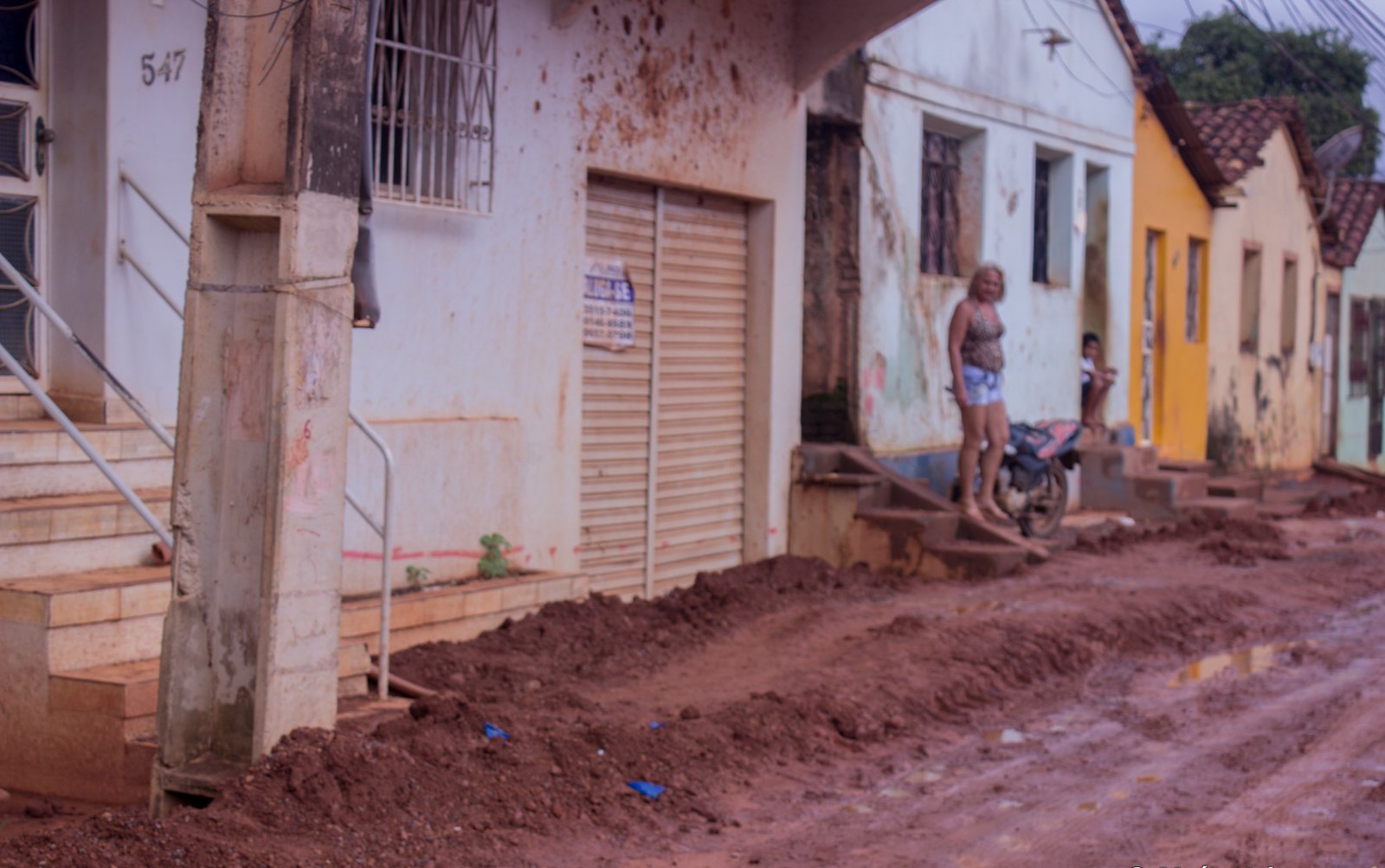
Foto: Amazon Watch / Maíra Irigaray.
Situação atual
As medidas de proteção concedidas pela CIDH permanecem em vigor, mas o Estado brasileiro não as cumpriu integralmente, relatando apenas ações genéricas. As comunidades documentaram as contínuas violações de seus direitos. A situação que motivou o pedido dessas medidas — o risco à vida, à segurança e aos meios de subsistência das comunidades — persiste e se agravou com a usina hidrelétrica operando em plena capacidade e com as recentes secas extremas na Amazônia.
Além do ocorrido em Belo Monte, existe o risco de maiores danos sociais e ambientais decorrentes da implementação de outro megaprojeto de mineração na Volta Grande do Xingu. Lá, a empresa canadense Belo Sun pretende construir a maior mina de ouro a céu aberto do Brasil.
Os impactos sinérgicos e cumulativos da usina e da mina não foram avaliados. O Estado excluiu povos indígenas, comunidades ribeirinhas e comunidades camponesas do processo de licenciamento ambiental do projeto. Apesar disso, dos protestos indígenas e de outras irregularidades em torno do projeto, o governo do estado do Pará autorizou formalmente a mina em abril de 2026.
Belo Monte, assim como outras usinas hidrelétricas, agrava a emergência climática ao gerar emissões de gases de efeito estufa em seu reservatório. Além disso, é ineficiente diante das secas prolongadas e intensas causadas pela crise, pois perde capacidade de geração de energia.
O caso perante a Comissão Interamericana
Em outubro de 2017, a CIDH anunciou que decidiria conjuntamente sobre a admissibilidade (se o caso preenche os requisitos para admissão) e o mérito (se houve, de fato, violação de direitos humanos) da denúncia internacional contra o Estado brasileiro.
Quinze anos após a apresentação da denúncia, as comunidades afetadas e as organizações que as representam ainda aguardam essa decisão. Caso a CIDH conclua que houve violações de direitos humanos e emita recomendações que o Estado brasileiro não cumpra, poderá encaminhar o caso à Corte Interamericana de Direitos Humanos, cujas decisões são vinculativas.
Uma possível decisão da Corte Internacional de Direitos Humanos neste caso estabeleceria um precedente jurídico regional em relação aos direitos dos povos indígenas e ribeirinhos, à participação pública em megaprojetos e à responsabilidade do Estado no contexto da crise climática. Isso é particularmente relevante à luz do Parecer Consultivo nº 32 da Corte, que reafirmou as obrigações dos Estados de proteger pessoas e comunidades em todo o continente da emergência climática.
Partners:
Related projects

Toward a law to protect glaciers and water in Chile
More than 70 percent of the world’s fresh water is frozen in glaciers,[1] making these giants the most important freshwater reserves on the planet. The distribution of this wealth has been generous to some countries. According to the Randolph Inventory, the most complete map of glaciers in the world, Chile is the guardian of the largest area of glaciers in South America: 14,600 square miles distributed across thousands of glaciers that reach from the peaks of the Altiplano in the north to the extreme southern tip of the continent. The most dangerous threats to glaciers are climate change and industrial activities near them, especially mining. Through strategic litigation and advocacy, AIDA is working to halt the harms from both of these threats. Climate change has caused the decline of snow and rainfall, as well as an increase in temperature, which reduces the accumulation of ice and increases the melting of glaciers. Mining exploration and exploitation degrade glaciers with road construction, drilling, explosives, and toxic materials. These activities also generate dust that settles on glaciers, making them darker and accelerating their rate of melt. Although we know that water is fundamental for life, and that glaciers are dangerously threatened, surprising littleinternational law protects glaciers. No international treaty aims to preserve them, nor is any such treaty under consideration. At the national level, only Argentina has a law to protect its glaciers. In Chile, draft legislation to protect glaciers has been debated in Congress for many years. Bearing in mind the drought currently plaguing the country, what better reason could there be to develop a SMART legal tool to care for Chilean glaciers? In search of a law The first attempt to enact a law to protect Chile’s glaciers was in 2006. It was driven by the approval of the Pascua-Lama mining project, which threatened the mountainous glaciers in the north of the country. The unsuccessful initiative was shelved in 2007. On May 20, 2014 members of Congress, calling themselves "the Glacier Caucus," proposed a new law to preserve the glaciers. Mining and geothermal companies severely criticized their proposal, which forbade mining and other activities that harm glaciers. This March, the executive branch made a counterproposal. According to environmental organizations, the spirit of the Glacier Caucus law was completely changed in response to mining-industry demands. What follows are points for and against the government’s proposal, based on the minutes in (Spanish) of a collaborative meeting of environmental organizations: Positive Recognizes glaciers as freshwater reservoirs, as providers of ecosystem services, and as national public property. Prohibits applications for rights to harvest glacial water. Strengthens the power of the General Water Directorate to generate information, monitor the status of glaciers, and impose fines. Elevates the legal hierarchy of the glacier inventory. Negative Does not protect all glaciers, only those found in national parks or wildlife reserves. This is a serious oversight, considering that the most threatened glaciers are in the north, where national parks are rare and where they share territory with mining reserves. Worse, still, glaciers in the north supply drinking water to millions of people who live in areas where water is scarce. Could safeguard some glaciers outside of protected areas if the Committee of Ministers for Sustainability considers them "strategic water reserves." The proposal, however, makes no reference to the tools or public funds needed to make such an assessment. The risk is that this designation would eventually be left to consultants who frequently work for mining companies. Leaves glaciers that are not considered “strategic reserves” open to industrial projects, depending on the conclusions of Environmental Impact Assessments. In the past, EIAs have permitted such damaging projects as the Pacua-Lama, Andina 244, Los Bronces, and Los Pelambres mines. States that a project’s environmental permit will only be reviewed if the project currently impacts glaciers in national parks or those declared "strategic reserves." All other glaciers remain subject to the mining and energy projects that are already harming them. Internal debates in Congress will continue. We truly hope the resulting law will provide all glaciers with their due protection and that similar laws will be enacted in the rest of the countries where glaciers hold precious water for future generations. Meanwhile, AIDA’s dedicated legal advocates are working hard to prevent and minimize mining threats to the environment and people. AIDA is currently preparing a guide, Basic Guidelines for the Environmental Impact Assessment of Mining Projects: Recommended Terms of Reference (in Spanish), detailing the comprehensive analysis that must be completed for any proposed mining project. We are advocating with government agencies to conduct thorough assessments before approving new mine projects and, when necessary, we’re pursuing strategic litigation to compel agencies to improve their assessments. We’re also strengthening environmental laws and precedents that apply to extractive industries. In Colombia and Panama, AIDA is actively advocating revisions to the national mining codes, specifically to protect crucial water resources. Bringing international law to bear on the issue, we’re using international agreements to establish precedents that apply to mines broadly. We’ve also begun to create a pool of technical experts to help local communities and governments understand and evaluate proposals for mineral extraction. Please watch this blog for upcoming news about mines, water, and AIDA’s efforts to protect a healthy environment. [1] According to data from Global Water Partnership: http://www.gwp.org/
Read more
Internationally Advocating for Accountability for Human Rights Abuses
Juana[1] is suffering from respiratory problems and her sister has asthma. They live in La Oroya, a small city in Peru’s central Andes. It was years before Juana had access to the information she needed to understand the source of their illnesses: toxic contamination from the Doe Run metal smelter. Although there has been some progress, Juana and the rest of the people affected by the contaminated air in La Oroya still do not receive the specialized and comprehensive medical care they need. In cases like La Oroya, victims don’t always find justice in their own countries and must raise their demands to an international level. One space to do so is the Inter-American Commission on Human Rights public hearings, held twice a year in March and October. AIDA has actively participated in case hearings on specific human rights violations, such as in La Oroya. But we have also requested and received thematic hearings on problems facing Latin American countries or the region as a whole. We have participated alongside and in collaboration with other civil society organizations. "By providing information and arguments, we encourage the Commission to make visible worrisome situations of human rights violations caused by environmental degradation, and to take actions to stop them: develop standards, monitor cases, and make recommendations to States," explained María José Veramendi Villa, senior attorney at AIDA. Last October AIDA and partner organizations called the Commission’s attention to mining and energy projects that force displacement of people and communities in Colombia. We also requested that the Commission develop standards governing displacement caused by large infrastructure projects, and insisted that the Colombian government properly respond to the victims. "These hearings are the most comprehensive and flexible tool to ensure the Commission receives information about the issues that are troubling to the region. There are so many worries, and so many organizations wanting to be heard, that there is not enough time. The hearings are an indicator of the most relevant issues of the times and, through them, civil society develops an agenda of work," said Ana María Mondragón, attorney at AIDA. AIDA returned this month to Washington, D.C., seat of the Commission, to participate in a thematic hearing that brings to the table a current and deepening concern: the predominant role corporations are playing in the violation of human rights in Latin America. One example is the case of Máxima Acuña Chaupe in Cajamarca, Peru. The Yanacocha mining company is interested in developing a project on her territory and, in order to do so, accused her of usurping land. Although a judicial court ruling established Máxima’s innocence, she and her family live in fear that the company may again try to take away their home. The case of the Chaupe family, and many others in the region, demonstrates the importance of bringing this issue before the Commission. "During the hearing, we presented information to fuel debate about opportunities for the Commission to create, implement and strengthen international standards on business and human rights," explained Veramendi Villa. "By doing so, the Commission can urge States to control and/or sanction corporations – like Doe Run Peru and Yanacocha – whose activities harm the environment and violate human rights and ensure access to justice for its victims." [1] Name has been changed to protect confidentiality.
Read more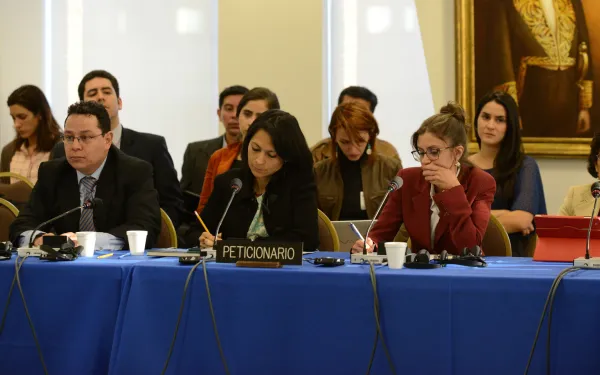
Organizations request that the IACHR strengthen State obligations to supervise corporate activities that violate human rights
In a hearing before the Inter-American Commission on Human Rights, they highlighted the opportunities that the Commission has to address the problem through the creation, implementation and strengthening of international standards on business and human rights. Washington D.C. In a hearing before the Inter-American Commission on Human Rights, civil society organizations requested that the Commission provide renewed attention to the problem, increasingly experienced in the hemisphere, of human rights violations committed by corporations. The hearing was jointly requested by the Interamerican Association for Environmental Defense (AIDA), a regional organization; the Association for Human Rights (APRODEH) of Peru; the Center for Human Rights and Environment (CEDHA) of Argentina; and Justiça Global of Brazil. The organizations applauded the Commission’s openness to directly addressing, for the first time, the theme of business and human rights in a public hearing. “Through various mechanisms in recent years, the Commission has received a large amount of information about cases of human rights violations in which corporations have played a central role, but the problem has worsened because of a lack of effective solutions. In this sense, one of the biggest challenges the Commission has is to find ways to address the issue properly and to help both the States and the corporations to fulfill their human rights obligations,” explained Astrid Puentes, co-executive director of AIDA. Through their work, the organizations have seen that most recurrent aspects of the problem include: the impacts of megaprojects and extractive industries on human rights and the environment; difficulties in guaranteeing the right to participation and access to information for affected people and communities; the absence of Human Rights Impact Assessments; systematic violations of labor rights and forced labor practices; the privatization of public security forces to protect business activities; and aggression towards and criminalization of people who defend the environment, their territory and human rights. At the hearing, the organizations reminded that progress has been made in the development international standards on business and human rights. One such example, they explained, is the United Nations Guiding Principles on Business and Human Rights. "However, because compliance is voluntary and there are various legal loopholes, this instrument has not been effective enough to prevent the continuation of human rights abuses. Also, effective regulation of territorial and extraterritorial State obligations regarding the responsibilities of transnational corporations on national, regional and international levels does not exist. This sort of vacuum prevents both the safeguarding of people’s rights, and access to appropriate compensation and justice for victims,” said Alexandra Montgomery of Justiça Global. Looking forward, the organizations presented information about the opportunities the Commission has to strengthen the implementation of existing standards. They emphasized the following points: The Commission should promote corporations’ respect for human rights. This includes promoting State responsibility for adequate supervision of business activities and for establishment of binding obligations for them, since the voluntary nature of the Guiding Principles compromises and puts at risk the protection of human rights. Based on the jurisprudence of the Inter-American Human Rights System in relation to the obligations of States to respect and guarantee human rights, the Commission can develop specific measures for States to supervise business activities to ensure that they do not violate human rights. Respect for human rights by States and companies must not be subject to economic or political considerations. It is necessary to strengthen access to justice for victims of human rights abuses by business actors through recommendations for improvement and implementation of accountability mechanisms and international forums, such as the Commission and the Inter-American Court of Human Rights. “We hope that as a result of the hearing, the Commission initiates dialogues that incorporate the experience of civil society organizations and of United Nations agencies to strengthen the respect of and guarantees for human rights in the region,” concluded Gloria Cano, of APRODEH.
Read more