
Project
Amazon Watch / Maíra Irigaray
Barragem de Belo Monte no rio Xingu: 10 anos de impactos na Amazônia e de busca por reparações
A usina hidrelétrica de Belo Monte causou um desastre ambiental e social no coração da Amazônia: um dos ecossistemas mais importantes do planeta.
Essa situação só piorou desde que a usina começou a operar em 2016. A busca por justiça e reparação para as comunidades indígenas e ribeirinhas afetadas continua até hoje.
Em 2011, a Comissão Interamericana de Direitos Humanos (CIDH) concedeu a essas comunidades medidas de proteção, que até hoje não foram totalmente implementadas pelo Estado brasileiro.
E, desde junho daquele mesmo ano, a CIDH mantém um processo contra o Estado por sua responsabilidade internacional no caso.
A CIDH pode encaminhar o caso à Corte Interamericana de Direitos Humanos, que tem o poder de emitir uma sentença condenatória contra o Estado brasileiro.
Consulta o expediente de fatos do caso
Após 10 anos de operação da usina hidrelétrica e mais de 15 anos de violações de direitos humanos documentadas, é hora da justiça ser feita para as comunidades afetadas.
Leia a carta aberta das organizações que levam o caso à CIDH
Leia nosso comunicado à imprensa
Contexto
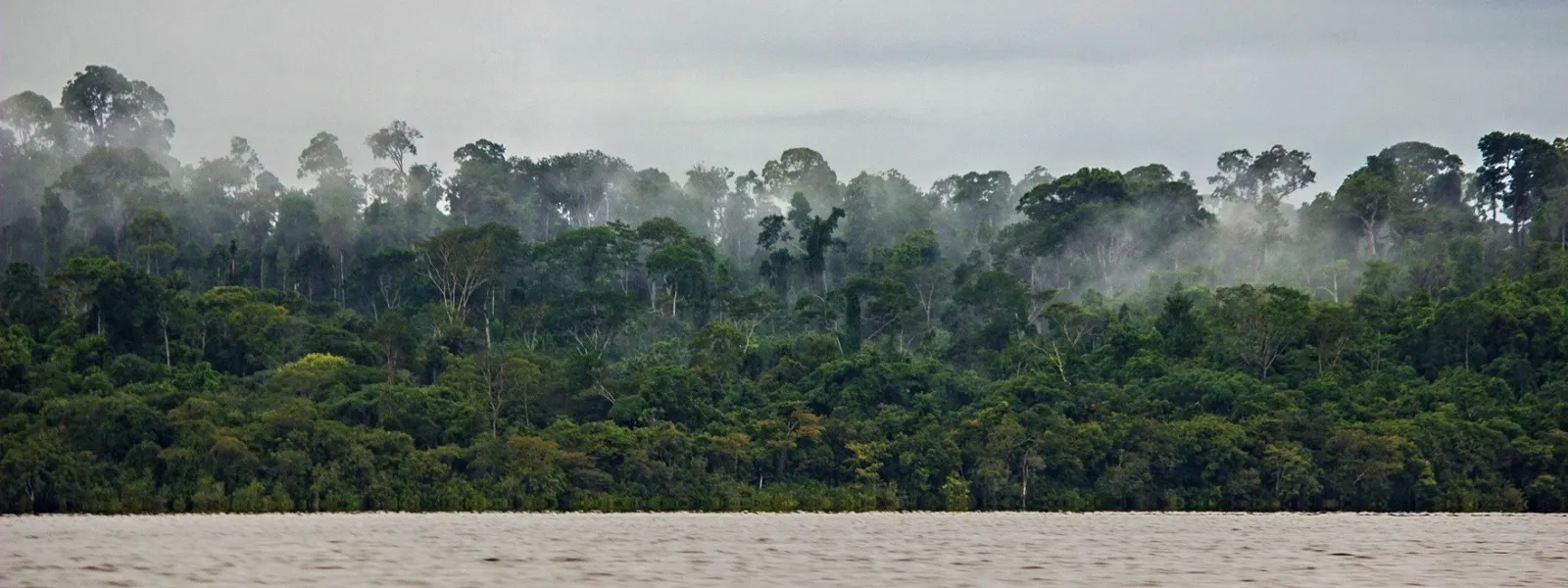
A usina hidrelétrica de Belo Monte — a quarta maior do mundo em capacidade instalada (11.233 MW) — foi construída no rio Xingu, no estado do Pará, norte do Brasil.
Foi inaugurada em 5 de maio de 2016, com uma única turbina. Naquela época, 80% do curso do rio foi desviado e 516 km² de terra foram inundados, uma área maior que a cidade de Chicago. Desse total, 400 km² eram de mata nativa. A usina começou a operar em plena capacidade em novembro de 2019.
Belo Monte foi construída e é operada pelo consórcio Norte Energia S.A., composto principalmente por empresas estatais. Foi financiada pelo Banco Nacional de Desenvolvimento Econômico e Social (BNDES), que aportou ao consórcio 25,4 bilhões de reais (aproximadamente US$ 10,16 bilhões), o maior investimento de sua história. Portanto, o BNDES também é legalmente responsável pelos impactos socioambientais associados ao projeto hidrelétrico.
Décadas de danos ambientais e humanos
As violações dos direitos humanos e a degradação da Amazônia remontam ao início do projeto. Em março de 2011, a Norte Energia iniciou a construção da barragem sem consulta adequada e sem o consentimento prévio, livre e informado das comunidades afetadas.
A construção levou ao deslocamento forçado de mais de 40.000 pessoas, rompendo laços sociais e culturais. O plano de reassentamento em Altamira — cidade diretamente afetada pelo projeto hidrelétrico — incluía moradias na periferia da cidade, sem serviços públicos adequados, moradias dignas para as famílias reassentadas e moradias diferenciadas para aqueles pertencentes a comunidades indígenas.
A operação da barragem de Belo Monte impôs uma seca permanente e artificial na Volta Grande do rio Xingu, agravada pelas secas históricas na Amazônia em 2023 e 2024. Como resultado, a morte de milhões de ovos de peixe foi documentada por quatro anos consecutivos (de 2021 a 2024) e, nos últimos três anos, não houve migração de peixes rio acima para desovar e se reproduzir. Assim, a pesca artesanal, principal fonte de proteína para os povos indígenas e comunidades ribeirinhas, foi severamente afetada: o consumo de peixe caiu de 50% para 30% do total de proteínas consumidas, sendo substituído por alimentos processados. Em suma, houve um colapso ambiental e humanitário que resultou no colapso da pesca como modo de vida tradicional, insegurança alimentar e falta de acesso à água potável para milhares de famílias, empobrecimento e doenças.
Além disso, a construção da barragem aumentou o desmatamento e intensificou a extração ilegal de madeira e a insegurança em terras indígenas e tribais, colocando em risco a sobrevivência dessas comunidades. Outra consequência foi o agravamento da pobreza e dos conflitos sociais, bem como a sobrecarga dos sistemas de saúde, educação e segurança pública em Altamira, cidade considerada a mais violenta do país em 2017, onde houve aumento do tráfico de pessoas e da violência sexual. Também foram registrados casos de violência contra defensores de direitos humanos envolvidos no caso.
Em 2025, durante a 30ª Conferência das Nações Unidas sobre Mudanças Climáticas (COP30), realizada no Brasil, o Ministério Público Federal classificou os danos causados por Belo Monte como ecocídio.
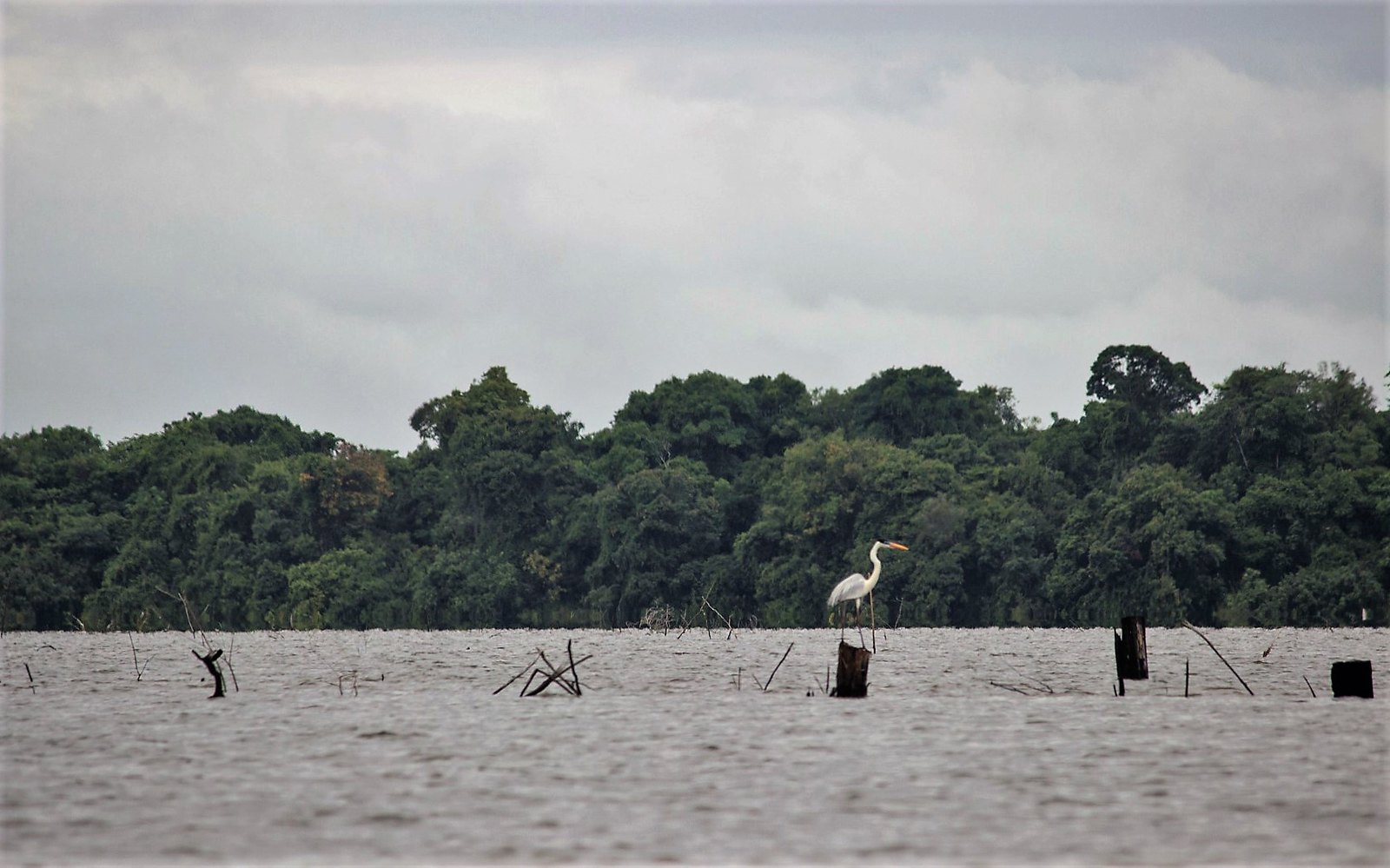
Foto: Amazon Watch / Maíra Irigaray.
A busca por justiça e reparação
Ao longo dos anos, o Ministério Público Federal do Pará, a Defensoria Pública e organizações da sociedade civil impetraram dezenas de ações judiciais em tribunais brasileiros para contestar as diversas irregularidades do projeto, bem como seus impactos. A maioria das ações permanece sem solução, algumas há mais de 10 anos.
Essas ações não obtiveram sucesso porque o governo federal tem reiteradamente anulado decisões favoráveis às comunidades afetadas, recorrendo a um mecanismo pelo qual o presidente do Supremo Tribunal Federal pode suspender uma decisão judicial com base unicamente em argumentos genéricos como "interesse nacional" ou "ordem econômica".
Diante da falta de respostas eficazes em nível nacional, a AIDA — juntamente com uma coalizão de organizações aliadas — levou o caso à Comissão Interamericana de Direitos Humanos (CIDH) e, em 2010, solicitou medidas cautelares para proteger a vida, a integridade e a saúde das comunidades indígenas afetadas.
Em 1º de abril de 2011, a CIDH concedeu essas medidas e solicitou ao Estado brasileiro a suspensão das licenças ambientais e de quaisquer obras de construção até que as condições relativas à consulta prévia e à proteção da saúde e integridade das comunidades fossem atendidas.
E, em 16 de junho de 2011, apresentamos uma denúncia formal à CIDH — juntamente com o Movimento Xingu Vivo Para Siempre, a Coordenação das Organizações Indígenas da Amazônia Brasileira, a Diocese de Altamira, o Conselho Missionário Indígena, a Sociedade Pará de Defesa dos Direitos Humanos e a Global Justice — contra o Estado brasileiro por sua responsabilidade internacional nas violações de direitos humanos contra os povos afetados neste caso. A denúncia foi apresentada em dezembro de 2015.
Em 3 de agosto de 2011, a CIDH modificou as medidas cautelares para solicitar — em vez da suspensão de licenças e obras — a proteção dos povos que vivem em isolamento voluntário, a saúde das comunidades indígenas e a regularização e proteção das terras ancestrais.
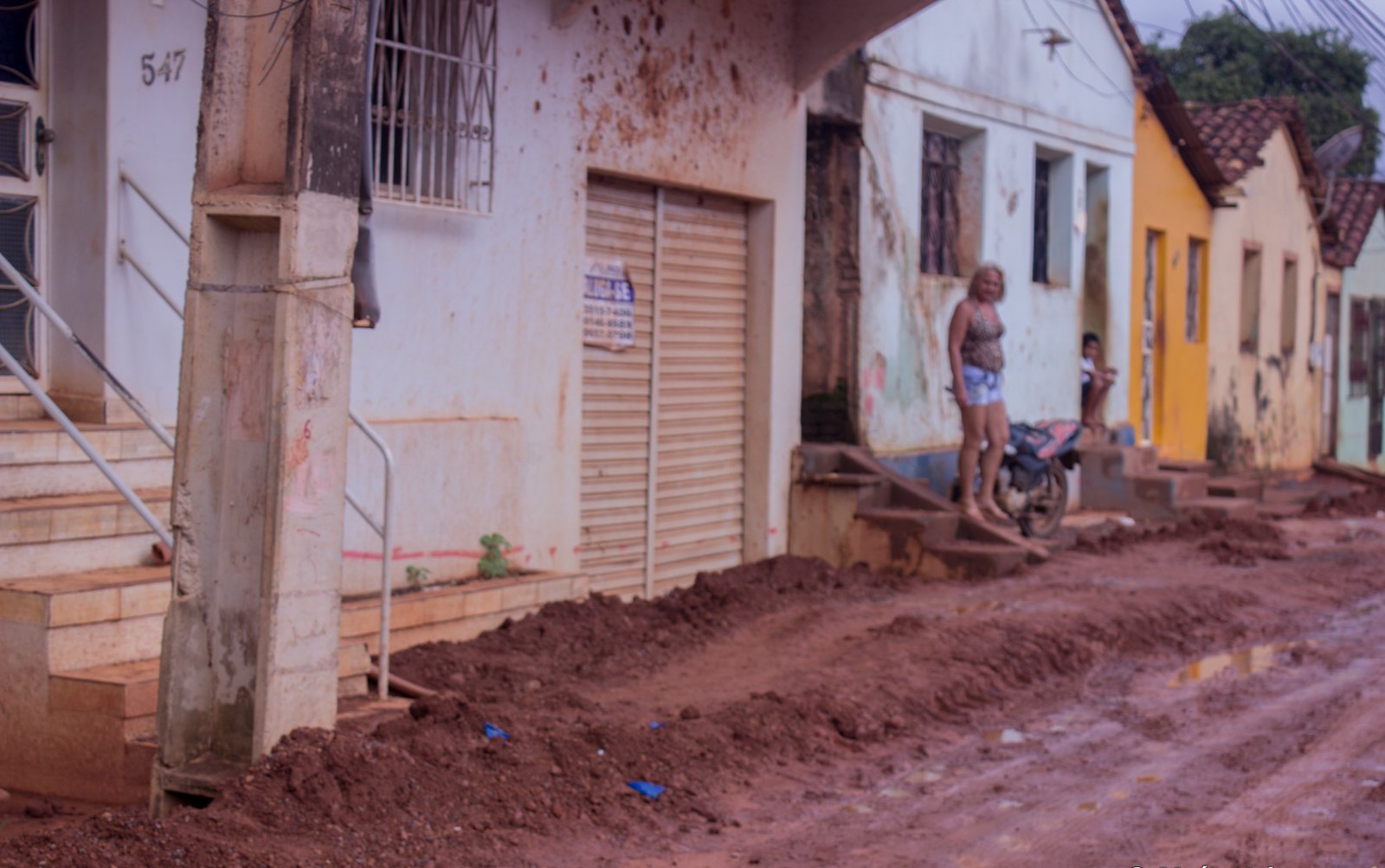
Foto: Amazon Watch / Maíra Irigaray.
Situação atual
As medidas de proteção concedidas pela CIDH permanecem em vigor, mas o Estado brasileiro não as cumpriu integralmente, relatando apenas ações genéricas. As comunidades documentaram as contínuas violações de seus direitos. A situação que motivou o pedido dessas medidas — o risco à vida, à segurança e aos meios de subsistência das comunidades — persiste e se agravou com a usina hidrelétrica operando em plena capacidade e com as recentes secas extremas na Amazônia.
Além do ocorrido em Belo Monte, existe o risco de maiores danos sociais e ambientais decorrentes da implementação de outro megaprojeto de mineração na Volta Grande do Xingu. Lá, a empresa canadense Belo Sun pretende construir a maior mina de ouro a céu aberto do Brasil.
Os impactos sinérgicos e cumulativos da usina e da mina não foram avaliados. O Estado excluiu povos indígenas, comunidades ribeirinhas e comunidades camponesas do processo de licenciamento ambiental do projeto. Apesar disso, dos protestos indígenas e de outras irregularidades em torno do projeto, o governo do estado do Pará autorizou formalmente a mina em abril de 2026.
Belo Monte, assim como outras usinas hidrelétricas, agrava a emergência climática ao gerar emissões de gases de efeito estufa em seu reservatório. Além disso, é ineficiente diante das secas prolongadas e intensas causadas pela crise, pois perde capacidade de geração de energia.
O caso perante a Comissão Interamericana
Em outubro de 2017, a CIDH anunciou que decidiria conjuntamente sobre a admissibilidade (se o caso preenche os requisitos para admissão) e o mérito (se houve, de fato, violação de direitos humanos) da denúncia internacional contra o Estado brasileiro.
Quinze anos após a apresentação da denúncia, as comunidades afetadas e as organizações que as representam ainda aguardam essa decisão. Caso a CIDH conclua que houve violações de direitos humanos e emita recomendações que o Estado brasileiro não cumpra, poderá encaminhar o caso à Corte Interamericana de Direitos Humanos, cujas decisões são vinculativas.
Uma possível decisão da Corte Internacional de Direitos Humanos neste caso estabeleceria um precedente jurídico regional em relação aos direitos dos povos indígenas e ribeirinhos, à participação pública em megaprojetos e à responsabilidade do Estado no contexto da crise climática. Isso é particularmente relevante à luz do Parecer Consultivo nº 32 da Corte, que reafirmou as obrigações dos Estados de proteger pessoas e comunidades em todo o continente da emergência climática.
Partners:
Related projects
Geneva Conference must give clarity to climate finance
Negotiations for a new climate agreement, initiated last December during the United Nations Framework Convention on Climate Change (COP 20) in Lima, Peru, will continue this week in Geneva, Switzerland. Delegates there will work on detailing the various elements to be included in the negotiating text of the new climate agreement, including climate finance. Climate finance is a key factor in enabling developing countries to confront climate change effectively. "We hope the Geneva session concludes with a negotiating text that provides clarity for predictable and sustainable financing," said Andrea Rodriguez, attorney with the Interamerican Association for Environmental Defense (AIDA). "The agreement needs to establish with certainty the sources of finance, which institutions will mobilize and manage them, and how they will be disbursed, in order to ensure that these efforts contribute to low-emission, climate-resilient development in developing countries." The Conference in Peru ended with the Lima Call for Climate Action, a document whose annexes contain the essential elements for a draft negotiating text of the new climate agreement, which will be signed later this year at COP 21 in Paris. Delegates in Geneva are expected to intensify work on those key elements, and produce a negotiating text that will have legal force under the United Nations Framework Convention on Climate Change. Given the importance of the Geneva conference, AIDA is providing climate finance recommendations for negotiators to incorporate into the draft text of the new climate agreement: Clear provisions regarding who is required to mobilize resources. Clear goals beyond 2020 for a road map towards annual public financing targets. Scaling up of resources to ensure compliance with the existing commitment to mobilize $100 million by 2020, and to allow countries to plan their climate actions. Predictable, adequate and sufficient climate finance to promote the transition to low-carbon, climate-resilient development in developing countries. 50:50 balanced allocation of resources for adaptation and mitigation actions. Definitions of climate finance and climate investment. Clarity on which climate finance institutions will operate under the convention. Recognition of the Green Climate Fund as the primary channel to mobilize resources, without the exclusion of other funds. Strengthen the mandate of the Standing Committee of Finance to enhance coordination and coherence of work between different financial institutions.
Read more
5 Reasons to Donate to AIDA
We all must leave a legacy, my grandfather said. For him – beyond being loving husbands and wives, committed parents, responsible children, faithful friends and fulfilled workers – that means contributing something to the benefit of humankind. The wise words of my grandfather guide my professional life. In nine years of working with AIDA, I have had the great pleasure of seeing progress made on cases we’ve worked on throughout Latin America. These successes give me the energy to go the extra mile whenever necessary. Many times, however, I’ve felt the frustration of seeing so many people and places that need our help, and not having the financial or human resources to do so. If you agree that there is nothing more valuable than contributing to building a better world, and a more habitable place for future generations, then I have a suggestion for you: Please support AIDA’s work by making a donation! 5 Reasons to Support Our Work To enable you to make an informed decision, here are five reasons why supporting our work is an excellent idea: We are an international nonprofit organization with more than 15 years of experience in service to one fundamental mission: to use the law to protect the environment of the Americas, with a focus on Latin America. "Protecting our right to a healthy environment" is the motto that guides our actions. We are a group of Latin American attorneys who work with commitment. Our experience enables us to develop strategies before international bodies and organizations to ensure that the States comply with their environmental and human rights obligations. We work in partnership with national organizations, strengthening and complimenting their efforts. We firmly believe in public participation and capacity building to achieve greater impact and results over the long term. We share our knowledge with the partners and communities with whom we closely work. We take the great care when investing our funds. We work efficiently and effectively. We carefully select cases that will set a legal precedent and serve as an example for environmental defense in the countries of the region. Our work has a global impact, today and in the future. We work for the common good of all people: protecting vital resources like clean air and clean water. We consider our donors an integral part of our team. Without your contribution, it would not be possible for us to provide free legal assistance to communities fighting to defend their natural environment and protect their basic rights. With your support We will continue ensuring the protection of marine and coastal resources, the preservation of fresh water, effective responses to climate change, and the human right to a healthy environment. Helping us is simple and safe: You can do it right here! THANK YOU for believing in our work!
Read more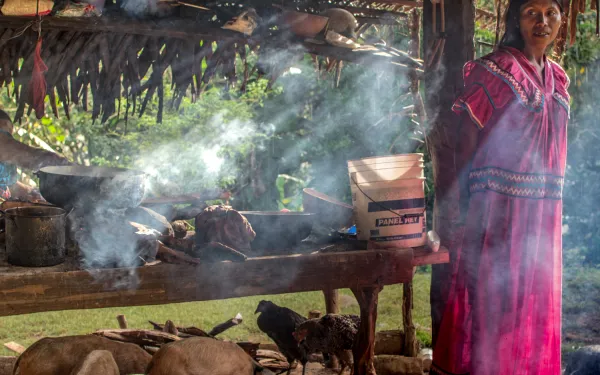
UN registered Barro Blanco Hydroelectric Dam temporarily suspended over non-compliance with Environmental Impact Assessment
Panama City, Panama and Geneva, Switzerland. In a landmark decision, Panama’s National Environmental Authority (ANAM) temporarily suspended the construction of the Barro Blanco hydroelectric dam yesterday over non-compliance with its Environmental Impact Assessment (EIA). The dam was approved by the UN Clean Development Mechanism (CDM) despite risks of flooding to the territory of the indigenous Ngäbe Bugle communities. With delegates currently meeting in Geneva to draft negotiating text for a new global climate agreement, ANAM’s decision illustrates why the agreement must include human rights protections, including the rights of indigenous peoples. In Geneva, several nations have already insisted on the need for climate measures to respect, protect, promote, and fulfil human rights for all. "Panama has taken a critical first step toward protecting the rights of the Ngäbe communities, which have not been adequately consulted on the Barro Blanco CDM project. But much more work is needed," said Alyssa Johl, Senior Attorney at the Center for International Environmental Law (CIEL). "As an urgent matter, Panama should recognize its obligations to protect human rights in climate actions, such as Barro Blanco, by supporting the call for human rights protections in the UN climate regime." Current climate mechanisms, such as the UN’s Clean Development Mechanism, neither provide incentives for the sustainable implementation of climate actions nor offer recourse in the case of adverse impacts. "The CDM Board approved Barro Blanco when it was clear that the dam would flood the homes of numerous indigenous families. This decision is a warning signal that safeguards must be introduced to protect human rights, including robust stakeholder consultations and a grievance mechanism," said Eva Filzmoser, Director of Carbon Market Watch. ANAM’s decision was triggered by an administrative investigation that found non-compliance with the project’s environmental impact assessment, including shortcomings in the agreements with affected indigenous communities, deficiencies in negotiation processes, the absence of an archaeological management plan for the protection of petroglyphs and other archaeological findings, repeated failures to manage sedimentation and erosion, poor management of solid and hazardous waste, and logging without permission. The Environmental Advocacy Center of Panamá (CIAM) considers it appropriate for ANAM to have taken effective and immediate measures to suspend the project. "This suspension reflects inadequate environmental management on the part of the company that requires an investigation and an exemplary sanction". "During 15 years of opposition to the Barro Blanco project, we have exposed violations of our human rights and irregularities in the environmental proceedings. Those claims were never heard," said Weni Bagama from the Movimiento 10 de Abril (M-10). "Today we are satisfied to see that the national authorities have recognized them and have suspended the project, as a first step towards dialogue. Nevertheless, we continue to uphold the communities’ position that the cancelation of this project is the only way to protect our human rights and our territory. We hope that this sets an example for the international community and for other hydroelectric projects, not only in Panama but worldwide." "Any dialogue between the affected communities, the Government and the company has to be transparent, in good faith, respectful of the communities’ rights, and include guarantees so that the communities can participate equally and the agreements are fully respected," explained María José Veramendi Villa, Senior Attorney at the Interamerican Association for Environmental Defense (AIDA). "In this dialogue, the State must take into account all human rights violations that have been denounced by the communities since the project was approved." Environmental groups around the world are celebrating the suspension of the Barro Blanco Dam, following years of efforts in support of the indigenous populations in the Ngäbe Bugle comarca, which have been faced with oppression and numerous rights violations. Eyes are now watching for the reactions of the banks involved in financing the Barro Blanco project, including the German development bank, DEG, and the Dutch development bank, FMO, against whom the M10 movement, which represents the indigenous communities, had filed a complaint. "We urge the banks to halt disbursement of any remaining funds until all problems are solved and the affected indigenous communities agree to the project," said Kathrin Petz of Urgewald.
Read more