
Project
Amazon Watch / Maíra Irigaray
Barragem de Belo Monte no rio Xingu: 10 anos de impactos na Amazônia e de busca por reparações
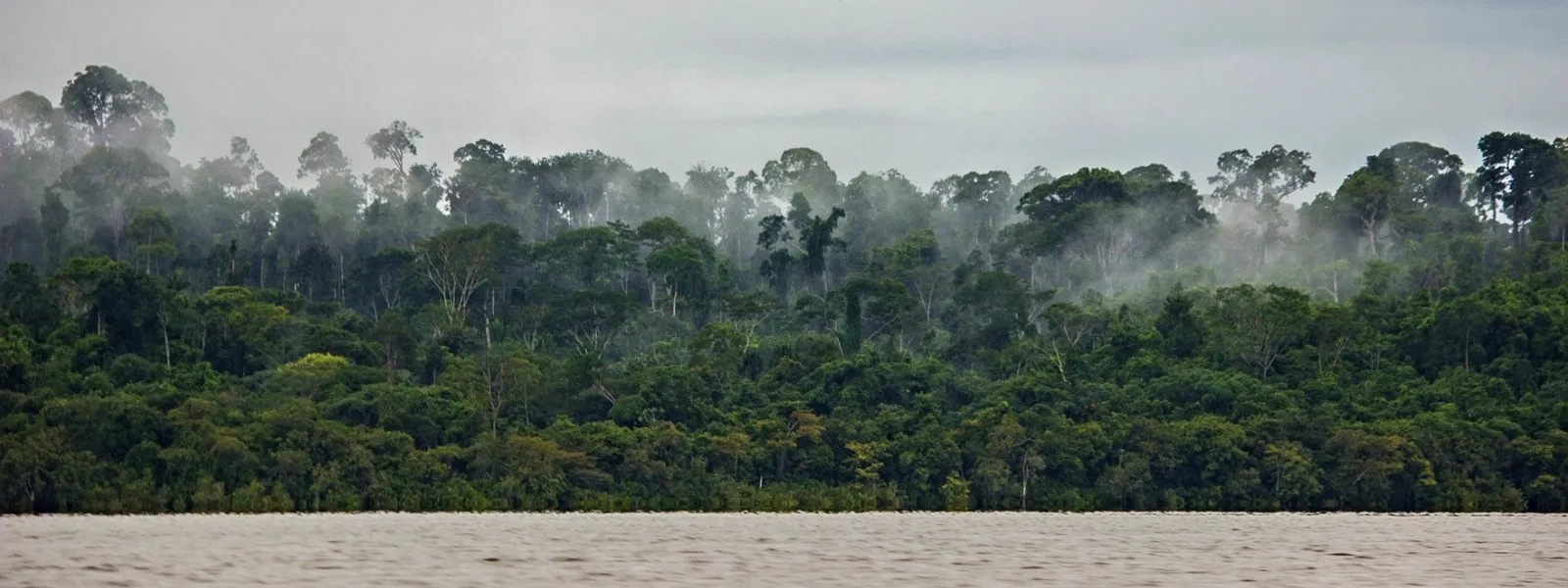
A usina hidrelétrica de Belo Monte causou um desastre ambiental e social no coração da Amazônia: um dos ecossistemas mais importantes do planeta.
Essa situação só piorou desde que a usina começou a operar em 2016. A busca por justiça e reparação para as comunidades indígenas e ribeirinhas afetadas continua até hoje.
Em 2011, a Comissão Interamericana de Direitos Humanos (CIDH) concedeu a essas comunidades medidas de proteção, que até hoje não foram totalmente implementadas pelo Estado brasileiro.
E, desde junho daquele mesmo ano, a CIDH mantém um processo contra o Estado por sua responsabilidade internacional no caso.
A CIDH pode encaminhar o caso à Corte Interamericana de Direitos Humanos, que tem o poder de emitir uma sentença condenatória contra o Estado brasileiro.
Consulta o expediente de fatos do caso
Após 10 anos de operação da usina hidrelétrica e mais de 15 anos de violações de direitos humanos documentadas, é hora da justiça ser feita para as comunidades afetadas.
Leia a carta aberta das organizações que levam o caso à CIDH
Leia nosso comunicado à imprensa
Contexto
A usina hidrelétrica de Belo Monte — a quarta maior do mundo em capacidade instalada (11.233 MW) — foi construída no rio Xingu, no estado do Pará, norte do Brasil.
Foi inaugurada em 5 de maio de 2016, com uma única turbina. Naquela época, 80% do curso do rio foi desviado e 516 km² de terra foram inundados, uma área maior que a cidade de Chicago. Desse total, 400 km² eram de mata nativa. A usina começou a operar em plena capacidade em novembro de 2019.
Belo Monte foi construída e é operada pelo consórcio Norte Energia S.A., composto principalmente por empresas estatais. Foi financiada pelo Banco Nacional de Desenvolvimento Econômico e Social (BNDES), que aportou ao consórcio 25,4 bilhões de reais (aproximadamente US$ 10,16 bilhões), o maior investimento de sua história. Portanto, o BNDES também é legalmente responsável pelos impactos socioambientais associados ao projeto hidrelétrico.
Décadas de danos ambientais e humanos
As violações dos direitos humanos e a degradação da Amazônia remontam ao início do projeto. Em março de 2011, a Norte Energia iniciou a construção da barragem sem consulta adequada e sem o consentimento prévio, livre e informado das comunidades afetadas.
A construção levou ao deslocamento forçado de mais de 40.000 pessoas, rompendo laços sociais e culturais. O plano de reassentamento em Altamira — cidade diretamente afetada pelo projeto hidrelétrico — incluía moradias na periferia da cidade, sem serviços públicos adequados, moradias dignas para as famílias reassentadas e moradias diferenciadas para aqueles pertencentes a comunidades indígenas.
A operação da barragem de Belo Monte impôs uma seca permanente e artificial na Volta Grande do rio Xingu, agravada pelas secas históricas na Amazônia em 2023 e 2024. Como resultado, a morte de milhões de ovos de peixe foi documentada por quatro anos consecutivos (de 2021 a 2024) e, nos últimos três anos, não houve migração de peixes rio acima para desovar e se reproduzir. Assim, a pesca artesanal, principal fonte de proteína para os povos indígenas e comunidades ribeirinhas, foi severamente afetada: o consumo de peixe caiu de 50% para 30% do total de proteínas consumidas, sendo substituído por alimentos processados. Em suma, houve um colapso ambiental e humanitário que resultou no colapso da pesca como modo de vida tradicional, insegurança alimentar e falta de acesso à água potável para milhares de famílias, empobrecimento e doenças.
Além disso, a construção da barragem aumentou o desmatamento e intensificou a extração ilegal de madeira e a insegurança em terras indígenas e tribais, colocando em risco a sobrevivência dessas comunidades. Outra consequência foi o agravamento da pobreza e dos conflitos sociais, bem como a sobrecarga dos sistemas de saúde, educação e segurança pública em Altamira, cidade considerada a mais violenta do país em 2017, onde houve aumento do tráfico de pessoas e da violência sexual. Também foram registrados casos de violência contra defensores de direitos humanos envolvidos no caso.
Em 2025, durante a 30ª Conferência das Nações Unidas sobre Mudanças Climáticas (COP30), realizada no Brasil, o Ministério Público Federal classificou os danos causados por Belo Monte como ecocídio.
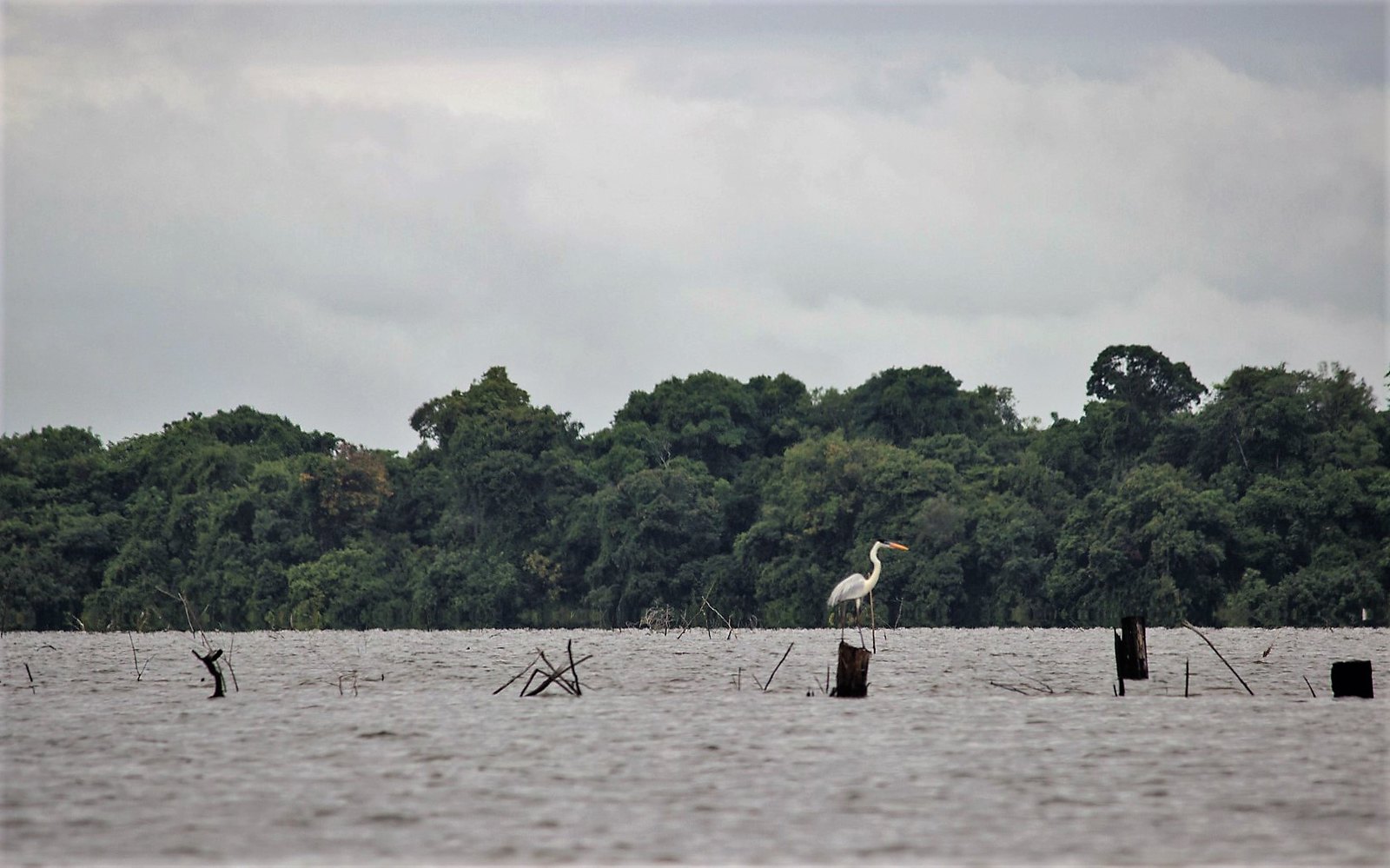
Foto: Amazon Watch / Maíra Irigaray.
A busca por justiça e reparação
Ao longo dos anos, o Ministério Público Federal do Pará, a Defensoria Pública e organizações da sociedade civil impetraram dezenas de ações judiciais em tribunais brasileiros para contestar as diversas irregularidades do projeto, bem como seus impactos. A maioria das ações permanece sem solução, algumas há mais de 10 anos.
Essas ações não obtiveram sucesso porque o governo federal tem reiteradamente anulado decisões favoráveis às comunidades afetadas, recorrendo a um mecanismo pelo qual o presidente do Supremo Tribunal Federal pode suspender uma decisão judicial com base unicamente em argumentos genéricos como "interesse nacional" ou "ordem econômica".
Diante da falta de respostas eficazes em nível nacional, a AIDA — juntamente com uma coalizão de organizações aliadas — levou o caso à Comissão Interamericana de Direitos Humanos (CIDH) e, em 2010, solicitou medidas cautelares para proteger a vida, a integridade e a saúde das comunidades indígenas afetadas.
Em 1º de abril de 2011, a CIDH concedeu essas medidas e solicitou ao Estado brasileiro a suspensão das licenças ambientais e de quaisquer obras de construção até que as condições relativas à consulta prévia e à proteção da saúde e integridade das comunidades fossem atendidas.
E, em 16 de junho de 2011, apresentamos uma denúncia formal à CIDH — juntamente com o Movimento Xingu Vivo Para Siempre, a Coordenação das Organizações Indígenas da Amazônia Brasileira, a Diocese de Altamira, o Conselho Missionário Indígena, a Sociedade Pará de Defesa dos Direitos Humanos e a Global Justice — contra o Estado brasileiro por sua responsabilidade internacional nas violações de direitos humanos contra os povos afetados neste caso. A denúncia foi apresentada em dezembro de 2015.
Em 3 de agosto de 2011, a CIDH modificou as medidas cautelares para solicitar — em vez da suspensão de licenças e obras — a proteção dos povos que vivem em isolamento voluntário, a saúde das comunidades indígenas e a regularização e proteção das terras ancestrais.
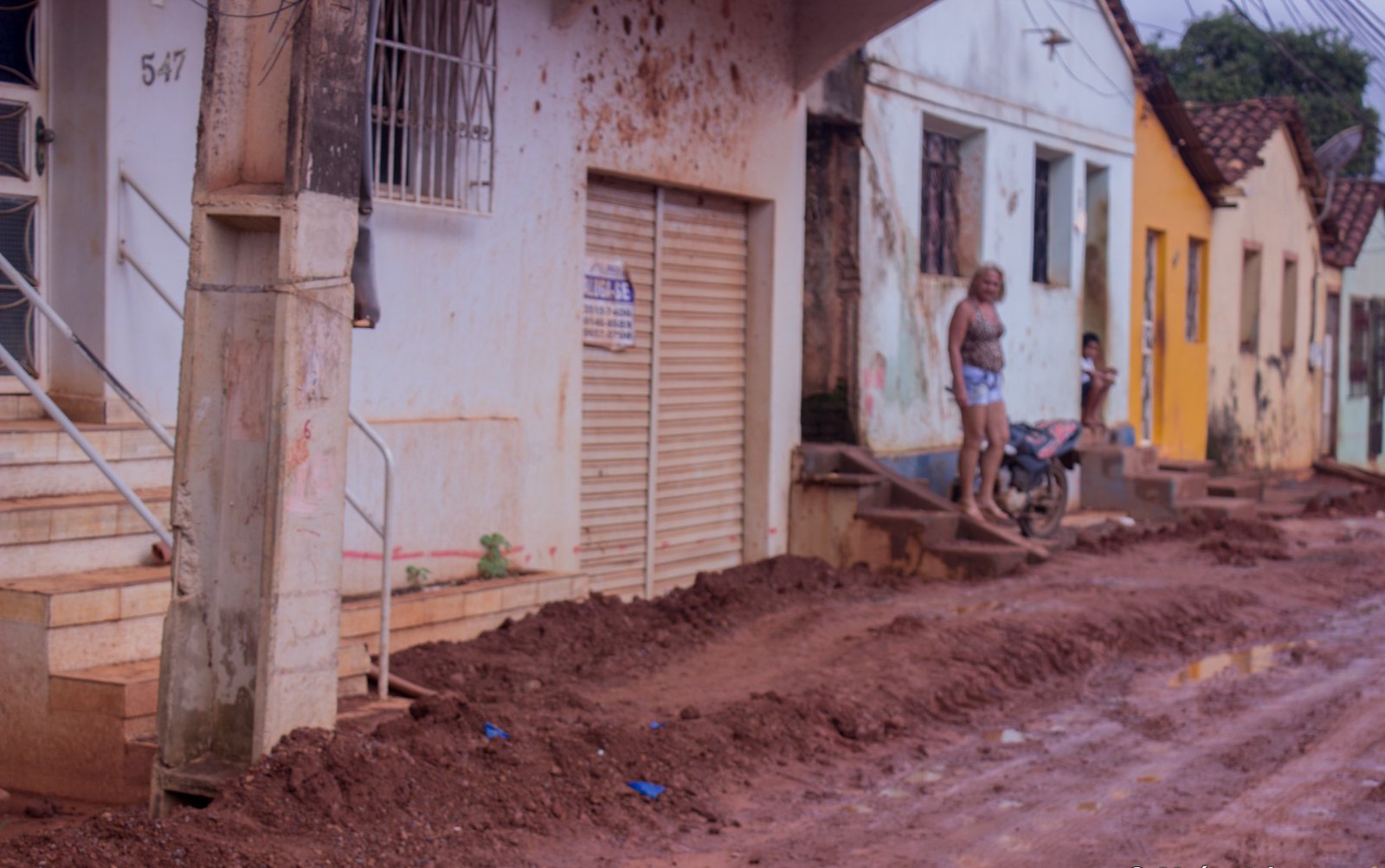
Foto: Amazon Watch / Maíra Irigaray.
Situação atual
As medidas de proteção concedidas pela CIDH permanecem em vigor, mas o Estado brasileiro não as cumpriu integralmente, relatando apenas ações genéricas. As comunidades documentaram as contínuas violações de seus direitos. A situação que motivou o pedido dessas medidas — o risco à vida, à segurança e aos meios de subsistência das comunidades — persiste e se agravou com a usina hidrelétrica operando em plena capacidade e com as recentes secas extremas na Amazônia.
Além do ocorrido em Belo Monte, existe o risco de maiores danos sociais e ambientais decorrentes da implementação de outro megaprojeto de mineração na Volta Grande do Xingu. Lá, a empresa canadense Belo Sun pretende construir a maior mina de ouro a céu aberto do Brasil.
Os impactos sinérgicos e cumulativos da usina e da mina não foram avaliados. O Estado excluiu povos indígenas, comunidades ribeirinhas e comunidades camponesas do processo de licenciamento ambiental do projeto. Apesar disso, dos protestos indígenas e de outras irregularidades em torno do projeto, o governo do estado do Pará autorizou formalmente a mina em abril de 2026.
Belo Monte, assim como outras usinas hidrelétricas, agrava a emergência climática ao gerar emissões de gases de efeito estufa em seu reservatório. Além disso, é ineficiente diante das secas prolongadas e intensas causadas pela crise, pois perde capacidade de geração de energia.
O caso perante a Comissão Interamericana
Em outubro de 2017, a CIDH anunciou que decidiria conjuntamente sobre a admissibilidade (se o caso preenche os requisitos para admissão) e o mérito (se houve, de fato, violação de direitos humanos) da denúncia internacional contra o Estado brasileiro.
Quinze anos após a apresentação da denúncia, as comunidades afetadas e as organizações que as representam ainda aguardam essa decisão. Caso a CIDH conclua que houve violações de direitos humanos e emita recomendações que o Estado brasileiro não cumpra, poderá encaminhar o caso à Corte Interamericana de Direitos Humanos, cujas decisões são vinculativas.
Uma possível decisão da Corte Internacional de Direitos Humanos neste caso estabeleceria um precedente jurídico regional em relação aos direitos dos povos indígenas e ribeirinhos, à participação pública em megaprojetos e à responsabilidade do Estado no contexto da crise climática. Isso é particularmente relevante à luz do Parecer Consultivo nº 32 da Corte, que reafirmou as obrigações dos Estados de proteger pessoas e comunidades em todo o continente da emergência climática.
Partners:
Related projects

Working to protect coral reefs in Mexico and throughout Latin America
In the Gulf of Mexico, 27 coral reefs form a submarine mountain range that runs between six islands in an area stretching for miles. Hundreds of colorful fish species, sea urchins, starfish, and sea grasses share the reef with an abundance of other life forms. This is the magnificent Veracruz Reef, the largest coral ecosystem in the Gulf. Unfortunately, planned expansion of the Port of Veracruz, recently approved by the Mexican government, will damage the reef and harm the creatures that depend on it for survival. The project will also harm the nearby Los Tuxtlas Biosphere Reserve, a jewel of Mexico’s Emerald Coast, because developers will mine it for rock to use in port construction. The environmental authority approved the port development in 2013, even though Mexico declared the Veracruz Reef System a National Protected Area in 1992. What’s more, Mexico is a party to the Ramsar Convention, an international treaty for the protection of wetlands of international importance—which includes the Veracruz Reef. Despite the reef’s recognized significance, the government has officially reduced the size of the protected area to make way for the larger port. "Now is a good time to call the attention of world leaders and diplomats to Mexico’s unsustainable actions," said AIDA legal advisor Sandra Moguel. Mexico is preparing to host the December 2016 Conference of Parties to the Convention on Biological Diversity, an international treaty to sustain the rich diversity of life on Earth. AIDA and the Mexican Center for Environmental Law (CEMDA), representing 13 organizations and individuals, have sent a letter (in Spanish) to the Secretariat of the Convention on Biological Diversity. (The Secretariat is a neutral organization staffed by international civil servants, accountable to the Conference of Parties and its subsidiary bodies, and linked to the United Nations Environment Program.) The letter requests two things of the Secretariat: assess the harms that the expansion will cause, and ask Mexico to revoke project authorization because of the serious impact it will have on the diversity of life on the reef. "The manner in which the government has authorized this development project worries us," Moguel said. "Mexico has breached their international commitment to protect the rich biodiversity within its borders, particularly when it falls within natural protected areas." AIDA’s marine team has been working on similar cases in Mexico and throughout the region, gaining expertise in national and international laws that enable the protection of coral reefs. They have produced a report that synthesizes knowledge gained through years of such work, The Protection of Coral Reefs in Mexico: Rescuing Biodiversity and its Benefits to Mankind (in Spanish). "We want to interest and inform people working in wetlands protection," Moguel said. "There is a diverse array of legal tools at their disposal, which they may not be aware of," Moguel said. "In addition to describing our own legal work on this issue, we discuss the power of international treaties and commitments that nations must abide by." The report outlines the importance of coral reefs in the world—in Mexico in particular—explores case studies, outlines relevant international treaties and obligations, and looks to best practices from nations around the region for inspiration. AIDA Marine Senior Attorney Gladys Martínez said that reports such as these are intended to raise awareness of the legal means available to protect wetlands and to highlight the different methods that decision-makers can use. "AIDA selects emblematic cases like these of Mexico, to illustrate environmental problems that recur throughout the hemisphere," said Gladys Martínez. "The threats to the Veracruz Reef System are a sign of the urgent need for nations to take effective measures to protect coral reefs and comply with their international obligations." AIDA has launched a campaign to fund the marine program’s continued efforts to protect corals in the region. Our work will provide advocates and decision-makers with the practical resources, recommendations, and tools needed to improve coral reef protection. Your donation will directly support this work, and provide a brighter future for the brilliant array of life on the coral reefs of Latin America.
Read moreWorking to protect coral reefs in Mexico and throughout Latin America
In the Gulf of Mexico, 27 coral reefs form a submarine mountain range that runs between six islands in an area stretching for miles. Hundreds of colorful fish species, sea urchins, starfish, and sea grasses share the reef with an abundance of other life forms. This is the magnificent Veracruz Reef, the largest coral ecosystem in the Gulf. Unfortunately, planned expansion of the Port of Veracruz, recently approved by the Mexican government, will damage the reef and harm the creatures that depend on it for survival. The project will also harm the nearby Los Tuxtlas Biosphere Reserve, a jewel of Mexico’s Emerald Coast, because developers will mine it for rock to use in port construction. The environmental authority approved the port development in 2013, even though Mexico declared the Veracruz Reef System a National Protected Area in 1992. What’s more, Mexico is a party to the Ramsar Convention, an international treaty for the protection of wetlands of international importance—which includes the Veracruz Reef. Despite the reef’s recognized significance, the government has officially reduced the size of the protected area to make way for the larger port. "Now is a good time to call the attention of world leaders and diplomats to Mexico’s unsustainable actions," said AIDA legal advisor Sandra Moguel. Mexico is preparing to host the December 2016 Conference of Parties to the Convention on Biological Diversity, an international treaty to sustain the rich diversity of life on Earth. AIDA and the Mexican Center for Environmental Law (CEMDA), representing 13 organizations and individuals, have sent a letter (in Spanish) to the Secretariat of the Convention on Biological Diversity. (The Secretariat is a neutral organization staffed by international civil servants, accountable to the Conference of Parties and its subsidiary bodies, and linked to the United Nations Environment Program.) The letter requests two things of the Secretariat: assess the harms that the expansion will cause, and ask Mexico to revoke project authorization because of the serious impact it will have on the diversity of life on the reef. "The manner in which the government has authorized this development project worries us," Moguel said. "Mexico has breached their international commitment to protect the rich biodiversity within its borders, particularly when it falls within natural protected areas." AIDA’s marine team has been working on similar cases in Mexico and throughout the region, gaining expertise in national and international laws that enable the protection of coral reefs. They have produced a report that synthesizes knowledge gained through years of such work, The Protection of Coral Reefs in Mexico: Rescuing Biodiversity and its Benefits to Mankind (in Spanish). "We want to interest and inform people working in wetlands protection," Moguel said. "There is a diverse array of legal tools at their disposal, which they may not be aware of," Moguel said. "In addition to describing our own legal work on this issue, we discuss the power of international treaties and commitments that nations must abide by." The report outlines the importance of coral reefs in the world—in Mexico in particular—explores case studies, outlines relevant international treaties and obligations, and looks to best practices from nations around the region for inspiration. AIDA Marine Senior Attorney Gladys Martínez said that reports such as these are intended to raise awareness of the legal means available to protect wetlands and to highlight the different methods that decision-makers can use. "AIDA selects emblematic cases like these of Mexico, to illustrate environmental problems that recur throughout the hemisphere," said Gladys Martínez. "The threats to the Veracruz Reef System are a sign of the urgent need for nations to take effective measures to protect coral reefs and comply with their international obligations." AIDA has launched a campaign to fund the marine program’s continued efforts to protect corals in the region. Our work will provide advocates and decision-makers with the practical resources, recommendations, and tools needed to improve coral reef protection. Your donation will directly support this work, and provide a brighter future for the brilliant array of life on the coral reefs of Latin America.
Read moreFracking prohibited in New York, but promoted in Colombia
Hydraulic fracturing, or fracking, is an unconventional form of extracting oil and gas. The technique requires drilling first vertically and then horizontally, and injecting a high-pressure mix of water, sand, and toxic chemicals. The injection fractures subsurface layers of shale, releasing the oil and gas contained within. Fracking has severe impacts on both the environment and human health: it contaminates surface and ground water sources, causes earthquakes and air pollution, and releases greenhouse gases, among other things. These effects have been documented in studies by the German Ministry of Environment, the US Government Accountability Office, the Canadian Council of Academies, and Anthony Ingraffea, a professor at Cornell University. On December 17, 2014 the Governor of New York announced the prohibition of fracking in the State because of the "significant health risks" posed by the practice.This argument stems from a two-year study conducted by the New York State Department of Environmental Conservation, which analyzed the impacts of fracking on human health and on air and water quality in communities throughout the state. The decision has been celebrated by environmental advocates and criticized by some investors who claim that it is denying the State economic benefits from the extractive industry. The debate over whether or not to permit fracking has been going on in other latitudes as well. In France, fracking was banned in 2011 by national law. After an oil company sued the government, the Constitutional Court upheld the ban in 2013. Bulgaria banned fracking in 2012, and Germany maintains a moratorium on the technique. Bans or moratoriums have also been issued by municipalities in the United States, Canada, Spain, Argentina, Switzerland, Italy, Ireland, the Netherlands, and Australia. Despite this international precedent, the Colombian government has promoted fracking. In 2008, the National Hydrocarbons Agency issued a study to identify the potential in unconventional hydrocarbons in the country. In 2012, the National Environmental Licensing Authority authorized a hydraulic fracturing project in Boyacá. That year, the Comptroller General of the Republic issued just one warning recommending that companies "take into account the precautionary principle regarding the latent risk hydraulic fracturing poses to environmental heritage through the possible contamination of groundwater and surface water sources, geological risk, and the risk to public health and nearby urban centers." In January 2015, in a special performance-monitoring warning, the Comptroller found that the State had not adopted the necessary measures. By the end of 2012, the Colombian government began creating a regulatory framework for fracking in Colombia. They contracted international experts to regulate and identify the impacts of the technique. An investigation by independent news site La Silla Vacía has found that several of these experts are linked to the oil industry. The Ministry of Mines and the National Hydrocarbons Agency then issued legal instruments that would serve as the framework for the start of fracking in the country. Francisco José Lloreda, president of the Colombian Petroleum Association, publicly stated that without fracking “we would have a fiscal catastrophe” within six or seven years. And the Minister of Mines, Tomás González, said that fracking is needed to finance the country’s peace process. Even before fracking began in Colombia, various sectors issued warnings. In August 2014, AIDA publicly urged (in Spanish) the government to apply the precautionary principle and prevent the serious and irreversible consequences of fracking. Later, in September, the National Environmental Forum and other organizations requested a conditional moratorium on fracking in Colombia. Additionally, Housing Minister Luis Felipe Henao voiced concern about the effect fracking would have on the water supply. He said, "To me, as Minister of Water, fracking scares me.… When you see what is happening in Santa Marta, you realize that one can invest a lot in pipes, but if you don’t have clean water supplies, you won’t do much more than carry air through them." From all these arguments, the obvious question arises: Why is fracking – which has been prohibited or restricted in various countries and municipalities – being promoted by the Colombian government? The most apparent response is that it will increase extraction of hydrocarbons and, as a consequence, the revenues of government and private industry. What government and industry do not see is that no amount of revenue is great enough to offset the social and environmental impacts of fracking, or of the possible new conflicts that may arise because of its effects on water resources. We have seen nationally (Guajira and Arauca) and internationally (Los Angeles and San Paulo) that without drinkable water, a successful economy,and even life itself are not feasible.
Read more