
Project
Amazon Watch / Maíra Irigaray
Barragem de Belo Monte no rio Xingu: 10 anos de impactos na Amazônia e de busca por reparações
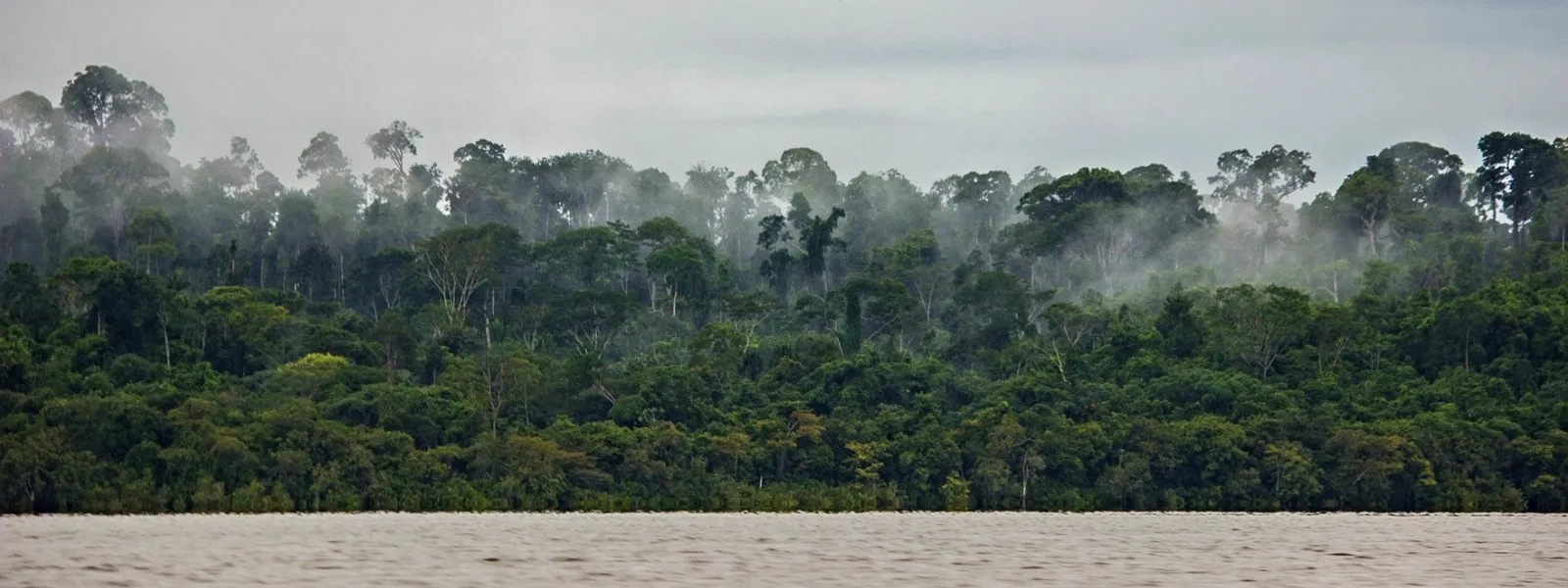
A usina hidrelétrica de Belo Monte causou um desastre ambiental e social no coração da Amazônia: um dos ecossistemas mais importantes do planeta.
Essa situação só piorou desde que a usina começou a operar em 2016. A busca por justiça e reparação para as comunidades indígenas e ribeirinhas afetadas continua até hoje.
Em 2011, a Comissão Interamericana de Direitos Humanos (CIDH) concedeu a essas comunidades medidas de proteção, que até hoje não foram totalmente implementadas pelo Estado brasileiro.
E, desde junho daquele mesmo ano, a CIDH mantém um processo contra o Estado por sua responsabilidade internacional no caso.
A CIDH pode encaminhar o caso à Corte Interamericana de Direitos Humanos, que tem o poder de emitir uma sentença condenatória contra o Estado brasileiro.
Consulta o expediente de fatos do caso
Após 10 anos de operação da usina hidrelétrica e mais de 15 anos de violações de direitos humanos documentadas, é hora da justiça ser feita para as comunidades afetadas.
Leia a carta aberta das organizações que levam o caso à CIDH
Leia nosso comunicado à imprensa
Contexto
A usina hidrelétrica de Belo Monte — a quarta maior do mundo em capacidade instalada (11.233 MW) — foi construída no rio Xingu, no estado do Pará, norte do Brasil.
Foi inaugurada em 5 de maio de 2016, com uma única turbina. Naquela época, 80% do curso do rio foi desviado e 516 km² de terra foram inundados, uma área maior que a cidade de Chicago. Desse total, 400 km² eram de mata nativa. A usina começou a operar em plena capacidade em novembro de 2019.
Belo Monte foi construída e é operada pelo consórcio Norte Energia S.A., composto principalmente por empresas estatais. Foi financiada pelo Banco Nacional de Desenvolvimento Econômico e Social (BNDES), que aportou ao consórcio 25,4 bilhões de reais (aproximadamente US$ 10,16 bilhões), o maior investimento de sua história. Portanto, o BNDES também é legalmente responsável pelos impactos socioambientais associados ao projeto hidrelétrico.
Décadas de danos ambientais e humanos
As violações dos direitos humanos e a degradação da Amazônia remontam ao início do projeto. Em março de 2011, a Norte Energia iniciou a construção da barragem sem consulta adequada e sem o consentimento prévio, livre e informado das comunidades afetadas.
A construção levou ao deslocamento forçado de mais de 40.000 pessoas, rompendo laços sociais e culturais. O plano de reassentamento em Altamira — cidade diretamente afetada pelo projeto hidrelétrico — incluía moradias na periferia da cidade, sem serviços públicos adequados, moradias dignas para as famílias reassentadas e moradias diferenciadas para aqueles pertencentes a comunidades indígenas.
A operação da barragem de Belo Monte impôs uma seca permanente e artificial na Volta Grande do rio Xingu, agravada pelas secas históricas na Amazônia em 2023 e 2024. Como resultado, a morte de milhões de ovos de peixe foi documentada por quatro anos consecutivos (de 2021 a 2024) e, nos últimos três anos, não houve migração de peixes rio acima para desovar e se reproduzir. Assim, a pesca artesanal, principal fonte de proteína para os povos indígenas e comunidades ribeirinhas, foi severamente afetada: o consumo de peixe caiu de 50% para 30% do total de proteínas consumidas, sendo substituído por alimentos processados. Em suma, houve um colapso ambiental e humanitário que resultou no colapso da pesca como modo de vida tradicional, insegurança alimentar e falta de acesso à água potável para milhares de famílias, empobrecimento e doenças.
Além disso, a construção da barragem aumentou o desmatamento e intensificou a extração ilegal de madeira e a insegurança em terras indígenas e tribais, colocando em risco a sobrevivência dessas comunidades. Outra consequência foi o agravamento da pobreza e dos conflitos sociais, bem como a sobrecarga dos sistemas de saúde, educação e segurança pública em Altamira, cidade considerada a mais violenta do país em 2017, onde houve aumento do tráfico de pessoas e da violência sexual. Também foram registrados casos de violência contra defensores de direitos humanos envolvidos no caso.
Em 2025, durante a 30ª Conferência das Nações Unidas sobre Mudanças Climáticas (COP30), realizada no Brasil, o Ministério Público Federal classificou os danos causados por Belo Monte como ecocídio.
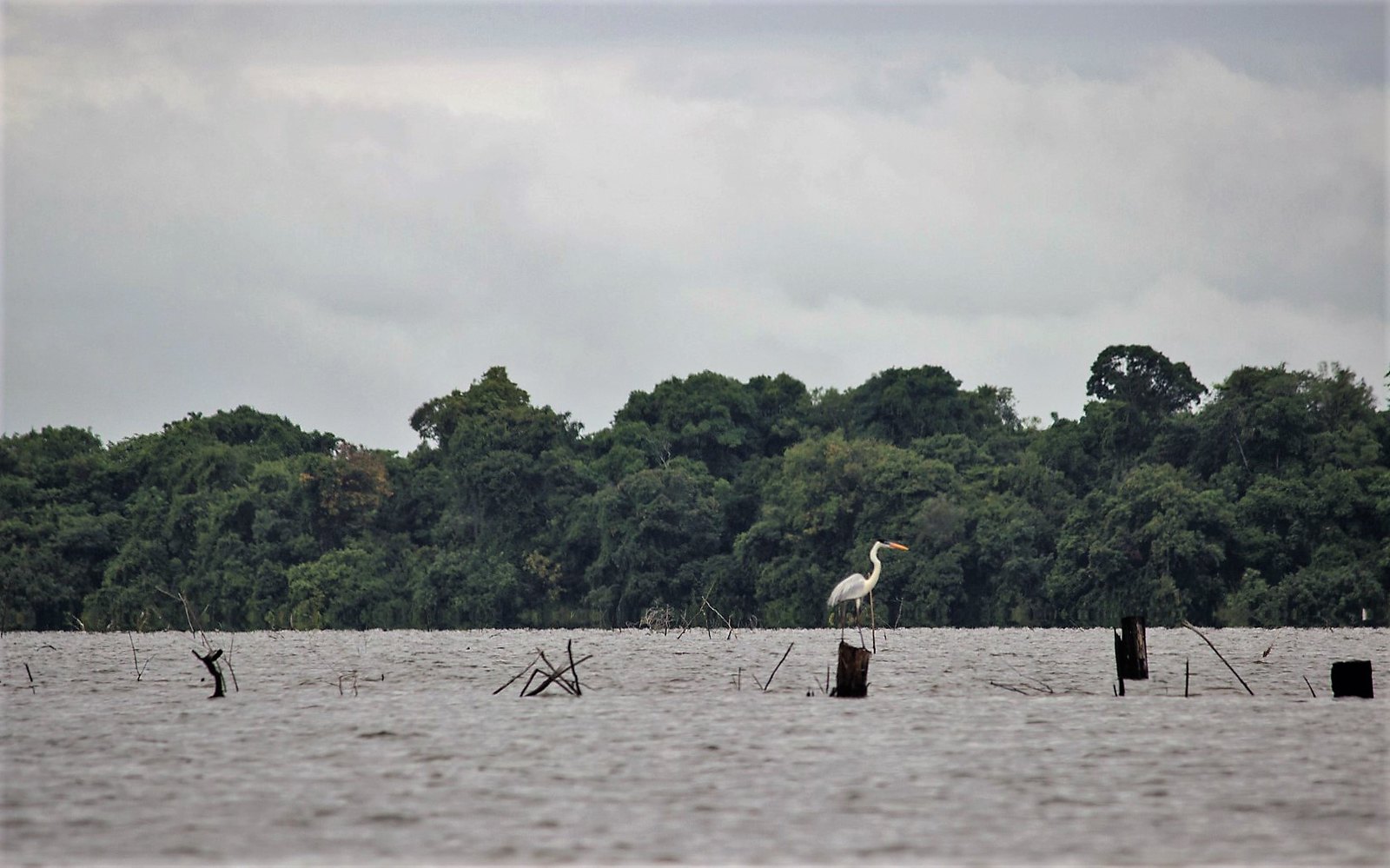
Foto: Amazon Watch / Maíra Irigaray.
A busca por justiça e reparação
Ao longo dos anos, o Ministério Público Federal do Pará, a Defensoria Pública e organizações da sociedade civil impetraram dezenas de ações judiciais em tribunais brasileiros para contestar as diversas irregularidades do projeto, bem como seus impactos. A maioria das ações permanece sem solução, algumas há mais de 10 anos.
Essas ações não obtiveram sucesso porque o governo federal tem reiteradamente anulado decisões favoráveis às comunidades afetadas, recorrendo a um mecanismo pelo qual o presidente do Supremo Tribunal Federal pode suspender uma decisão judicial com base unicamente em argumentos genéricos como "interesse nacional" ou "ordem econômica".
Diante da falta de respostas eficazes em nível nacional, a AIDA — juntamente com uma coalizão de organizações aliadas — levou o caso à Comissão Interamericana de Direitos Humanos (CIDH) e, em 2010, solicitou medidas cautelares para proteger a vida, a integridade e a saúde das comunidades indígenas afetadas.
Em 1º de abril de 2011, a CIDH concedeu essas medidas e solicitou ao Estado brasileiro a suspensão das licenças ambientais e de quaisquer obras de construção até que as condições relativas à consulta prévia e à proteção da saúde e integridade das comunidades fossem atendidas.
E, em 16 de junho de 2011, apresentamos uma denúncia formal à CIDH — juntamente com o Movimento Xingu Vivo Para Siempre, a Coordenação das Organizações Indígenas da Amazônia Brasileira, a Diocese de Altamira, o Conselho Missionário Indígena, a Sociedade Pará de Defesa dos Direitos Humanos e a Global Justice — contra o Estado brasileiro por sua responsabilidade internacional nas violações de direitos humanos contra os povos afetados neste caso. A denúncia foi apresentada em dezembro de 2015.
Em 3 de agosto de 2011, a CIDH modificou as medidas cautelares para solicitar — em vez da suspensão de licenças e obras — a proteção dos povos que vivem em isolamento voluntário, a saúde das comunidades indígenas e a regularização e proteção das terras ancestrais.
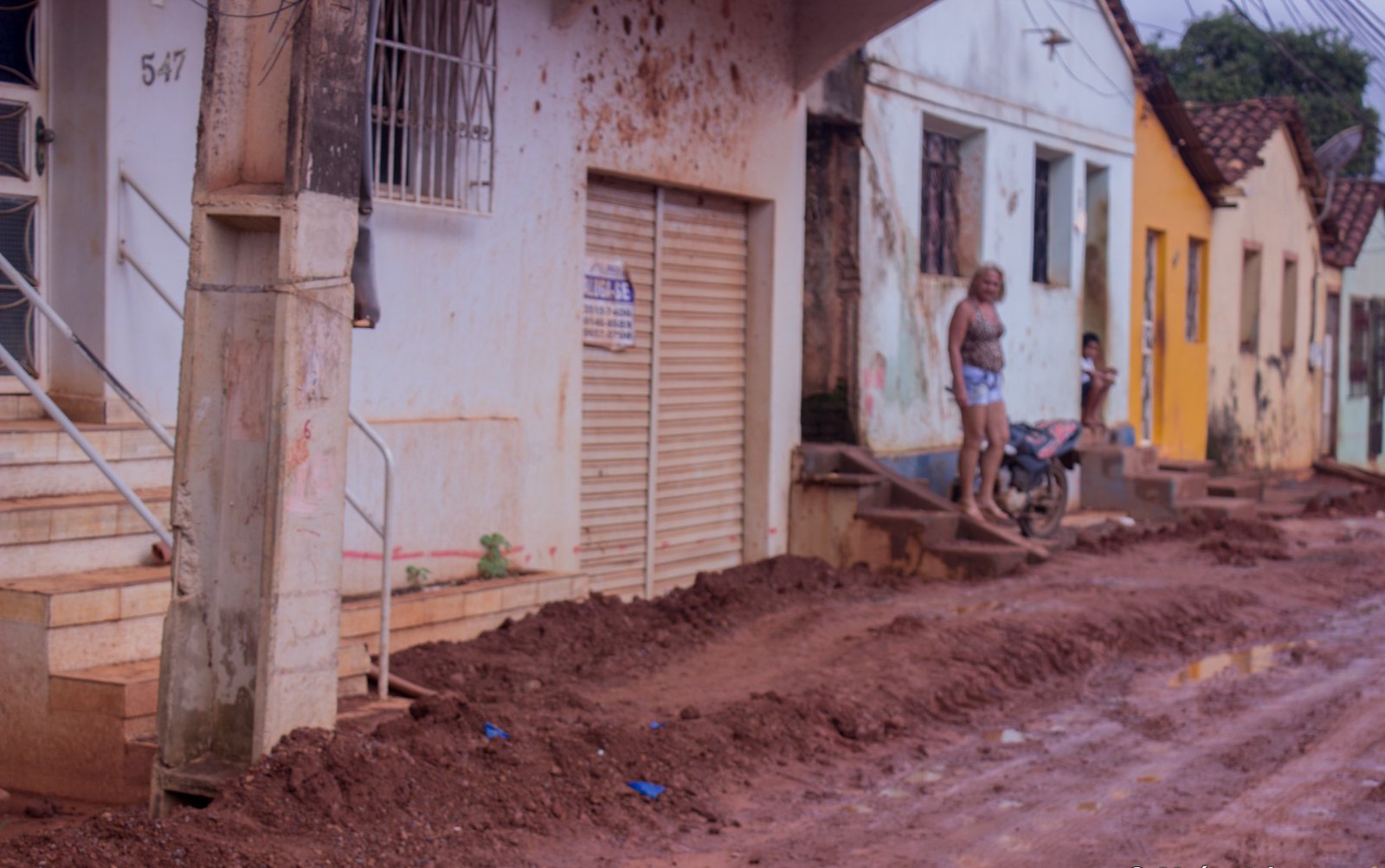
Foto: Amazon Watch / Maíra Irigaray.
Situação atual
As medidas de proteção concedidas pela CIDH permanecem em vigor, mas o Estado brasileiro não as cumpriu integralmente, relatando apenas ações genéricas. As comunidades documentaram as contínuas violações de seus direitos. A situação que motivou o pedido dessas medidas — o risco à vida, à segurança e aos meios de subsistência das comunidades — persiste e se agravou com a usina hidrelétrica operando em plena capacidade e com as recentes secas extremas na Amazônia.
Além do ocorrido em Belo Monte, existe o risco de maiores danos sociais e ambientais decorrentes da implementação de outro megaprojeto de mineração na Volta Grande do Xingu. Lá, a empresa canadense Belo Sun pretende construir a maior mina de ouro a céu aberto do Brasil.
Os impactos sinérgicos e cumulativos da usina e da mina não foram avaliados. O Estado excluiu povos indígenas, comunidades ribeirinhas e comunidades camponesas do processo de licenciamento ambiental do projeto. Apesar disso, dos protestos indígenas e de outras irregularidades em torno do projeto, o governo do estado do Pará autorizou formalmente a mina em abril de 2026.
Belo Monte, assim como outras usinas hidrelétricas, agrava a emergência climática ao gerar emissões de gases de efeito estufa em seu reservatório. Além disso, é ineficiente diante das secas prolongadas e intensas causadas pela crise, pois perde capacidade de geração de energia.
O caso perante a Comissão Interamericana
Em outubro de 2017, a CIDH anunciou que decidiria conjuntamente sobre a admissibilidade (se o caso preenche os requisitos para admissão) e o mérito (se houve, de fato, violação de direitos humanos) da denúncia internacional contra o Estado brasileiro.
Quinze anos após a apresentação da denúncia, as comunidades afetadas e as organizações que as representam ainda aguardam essa decisão. Caso a CIDH conclua que houve violações de direitos humanos e emita recomendações que o Estado brasileiro não cumpra, poderá encaminhar o caso à Corte Interamericana de Direitos Humanos, cujas decisões são vinculativas.
Uma possível decisão da Corte Internacional de Direitos Humanos neste caso estabeleceria um precedente jurídico regional em relação aos direitos dos povos indígenas e ribeirinhos, à participação pública em megaprojetos e à responsabilidade do Estado no contexto da crise climática. Isso é particularmente relevante à luz do Parecer Consultivo nº 32 da Corte, que reafirmou as obrigações dos Estados de proteger pessoas e comunidades em todo o continente da emergência climática.
Partners:
Related projects
Wetlands: Vital and At Risk
Temporarily or permanently flooded extensions of land create wetlands— oxygen-deprived, hybrid ecosystems that combine the characteristics of both aquatic and terrestrial systems. Wetlands include marshes, páramos, bogs, peatlands, swamps, mangroves and coral reefs. Wetlands provide people with a host of benefits: Wetlands are natural supermarkets that contain an incredible amount of biodiversity: they are home to more than 100,000 known freshwater species. Our allies in the fight against climate change, wetlands capture and store carbon from the atmosphere. It is estimated that over long periods of time, a hectare of mangroves captures 50 times more carbon dioxide than a tropical forest. Wetlands help to reduce the risk of natural disasters . An example of this happened in 2011, when the Veracruz Reef System in the Gulf of Mexico protected the city of Veracruz from the category four Hurricane Karl. Wetlands are a source of livelihood and employment for millions of people. In Panama alone, 90 percent of incomefrom fishing comes from catching species that, at some stage in their life, depend on the wetlands of the Panama Bay. What’s more, water to irrigate the country’s 570 million agricultural crops comes from these ecosystems. By forming beautiful landscapes, wetlands are a center of recreational and tourist activities, such as bird watching. Under threat Even though they are one of the most productive ecosystems in the world, more than 64% of the world’s wetlands have disappeared. The causes of their degradation include: Activities like agriculture that promote changes in land use , and contribute to the loss of coverage of wetlands. An example is the Ciénaga Grande de Santa Marta in Colombia, which is at risk from agricultural practices that have affected its water supply. Poorly planned urban development like that which threatened Panama Bay, where the mangroves were filled in and cut down to construct roads and houses. Obstruction of the water flow that feeds wetlands, as in the construction of the Las Cruces hydroelectric project in Mexico on the San Pedro Mezquital river, on which Marismas Nacionales, one of the most important mangrove forests in the country, depends. Contamination of subterranean water sources by activities like mining. What can we do for them? At AIDA we work to protect wetlands in the Americas . We’ve advocated for the preservation of the Colombian páramosand the Mexican wetlands, such as Cabo Pulmo, Marismas Nacionales and the Veracruz Reef System. We’ve also created rigorous reports about the international legal obligations that Costa Rica must meet to protect its corals, and about the standards of protection of corals in Mexico. And we’re ready to do more! We are currently preparing for the 12th Conference of Parties (COP12) for the Ramsar Convention , an intergovernmental treaty that has since 1971 promoted the protection of wetlands and established principles for their conservation and sustainable use through national action and international cooperation. The countries that sign and ratify the Convention are home to wetlands on the Ramsar List. They commit to taking steps necessary to maintain the ecological characteristics of these sites , which hold such significant value for their country and for all of humanity. The Conference will put to the test the promises that Latin American countries have made to protect their wetlands. The Parties will release Strategic Plan 2016-2021 , which will lay the foundation for the conservation of these ecosystems in the region. We’ll be at the Conference alongside partner organizations and decision markers to advocate for the best possible preservation of these beacons of health and biodiversity for the region.
Read morePáramos: Defending Water in Colombia
Colombia’s páramos occupy just 1.7 percent of the national territory, yet they produce 85 percent of its drinking water. These rich sources of life are threatened by activities like large-scale mining, and their protection should be a point of national interest. So just how does the magic happen? The páramos are high altitude wetlands. Despite being located in the equatorial zone, they remain cool throughout the year, which enables their soils to maintain rich volcanic nutrients. All these characteristics make the páramos true sponges that capture moisture from the atmosphere, purify water and regulate its flow. The growth of the economy, the production of electricity and life itself are all made possible by the water provided by Colombia’s páramos: Bogota’s water comes from the páramos of Sumpaz, Chingaza (at risk) and Cruz Verde (at risk from mining exploration). The water in Medellin arrives from the páramo of Belmira. The Santurbán páramo (at risk from gold mining projects) supplies water to Bucaramanga. In Cali, the Farallones are vital springs of water. Life in all these cities depends on the páramos. That’s why AIDA is committed to the protection of these valuable ecosystems. It’s about defending our sources of fresh water, our right to live. This fight recently called us to: Call the World Bank’s attention to the risks of its investment in the Angostura mine, in the Santurbán páramo, which would harm both people and the environment. Co-organize a seminar about páramos and mining at the Universidad Sergio Arboleda in order to discuss and understand the latest legal and technical regulations on the subject. We Are Not Alone Social movements in defense of water, life and páramos have blossomed across the country. The Committee for the Defense of Water and the Santurbán Páramo and the Committee for Cruz Verde are two strong examples. Greenpeace Colombia has also promoted the end of mining in the Pisba páramo in Boyacá. Meanwhile, after many extensions, the Environmental Minister announced last December the delimitation of the Santurbán páramo. However, he also announced that mining projects that already had a title and an environmental license would be permitted to continue. The Canadian mining company Eco Oro then issued a public statement that, even with the delimitation of Santurbán, it would continue developing the Angostura mine on a smaller scale. This delimitation opens the way for similar actions on which the recognition and protection of other Colombian páramos will depend. As members of civil society we must remain vigilant so that such actions comply with national and international environmental and human rights standards. Our water, and therefore our life, is at risk. Where will our fresh water come from in 2015, when our numbers are millions more? If we don’t protect our páramos today, Colombia’s future generations will be deprived of access to water. Current problems in Lima, Peru and São Paulo, Brazil remind us that this reality might not be too far away.
Read morePáramos: Defending Water in Colombia
Colombia’s páramos occupy just 1.7 percent of the national territory, yet they produce 85 percent of its drinking water. These rich sources of life are threatened by activities like large-scale mining, and their protection should be a point of national interest. So just how does the magic happen? The páramos are high altitude wetlands. Despite being located in the equatorial zone, they remain cool throughout the year, which enables their soils to maintain rich volcanic nutrients. All these characteristics make the páramos true sponges that capture moisture from the atmosphere, purify water and regulate its flow. The growth of the economy, the production of electricity and life itself are all made possible by the water provided by Colombia’s páramos: Bogota’s water comes from the páramos of Sumpaz, Chingaza (at risk) and Cruz Verde (at risk from mining exploration). The water in Medellin arrives from the páramo of Belmira. The Santurbán páramo (at risk from gold mining projects) supplies water to Bucaramanga. In Cali, the Farallones are vital springs of water. Life in all these cities depends on the páramos. That’s why AIDA is committed to the protection of these valuable ecosystems. It’s about defending our sources of fresh water, our right to live. This fight recently called us to: Call the World Bank’s attention to the risks of its investment in the Angostura mine, in the Santurbán páramo, which would harm both people and the environment. Co-organize a seminar about páramos and mining at the Universidad Sergio Arboleda in order to discuss and understand the latest legal and technical regulations on the subject. We Are Not Alone Social movements in defense of water, life and páramos have blossomed across the country. The Committee for the Defense of Water and the Santurbán Páramo and the Committee for Cruz Verde are two strong examples. Greenpeace Colombia has also promoted the end of mining in the Pisba páramo in Boyacá. Meanwhile, after many extensions, the Environmental Minister announced last December the delimitation of the Santurbán páramo. However, he also announced that mining projects that already had a title and an environmental license would be permitted to continue. The Canadian mining company Eco Oro then issued a public statement that, even with the delimitation of Santurbán, it would continue developing the Angostura mine on a smaller scale. This delimitation opens the way for similar actions on which the recognition and protection of other Colombian páramos will depend. As members of civil society we must remain vigilant so that such actions comply with national and international environmental and human rights standards. Our water, and therefore our life, is at risk. Where will our fresh water come from in 2015, when our numbers are millions more? If we don’t protect our páramos today, Colombia’s future generations will be deprived of access to water. Current problems in Lima, Peru and São Paulo, Brazil remind us that this reality might not be too far away.
Read more