
Project
Amazon Watch / Maíra Irigaray
Barragem de Belo Monte no rio Xingu: 10 anos de impactos na Amazônia e de busca por reparações
A usina hidrelétrica de Belo Monte causou um desastre ambiental e social no coração da Amazônia: um dos ecossistemas mais importantes do planeta.
Essa situação só piorou desde que a usina começou a operar em 2016. A busca por justiça e reparação para as comunidades indígenas e ribeirinhas afetadas continua até hoje.
Em 2011, a Comissão Interamericana de Direitos Humanos (CIDH) concedeu a essas comunidades medidas de proteção, que até hoje não foram totalmente implementadas pelo Estado brasileiro.
E, desde junho daquele mesmo ano, a CIDH mantém um processo contra o Estado por sua responsabilidade internacional no caso.
A CIDH pode encaminhar o caso à Corte Interamericana de Direitos Humanos, que tem o poder de emitir uma sentença condenatória contra o Estado brasileiro.
Consulta o expediente de fatos do caso
Após 10 anos de operação da usina hidrelétrica e mais de 15 anos de violações de direitos humanos documentadas, é hora da justiça ser feita para as comunidades afetadas.
Leia a carta aberta das organizações que levam o caso à CIDH
Leia nosso comunicado à imprensa
Contexto
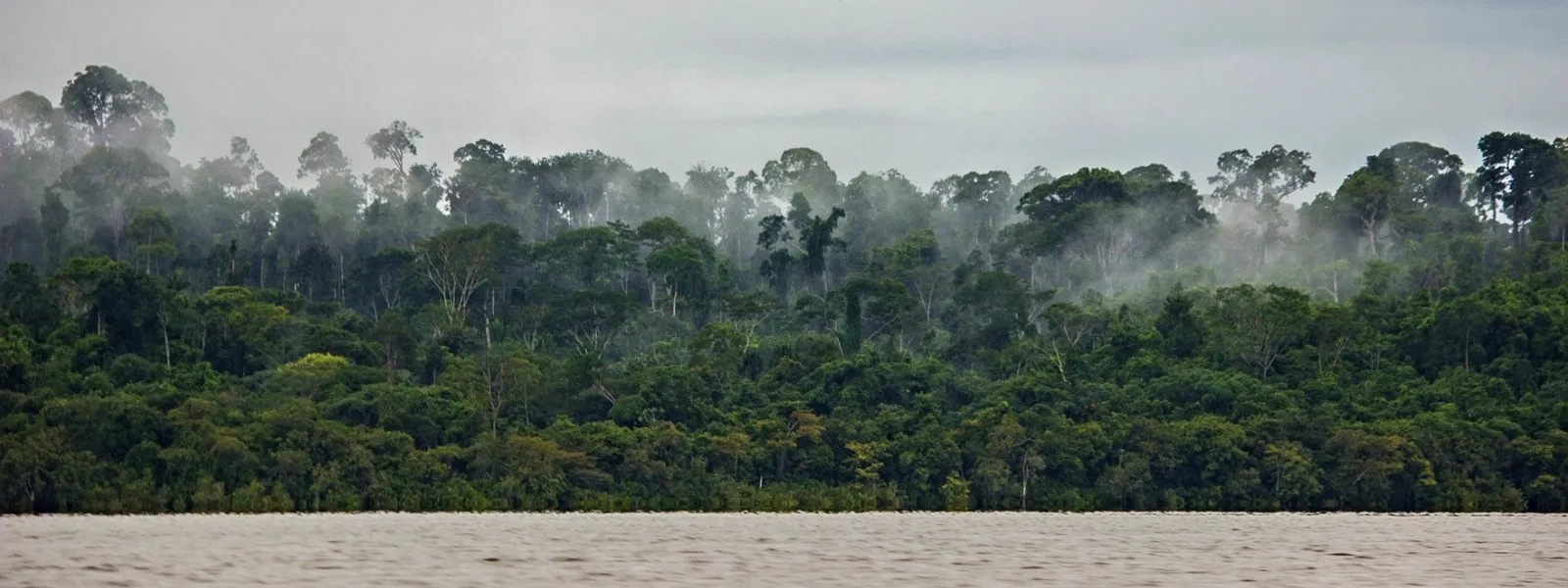
A usina hidrelétrica de Belo Monte — a quarta maior do mundo em capacidade instalada (11.233 MW) — foi construída no rio Xingu, no estado do Pará, norte do Brasil.
Foi inaugurada em 5 de maio de 2016, com uma única turbina. Naquela época, 80% do curso do rio foi desviado e 516 km² de terra foram inundados, uma área maior que a cidade de Chicago. Desse total, 400 km² eram de mata nativa. A usina começou a operar em plena capacidade em novembro de 2019.
Belo Monte foi construída e é operada pelo consórcio Norte Energia S.A., composto principalmente por empresas estatais. Foi financiada pelo Banco Nacional de Desenvolvimento Econômico e Social (BNDES), que aportou ao consórcio 25,4 bilhões de reais (aproximadamente US$ 10,16 bilhões), o maior investimento de sua história. Portanto, o BNDES também é legalmente responsável pelos impactos socioambientais associados ao projeto hidrelétrico.
Décadas de danos ambientais e humanos
As violações dos direitos humanos e a degradação da Amazônia remontam ao início do projeto. Em março de 2011, a Norte Energia iniciou a construção da barragem sem consulta adequada e sem o consentimento prévio, livre e informado das comunidades afetadas.
A construção levou ao deslocamento forçado de mais de 40.000 pessoas, rompendo laços sociais e culturais. O plano de reassentamento em Altamira — cidade diretamente afetada pelo projeto hidrelétrico — incluía moradias na periferia da cidade, sem serviços públicos adequados, moradias dignas para as famílias reassentadas e moradias diferenciadas para aqueles pertencentes a comunidades indígenas.
A operação da barragem de Belo Monte impôs uma seca permanente e artificial na Volta Grande do rio Xingu, agravada pelas secas históricas na Amazônia em 2023 e 2024. Como resultado, a morte de milhões de ovos de peixe foi documentada por quatro anos consecutivos (de 2021 a 2024) e, nos últimos três anos, não houve migração de peixes rio acima para desovar e se reproduzir. Assim, a pesca artesanal, principal fonte de proteína para os povos indígenas e comunidades ribeirinhas, foi severamente afetada: o consumo de peixe caiu de 50% para 30% do total de proteínas consumidas, sendo substituído por alimentos processados. Em suma, houve um colapso ambiental e humanitário que resultou no colapso da pesca como modo de vida tradicional, insegurança alimentar e falta de acesso à água potável para milhares de famílias, empobrecimento e doenças.
Além disso, a construção da barragem aumentou o desmatamento e intensificou a extração ilegal de madeira e a insegurança em terras indígenas e tribais, colocando em risco a sobrevivência dessas comunidades. Outra consequência foi o agravamento da pobreza e dos conflitos sociais, bem como a sobrecarga dos sistemas de saúde, educação e segurança pública em Altamira, cidade considerada a mais violenta do país em 2017, onde houve aumento do tráfico de pessoas e da violência sexual. Também foram registrados casos de violência contra defensores de direitos humanos envolvidos no caso.
Em 2025, durante a 30ª Conferência das Nações Unidas sobre Mudanças Climáticas (COP30), realizada no Brasil, o Ministério Público Federal classificou os danos causados por Belo Monte como ecocídio.
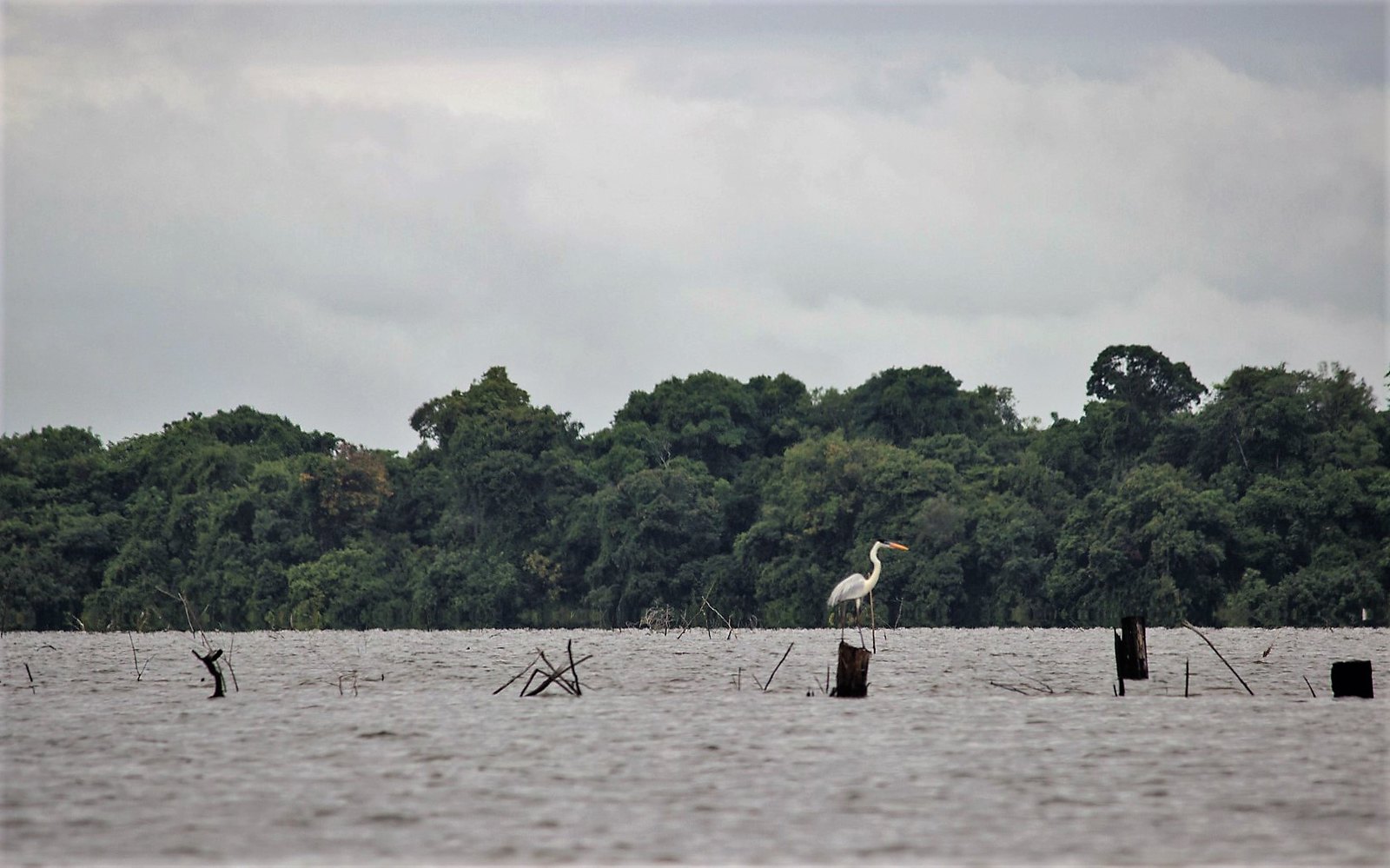
Foto: Amazon Watch / Maíra Irigaray.
A busca por justiça e reparação
Ao longo dos anos, o Ministério Público Federal do Pará, a Defensoria Pública e organizações da sociedade civil impetraram dezenas de ações judiciais em tribunais brasileiros para contestar as diversas irregularidades do projeto, bem como seus impactos. A maioria das ações permanece sem solução, algumas há mais de 10 anos.
Essas ações não obtiveram sucesso porque o governo federal tem reiteradamente anulado decisões favoráveis às comunidades afetadas, recorrendo a um mecanismo pelo qual o presidente do Supremo Tribunal Federal pode suspender uma decisão judicial com base unicamente em argumentos genéricos como "interesse nacional" ou "ordem econômica".
Diante da falta de respostas eficazes em nível nacional, a AIDA — juntamente com uma coalizão de organizações aliadas — levou o caso à Comissão Interamericana de Direitos Humanos (CIDH) e, em 2010, solicitou medidas cautelares para proteger a vida, a integridade e a saúde das comunidades indígenas afetadas.
Em 1º de abril de 2011, a CIDH concedeu essas medidas e solicitou ao Estado brasileiro a suspensão das licenças ambientais e de quaisquer obras de construção até que as condições relativas à consulta prévia e à proteção da saúde e integridade das comunidades fossem atendidas.
E, em 16 de junho de 2011, apresentamos uma denúncia formal à CIDH — juntamente com o Movimento Xingu Vivo Para Siempre, a Coordenação das Organizações Indígenas da Amazônia Brasileira, a Diocese de Altamira, o Conselho Missionário Indígena, a Sociedade Pará de Defesa dos Direitos Humanos e a Global Justice — contra o Estado brasileiro por sua responsabilidade internacional nas violações de direitos humanos contra os povos afetados neste caso. A denúncia foi apresentada em dezembro de 2015.
Em 3 de agosto de 2011, a CIDH modificou as medidas cautelares para solicitar — em vez da suspensão de licenças e obras — a proteção dos povos que vivem em isolamento voluntário, a saúde das comunidades indígenas e a regularização e proteção das terras ancestrais.
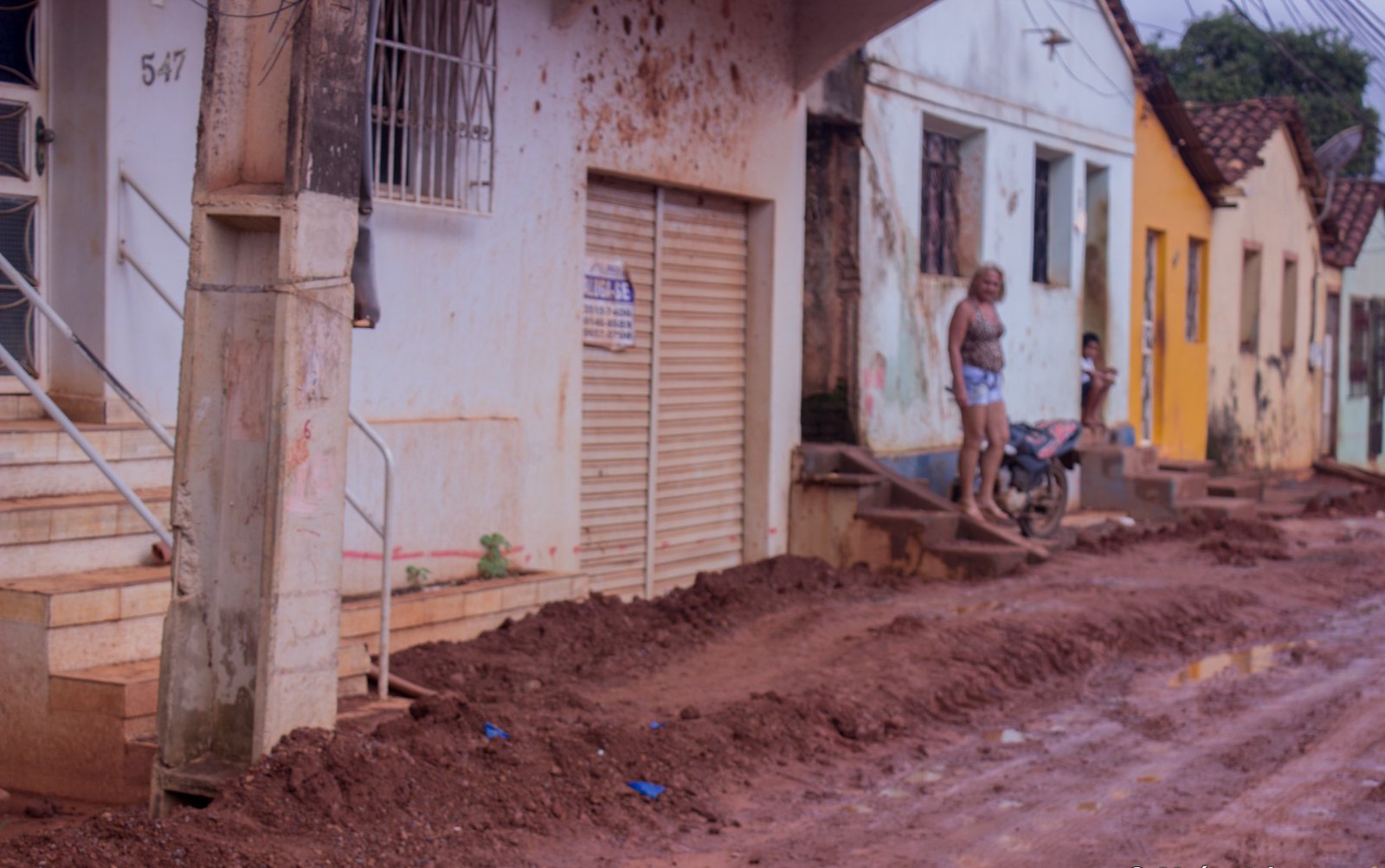
Foto: Amazon Watch / Maíra Irigaray.
Situação atual
As medidas de proteção concedidas pela CIDH permanecem em vigor, mas o Estado brasileiro não as cumpriu integralmente, relatando apenas ações genéricas. As comunidades documentaram as contínuas violações de seus direitos. A situação que motivou o pedido dessas medidas — o risco à vida, à segurança e aos meios de subsistência das comunidades — persiste e se agravou com a usina hidrelétrica operando em plena capacidade e com as recentes secas extremas na Amazônia.
Além do ocorrido em Belo Monte, existe o risco de maiores danos sociais e ambientais decorrentes da implementação de outro megaprojeto de mineração na Volta Grande do Xingu. Lá, a empresa canadense Belo Sun pretende construir a maior mina de ouro a céu aberto do Brasil.
Os impactos sinérgicos e cumulativos da usina e da mina não foram avaliados. O Estado excluiu povos indígenas, comunidades ribeirinhas e comunidades camponesas do processo de licenciamento ambiental do projeto. Apesar disso, dos protestos indígenas e de outras irregularidades em torno do projeto, o governo do estado do Pará autorizou formalmente a mina em abril de 2026.
Belo Monte, assim como outras usinas hidrelétricas, agrava a emergência climática ao gerar emissões de gases de efeito estufa em seu reservatório. Além disso, é ineficiente diante das secas prolongadas e intensas causadas pela crise, pois perde capacidade de geração de energia.
O caso perante a Comissão Interamericana
Em outubro de 2017, a CIDH anunciou que decidiria conjuntamente sobre a admissibilidade (se o caso preenche os requisitos para admissão) e o mérito (se houve, de fato, violação de direitos humanos) da denúncia internacional contra o Estado brasileiro.
Quinze anos após a apresentação da denúncia, as comunidades afetadas e as organizações que as representam ainda aguardam essa decisão. Caso a CIDH conclua que houve violações de direitos humanos e emita recomendações que o Estado brasileiro não cumpra, poderá encaminhar o caso à Corte Interamericana de Direitos Humanos, cujas decisões são vinculativas.
Uma possível decisão da Corte Internacional de Direitos Humanos neste caso estabeleceria um precedente jurídico regional em relação aos direitos dos povos indígenas e ribeirinhos, à participação pública em megaprojetos e à responsabilidade do Estado no contexto da crise climática. Isso é particularmente relevante à luz do Parecer Consultivo nº 32 da Corte, que reafirmou as obrigações dos Estados de proteger pessoas e comunidades em todo o continente da emergência climática.
Partners:
Related projects
Five Reasons to Protect the Peruvian Anchoveta
The anchoveta (Engraulis ringens), a wide-eyed fish 12 to 15 centimeters long, is prevalent in the Pacific coastal waters of Peru. When I first heard of this little fish, I had no idea how important it was for both the environment and the Peruvian population. Commercially, the anchoveta is used to produce fishmeal for animal feed and, to a lesser extent, for human consumption. But it’s also an important source of nutrition for the fish, mammals and birds of the Humboldt Current, one of the most biodiverse cold-water ocean currents in the world. Two years ago, AIDA began collaborating with the Peruvian Society for Environmental Law and Earthjustice to recommend changes to Peruvian law that would ensure sustainable management of the anchoveta fishery. We’ve recently released a report in which we stress the importance of ecosystem management. Decisions about how much anchoveta to catch, and when, should take into account both the commercial fishing industry and the health of the Humboldt Current ecosystem. Here are the five most important reasons to promote ecosystem management of the Peruvian anchoveta fishery: 1. Species of mammals, fish and birds depend on the anchoveta for nourishment. Most marine predators of the Humboldt Current depend, to some extent, on the anchoveta. The small fish is food to Humboldt Penguins and other birds, marine mammals like sea lions, and other commercial fish, such as hake, horse mackerel and mackerel. Fishery management that considers the ecosystem as a whole will help to save not just the anchoveta, but the many species that depend on it as well. 2. The anchoveta population is at risk. The Peruvian anchoveta fishery has been on the verge of collapse. It has had to be closed twice: once in the early-1970s and once in the late-1990s. The lack of an adequate ecosystem management plan creates fluctuations in the anchoveta population. Continuing this way in a year with reduced populations could mean the collapse of the fishery. 3. More and better controls over what can be fished are needed. The demand for fish implies, increasingly, that more juvenile anchoveta are being captured before they have reached the age of reproduction. As a result, the anchoveta cannot replenish its population fast enough to keep up with harvests. 4. Comprehensive fisheries management plans do not exist. The laws that regulate the anchoveta fishery differ depending on whether the fish is for human consumption or will be used to produce by-products such as fishmeal and fish oils. A management plan that integrates both uses must be established to create a truly sustainable fishery that also takes into account the anchoveta’s relationship with other species. 5. Ecosystem management of the Peruvian anchoveta would set an example for other countries. The Peruvian anchoveta fishery is the largest in the world. Implementing institutional and regulatory reform to promote ecosystem management of the species would set a precedent for other countries in the region to improve their standards. Learn more I invite you to review the report (in Spanish). Now is the time to care for the little species that do a big job in our seas! The ocean knows no bounds and its relationships are complex. Ecosystem management of the anchoveta fishery will ensure that there will be enough fish to feed the needs of industry and maintain the ecological balance of the Humboldt Current.
Read more
New law protects Panama Bay Wetland Wildlife Refuge
On the occasion of World Wetlands Day, the President of Panama will approve a national law that bestows protected-area status on Panama Bay Wetland Wildlife Refuge. CIAM and AIDA applaud the decision to strengthen protection of an ecosystem key to biodiversity, freshwater supplies, and the fight against climate change. Panama City, Panama. In an official ceremony on World Wetlands Day, President Juan Carlos Varela will approve a law that bestows protected-area status on Panama Bay Wetland Wildlife Refuge, which was initially established by Administrative Resolution. The government is strengthening legal protection of an ecosystem key to fresh water supplies, reproduction of species of high commercial and nutritional value, biodiversity conservation, and climate change mitigation. "We welcome a law that demonstrates the importance that this place has on the environment and surrounding populations. It is everyone’s responsibility to protect the 85,652 hectares of coastal marine wetlands in Panama Bay," said Brooke Alfaro, President of the Board of the Environmental Advocacy Center (CIAM). The Bay is one of the world’s most important nesting and resting sites for migratory birds and a home to endangered species. Mangroves help to fight climate change by capturing carbon from the atmosphere, and mitigate its effects by serving as a buffer against coastal storms and hurricanes. In 2003, it was declared a site of international importance under the Ramsar Convention, an international treaty for the conservation of wetlands. "We congratulate the Panamanian government because this law is a breakthrough for wetland protection and for fulfillment of the country’s international obligations. It serves as an example for other countries in the region. The law emphasizes the concepts of rational use, ecosystem approach, and ecological character contained in the Ramsar Convention," said Haydée Rodríguez, attorney for the Interamerican Association for Environmental Defense (AIDA). During the law’s approval process, CIAM’s legal and scientific team, supported by AIDA, helped strengthen the bill to ensure that it guarantees sound management of wetland resources. Both organizations will assist and support the Government of Panama in implementing the law. "We must establish an appropriate management plan to ensure the protection of the wetland for present and future generations," added Rodríguez. "Thanks to the support of citizens, civil society, the Supreme Court, deputies and government, the law ensures protection of the Panama Bay Wetland," Alfaro said. In recent years, the site has been affected by the expansion of real estate projects, with consequent channeling of rivers, drainage, and filling of natural areas. Under the new law, activities that threaten the ecological integrity of the refuge and of its boundaries are prohibited. Only another law may permit them.
Read moreHuman rights in the new climate agreement: Tomorrow will be too late
Observing the UN Climate Negotiations is like entering another world. Governments, organizations and individuals advance their agendas, and all are discussed simultaneously: mitigation, adaptation, financing, Intended Nationally Determined Contributions (INDCs), loss and damages, common but differentiated responsibilities, and many other matters. The common objective is making binding commitments to tackle climate change. As a member of AIDA’s team, together with my colleagues Andrea Rodríguez and Víctor Quintanilla, I participated last December in the 20th session of the Conference of Parties of the United Nationals Framework Convention on Climate Change (COP 20) in Lima, Peru. Being there was an incredible learning experience. The Conference was two weeks of intense negotiations, even more so in the final days, intended to pave the way for the new binding climate agreement that will be adopted at the UN Climate Conference in Paris later this year. The result was the Lima Call for Climate Action, a document approved in overtime hours as an emergency measure so that the meeting did not conclude without an agreement. The document has been much written about, touted by some as a great success and by others as a failure. I would simply like to point out that a key point is missing from the Lima appeal: the recognition that climate change interferes with the enjoyment of human rights. Not for lack of trying. Mary Robinson, the former United Nations High Commissioner on Human Rights, who is now the Secretary General’s Special Envoy for Climate Change, warned that climate change is "the greatest human rights issue of the 21st Century." Photo: Máximo Ba Tiul presents the case of the Santa Rita hydroelectric project in an event during the COP20. Credit: AIDA. Experts and UN rapporteurs have asked States that are part of the Framework Convention to include in the coming agreement specific language stating that all parties must, in all climate change related actions, promote, protect, respect and fulfill with the human rights of all people. These are the words written by 28 experts and special rapporteurs to the UN in an open letter sent on October 17, 2014. Also, more than 70 independent experts and UN special rapporteurs also called for this recognition on December 10, International Human Rights Day. AIDA and colleague organizations have been insisting not only that the new climate agreement should incorporate comprehensive and operative language on human rights, but also that the actions taken to mitigate climate change respect human rights. Amidst the technicalities and the negotiations, I saw the human face of climate change. During the Lima Conference, I met Máximo Ba Tiul, an indigenous Maya Poqomchi from Guatemala and the representative of the Tezulutlán Peoples Council. Máximo participated in a variety of activities during the Conference, carrying with him the message of the indigenous peoples affected by the Santa Rita dam, a project registered under the Clean Development Mechanism (CDM) of the Convention. Through the Mechanism, industrialized countries may obtain carbon credits by implementing emission-reduction projects in developing countries. The problem is that many of these projects have caused human rights violations. For example, the Guatemalan government neither consulted with nor obtained the free, prior, and informed consent of the affected indigenous communities before authorizing Santa Rita. Furthermore, security forces have harassed communities that oppose the dam and charged opposition leaders as criminals. Violence and repression have escalated: a worker from the company murdered two children, David, 11, and Ageo, 13, in August 2013. In August 2014, the violence flared. More than a thousand state agents raided the area and attacked community members, among them pregnant women, the elderly, and children, who were all forced to flee. Photo: Machinery beginning the dredging of the Dolores River for the construction of the Santa Rita Dam at the end of 2011. Credit: Community Archive. The Santa Rita hydroelectric project has clearly led to human rights violations, which continue to this day. Crime, violence, and harassment remain unpunished. The project continues to hold its certification from the Clean Development Mechanism. Going public at one of the Conference events, Máximo asked: Why do you have to violate human rights to mitigate the effects of climate change? The only response: silence. Cases like Guatemala’s Santa Rita dam, emblematic of many projects registered under the Clean Development Mechanism, remind us of the urgent need to incorporate human rights protection into all climate actions. Human rights protection must be binding in the new climate agreement to be approved in Paris. Otherwise, the defense of communities’ rights will be another fight lost in the fight against climate change. The time is NOW. Tomorrow will be too late!
Read more