

Project
Amazon Watch / Maíra Irigaray
Barragem de Belo Monte no rio Xingu: 10 anos de impactos na Amazônia e de busca por reparações
A usina hidrelétrica de Belo Monte causou um desastre ambiental e social no coração da Amazônia: um dos ecossistemas mais importantes do planeta.
Essa situação só piorou desde que a usina começou a operar em 2016. A busca por justiça e reparação para as comunidades indígenas e ribeirinhas afetadas continua até hoje.
Em 2011, a Comissão Interamericana de Direitos Humanos (CIDH) concedeu a essas comunidades medidas de proteção, que até hoje não foram totalmente implementadas pelo Estado brasileiro.
E, desde junho daquele mesmo ano, a CIDH mantém um processo contra o Estado por sua responsabilidade internacional no caso.
A CIDH pode encaminhar o caso à Corte Interamericana de Direitos Humanos, que tem o poder de emitir uma sentença condenatória contra o Estado brasileiro.
Consulta o expediente de fatos do caso
Após 10 anos de operação da usina hidrelétrica e mais de 15 anos de violações de direitos humanos documentadas, é hora da justiça ser feita para as comunidades afetadas.
Leia a carta aberta das organizações que levam o caso à CIDH
Leia nosso comunicado à imprensa
Contexto
A usina hidrelétrica de Belo Monte — a quarta maior do mundo em capacidade instalada (11.233 MW) — foi construída no rio Xingu, no estado do Pará, norte do Brasil.
Foi inaugurada em 5 de maio de 2016, com uma única turbina. Naquela época, 80% do curso do rio foi desviado e 516 km² de terra foram inundados, uma área maior que a cidade de Chicago. Desse total, 400 km² eram de mata nativa. A usina começou a operar em plena capacidade em novembro de 2019.
Belo Monte foi construída e é operada pelo consórcio Norte Energia S.A., composto principalmente por empresas estatais. Foi financiada pelo Banco Nacional de Desenvolvimento Econômico e Social (BNDES), que aportou ao consórcio 25,4 bilhões de reais (aproximadamente US$ 10,16 bilhões), o maior investimento de sua história. Portanto, o BNDES também é legalmente responsável pelos impactos socioambientais associados ao projeto hidrelétrico.
Décadas de danos ambientais e humanos
As violações dos direitos humanos e a degradação da Amazônia remontam ao início do projeto. Em março de 2011, a Norte Energia iniciou a construção da barragem sem consulta adequada e sem o consentimento prévio, livre e informado das comunidades afetadas.
A construção levou ao deslocamento forçado de mais de 40.000 pessoas, rompendo laços sociais e culturais. O plano de reassentamento em Altamira — cidade diretamente afetada pelo projeto hidrelétrico — incluía moradias na periferia da cidade, sem serviços públicos adequados, moradias dignas para as famílias reassentadas e moradias diferenciadas para aqueles pertencentes a comunidades indígenas.
A operação da barragem de Belo Monte impôs uma seca permanente e artificial na Volta Grande do rio Xingu, agravada pelas secas históricas na Amazônia em 2023 e 2024. Como resultado, a morte de milhões de ovos de peixe foi documentada por quatro anos consecutivos (de 2021 a 2024) e, nos últimos três anos, não houve migração de peixes rio acima para desovar e se reproduzir. Assim, a pesca artesanal, principal fonte de proteína para os povos indígenas e comunidades ribeirinhas, foi severamente afetada: o consumo de peixe caiu de 50% para 30% do total de proteínas consumidas, sendo substituído por alimentos processados. Em suma, houve um colapso ambiental e humanitário que resultou no colapso da pesca como modo de vida tradicional, insegurança alimentar e falta de acesso à água potável para milhares de famílias, empobrecimento e doenças.
Além disso, a construção da barragem aumentou o desmatamento e intensificou a extração ilegal de madeira e a insegurança em terras indígenas e tribais, colocando em risco a sobrevivência dessas comunidades. Outra consequência foi o agravamento da pobreza e dos conflitos sociais, bem como a sobrecarga dos sistemas de saúde, educação e segurança pública em Altamira, cidade considerada a mais violenta do país em 2017, onde houve aumento do tráfico de pessoas e da violência sexual. Também foram registrados casos de violência contra defensores de direitos humanos envolvidos no caso.
Em 2025, durante a 30ª Conferência das Nações Unidas sobre Mudanças Climáticas (COP30), realizada no Brasil, o Ministério Público Federal classificou os danos causados por Belo Monte como ecocídio.
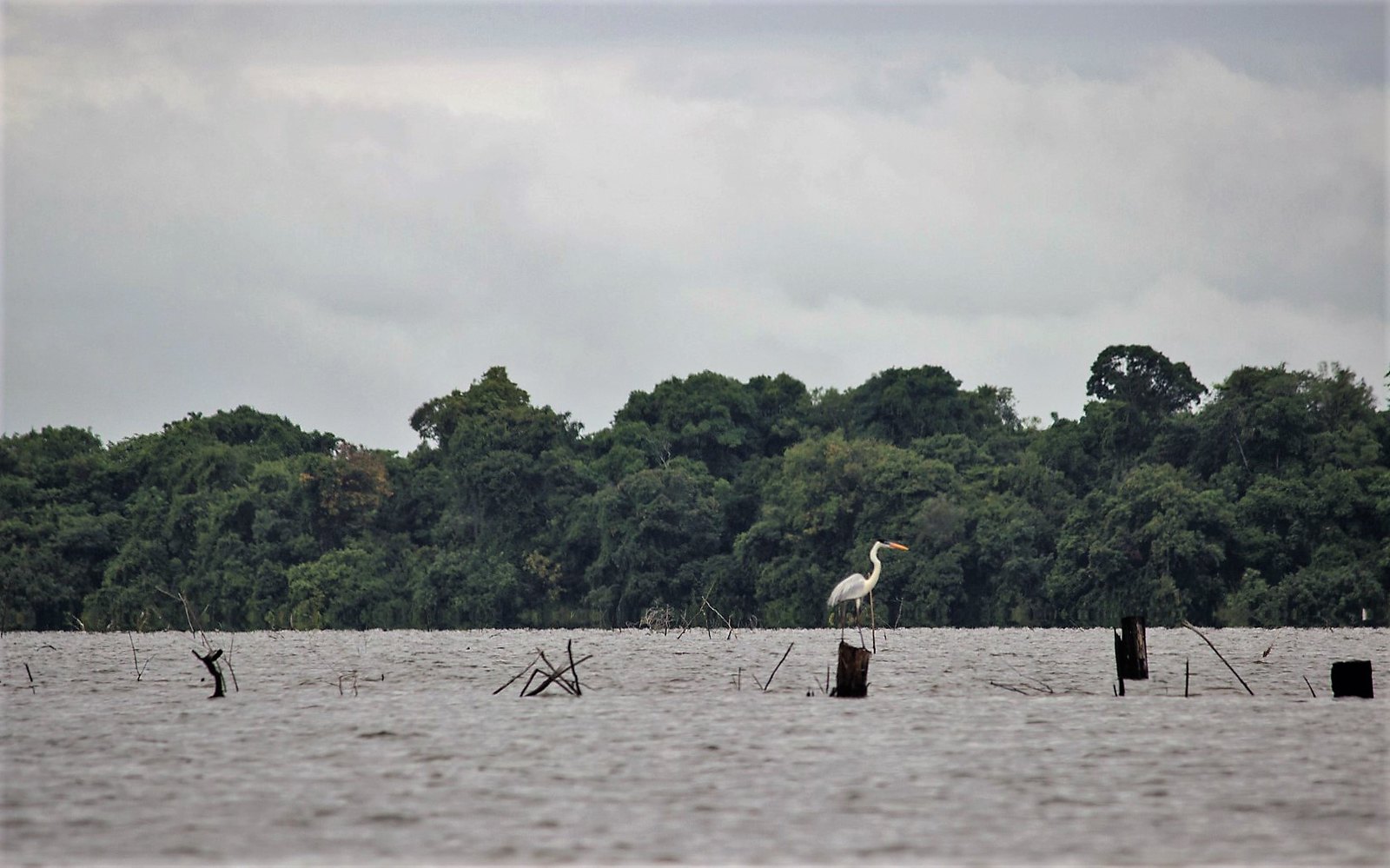
Foto: Amazon Watch / Maíra Irigaray.
A busca por justiça e reparação
Ao longo dos anos, o Ministério Público Federal do Pará, a Defensoria Pública e organizações da sociedade civil impetraram dezenas de ações judiciais em tribunais brasileiros para contestar as diversas irregularidades do projeto, bem como seus impactos. A maioria das ações permanece sem solução, algumas há mais de 10 anos.
Essas ações não obtiveram sucesso porque o governo federal tem reiteradamente anulado decisões favoráveis às comunidades afetadas, recorrendo a um mecanismo pelo qual o presidente do Supremo Tribunal Federal pode suspender uma decisão judicial com base unicamente em argumentos genéricos como "interesse nacional" ou "ordem econômica".
Diante da falta de respostas eficazes em nível nacional, a AIDA — juntamente com uma coalizão de organizações aliadas — levou o caso à Comissão Interamericana de Direitos Humanos (CIDH) e, em 2010, solicitou medidas cautelares para proteger a vida, a integridade e a saúde das comunidades indígenas afetadas.
Em 1º de abril de 2011, a CIDH concedeu essas medidas e solicitou ao Estado brasileiro a suspensão das licenças ambientais e de quaisquer obras de construção até que as condições relativas à consulta prévia e à proteção da saúde e integridade das comunidades fossem atendidas.
E, em 16 de junho de 2011, apresentamos uma denúncia formal à CIDH — juntamente com o Movimento Xingu Vivo Para Siempre, a Coordenação das Organizações Indígenas da Amazônia Brasileira, a Diocese de Altamira, o Conselho Missionário Indígena, a Sociedade Pará de Defesa dos Direitos Humanos e a Global Justice — contra o Estado brasileiro por sua responsabilidade internacional nas violações de direitos humanos contra os povos afetados neste caso. A denúncia foi apresentada em dezembro de 2015.
Em 3 de agosto de 2011, a CIDH modificou as medidas cautelares para solicitar — em vez da suspensão de licenças e obras — a proteção dos povos que vivem em isolamento voluntário, a saúde das comunidades indígenas e a regularização e proteção das terras ancestrais.
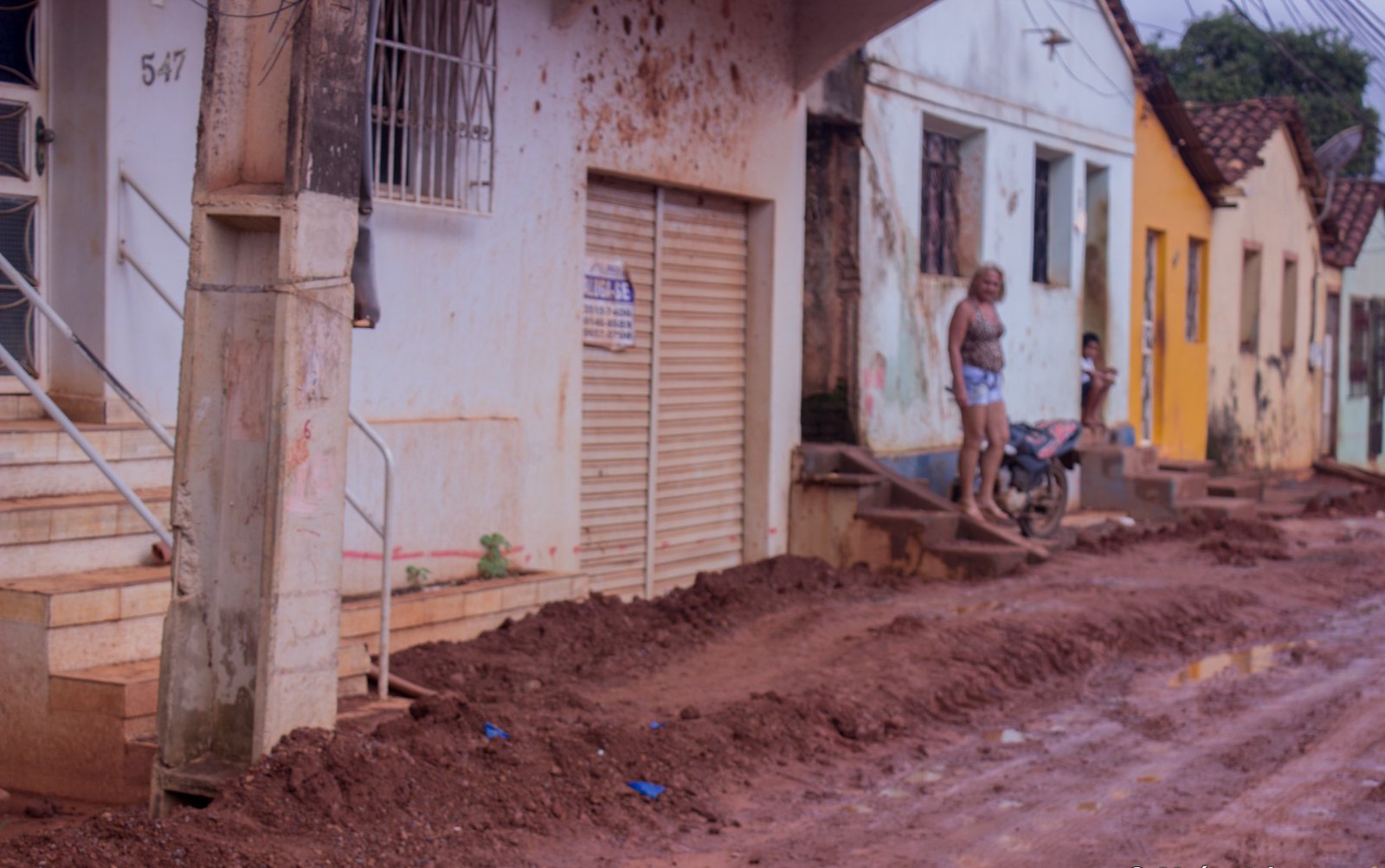
Foto: Amazon Watch / Maíra Irigaray.
Situação atual
As medidas de proteção concedidas pela CIDH permanecem em vigor, mas o Estado brasileiro não as cumpriu integralmente, relatando apenas ações genéricas. As comunidades documentaram as contínuas violações de seus direitos. A situação que motivou o pedido dessas medidas — o risco à vida, à segurança e aos meios de subsistência das comunidades — persiste e se agravou com a usina hidrelétrica operando em plena capacidade e com as recentes secas extremas na Amazônia.
Além do ocorrido em Belo Monte, existe o risco de maiores danos sociais e ambientais decorrentes da implementação de outro megaprojeto de mineração na Volta Grande do Xingu. Lá, a empresa canadense Belo Sun pretende construir a maior mina de ouro a céu aberto do Brasil.
Os impactos sinérgicos e cumulativos da usina e da mina não foram avaliados. O Estado excluiu povos indígenas, comunidades ribeirinhas e comunidades camponesas do processo de licenciamento ambiental do projeto. Apesar disso, dos protestos indígenas e de outras irregularidades em torno do projeto, o governo do estado do Pará autorizou formalmente a mina em abril de 2026.
Belo Monte, assim como outras usinas hidrelétricas, agrava a emergência climática ao gerar emissões de gases de efeito estufa em seu reservatório. Além disso, é ineficiente diante das secas prolongadas e intensas causadas pela crise, pois perde capacidade de geração de energia.
O caso perante a Comissão Interamericana
Em outubro de 2017, a CIDH anunciou que decidiria conjuntamente sobre a admissibilidade (se o caso preenche os requisitos para admissão) e o mérito (se houve, de fato, violação de direitos humanos) da denúncia internacional contra o Estado brasileiro.
Quinze anos após a apresentação da denúncia, as comunidades afetadas e as organizações que as representam ainda aguardam essa decisão. Caso a CIDH conclua que houve violações de direitos humanos e emita recomendações que o Estado brasileiro não cumpra, poderá encaminhar o caso à Corte Interamericana de Direitos Humanos, cujas decisões são vinculativas.
Uma possível decisão da Corte Internacional de Direitos Humanos neste caso estabeleceria um precedente jurídico regional em relação aos direitos dos povos indígenas e ribeirinhos, à participação pública em megaprojetos e à responsabilidade do Estado no contexto da crise climática. Isso é particularmente relevante à luz do Parecer Consultivo nº 32 da Corte, que reafirmou as obrigações dos Estados de proteger pessoas e comunidades em todo o continente da emergência climática.
Partners:
Related projects

6 Things You Should Know About The Paris Climate Talks
Across Latin America, and the world, communities are facing the severe effects of a changing climate. As floods destroy ancestral homes, and droughts threaten livelihoods, the urgency with which world leaders must act is becoming increasingly apparent. It is in this critical global climate that world leaders will meet this December in Paris for a pivotal meeting of the United Nations Framework Convention for Climate Change (UNFCCC), also known as COP21. The conference is expected to produce a new global agreement on climate change, which we hope will set the stage for the transition to a low carbon, climate resilient economy. AIDA’s lead Climate Change attorney Andrea Rodríguez has been monitoring key elements of the ongoing climate negotiations and bringing information and analysis to policy makers and NGOs throughout the Americas. To prepare you for the barrage of news that will come out of COP21, we’ve asked Rodríguez some questions we thought you’d like to know the answers to: What is the COP21? The meeting in Paris will be the 21st yearly session of the Conference of Parties to the global climate change convention, also known as the UNFCCC. World leaders will convene in Paris with the goal of signing a new global agreement on climate change. The primary goal of the agreement will be to reduce greenhouse gas emissions and limit global temperature increase to 2° C above pre-industrial levels, so we can adapt to the new changes in climate. Why is the conference so important? Climate change is a global problem that requires global solutions. No matter what governments do, if they don’t work together and take collaborative actions, we are never going to succeed at providing an effective solution. That’s why a global space that coordinates what countries do to tackle the problem is crucial for finding a way forward. The global treaty on climate change has been established for more than 20 years. What we need from COP21 is further guidance to ensure its effective implementation. If we don’t provide clarity on exactly how we’re going to achieve reduced emissions in a timely manner, we’re putting at risk the future of the planet. What are the key issues AIDA is following? AIDA is following two key components in the development of the new climate accord: climate finance and the protection of human rights in climate related activities. Climate finance entails providing money for developing countries—which are generally the least responsible for and the most impacted by climate change—to implement climate related actions effectively. COP21 needs to provide clarity on the specifics of that support—when and how will it arrive, and where will the money come from? A baseline of $100 billion per year by 2020 has already been agreed upon. But how do we make sure that goal is reached, and that is continues to grow? And, once resources are distributed, there must be mechanisms in place to ensure those resources are used properly and effectively. AIDA is pushing governments to incorporate human rights protections into the agreement, because climate change directly affects human rights. We need to create a broad consciousness of the human rights dimensions of climate change. That includes incorporating specific language to ensure the protection of human rights in all climate actions. When governments or institutions are planning climate-focused projects, programs, plans and strategies, they must also think about how those projects will affect people and the realization of their human rights. What will the agreement mean for governments? Governments of the world need to start looking within. They must do an internal analysis to see what they have, and what they need, to ensure they can strategically implement the agreement. In order for a nation to commit to taking action, it must first make sure it has the institutional capacity and the means to succeed. What will it mean for the average person? The climate agreement is a political commitment, but it will certainly have repercussions at the local level. It will influence national policies. If leaders create an effective agreement, you will see your government shifting to low-emission, climate-resilient development. There will be better local regulations, and you will begin to see policy improvements, and eventually more climate resilient actions taken in your own communities. You will be less vulnerable to the effects of climate change. How can the average person engage on this issue? You can begin by demanding more of your government. Climate change is a political fight, and your voice can help influence outcomes. Learn what your government wants and what their expectations are—you can start now by familiarizing yourself with their INDC. Then get organized and push your government to take a more proactive stance. Familiarize yourself with climate finance, follow the negotiations, and help inform others by sharing our work. It is our duty as citizens to hold our governments responsible, and to do our part to protect and defend this beautiful planet as best we can.
Read moreAIDA urges Panamanian Supreme Court to protect water sources
Requested the annulment of a resolution that allows large projects like hydroelectric dams to use up to 90 percent of the water in rivers, lakes and other ecosystems. Panama City, Panama. The Interamerican Association for Environmental Defense (AIDA) has filed a legal brief supporting the lawsuit filed by the Centro de Incidencia Ambiental of Panama (CIAM) seeking annulment of Resolution No. AG-0691-2012, which was enacted by the former National Environmental Authority (ANAM), now the Ministry of Environment. This resolution, which establishes environmental flow, allows up to 90 percent of the water in rivers, lakes, and other natural sources to be used in large projects such as hydroelectric dams. Environmental flow is the minimum amount of water that a river or other channel must contain to maintain its ecological values—refuge for flora and fauna, landscape preservation, and dilution of pollutants, among others—and its social value, or use by communities. The ANAM resolution, annulment of which is sought in the CIAM lawsuit, sets this amount at only 10 percent of an unmodified average for all water bodies and allows the remainder to be used in large infrastructure projects. In its legal brief supporting the lawsuit, AIDA’s primary arguments highlight the Panamanian government’s international legal obligations to protect water resources and guarantee human rights. “We want the judges of the Third Chamber to nullify the resolution, with an understanding of the importance of Panama’s international obligations to maintain an environmental flow that supports the health of aquatic ecosystems and guarantees human rights,” said Haydée Rodríguez, AIDA attorney. AIDA seeks the annulment of the ANAM resolution because it violates the international principles and obligations undertaken by the Panamanian government to protect the biodiversity and rational use of its ecosystems, and to guarantee such human rights as access to water, a healthy environment, and way of life. AIDA also notes that the resolution lacks mechanisms for public participation in the establishment of environmental flow to incorporate the needs of all stakeholders.
Read moreRights of the Environment: The Pope is on our Side
In his speech before the United Nations today in New York, Pope Francis argued passionately in defense of the environment, proclaiming that the natural world should have the same rights and protection as humanity. The Pope insisted on the “rights of the environment” because, according to His Holiness: We human beings are part of the environment. We live in communion with it, since the environment itself entails ethical limits which human actions must acknowledge and respect (…) Any harm done to the environment, therefore, is harm done to humanity… In all religions, the environment is a fundmental good. The Pope also proclaimed the fundamental nature of the fight against climate change, which requires concrete and effective actions. A decisive moment in this fight will come this December at the Paris Climate Conference, where governments from around the world will meet and commit to global actions to confront the climate crisis. The Pope declared: I’m confident that the Paris Conference on climate change will secure fundamental and effective agreements. During the UN General Assembly, before leaders and representatives of the people of the world, the Pope added: Our world demands of all government leaders a will that is effective, practical and constant, concrete steps and immediate measures for preserving and improving the natural environment. This speech is a milestone in the struggle for the defense of the environment and against climate change. It’s yet another push to continue fighting every day for the preservation of biodiversity, ecosystems, freshwater, and the balance of life on this planet, this marvellous creation that we humans share with so many other forms of life. At AIDA we strive every day to defend the right to a healthy environment in the Americas, and in our Climate Change program we monitor and support the negotiations to reach a new global climate accord. As long as humanity and the environment suffer at the hand of irresponsible development, we will continue to fight in defense of the environment.
Read more