
Project
Amazon Watch / Maíra Irigaray
Barragem de Belo Monte no rio Xingu: 10 anos de impactos na Amazônia e de busca por reparações
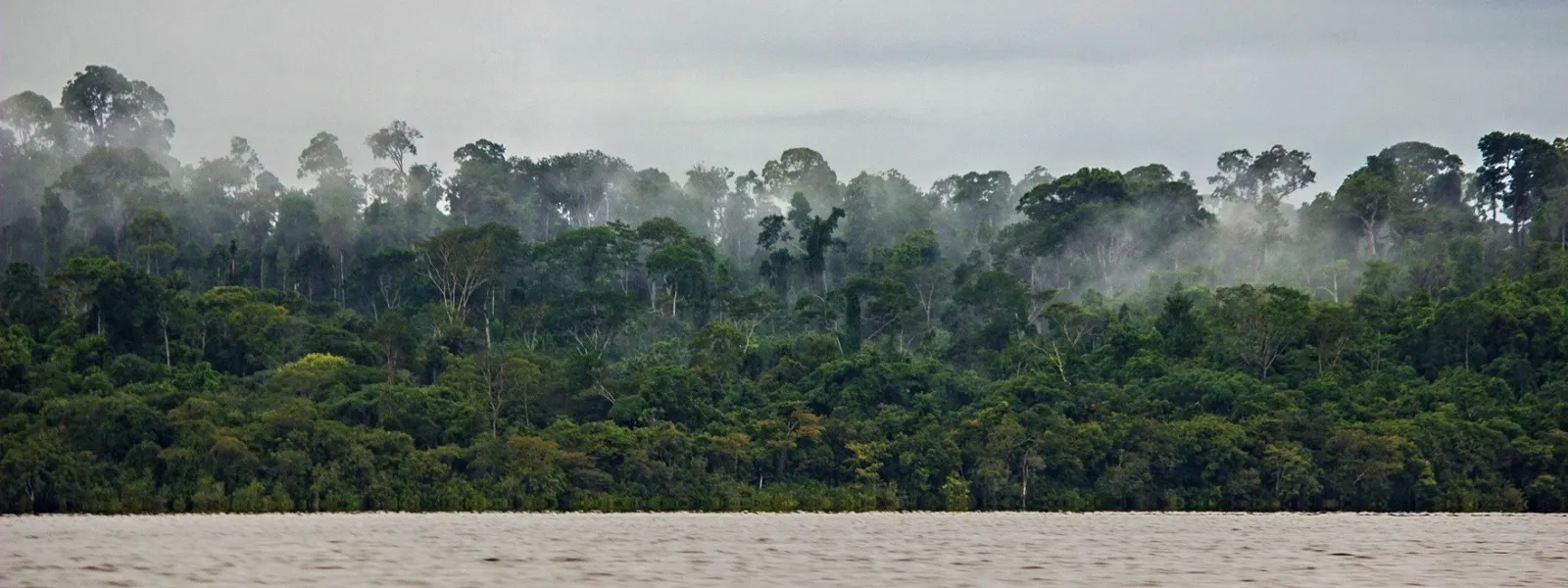
A usina hidrelétrica de Belo Monte causou um desastre ambiental e social no coração da Amazônia: um dos ecossistemas mais importantes do planeta.
Essa situação só piorou desde que a usina começou a operar em 2016. A busca por justiça e reparação para as comunidades indígenas e ribeirinhas afetadas continua até hoje.
Em 2011, a Comissão Interamericana de Direitos Humanos (CIDH) concedeu a essas comunidades medidas de proteção, que até hoje não foram totalmente implementadas pelo Estado brasileiro.
E, desde junho daquele mesmo ano, a CIDH mantém um processo contra o Estado por sua responsabilidade internacional no caso.
A CIDH pode encaminhar o caso à Corte Interamericana de Direitos Humanos, que tem o poder de emitir uma sentença condenatória contra o Estado brasileiro.
Consulta o expediente de fatos do caso
Após 10 anos de operação da usina hidrelétrica e mais de 15 anos de violações de direitos humanos documentadas, é hora da justiça ser feita para as comunidades afetadas.
Leia a carta aberta das organizações que levam o caso à CIDH
Leia nosso comunicado à imprensa
Contexto
A usina hidrelétrica de Belo Monte — a quarta maior do mundo em capacidade instalada (11.233 MW) — foi construída no rio Xingu, no estado do Pará, norte do Brasil.
Foi inaugurada em 5 de maio de 2016, com uma única turbina. Naquela época, 80% do curso do rio foi desviado e 516 km² de terra foram inundados, uma área maior que a cidade de Chicago. Desse total, 400 km² eram de mata nativa. A usina começou a operar em plena capacidade em novembro de 2019.
Belo Monte foi construída e é operada pelo consórcio Norte Energia S.A., composto principalmente por empresas estatais. Foi financiada pelo Banco Nacional de Desenvolvimento Econômico e Social (BNDES), que aportou ao consórcio 25,4 bilhões de reais (aproximadamente US$ 10,16 bilhões), o maior investimento de sua história. Portanto, o BNDES também é legalmente responsável pelos impactos socioambientais associados ao projeto hidrelétrico.
Décadas de danos ambientais e humanos
As violações dos direitos humanos e a degradação da Amazônia remontam ao início do projeto. Em março de 2011, a Norte Energia iniciou a construção da barragem sem consulta adequada e sem o consentimento prévio, livre e informado das comunidades afetadas.
A construção levou ao deslocamento forçado de mais de 40.000 pessoas, rompendo laços sociais e culturais. O plano de reassentamento em Altamira — cidade diretamente afetada pelo projeto hidrelétrico — incluía moradias na periferia da cidade, sem serviços públicos adequados, moradias dignas para as famílias reassentadas e moradias diferenciadas para aqueles pertencentes a comunidades indígenas.
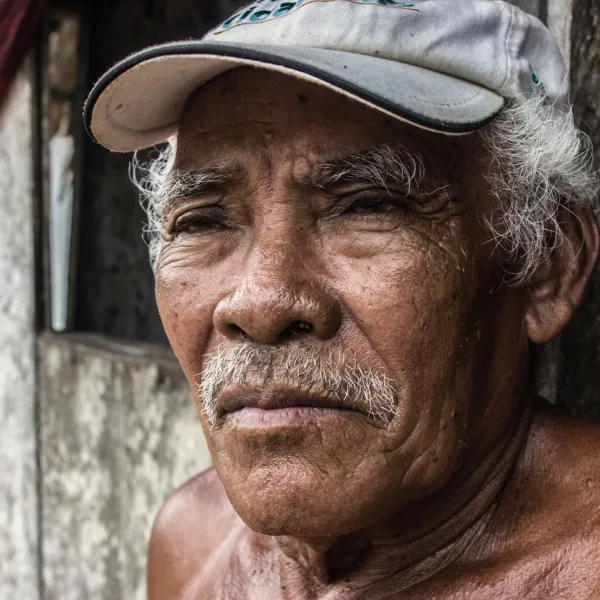
A operação da barragem de Belo Monte impôs uma seca permanente e artificial na Volta Grande do rio Xingu, agravada pelas secas históricas na Amazônia em 2023 e 2024. Como resultado, a morte de milhões de ovos de peixe foi documentada por quatro anos consecutivos (de 2021 a 2024) e, nos últimos três anos, não houve migração de peixes rio acima para desovar e se reproduzir. Assim, a pesca artesanal, principal fonte de proteína para os povos indígenas e comunidades ribeirinhas, foi severamente afetada: o consumo de peixe caiu de 50% para 30% do total de proteínas consumidas, sendo substituído por alimentos processados. Em suma, houve um colapso ambiental e humanitário que resultou no colapso da pesca como modo de vida tradicional, insegurança alimentar e falta de acesso à água potável para milhares de famílias, empobrecimento e doenças.
Além disso, a construção da barragem aumentou o desmatamento e intensificou a extração ilegal de madeira e a insegurança em terras indígenas e tribais, colocando em risco a sobrevivência dessas comunidades. Outra consequência foi o agravamento da pobreza e dos conflitos sociais, bem como a sobrecarga dos sistemas de saúde, educação e segurança pública em Altamira, cidade considerada a mais violenta do país em 2017, onde houve aumento do tráfico de pessoas e da violência sexual. Também foram registrados casos de violência contra defensores de direitos humanos envolvidos no caso.
Em 2025, durante a 30ª Conferência das Nações Unidas sobre Mudanças Climáticas (COP30), realizada no Brasil, o Ministério Público Federal classificou os danos causados por Belo Monte como ecocídio.
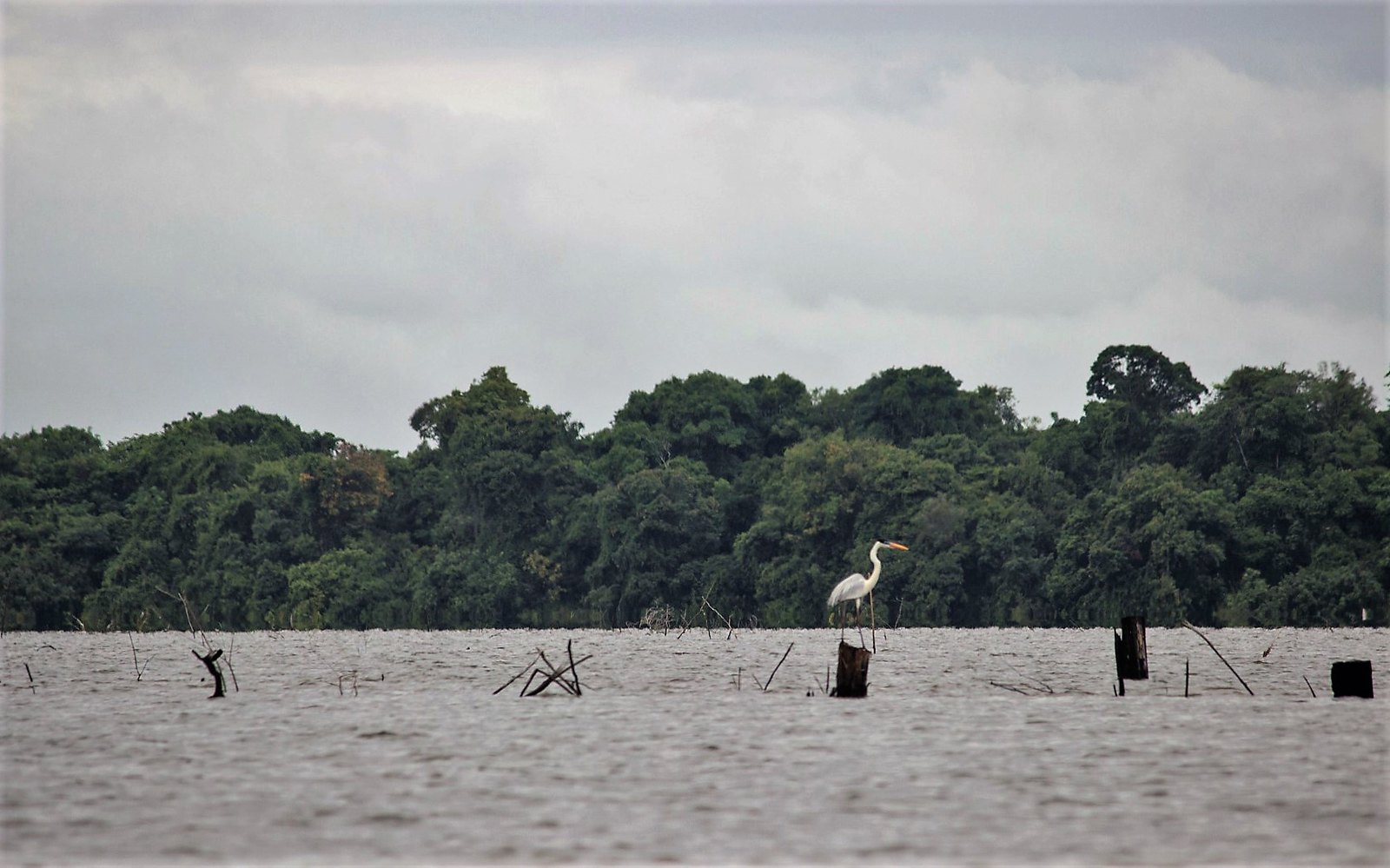
Foto: Amazon Watch / Maíra Irigaray.
A busca por justiça e reparação
Ao longo dos anos, o Ministério Público Federal do Pará, a Defensoria Pública e organizações da sociedade civil impetraram dezenas de ações judiciais em tribunais brasileiros para contestar as diversas irregularidades do projeto, bem como seus impactos. A maioria das ações permanece sem solução, algumas há mais de 10 anos.
Essas ações não obtiveram sucesso porque o governo federal tem reiteradamente anulado decisões favoráveis às comunidades afetadas, recorrendo a um mecanismo pelo qual o presidente do Supremo Tribunal Federal pode suspender uma decisão judicial com base unicamente em argumentos genéricos como "interesse nacional" ou "ordem econômica".
Diante da falta de respostas eficazes em nível nacional, a AIDA — juntamente com uma coalizão de organizações aliadas — levou o caso à Comissão Interamericana de Direitos Humanos (CIDH) e, em 2010, solicitou medidas cautelares para proteger a vida, a integridade e a saúde das comunidades indígenas afetadas.
Em 1º de abril de 2011, a CIDH concedeu essas medidas e solicitou ao Estado brasileiro a suspensão das licenças ambientais e de quaisquer obras de construção até que as condições relativas à consulta prévia e à proteção da saúde e integridade das comunidades fossem atendidas.
E, em 16 de junho de 2011, apresentamos uma denúncia formal à CIDH — juntamente com o Movimento Xingu Vivo Para Siempre, a Coordenação das Organizações Indígenas da Amazônia Brasileira, a Diocese de Altamira, o Conselho Missionário Indígena, a Sociedade Pará de Defesa dos Direitos Humanos e a Global Justice — contra o Estado brasileiro por sua responsabilidade internacional nas violações de direitos humanos contra os povos afetados neste caso. A denúncia foi apresentada em dezembro de 2015.
Em 3 de agosto de 2011, a CIDH modificou as medidas cautelares para solicitar — em vez da suspensão de licenças e obras — a proteção dos povos que vivem em isolamento voluntário, a saúde das comunidades indígenas e a regularização e proteção das terras ancestrais.
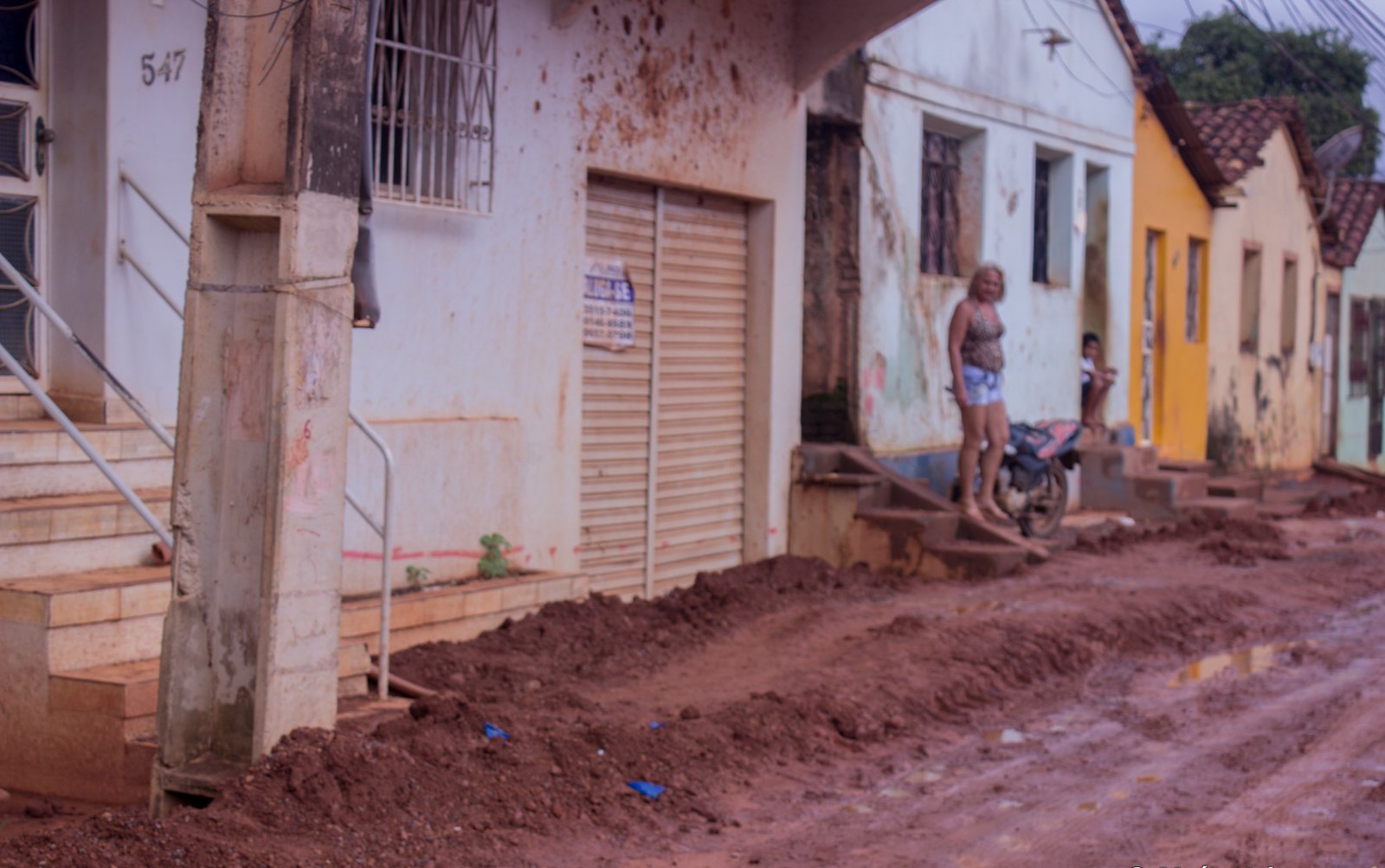
Foto: Amazon Watch / Maíra Irigaray.
Situação atual
As medidas de proteção concedidas pela CIDH permanecem em vigor, mas o Estado brasileiro não as cumpriu integralmente, relatando apenas ações genéricas. As comunidades documentaram as contínuas violações de seus direitos. A situação que motivou o pedido dessas medidas — o risco à vida, à segurança e aos meios de subsistência das comunidades — persiste e se agravou com a usina hidrelétrica operando em plena capacidade e com as recentes secas extremas na Amazônia.
Além do ocorrido em Belo Monte, existe o risco de maiores danos sociais e ambientais decorrentes da implementação de outro megaprojeto de mineração na Volta Grande do Xingu. Lá, a empresa canadense Belo Sun pretende construir a maior mina de ouro a céu aberto do Brasil.
Os impactos sinérgicos e cumulativos da usina e da mina não foram avaliados. O Estado excluiu povos indígenas, comunidades ribeirinhas e comunidades camponesas do processo de licenciamento ambiental do projeto. Apesar disso, dos protestos indígenas e de outras irregularidades em torno do projeto, o governo do estado do Pará autorizou formalmente a mina em abril de 2026.
Belo Monte, assim como outras usinas hidrelétricas, agrava a emergência climática ao gerar emissões de gases de efeito estufa em seu reservatório. Além disso, é ineficiente diante das secas prolongadas e intensas causadas pela crise, pois perde capacidade de geração de energia.
O caso perante a Comissão Interamericana
Em outubro de 2017, a CIDH anunciou que decidiria conjuntamente sobre a admissibilidade (se o caso preenche os requisitos para admissão) e o mérito (se houve, de fato, violação de direitos humanos) da denúncia internacional contra o Estado brasileiro.
Quinze anos após a apresentação da denúncia, as comunidades afetadas e as organizações que as representam ainda aguardam essa decisão. Caso a CIDH conclua que houve violações de direitos humanos e emita recomendações que o Estado brasileiro não cumpra, poderá encaminhar o caso à Corte Interamericana de Direitos Humanos, cujas decisões são vinculativas.
Uma possível decisão da Corte Internacional de Direitos Humanos neste caso estabeleceria um precedente jurídico regional em relação aos direitos dos povos indígenas e ribeirinhos, à participação pública em megaprojetos e à responsabilidade do Estado no contexto da crise climática. Isso é particularmente relevante à luz do Parecer Consultivo nº 32 da Corte, que reafirmou as obrigações dos Estados de proteger pessoas e comunidades em todo o continente da emergência climática.
Partners:
Related projects
For the life and health of my children: We MUST include Human Rights in the New Climate Accord
By Astrid Puentes Riaño (@astridpuentes) Originally published by IntLawGrrls We humans have caused climate change, a real threat to humanity thus it requires human solutions. We also have lost precious time on eternal discussions about the existence of climate change, despite imminent evidence. Our efforts to deliver solutions must be inclusive and ambitious if they are to ensure that the lives and livelihoods of all people are protected. If and how to include human rights protections in new climate accord was one of the primary issues discussed during October’s Bonn Climate Conference. These protections were notably left out of the no-text presented by the co-chairs, and then added back in at the insistence of several countries, many from the Global South, and hundreds of civil society organizations. I could write a long list of legal, political, ethical, and economic arguments as to why human rights must be included in the Paris Agreement. In my opinion, however, they can all be distilled into two primary and powerful arguments: my children! At 4 and nearly 2 years old, they are already experiencing the realities of a changing climate. Some days, for example, they cannot go to the park because of increased air and climate pollution levels in Mexico City, be it black carbon or ozone, or both. Unfortunately, the worst is yet to come, as hurricanes, droughts, floods, glacier loss, and fires are all increasing. Now the question for my kids is not whether they will suffer from climate change, but to what extent. Some may say I’m exaggerating, and that my kids aren’t among the most affected. They’re right. Many others are suffering, and will continue to suffer, far worse consequences, such as: the Kunas in Panama, who are loosing their land due to sea-level rise; the 62 million people living on 52 small island states, including Tuvalu and Barbados; the 70 million people in the Andes, all of whom depend on water from glaciers and paramos, which are expected to dissapear within a few decades. Despite the evident urgency, official responses have been shamefully slow. The United Nations recently announced that current national commitments aren’t enough to prevent world temperatures from surpassing 2oC by 2100, when my children will be 89 and 87 years old. How, then, can we speed up agreements, increase ambition, and close the gap between what is needed and what is promised by States? Human Rights are an important part of this answer. If implemented, they can help to: Recognize the realities of climate change and its impact on the enjoyment of human rights of all peoples, particularly those in vulnerable situations. Remind States of their existing obligations to protect and respect human rights, obligations which are fundamentally shared by corporations and other international entities. Incorporating human rights in the climate change agreement will not create new obligations; it will instead allow us to be consistent and comply with preexisting commitments. Avoid increased threats to world stability that have been linked to climate change due to impacts such as: local resource competition, livelihood insecurity, migration, extreme weather events and disasters, volatile food prices, transboundary water management, sea-level rise, coastal degradation, and the unintended effects of climate policies. Spur effective solutions, such as the rethinking of energy. These kinds of solutions haven’t yet been achieved due to a lack of ambition and political will. For my son and daughter, and the millions of children of the world, we must accept that climate change is a human rights issue. For the health of future generations, and that of those already suffering from its impacts, we must do all we can to create effective solutions. The new climate accord, which will be signed in Paris this December, must include human rights protections in its Preamble, as well as in its operative text. Only then, with an overarching respect for the rights of all people, can begin to see the results we need in the fight against climate change. We must take the climate crisis seriously. If not, we will be trapped in short-sighted negotiations that won’t provide my children the hope of a dignified and healthy life. They will be left inside, unable to play in the park, to enjoy the world beyond our doorstep. And those in more vulnerable situations may be left with nowhere at all to find the shelter they seek.
Read more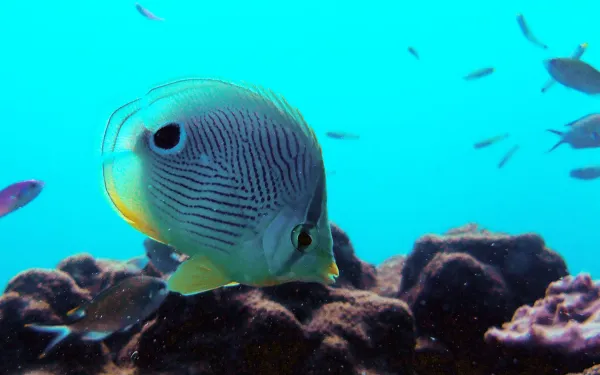
How can we save coral reefs?
By Haydée Rodríguez When I tell people I live in Costa Rica, they imagine my home on the beach, facing the ocean, waves rolling in from the endless horizon. In reality, I live in a city like any other, one hour from the Pacific coast and three from the Caribbean. Although my life hasn’t exactly been a tropical vision of paradise, I’ve been in love with the ocean since I was a girl. That love has only deepened the more I came to understand the mysteries of the sea, the services it provides and the marvelous creatures that call it home. Of all the species that live in the sea, corals are among my favorites. Thanks to my career at AIDA, I have been able to both learn a lot about these tiny animals, and work to identify effective ways to protect them. Many people don’t know about the incredible connection we have with corals. It’s a connection that exists even for those of us who don’t have the privilege of living by the sea. What are corals and what do they do for us? Although at first glance they look like large rocks, corals are actually living organisms with an exoskeleton. They have a mutualistic relationship with photosynthetic algae called zooxanthellae, which are responsible for their brilliant coloring. The algae use sunlight to produce food and some of the nutrients that the corals need to survive. In exchange, the corals provide the algae with a protected environment. A group of corals forms a reef, a highly biodiverse ecosystem, widely known as the jungle of the sea. Coral reefs provide many benefits to humanity: Reefs are spawning grounds for many varieties of fish—the fish you eat are linked, in one way or another, with a coral reef. Reefs are natural shock absorbers that protect coastal communities from storms and hurricanes. Reefs are tourist destinations that generate important national income: one square kilometer of coral reef provides services valued at up to $600,000 a year, according to the United Nations. The bad news is that these benefits could be lost if we don’t act now to preserve coral reefs. It’s estimated that 60 percent of the world’s coral reefs could disappear by 2030. That would mean that our children may enjoy them for only a brief time, and our grandchildren may know them only from photographs in their science and history books. What are the threats and how can we help fight them? Unsustainable fishing methods, such as trawling, which destroys any coral in its path. Before eating or buying seafood, it’s worth asking how it was fished. Becoming responsible consumers is our right and our obligation. We must demand in restaurants and grocery stores products that have been taken from the sea without harming corals or other species of importance. Inadequate tourism practices harm coral reefs. When exploring the wondrous corals reefs, snorkelers and divers must avoid touching or stepping on them at all costs. We must remember that corals are living creatures, which our weight and the equipment we carry into the sea can harm. When we buy souvenirs like necklaces and crafts, we should reject products that use or incorporate corals. We do not need corals to decorate our homes or bodies, but the ocean needs them to maintain its equilibrium. A recent study found that, when they come into contact with the ocean, sunscreens that contain oxybenzone (a chemical compound) could, even in low concentrations, damage the DNA of corals, deforming them and eventually causing death. We must avoid using this type of product, and instead use safe sunscreens and clothing to protect us from the sun. Here is a list of sunscreens that are safe for corals. The fertilizers used on crops leech into rivers and eventually reach the ocean, severely harming corals by increasing the production of algae, which in large quantities block the sun and prevent corals from receiving nutrients. We must opt for fruits and vegetables grown organically and demand responsible agriculture. Improving legal protection of coral reefs Another important way of saving coral reefs is by seeking change in our countries. We must urge our governments to improve the laws protecting these sensitive creatures. At AIDA, we have recently published A Guide to International Regulatory Best Practices for Coral Reef Protection. The document contains ideas to strengthen laws and promote the conservation of coral reefs around the world. I invite you to share the guide with decision-makers in your country. Or if you prefer, send me ([email protected]) the contact information of people who may be interested in implementing the recommendations contained within, and I will send them the guide directly. Corals play a more important role in our lives than many of us understand, and their future is in our hands. We must save coral reefs to ensure that our children and our grandchildren can enjoy the many benefits of these wondrous creatures.
Read moreHow can we save coral reefs?
By Haydée Rodríguez When I tell people I live in Costa Rica, they imagine my home on the beach, facing the ocean, waves rolling in from the endless horizon. In reality, I live in a city like any other, one hour from the Pacific coast and three from the Caribbean. Although my life hasn’t exactly been a tropical vision of paradise, I’ve been in love with the ocean since I was a girl. That love has only deepened the more I came to understand the mysteries of the sea, the services it provides and the marvelous creatures that call it home. Of all the species that live in the sea, corals are among my favorites. Thanks to my career at AIDA, I have been able to both learn a lot about these tiny animals, and work to identify effective ways to protect them. Many people don’t know about the incredible connection we have with corals. It’s a connection that exists even for those of us who don’t have the privilege of living by the sea. What are corals and what do they do for us? Although at first glance they look like large rocks, corals are actually living organisms with an exoskeleton. They have a mutualistic relationship with photosynthetic algae called zooxanthellae, which are responsible for their brilliant coloring. The algae use sunlight to produce food and some of the nutrients that the corals need to survive. In exchange, the corals provide the algae with a protected environment. A group of corals forms a reef, a highly biodiverse ecosystem, widely known as the jungle of the sea. Coral reefs provide many benefits to humanity: Reefs are spawning grounds for many varieties of fish—the fish you eat are linked, in one way or another, with a coral reef. Reefs are natural shock absorbers that protect coastal communities from storms and hurricanes. Reefs are tourist destinations that generate important national income: one square kilometer of coral reef provides services valued at up to $600,000 a year, according to the United Nations. The bad news is that these benefits could be lost if we don’t act now to preserve coral reefs. It’s estimated that 60 percent of the world’s coral reefs could disappear by 2030. That would mean that our children may enjoy them for only a brief time, and our grandchildren may know them only from photographs in their science and history books. What are the threats and how can we help fight them? Unsustainable fishing methods, such as trawling, which destroys any coral in its path. Before eating or buying seafood, it’s worth asking how it was fished. Becoming responsible consumers is our right and our obligation. We must demand in restaurants and grocery stores products that have been taken from the sea without harming corals or other species of importance. Inadequate tourism practices harm coral reefs. When exploring the wondrous corals reefs, snorkelers and divers must avoid touching or stepping on them at all costs. We must remember that corals are living creatures, which our weight and the equipment we carry into the sea can harm. When we buy souvenirs like necklaces and crafts, we should reject products that use or incorporate corals. We do not need corals to decorate our homes or bodies, but the ocean needs them to maintain its equilibrium. A recent study found that, when they come into contact with the ocean, sunscreens that contain oxybenzone (a chemical compound) could, even in low concentrations, damage the DNA of corals, deforming them and eventually causing death. We must avoid using this type of product, and instead use safe sunscreens and clothing to protect us from the sun. Here is a list of sunscreens that are safe for corals. The fertilizers used on crops leech into rivers and eventually reach the ocean, severely harming corals by increasing the production of algae, which in large quantities block the sun and prevent corals from receiving nutrients. We must opt for fruits and vegetables grown organically and demand responsible agriculture. Improving legal protection of coral reefs Another important way of saving coral reefs is by seeking change in our countries. We must urge our governments to improve the laws protecting these sensitive creatures. At AIDA, we have recently published A Guide to International Regulatory Best Practices for Coral Reef Protection. The document contains ideas to strengthen laws and promote the conservation of coral reefs around the world. I invite you to share the guide with decision-makers in your country. Or if you prefer, send me ([email protected]) the contact information of people who may be interested in implementing the recommendations contained within, and I will send them the guide directly. Corals play a more important role in our lives than many of us understand, and their future is in our hands. We must save coral reefs to ensure that our children and our grandchildren can enjoy the many benefits of these wondrous creatures.
Read more