
Project
Amazon Watch / Maíra Irigaray
Barragem de Belo Monte no rio Xingu: 10 anos de impactos na Amazônia e de busca por reparações
A usina hidrelétrica de Belo Monte causou um desastre ambiental e social no coração da Amazônia: um dos ecossistemas mais importantes do planeta.
Essa situação só piorou desde que a usina começou a operar em 2016. A busca por justiça e reparação para as comunidades indígenas e ribeirinhas afetadas continua até hoje.
Em 2011, a Comissão Interamericana de Direitos Humanos (CIDH) concedeu a essas comunidades medidas de proteção, que até hoje não foram totalmente implementadas pelo Estado brasileiro.
E, desde junho daquele mesmo ano, a CIDH mantém um processo contra o Estado por sua responsabilidade internacional no caso.
A CIDH pode encaminhar o caso à Corte Interamericana de Direitos Humanos, que tem o poder de emitir uma sentença condenatória contra o Estado brasileiro.
Consulta o expediente de fatos do caso
Após 10 anos de operação da usina hidrelétrica e mais de 15 anos de violações de direitos humanos documentadas, é hora da justiça ser feita para as comunidades afetadas.
Leia a carta aberta das organizações que levam o caso à CIDH
Leia nosso comunicado à imprensa
Contexto
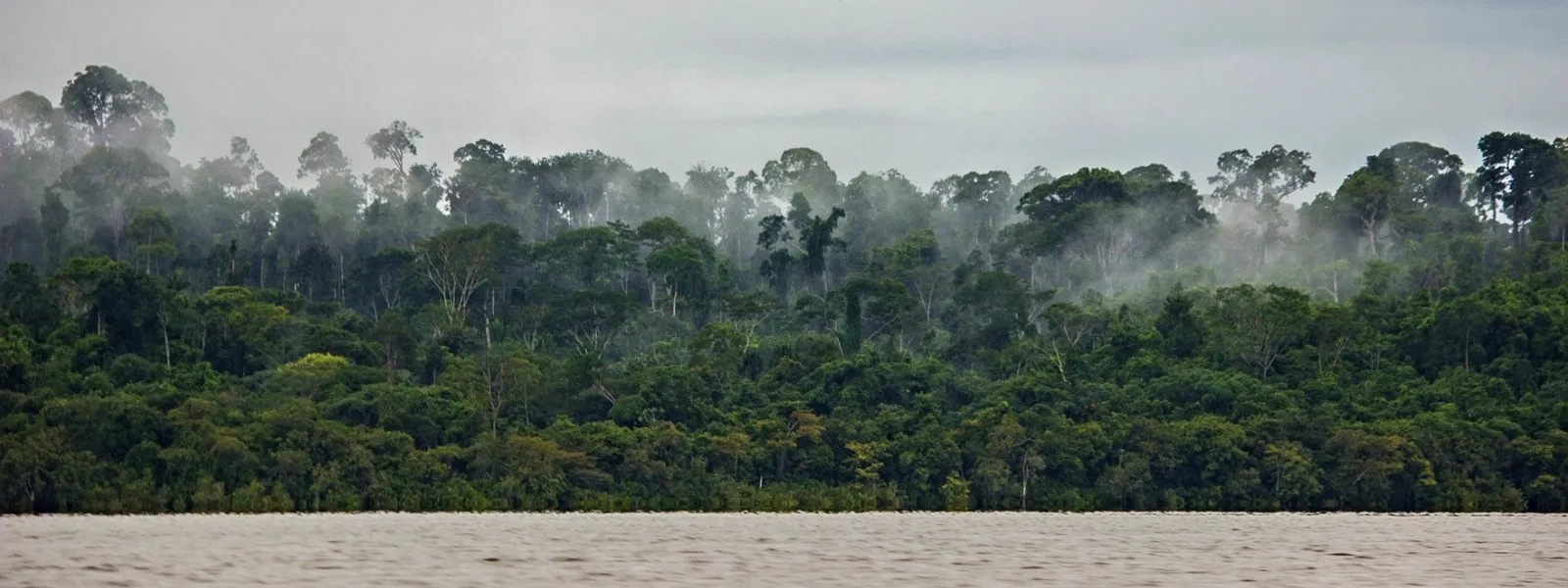
A usina hidrelétrica de Belo Monte — a quarta maior do mundo em capacidade instalada (11.233 MW) — foi construída no rio Xingu, no estado do Pará, norte do Brasil.
Foi inaugurada em 5 de maio de 2016, com uma única turbina. Naquela época, 80% do curso do rio foi desviado e 516 km² de terra foram inundados, uma área maior que a cidade de Chicago. Desse total, 400 km² eram de mata nativa. A usina começou a operar em plena capacidade em novembro de 2019.
Belo Monte foi construída e é operada pelo consórcio Norte Energia S.A., composto principalmente por empresas estatais. Foi financiada pelo Banco Nacional de Desenvolvimento Econômico e Social (BNDES), que aportou ao consórcio 25,4 bilhões de reais (aproximadamente US$ 10,16 bilhões), o maior investimento de sua história. Portanto, o BNDES também é legalmente responsável pelos impactos socioambientais associados ao projeto hidrelétrico.
Décadas de danos ambientais e humanos
As violações dos direitos humanos e a degradação da Amazônia remontam ao início do projeto. Em março de 2011, a Norte Energia iniciou a construção da barragem sem consulta adequada e sem o consentimento prévio, livre e informado das comunidades afetadas.
A construção levou ao deslocamento forçado de mais de 40.000 pessoas, rompendo laços sociais e culturais. O plano de reassentamento em Altamira — cidade diretamente afetada pelo projeto hidrelétrico — incluía moradias na periferia da cidade, sem serviços públicos adequados, moradias dignas para as famílias reassentadas e moradias diferenciadas para aqueles pertencentes a comunidades indígenas.
A operação da barragem de Belo Monte impôs uma seca permanente e artificial na Volta Grande do rio Xingu, agravada pelas secas históricas na Amazônia em 2023 e 2024. Como resultado, a morte de milhões de ovos de peixe foi documentada por quatro anos consecutivos (de 2021 a 2024) e, nos últimos três anos, não houve migração de peixes rio acima para desovar e se reproduzir. Assim, a pesca artesanal, principal fonte de proteína para os povos indígenas e comunidades ribeirinhas, foi severamente afetada: o consumo de peixe caiu de 50% para 30% do total de proteínas consumidas, sendo substituído por alimentos processados. Em suma, houve um colapso ambiental e humanitário que resultou no colapso da pesca como modo de vida tradicional, insegurança alimentar e falta de acesso à água potável para milhares de famílias, empobrecimento e doenças.
Além disso, a construção da barragem aumentou o desmatamento e intensificou a extração ilegal de madeira e a insegurança em terras indígenas e tribais, colocando em risco a sobrevivência dessas comunidades. Outra consequência foi o agravamento da pobreza e dos conflitos sociais, bem como a sobrecarga dos sistemas de saúde, educação e segurança pública em Altamira, cidade considerada a mais violenta do país em 2017, onde houve aumento do tráfico de pessoas e da violência sexual. Também foram registrados casos de violência contra defensores de direitos humanos envolvidos no caso.
Em 2025, durante a 30ª Conferência das Nações Unidas sobre Mudanças Climáticas (COP30), realizada no Brasil, o Ministério Público Federal classificou os danos causados por Belo Monte como ecocídio.
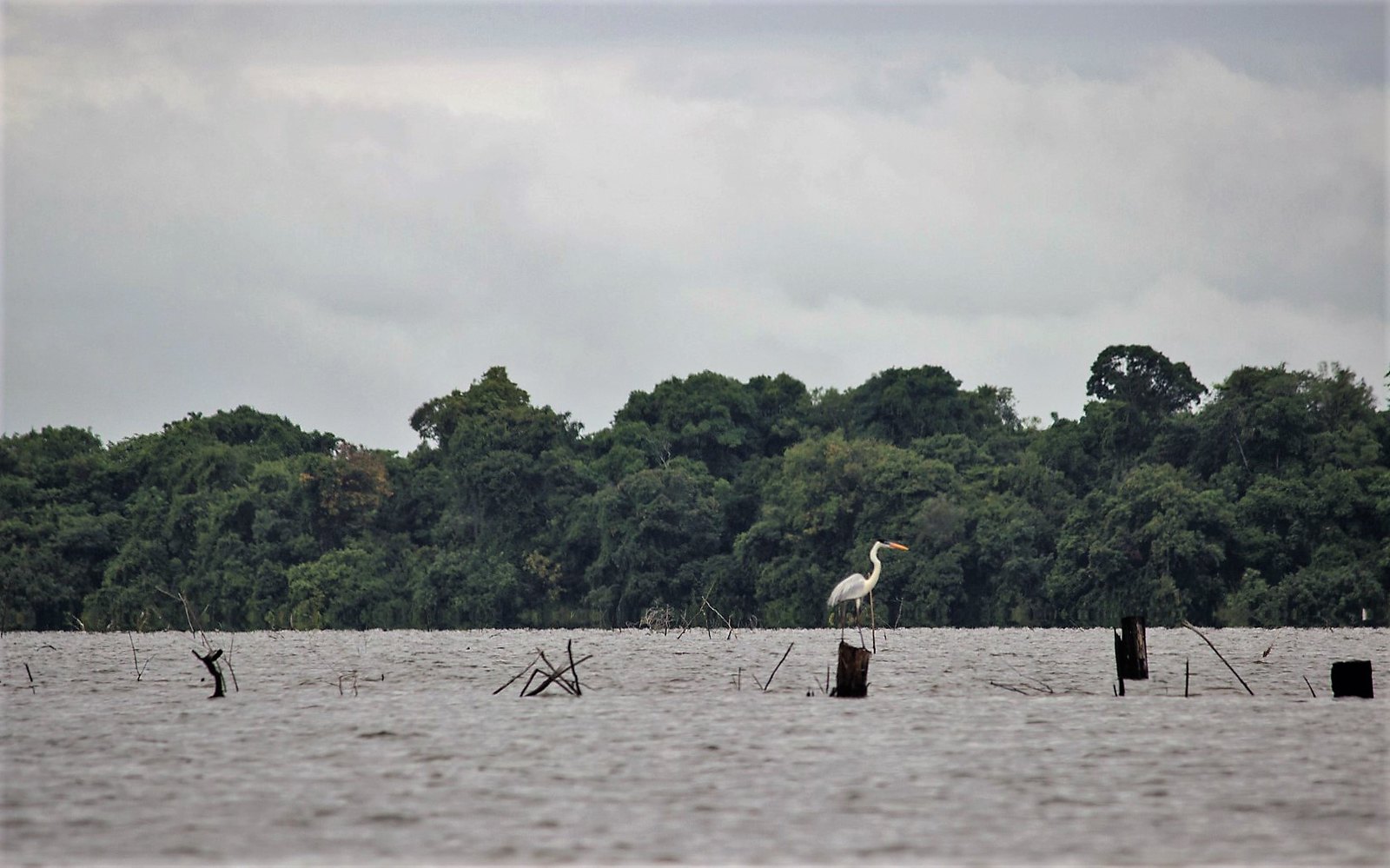
Foto: Amazon Watch / Maíra Irigaray.
A busca por justiça e reparação
Ao longo dos anos, o Ministério Público Federal do Pará, a Defensoria Pública e organizações da sociedade civil impetraram dezenas de ações judiciais em tribunais brasileiros para contestar as diversas irregularidades do projeto, bem como seus impactos. A maioria das ações permanece sem solução, algumas há mais de 10 anos.
Essas ações não obtiveram sucesso porque o governo federal tem reiteradamente anulado decisões favoráveis às comunidades afetadas, recorrendo a um mecanismo pelo qual o presidente do Supremo Tribunal Federal pode suspender uma decisão judicial com base unicamente em argumentos genéricos como "interesse nacional" ou "ordem econômica".
Diante da falta de respostas eficazes em nível nacional, a AIDA — juntamente com uma coalizão de organizações aliadas — levou o caso à Comissão Interamericana de Direitos Humanos (CIDH) e, em 2010, solicitou medidas cautelares para proteger a vida, a integridade e a saúde das comunidades indígenas afetadas.
Em 1º de abril de 2011, a CIDH concedeu essas medidas e solicitou ao Estado brasileiro a suspensão das licenças ambientais e de quaisquer obras de construção até que as condições relativas à consulta prévia e à proteção da saúde e integridade das comunidades fossem atendidas.
E, em 16 de junho de 2011, apresentamos uma denúncia formal à CIDH — juntamente com o Movimento Xingu Vivo Para Siempre, a Coordenação das Organizações Indígenas da Amazônia Brasileira, a Diocese de Altamira, o Conselho Missionário Indígena, a Sociedade Pará de Defesa dos Direitos Humanos e a Global Justice — contra o Estado brasileiro por sua responsabilidade internacional nas violações de direitos humanos contra os povos afetados neste caso. A denúncia foi apresentada em dezembro de 2015.
Em 3 de agosto de 2011, a CIDH modificou as medidas cautelares para solicitar — em vez da suspensão de licenças e obras — a proteção dos povos que vivem em isolamento voluntário, a saúde das comunidades indígenas e a regularização e proteção das terras ancestrais.
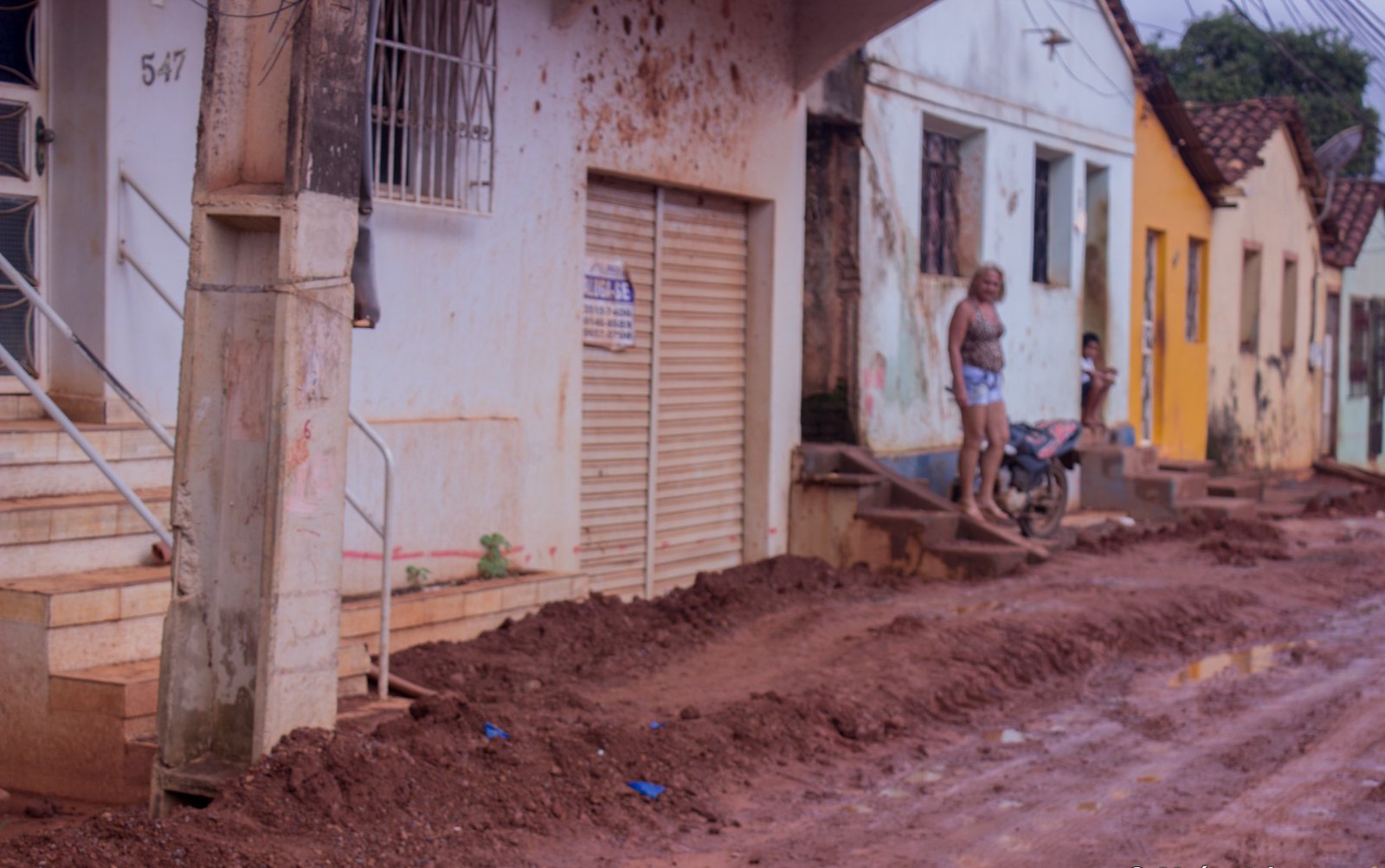
Foto: Amazon Watch / Maíra Irigaray.
Situação atual
As medidas de proteção concedidas pela CIDH permanecem em vigor, mas o Estado brasileiro não as cumpriu integralmente, relatando apenas ações genéricas. As comunidades documentaram as contínuas violações de seus direitos. A situação que motivou o pedido dessas medidas — o risco à vida, à segurança e aos meios de subsistência das comunidades — persiste e se agravou com a usina hidrelétrica operando em plena capacidade e com as recentes secas extremas na Amazônia.
Além do ocorrido em Belo Monte, existe o risco de maiores danos sociais e ambientais decorrentes da implementação de outro megaprojeto de mineração na Volta Grande do Xingu. Lá, a empresa canadense Belo Sun pretende construir a maior mina de ouro a céu aberto do Brasil.
Os impactos sinérgicos e cumulativos da usina e da mina não foram avaliados. O Estado excluiu povos indígenas, comunidades ribeirinhas e comunidades camponesas do processo de licenciamento ambiental do projeto. Apesar disso, dos protestos indígenas e de outras irregularidades em torno do projeto, o governo do estado do Pará autorizou formalmente a mina em abril de 2026.
Belo Monte, assim como outras usinas hidrelétricas, agrava a emergência climática ao gerar emissões de gases de efeito estufa em seu reservatório. Além disso, é ineficiente diante das secas prolongadas e intensas causadas pela crise, pois perde capacidade de geração de energia.
O caso perante a Comissão Interamericana
Em outubro de 2017, a CIDH anunciou que decidiria conjuntamente sobre a admissibilidade (se o caso preenche os requisitos para admissão) e o mérito (se houve, de fato, violação de direitos humanos) da denúncia internacional contra o Estado brasileiro.
Quinze anos após a apresentação da denúncia, as comunidades afetadas e as organizações que as representam ainda aguardam essa decisão. Caso a CIDH conclua que houve violações de direitos humanos e emita recomendações que o Estado brasileiro não cumpra, poderá encaminhar o caso à Corte Interamericana de Direitos Humanos, cujas decisões são vinculativas.
Uma possível decisão da Corte Internacional de Direitos Humanos neste caso estabeleceria um precedente jurídico regional em relação aos direitos dos povos indígenas e ribeirinhos, à participação pública em megaprojetos e à responsabilidade do Estado no contexto da crise climática. Isso é particularmente relevante à luz do Parecer Consultivo nº 32 da Corte, que reafirmou as obrigações dos Estados de proteger pessoas e comunidades em todo o continente da emergência climática.
Partners:
Related projects
Climate initiatives must not include large hydropower projects – NGOs
In a global manifesto released today, a coalition of more than 300 civil society organizations[i] from 53 countries called on governments and financiers at the Paris climate talks to keep large hydropower projects out of climate initiatives such as the Clean Development Mechanism, the World Bank’s Climate Investment Funds, and green bonds. Large hydropower projects emit massive amounts of methane, make water and energy systems more vulnerable to climate change, and cause severe damage to critical ecosystems and local communities. Including them in climate initiatives crowds out support for true climate solutions such as wind and solar power which have become readily available, can be built more quickly than large dams and have a smaller social and environmental footprint. “Particularly in tropical regions, hydropower reservoirs emit significant amounts of greenhouse gases, comparable to the climate impact of the aviation sector”, said Peter Bosshard, interim Executive Director of International Rivers. “For environmental, social and economic reasons, large hydropower projects are a false solution to climate change.” “Large hydropower projects have serious impacts on local communities and often violate the rights of indigenous peoples to their lands, cultural integrity and free, prior informed consent”, said Joan Carling, Secretary General of the Asia Indigenous Peoples Pact (AIPP). “The resistance of dam-affected communities has often been met with egregious human rights violations.” “Hydropower dams make water and energy systems more vulnerable to climate change,” said Himanshu Thakkar, the founder of the South Asia Network on Dams, Rivers and People (SANDRP). “Dam building has exacerbated flood disasters in fragile mountain areas. At the same time more extreme droughts increase the economic risks of hydropower, and have greatly affected countries that depend on hydropower dams for most of their electricity.” “Wind and solar power have become readily available and financially competitive, and have overtaken large hydropower in the addition of new capacity,” said Astrid Puentes, co-Executive Director of the Interamerican Association for Environmental Defense (AIDA). “The countries of the global South should leapfrog obsolete dam projects and promote energy solutions that are gentle to our climate, our environment and the people that depend on it.” Background Large hydropower projects are often propagated as a “clean and green” source of electricity by international financial institutions, national governments and other actors. They greatly benefit from instruments meant to address climate change, including carbon credits under the Clean Development Mechanism (CDM), credits from the World Bank’s Climate Investment Funds, and special financial terms from export credit agencies and green bonds. The dam industry advocates that large hydropower projects be funded by the Green Climate Fund, and many governments boost them as a response to climate change through national initiatives. For example, at least twelve governments with major hydropower sectors have included an expansion of hydropower generation in their reports on Intended Nationally Determined Contributions (INDCs). Support from climate initiatives is one of the main reasons why more than 3,700 hydropower dams are currently planned and under construction around the world. Further information The civil society manifesto, Ten Reasons Why Climate Initiatives Should Not Include Large Hydropower Projects, is available here. The new video, A Wrong Climate for Damming Rivers, is available at https://youtu.be/UnG_b6egjFk. The following launch events for the manifesto and video will be held in Paris this week: Saturday, December 5th, 12 pm: Press Conference with indigenous leaders and human rights defenders at the International Rights of Nature Tribunal (Maison des Métallos, 94 Rue Jean-Pierre Timbaud, 75011). December 5th, 6 pm - The manifesto and video will be presented at event hosted by the Bianca Jagger Human Rights Foundation (Galerie Thaddaeus Ropac Paris Pantin, Salzburg, 69, Avenue Du Géneral Lecler, 93500, Pantin). Journalists interested in attending should send a request via e-mail by end-of-day December 3rd to: [email protected]. [i] Sponsors: Asia Indigenous Peoples Pact, Asociación Interamericana para la Defensa del Ambiente, Amazon Watch, Bianca Jagger Human Rights Foundation, Carbon Market Watch, France Liberte, International Rivers, Jeunes Volontaires pour l'Environnement International, Oxfam International, REDLAR, Ríos Vivos, Rivers Without Boundaries; South Asia Network on Dams, Rivers and People and Urgewald.
Read moreClimate initiatives must not include large hydropower projects – NGOs
In a global manifesto released today, a coalition of more than 300 civil society organizations[i] from 53 countries called on governments and financiers at the Paris climate talks to keep large hydropower projects out of climate initiatives such as the Clean Development Mechanism, the World Bank’s Climate Investment Funds, and green bonds. Large hydropower projects emit massive amounts of methane, make water and energy systems more vulnerable to climate change, and cause severe damage to critical ecosystems and local communities. Including them in climate initiatives crowds out support for true climate solutions such as wind and solar power which have become readily available, can be built more quickly than large dams and have a smaller social and environmental footprint. “Particularly in tropical regions, hydropower reservoirs emit significant amounts of greenhouse gases, comparable to the climate impact of the aviation sector”, said Peter Bosshard, interim Executive Director of International Rivers. “For environmental, social and economic reasons, large hydropower projects are a false solution to climate change.” “Large hydropower projects have serious impacts on local communities and often violate the rights of indigenous peoples to their lands, cultural integrity and free, prior informed consent”, said Joan Carling, Secretary General of the Asia Indigenous Peoples Pact (AIPP). “The resistance of dam-affected communities has often been met with egregious human rights violations.” “Hydropower dams make water and energy systems more vulnerable to climate change,” said Himanshu Thakkar, the founder of the South Asia Network on Dams, Rivers and People (SANDRP). “Dam building has exacerbated flood disasters in fragile mountain areas. At the same time more extreme droughts increase the economic risks of hydropower, and have greatly affected countries that depend on hydropower dams for most of their electricity.” “Wind and solar power have become readily available and financially competitive, and have overtaken large hydropower in the addition of new capacity,” said Astrid Puentes, co-Executive Director of the Interamerican Association for Environmental Defense (AIDA). “The countries of the global South should leapfrog obsolete dam projects and promote energy solutions that are gentle to our climate, our environment and the people that depend on it.” Background Large hydropower projects are often propagated as a “clean and green” source of electricity by international financial institutions, national governments and other actors. They greatly benefit from instruments meant to address climate change, including carbon credits under the Clean Development Mechanism (CDM), credits from the World Bank’s Climate Investment Funds, and special financial terms from export credit agencies and green bonds. The dam industry advocates that large hydropower projects be funded by the Green Climate Fund, and many governments boost them as a response to climate change through national initiatives. For example, at least twelve governments with major hydropower sectors have included an expansion of hydropower generation in their reports on Intended Nationally Determined Contributions (INDCs). Support from climate initiatives is one of the main reasons why more than 3,700 hydropower dams are currently planned and under construction around the world. Further information The civil society manifesto, Ten Reasons Why Climate Initiatives Should Not Include Large Hydropower Projects, is available here. The new video, A Wrong Climate for Damming Rivers, is available at https://youtu.be/UnG_b6egjFk. The following launch events for the manifesto and video will be held in Paris this week: Saturday, December 5th, 12 pm: Press Conference with indigenous leaders and human rights defenders at the International Rights of Nature Tribunal (Maison des Métallos, 94 Rue Jean-Pierre Timbaud, 75011). December 5th, 6 pm - The manifesto and video will be presented at event hosted by the Bianca Jagger Human Rights Foundation (Galerie Thaddaeus Ropac Paris Pantin, Salzburg, 69, Avenue Du Géneral Lecler, 93500, Pantin). Journalists interested in attending should send a request via e-mail by end-of-day December 3rd to: [email protected]. [i] Sponsors: Asia Indigenous Peoples Pact, Asociación Interamericana para la Defensa del Ambiente, Amazon Watch, Bianca Jagger Human Rights Foundation, Carbon Market Watch, France Liberte, International Rivers, Jeunes Volontaires pour l'Environnement International, Oxfam International, REDLAR, Ríos Vivos, Rivers Without Boundaries; South Asia Network on Dams, Rivers and People and Urgewald.
Read moreIf we want to cool the planet, fracking must be banned
Statement from the Latin American Alliance On Fracking at COP21: The goal of the 21st Conference of Parties of the United Nations Framework Convention on Climate Change is to reach an effective agreement that will reduce greenhouse gas emissions to a level consistent with both the rights and opportunities of present and future generations, and the conservation of the environment. This requires national policies and actions consistent with international commitments on climate change and human rights, and which respect the Sustainable Development Goals. Fracking to extract unconventional hydrocarbons is contrary to all of the above commitments, and will actually increase the impacts of climate change – which is why the controversial practice must be banned. During the cycle of extracting, processing, storing, transferring and distributing unconventional hydrocarbons, methane gas – 87 times more powerful than carbon dioxide as an agent of global warming – is released in the atmosphere. The release of methane contributes to global warming at a time when we should be taking any measures necessary to stop it: “within a period of 20 years, the footprint of natural gas released from shale deposits is worse than that of carbon or oil.”[1] If we continue with the concept of development based on the exploitation of fossil fuels, without first taking into account the rights and needs of communities, it will be impossible to conserve a planet that upholds the well being of present and future generations. The unconventional hydrocarbons extracted from the earth by fracking should not be considered transition or clean energies, since both greenhouse gas emissions, and the risks and damages posed to the environment and public health, are very high.[2] Fracking in Latin America We believe that the experience of fracking in Latin America should stimulate global discussion. Despite the particularities with which fracking has advanced on the continent, many similarities have emerged between cases in Mexico, Colombia, Chile, Bolivia and Argentina. Fracking is advancing blindly in Latin America. The basic human rights of affected communities are being ignored, including: the right to consultation and free, prior and informed consent; the right to participation and social control; and the right to information.[3] Governments of the region have failed to apply the precautionary principle, which should be applied considering the serious risks fracking creates for the health of people and the environment, and the uncertainty surrounding the scope and extent of damage it can cause. National laws have been modified based on corporate demands to open the door to the exploitation of unconventional hydrocarbons through fracking. The Mexican energy reform (2013) and the new law on hydrocarbons in Argentina (2014) are clear examples of this. Fracking in the region has developed without any comprehensive, long-term studies on the risks and damages it causes to the health of people and the environment. With the exception of Mexico, the countries of the region lack their own studies of unconventional hydrocarbon reserves that could verify the figures estimated by the U.S. Energy Information Administration. Across the continent, fracking has advanced on indigenous and rural communities, urban neighborhoods and even Natural Protected Areas. It has resulted in the displacement of people and productive activities such a livestock and agriculture, whose coexistence with the technique is impossible.[4] In parallel, complaints and damages have multiplied in response to fires, spills, and explosions; the toxic pollution of water, air and soil; the loss of radioactive substances into wells; and the mismanagement of water.[5] Throughout Latin America, the rejection of fracking has grown. Proof lies in the national and international networks of opposition; the more than 50 communities and municipalities that have banned fracking within their territories in Argentina, Mexico, Brazil and Uruguay;[6] and the suspension of fracking operations through judicial actions in Brazil and Argentina. States should make commitments against fracking In the framework of the Paris Climate Talks, we urge Member States of the Convention to: Sign a binding agreement that efficiently and effectively reduces greenhouse gases to levels compatible with the rights and opportunities of present and future generations, and conservation of the environment. Apply the precautionary principle as a legal and ethical imperative of action to address high-risk situations in a context of scientific uncertainty, in this case banning fracking in countries where it has been initiated or interest in it shown. Conduct objective and independent scientific studies about the risks and impacts of fracking on health, the environment and productive processes, with a long-term goal of ensuring the rights of present and future generations. Where impacts have been confirmed, States should guarantee that companies take responsibility for the damages done and, primarily, for the restoration of the affected environment, even in cases where their contract has ended. Strengthen a policy of energy diversification and the reduced rationalization of energy consumption, which includes the promotion of renewable energies and discourages the extraction of fossil fuels, consistent with principles and rights related to transparency, participation and free, prior and informed consent. On behalf of the Latin American Alliance On Fracking, we warn of the risks and severe damage that the exploration and exploitation of unconventional hydrocarbons can cause to the people and environment of our countries. Fracking is an experimental technique and neither governments nor companies should conduct experiments at such a high risk to the life and health of people and the environment. [1] Food and Water Watch, “The Urgent Case for a Ban on Fracking,” February 2015, http://www.foodandwaterwatch.org/sites/default/files/urgent_case_for_ban_on_fracking.pdf and Robert Howarth and Anthony Ingraffea, “Should fracking stop?” in: Nature, September 15, 2011, vol. 477, p. 272. http://www2.cce.cornell.edu/naturalgasdev/documents/pdfs/howarth%20nature.pdf [2] Robert Howarth “A bridge to nowhere: methane emissions and the greenhouse gas footprint of natural gas,” April 2014, http://onlinelibrary.wiley.com/doi/10.1002/ese3.35/pdf [3]Alianza Latinoamericana frente al Fracking, “Avance ciego del fracking en América Latina” (infographic), September 2015, http://www.opsur.org.ar/blog/2015/09/04/mapa-del-fracking-en-america-latina-2/ [4] OPSur “Alto Valle Perforado” (Ed. Jinete Insomne, 2015) [5] Pablo Bertinat et al; “20 Mitos y Realidades del Fracking,” 2014, http://www.rosalux.org.ec/attachments/article/819/20_Mitos_LIBRO_FRL_PRINT.pdf [6] Alianza Latinoamericana frente al Fracking, “Avance ciego del fracking en América Latina” (infographic), September 2015, http://www.opsur.org.ar/blog/2015/09/04/mapa-del-fracking-en-america-latina-2/
Read more