

Project
Amazon Watch / Maíra Irigaray
Barragem de Belo Monte no rio Xingu: 10 anos de impactos na Amazônia e de busca por reparações
A usina hidrelétrica de Belo Monte causou um desastre ambiental e social no coração da Amazônia: um dos ecossistemas mais importantes do planeta.
Essa situação só piorou desde que a usina começou a operar em 2016. A busca por justiça e reparação para as comunidades indígenas e ribeirinhas afetadas continua até hoje.
Em 2011, a Comissão Interamericana de Direitos Humanos (CIDH) concedeu a essas comunidades medidas de proteção, que até hoje não foram totalmente implementadas pelo Estado brasileiro.
E, desde junho daquele mesmo ano, a CIDH mantém um processo contra o Estado por sua responsabilidade internacional no caso.
A CIDH pode encaminhar o caso à Corte Interamericana de Direitos Humanos, que tem o poder de emitir uma sentença condenatória contra o Estado brasileiro.
Consulta o expediente de fatos do caso
Após 10 anos de operação da usina hidrelétrica e mais de 15 anos de violações de direitos humanos documentadas, é hora da justiça ser feita para as comunidades afetadas.
Leia a carta aberta das organizações que levam o caso à CIDH
Leia nosso comunicado à imprensa
Contexto
A usina hidrelétrica de Belo Monte — a quarta maior do mundo em capacidade instalada (11.233 MW) — foi construída no rio Xingu, no estado do Pará, norte do Brasil.
Foi inaugurada em 5 de maio de 2016, com uma única turbina. Naquela época, 80% do curso do rio foi desviado e 516 km² de terra foram inundados, uma área maior que a cidade de Chicago. Desse total, 400 km² eram de mata nativa. A usina começou a operar em plena capacidade em novembro de 2019.
Belo Monte foi construída e é operada pelo consórcio Norte Energia S.A., composto principalmente por empresas estatais. Foi financiada pelo Banco Nacional de Desenvolvimento Econômico e Social (BNDES), que aportou ao consórcio 25,4 bilhões de reais (aproximadamente US$ 10,16 bilhões), o maior investimento de sua história. Portanto, o BNDES também é legalmente responsável pelos impactos socioambientais associados ao projeto hidrelétrico.
Décadas de danos ambientais e humanos
As violações dos direitos humanos e a degradação da Amazônia remontam ao início do projeto. Em março de 2011, a Norte Energia iniciou a construção da barragem sem consulta adequada e sem o consentimento prévio, livre e informado das comunidades afetadas.
A construção levou ao deslocamento forçado de mais de 40.000 pessoas, rompendo laços sociais e culturais. O plano de reassentamento em Altamira — cidade diretamente afetada pelo projeto hidrelétrico — incluía moradias na periferia da cidade, sem serviços públicos adequados, moradias dignas para as famílias reassentadas e moradias diferenciadas para aqueles pertencentes a comunidades indígenas.
A operação da barragem de Belo Monte impôs uma seca permanente e artificial na Volta Grande do rio Xingu, agravada pelas secas históricas na Amazônia em 2023 e 2024. Como resultado, a morte de milhões de ovos de peixe foi documentada por quatro anos consecutivos (de 2021 a 2024) e, nos últimos três anos, não houve migração de peixes rio acima para desovar e se reproduzir. Assim, a pesca artesanal, principal fonte de proteína para os povos indígenas e comunidades ribeirinhas, foi severamente afetada: o consumo de peixe caiu de 50% para 30% do total de proteínas consumidas, sendo substituído por alimentos processados. Em suma, houve um colapso ambiental e humanitário que resultou no colapso da pesca como modo de vida tradicional, insegurança alimentar e falta de acesso à água potável para milhares de famílias, empobrecimento e doenças.
Além disso, a construção da barragem aumentou o desmatamento e intensificou a extração ilegal de madeira e a insegurança em terras indígenas e tribais, colocando em risco a sobrevivência dessas comunidades. Outra consequência foi o agravamento da pobreza e dos conflitos sociais, bem como a sobrecarga dos sistemas de saúde, educação e segurança pública em Altamira, cidade considerada a mais violenta do país em 2017, onde houve aumento do tráfico de pessoas e da violência sexual. Também foram registrados casos de violência contra defensores de direitos humanos envolvidos no caso.
Em 2025, durante a 30ª Conferência das Nações Unidas sobre Mudanças Climáticas (COP30), realizada no Brasil, o Ministério Público Federal classificou os danos causados por Belo Monte como ecocídio.
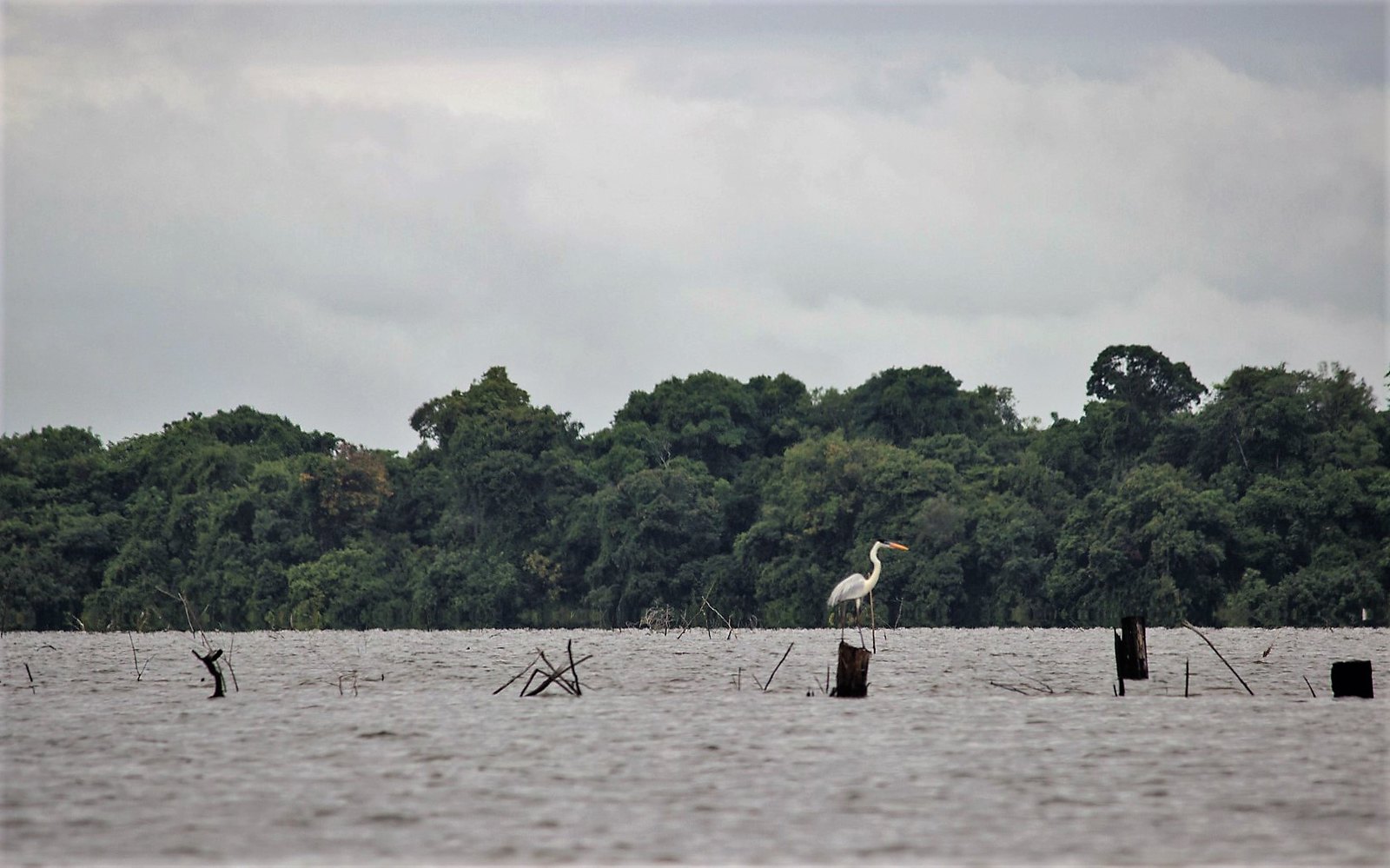
Foto: Amazon Watch / Maíra Irigaray.
A busca por justiça e reparação
Ao longo dos anos, o Ministério Público Federal do Pará, a Defensoria Pública e organizações da sociedade civil impetraram dezenas de ações judiciais em tribunais brasileiros para contestar as diversas irregularidades do projeto, bem como seus impactos. A maioria das ações permanece sem solução, algumas há mais de 10 anos.
Essas ações não obtiveram sucesso porque o governo federal tem reiteradamente anulado decisões favoráveis às comunidades afetadas, recorrendo a um mecanismo pelo qual o presidente do Supremo Tribunal Federal pode suspender uma decisão judicial com base unicamente em argumentos genéricos como "interesse nacional" ou "ordem econômica".
Diante da falta de respostas eficazes em nível nacional, a AIDA — juntamente com uma coalizão de organizações aliadas — levou o caso à Comissão Interamericana de Direitos Humanos (CIDH) e, em 2010, solicitou medidas cautelares para proteger a vida, a integridade e a saúde das comunidades indígenas afetadas.
Em 1º de abril de 2011, a CIDH concedeu essas medidas e solicitou ao Estado brasileiro a suspensão das licenças ambientais e de quaisquer obras de construção até que as condições relativas à consulta prévia e à proteção da saúde e integridade das comunidades fossem atendidas.
E, em 16 de junho de 2011, apresentamos uma denúncia formal à CIDH — juntamente com o Movimento Xingu Vivo Para Siempre, a Coordenação das Organizações Indígenas da Amazônia Brasileira, a Diocese de Altamira, o Conselho Missionário Indígena, a Sociedade Pará de Defesa dos Direitos Humanos e a Global Justice — contra o Estado brasileiro por sua responsabilidade internacional nas violações de direitos humanos contra os povos afetados neste caso. A denúncia foi apresentada em dezembro de 2015.
Em 3 de agosto de 2011, a CIDH modificou as medidas cautelares para solicitar — em vez da suspensão de licenças e obras — a proteção dos povos que vivem em isolamento voluntário, a saúde das comunidades indígenas e a regularização e proteção das terras ancestrais.
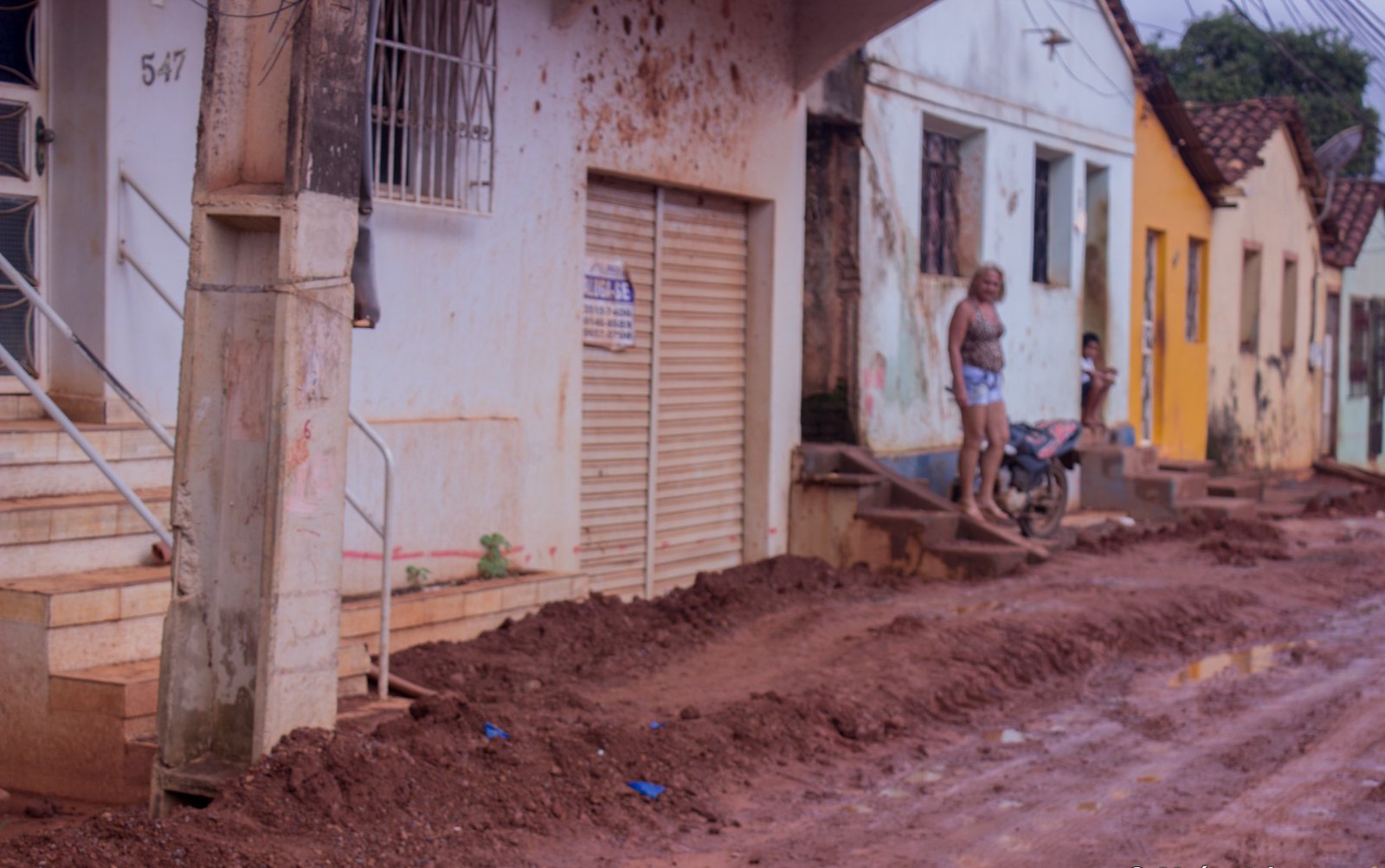
Foto: Amazon Watch / Maíra Irigaray.
Situação atual
As medidas de proteção concedidas pela CIDH permanecem em vigor, mas o Estado brasileiro não as cumpriu integralmente, relatando apenas ações genéricas. As comunidades documentaram as contínuas violações de seus direitos. A situação que motivou o pedido dessas medidas — o risco à vida, à segurança e aos meios de subsistência das comunidades — persiste e se agravou com a usina hidrelétrica operando em plena capacidade e com as recentes secas extremas na Amazônia.
Além do ocorrido em Belo Monte, existe o risco de maiores danos sociais e ambientais decorrentes da implementação de outro megaprojeto de mineração na Volta Grande do Xingu. Lá, a empresa canadense Belo Sun pretende construir a maior mina de ouro a céu aberto do Brasil.
Os impactos sinérgicos e cumulativos da usina e da mina não foram avaliados. O Estado excluiu povos indígenas, comunidades ribeirinhas e comunidades camponesas do processo de licenciamento ambiental do projeto. Apesar disso, dos protestos indígenas e de outras irregularidades em torno do projeto, o governo do estado do Pará autorizou formalmente a mina em abril de 2026.
Belo Monte, assim como outras usinas hidrelétricas, agrava a emergência climática ao gerar emissões de gases de efeito estufa em seu reservatório. Além disso, é ineficiente diante das secas prolongadas e intensas causadas pela crise, pois perde capacidade de geração de energia.
O caso perante a Comissão Interamericana
Em outubro de 2017, a CIDH anunciou que decidiria conjuntamente sobre a admissibilidade (se o caso preenche os requisitos para admissão) e o mérito (se houve, de fato, violação de direitos humanos) da denúncia internacional contra o Estado brasileiro.
Quinze anos após a apresentação da denúncia, as comunidades afetadas e as organizações que as representam ainda aguardam essa decisão. Caso a CIDH conclua que houve violações de direitos humanos e emita recomendações que o Estado brasileiro não cumpra, poderá encaminhar o caso à Corte Interamericana de Direitos Humanos, cujas decisões são vinculativas.
Uma possível decisão da Corte Internacional de Direitos Humanos neste caso estabeleceria um precedente jurídico regional em relação aos direitos dos povos indígenas e ribeirinhos, à participação pública em megaprojetos e à responsabilidade do Estado no contexto da crise climática. Isso é particularmente relevante à luz do Parecer Consultivo nº 32 da Corte, que reafirmou as obrigações dos Estados de proteger pessoas e comunidades em todo o continente da emergência climática.
Partners:
Related projects
Urging the Brazilian National Development Bank to Invest Responsibly
The flow of the Xingú river in the Brazilian Amazon is diminishing to a trickle, while the rainforest around it disappears. Fish and other animals are scarcely seen, and many residents of the river communities have had to leave their homes and change their way of life forever. This devastating panorama is the result of the construction of Belo Monte dam, slated to be the third-largest dam in the world. Despite the project’s many reported irregularities, construction continues to ravage the surrounding environment. And despite the corruption and seemingly endless questions surrounding the dam, the energy company building it has had no problems obtaining funding, mostly from the Brazilian National Development Bank (BNDES). In Latin America, BNDES is more active than both the Inter-American Development Bank and the World Bank in financing large energy and infrastructure projects. BNDES does not, however, have standards that guarantee its investments do no harm to the environment and vulnerable communities; nor does it have an effective system to process the claims and complaints of those whose human rights are violated as a result. AIDA is working alongside regional organizations in Brazil to draw attention to this unacceptable situation. Too few people know about the problems caused by BNDES-supported projects, which means that society at large is not demanding accountability. To raise awareness, AIDA and allied organizations created an infographic that explains the harmful effects of BNDES investments in the region. Please help us distribute this valuable tool by sharing it with your friends! “Our work aims to influence the Brazilian National Development Bank so it becomes a positive influence in the world of energy investments. We hope they begin to respect the environment and the human rights of the people who depend on it, and enable a shift towards a truly sustainable economy,” said Florencia Ortúzar, AIDA attorney. “We want the Bank to stop funding large dams. As well as displacing entire communities of indigenous and vulnerable people, they actually contribute to climate change, because rotting vegetation in dam reservoirs releases enormous amounts of methane—a very powerful greenhouse gas. Instead of building more dams, the bank should avoid socio-environmental conflicts and positively contribute to regional efforts to adapt to and mitigate the effects of climate change.”
Read more
COP21: Mainstreaming Climate Change within Financial Institutions
Financial institutions are crucial players in the global fight against climate change. In order for countries around the world to successfully pursue low-carbon and climate-resilient development, significant sums of finance will need to be harnessed. The Paris Agreement – set to be finalized this week at the close of COP21 – will surely catalyze climate finance around the world. But climate finance will only represent a small percentage of overall global financial flows. Therefore, the extent to which climate change considerations are more broadly mainstreamed within financial institutions will have an important effect on the speed of the global economy’s transformation in response to climate change. AIDA co-director Astrid Puentes Riaño was part of a panel that addressed this reality on December 7 during a COP21 side event titled Mainstreaming Climate Change Within Financial Institutions. The event began with a presentation unveiling the Five Voluntary Principles that had been agreed to this year by 26 financial institutions on four continents, which collectively manage $11 trillion USD. These voluntary principles included commitments to manage climate risks, improve climate performance, account for climate action, adhere to climate change strategies, and promote climate smart objectives. Following introductory remarks by the CEO of the French Development Agency and the Vice President of the World Bank Group, the main group of five panelists was invited to discuss their actions and views related to the initiative. The importance of Puentes Riaño’s presence on the panel was immediately apparent – she was not only the only woman, but also the only voice representing civil society. Other panelists included representatives from major public and private financial institutions, such as the Development Bank of Latin America, the Vicepresident of the European Investment Bank and the head of the Ministry of the Environment and Tourism in Namibia. The presentations on behalf of the financial institutions were brief, but to a certain extent heartening. Representatives lauded the billions of dollars they were committing to the fight against climate change, as well as other steps they were taking to reduce the climate impact of their investments. The European Investment Bank Representative, for example, highlighted their new emissions performance standard for investment in new energy development, which he said didn’t discriminate against any particular energy source, but effectively excluded coal. There was also discussion about the importance of working together and building information-sharing platforms, such as a website to host information gathered by the financial institutions. The representative from the commercial banking sector said that his company had committed to investing $2 billion USD in green bonds, wouldn’t be funding any new coal plants, and would be increasing investments in renewable energy. The Minister from Namibia stressed the devastating effect climate change is already having, and will continue to have, on his country. He explained that although climate change is a priority for his government, there is a lack of resources available to address the various needs that can arise at any time. Speaking on behalf of civil society, Puentes Riaño welcomed the initiative as a good start, which projected a positive image of the financial sector. Recognizing that the effort was still in its nascent stages, she offered some recommendations regarding its implementation. First, she called for consideration of human rights and social risk to be included in project assessments. This, Puentes Riaño explained, would facilitate the selection of the right kinds of projects to invest in. Secondly, she called for an effort to ensure that there was consideration of, and agreement among financial institutions about key definitions, for example “renewable energy” and “sustainable development”, as well as thought given to which options should be excluded as false solutions. Finally, she called on these funding institutions to focus on how this initiative would be implemented. She recommended having a clear, transparent, and participatory road map that was ambitious enough to put the world on a 1.5 degrees C path. During discussions like these, it’s easy to see how important it is for civil society organizations to be present and doing their best to contribute to the dialogue. In this case, AIDA was able to join the conversation and use our position at the table to help increase awareness about and advocate for access to information, transparency and accountability, public participation, and human rights.
Read more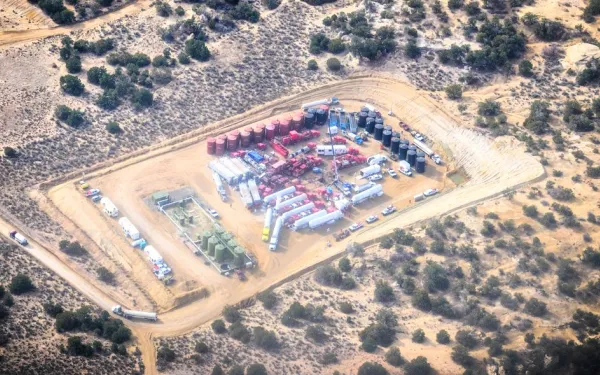
To cool the planet, fracking must be prohibited, organizations say
In the framework of COP21, a coalition of Latin American civil society organizations is urging world leaders meeting in Paris to ban fracking in their countries. By emitting large quantities of greenhouse gases, the process itself goes against the central objective of the climate negotiations: stopping global warming. Paris, France. In a public statement directed at Member States of the United Nations Framework Convention on Climate Change, organizations and allies of the Latin American Alliance On Fracking asked that all fracking activities be banned due to the fact that, among other impacts, hydraulic fracturing emits greenhouse gases that contribute to global warming. During the cycle of extracting, processing, storing, transferring, and distributing unconventional hydrocarbons using fracking, methane gas is released into the atmosphere. Methane is 87 times more powerful than carbon dioxide as an agent of global warming, the group explained in their statement. The document will be presented this Friday December 11 at 10 a.m. (local time) at the Climate Action Zone by: Alianza Mexicana contra el Fracking; Asociación Ambiente y Sociedad; the Inter-American Association for Environmental Defense (AIDA); Food & Water Watch; Freshwater Action Network Mexico; the Heinrich Böll Foundation – Mexico, Central America and the Caribbean; Instituto Brasileiro de Analises Socias e Economicas (IBASE); and Observatorio Petrolero Sur (OpSur). The organizations discuss the current state of hydraulic fracturing in Latin America. Although the use of the experimental technique is contrary to national and international commitments to reduce emissions, several countries in the region – among them Mexico, Colombia, Argentina, Chile and Bolivia – have begun exploration or exploitation of unconventional hydrocarbons through fracking. “Fracking is advancing blindly in Latin America, with no comprehensive long-term studies on the risks and serious damage that it could cause to the health of people and the environment,” said Ariel Pérez Castellón, attorney at AIDA. “Operations of this kind in the region have failed to respect fundamental human rights, including the right to consultation and free, prior and informed consent; the right to participation and social control; and the right to information,” added Milena Bernal, attorney with the Asociación Ambiente y Sociedad. According to the organizations, fracking is advancing quickly into indigenous and rural communities, urban neighborhoods, and even Natural Protected Areas. It has caused the displacement both of people and of productive activities such as farming and agriculture, because their coexistence with this technique is impossible. Rejection of fracking has grown in parallel with its spread in operations. “The proof of this resistance are the national and international networks opposing this technique, including more than 50 municipalities that have banned it in Argentina, Brazil and Uruguay,” said Diego di Risio, researcher at Observatorio Petrolero Sur. “As part of our statement, we urge the Member Parties of the Convention to: sign a binding agreement that quickly and effectively reduces greenhouse gases and incorporates human rights into the legal text; apply the precautionary principle to ban fracking; and promote renewable energies and disincentivize the extraction of fossil fuels,” stated Claudia Campero Arena, researcher at Food & Water Watch, and Moema Miranda, director of Ibase. Read the full statement from the Latin American Alliance on Fracking here. Event “The fight against fracking in Latin America: experiences in Argentina, Bolivia, Colombia, Brazil and Mexico” Simultaneous translation in English and French Friday December 11, 2015 Climate Action Zone Centquatre, 5 rue Curial, Paris (Métro Riquet)
Read more