
Project
Amazon Watch / Maíra Irigaray
Barragem de Belo Monte no rio Xingu: 10 anos de impactos na Amazônia e de busca por reparações
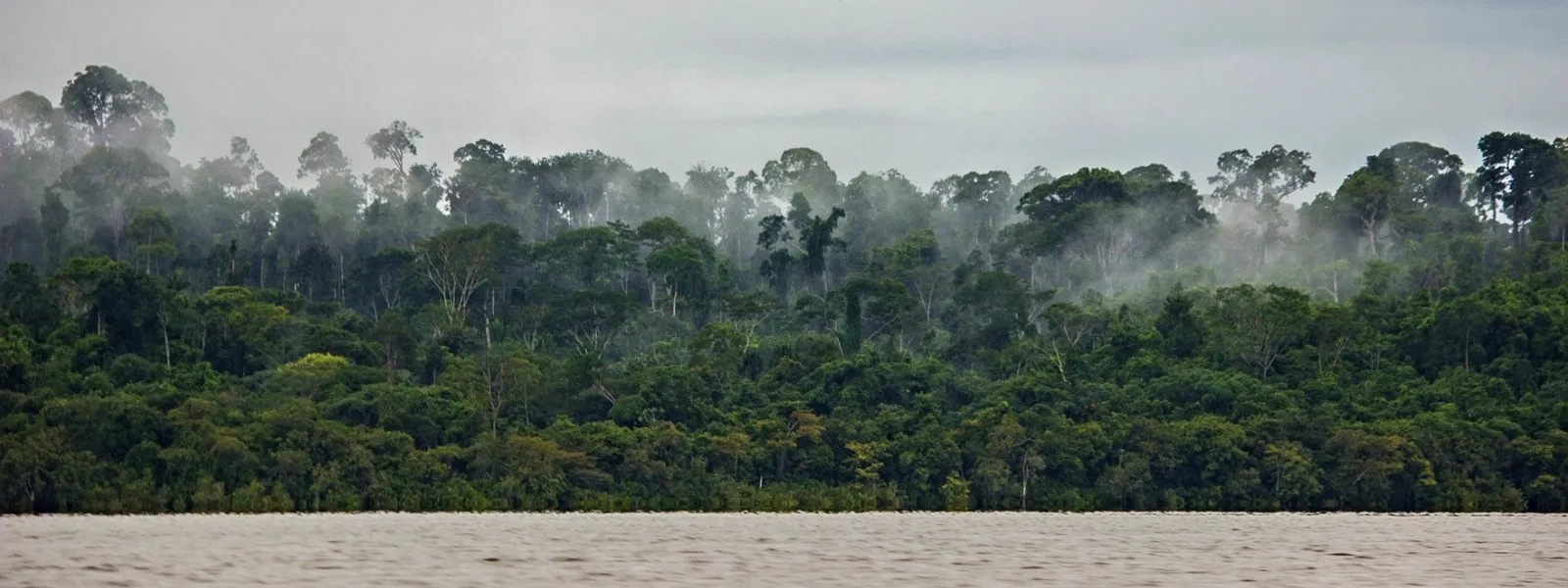
A usina hidrelétrica de Belo Monte causou um desastre ambiental e social no coração da Amazônia: um dos ecossistemas mais importantes do planeta.
Essa situação só piorou desde que a usina começou a operar em 2016. A busca por justiça e reparação para as comunidades indígenas e ribeirinhas afetadas continua até hoje.
Em 2011, a Comissão Interamericana de Direitos Humanos (CIDH) concedeu a essas comunidades medidas de proteção, que até hoje não foram totalmente implementadas pelo Estado brasileiro.
E, desde junho daquele mesmo ano, a CIDH mantém um processo contra o Estado por sua responsabilidade internacional no caso.
A CIDH pode encaminhar o caso à Corte Interamericana de Direitos Humanos, que tem o poder de emitir uma sentença condenatória contra o Estado brasileiro.
Consulta o expediente de fatos do caso
Após 10 anos de operação da usina hidrelétrica e mais de 15 anos de violações de direitos humanos documentadas, é hora da justiça ser feita para as comunidades afetadas.
Leia a carta aberta das organizações que levam o caso à CIDH
Leia nosso comunicado à imprensa
Contexto
A usina hidrelétrica de Belo Monte — a quarta maior do mundo em capacidade instalada (11.233 MW) — foi construída no rio Xingu, no estado do Pará, norte do Brasil.
Foi inaugurada em 5 de maio de 2016, com uma única turbina. Naquela época, 80% do curso do rio foi desviado e 516 km² de terra foram inundados, uma área maior que a cidade de Chicago. Desse total, 400 km² eram de mata nativa. A usina começou a operar em plena capacidade em novembro de 2019.
Belo Monte foi construída e é operada pelo consórcio Norte Energia S.A., composto principalmente por empresas estatais. Foi financiada pelo Banco Nacional de Desenvolvimento Econômico e Social (BNDES), que aportou ao consórcio 25,4 bilhões de reais (aproximadamente US$ 10,16 bilhões), o maior investimento de sua história. Portanto, o BNDES também é legalmente responsável pelos impactos socioambientais associados ao projeto hidrelétrico.
Décadas de danos ambientais e humanos
As violações dos direitos humanos e a degradação da Amazônia remontam ao início do projeto. Em março de 2011, a Norte Energia iniciou a construção da barragem sem consulta adequada e sem o consentimento prévio, livre e informado das comunidades afetadas.
A construção levou ao deslocamento forçado de mais de 40.000 pessoas, rompendo laços sociais e culturais. O plano de reassentamento em Altamira — cidade diretamente afetada pelo projeto hidrelétrico — incluía moradias na periferia da cidade, sem serviços públicos adequados, moradias dignas para as famílias reassentadas e moradias diferenciadas para aqueles pertencentes a comunidades indígenas.
A operação da barragem de Belo Monte impôs uma seca permanente e artificial na Volta Grande do rio Xingu, agravada pelas secas históricas na Amazônia em 2023 e 2024. Como resultado, a morte de milhões de ovos de peixe foi documentada por quatro anos consecutivos (de 2021 a 2024) e, nos últimos três anos, não houve migração de peixes rio acima para desovar e se reproduzir. Assim, a pesca artesanal, principal fonte de proteína para os povos indígenas e comunidades ribeirinhas, foi severamente afetada: o consumo de peixe caiu de 50% para 30% do total de proteínas consumidas, sendo substituído por alimentos processados. Em suma, houve um colapso ambiental e humanitário que resultou no colapso da pesca como modo de vida tradicional, insegurança alimentar e falta de acesso à água potável para milhares de famílias, empobrecimento e doenças.
Além disso, a construção da barragem aumentou o desmatamento e intensificou a extração ilegal de madeira e a insegurança em terras indígenas e tribais, colocando em risco a sobrevivência dessas comunidades. Outra consequência foi o agravamento da pobreza e dos conflitos sociais, bem como a sobrecarga dos sistemas de saúde, educação e segurança pública em Altamira, cidade considerada a mais violenta do país em 2017, onde houve aumento do tráfico de pessoas e da violência sexual. Também foram registrados casos de violência contra defensores de direitos humanos envolvidos no caso.
Em 2025, durante a 30ª Conferência das Nações Unidas sobre Mudanças Climáticas (COP30), realizada no Brasil, o Ministério Público Federal classificou os danos causados por Belo Monte como ecocídio.
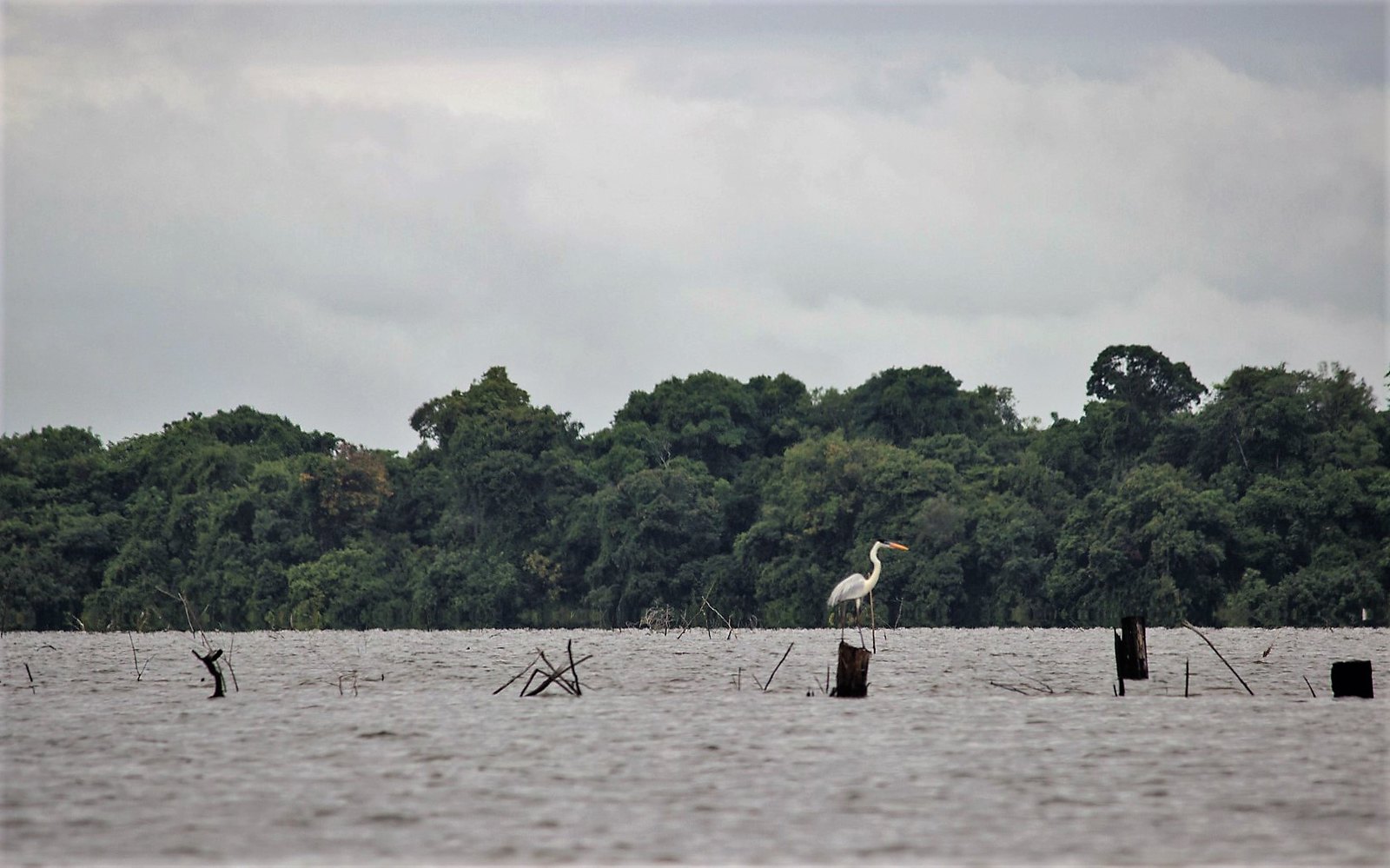
Foto: Amazon Watch / Maíra Irigaray.
A busca por justiça e reparação
Ao longo dos anos, o Ministério Público Federal do Pará, a Defensoria Pública e organizações da sociedade civil impetraram dezenas de ações judiciais em tribunais brasileiros para contestar as diversas irregularidades do projeto, bem como seus impactos. A maioria das ações permanece sem solução, algumas há mais de 10 anos.
Essas ações não obtiveram sucesso porque o governo federal tem reiteradamente anulado decisões favoráveis às comunidades afetadas, recorrendo a um mecanismo pelo qual o presidente do Supremo Tribunal Federal pode suspender uma decisão judicial com base unicamente em argumentos genéricos como "interesse nacional" ou "ordem econômica".
Diante da falta de respostas eficazes em nível nacional, a AIDA — juntamente com uma coalizão de organizações aliadas — levou o caso à Comissão Interamericana de Direitos Humanos (CIDH) e, em 2010, solicitou medidas cautelares para proteger a vida, a integridade e a saúde das comunidades indígenas afetadas.
Em 1º de abril de 2011, a CIDH concedeu essas medidas e solicitou ao Estado brasileiro a suspensão das licenças ambientais e de quaisquer obras de construção até que as condições relativas à consulta prévia e à proteção da saúde e integridade das comunidades fossem atendidas.
E, em 16 de junho de 2011, apresentamos uma denúncia formal à CIDH — juntamente com o Movimento Xingu Vivo Para Siempre, a Coordenação das Organizações Indígenas da Amazônia Brasileira, a Diocese de Altamira, o Conselho Missionário Indígena, a Sociedade Pará de Defesa dos Direitos Humanos e a Global Justice — contra o Estado brasileiro por sua responsabilidade internacional nas violações de direitos humanos contra os povos afetados neste caso. A denúncia foi apresentada em dezembro de 2015.
Em 3 de agosto de 2011, a CIDH modificou as medidas cautelares para solicitar — em vez da suspensão de licenças e obras — a proteção dos povos que vivem em isolamento voluntário, a saúde das comunidades indígenas e a regularização e proteção das terras ancestrais.
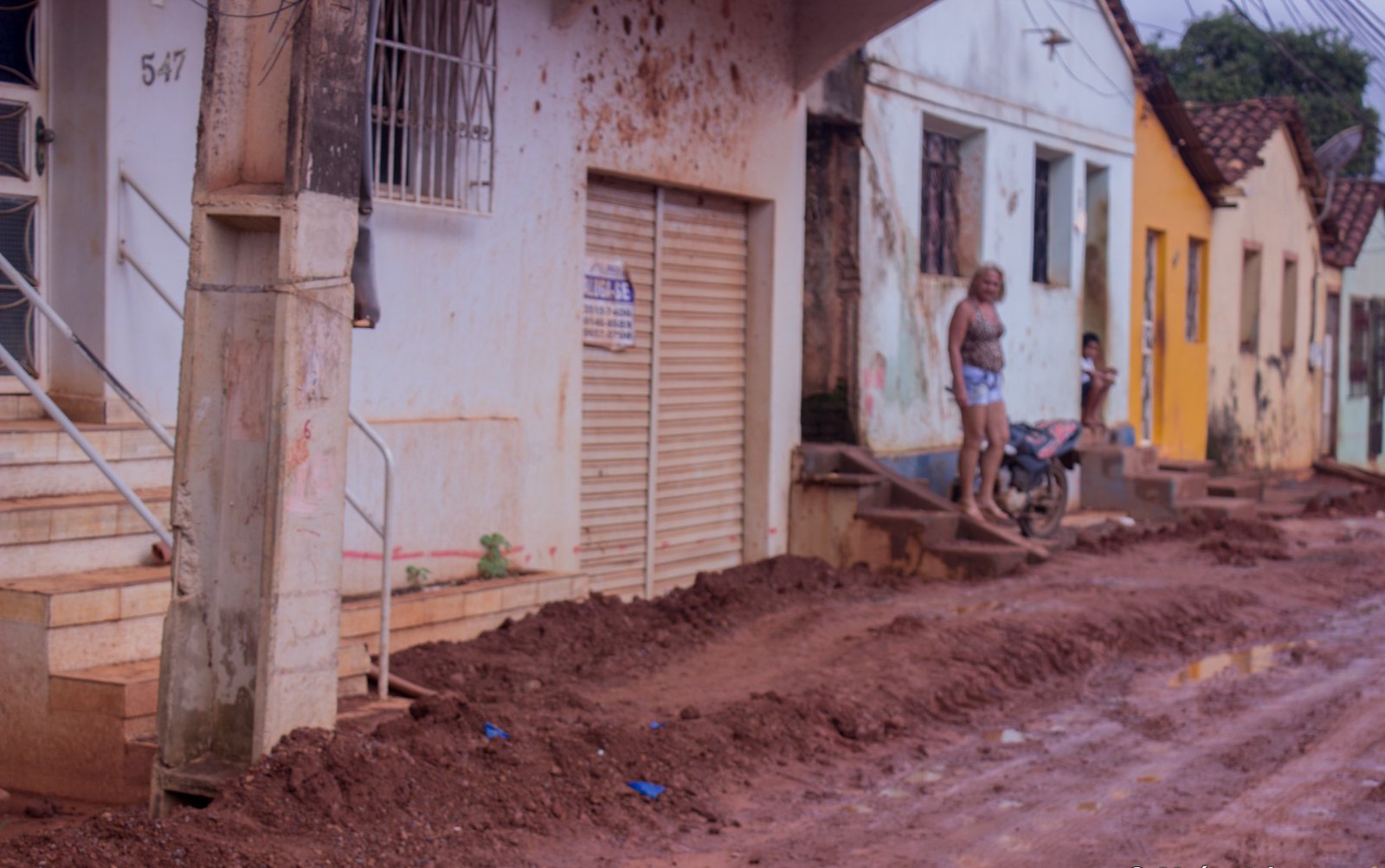
Foto: Amazon Watch / Maíra Irigaray.
Situação atual
As medidas de proteção concedidas pela CIDH permanecem em vigor, mas o Estado brasileiro não as cumpriu integralmente, relatando apenas ações genéricas. As comunidades documentaram as contínuas violações de seus direitos. A situação que motivou o pedido dessas medidas — o risco à vida, à segurança e aos meios de subsistência das comunidades — persiste e se agravou com a usina hidrelétrica operando em plena capacidade e com as recentes secas extremas na Amazônia.
Além do ocorrido em Belo Monte, existe o risco de maiores danos sociais e ambientais decorrentes da implementação de outro megaprojeto de mineração na Volta Grande do Xingu. Lá, a empresa canadense Belo Sun pretende construir a maior mina de ouro a céu aberto do Brasil.
Os impactos sinérgicos e cumulativos da usina e da mina não foram avaliados. O Estado excluiu povos indígenas, comunidades ribeirinhas e comunidades camponesas do processo de licenciamento ambiental do projeto. Apesar disso, dos protestos indígenas e de outras irregularidades em torno do projeto, o governo do estado do Pará autorizou formalmente a mina em abril de 2026.
Belo Monte, assim como outras usinas hidrelétricas, agrava a emergência climática ao gerar emissões de gases de efeito estufa em seu reservatório. Além disso, é ineficiente diante das secas prolongadas e intensas causadas pela crise, pois perde capacidade de geração de energia.
O caso perante a Comissão Interamericana
Em outubro de 2017, a CIDH anunciou que decidiria conjuntamente sobre a admissibilidade (se o caso preenche os requisitos para admissão) e o mérito (se houve, de fato, violação de direitos humanos) da denúncia internacional contra o Estado brasileiro.
Quinze anos após a apresentação da denúncia, as comunidades afetadas e as organizações que as representam ainda aguardam essa decisão. Caso a CIDH conclua que houve violações de direitos humanos e emita recomendações que o Estado brasileiro não cumpra, poderá encaminhar o caso à Corte Interamericana de Direitos Humanos, cujas decisões são vinculativas.
Uma possível decisão da Corte Internacional de Direitos Humanos neste caso estabeleceria um precedente jurídico regional em relação aos direitos dos povos indígenas e ribeirinhos, à participação pública em megaprojetos e à responsabilidade do Estado no contexto da crise climática. Isso é particularmente relevante à luz do Parecer Consultivo nº 32 da Corte, que reafirmou as obrigações dos Estados de proteger pessoas e comunidades em todo o continente da emergência climática.
Partners:
Related projects
The Invaluable Legacy of Douglas Tompkins
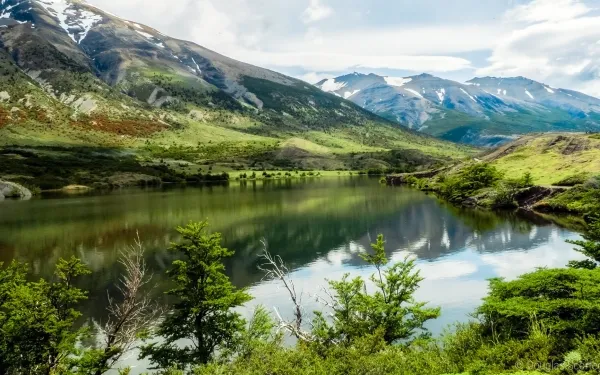
By Florencia Ortúzar, AIDA attorney On December 8th, one of the last pristine places on the planet, Patagonia, lost one of its greatest protectors, Douglas Tompkins. At 72 years old, the conservationist and multimillionaire lost his life in a kayaking accident. Much has been said about the eccentric man who sold the companies that made him rich, and left it all behind to undertake an ambitious conservation project in Chile and Argentina. It was looked on with suspicion when he began frantically buying lands in the Southern Cone for the sole purpose of protecting them. Tompkins thought that effective conservation should be “extensive, wild and connected.” So he decided to create large national parks that would be protected even in his absence. To do so, he acquired large tracts of land and began returning them to their natural state, removing fences and recuperating ecosystems. Without fences, wildlife could move freely, a condition which is fundamental for their prosperity. Donating in exchange for protection Barely more than a month after she was widowed, Kris Tompkins, Doug’s wife for 20 years, met with Chilean President Michelle Bachelet to offer the donation of more than 400 thousand hectares of land in Chilean Patagonia, including millions of dollars in infrastructure. With it, she sought to realize the last of the couple’s major projects in Chile: the creation of Patagonia Park, which together with other lands, donated or in process of being donated, would form a network of parks in Patagonia. In Chile, the Tompkins had already donated land for the creation of Corcovado Park in Patagonia and Yendegaia Park in Tierra del Fuego. The land to create Pumalín Park, also in Patagonia, is in the process of being donated. All together, these land donations equal more than 500 thousand hectares of protected wilderness. But the Tompkins’ gifts come with conditions: for each hectare they receive, governments must protect a certain number more. In exchange for the posthumous donation in Chile, for example, the government is required to create new national parks, expand existing parks and reclassify four natural reserves. Negotiations are expected to conclude in 2018. If the Tompkins’ succeed, the agreement will create the most important network of national parks in the country. Protection in Argentina Tompkins also donated vast stretches of land in Argentina. In the Entre Ríos Province, he started a soil recuperation project, using highly diversified organic crops to overcome the damage of industrial monoculture. The Argentine Patagonia also received protection, through land donations of 66 thousand hectares to Monte Leon National Park and 15 thousand hectares to Perito Moreno National Park. Tompkins’ last project in Argentina was completed last December when the Argentine government met with Kris Tompkins to accept the donation of 150 thousand hectares of land in the Estuaries of Iberá, the second largest wetland on the planet. This area, when added to the 50 thousand hectares previously donated and the 500 thousand that already form Iberá Park, will create one of the largest reserves in the country. ¡Patagonia sin Represas! In addition to contributing to the creation of national parks, Tompkins supported the activism of conservation groups in Patagonia. One of the initiatives he sponsored was the campaign Patagonia sin Represas, which managed to stop the HidroAysén project in its tracks. HydroAysén had aimed to construct five mega-dams on the Baker and Pascua rivers, two of the largest free-flowing rivers in Chile, located in the heart of Patagonia. During Doug’s burial the mantra “Patagonia sin Represas” is said to have been shouted by mourners when the last handful of dirt was thrown upon his grave. At the end of the 1900s, when Tompkins’ land purchasing in Argentina and Chile was at its peak, he was accused of buying the land cheaply and displacing its inhabitants, leaving them without work. Later, the accusations became more sophisticated: they accused him of buying land to create a new Zionist state, of being a CIA spy, and of trying to seize enormous reserves of fresh water to export to places experiencing drought. Many looked upon his work with suspicion. Maybe they found it difficult to believe that someone would invest millions of dollars with the sole objective of preserving the perfect natural harmony that surrounds us. Any accusation was easier than giving credit to his true intention: buying land to prevent it from being exploited, and then giving it back to the government, not for money, but for a commitment of protection. Whatever his detractors may say, here in reality, Douglas Tompkins left an enormous legacy to all of mankind. He has conserved more land than any other person in the history of Chile and Argentina. His work has translated into massive patches of green on the maps of Patagonia. For those pristine and wild places, we are eternally grateful. CONGRATULATIONS DOUG, and THANK YOU!
Read more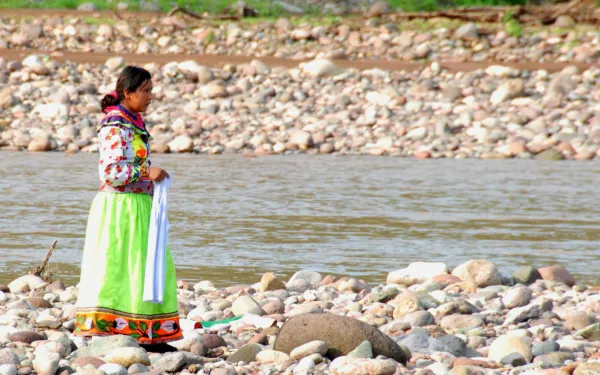
Indigenous groups ask Pope Francis to help stop Las Cruces Dam
In a letter delivered to Vatican representatives, indigenous and riverine communities affected by the construction of a dam on Río San Pedro Mezquital asked that the Pope intercede on their behalf before the Mexican government during his visit to the country. They explained that the hydroelectric project would cause serious harm to the environment and human rights. Mexico City, Mexico. On the occasion of Pope Francis’ visit to Mexico, indigenous and riverine communities from Nayarit state wrote a letter asking the Pope to intercede on their behalf before the Mexican government, in hopes of putting a stop to the Las Cruces Dam project on Río San Pedro Mezquital. The project, they explain, puts at risk their culture and way of life, and also threatens Marismas Nacionales, one of the country’s most important wetlands. The letter was delivered to the local headquarters of the Apostolic Nunciature, a diplomatic mission of the Vatican. It reads: … We respectfully solicit that you, Your Holiness, during your visit to our country, intercede on our behalf before President Enrique Peña Nieto, so that his Government stops the human rights violations of all indigenous communities in the name of development, and that it abandon further advancement of the Las Cruces hydroelectric dam because of the human and environmental impacts it will cause. Mexico’s Secretary of the Environment and Renewable Natural Resources (SEMARNAT) has granted environmental permits and water rights for the construction and operation of the dam. “They did so without having guaranteed the right to prior consultation of the indigenous communities affected by the project, which include the Náyeri, Wixárica, Mexicanero and Tepehuano peoples,” explained Sandra Moguel, AIDA attorney. “SEMARNAT authorized the project with the condition that the Secretariat of Energy realize a process of consultation with the indigenous communities, which should have been done before issuing the authorizations.” In their letter, the indigenous communities honor and celebrate Pope Francis’ encyclical, Laudato Sí, in which he recognizes the important contribution indigenous communities can make towards the promotion and protection of culture and natural resources. “The Río San Pedro is not simply part of our lives, but also fundamental to our spirituality,” explained Julián López Cánare, member of the Náyeri Indigenous Council, who delivered the letter. “All of its territory, from its headwaters to its mouth, is a sacred space where we strengthen our identity and values.” This river also feeds Marismas Nacionales, one of Mexico’s most important wetlands. The area is recognized as a Biosphere Reserve and a Wetland of International Importance under the Ramsar Convention, an intergovernmental treaty for the protection of wetland ecosystems. Finally, the indigenous communities explained in their letter that the pressure put on them to agree to the project has escalated to include harassment and illegal detentions by the government. They also cite instances of acts simulating consultation, which would not be valid considering the project has already been authorized. Citing the visions for the future they share with Pope Francis, the letter finished: Your Holiness, hopeful in the power of your intercession, we part here with the passionate hope that your encyclical letter, Laudato Si’, inspires and propels profound changes in politics, practices, and beliefs of governments, businesses, civil society, and the mentality of our fellow man, with hopes of constructing a more just, more humane, and truly sustainable world.
Read more
AIDA celebrates Court decision to protect Colombia's páramos
Colombia’s Constitutional Court on Monday declared unconstitutional an aspect of the country’s National Development Plan that permitted mining in páramos. Bogota, Colombia. The Interamerican Association for Environmental Defense (AIDA) celebrates the decision of Colombia’s Constitutional Court to ban mining in the country’s páramos. The ruling—which nullified an article of the 2014-2018 National Development Plan protecting previously granted mining licenses—is vital to the preservation of Colombia’s freshwater resources, and should serve as an example for other countries in the region. AIDA and partner organizations presented an amicus brief in support of the corresponding lawsuit, filed by the Cumbre Agraria, Campesina, Étnica y Popular. The court’s ruling brings justice to these important freshwater ecosystems and the many people that depend upon them. Although they occupy just 1.7 percent of the national territory, Colombia’s páramos provide 70 percent of its fresh water. The sensitive ecosystems are also strategic reserves of biodiversity, and act as carbon sinks essential to the mitigation of climate change. The high court’s decision is key to the protection of the Santurbán páramo, on which hundreds of thousands of people in the Bucaramanga metropolitan area depend. AIDA has long been working to defend Santurbán from large-scale mining and to provide support to affected communities. AIDA urges the Ministry of the Environment to promptly enact the court’s ruling and protect all the country's páramos from the impacts of large-scale mining operations.
Read more