
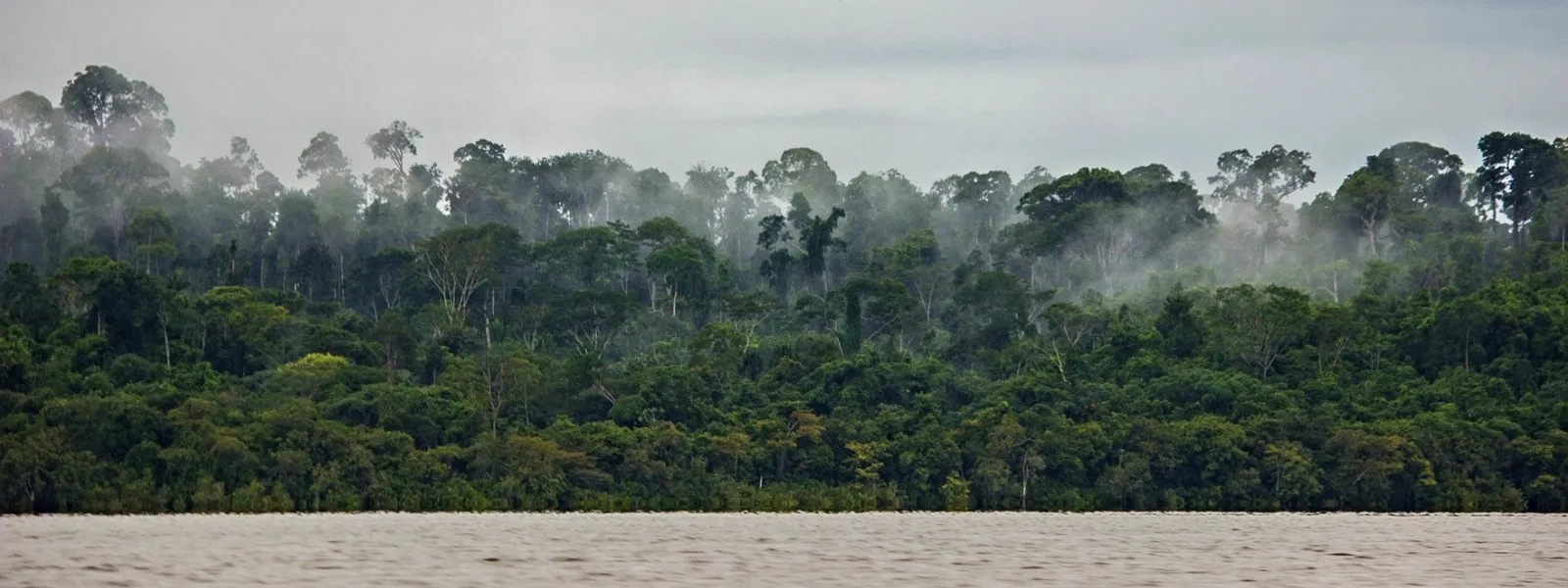
Project
Amazon Watch / Maíra Irigaray
Barragem de Belo Monte no rio Xingu: 10 anos de impactos na Amazônia e de busca por reparações
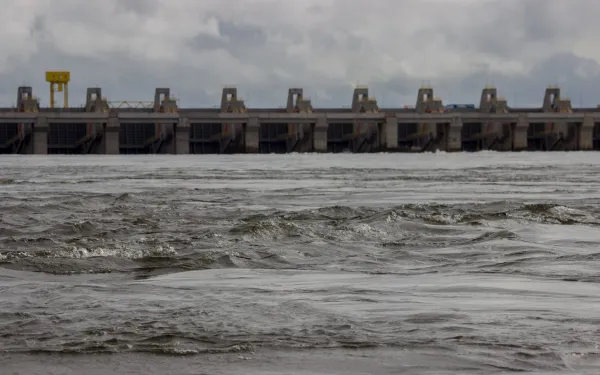
A usina hidrelétrica de Belo Monte causou um desastre ambiental e social no coração da Amazônia: um dos ecossistemas mais importantes do planeta.
Essa situação só piorou desde que a usina começou a operar em 2016. A busca por justiça e reparação para as comunidades indígenas e ribeirinhas afetadas continua até hoje.
Em 2011, a Comissão Interamericana de Direitos Humanos (CIDH) concedeu a essas comunidades medidas de proteção, que até hoje não foram totalmente implementadas pelo Estado brasileiro.
E, desde junho daquele mesmo ano, a CIDH mantém um processo contra o Estado por sua responsabilidade internacional no caso.
A CIDH pode encaminhar o caso à Corte Interamericana de Direitos Humanos, que tem o poder de emitir uma sentença condenatória contra o Estado brasileiro.
Consulta o expediente de fatos do caso
Após 10 anos de operação da usina hidrelétrica e mais de 15 anos de violações de direitos humanos documentadas, é hora da justiça ser feita para as comunidades afetadas.
Leia a carta aberta das organizações que levam o caso à CIDH
Leia nosso comunicado à imprensa
Contexto
A usina hidrelétrica de Belo Monte — a quarta maior do mundo em capacidade instalada (11.233 MW) — foi construída no rio Xingu, no estado do Pará, norte do Brasil.
Foi inaugurada em 5 de maio de 2016, com uma única turbina. Naquela época, 80% do curso do rio foi desviado e 516 km² de terra foram inundados, uma área maior que a cidade de Chicago. Desse total, 400 km² eram de mata nativa. A usina começou a operar em plena capacidade em novembro de 2019.
Belo Monte foi construída e é operada pelo consórcio Norte Energia S.A., composto principalmente por empresas estatais. Foi financiada pelo Banco Nacional de Desenvolvimento Econômico e Social (BNDES), que aportou ao consórcio 25,4 bilhões de reais (aproximadamente US$ 10,16 bilhões), o maior investimento de sua história. Portanto, o BNDES também é legalmente responsável pelos impactos socioambientais associados ao projeto hidrelétrico.
Décadas de danos ambientais e humanos
As violações dos direitos humanos e a degradação da Amazônia remontam ao início do projeto. Em março de 2011, a Norte Energia iniciou a construção da barragem sem consulta adequada e sem o consentimento prévio, livre e informado das comunidades afetadas.
A construção levou ao deslocamento forçado de mais de 40.000 pessoas, rompendo laços sociais e culturais. O plano de reassentamento em Altamira — cidade diretamente afetada pelo projeto hidrelétrico — incluía moradias na periferia da cidade, sem serviços públicos adequados, moradias dignas para as famílias reassentadas e moradias diferenciadas para aqueles pertencentes a comunidades indígenas.
A operação da barragem de Belo Monte impôs uma seca permanente e artificial na Volta Grande do rio Xingu, agravada pelas secas históricas na Amazônia em 2023 e 2024. Como resultado, a morte de milhões de ovos de peixe foi documentada por quatro anos consecutivos (de 2021 a 2024) e, nos últimos três anos, não houve migração de peixes rio acima para desovar e se reproduzir. Assim, a pesca artesanal, principal fonte de proteína para os povos indígenas e comunidades ribeirinhas, foi severamente afetada: o consumo de peixe caiu de 50% para 30% do total de proteínas consumidas, sendo substituído por alimentos processados. Em suma, houve um colapso ambiental e humanitário que resultou no colapso da pesca como modo de vida tradicional, insegurança alimentar e falta de acesso à água potável para milhares de famílias, empobrecimento e doenças.
Além disso, a construção da barragem aumentou o desmatamento e intensificou a extração ilegal de madeira e a insegurança em terras indígenas e tribais, colocando em risco a sobrevivência dessas comunidades. Outra consequência foi o agravamento da pobreza e dos conflitos sociais, bem como a sobrecarga dos sistemas de saúde, educação e segurança pública em Altamira, cidade considerada a mais violenta do país em 2017, onde houve aumento do tráfico de pessoas e da violência sexual. Também foram registrados casos de violência contra defensores de direitos humanos envolvidos no caso.
Em 2025, durante a 30ª Conferência das Nações Unidas sobre Mudanças Climáticas (COP30), realizada no Brasil, o Ministério Público Federal classificou os danos causados por Belo Monte como ecocídio.
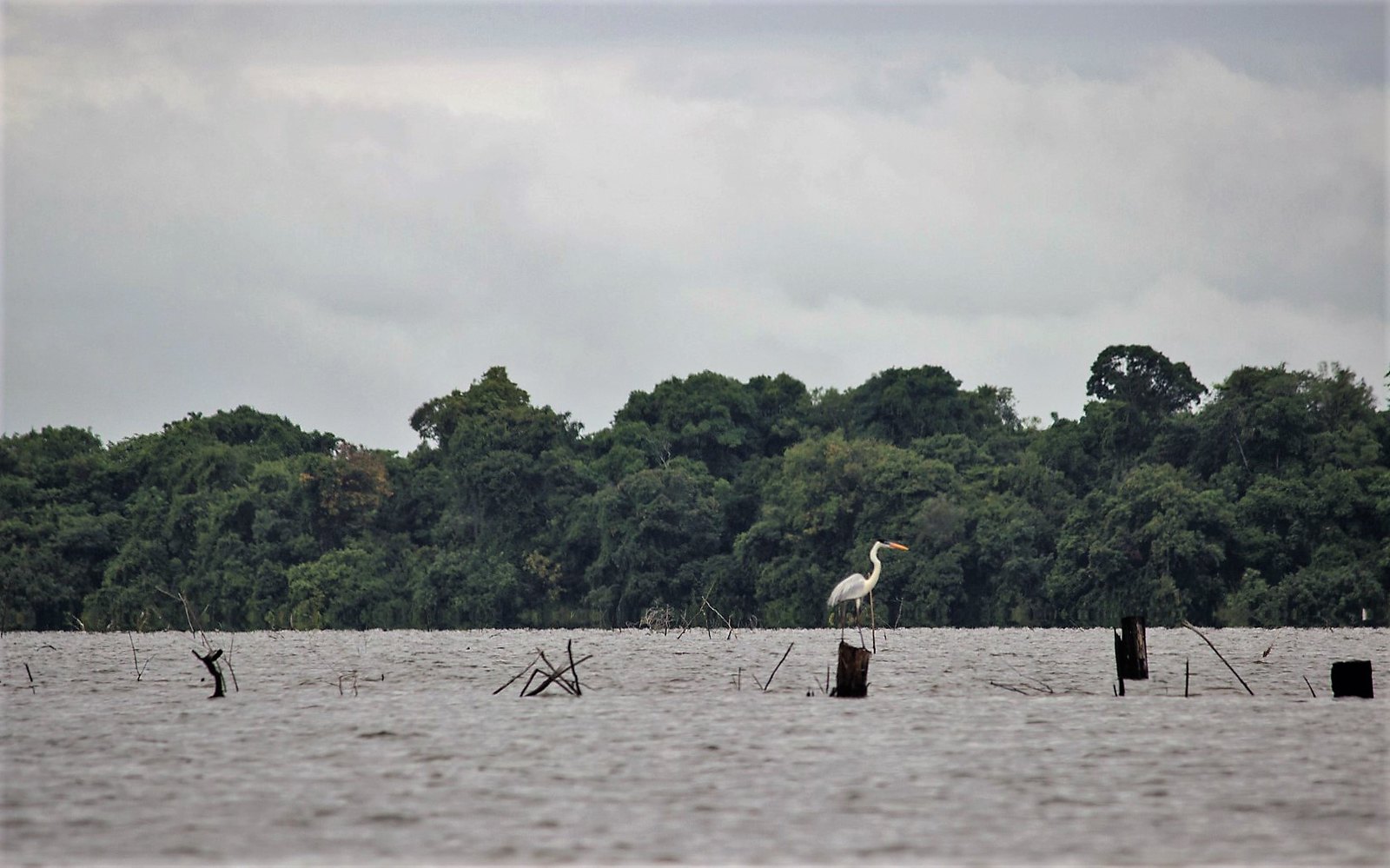
Foto: Amazon Watch / Maíra Irigaray.
A busca por justiça e reparação
Ao longo dos anos, o Ministério Público Federal do Pará, a Defensoria Pública e organizações da sociedade civil impetraram dezenas de ações judiciais em tribunais brasileiros para contestar as diversas irregularidades do projeto, bem como seus impactos. A maioria das ações permanece sem solução, algumas há mais de 10 anos.
Essas ações não obtiveram sucesso porque o governo federal tem reiteradamente anulado decisões favoráveis às comunidades afetadas, recorrendo a um mecanismo pelo qual o presidente do Supremo Tribunal Federal pode suspender uma decisão judicial com base unicamente em argumentos genéricos como "interesse nacional" ou "ordem econômica".
Diante da falta de respostas eficazes em nível nacional, a AIDA — juntamente com uma coalizão de organizações aliadas — levou o caso à Comissão Interamericana de Direitos Humanos (CIDH) e, em 2010, solicitou medidas cautelares para proteger a vida, a integridade e a saúde das comunidades indígenas afetadas.
Em 1º de abril de 2011, a CIDH concedeu essas medidas e solicitou ao Estado brasileiro a suspensão das licenças ambientais e de quaisquer obras de construção até que as condições relativas à consulta prévia e à proteção da saúde e integridade das comunidades fossem atendidas.
E, em 16 de junho de 2011, apresentamos uma denúncia formal à CIDH — juntamente com o Movimento Xingu Vivo Para Siempre, a Coordenação das Organizações Indígenas da Amazônia Brasileira, a Diocese de Altamira, o Conselho Missionário Indígena, a Sociedade Pará de Defesa dos Direitos Humanos e a Global Justice — contra o Estado brasileiro por sua responsabilidade internacional nas violações de direitos humanos contra os povos afetados neste caso. A denúncia foi apresentada em dezembro de 2015.
Em 3 de agosto de 2011, a CIDH modificou as medidas cautelares para solicitar — em vez da suspensão de licenças e obras — a proteção dos povos que vivem em isolamento voluntário, a saúde das comunidades indígenas e a regularização e proteção das terras ancestrais.
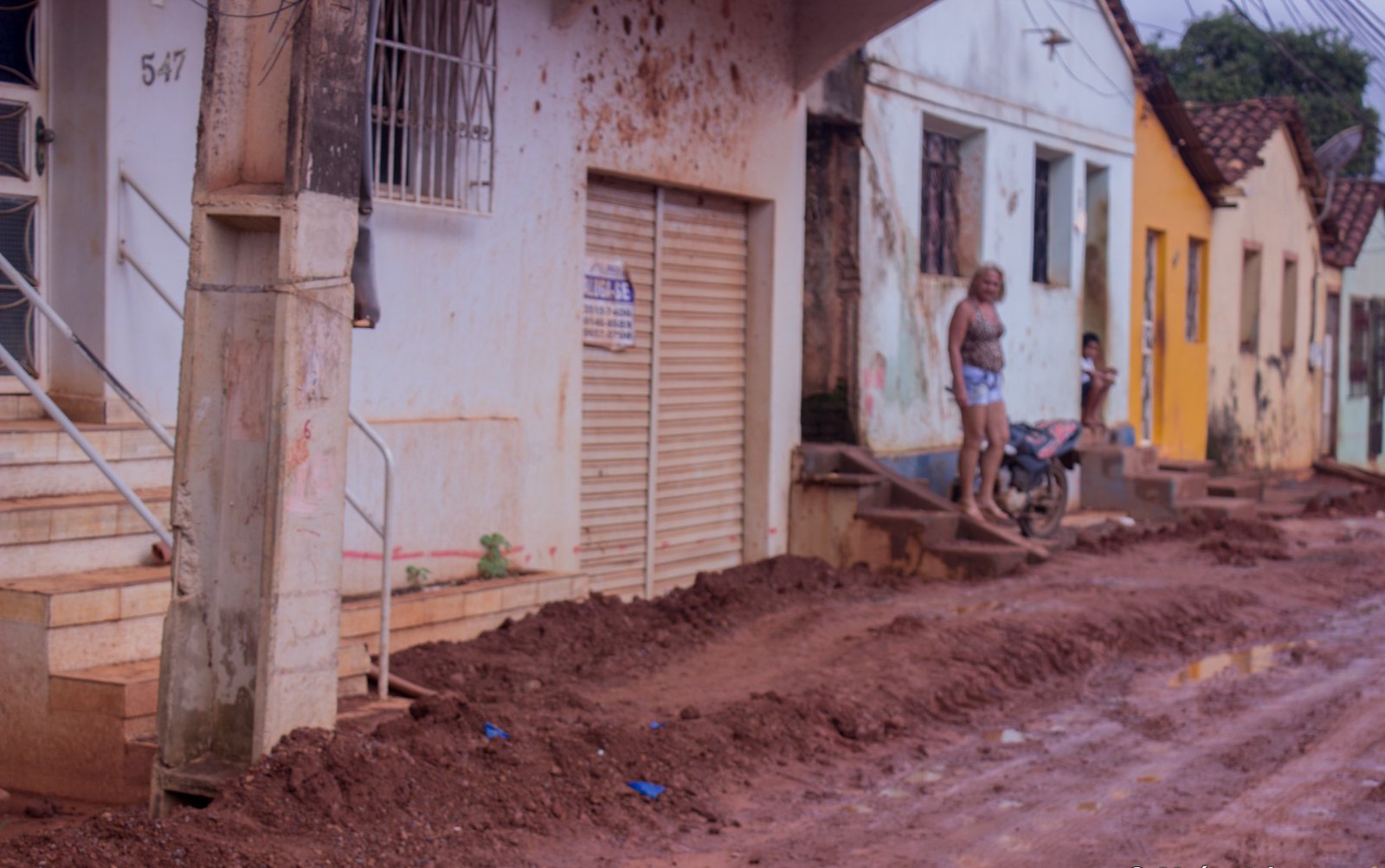
Foto: Amazon Watch / Maíra Irigaray.
Situação atual
As medidas de proteção concedidas pela CIDH permanecem em vigor, mas o Estado brasileiro não as cumpriu integralmente, relatando apenas ações genéricas. As comunidades documentaram as contínuas violações de seus direitos. A situação que motivou o pedido dessas medidas — o risco à vida, à segurança e aos meios de subsistência das comunidades — persiste e se agravou com a usina hidrelétrica operando em plena capacidade e com as recentes secas extremas na Amazônia.
Além do ocorrido em Belo Monte, existe o risco de maiores danos sociais e ambientais decorrentes da implementação de outro megaprojeto de mineração na Volta Grande do Xingu. Lá, a empresa canadense Belo Sun pretende construir a maior mina de ouro a céu aberto do Brasil.
Os impactos sinérgicos e cumulativos da usina e da mina não foram avaliados. O Estado excluiu povos indígenas, comunidades ribeirinhas e comunidades camponesas do processo de licenciamento ambiental do projeto. Apesar disso, dos protestos indígenas e de outras irregularidades em torno do projeto, o governo do estado do Pará autorizou formalmente a mina em abril de 2026.
Belo Monte, assim como outras usinas hidrelétricas, agrava a emergência climática ao gerar emissões de gases de efeito estufa em seu reservatório. Além disso, é ineficiente diante das secas prolongadas e intensas causadas pela crise, pois perde capacidade de geração de energia.
O caso perante a Comissão Interamericana
Em outubro de 2017, a CIDH anunciou que decidiria conjuntamente sobre a admissibilidade (se o caso preenche os requisitos para admissão) e o mérito (se houve, de fato, violação de direitos humanos) da denúncia internacional contra o Estado brasileiro.
Quinze anos após a apresentação da denúncia, as comunidades afetadas e as organizações que as representam ainda aguardam essa decisão. Caso a CIDH conclua que houve violações de direitos humanos e emita recomendações que o Estado brasileiro não cumpra, poderá encaminhar o caso à Corte Interamericana de Direitos Humanos, cujas decisões são vinculativas.
Uma possível decisão da Corte Internacional de Direitos Humanos neste caso estabeleceria um precedente jurídico regional em relação aos direitos dos povos indígenas e ribeirinhos, à participação pública em megaprojetos e à responsabilidade do Estado no contexto da crise climática. Isso é particularmente relevante à luz do Parecer Consultivo nº 32 da Corte, que reafirmou as obrigações dos Estados de proteger pessoas e comunidades em todo o continente da emergência climática.
Partners:
Related projects
Belo Monte: the river may be dying but the search for justice never will
“The river is dead!” exclaimed Raimundo as we navigated in his motorboat from Altamira toward the big bend of the Xingu River. From my perch in Raimundo’s boat, it was easy to see how bleak the landscape surrounding Altamira—the northern Brazilian city closest to the construction of the Belo Monte Dam—has become. The big island of Arapujá, located across from Altamira, has been completely deforested, causing a radical change in the currents of the river. Many of the smaller islands, previously inhabited by fishermen, are now completely submerged, only the tops of trees visible above the rising water. I visited Altamira, and the indigenous and riverine communities nearby, with colleagues from Justiça Global. We came to update our case, and to inform those affected by Belo Monte of a new hope for justice: in December, the Inter-American Commission on Human Rights opened the case against Brazil for human rights violations caused by the dam. In January, Norte Energía, the company charged with the construction and operation of Belo Monte, opened the dam’s floodgates without warning communities living downstream. They say the Xingu grew seven meters in just an hour. In some communities, the rising water flooded their riverside land, taking with it canoes, boats and items of clothing. Destroying lives The boat took us to a spot in the river where a large island once stood with a house in the middle. Raimundo Nonato had lived there. He raised animals and dedicated his life to fishing. It had been the perfect place to bathe in the river. It was there, in 2013, that Antonia Melo, leader of Movimento Xingu Vivo Para Siempre, baptized me as a defender of these waters. Now the island is under water, and all that remains to be seen are the tops of some fruit trees. Leoncio Arara, an indigenous man from the community Arara da Volta Grande, says his community lives in fear of the river’s expected growth, the loss of their culture and way of life, and from the recent death of 16 tons of fish. They have seen cracks in the dike of the dam’s bypass channel and fear it will break, as the Fundão mining waste dam did in Minas Gerais. On our tour of the area, we also noticed discolored patches on the dike, which should certainly be a sign of alarm. Leoncio said the fear keeps him up at night. On the indigenous lands of the Arara da Volta Grande and Paquiçamba, the life of inhabitants has changed radically. They must now travel to the city (Altamira) to sell their harvest and to buy food. The changing environment has drastrically reduced opportunities for fishing and hunting, rendering their traditional subsistence lifestyle inadequate. Leoncio says that his peoples’ traditional knowledge and community life are being lost. Their homes are different, as is the formation of their village. Norte Energía has carelessly constructed houses that conflict with their culture, because of the location and materials used. Their community lacks even a well from which to retrieve drinking water, a condition that should have been met more than five years ago. Pain, injustice and struggle On our trip, we spent nine days in the area around the Belo Monte dam. We listened to so many stories of pain and injustice: of indigenous children that died from bad medical care in villages without access to the city; of indigenous people who left their villages to seek shelter in the city and now live in the overcrowded Casa del Indio, surrounded by filth and, often, conflicting ethnic groups. We relived the stories of tireless struggle, like that of Socorro Arara, an indigenous woman whose home was destroyed, along with those of her relatives. Socorro and her family all had to haggle with the company, as if their basic human rights were negotiable. Some received very little money in compensation, others the option of a prefabricated house in a neighborhood far from the river. Socorro’s parents live in one of those neighborhoods. Behind their new cement house, they built a small home with the wood they were able to save from their destroyed home. It is there that they really live, by the light of small kerosene lamps, sleeping in hammocks. Electricity is not part of their lives. Residents of Altamira live surrounded by the ironies of the third largest dam in the world. On February 28, Altamira and various cities in the state of Para were left without electricity. The cutoff, described by the receptionist at our hotel as routine, was due to testing on one of the dam’s turbines. There’s not much time now until the Belo Monte begins operation. If, for the countries of the region, Belo Monte represents the cherished dream of development, for me it represents a nightmare from which I’m dying to awake. It’s a nightmare of pain and human rights violations, in which a beautiful, living river is quickly fading away. Going with it are the lives and the dreams of those who have long depended upon its clean and healthy waters. Human rights are not negotiable. The victims of Belo Monte need justice now! It is that dream of justice that I hope, one day soon, becomes reality. -- I wrote these lines in honor of all the people who have dedicated their lives to defending our rivers and our life.
Read more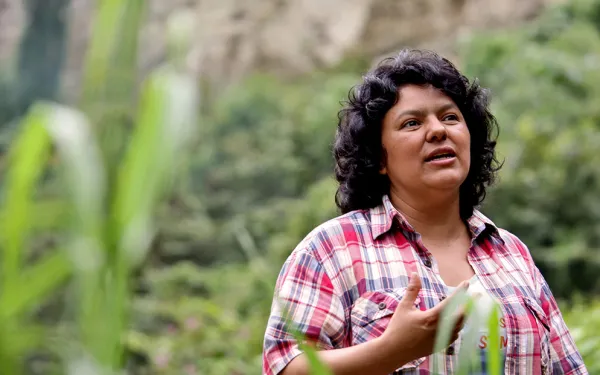
Remembering Berta Cáceres before the Green Climate Fund
On March 3, Berta Cáceres, an indigenous rights defender in Honduras, was assassinated. As a leader of COPINH, Berta was fighting against the implementation of an internationally funded large dam project. She was fighting for the health of the Gualarque River, and for the lives and livelihoods of the indigenous communities that depend upon it. Her death is a glimpse at the real life impacts that megaprojects may have. That’s why, at the closing of the 12th Meeting of the Board of the Green Climate Fund, I presented a message to the Board on behalf of the civil society organizations monitoring the development and decision making process of the mechanism. The message was intended as a reminder of the care with which financing decisions must be made, as the board prepares to review and approve more projects: “We would like to ask for a moment to remember Berta Cáceres, the indigenous environmental justice and human rights defender brutally murdered last week in Honduras. She was leading a fight against an internationally financed large dam that threatened her water, her land, and her people. We would like to ask all of you to do whatever you can to secure justice for Berta, and the immediate safe return of Gustavo Castro, head of Friends of the Earth Mexico, who was injured during the assassination and whose life is now in danger. Berta’s murder serves as a tragic reminder to the GCF of the incredible risks faced by rights defenders, and the deep need to safeguard their rights and the rights of the people and land they fight for. The GCF must not support questionable projects like the one that claimed her life and must obtain in all of its projects and programmes the free, prior and informed consent of people and communities to protect their livelihoods and survival.”
Read more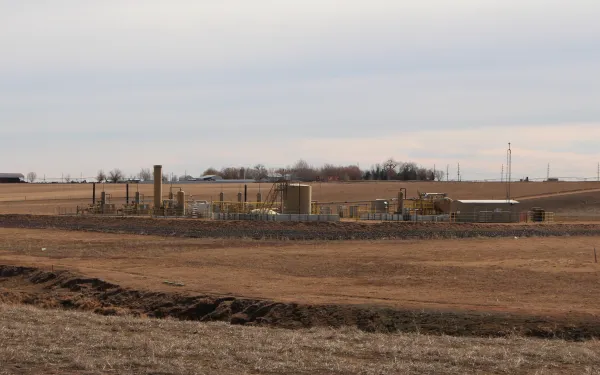
The Precautionary Principle: A legal tool against the impacts of fracking
This report analyzes the viability of using the precautionary principle to prevent, avoid or stop fracking operations in Latin America. These measures can result in prohibitions or moratoriums, as has occurred in various states, provinces and cities across America and Europe. Fracking is a technique that enables the exploration of historically inaccessible reservoirs of natural gas or petroleum. Governments and businesses across the world have pushed for the exploration of these reservoirs due to declining global reserves of conventional hydrocarbons, thanks to 150 years of overexploitation. The exploitation of unconventional hydrocarbons is technically more difficult, has a higher economic cost, and implies greater risks to the environment and public health.Promoting fracking to extract unconventional hydrocarbons is a bad decision on climatic, political, social and environmental levels. It deepens our dependence on fossil fuels and wastes energy and resources that should be directed at developing renewable energies.That's why we felt it important to examine the viability of applying the precautionary principle as a legal tool to avoid or slow down the risks and damages caused by fracking, particularly in countries that have begun or are planning to begin fracking in coming years. Read and download the report (in Spanish)
Read more