
Project
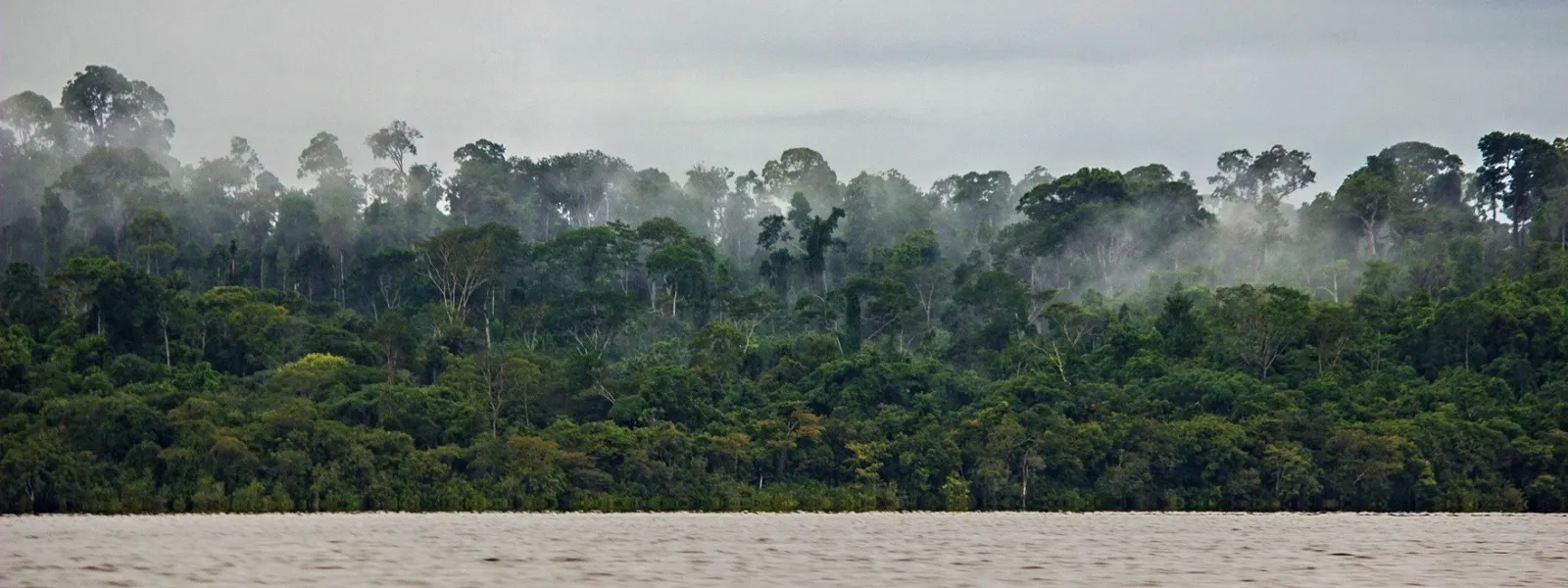
Amazon Watch / Maíra Irigaray
Barragem de Belo Monte no rio Xingu: 10 anos de impactos na Amazônia e de busca por reparações
A usina hidrelétrica de Belo Monte causou um desastre ambiental e social no coração da Amazônia: um dos ecossistemas mais importantes do planeta.
Essa situação só piorou desde que a usina começou a operar em 2016. A busca por justiça e reparação para as comunidades indígenas e ribeirinhas afetadas continua até hoje.
Em 2011, a Comissão Interamericana de Direitos Humanos (CIDH) concedeu a essas comunidades medidas de proteção, que até hoje não foram totalmente implementadas pelo Estado brasileiro.
E, desde junho daquele mesmo ano, a CIDH mantém um processo contra o Estado por sua responsabilidade internacional no caso.
A CIDH pode encaminhar o caso à Corte Interamericana de Direitos Humanos, que tem o poder de emitir uma sentença condenatória contra o Estado brasileiro.
Consulta o expediente de fatos do caso
Após 10 anos de operação da usina hidrelétrica e mais de 15 anos de violações de direitos humanos documentadas, é hora da justiça ser feita para as comunidades afetadas.
Leia a carta aberta das organizações que levam o caso à CIDH
Leia nosso comunicado à imprensa
Contexto
A usina hidrelétrica de Belo Monte — a quarta maior do mundo em capacidade instalada (11.233 MW) — foi construída no rio Xingu, no estado do Pará, norte do Brasil.
Foi inaugurada em 5 de maio de 2016, com uma única turbina. Naquela época, 80% do curso do rio foi desviado e 516 km² de terra foram inundados, uma área maior que a cidade de Chicago. Desse total, 400 km² eram de mata nativa. A usina começou a operar em plena capacidade em novembro de 2019.
Belo Monte foi construída e é operada pelo consórcio Norte Energia S.A., composto principalmente por empresas estatais. Foi financiada pelo Banco Nacional de Desenvolvimento Econômico e Social (BNDES), que aportou ao consórcio 25,4 bilhões de reais (aproximadamente US$ 10,16 bilhões), o maior investimento de sua história. Portanto, o BNDES também é legalmente responsável pelos impactos socioambientais associados ao projeto hidrelétrico.
Décadas de danos ambientais e humanos
As violações dos direitos humanos e a degradação da Amazônia remontam ao início do projeto. Em março de 2011, a Norte Energia iniciou a construção da barragem sem consulta adequada e sem o consentimento prévio, livre e informado das comunidades afetadas.
A construção levou ao deslocamento forçado de mais de 40.000 pessoas, rompendo laços sociais e culturais. O plano de reassentamento em Altamira — cidade diretamente afetada pelo projeto hidrelétrico — incluía moradias na periferia da cidade, sem serviços públicos adequados, moradias dignas para as famílias reassentadas e moradias diferenciadas para aqueles pertencentes a comunidades indígenas.
A operação da barragem de Belo Monte impôs uma seca permanente e artificial na Volta Grande do rio Xingu, agravada pelas secas históricas na Amazônia em 2023 e 2024. Como resultado, a morte de milhões de ovos de peixe foi documentada por quatro anos consecutivos (de 2021 a 2024) e, nos últimos três anos, não houve migração de peixes rio acima para desovar e se reproduzir. Assim, a pesca artesanal, principal fonte de proteína para os povos indígenas e comunidades ribeirinhas, foi severamente afetada: o consumo de peixe caiu de 50% para 30% do total de proteínas consumidas, sendo substituído por alimentos processados. Em suma, houve um colapso ambiental e humanitário que resultou no colapso da pesca como modo de vida tradicional, insegurança alimentar e falta de acesso à água potável para milhares de famílias, empobrecimento e doenças.
Além disso, a construção da barragem aumentou o desmatamento e intensificou a extração ilegal de madeira e a insegurança em terras indígenas e tribais, colocando em risco a sobrevivência dessas comunidades. Outra consequência foi o agravamento da pobreza e dos conflitos sociais, bem como a sobrecarga dos sistemas de saúde, educação e segurança pública em Altamira, cidade considerada a mais violenta do país em 2017, onde houve aumento do tráfico de pessoas e da violência sexual. Também foram registrados casos de violência contra defensores de direitos humanos envolvidos no caso.
Em 2025, durante a 30ª Conferência das Nações Unidas sobre Mudanças Climáticas (COP30), realizada no Brasil, o Ministério Público Federal classificou os danos causados por Belo Monte como ecocídio.
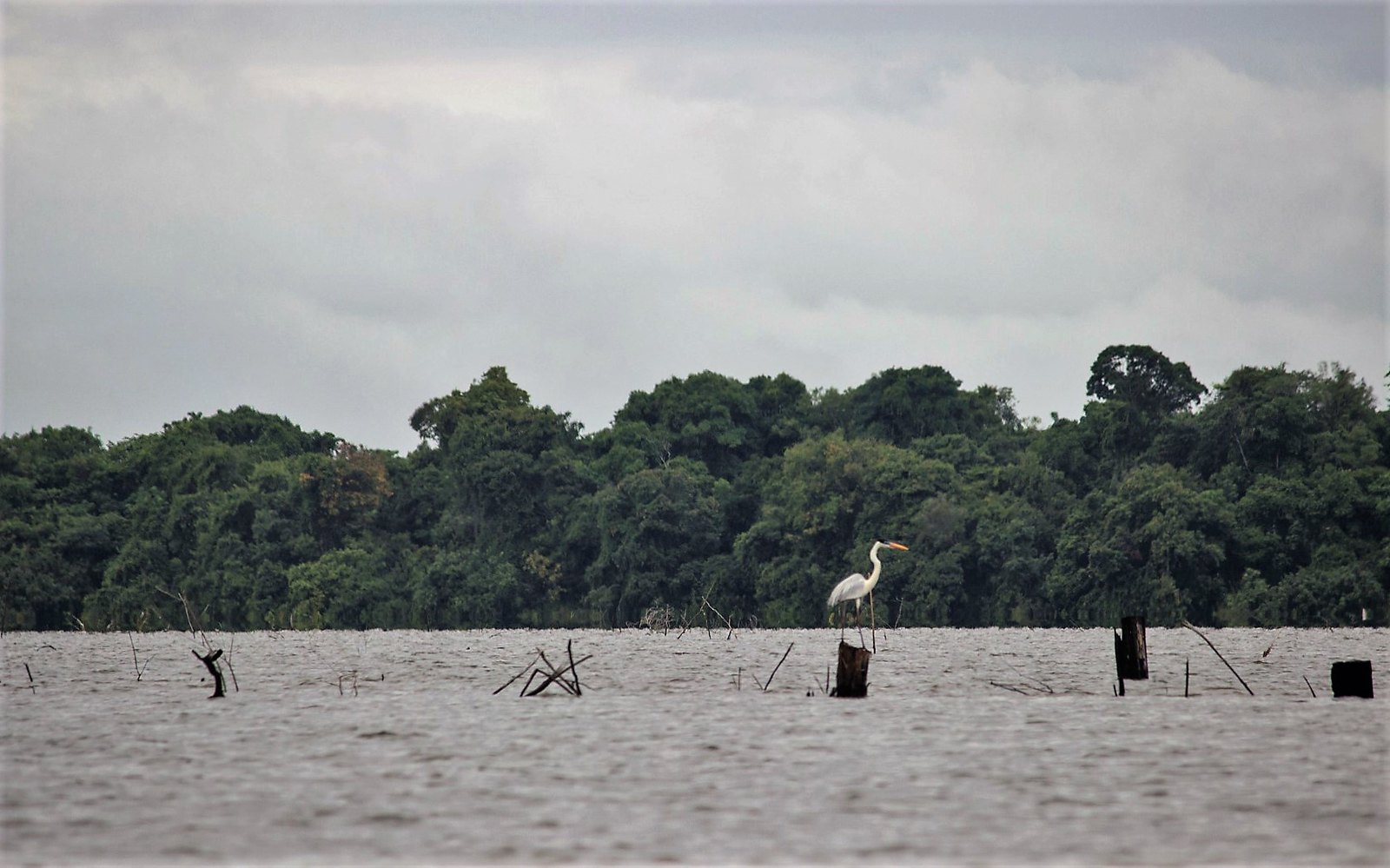
Foto: Amazon Watch / Maíra Irigaray.
A busca por justiça e reparação
Ao longo dos anos, o Ministério Público Federal do Pará, a Defensoria Pública e organizações da sociedade civil impetraram dezenas de ações judiciais em tribunais brasileiros para contestar as diversas irregularidades do projeto, bem como seus impactos. A maioria das ações permanece sem solução, algumas há mais de 10 anos.
Essas ações não obtiveram sucesso porque o governo federal tem reiteradamente anulado decisões favoráveis às comunidades afetadas, recorrendo a um mecanismo pelo qual o presidente do Supremo Tribunal Federal pode suspender uma decisão judicial com base unicamente em argumentos genéricos como "interesse nacional" ou "ordem econômica".
Diante da falta de respostas eficazes em nível nacional, a AIDA — juntamente com uma coalizão de organizações aliadas — levou o caso à Comissão Interamericana de Direitos Humanos (CIDH) e, em 2010, solicitou medidas cautelares para proteger a vida, a integridade e a saúde das comunidades indígenas afetadas.
Em 1º de abril de 2011, a CIDH concedeu essas medidas e solicitou ao Estado brasileiro a suspensão das licenças ambientais e de quaisquer obras de construção até que as condições relativas à consulta prévia e à proteção da saúde e integridade das comunidades fossem atendidas.
E, em 16 de junho de 2011, apresentamos uma denúncia formal à CIDH — juntamente com o Movimento Xingu Vivo Para Siempre, a Coordenação das Organizações Indígenas da Amazônia Brasileira, a Diocese de Altamira, o Conselho Missionário Indígena, a Sociedade Pará de Defesa dos Direitos Humanos e a Global Justice — contra o Estado brasileiro por sua responsabilidade internacional nas violações de direitos humanos contra os povos afetados neste caso. A denúncia foi apresentada em dezembro de 2015.
Em 3 de agosto de 2011, a CIDH modificou as medidas cautelares para solicitar — em vez da suspensão de licenças e obras — a proteção dos povos que vivem em isolamento voluntário, a saúde das comunidades indígenas e a regularização e proteção das terras ancestrais.
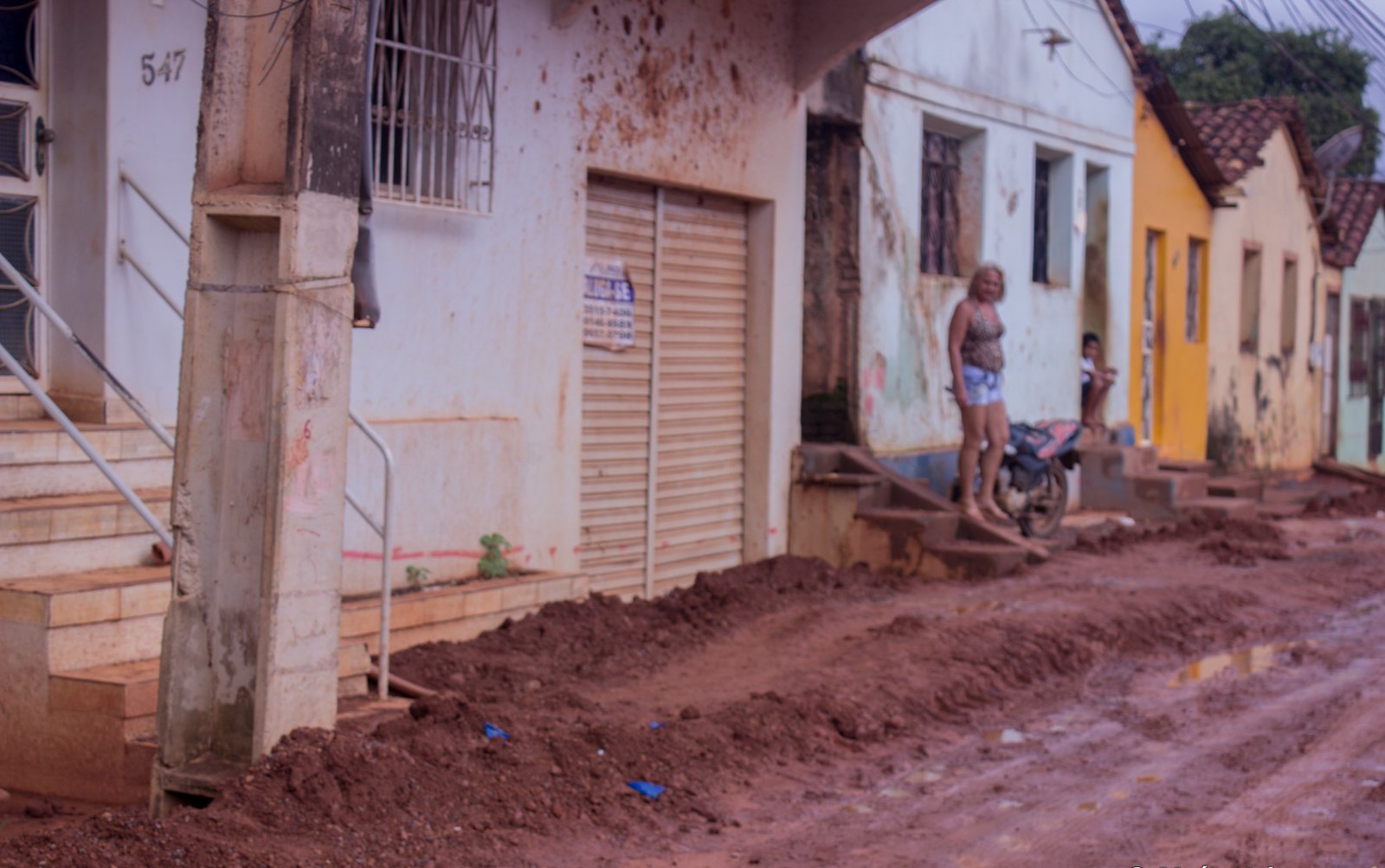
Foto: Amazon Watch / Maíra Irigaray.
Situação atual
As medidas de proteção concedidas pela CIDH permanecem em vigor, mas o Estado brasileiro não as cumpriu integralmente, relatando apenas ações genéricas. As comunidades documentaram as contínuas violações de seus direitos. A situação que motivou o pedido dessas medidas — o risco à vida, à segurança e aos meios de subsistência das comunidades — persiste e se agravou com a usina hidrelétrica operando em plena capacidade e com as recentes secas extremas na Amazônia.
Além do ocorrido em Belo Monte, existe o risco de maiores danos sociais e ambientais decorrentes da implementação de outro megaprojeto de mineração na Volta Grande do Xingu. Lá, a empresa canadense Belo Sun pretende construir a maior mina de ouro a céu aberto do Brasil.
Os impactos sinérgicos e cumulativos da usina e da mina não foram avaliados. O Estado excluiu povos indígenas, comunidades ribeirinhas e comunidades camponesas do processo de licenciamento ambiental do projeto. Apesar disso, dos protestos indígenas e de outras irregularidades em torno do projeto, o governo do estado do Pará autorizou formalmente a mina em abril de 2026.
Belo Monte, assim como outras usinas hidrelétricas, agrava a emergência climática ao gerar emissões de gases de efeito estufa em seu reservatório. Além disso, é ineficiente diante das secas prolongadas e intensas causadas pela crise, pois perde capacidade de geração de energia.
O caso perante a Comissão Interamericana
Em outubro de 2017, a CIDH anunciou que decidiria conjuntamente sobre a admissibilidade (se o caso preenche os requisitos para admissão) e o mérito (se houve, de fato, violação de direitos humanos) da denúncia internacional contra o Estado brasileiro.
Quinze anos após a apresentação da denúncia, as comunidades afetadas e as organizações que as representam ainda aguardam essa decisão. Caso a CIDH conclua que houve violações de direitos humanos e emita recomendações que o Estado brasileiro não cumpra, poderá encaminhar o caso à Corte Interamericana de Direitos Humanos, cujas decisões são vinculativas.
Uma possível decisão da Corte Internacional de Direitos Humanos neste caso estabeleceria um precedente jurídico regional em relação aos direitos dos povos indígenas e ribeirinhos, à participação pública em megaprojetos e à responsabilidade do Estado no contexto da crise climática. Isso é particularmente relevante à luz do Parecer Consultivo nº 32 da Corte, que reafirmou as obrigações dos Estados de proteger pessoas e comunidades em todo o continente da emergência climática.
Partners:
Related projects
Brazil mega-dam ‘disaster’ for tribes as it nears completion
Belo Monte hydroelectric plant is flouting agreements to protect indigenous communities as its builder seeks approval to start generating power, environmental lawyers have warned. The US$11 billion dam on an Amazonian tributary – set to be the third-largest producer of hydropower globally – has met just 30% of the social and environmental conditions set by government, said AIDA Americas. “It is clear that the conditions necessary for Norte Energia, the consortium in charge of the project, to receive the licence are not in place,” said a statement on Monday. The dam is 70% built. Brazil’s largest infrastructure work will divert the Xingu River, forcing the relocation of 2,000 families as pristine rainforest is flooded. Federal prosecutors have recommended the relocation be suspended. Environmental groups have petitioned the Inter-American Commission on Human Rights to oppose the government’s granting of a license, on the basis it could destroy tribes’ means of survival. “Giving free rein of operation to the dam at this time would mean completely shutting down the options available to avoid major social and humanitarian disasters in the region,” said Sandy Faidherb of SDDH, a local activist group which filed on behalf of the affected communities. The government has said Belo Monte will supply Brazilians with clean energy and develop the country’s economy. The dam has been designed to minimise damage, and will flood less than half – 478 sq km in 28-mini reservoirs – of the area affected by the Brazil’s largest Itaipu hydroplant, the Guardian reported. That comes at a cost to power output, as not shutting off entirely the river means the plant will work on average at barely 40% of its 11,200 MW capacity. The Xingu River basin in Para state is a “living symbol of Brazil’s cultural and biological diversity,” home to 25,000 indigenous people from 40 ethnic groups,according to Amazon Watch. Wildlife populations have drastically declined at another dam, Balbina, built in the 1980s, after a 3,500-island archipelago slashed habitat to roam and exposed the likes of tortoises and gamebirds to wind and wildfires.
Read more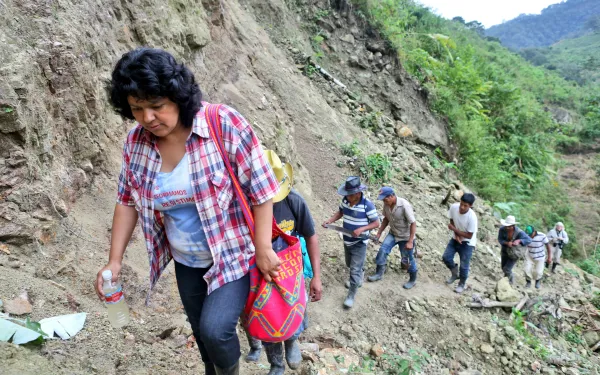
Losing Berta Cáceres: the breaking point in the struggle against impunity
It’s been one month since the assassination of Berta Cáceres, tireless defender of the environment and human rights in Honduras. Her murder quickly gave birth to a global movement calling for justice. It has become a turning point for human rights and environmental defenders and, especially, in the fight for the rights of women and indigenous peoples in Latin America. For that, March 3 will never be forgotten. There aren’t enough words to describe adequately who Berta was, and who she will always be in our memories. She represented what it meant to be a woman, an indigenous person, an environmentalist, a mother, a daughter, a sister, a colleague and a friend. As the BBC said, she’s the Honduran woman who twisted the arm of China and the World Bank; her work led to the withdrawal of their funding for Agua Zarca, the dam Berta was so passionately fighting against. For all that she did, and all that she was, the loss of Berta has severely hurt us all. In a matter of hours, her death caused an unprecedented global outcry. Thousands of organizations, institutions and individuals from around the world have been speaking out against her murder and loudly demanding justice. Point of no return Ironically, the night Berta was murdered, I watched Selma, a film that narrates a key moment in the Civil Rights Movement. Fifty-one years ago, on March 7, 1965, a voting rights march that left Selma toward Montgomery, Alabama was violently repressed. That senseless act of violence became the catalyst for the passage of the Voting Rights Act, which aimed to overcome legal barriers that prevented African Americans from exercising their right to vote. Similarly, we must make Berta’s murder the catalyst that breaks the systematic impunity of cases like this, in Honduras and throughout the region. It’s time to ensure that our indignation, and the demands for justice and investigation made by countless organizations and international authorities, will have an impact. Like Alabama in 1965, Honduras has endured years of systematic human rights violations, linked in large part to infrastructure and mining projects. Just days before her death, Berta and COPINH, the organization she directed, reported threats received for their opposition to the Agua Zarca Dam project. It had been years since the Inter-American Commission on Human Rights first granted precautionary measures to protect Berta’s life, with which the Honduran government failed to comply. After Berta’s murder, on March 5, due to the gravity of the situation the Commission authorized precautionary measures to protect Berta’s family, her colleagues at COPINH, and Gustavo Castro, the sole witness to her death. But days later Néstor García, another member of COPINH, was also assassinated. Then, Gustavo was prevented from returning home to Mexico despite cooperating with the investigation, and despite his ability to continue doing so under the Treaty of Judicial Cooperation between Mexico and Honduras. Members of COPINH and Berta’s relatives continue to report new threats. Many international officials—including the Organization of American States, the Office of the United Nations High Commissioner for Human Rights, UN special rapporteurs, and members of the Congresses of the United States, Costa Rica and the European Union—have also demanded an objective investigation into Berta’s murder. Despite public outcry, little progress has been made thus far, evidenced by the lack of response from the Honduran government and conclusions drawn by an international observation mission. The situation in Honduras reflects the alarming reality of human rights in Latin America, particularly there and in Brazil, Colombia, Mexico and Peru. Multiple reports conclude that the region is under fire. Those who fight to protect their rights, their land, and the environment are risking their freedom, their integrity, and even their lives. Irresponsible businesses and financing Berta’s murder also underscores the responsibility of companies, financial institutions and others involved in the Agua Zarca Dam project. The project’s outright threats to the environment and human rights have been reported for many years. Those threats are the reason the World Bank and Sinohydro pulled out of the project in 2014. The FMO of Holland and Finn Fund of Finland also withdrew their support on March 16, after the assassination of Néstor García. The Central American Bank for Economic Integration (CABEI) froze funding to the project a few days ago. The situation surrounding Berta’s death clearly demonstrates one reason large dams are a bad energy solution—they create severe socioenvironmental impacts. Honduras, like the rest of Latin America, has options to produce energy in ways that truly promote development and reduce poverty. It’s time to learn from the mistakes of the past and move into the 21st century by implementing sustainable energy alternatives. The shocking loss of Berta, the uncertain situation of Gustavo and members of COPINH… it all reminds me of the words of a friend, a journalist who was driven out of his own country for what he wrote. He said that extractive industries, including large dams, are the banana republics of our century. I think he’s right. In Latin America, the uncontrolled extraction of natural resources today is akin to the reign of dictators in the 1960s. We cannot afford to let this happen again. This time will be different. What happened in Honduras must be a watershed moment—a time, finally, to enforce international standards for human rights and the environment. In Berta’s case, there must be an immediate, effective and independent investigation. It should acknowledge the responsibility of the companies involved with Agua Zarca. The hydroelectric project itself should be analyzed to find suitable alternatives. Honduras and all the States involved should implement corrective measures to ensure that what happened to Berta and Néstor does not happen again. Those of us who worked with Berta, who share her passions and principles, will continue to demand justice. Every country in the Americas needs and deserves it.
Read more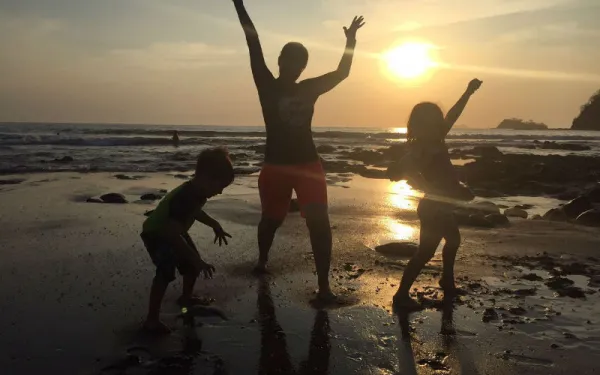
Conserving the shared parts of our oceans
By Gladys Martínez, AIDA senior attorney During Semana Santa, my family and I visited the Las Baulas National Marine Park in Guanacaste, Costa Rica. A clearly committed park ranger there told us about the threats sea turtles face when they spawn on the coast, and of the importance of protecting the beaches and avoiding poorly built development projects. But what most caught my attention was the curiosity of my two children, ages three and five, asking how far the turtles had to swim to lay their eggs. “If they get lost, do the baby turtles not get born?” they asked. For most of us, the answer to their question is a mystery. And from that mystery comes the importance of protecting life in the high seas, those international waters that belong to no country and are therefore part of the global commons. What happens in the high seas, far past what we can see and care for from the coast, motivates the 33 NGOS and 193 delegations of the United Nations currently meeting in New York. Over the course of two weeks, they’re working to create a legally binding agreement that conserves marine life in areas beyond any national jurisdiction. The agreement will be implemented under the United Nations Convention on the Law of the Sea (UNCLOS). AIDA is the only NGO from Latin America that is present at the First Session of the Preparatory Committee, which seeks to create the new treaty within two years. As part of the High Seas Alliance, and with support from the Pew Charitable Trusts, we are working to bring the voice of Latin American civil society to the negotiations. Alongside other member organizations of the High Seas Alliance, we are advocating for the new treaty to include the following principles: Protection and preservation of the marine environment of the high seas. Cooperation between States to conserve the living resources of the high seas. Use of the best available scientific information in decision-making. Good management of high seas resources, guaranteeing them for present and future generations. Implementation of the precautionary principle, according to which the absence of information cannot constitute an excuse for the failure to protect the ecosystems of the high seas. Management based on large-scale planning that takes into account the interrelation of marine biodiversity. Sustainability and equity in reference to the possibility of using resources to meet the needs of present generations, while protecting the needs of future generations. Special attention should be given to the interests of and benefits to developing countries. Good governance (transparency, public participation and access to review procedures and resources). “Polluter pays,” a principle that implies that States causing pollution must take responsibility for it. Compliance with and respect for the commitments made under UNCLOS. Additionally, we consider it of vital importance that States establish marine protected areas, beyond national jurisdictions, to guarantee the conservation of marine biodiversity. At AIDA, we look with great hope and enthusiasm for the commitments of the States during this first leg of the long road ahead. We know that after these two years of negotiations, we will successfully emerge with a treaty that protects the marine biodiversity that belongs to us all—that rich life that lives in the greatest part of our seas. Thank you for supporting us as we continue to work towards this goal!
Read more