
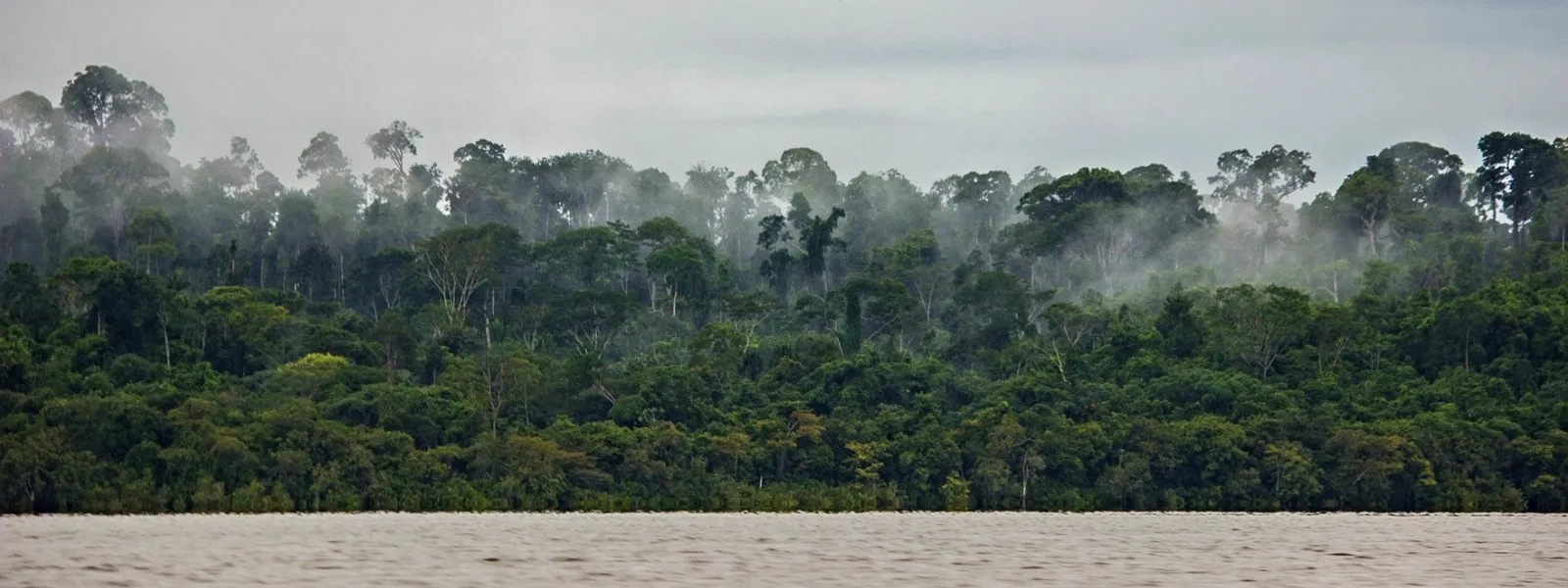
Project
Amazon Watch / Maíra Irigaray
Barragem de Belo Monte no rio Xingu: 10 anos de impactos na Amazônia e de busca por reparações
A usina hidrelétrica de Belo Monte causou um desastre ambiental e social no coração da Amazônia: um dos ecossistemas mais importantes do planeta.
Essa situação só piorou desde que a usina começou a operar em 2016. A busca por justiça e reparação para as comunidades indígenas e ribeirinhas afetadas continua até hoje.
Em 2011, a Comissão Interamericana de Direitos Humanos (CIDH) concedeu a essas comunidades medidas de proteção, que até hoje não foram totalmente implementadas pelo Estado brasileiro.
E, desde junho daquele mesmo ano, a CIDH mantém um processo contra o Estado por sua responsabilidade internacional no caso.
A CIDH pode encaminhar o caso à Corte Interamericana de Direitos Humanos, que tem o poder de emitir uma sentença condenatória contra o Estado brasileiro.
Consulta o expediente de fatos do caso
Após 10 anos de operação da usina hidrelétrica e mais de 15 anos de violações de direitos humanos documentadas, é hora da justiça ser feita para as comunidades afetadas.
Leia a carta aberta das organizações que levam o caso à CIDH
Leia nosso comunicado à imprensa
Contexto
A usina hidrelétrica de Belo Monte — a quarta maior do mundo em capacidade instalada (11.233 MW) — foi construída no rio Xingu, no estado do Pará, norte do Brasil.
Foi inaugurada em 5 de maio de 2016, com uma única turbina. Naquela época, 80% do curso do rio foi desviado e 516 km² de terra foram inundados, uma área maior que a cidade de Chicago. Desse total, 400 km² eram de mata nativa. A usina começou a operar em plena capacidade em novembro de 2019.
Belo Monte foi construída e é operada pelo consórcio Norte Energia S.A., composto principalmente por empresas estatais. Foi financiada pelo Banco Nacional de Desenvolvimento Econômico e Social (BNDES), que aportou ao consórcio 25,4 bilhões de reais (aproximadamente US$ 10,16 bilhões), o maior investimento de sua história. Portanto, o BNDES também é legalmente responsável pelos impactos socioambientais associados ao projeto hidrelétrico.
Décadas de danos ambientais e humanos
As violações dos direitos humanos e a degradação da Amazônia remontam ao início do projeto. Em março de 2011, a Norte Energia iniciou a construção da barragem sem consulta adequada e sem o consentimento prévio, livre e informado das comunidades afetadas.
A construção levou ao deslocamento forçado de mais de 40.000 pessoas, rompendo laços sociais e culturais. O plano de reassentamento em Altamira — cidade diretamente afetada pelo projeto hidrelétrico — incluía moradias na periferia da cidade, sem serviços públicos adequados, moradias dignas para as famílias reassentadas e moradias diferenciadas para aqueles pertencentes a comunidades indígenas.
A operação da barragem de Belo Monte impôs uma seca permanente e artificial na Volta Grande do rio Xingu, agravada pelas secas históricas na Amazônia em 2023 e 2024. Como resultado, a morte de milhões de ovos de peixe foi documentada por quatro anos consecutivos (de 2021 a 2024) e, nos últimos três anos, não houve migração de peixes rio acima para desovar e se reproduzir. Assim, a pesca artesanal, principal fonte de proteína para os povos indígenas e comunidades ribeirinhas, foi severamente afetada: o consumo de peixe caiu de 50% para 30% do total de proteínas consumidas, sendo substituído por alimentos processados. Em suma, houve um colapso ambiental e humanitário que resultou no colapso da pesca como modo de vida tradicional, insegurança alimentar e falta de acesso à água potável para milhares de famílias, empobrecimento e doenças.
Além disso, a construção da barragem aumentou o desmatamento e intensificou a extração ilegal de madeira e a insegurança em terras indígenas e tribais, colocando em risco a sobrevivência dessas comunidades. Outra consequência foi o agravamento da pobreza e dos conflitos sociais, bem como a sobrecarga dos sistemas de saúde, educação e segurança pública em Altamira, cidade considerada a mais violenta do país em 2017, onde houve aumento do tráfico de pessoas e da violência sexual. Também foram registrados casos de violência contra defensores de direitos humanos envolvidos no caso.
Em 2025, durante a 30ª Conferência das Nações Unidas sobre Mudanças Climáticas (COP30), realizada no Brasil, o Ministério Público Federal classificou os danos causados por Belo Monte como ecocídio.
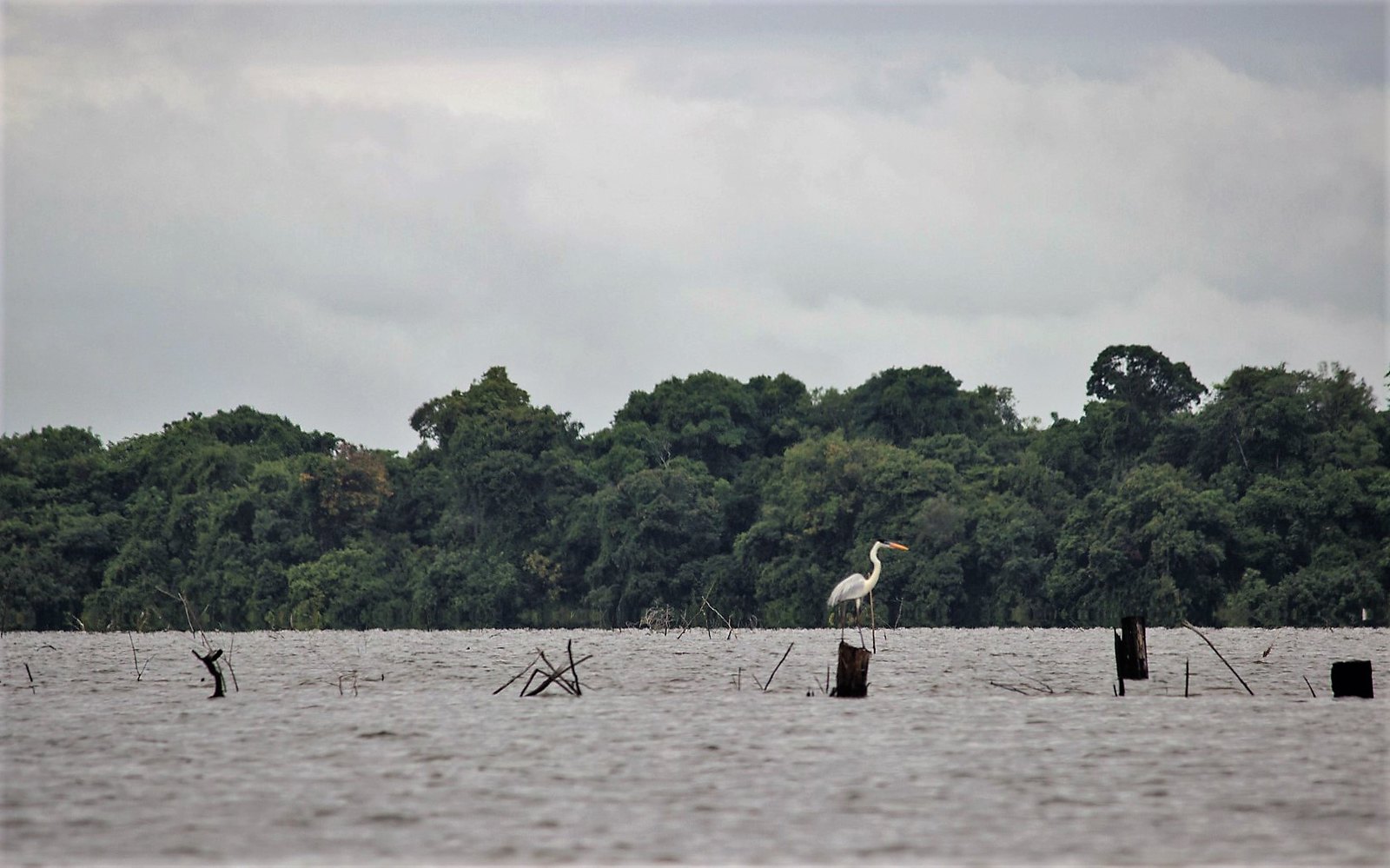
Foto: Amazon Watch / Maíra Irigaray.
A busca por justiça e reparação
Ao longo dos anos, o Ministério Público Federal do Pará, a Defensoria Pública e organizações da sociedade civil impetraram dezenas de ações judiciais em tribunais brasileiros para contestar as diversas irregularidades do projeto, bem como seus impactos. A maioria das ações permanece sem solução, algumas há mais de 10 anos.
Essas ações não obtiveram sucesso porque o governo federal tem reiteradamente anulado decisões favoráveis às comunidades afetadas, recorrendo a um mecanismo pelo qual o presidente do Supremo Tribunal Federal pode suspender uma decisão judicial com base unicamente em argumentos genéricos como "interesse nacional" ou "ordem econômica".
Diante da falta de respostas eficazes em nível nacional, a AIDA — juntamente com uma coalizão de organizações aliadas — levou o caso à Comissão Interamericana de Direitos Humanos (CIDH) e, em 2010, solicitou medidas cautelares para proteger a vida, a integridade e a saúde das comunidades indígenas afetadas.
Em 1º de abril de 2011, a CIDH concedeu essas medidas e solicitou ao Estado brasileiro a suspensão das licenças ambientais e de quaisquer obras de construção até que as condições relativas à consulta prévia e à proteção da saúde e integridade das comunidades fossem atendidas.
E, em 16 de junho de 2011, apresentamos uma denúncia formal à CIDH — juntamente com o Movimento Xingu Vivo Para Siempre, a Coordenação das Organizações Indígenas da Amazônia Brasileira, a Diocese de Altamira, o Conselho Missionário Indígena, a Sociedade Pará de Defesa dos Direitos Humanos e a Global Justice — contra o Estado brasileiro por sua responsabilidade internacional nas violações de direitos humanos contra os povos afetados neste caso. A denúncia foi apresentada em dezembro de 2015.
Em 3 de agosto de 2011, a CIDH modificou as medidas cautelares para solicitar — em vez da suspensão de licenças e obras — a proteção dos povos que vivem em isolamento voluntário, a saúde das comunidades indígenas e a regularização e proteção das terras ancestrais.
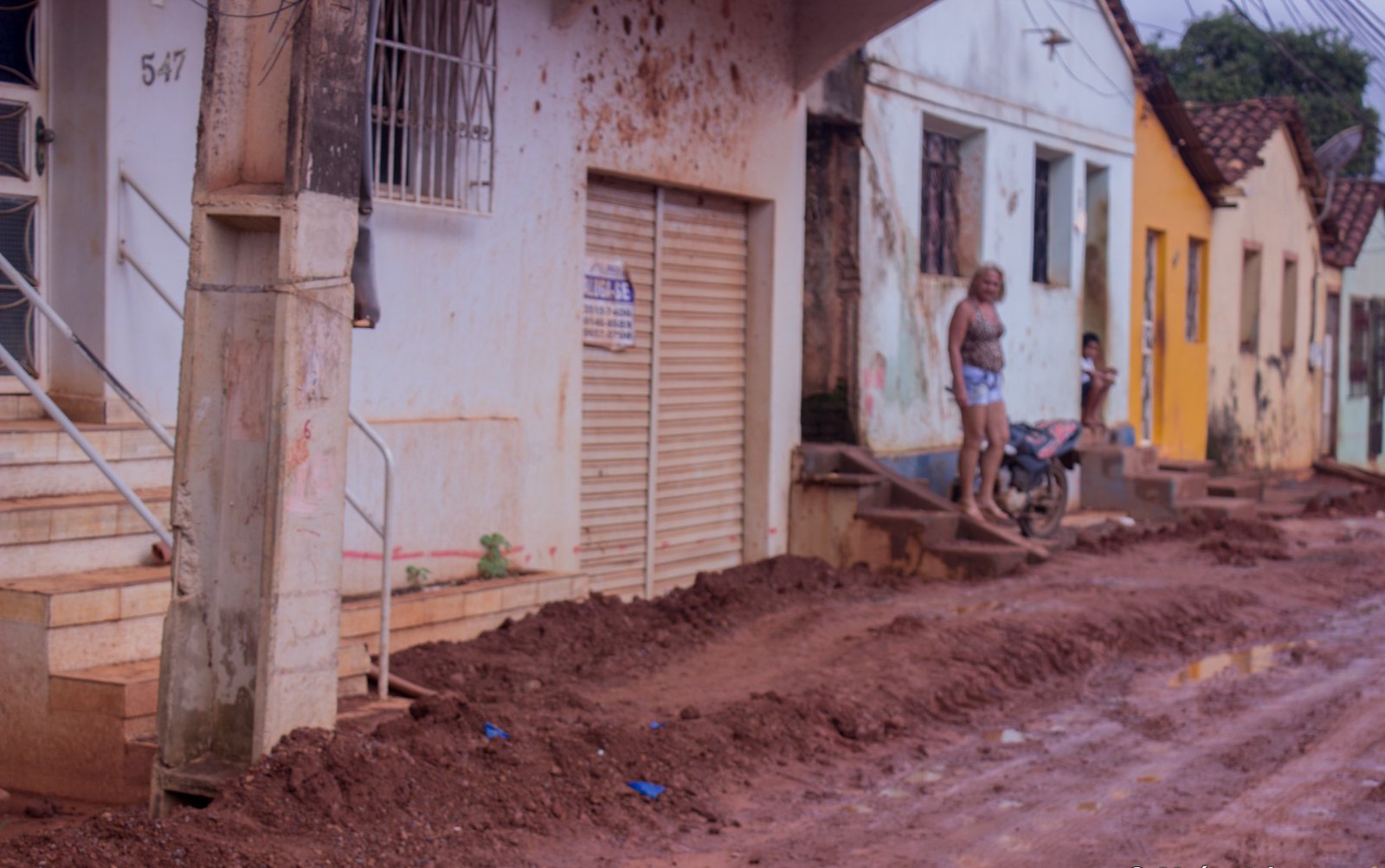
Foto: Amazon Watch / Maíra Irigaray.
Situação atual
As medidas de proteção concedidas pela CIDH permanecem em vigor, mas o Estado brasileiro não as cumpriu integralmente, relatando apenas ações genéricas. As comunidades documentaram as contínuas violações de seus direitos. A situação que motivou o pedido dessas medidas — o risco à vida, à segurança e aos meios de subsistência das comunidades — persiste e se agravou com a usina hidrelétrica operando em plena capacidade e com as recentes secas extremas na Amazônia.
Além do ocorrido em Belo Monte, existe o risco de maiores danos sociais e ambientais decorrentes da implementação de outro megaprojeto de mineração na Volta Grande do Xingu. Lá, a empresa canadense Belo Sun pretende construir a maior mina de ouro a céu aberto do Brasil.
Os impactos sinérgicos e cumulativos da usina e da mina não foram avaliados. O Estado excluiu povos indígenas, comunidades ribeirinhas e comunidades camponesas do processo de licenciamento ambiental do projeto. Apesar disso, dos protestos indígenas e de outras irregularidades em torno do projeto, o governo do estado do Pará autorizou formalmente a mina em abril de 2026.
Belo Monte, assim como outras usinas hidrelétricas, agrava a emergência climática ao gerar emissões de gases de efeito estufa em seu reservatório. Além disso, é ineficiente diante das secas prolongadas e intensas causadas pela crise, pois perde capacidade de geração de energia.
O caso perante a Comissão Interamericana
Em outubro de 2017, a CIDH anunciou que decidiria conjuntamente sobre a admissibilidade (se o caso preenche os requisitos para admissão) e o mérito (se houve, de fato, violação de direitos humanos) da denúncia internacional contra o Estado brasileiro.
Quinze anos após a apresentação da denúncia, as comunidades afetadas e as organizações que as representam ainda aguardam essa decisão. Caso a CIDH conclua que houve violações de direitos humanos e emita recomendações que o Estado brasileiro não cumpra, poderá encaminhar o caso à Corte Interamericana de Direitos Humanos, cujas decisões são vinculativas.
Uma possível decisão da Corte Internacional de Direitos Humanos neste caso estabeleceria um precedente jurídico regional em relação aos direitos dos povos indígenas e ribeirinhos, à participação pública em megaprojetos e à responsabilidade do Estado no contexto da crise climática. Isso é particularmente relevante à luz do Parecer Consultivo nº 32 da Corte, que reafirmou as obrigações dos Estados de proteger pessoas e comunidades em todo o continente da emergência climática.
Partners:
Related projects
My first visit to La Oroya
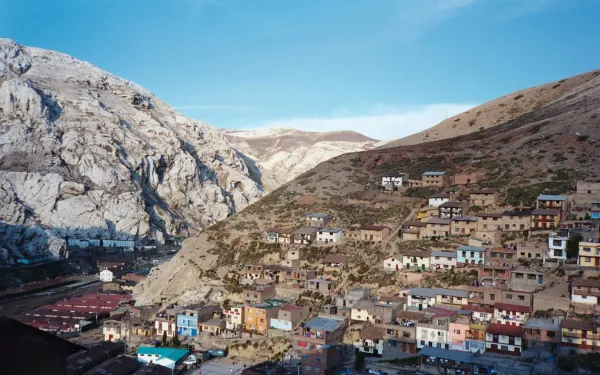
By Rodrigo da Costa Sales, AIDA attorney “What do you think of La Oroya?” a local resident asked me the first time we met. Honestly, I wasn’t quite sure how to respond. Quickly sensing my discomfort, he joked, “It’s very beautiful, there’s so much biodiversity, and the sky is so blue...” Relieved, I laughed along with him and, since that moment, I’ve been searching for the words to describe La Oroya. La Oroya is a city of 33,000 people on the Mantaro River in central Peru, at an altitude of nearly 5,000 meters. This was my first time there, and I stayed only two days. The trip from Lima takes five hours, winding along painfully curvy roads with breathtaking views of the mountains all around. In La Oroya, however, the landscape changes drastically. The city is covered in a sheet of grey, with little to no natural life, streets full of trucks transporting iron and other heavy metals... and not much else of note. My greatest wish for my time in La Oroya was to meet the people we are representing in our case before the Inter-American Commission on Human Rights. After working on it for six months, I wanted finally to put faces to the names I had come to know so well on paper. Our meeting was scheduled for the evening, when residents could find time free from work and family commitments. There, we introduced them to students from Yale University, who were developing an important report on the relationship between La Oroya’s air quality and the health of city residents. Although interested in the study, and happy to hear about it, residents quickly peppered us with questions about the case. The main thing they wanted to know—an answer they have been waiting for since our petition was filed seven years ago—was when the Commission will make its decision. They explained the many offensive comments they’ve had to endure, both from workers at the metal-smelting complex and from their own neighbors, during the long wait for a ruling. They’ve suffered threats from fellow residents of La Oroya, who wrongfully believe that the purpose of the case is to close the complex, which would leave many people without jobs. In one especially disturbing instance, a “doctor” spoke on television claiming that lead contamination does not cause any health problems. He claimed the residents of La Oroya as proof that, while contaminated by lead and other heavy metals, people could still lead normal lives. We reminded them that a process before an international organism involves years of waiting, and that we sympathized with them for everything they had been through in the past few years. But the truth is that I felt such intense frustration. It was the first time that I saw, up close, such personal desire for an international decision. I understood then that a decision on paper could actually constitute a form of reparation. The long-awaited Commission report will show the world that the effects of heavy-metal pollution on a population actually violate their personal integrity and right to health. The goal of this case is not to close the metallurgical complex, but instead to force the adoption of measures that guarantee a certain quality of life for the residents of La Oroya. The Commission’s report will be the instrument in this case by which international and human rights law becomes real, effective and transformative. I returned from La Oroya almost a week ago, and I’m still searching for the words to describe such a place. Truthfully, La Oroya didn’t seem very nice at first. But I quickly came to realize that the beauty of a place comes not only from its natural and man-made attractions; it comes also, and perhaps more importantly, from the beauty of its people. In that sense, I’ve never seen a city quite as beautiful as La Oroya. This blog is dedicated all the victims of the case in La Oroya. I hope that they will achieve justice, and that because of them, a case like this is never repeated around the world. It is also dedicated to Astrid Puentes and Maria José, AIDA’s attorneys in charge of the La Oroya case, who inspire me daily to work for a more just world.
Read more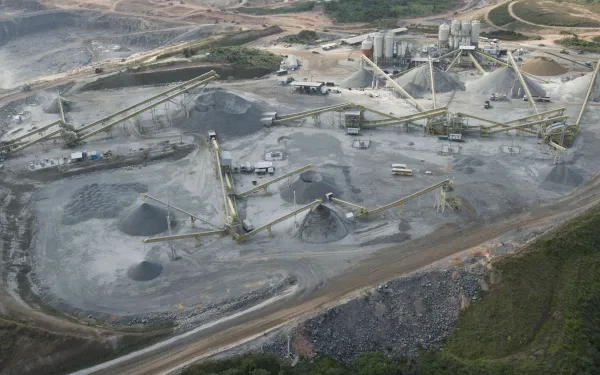
Brazilian Court overturns suspension of Belo Monte’s operating license
Brasilia, Brazil. The Federal Regional Court of the First Region (TRF1) overturned the preliminary decision suspending the operating license of the Belo Monte Dam. On January 11, the Federal Justice of Altamira decided to suspend the license until the federal government and Norte Energia, the company in charge of the dam’s construction, complied with their obligation to restructure the National Indian Foundation (FUNAI) of Altamira. However, a federal judge from TRF1 decided today that this decision disproportionately “affects the public interest, causing grave repercussions on the economy and public order.” Another argument presented was that the suspension would prevent the implementation of various plans designed to benefit indigenous peoples. “This is yet another attack on the rights of the affected indigenous communities. The decision manipulates the arguments of public interest, order, security and the economy, and then uses the plans – which should have been implemented when the previous license was granted in 2010 – to justify why it is not possible to suspend the operating license. The bottom line is that the operating license never should have been granted in the first place without the fulfillment of those plans,” said María José Veramendi, AIDA attorney. For more information, please consult the factual record of the case and the latest news about our case before the IACHR.
Read more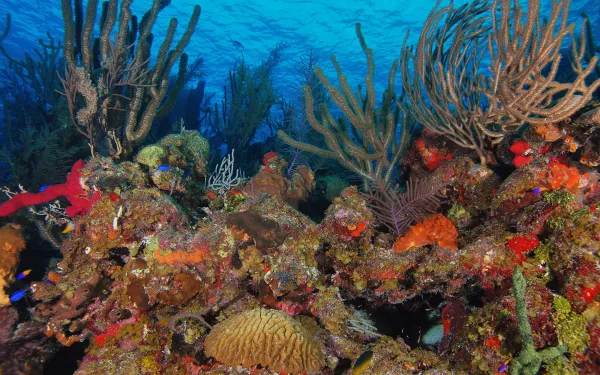
Coral Reefs and the Unintended Impacts of Tourism
By Camila Cossio, former AIDA intern During my internship in AIDA’s San Jose office, I met up one day with a friend from the States for lunch. She told me about her trip visiting the beaches of Costa Rica. Everything she described sounded beautiful: the clear, blue water; hermit crabs that left their shells to eat breakfast in the early morning hours; sweet fruits that fell down onto the smooth sand; and the cool, green trees that provided shade from the hot Costa Rican sun. But her mood changed suddenly, from bliss to concern, when she explained how her co-worker swam too close to a coral reef one afternoon and badly cut his thigh. She was concerned with how unprepared their tour guide was to handle the situation, and how irresponsible it seemed that tourists were allowed – with no diving experience – to swim that close to the reefs. Leaving aside the physical dangers to humans, accidents like his, though they may seem inconsequential, have a severe impact on sensitive marine ecosystems like coral reefs. Coral reefs are a unique and complex ecosystem, vital to the health of oceans. Yet 93 percent of the reefs in Costa Rica are in danger, and tourism is a significant factor in their degradation. Tourism’s threats to corals When tourists accidently touch, pollute, or break parts of the reef, corals experience stress. The coral organisms try to naturally fight off pollutants, but this process often leads to coral bleaching – when corals lose their bright colors and become completely white. Once corals are bleached, they can no longer contribute to the biodiversity of the reef community, which depends upon symbiotic interactions between fish, invertebrates, and their habitats. Additionally, since the disruption of one ocean ecosystem gravely impacts others, sea grass and mangrove communities – shallow-water plant species vital to health of the marine ecosystem – are also severely threatened by coral stress. Another significant problem facing coral reefs is sedimentation. When solid residues are deposited into the depths of water bodies, they pollute marine ecosystems and block light needed for photosynthesis. When light is blocked, immobile coral reefs bleach and die. In Costa Rica, sources of sedimentation include dredging, logging, agriculture and coastal development driven by the tourism sector. A Reef Under Siltation Stress: A Decade of Degradation, a study by Costa Rican biologist Jorge Cortés, documents the negative impacts of tourism on coral reefs in the Cauhita region of Costa Rica. Another case study on the reefs of Bahía Culebra found that coastal development related to the tourism sector was essentially unregulated. Because of this, coral reefs in the Pacific continue to suffer. Sedimentation will continue to destroy reefs if better management principles are not enacted. In 1994 in Bahía Culebra, for example, a reef was burned due to sediments leftover from construction of a tourist center. Eighty percent of the reef was completely destroyed. Scientific literature predicts that 50 percent of all coral reefs in Latin America are at risk of degradation in the next five to 10 years. Studies show that, globally, 30 percent of reefs are already seriously damaged and 70 percent of all coral reefs are expected to disappear by 2030 if corrective measures are not taken to stop the negative anthropogenic impacts on coral reef communities. Building a future for coral reefs Sustainable tourism is a great concept on paper, but hard to enforce in reality. Construction of coastal properties requires waters to be dredged. It creates pollutant runoff from roads and parking lots and airports. Sewage is dumped into the ocean, and more intensive agriculture to support all the people increases sedimentation. Although it’s difficult for an individual to stop massive projects like these, it’s easy to take small but powerful steps: not picking up wildlife for souvenirs (shells, coral rubble, plants); being conscious of what you bring with you – reusable water bottles instead of plastic bottles, a backpack for your trash in case there isn’t an area nearby to dispose of waste properly; taking the bus instead of a car; and – if possible – doing research on the hotels or hostels in which you stay. Many coastal hotels dump their graywater – wastewater from laundry, cooking, and non-toilet related household processes – into the ocean, contributing to sedimentation and contaminating coral reef ecosystems. It’s important to be aware that many land-based activities may directly harm the marine eco-system. Being an environmentally friendly tourist is not about being perfect, but individual actions, though they may seem small, really can have a big impact. AIDA provides much-needed recommendations for effective laws and practices to preserve and protect reefs. Check out our new "Best Practices" guide
Read more