
Project
Amazon Watch / Maíra Irigaray
Barragem de Belo Monte no rio Xingu: 10 anos de impactos na Amazônia e de busca por reparações
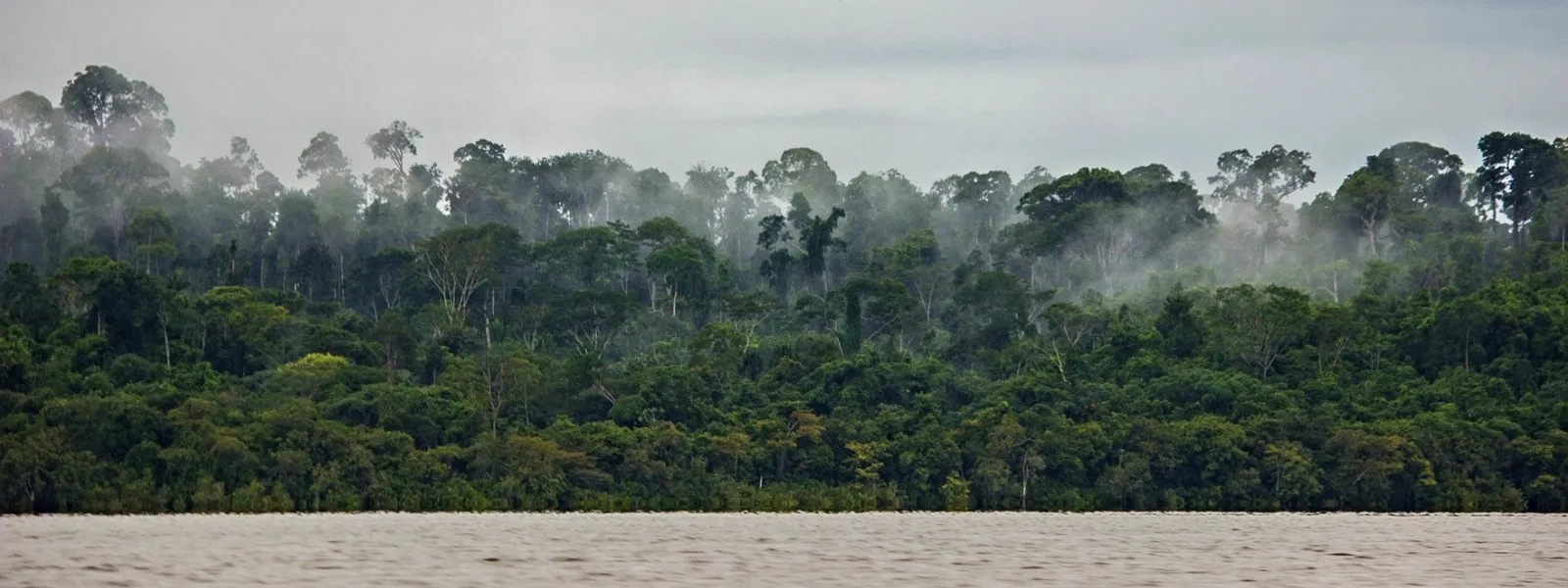
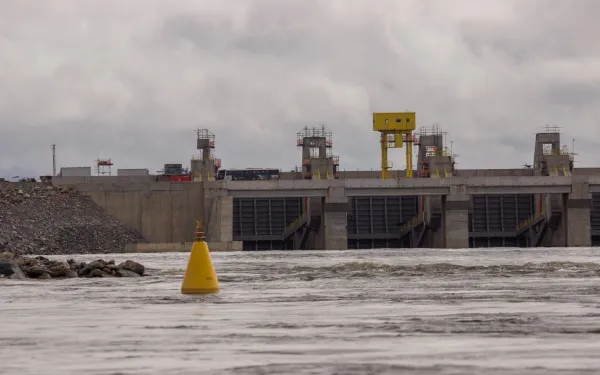
A usina hidrelétrica de Belo Monte causou um desastre ambiental e social no coração da Amazônia: um dos ecossistemas mais importantes do planeta.
Essa situação só piorou desde que a usina começou a operar em 2016. A busca por justiça e reparação para as comunidades indígenas e ribeirinhas afetadas continua até hoje.
Em 2011, a Comissão Interamericana de Direitos Humanos (CIDH) concedeu a essas comunidades medidas de proteção, que até hoje não foram totalmente implementadas pelo Estado brasileiro.
E, desde junho daquele mesmo ano, a CIDH mantém um processo contra o Estado por sua responsabilidade internacional no caso.
A CIDH pode encaminhar o caso à Corte Interamericana de Direitos Humanos, que tem o poder de emitir uma sentença condenatória contra o Estado brasileiro.
Consulta o expediente de fatos do caso
Após 10 anos de operação da usina hidrelétrica e mais de 15 anos de violações de direitos humanos documentadas, é hora da justiça ser feita para as comunidades afetadas.
Leia a carta aberta das organizações que levam o caso à CIDH
Leia nosso comunicado à imprensa
Contexto
A usina hidrelétrica de Belo Monte — a quarta maior do mundo em capacidade instalada (11.233 MW) — foi construída no rio Xingu, no estado do Pará, norte do Brasil.
Foi inaugurada em 5 de maio de 2016, com uma única turbina. Naquela época, 80% do curso do rio foi desviado e 516 km² de terra foram inundados, uma área maior que a cidade de Chicago. Desse total, 400 km² eram de mata nativa. A usina começou a operar em plena capacidade em novembro de 2019.
Belo Monte foi construída e é operada pelo consórcio Norte Energia S.A., composto principalmente por empresas estatais. Foi financiada pelo Banco Nacional de Desenvolvimento Econômico e Social (BNDES), que aportou ao consórcio 25,4 bilhões de reais (aproximadamente US$ 10,16 bilhões), o maior investimento de sua história. Portanto, o BNDES também é legalmente responsável pelos impactos socioambientais associados ao projeto hidrelétrico.
Décadas de danos ambientais e humanos
As violações dos direitos humanos e a degradação da Amazônia remontam ao início do projeto. Em março de 2011, a Norte Energia iniciou a construção da barragem sem consulta adequada e sem o consentimento prévio, livre e informado das comunidades afetadas.
A construção levou ao deslocamento forçado de mais de 40.000 pessoas, rompendo laços sociais e culturais. O plano de reassentamento em Altamira — cidade diretamente afetada pelo projeto hidrelétrico — incluía moradias na periferia da cidade, sem serviços públicos adequados, moradias dignas para as famílias reassentadas e moradias diferenciadas para aqueles pertencentes a comunidades indígenas.
A operação da barragem de Belo Monte impôs uma seca permanente e artificial na Volta Grande do rio Xingu, agravada pelas secas históricas na Amazônia em 2023 e 2024. Como resultado, a morte de milhões de ovos de peixe foi documentada por quatro anos consecutivos (de 2021 a 2024) e, nos últimos três anos, não houve migração de peixes rio acima para desovar e se reproduzir. Assim, a pesca artesanal, principal fonte de proteína para os povos indígenas e comunidades ribeirinhas, foi severamente afetada: o consumo de peixe caiu de 50% para 30% do total de proteínas consumidas, sendo substituído por alimentos processados. Em suma, houve um colapso ambiental e humanitário que resultou no colapso da pesca como modo de vida tradicional, insegurança alimentar e falta de acesso à água potável para milhares de famílias, empobrecimento e doenças.
Além disso, a construção da barragem aumentou o desmatamento e intensificou a extração ilegal de madeira e a insegurança em terras indígenas e tribais, colocando em risco a sobrevivência dessas comunidades. Outra consequência foi o agravamento da pobreza e dos conflitos sociais, bem como a sobrecarga dos sistemas de saúde, educação e segurança pública em Altamira, cidade considerada a mais violenta do país em 2017, onde houve aumento do tráfico de pessoas e da violência sexual. Também foram registrados casos de violência contra defensores de direitos humanos envolvidos no caso.
Em 2025, durante a 30ª Conferência das Nações Unidas sobre Mudanças Climáticas (COP30), realizada no Brasil, o Ministério Público Federal classificou os danos causados por Belo Monte como ecocídio.
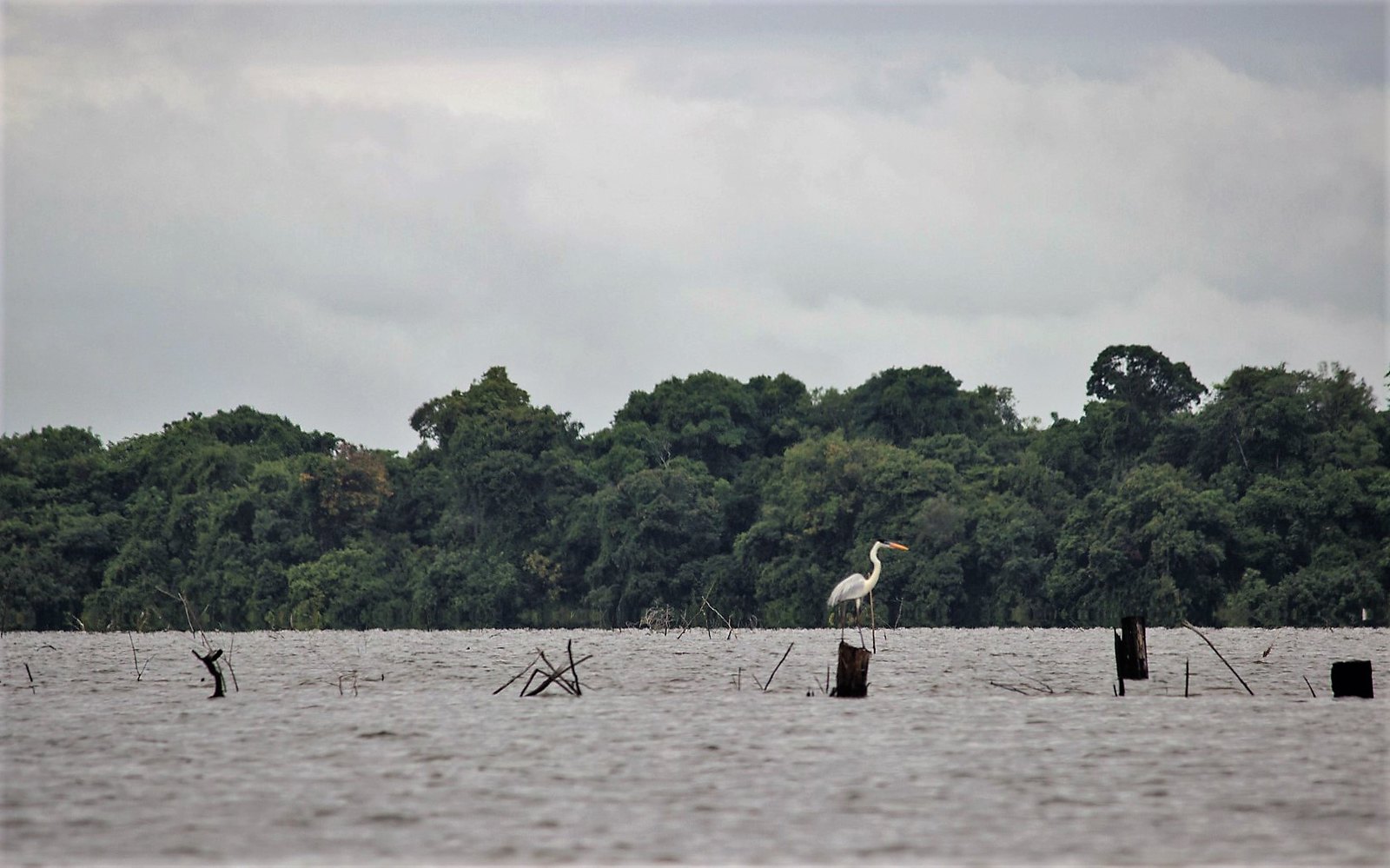
Foto: Amazon Watch / Maíra Irigaray.
A busca por justiça e reparação
Ao longo dos anos, o Ministério Público Federal do Pará, a Defensoria Pública e organizações da sociedade civil impetraram dezenas de ações judiciais em tribunais brasileiros para contestar as diversas irregularidades do projeto, bem como seus impactos. A maioria das ações permanece sem solução, algumas há mais de 10 anos.
Essas ações não obtiveram sucesso porque o governo federal tem reiteradamente anulado decisões favoráveis às comunidades afetadas, recorrendo a um mecanismo pelo qual o presidente do Supremo Tribunal Federal pode suspender uma decisão judicial com base unicamente em argumentos genéricos como "interesse nacional" ou "ordem econômica".
Diante da falta de respostas eficazes em nível nacional, a AIDA — juntamente com uma coalizão de organizações aliadas — levou o caso à Comissão Interamericana de Direitos Humanos (CIDH) e, em 2010, solicitou medidas cautelares para proteger a vida, a integridade e a saúde das comunidades indígenas afetadas.
Em 1º de abril de 2011, a CIDH concedeu essas medidas e solicitou ao Estado brasileiro a suspensão das licenças ambientais e de quaisquer obras de construção até que as condições relativas à consulta prévia e à proteção da saúde e integridade das comunidades fossem atendidas.
E, em 16 de junho de 2011, apresentamos uma denúncia formal à CIDH — juntamente com o Movimento Xingu Vivo Para Siempre, a Coordenação das Organizações Indígenas da Amazônia Brasileira, a Diocese de Altamira, o Conselho Missionário Indígena, a Sociedade Pará de Defesa dos Direitos Humanos e a Global Justice — contra o Estado brasileiro por sua responsabilidade internacional nas violações de direitos humanos contra os povos afetados neste caso. A denúncia foi apresentada em dezembro de 2015.
Em 3 de agosto de 2011, a CIDH modificou as medidas cautelares para solicitar — em vez da suspensão de licenças e obras — a proteção dos povos que vivem em isolamento voluntário, a saúde das comunidades indígenas e a regularização e proteção das terras ancestrais.
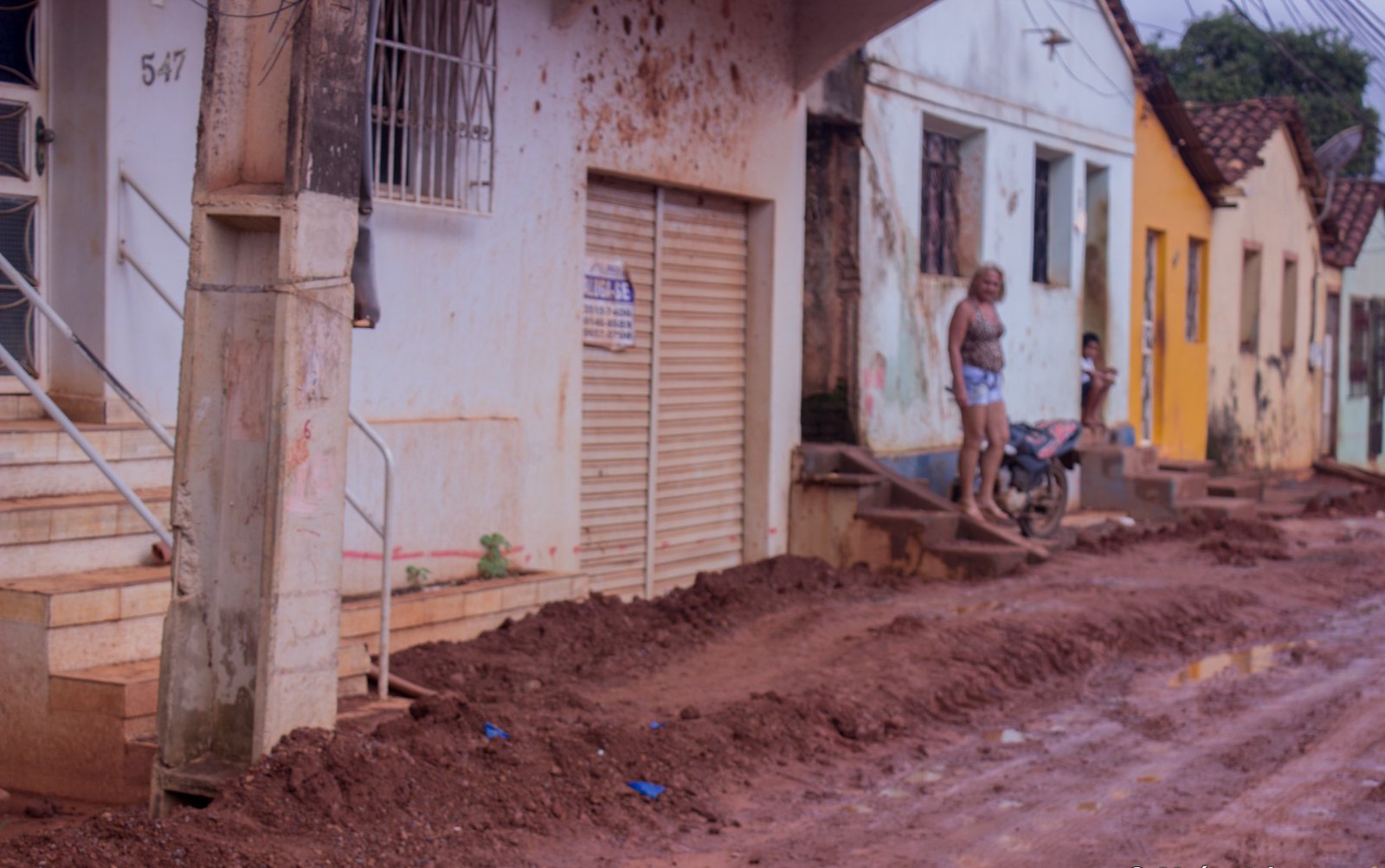
Foto: Amazon Watch / Maíra Irigaray.
Situação atual
As medidas de proteção concedidas pela CIDH permanecem em vigor, mas o Estado brasileiro não as cumpriu integralmente, relatando apenas ações genéricas. As comunidades documentaram as contínuas violações de seus direitos. A situação que motivou o pedido dessas medidas — o risco à vida, à segurança e aos meios de subsistência das comunidades — persiste e se agravou com a usina hidrelétrica operando em plena capacidade e com as recentes secas extremas na Amazônia.
Além do ocorrido em Belo Monte, existe o risco de maiores danos sociais e ambientais decorrentes da implementação de outro megaprojeto de mineração na Volta Grande do Xingu. Lá, a empresa canadense Belo Sun pretende construir a maior mina de ouro a céu aberto do Brasil.
Os impactos sinérgicos e cumulativos da usina e da mina não foram avaliados. O Estado excluiu povos indígenas, comunidades ribeirinhas e comunidades camponesas do processo de licenciamento ambiental do projeto. Apesar disso, dos protestos indígenas e de outras irregularidades em torno do projeto, o governo do estado do Pará autorizou formalmente a mina em abril de 2026.
Belo Monte, assim como outras usinas hidrelétricas, agrava a emergência climática ao gerar emissões de gases de efeito estufa em seu reservatório. Além disso, é ineficiente diante das secas prolongadas e intensas causadas pela crise, pois perde capacidade de geração de energia.
O caso perante a Comissão Interamericana
Em outubro de 2017, a CIDH anunciou que decidiria conjuntamente sobre a admissibilidade (se o caso preenche os requisitos para admissão) e o mérito (se houve, de fato, violação de direitos humanos) da denúncia internacional contra o Estado brasileiro.
Quinze anos após a apresentação da denúncia, as comunidades afetadas e as organizações que as representam ainda aguardam essa decisão. Caso a CIDH conclua que houve violações de direitos humanos e emita recomendações que o Estado brasileiro não cumpra, poderá encaminhar o caso à Corte Interamericana de Direitos Humanos, cujas decisões são vinculativas.
Uma possível decisão da Corte Internacional de Direitos Humanos neste caso estabeleceria um precedente jurídico regional em relação aos direitos dos povos indígenas e ribeirinhos, à participação pública em megaprojetos e à responsabilidade do Estado no contexto da crise climática. Isso é particularmente relevante à luz do Parecer Consultivo nº 32 da Corte, que reafirmou as obrigações dos Estados de proteger pessoas e comunidades em todo o continente da emergência climática.
Partners:
Related projects
Ten Reasons Why Climate Initiatives Should Not Include Large Hydropower Projects
A Civil Society[i] Manifesto for the Support of Real Climate Solutions Large hydropower projects are often propagated as a “clean and green” source of electricity by international financial institutions, national governments and other actors. They greatly benefit from instruments meant to address climate change, including carbon credits under the Clean Development Mechanism (CDM), credits from the World Bank’s Climate Investment Funds, and special financial terms from export credit agencies and green bonds. The dam industry advocates for large hydropower projects to be funded by the Green Climate Fund, and many governments boost them as a response to climate change through national initiatives. For example, at least twelve governments with major hydropower sectors have included an expansion of hydropower generation in their reports on Intended Nationally Determined Contributions (INDCs). Support from climate initiatives is one of the reasons why more than 3,700 hydropower dams are currently under construction and in the pipeline. Yet large hydropower projects are a false solution to climate change. They should be kept out from national and international climate initiatives for the following reasons: Particularly in tropical regions, hydropower reservoirs emit significant amounts of greenhouse gases. According to a peer-reviewed study, methane from reservoirs accounts for more than 4% of all human-caused climate change – comparable to the climate impact of the aviation sector. In some cases, hydropower projects are producing higher emissions than coal-fired power plants generating the same amount of electricity. Rivers take about 200 million tons of carbon out of the atmosphere every year. In addition, the silt that rivers like the Amazon, Congo, Ganges and Mekong carry to the sea feeds plankton and absorbs large amounts of carbon. Hydropower projects and other dams disrupt the transport of silt and nutrients and impair the role of rivers to act as global carbon sinks. Hydropower dams make water and energy systems more vulnerable to climate change. Unprecedented floods are threatening the safety of dams and alone in the US have caused more than 100 dams to fail since 2010. Dam building has exacerbated flood disasters in fragile mountain areas such as Uttarakhand/India. At the same time more extreme droughts increase the economic risks of hydropower, and have greatly affected countries from Africa to Brazil that depend on hydropower dams for most of their electricity. In contrast to most wind, solar and micro-hydropower projects, dams cause severe and often irreversible damage to critical ecosystems. Due to dam building and other factors, freshwater ecosystems have on average lost 76% of their populations since 1970 – more than marine and land-based ecosystems. Building more dams to protect ecosystems from climate change means sacrificing the planet’s arteries to protect her lungs. Large hydropower projects have serious impacts on local communities and often violate the rights of indigenous peoples to their lands, territories, resources, governance, cultural integrity and free, prior informed consent. Dams have displaced at least 40-80 million people and have negatively affected an estimated 472 million people living downstream. The resistance of dam-affected communities has often been met with egregious human rights violations. Large hydropower projects are not always an effective tool to expand energy access for poor people. In contrast to wind, solar and micro-hydropower, large hydropower dams depend on central electric grids, which are not a cost-effective tool to reach rural populations particularly in Sub-Saharan Africa and the Himalayas. Large hydropower projects are often built to meet the demands of mining and industrial projects even if they are justified by the needs of the poor. Even if they were a good solution in other ways, large hydropower projects would be a costly and time-consuming way to address the climate crisis. On average large dams experience cost overruns of 96% and time overruns of 44%. In comparison, wind and solar projects can be built more quickly and experience average cost overruns of less than 10%. Unlike wind and solar power, hydropower is no longer an innovative technology, and has not seen major technical breakthroughs in several decades. Unlike with solar power, climate funding for large hydropower projects will not bring about further economies of scale, and does not encourage a transfer of new technologies to Southern countries. Wind and solar power have become readily available and financially competitive, and have overtaken large hydropower in the addition of new capacity. As grids become smarter and the cost of battery storage drops, new hydropower projects are no longer needed to balance intermittent sources of renewable energy. Hydropower projects currently make up 26% of all projects registered with the CDM, and absorb significant support from other climate initiatives. Climate finance for large hydropower projects crowds out support for real solutions such as wind, solar and micro hydropower, and creates the illusion of real climate action. Including large hydropower in climate initiatives falsely appears to obliterate the need for additional real climate solutions. For these reasons, the undersigned organizations and individuals call on governments, financiers and other institutions to keep large hydropower projects out of their initiatives to address climate change. All climate and energy solutions need to respect the rights and livelihoods of local communities. [i] Amazon Watch, Asia Indigenous Peoples Pact, Asociación Interamericana para la Defensa del Ambiente, Bianca Jagger Human Rights Foundation, Carbon Market Watch, International Rivers, Jeunes Volontaires pour l'Environnement International, Oxfam International, South Asia Network on Dams, Rivers and People; Urgewald, REDLAR and Movimiento Ríos Vivos.
Read more
COP21 Begins, as Climate Hope Grows Stronger
Hundreds of world leaders gathered in Paris today to officially kick off the highly anticipated global climate talks. This is a critical moment for the future our life here on Earth. The conference is expected to produce a new and binding global climate accord, which could shape the ways in which we live, govern, create energy, and adapt to a changing climate. The expectations are set high for this 21st Conference of Parties (COP21) of the United Nations Framework Convention on Climate Change – because they have to be. In the next two weeks, States will have the opportunity to show their commitment to combating climate change. At the close of the negotiations, if all goes well, governments from around the world will adopt the measures necessary to ensure a better planet for present and future generations. The task at hand for this Conference is finalizing the Paris climate package, which includes a final draft of the new climate agreement and a series of decisions to be adopted by Member Parties. Both are vital to the proper implementation of the Convention. Though it has been successful in elevating climate change in policy discussions worldwide, the Convention still requires States to adopt clear and concrete actions to ensure compliance. What do we hope to achieve in Paris? There are two key tasks that AIDA will press Conference negotiators to achieve: Clarify the commitments related to climate financing after 2020. Include language requiring the respect, guarantee, protection, and promotion of human rights in all climate actions in both the preamble and the operating text of the Paris Agreement. Focus On: Climate Finance Climate finance is fundamental to ensuring that the commitments established in the Paris Agreement, as well as in the Convention itself, become a reality. Concerning climate finance, the new agreement should include the following key elements: Clarity on which countries should mobilize new and additional resources after 2020. It’s also important to reevaluate the role of developing countries that, though they have no obligation to provide financing, may be in a position do to so. Clear commitments to increase climate finance to achieve the desired outcomes. Clarity on sources of financing, ensuring that those sources implement clear and transparent methods that allow for their accounting and effective use. Collective short-term goals that demonstrate clear advances. Clarity on the institutional arrangements needed to channel resources. It will be important to strengthen the Green Climate Fund’s role in ensuring that finance supports projects and programs that are low-carbon and climate-resilient. Cycles of financial contributions, and their corresponding verification periods. Climate finance is a critical component of progress on the climate agenda. Providing clarity on this matter is essential to achieving goals and paradigm shifts in the short, medium, and long term. Focus On: Human Rights The protection and promotion of human rights is vital in the fight against climate change. The very success of the Paris Agreement depends on this element being integrated into the text and, particularly, into its objectives. A climate agreement featuring language to protect human rights will help to: Increase the ambition of the Agreement and strengthen its goals, encouraging better implementation, given that the human rights perspective may remind States of obligations that they already have. Clarify the responsibilities of States and other actors in the fight against climate change, and increase understanding of public policies related to it. This provides us the opportunity to advance and provide lessons learned, avoiding the duplication or creation of new obligations. Define a clear and acceptable pattern to prevent further socioenvironmental conflicts in the future. Having a uniform legal framework for the recognition of human rights would make it possible to improve the management of water, food, and land, which have particular resonance in Latin America. The Paris Conference is a historic opportunity for AIDA to strengthen the substantial progress made to date in the fight against climate change. Follow Along With Us!
Read more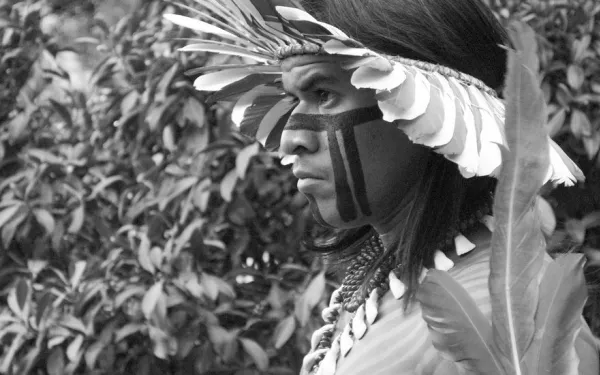
Brazil authorizes operation of the Belo Monte Dam, disregarding the rights of affected communities
The environmental authority granted the project’s operating license, ignoring evidence of noncompliance with conditions necessary to guarantee the life, health and integrity of indigenous and other affected populations. Altamira, Brazil. The Brazilian Institute of Environment and Renewable Natural Resources (IBAMA) today authorized the Belo Monte Dam’s operating license, which allows the dam’s reservoirs to be filled. The authorization was granted despite clear noncompliance with conditions necessary to guarantee the life, health and integrity of affected communities; the same conditions that IBAMA called essential in its technical report of September 22. IBAMA’s decision makes no reference to conditions needed to protect affected indigenous peoples. “We can’t believe it,” said Antonia Melo, leader of Movimiento Xingú Vivo para Siempre, who was displaced by the dam’s construction. “This is a crime. Granting the license for this monster was an irresponsible decision on the part of the government and IBAMA. The president of IBAMA was in Altamira on November 5 and received a large variety of complaints. Everyone – riverside residents, indigenous representatives, fishermen, and members of the movement – talked about the negative impacts we’re living with. And now they grant the license with more conditions, which will only continue to be violated.” In an official letter to IBAMA on November 12, the president of the National Indian Foundation (FUNAI) concluded that conditions necessary for the protection of affected indigenous communities had clearly not been met. However, he gave free reign for the environmental authority to grant the operating license “if deemed appropriate.” “The authorization clearly violates Brazil’s international human rights commitments, especially with respect to the indigenous communities of the Xingú River basin. Those affected populations are protected by precautionary measures granted in 2011 by the Inter-American Commission on Human Rights, which the Brazilian government continues to ignore,” said María José Veramendi, attorney with the Interamerican Association for Environmental Defense (AIDA). The license allows for the filling of two of the dam’s reservoirs on the Xingú River, an Amazon tributary. It is valid for six years and is subject to compliance with certain conditions; progress will be monitored through semiannual reports. Such conditions should have been met before the dam’s license was even considered, let alone granted. “Environmental licensing is a way to mitigate the effects, control damage and minimize the risks that the dam’s operation entails for the community and the environment. By disrespecting and making flexible the licensing procedures, the government is allowing economic interests to prevail and ignoring its duty to protect the public interest,” said Raphaela Lopes, attorney with Justiça Global. AIDA, Justiça Global, and the Para Society of Defense of Human Rights have argued on both national and international levels that the conditions needed for Belo Monte to obtain permission to operate have not been met. The project must still guarantee affected and displaced populations access to essential services such as clean water, sanitation, health services and other basic human rights. “The authorization of Belo Monte, a project involved in widespread corruption scandals, contradicts President Rousseff’s recent statement before the United Nations, in which she declared that Brazil would not tolerate corruption, and would instead aspire to be a country where leaders behave in strict accordance with their duties. We hope that the Brazilian government comes to its senses, and begins to align its actions with its words,” said Astrid Puentes Riaño, co-director of AIDA. The green light for Belo Monte couldn’t have come at a worse moment. On November 5th, two dams impounding mine waste—owned by Samarco, a company jointly overseen by Vale and BHP Billiton—broke in the city of Mariana, Minas Gerais, causing one of the greatest environmental disasters in the country’s history. A slow-moving flood of mud and toxic chemicals wiped out a village, left 11 dead and 12 missing, and affected the water supply of the entire region, destroying flora and fauna for hundreds of miles around. The toxic flood has since reached the sea. The company’s operating licenses had expired two years ago. Approval of Belo Monte’s operating license comes just six days before the start of the Paris climate talks, the most important meeting of the United Nations Framework Convention on Climate Change in recent history. Once in operation, Belo Monte will emit greenhouse gases including carbon dioxide and methane; as the world’s third-largest dam, it will become a significant contributor to climate change. By authorizing Belo Monte, the government of Brazil is sending a terrible message to the world. Ignoring its international commitments to protect human rights and mitigate the effects of climate change, the government is instead providing an example of how energy should not be produced in the 21st Century.
Read more