
Project
Amazon Watch / Maíra Irigaray
Barragem de Belo Monte no rio Xingu: 10 anos de impactos na Amazônia e de busca por reparações
A usina hidrelétrica de Belo Monte causou um desastre ambiental e social no coração da Amazônia: um dos ecossistemas mais importantes do planeta.
Essa situação só piorou desde que a usina começou a operar em 2016. A busca por justiça e reparação para as comunidades indígenas e ribeirinhas afetadas continua até hoje.
Em 2011, a Comissão Interamericana de Direitos Humanos (CIDH) concedeu a essas comunidades medidas de proteção, que até hoje não foram totalmente implementadas pelo Estado brasileiro.
E, desde junho daquele mesmo ano, a CIDH mantém um processo contra o Estado por sua responsabilidade internacional no caso.
A CIDH pode encaminhar o caso à Corte Interamericana de Direitos Humanos, que tem o poder de emitir uma sentença condenatória contra o Estado brasileiro.
Consulta o expediente de fatos do caso
Após 10 anos de operação da usina hidrelétrica e mais de 15 anos de violações de direitos humanos documentadas, é hora da justiça ser feita para as comunidades afetadas.
Leia a carta aberta das organizações que levam o caso à CIDH
Leia nosso comunicado à imprensa
Contexto
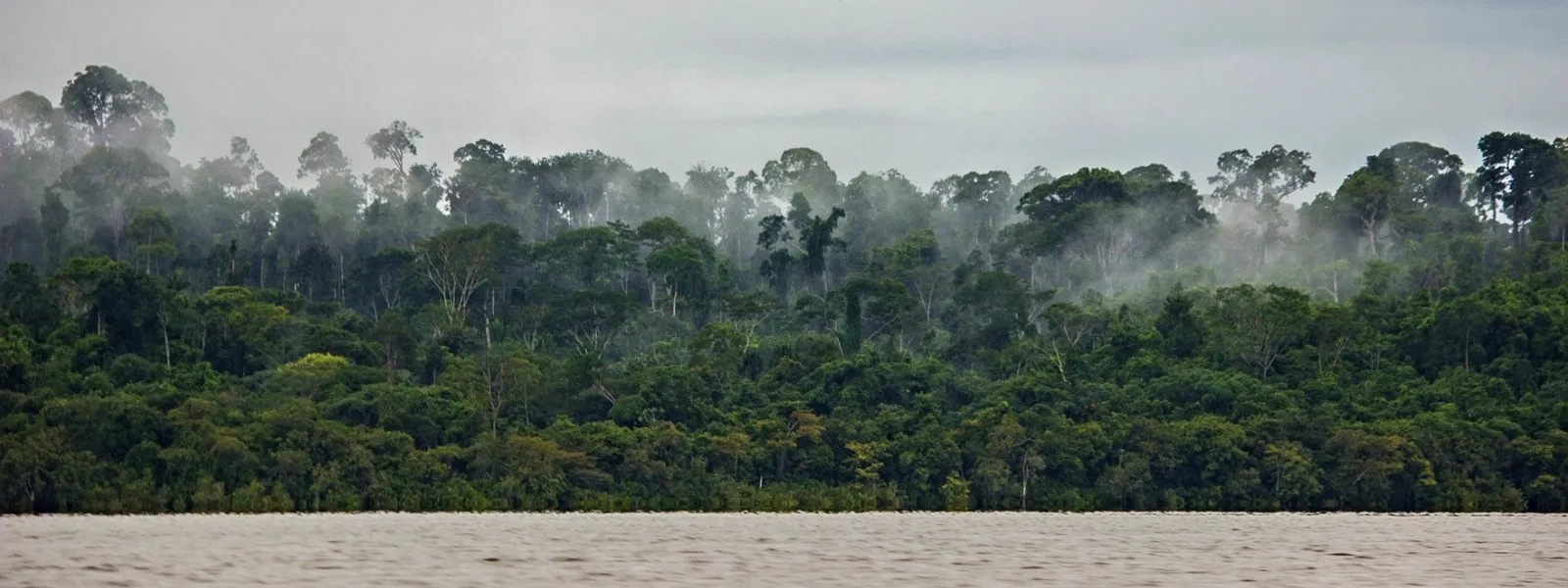
A usina hidrelétrica de Belo Monte — a quarta maior do mundo em capacidade instalada (11.233 MW) — foi construída no rio Xingu, no estado do Pará, norte do Brasil.
Foi inaugurada em 5 de maio de 2016, com uma única turbina. Naquela época, 80% do curso do rio foi desviado e 516 km² de terra foram inundados, uma área maior que a cidade de Chicago. Desse total, 400 km² eram de mata nativa. A usina começou a operar em plena capacidade em novembro de 2019.
Belo Monte foi construída e é operada pelo consórcio Norte Energia S.A., composto principalmente por empresas estatais. Foi financiada pelo Banco Nacional de Desenvolvimento Econômico e Social (BNDES), que aportou ao consórcio 25,4 bilhões de reais (aproximadamente US$ 10,16 bilhões), o maior investimento de sua história. Portanto, o BNDES também é legalmente responsável pelos impactos socioambientais associados ao projeto hidrelétrico.
Décadas de danos ambientais e humanos
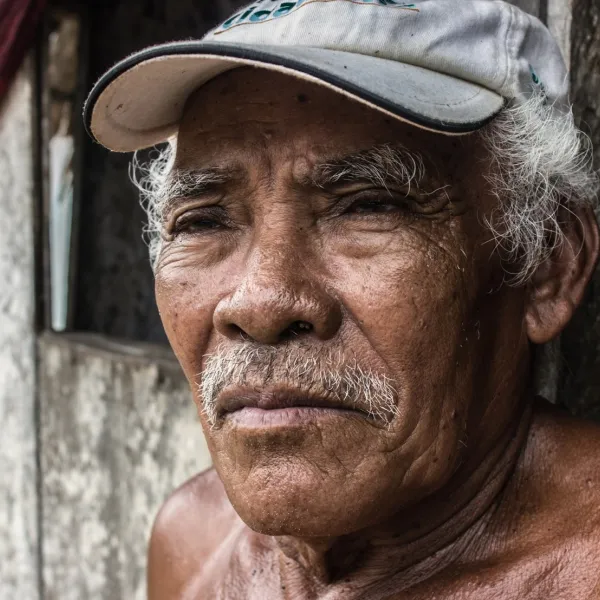
As violações dos direitos humanos e a degradação da Amazônia remontam ao início do projeto. Em março de 2011, a Norte Energia iniciou a construção da barragem sem consulta adequada e sem o consentimento prévio, livre e informado das comunidades afetadas.
A construção levou ao deslocamento forçado de mais de 40.000 pessoas, rompendo laços sociais e culturais. O plano de reassentamento em Altamira — cidade diretamente afetada pelo projeto hidrelétrico — incluía moradias na periferia da cidade, sem serviços públicos adequados, moradias dignas para as famílias reassentadas e moradias diferenciadas para aqueles pertencentes a comunidades indígenas.
A operação da barragem de Belo Monte impôs uma seca permanente e artificial na Volta Grande do rio Xingu, agravada pelas secas históricas na Amazônia em 2023 e 2024. Como resultado, a morte de milhões de ovos de peixe foi documentada por quatro anos consecutivos (de 2021 a 2024) e, nos últimos três anos, não houve migração de peixes rio acima para desovar e se reproduzir. Assim, a pesca artesanal, principal fonte de proteína para os povos indígenas e comunidades ribeirinhas, foi severamente afetada: o consumo de peixe caiu de 50% para 30% do total de proteínas consumidas, sendo substituído por alimentos processados. Em suma, houve um colapso ambiental e humanitário que resultou no colapso da pesca como modo de vida tradicional, insegurança alimentar e falta de acesso à água potável para milhares de famílias, empobrecimento e doenças.
Além disso, a construção da barragem aumentou o desmatamento e intensificou a extração ilegal de madeira e a insegurança em terras indígenas e tribais, colocando em risco a sobrevivência dessas comunidades. Outra consequência foi o agravamento da pobreza e dos conflitos sociais, bem como a sobrecarga dos sistemas de saúde, educação e segurança pública em Altamira, cidade considerada a mais violenta do país em 2017, onde houve aumento do tráfico de pessoas e da violência sexual. Também foram registrados casos de violência contra defensores de direitos humanos envolvidos no caso.
Em 2025, durante a 30ª Conferência das Nações Unidas sobre Mudanças Climáticas (COP30), realizada no Brasil, o Ministério Público Federal classificou os danos causados por Belo Monte como ecocídio.
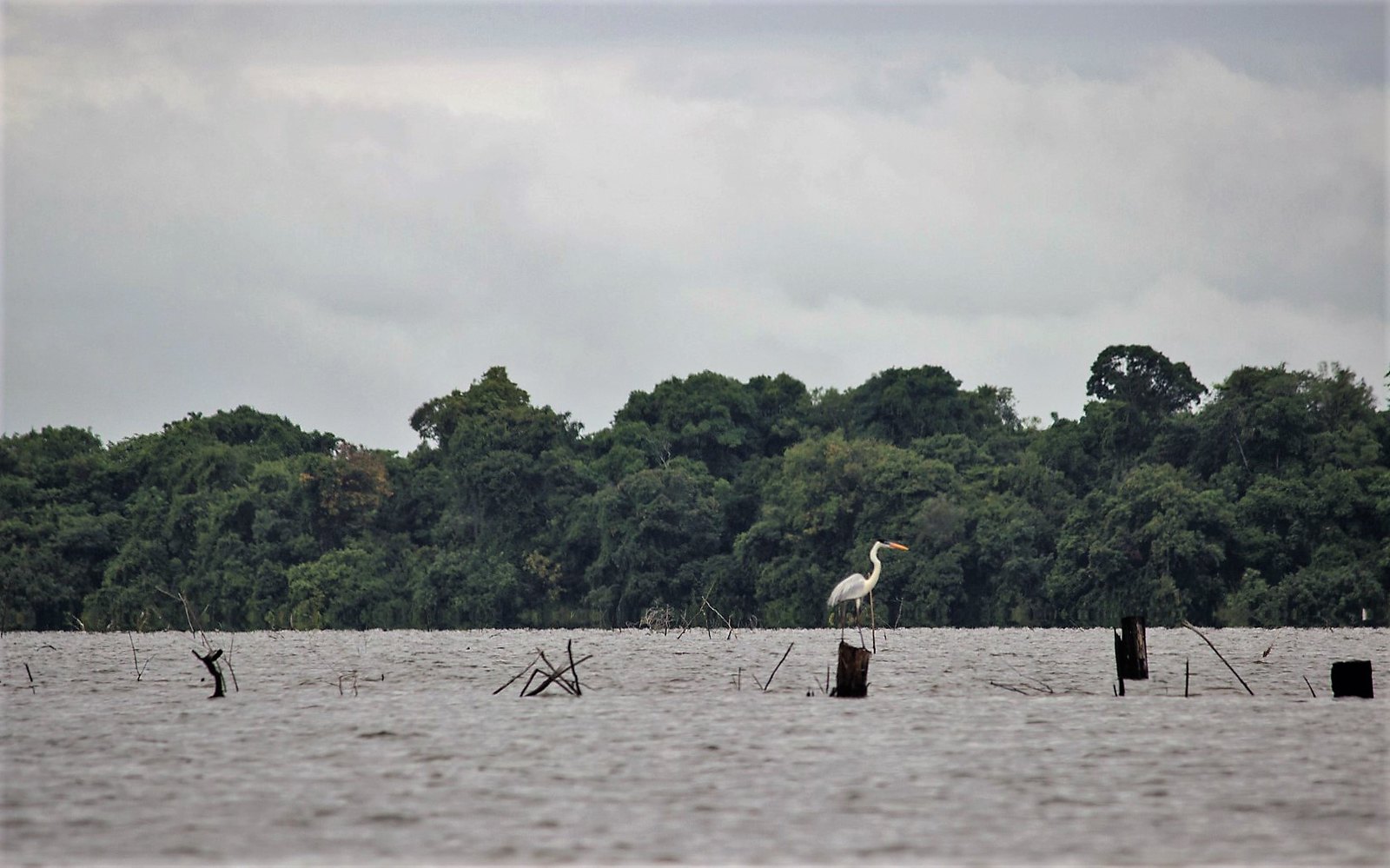
Foto: Amazon Watch / Maíra Irigaray.
A busca por justiça e reparação
Ao longo dos anos, o Ministério Público Federal do Pará, a Defensoria Pública e organizações da sociedade civil impetraram dezenas de ações judiciais em tribunais brasileiros para contestar as diversas irregularidades do projeto, bem como seus impactos. A maioria das ações permanece sem solução, algumas há mais de 10 anos.
Essas ações não obtiveram sucesso porque o governo federal tem reiteradamente anulado decisões favoráveis às comunidades afetadas, recorrendo a um mecanismo pelo qual o presidente do Supremo Tribunal Federal pode suspender uma decisão judicial com base unicamente em argumentos genéricos como "interesse nacional" ou "ordem econômica".
Diante da falta de respostas eficazes em nível nacional, a AIDA — juntamente com uma coalizão de organizações aliadas — levou o caso à Comissão Interamericana de Direitos Humanos (CIDH) e, em 2010, solicitou medidas cautelares para proteger a vida, a integridade e a saúde das comunidades indígenas afetadas.
Em 1º de abril de 2011, a CIDH concedeu essas medidas e solicitou ao Estado brasileiro a suspensão das licenças ambientais e de quaisquer obras de construção até que as condições relativas à consulta prévia e à proteção da saúde e integridade das comunidades fossem atendidas.
E, em 16 de junho de 2011, apresentamos uma denúncia formal à CIDH — juntamente com o Movimento Xingu Vivo Para Siempre, a Coordenação das Organizações Indígenas da Amazônia Brasileira, a Diocese de Altamira, o Conselho Missionário Indígena, a Sociedade Pará de Defesa dos Direitos Humanos e a Global Justice — contra o Estado brasileiro por sua responsabilidade internacional nas violações de direitos humanos contra os povos afetados neste caso. A denúncia foi apresentada em dezembro de 2015.
Em 3 de agosto de 2011, a CIDH modificou as medidas cautelares para solicitar — em vez da suspensão de licenças e obras — a proteção dos povos que vivem em isolamento voluntário, a saúde das comunidades indígenas e a regularização e proteção das terras ancestrais.
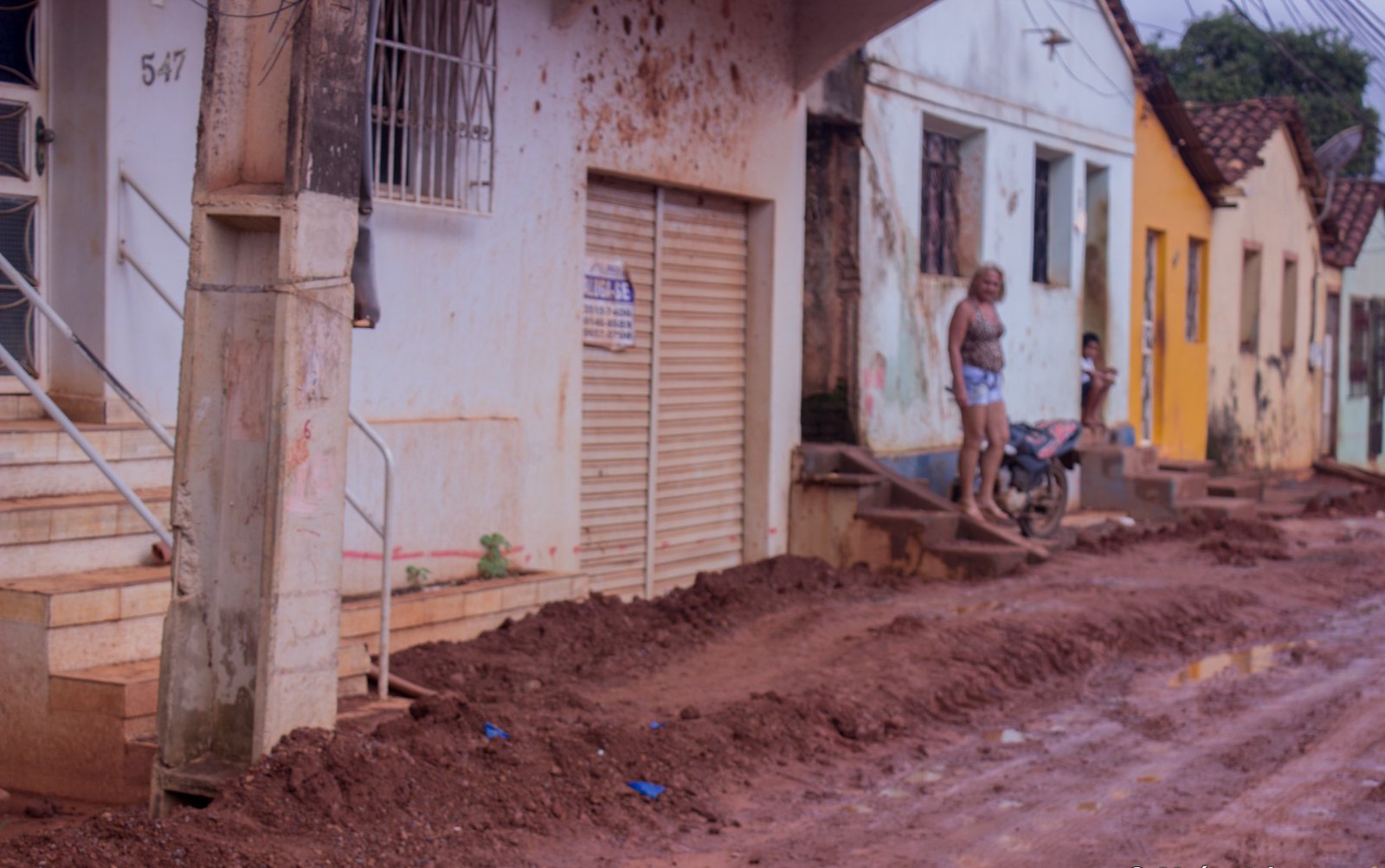
Foto: Amazon Watch / Maíra Irigaray.
Situação atual
As medidas de proteção concedidas pela CIDH permanecem em vigor, mas o Estado brasileiro não as cumpriu integralmente, relatando apenas ações genéricas. As comunidades documentaram as contínuas violações de seus direitos. A situação que motivou o pedido dessas medidas — o risco à vida, à segurança e aos meios de subsistência das comunidades — persiste e se agravou com a usina hidrelétrica operando em plena capacidade e com as recentes secas extremas na Amazônia.
Além do ocorrido em Belo Monte, existe o risco de maiores danos sociais e ambientais decorrentes da implementação de outro megaprojeto de mineração na Volta Grande do Xingu. Lá, a empresa canadense Belo Sun pretende construir a maior mina de ouro a céu aberto do Brasil.
Os impactos sinérgicos e cumulativos da usina e da mina não foram avaliados. O Estado excluiu povos indígenas, comunidades ribeirinhas e comunidades camponesas do processo de licenciamento ambiental do projeto. Apesar disso, dos protestos indígenas e de outras irregularidades em torno do projeto, o governo do estado do Pará autorizou formalmente a mina em abril de 2026.
Belo Monte, assim como outras usinas hidrelétricas, agrava a emergência climática ao gerar emissões de gases de efeito estufa em seu reservatório. Além disso, é ineficiente diante das secas prolongadas e intensas causadas pela crise, pois perde capacidade de geração de energia.
O caso perante a Comissão Interamericana
Em outubro de 2017, a CIDH anunciou que decidiria conjuntamente sobre a admissibilidade (se o caso preenche os requisitos para admissão) e o mérito (se houve, de fato, violação de direitos humanos) da denúncia internacional contra o Estado brasileiro.
Quinze anos após a apresentação da denúncia, as comunidades afetadas e as organizações que as representam ainda aguardam essa decisão. Caso a CIDH conclua que houve violações de direitos humanos e emita recomendações que o Estado brasileiro não cumpra, poderá encaminhar o caso à Corte Interamericana de Direitos Humanos, cujas decisões são vinculativas.
Uma possível decisão da Corte Internacional de Direitos Humanos neste caso estabeleceria um precedente jurídico regional em relação aos direitos dos povos indígenas e ribeirinhos, à participação pública em megaprojetos e à responsabilidade do Estado no contexto da crise climática. Isso é particularmente relevante à luz do Parecer Consultivo nº 32 da Corte, que reafirmou as obrigações dos Estados de proteger pessoas e comunidades em todo o continente da emergência climática.
Partners:
Related projects
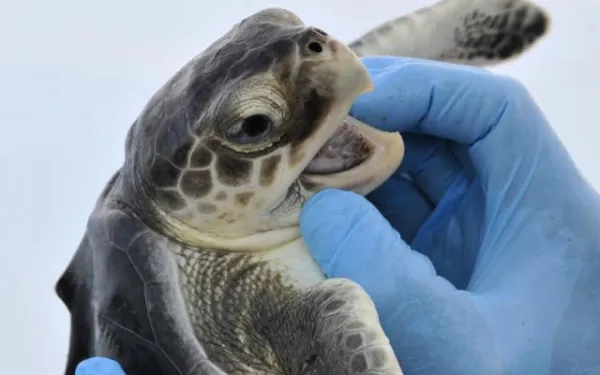
Protecting Sea Turtles in the Gulf of Mexico
By Sandra Moguel Every few years, hundreds of hawksbill and kemp’s ridley turtles glide through the warm, shallow waters of the Veracruz Reef System. There they swim and feed amongst the brightly colored corals, which stretch for miles through the Gulf of Mexico. When the sun goes down, many of the females make their way back to the very beach from which they hatched, to lay the eggs of the next generation. This ritual has happened for centuries, as the migratory turtles move and feed and breed their way through the Gulf and Caribbean waters. But it’s happening less and less. As their critical habitats are threatened by reckless human activities and a changing climate, the population of hawksbill turtles in the region has declined by 95 percent, making them a critically endangered species. The hawksbill (eretmochelys imbricata) and Kemps’ ridley (lepidochelys kempii) turtles are just two of the five neotropical species of sea turtle that spend a portion of their migratory cycles along the coast of Veracruz, Mexico, and within the confines its reefs. Now, these turtles are facing a new threat – the expansion of the Port of Veracruz. To raise awareness of the risk posed to these threatened species, AIDA and the Mexican Center for Environmental Law (CEMDA) on September 22 presented a petition (in Spanish) before the Scientific Committee of the Inter-American Sea Turtle Convention (IAC), under which Mexico has obligations to protect turtles found within its borders. In the petition, we detailed the direct and indirect impacts that the expansion of the Port would have on the various turtle species and their habitat. We also mentioned that in the project’s environmental impact statement, the Veraruz Port Authority stated that the port expansion “will never have a direct effect on protected species.” They therefore failed to present protection measures for sea turtles, particularly the hawksbill, which is listed as threatened under both the Sea Turtle Convention and Mexican law. Our petition before the IAC requests they take measures to understand the threat and urge Mexico to act, including: conduct an investigation on the impacts the port expansion would have on the turtles and their habitat; conduct a site visit; make recommendations for the protection of the species and their habitat; and urge the Mexican government to apply precautionary measures while evaluating potential environmental impacts on the turtles. Also on September 22, alongside CEMDA, we delivered more than 36,000 signatures from a citizens’ petition urging the Secretariat of Environment & Natural Resources to revoke the environmental authorization granted for the Port’s expansion. The petition argues that the expansion project would put in danger two of Mexico’s natural treasures – the Veracruz Reef System and Los Tuxtlas Reserve, a natural protected area from which basaltic rock for the construction would be extracted. The permit has been approved without considering the severe environmental impacts it would have on the unique ecosystems of the region and the creatures that call them home. The Mexican government has thus violated national and international obligations to conserve biodiversity and protect its natural heritage. As long as the Port of Veracruz expansion project threatens sensitive species and ecosystems, we will continue to advocate through national and international bodies to stop it. Thank you for supporting our work to defend the health and biodiversity of the Veracruz Reef System!
Read more
5 Major AIDA Achievements of the Past 6 Months
1. Colombia Suspends Aerial Spraying of Glyphosate In May 2015, Colombia announced its intentions to suspend the aerial spraying of a toxic herbicide containing glyphosate, the main ingredient in RoundUp, which has been used for more than 20 years to eradicate coca and poppy crops. The decision was made final on September 30, when the environmental management plan allowing such spraying was suspended. Pressure on the government mounted with a couple of key court decisions after AIDA and allies in Colombia and the U.S. launched an online petition. Together we collected almost 25,000 signatures from people calling on President Juan Manuel Santos and the Minister of Justice to end the spraying. Colombia’s spraying has doused homes, farms, forests, and water in vast rural areas, wreaking havoc in sensitive ecosystems, and damaging water sources and food crops in one of the most biodiverse nations on our planet. It has even forced families, including some in indigenous communities, off their lands. AIDA has worked to end the spraying over a period spanning 17 years. When the Minister of Health recently recommended suspending the program over fears that the chemical causes cancer, AIDA worked with the media and organized partners to generate and participate in a national debate. 2. Panamanian Congress Protects Panama Bay Wetland Wildlife Refuge After years of legal wrangling, Panama passed a law on February 2, 2015—World Wetlands Day—that grants permanent protection to the ecologically critical Panama Bay. The law staves off proposed tourist resorts that would harm mangrove forests essential for wildlife, coastal protection, the local fishing industry, and climate change mitigation. AIDA’s collaboration with its local partner, CIAM (the Center for Environmental Defense), ensured that this law is strong enough to guarantee rational uses of wetland resources throughout the country. Panama Bay is one of the world’s most important nesting sites for migratory birds and provides a home for endangered loggerhead turtles and jaguars. Mangroves in the bay buffer increasingly strong storm surges and capture 50 times more carbon than tropical forests. Under the Ramsar Convention, an international treaty for wetland conservation, the Bay is listed as a Wetland of International Importance. AIDA’s work is helping protect all the ecosystem services that this critical area provides. 3. Colombian Government Protects 76% of the Santurbán Páramo AIDA joined with local organizations to build public support for protection of Colombia’s páramos, high-altitude wetlands unique to Latin America. Our work garnered 20,000 petition signatures and generated significant media attention. The Colombian government’s decision to enlarge the protected area of the páramo known as the Santurbán is an important victory for the people of Colombia. The Santurbán supplies fresh water to nearly two million people and provides habitat for threatened species. It also captures large amounts of carbon, mitigating climate change. Several years ago, Colombia passed a law that protects páramos—an important step, because the land in and around the Santurbán contains gold and other minerals that international corporations are eager to mine. To implement the law and truly protect the Santurbán, Colombia had to establish the borders of the protected area. The boundaries initially proposed included only a small fraction of the páramo. Now most of it is protected. 4. Major Reference Reports Published One of the key services AIDA provides—producing Spanish-language reports based on legal research and analysis—benefits government officials, journalists, civil society groups and industry decision makers who are striving to protect our shared environment. We compile extensive information about threats to natural resources and best practices for environmental protection. Our reports fill gaps in knowledge among key Latin American policymakers and advocates. Recent AIDA publications that can help guide efforts toward environmental protection include: International Regulatory Best Practices For Coral Reef Protection. Protecting Coral Reefs in Mexico: Rescuing Marine Biodiversity and Its Benefits for Humankind. Basic Guidelines for the Environmental Impact Assessment of Mining Projects: Recommended Terms of Reference. 5. Regional Fracking Group Established: 30 Organizations in Seven Nations In Latin America, many countries are opening their doors to fracking—the practice of injecting water, sand and chemicals at high pressure to shatter rocks and release natural gas from deep underground. Governments are doing so with little or no understanding of the environmental and health impacts of this technology, and with the absence of adequate processes to inform, consult, and engage affected communities. With AIDA’s help, the Regional Group on Fracking was formed to raise awareness, generate public debate, and prevent risks associated with fracking. The group seeks to ensure that the rights to life, public health, and a healthy environment are respected in Latin America. The Group consists of civil society organizations and academic institutions mainly from Argentina, Brazil, Bolivia, Colombia, and Mexico, collaborating to: Identify affected communities and fracking operations in the region, and document impacts; Advance strategies to stop harmful projects and slow the spread of fracking; and Organize seminars and provide educational materials about the risks and impacts of fracking to ensure that a precautionary approach is taken.
Read more
NGOs celebrate suspension of aerial spraying, advance in Colombian environmental law
They highlight the application of the precautionary principle in the resolution to suspend spraying, and pledge to stay alert to the threat posed by the potential manual use of glyphosate or its replacement with another chemical. Bogota, Colombia. Civil society organizations finally celebrate the temporary and preventive suspension of aerial spraying with glyphosate as an advance in the protection of public health and the right to a healthy environment in Colombia. They note that the National Environmental Licensing Agency (ANLA) applied the precautionary principle in the resolution, which ordered the suspension of a technique employed for more than two decades to eradicate coca and poppy crops considered of illicit use. On May 29, Colombia’s National Narcotics Council decided to suspend aerial spraying with glyphosate (Resolution 006). For the measure to be effective, ANLA had to suspend or revoke the Environmental Management Plan of the Program for Illicit Crop Eradication Using Aerial Spraying with Glyphosate (ICEPG). That suspension occurred on September 30 with Resolution 1214. The resolution is founded on the precautionary principle, and follows the recommendations of the Ministry of Health and the National Narcotics Council, both of which were based, in turn, on the opinion of the International Agency for Research on Cancer, which has concluded that glyphosate is a “probable carcinogen" to humans. The Interamerican Association for Environmental Defense (AIDA) considers the application of the precautionary principle an important advance for Colombian environmental law. “Today we can finally celebrate the suspension of the sprayings, after decades of evidence of harm to human health and the environment, and of the program’s inefficiency,” said Astrid Puentes Riaño, co-director of AIDA. For Yamile Salinas Abdala, investigator with the Institute for Studies of Development and Peace (INDEPAZ), “it’s necessary to draw attention to the power the Narcotics Council gave ANLA to resume spraying with glyphosate and employ the use of other herbicides, under certain conditions and through the prior consent of competent authorities, without specifying who those authorities are.” Pedro Arenas, coordinator of the Observatory of Crops and Growers Declared Illicit, said, “In the face of the decision of the President of the Republic and the National Narcotics Council, it was untenable to continue spraying with glyphosate. However, it’s inexplicable that the Director of the Colombian National Police wants to continue using it manually, and that the Ministry of Defense threatened to replace it with another substance to continue aerial spraying. For these reasons, we must remain vigilant.” In May, AIDA and INDEPAZ delivered more than 24,000 signatures to the Colombian Ministry of Justice on a petition launched through the platform Change.org to solicit an end to aerial spraying with glyphosate in Colombia. This month, 10 civil society organizations solicited the National Council for Pesticides and the National Narcotics Council to revoke the eradication program, and advised against the use of other herbicides. The organizations are the Washington Office on Latin America, the Latin America Working Group, AIDA, the Centro de Investigación y Educación Popular, Comisión Colombiana de Juristas, Grupo Semillas, Planeta Paz, Mamacoca, Red de Justicia Ambiental and Proceso de Comunidades Negras (PCN). That request reflected the decisions adopted by the Constitutional Court (Auto 073 of 2014) and the State Council (Rad. 2004-00227-01 of 2013), as well as the recommendations of the Advisory Committee for Drug Policy in the report “Guidelines for a New Approach to Drug Policy in Colombia,” published in May 2015.
Read more