
Project
Amazon Watch / Maíra Irigaray
Barragem de Belo Monte no rio Xingu: 10 anos de impactos na Amazônia e de busca por reparações
A usina hidrelétrica de Belo Monte causou um desastre ambiental e social no coração da Amazônia: um dos ecossistemas mais importantes do planeta.
Essa situação só piorou desde que a usina começou a operar em 2016. A busca por justiça e reparação para as comunidades indígenas e ribeirinhas afetadas continua até hoje.
Em 2011, a Comissão Interamericana de Direitos Humanos (CIDH) concedeu a essas comunidades medidas de proteção, que até hoje não foram totalmente implementadas pelo Estado brasileiro.
E, desde junho daquele mesmo ano, a CIDH mantém um processo contra o Estado por sua responsabilidade internacional no caso.
A CIDH pode encaminhar o caso à Corte Interamericana de Direitos Humanos, que tem o poder de emitir uma sentença condenatória contra o Estado brasileiro.
Consulta o expediente de fatos do caso
Após 10 anos de operação da usina hidrelétrica e mais de 15 anos de violações de direitos humanos documentadas, é hora da justiça ser feita para as comunidades afetadas.
Leia a carta aberta das organizações que levam o caso à CIDH
Leia nosso comunicado à imprensa
Contexto
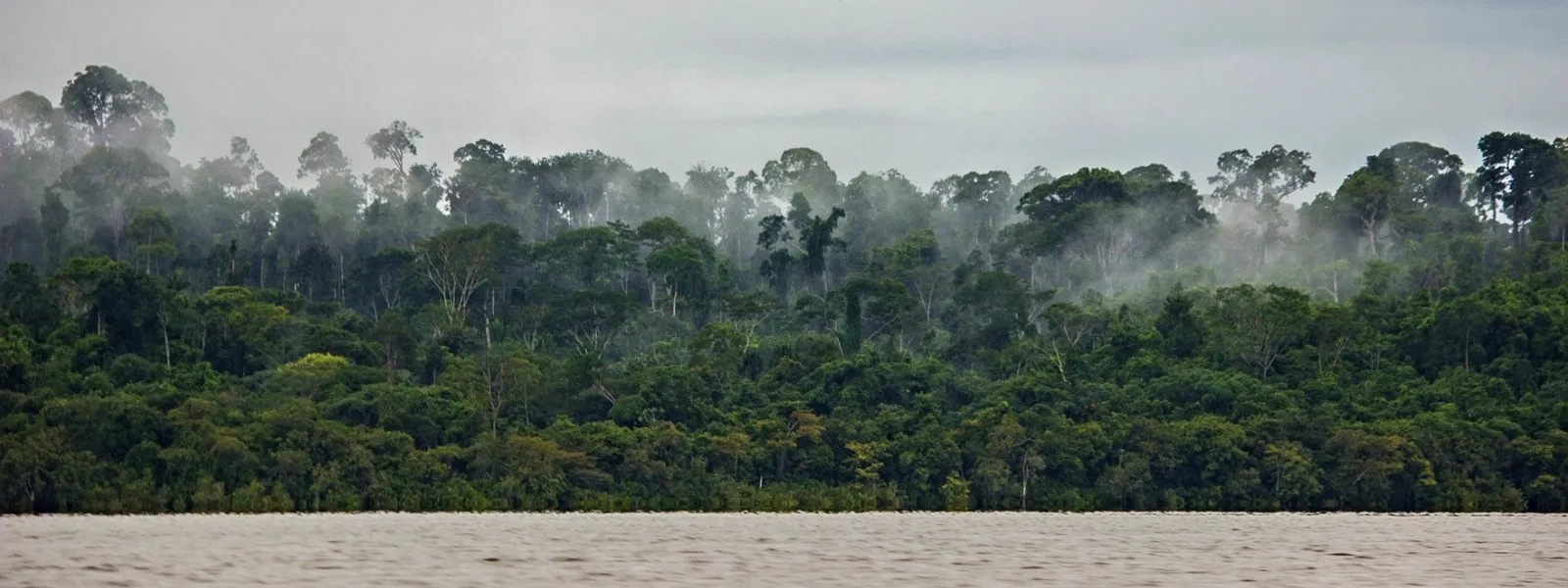
A usina hidrelétrica de Belo Monte — a quarta maior do mundo em capacidade instalada (11.233 MW) — foi construída no rio Xingu, no estado do Pará, norte do Brasil.
Foi inaugurada em 5 de maio de 2016, com uma única turbina. Naquela época, 80% do curso do rio foi desviado e 516 km² de terra foram inundados, uma área maior que a cidade de Chicago. Desse total, 400 km² eram de mata nativa. A usina começou a operar em plena capacidade em novembro de 2019.
Belo Monte foi construída e é operada pelo consórcio Norte Energia S.A., composto principalmente por empresas estatais. Foi financiada pelo Banco Nacional de Desenvolvimento Econômico e Social (BNDES), que aportou ao consórcio 25,4 bilhões de reais (aproximadamente US$ 10,16 bilhões), o maior investimento de sua história. Portanto, o BNDES também é legalmente responsável pelos impactos socioambientais associados ao projeto hidrelétrico.
Décadas de danos ambientais e humanos
As violações dos direitos humanos e a degradação da Amazônia remontam ao início do projeto. Em março de 2011, a Norte Energia iniciou a construção da barragem sem consulta adequada e sem o consentimento prévio, livre e informado das comunidades afetadas.
A construção levou ao deslocamento forçado de mais de 40.000 pessoas, rompendo laços sociais e culturais. O plano de reassentamento em Altamira — cidade diretamente afetada pelo projeto hidrelétrico — incluía moradias na periferia da cidade, sem serviços públicos adequados, moradias dignas para as famílias reassentadas e moradias diferenciadas para aqueles pertencentes a comunidades indígenas.
A operação da barragem de Belo Monte impôs uma seca permanente e artificial na Volta Grande do rio Xingu, agravada pelas secas históricas na Amazônia em 2023 e 2024. Como resultado, a morte de milhões de ovos de peixe foi documentada por quatro anos consecutivos (de 2021 a 2024) e, nos últimos três anos, não houve migração de peixes rio acima para desovar e se reproduzir. Assim, a pesca artesanal, principal fonte de proteína para os povos indígenas e comunidades ribeirinhas, foi severamente afetada: o consumo de peixe caiu de 50% para 30% do total de proteínas consumidas, sendo substituído por alimentos processados. Em suma, houve um colapso ambiental e humanitário que resultou no colapso da pesca como modo de vida tradicional, insegurança alimentar e falta de acesso à água potável para milhares de famílias, empobrecimento e doenças.
Além disso, a construção da barragem aumentou o desmatamento e intensificou a extração ilegal de madeira e a insegurança em terras indígenas e tribais, colocando em risco a sobrevivência dessas comunidades. Outra consequência foi o agravamento da pobreza e dos conflitos sociais, bem como a sobrecarga dos sistemas de saúde, educação e segurança pública em Altamira, cidade considerada a mais violenta do país em 2017, onde houve aumento do tráfico de pessoas e da violência sexual. Também foram registrados casos de violência contra defensores de direitos humanos envolvidos no caso.
Em 2025, durante a 30ª Conferência das Nações Unidas sobre Mudanças Climáticas (COP30), realizada no Brasil, o Ministério Público Federal classificou os danos causados por Belo Monte como ecocídio.
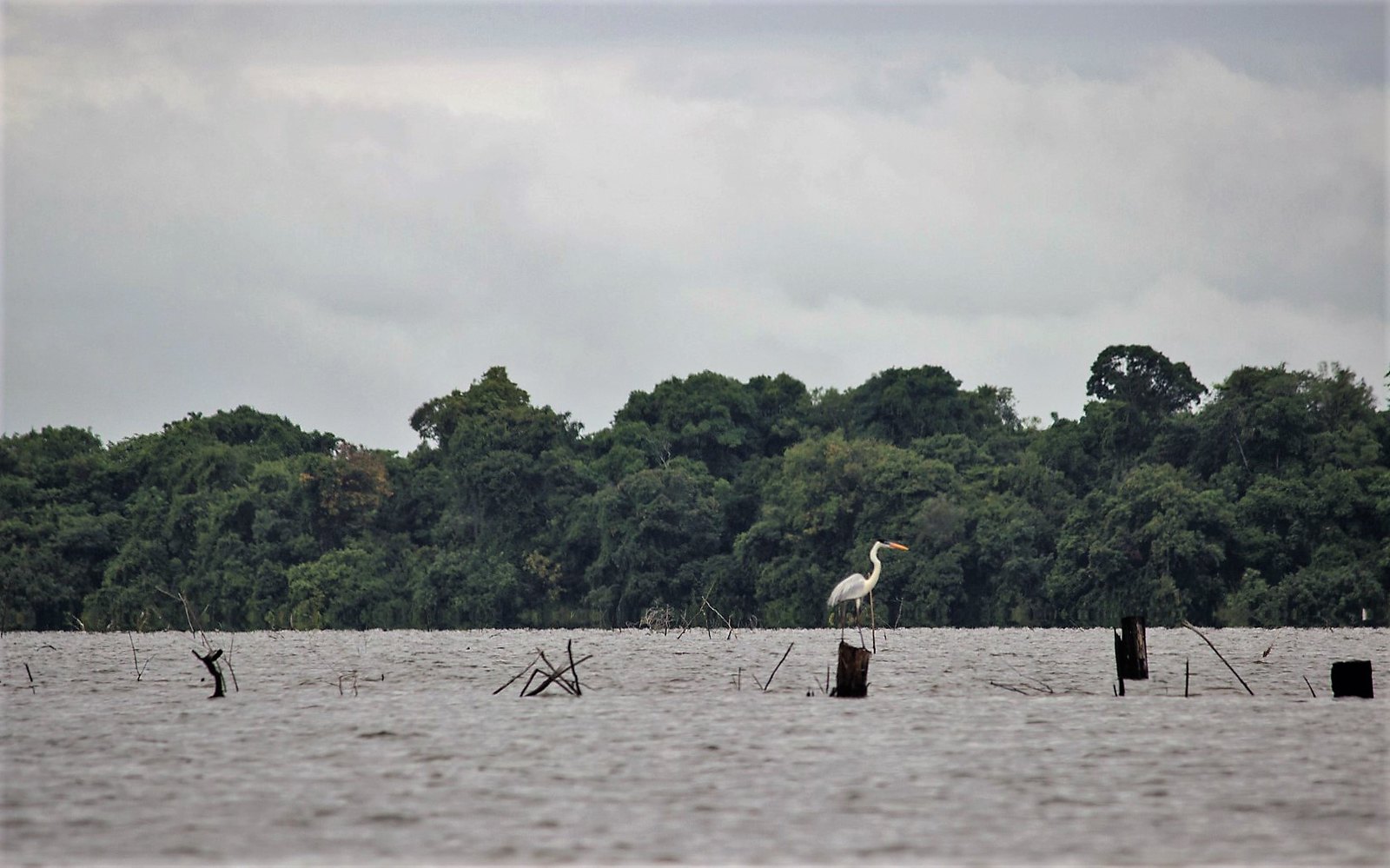
Foto: Amazon Watch / Maíra Irigaray.
A busca por justiça e reparação
Ao longo dos anos, o Ministério Público Federal do Pará, a Defensoria Pública e organizações da sociedade civil impetraram dezenas de ações judiciais em tribunais brasileiros para contestar as diversas irregularidades do projeto, bem como seus impactos. A maioria das ações permanece sem solução, algumas há mais de 10 anos.
Essas ações não obtiveram sucesso porque o governo federal tem reiteradamente anulado decisões favoráveis às comunidades afetadas, recorrendo a um mecanismo pelo qual o presidente do Supremo Tribunal Federal pode suspender uma decisão judicial com base unicamente em argumentos genéricos como "interesse nacional" ou "ordem econômica".
Diante da falta de respostas eficazes em nível nacional, a AIDA — juntamente com uma coalizão de organizações aliadas — levou o caso à Comissão Interamericana de Direitos Humanos (CIDH) e, em 2010, solicitou medidas cautelares para proteger a vida, a integridade e a saúde das comunidades indígenas afetadas.
Em 1º de abril de 2011, a CIDH concedeu essas medidas e solicitou ao Estado brasileiro a suspensão das licenças ambientais e de quaisquer obras de construção até que as condições relativas à consulta prévia e à proteção da saúde e integridade das comunidades fossem atendidas.
E, em 16 de junho de 2011, apresentamos uma denúncia formal à CIDH — juntamente com o Movimento Xingu Vivo Para Siempre, a Coordenação das Organizações Indígenas da Amazônia Brasileira, a Diocese de Altamira, o Conselho Missionário Indígena, a Sociedade Pará de Defesa dos Direitos Humanos e a Global Justice — contra o Estado brasileiro por sua responsabilidade internacional nas violações de direitos humanos contra os povos afetados neste caso. A denúncia foi apresentada em dezembro de 2015.
Em 3 de agosto de 2011, a CIDH modificou as medidas cautelares para solicitar — em vez da suspensão de licenças e obras — a proteção dos povos que vivem em isolamento voluntário, a saúde das comunidades indígenas e a regularização e proteção das terras ancestrais.
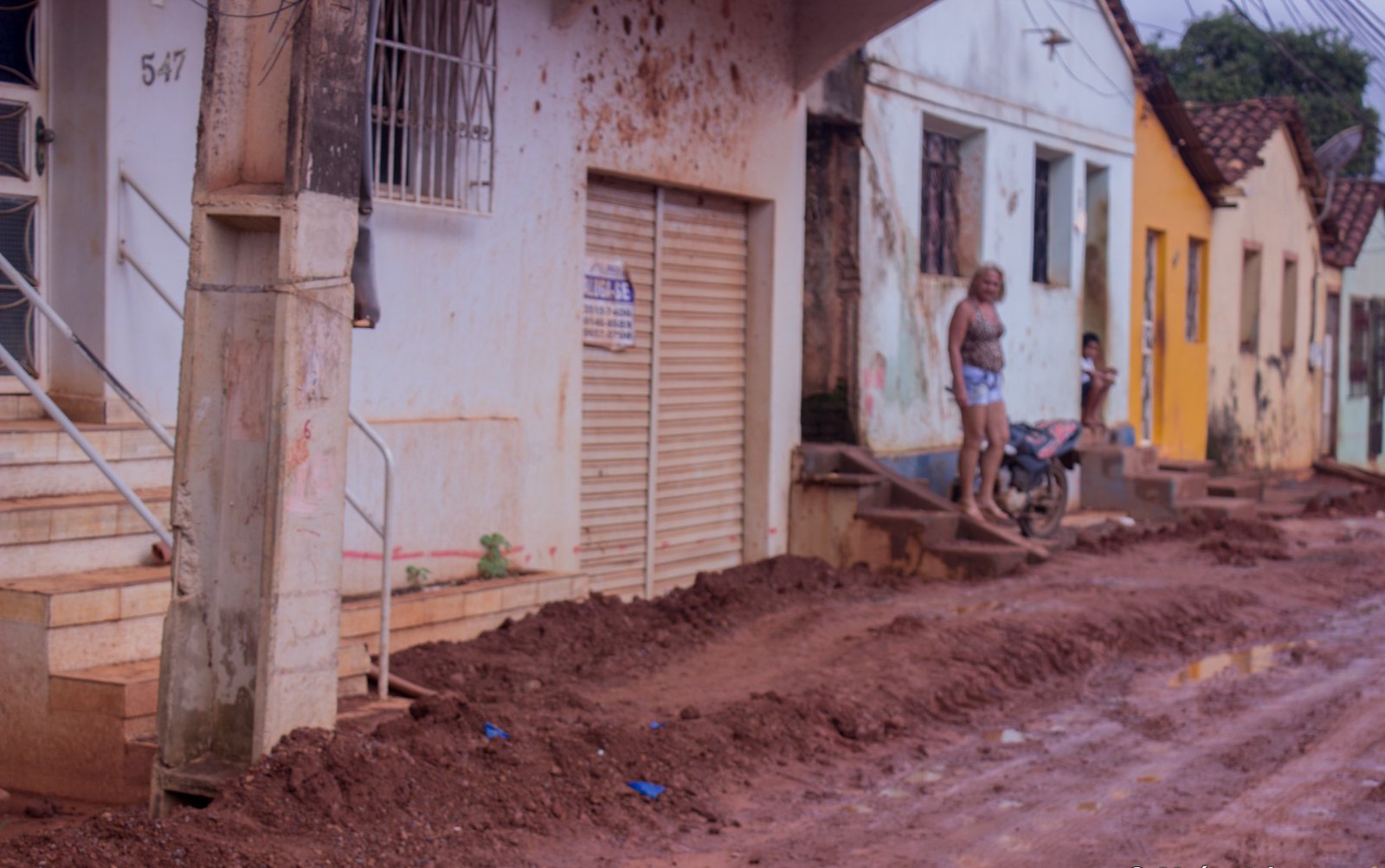
Foto: Amazon Watch / Maíra Irigaray.
Situação atual
As medidas de proteção concedidas pela CIDH permanecem em vigor, mas o Estado brasileiro não as cumpriu integralmente, relatando apenas ações genéricas. As comunidades documentaram as contínuas violações de seus direitos. A situação que motivou o pedido dessas medidas — o risco à vida, à segurança e aos meios de subsistência das comunidades — persiste e se agravou com a usina hidrelétrica operando em plena capacidade e com as recentes secas extremas na Amazônia.
Além do ocorrido em Belo Monte, existe o risco de maiores danos sociais e ambientais decorrentes da implementação de outro megaprojeto de mineração na Volta Grande do Xingu. Lá, a empresa canadense Belo Sun pretende construir a maior mina de ouro a céu aberto do Brasil.
Os impactos sinérgicos e cumulativos da usina e da mina não foram avaliados. O Estado excluiu povos indígenas, comunidades ribeirinhas e comunidades camponesas do processo de licenciamento ambiental do projeto. Apesar disso, dos protestos indígenas e de outras irregularidades em torno do projeto, o governo do estado do Pará autorizou formalmente a mina em abril de 2026.
Belo Monte, assim como outras usinas hidrelétricas, agrava a emergência climática ao gerar emissões de gases de efeito estufa em seu reservatório. Além disso, é ineficiente diante das secas prolongadas e intensas causadas pela crise, pois perde capacidade de geração de energia.
O caso perante a Comissão Interamericana
Em outubro de 2017, a CIDH anunciou que decidiria conjuntamente sobre a admissibilidade (se o caso preenche os requisitos para admissão) e o mérito (se houve, de fato, violação de direitos humanos) da denúncia internacional contra o Estado brasileiro.
Quinze anos após a apresentação da denúncia, as comunidades afetadas e as organizações que as representam ainda aguardam essa decisão. Caso a CIDH conclua que houve violações de direitos humanos e emita recomendações que o Estado brasileiro não cumpra, poderá encaminhar o caso à Corte Interamericana de Direitos Humanos, cujas decisões são vinculativas.
Uma possível decisão da Corte Internacional de Direitos Humanos neste caso estabeleceria um precedente jurídico regional em relação aos direitos dos povos indígenas e ribeirinhos, à participação pública em megaprojetos e à responsabilidade do Estado no contexto da crise climática. Isso é particularmente relevante à luz do Parecer Consultivo nº 32 da Corte, que reafirmou as obrigações dos Estados de proteger pessoas e comunidades em todo o continente da emergência climática.
Partners:
Related projects
Report on the situation in La Oroya (Peru): When investor protection threatens human rights
The International Federation for Human Rights (FIDH) presented a balance of the controversial case of industrial pollution. Huancayo, Peru – The International Federation for Human Rights (FIDH) released a report on the situation in La Oroya, a city in the central Andean region of Peru that is at the center of a controversial case of industrial pollution caused by a poly-metallic smelter in operation since 1922. For decades, the people of La Oroya have been exposed to high levels of air pollution stemming from the complex’s emissions of toxic substances including lead, cadmium, arsenic and sulfur dioxide. In the middle of the 2000s La Oroya was identified as one of the 10 most polluted cities in the world. According to independent studies, 97% of children between the ages of 6 months and 6 years, and 98% of those between 7 and 12 years old still have high levels of lead in their blood. The percentage reaches 100% in La Oroya Antigua, the area closest to the smelter. The effects of lead poisoning are irreversible. Doe Run Peru, a subsidiary of the U.S.-based Doe Run Company, began operating the complex after its privatization in 1997. Both the company and the Peruvian State have failed to comply with their obligations to prevent environmental impact and respect the human rights of the population of La Oroya. In response, the Interamerican Association for Environmental Defense (AIDA) and other organizations requested the Inter-American Commission on Human Rights (IACHR) in 2005 to issue precautionary measures for people whose health was at serious risk from the pollution in the city. On August 31, 2007 the IACHR ordered the State to adopt measures to protect the health, integrity and life of a group of residents of La Oroya. The precautionary measures require Peru to provide a specialized medical diagnostic to the beneficiaries plus specialized and adequate medical treatment to those who, based on the diagnosis, are in danger of irreparable damage to their physical integrity or lives. Also since 2007, a complaint against Peru has been pending before the IACHR for the violation of human rights due to the toxic emissions from the La Oroya Metallurgical Complex. AIDA, APRODEH, Earthjustice and the Center for Human Rights and Environment (CEDHA) are representing the victims and the beneficiaries of the precautionary measures in the case. “AIDA has been working and monitoring the situation in La Oroya for over a decade. Over this time we have seen the extent of the damage to victims’ health in La Oroya due to the pollution that they have been and continue to be exposed to. The State must assume its obligations and fully comply with the IACHR´s precautionary measures that are in effect”, said Maria Jose Veramendi, an AIDA legal advisor. Meanwhile, parents of children with high levels of lead in their blood have tried to obtain compensation for the damages through a collective action in the United States (Missouri), headquarters of the complex’s parent company The Renco Group. In late 2010, Renco initiated international arbitration alleging its rights as a foreign investor as guaranteed by the Free Trade Agreement between Peru and the United States were violated. Renco asked for compensation of $800 million. “The company not only denied the impacts on the citizens and tried to evade responsibility, but in the face of the protests it pursued a campaign of stigmatization and attacks against those who were trying to defend their rights”, said Souhayr Belhassen, president of the FIDH. This case illustrates the conflict between international human rights law and investor protection. It also exposes the legal strategy of the companies allegedly involved in human rights violations that seek to evade responsibility and deny victims their right to reparation. The FIDH report, entitled Metallurgical Complex of La Oroya: When investor protection threatens human rights, includes a series of recommendations directed at the Peruvian authorities and the company involved. AIDA and APRODEH, as organizations representing the victims of La Oroya before the Inter-American Human Rights System, thank the FIDH and believe that the report is an important contribution to visualize the increasingly serious human rights violations suffered by the residents of La Oroya, who still expect the State to recognize its responsibility and bring justice to their claims. At the same time, the Archdiocese of Huancayo, whose role in defending the right to a healthy environment in La Oroya has been crucial, says the report is a major contribution to its work. See de PDF version of the report.
Read more
AIDA and CEMDA joint report on the UPR of Mexico
In accordance with the guidelines of the Human Rights Council, the Mexican Environmental Law Center (CEMDA) and the Interamerican Association for Environmental Defense (AIDA) present comments on the extent of Mexico’s compliance with the recommendations the country accepted as part of the 2009 Universal Periodic Review (UPR). We also present comments on other human rights violations related to environmental issues, which we believe should be taken into consideration during the next Universal Periodic Review set to take place later this year.
Read moreGroups seek investigation into Mexico’s approval of four “mega resorts”
FOR IMMEDIATE RELEASE April 11, 2013 Media contacts: Mexico Sandra Moguel, [email protected], +52 (164) 621-02353 USA Sarah Burt, [email protected], +1 (415) 217-2055 Serena Ingre, [email protected], +1 (415) 875-6155 Groups seek investigation into Mexico’s approval of four “mega resorts” Massive tourism developments threaten fragile ecosystems and endangered species San Francisco, USA/La Paz, Mexico. In a petition submitted to the Commission for Environmental Cooperation, eleven conservation groups charged the Mexican government with failing to enforce its own environmental laws in authorizing the construction of four “mega resorts” in the Gulf of California. The Commission is an international body established under the North American Free Trade Agreement to promote cooperation among Canada, Mexico and the U.S. on environmental issues of continental concern. “The Mexican authorities’ approval of massive tourism projects in violation of environmental laws is unacceptable and demonstrates little regard for threatened species, the environment and local communities”, said Sandra Moguel of the Inter-American Association for Environmental Defense, and one of the signers of the petition. “We urge the new Administration and Minister Guerra Abud to ensure that the approval process of development projects is transparent and not arbitrary”. The approval of projects such as Cabo Cortés, Paraíso del Mar, Entre Mares, and Playa Espíritu threatens the unique coral reefs and mangrove ecosystems of the region, and endangered species such as humpback and gray whales, whale sharks, manta rays, sea turtles, sea lions, jaguars, crocodiles and many species of migratory birds. The petition highlights the four projects as examples of the Mexican Ministry of Environment and Natural Resources’ repeated failure to enforce environmental laws when approving large-scale tourist development projects in the Gulf of California. In particular, the government ignores laws requiring effective environmental impact assessment, protection of endangered species, and conservation of coastal ecosystems. The petitioners are requesting that the Commission investigate and develop a factual record to examine Mexico’s lack of enforcement of its environmental laws when authorizing these developments. Such a finding would pressure Mexico to comply with its own environmental safeguards. “These natural treasures are of importance to Mexican communities that depend on them as cultural, economic and recreational resources”, says Judith Castro with the Friends for the Conservation of Cabo Pulmo. “Mexico cannot continue to approve mega projects that displace residents, bulldoze wildlife habitat, and pollute the waters of this vital ecosystem”. Known as the “World’s Aquarium”, the Gulf of California is considered one of the most diverse marine regions on the planet, and is home to thousands of species. Specifically, these mega projects, two of which are already under construction, threatened the following critical areas in the region: Cabo Pulmo National Park: One of the healthiest coral reef systems in the world, a UNESCO World Heritage Site and a Ramsar Wetland of International Importance, Cabo Pulmo is threatened by massive developments like Cabo Cortés. The Cabo Cortés proposal included the equivalent of nearly 30,000 guest rooms in its hotels, condominiums and villas, two 27-hole golf courses, a 490 berth marina, and a system of canals and artificial lakes. Additionally, because the region has a desert climate without sufficient water to accommodate such amenities and the expected population growth, the proposal included a desalination plant that could have discharged hypersaline brine into the reef. While the project was ultimately rejected in June 2012, Cabo Pulmo is threatened by similar developments still being considered. The Marismas Nacionales Wetlands: Playa Espíritu, a project already under construction that includes three golf courses, two marinas, a wastewater plant, and additional infrastructure spread across more than 35,000 acres, threatens the Marismas Nacionales, the most extensive and well-preserved mangrove forest habitat on the western coast of Mexico, and home to more than 280 species of migratory and resident bird species. The Bay of La Paz: One of the most productive water bodies in the Gulf of California and an important area for nesting birds, the Bay of La Paz is jeopardized by two adjacent projects, Paraíso del Mar, currently under construction, and Entre Mares, proposed for construction on a sandbar extending into the bay. Combined, these two projects will develop nearly ten thousand hotel rooms, plus 4,000 homes, two golf courses and a large marina and would bring an additional population of more than 10,000 people in high season. Earthjustice and the Interamerican Association for Environmental Defense (AIDA) are filing the petition on behalf of the Ecological Network for Escuinapa Development (REDES), Friends for the Conservation of Cabo Pulmo (ACCP), WiLDCOAST, SUMAR, Los Cabos Coastkeepers, Alliance for the Sustainability of the Mexican Coastal Northwest (ALCOSTA), the Natural Resources Defense Council (NRDC), Greenpeace México and AIDA. The petitioners are calling on Mexico to protect the marine and coastal ecosystems of the Gulf of California, particularly coral reefs like the ones in Cabo Pulmo. “By approving these projects, Mexico is failing its obligations to protect wetlands, coral reefs and species of environmental and international importance”, said Carolina Herrera, Latin America Advocate with the Natural Resources Defense Council. “What this region in the Gulf of California needs is low-impact sustainable development where the well-being of local communities and the environment is the first priority”. A map of the projects, photos, videos, and background information are available at: http://earthjustice.org/cortes Read the petition here: http://earthjustice.org/documents/legal-document/pdf/petition-to-commission-english
Read more