
Project
Shutterstock.
Pollution of the Motagua River in Guatemala: The Poqomam Maya people’s quest for environmental justice
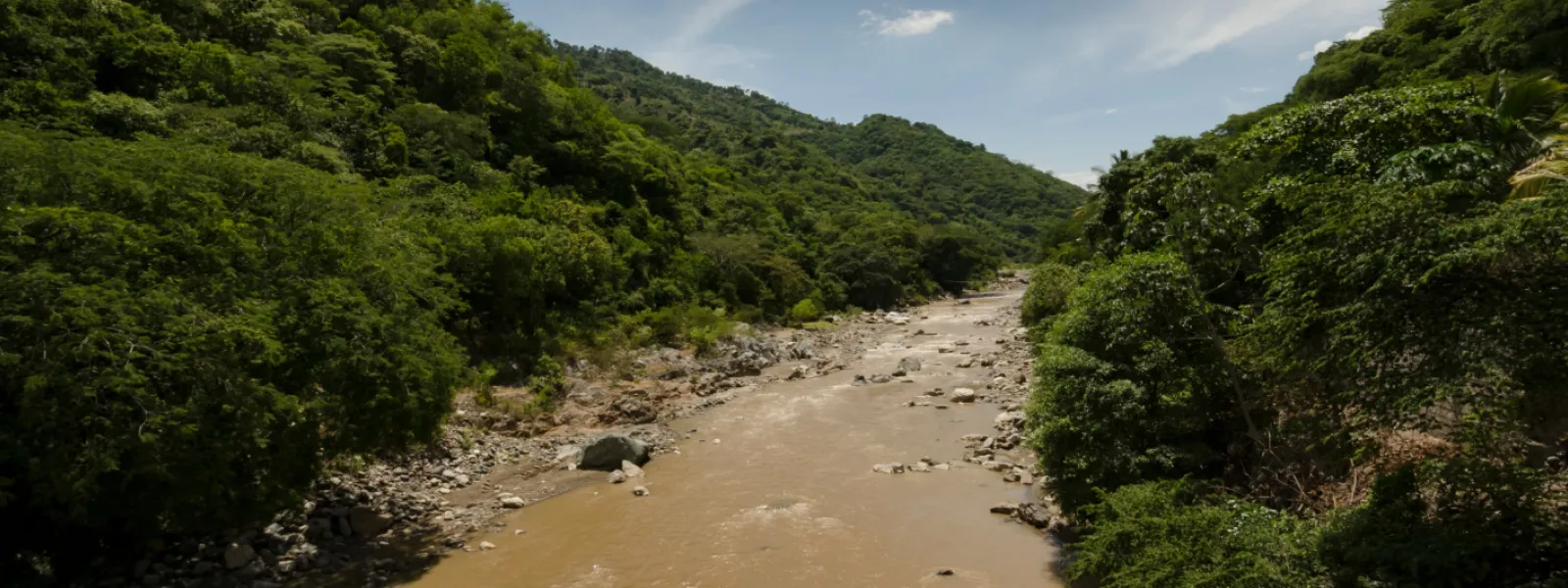
The Motagua River basin—Guatemala’s largest and most important river—is severely polluted with wastewater, solid waste, and other types of debris.
This is a cross-border issue because the Motagua’s polluted waters flow into the Caribbean Sea, reach the coast of Honduras, and threaten the Mesoamerican Reef System.
For decades, this has violated the rights to health, water, development, and a healthy environment of all the people living in the river basin.
In June 2025, the Poqomam Maya community of Santa Cruz Chinautla—supported by AIDA, the Indigenous Peoples’ Law Firm, and allied organizations—achieved an unprecedented legal victory to halt degradation in the basin. In response to the lawsuit it filed, a Guatemalan court ordered the municipality of Chinautla to comply with a series of obligations to curb the pollution of the area’s rivers and soil.
The government's response to the ruling has so far been limited to technical working group meetings. Meanwhile, the community continues to work toward the proper implementation of the ruling and to take other actions to defend its territory and its rights.
Background
The Motagua River, which is 486 km long, flows through 96 municipalities and 14 departments in Guatemala. It originates in Quiché, a department located in the northwest, and empties into the Caribbean Sea.
Polluting activities occur throughout the entire basin, including sub-basins and micro-basins. The largest volume of pollution comes from Guatemala City, the country’s capital, and is carried by the waters of the Las Vacas River, which in turn receives a large amount of waste from the Chinautla River.
The Chinautla River, which flows through the municipality of the same name, carries solid waste from a landfill located in Zone 3 of the capital—where trash from at least 14 municipalities in the department of Guatemala is dumped—as well as sewage generated by some 500,000 people living in the northern part of the capital, which undergoes no prior treatment.
Other sources of pollution include the numerous illegal dumps in the municipality of Chinautla, the waste that private vehicles and garbage trucks dump along the banks of its rivers, as well as the sand-mining companies—which began setting up operations in the area between 1996 and 1997—whose activities weaken the rivers' basins, causing solid waste to be more easily carried away by the river currents.
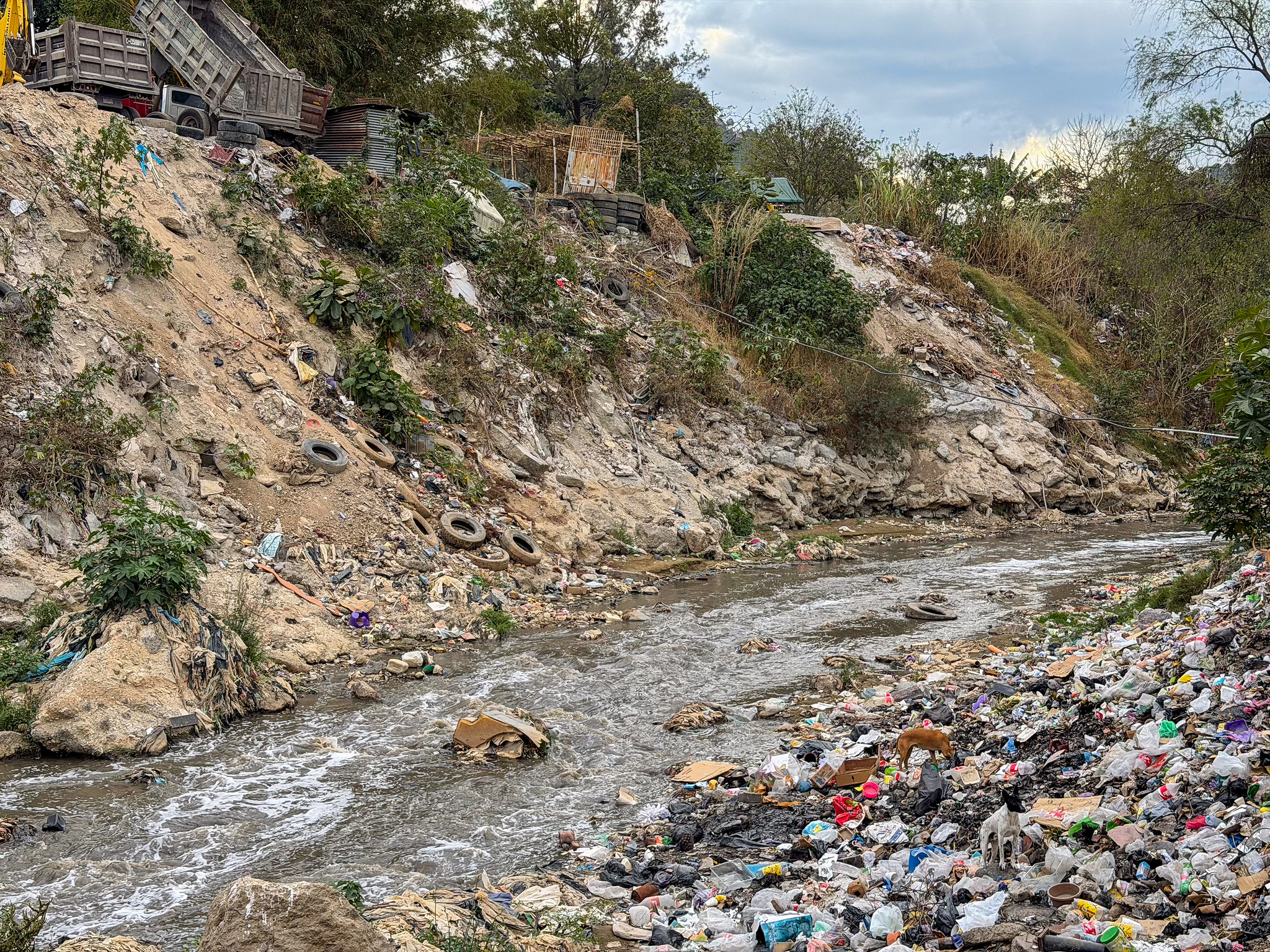
Photo: Mayela Sánchez García.
The situation extends beyond national borders. Every year, the Motagua River discharges some 20,000 metric tons of plastic into the Caribbean Sea, making it one of the rivers that contributes the most plastic pollution to the ocean worldwide, according to estimates contained in a 2025 report by the Inter-American Commission on Human Rights (IACHR).
The river flows into the Mesoamerican Reef at its mouth, so pollution also threatens to degrade one of the largest and most biodiverse transboundary reefs on the planet, which spans the territorial waters of Belize, Guatemala, Honduras, and Mexico.
In addition, the contaminated water reaches the coast of Honduras and spreads into Amatique Bay, located along the eastern coast of Guatemala, affecting the Caribbean Sea.
The roots of this chronic, cross-border problem are structural. Data from the Integrated Environmental Management of the Motagua River Basin project, funded by the United Nations Development Program (UNDP), show that in Guatemala, 66% of municipal solid waste is not collected, and there is no guarantee that the remaining 34% is disposed of properly. Furthermore, of all landfills nationwide, 88.32% are illegal or lack municipal authorization.
In other words, the core issues that need to be addressed are the mismanagement of solid waste and water resources in Guatemala; noncompliance with existing regulations on wastewater discharge and the disposal and treatment of solid waste and residues; and the lack of a water law.
The Poqomam Maya people's quest for justice
The rivers of Santa Cruz Chinautla, a community of the Poqomam Maya people located just twelve kilometers from Guatemala City, have become conduits of pollution that are degrading the Motagua River.
For decades, the local population has seen its health and livelihoods—including pottery, one of the main economic activities and a source of identity—damaged due to the lack of waste management in the municipality of Chinautla and the urban area of the country’s capital, as well as the activities of sand-mining companies.
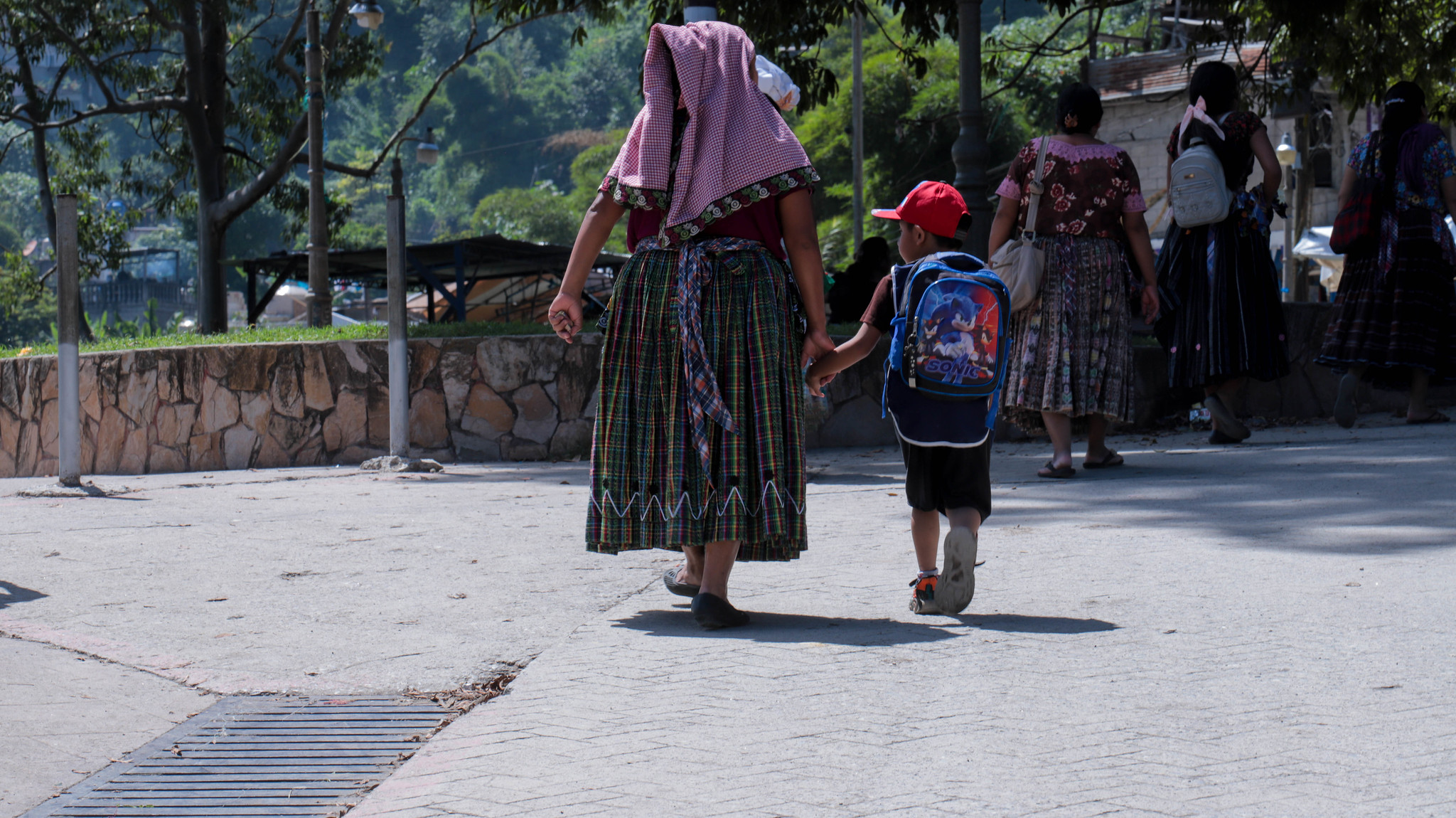
Photo: Mario Winter.
Voices for the Motagua River: Olga Vázquez.
Voices for the Motagua River: Nazario Pascual.
In early 2000, the Maya community organized to stop sand mining on their territory. At that time, the companies held mining permits that remained valid through 2021 and 2022. And although the permits expired, some companies continued to operate after requesting extensions. In June 2022, the indigenous authorities of the Poqomam people began a sit-in protest in front of the Piedrinera San Luis company, which they maintained for four years.
In July 2024, the Special Rapporteur on Economic, Social, Cultural, and Environmental Rights of the IACHR visited Santa Cruz Chinautla. During his visit, traditional authorities and community members spoke about the environmental, water-related, health, economic, and cultural impacts of the pollution in their rivers.
That same year, in October, the community—with support from AIDA, the Indigenous Peoples’ Law Firm, and partner organizations—filed a lawsuit (petition for amparo) against the municipality of Chinautla over its failure to take measures to address the contamination of its rivers and soil caused by improper solid waste management and the existence of illegal landfills.
AIDA’s scientific team, together with local residents and community authorities, collected key information on illegal landfills in the area. This community science initiative supported the litigation by highlighting the severity of the pollution, demonstrating the ongoing use of such practices, and providing evidence of the municipal authorities’ failure to fulfill their legal obligations regarding waste management.
Learn more about this community science initiative.
In June 2025, the Poqomam community won the support of the Guatemalan justice system when a constitutional court ordered the municipality of Chinautla to effectively address the claims in the lawsuit aimed at stopping the pollution of the rivers and soil in Santa Cruz Chinautla.
This is the first time a Guatemalan court has recognized a community's right to a healthy environment and its central role in finding solutions.
Find out the details of the legal victory.
Current situation
Since the ruling was issued, the municipality of Chinautla has held a series of “technical working groups” with representatives from the central government, civil society, and the community. A smaller group of technical experts was later created to develop a work plan with clear goals. Several months have passed without the municipality convening these working groups.
Furthermore, in December 2025, the IACHR noted in its report Human Rights Situation in Guatemala that the Motagua River basin is facing a severe pollution crisis that has had profound impacts on biodiversity and has resulted in systematic violations of the human rights of local communities, including the Maya Poqomam people.
And in May 2026, the Ministry of the Environment and Natural Resources revoked the license of the sand mining company Piedrinera San Luis for "failure to comply with environmental commitments."
AIDA continues to monitor the implementation of the court ruling to ensure the right to a healthy environment for the Poqomam Maya community and all those living in the Motagua River basin. Meanwhile, the residents of Santa Cruz Chinautla remain organized and mobilized to improve their environment and defend their rights.
Related projects
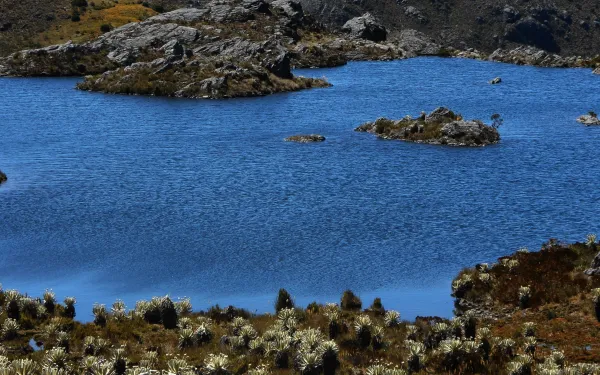
Organizations ask the UN to intervene in the protection of the Santurbán páramo, at risk from mining
They request that the United Nations Special Rapporteur on the Rights to Drinking Water and Sanitation prepare a report on the case, visit the site, and support the Colombian government in taking the necessary actions to protect the ecosystem, an important source of water for millions of people, from the dangers of mining. Bucaramanga, Colombia. Civil society organizations in Colombia sent a communique to Léo Heller, United Nations Special Rapporteur on the Rights to Drinking Water and Sanitation. In it, they warn that their rights are at serious risk in the face of proposed mining projects in or near the Santurbán páramo, a water source for more than 10 municipalities and 3 large cities. They request that the Rapporteur prepare a report on the case, visit the site, and support the Colombian government in protecting that ecosystem. Actions and omissions by the Colombian government have allowed the development of mining projects that threaten the availability and quality of water provided by the páramo. The government’s protection of the páramo did not include the entire ecosystem, leaving a part of it unprotected, and did not allow for public participation. As a result, the Constitutional Court ordered the government to redo the process of delimiting the páramo. The submission details: the process of defining the boundaries of the Santurbán páramo; the importance of that process for the environment and the enjoyment of the right to water in Colombia; the legal framework for the protection of páramos in the country; and the development of projects in or near the site. It also outlines associated environmental impacts or threats, including a decrease in the quality and quantity of water, contamination due to the use of explosives, a decrease in air quality, an increase in noise level, and the permanent loss of habitats. Likewise, the submission details the impacts of Investor State Dispute Settlement (ISDS) claims on governmental decisions to protect their water sources. Several mining companies have tried for more than 15 years to extract gold from the Santurbán páramo. Some of those are Canadian companies, who are currently using this arbitration process to demand hundreds of millions of dollars from the Colombian government in compensation for their “lost” profits. The organizations ask that the Rapporteur monitor the situation in the Santurbán páramo and urge the Colombian government to comply with its international obligations in relation to the right to water. Find more information on the case here. press contacts: Alix Mancilla, Comité para la Defensa del Agua y el Páramo de Santurbán, [email protected], +57 311 2439273 (Spanish only) Carlos Lozano, AIDA, [email protected], +57 300 56 40 282 Carla García, CIEL, [email protected], +1 202 374 2550 Kirsten Francescone, MiningWatch Canada, [email protected], +14373459881 Kristen Genovese, SOMO, [email protected], +31 65 277 3272
Read more
Moratoriums and bans on fracking: Comparative legislation
Hydraulic fracturing is a technique used to extract nonconventional petroleum products, such as tight gas and shale oil, from deep underground deposits. To release these hydrocarbons, the rock formations in which they are trapped must first be shattered into many small pieces. Hydraulic fracturing, or fracking, thus involves drilling 1000 to 5000 meters into the earth and injecting a high-pressure fluid mix of water, sand and various chemicals to fracture the rock and release the hard-to-reach hydrocarbons. This controversial technique has sparked resistance in many communities, regions, and countries where it is causing serious dangers to public health and the environment. Countries, regions, cities and communities around the world have chosen to prohibit or place moratoriums on fracking through various legal and administrative mechanisms. These fracking bans are driven by a number of concerns surrounding the dangers fracking poses to the environment and public health. We would like to point out the following arguments: Above ground and subterranean water sources, air, and soil in the vicinity of fracking operations are at serious risk of contamination. There remains scientific uncertainty regarding of the magnitude of fracking’s impacts on public health and the environment. Measures put in place by the hydrocarbon industry to prevent the impacts of fracking have not yet been proven effective. Moreover, a “general consensus” among actors in the hydrocarbon industry does not guarantee that fracking operations are safe for humans and the environment. There is a serious risk of contamination of soil and water sources in rural and agricultural areas. Fracking impacts communities’ ways of life, and limits consumer confidence that food and agricultural products grown or produced in areas affected by fracking are safe to consume. Fracking emits significant volumes of greenhouse gases into the atmosphere, exacerbating anthropogenic climate change. Among these gases produced by fracking are large volumes of methane, which traps roughly 30 times more heat in the atmosphere than carbon dioxide. There is a large and growing social opposition to fracking, driven by community organizations and citizen mobilization, demonstrating widespread popular opposition to the technique. Indigenous communities like the Cherokee argue that defending their territories against fracking is essential to their continued survival. Most of the moratoriums and bans on fracking surveyed in this report adopt the precautionary principle, either directly referencing the principle or indirectly alluding to it. For example, most fracking bans are based on the possibility of serious and irreversible harms caused by the extraction technique, or on the scientific uncertainty regarding the magnitude of fracking’s impacts. These measures invoke the precautionary principle, which states that in the event a technique could cause serious or irreversible dangers, or if there is a lack of scientific evidence that a technique is safe, decision makers should adopt proactive measures that protect the health of people and the environment above all. However, various measures to ban or pass moratoriums on fracking did first require exhaustive scientific investigations by government authorities to better understand the risks fracking could cause to public health and the environment. Those studies confirmed the serious risks of hydraulic fracturing, but could not prove with certainty the short and long-term impacts of fracking, nor the efficacy of industry efforts to prevent and mitigate those dangers. In a pair of case studies (in Northern Ireland and Wales) government authorities used the precautionary principle to establish a burden of proof, placing the onus on the hydrocarbon industry to clearly and scientifically demonstrate that the proposed fracking activities would not cause serious or irreversible harm to public health or the health of the environment. If the party pursuing hydraulic fracturing could not show evidence-based proof of the safety of fracking in a particular instance, authorities would maintain precautionary measures (such as prohibitions or moratoriums) in order to protect the health of people and the environment. The measures adopted in these cases were formalized via legislation or through orders issued by the executive branch or other administrative bodies. In two of the cases examined (New York and Maryland in the United States), prohibitions or moratoriums on fracking at the municipal level were key to securing political and legal support at larger, regional jurisdictions. Furthermore, social mobilization by grassroots organizations helped amplify and legitimize anti-fracking movements at the national or regional level. In all cases, anti-fracking measures were passed only after mobilizing social resistance to fracking, which built awareness, generated larger movements, and unified voices against the technique. Civil society organizations have employed a diverse and creative array of methods to build support with political actors. Among them are citizens’ legislative initiatives, petitions, letters and meetings with policymakers, marches, strikes and protests, and other collective action. All have proven effective in generating political support to pass fracking bans. The power of social mobilization against fracking has been a deciding factor in many cases in which authorities have recognized that widespread public opposition to fracking is the principal reason to pass local fracking bans or moratoriums. SEE THE REPORT (IN SPANISH)
Read more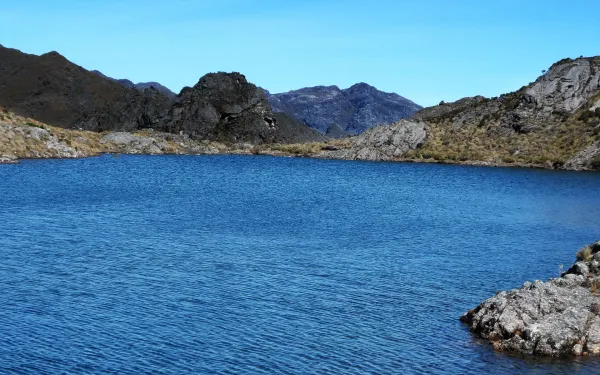
World Bank Arbitration Tribunal Refuses to Listen to Those Affected by Mining in Santurbán, Colombia
The World Bank’s International Center for Settlement of Investment Disputes (ICSID) has declined to accept an Amicus Curiae that was to be presented by the Committee for the Defense of Water and the Páramo of Santurbán and allied international organizations. Bucaramanga, Bogotá, Washington, Ottawa, Amsterdam. National and international civil society organizations rebuffed the International Centre for Settlement of Investment Disputes’ (ICSID) refusal to accept an Amicus Curiae within the process of the ongoing international arbitration brought forth by Canadian mining company Eco Oro Minerals Corp. against Colombia. The arbitration centre is hearing the ongoing international arbitration put forth by the Canadian company in question against the Andean nation. The company is attempting to pursue its Angostura gold mining project in the Santurbán páramo, located in the northeast of the country. The arbitration questions the decisions taken by the Colombian State to protect its páramos, high mountain wetlands that are a natural source of water for 70% of its inhabitants. The arbitration is being heard at the ICSID, an organization dependent on the World Bank that is in charge of the resolution of disputes between investors and States. Colombia could be condemned to pay $746 million US dollars, an unprecedented sanction for the country. “At a time when Latin American countries are embracing the principles of environmental democracy with the adoption of the Escazú Agreement, ICSID is going in the opposite direction. It is regrettable that in the midst of the regional movement for transparency and participation, ICSID has opted to constrict itself even more. In doing so, it is only generating more anger and distrust, not only in the face of this mechanism, but also in the face of the whole system of Investor-State Arbitration worldwide,” stated Carla García Zendejas, Senior Attorney at the Center for International Environmental Law (CIEL). “The communities affected by mining in Santurbán have to be heard and can provide crucial elements for the case,” said Carlos Lozano, Senior AIDA Attorney. The organizations consider that the Committee for the Defense of Water and the Páramo of Santurbán has a significant interest in the outcome of the process and that they could have provided expertise to the arbitration tribunal, which would have been helpful for a better decision in the case. In the same way, they urge ICSID to expand citizen participation and make its decision-making processes more transparent. This is transcendental for the public interest of the countries whose governments are subject to its jurisdiction. Find more information on the case here. PRESS CONTACTS: Alix Mancilla, Comité para la Defensa del Agua y el Páramo de Santurbán, [email protected], +57 311 2439273 Carla García Zendejas, CIEL, [email protected], +1 202 374 2550 Carlos Lozano Acosta, AIDA, [email protected], +57 300 56 40 282 Kirsten Francescone, MiningWatch Canada, [email protected], +14373459881 Kristen Genovese, SOMO, [email protected], +31 65 277 3272, Manuel Perez Rocha, Institute for Policy Studies, [email protected] +1 240 838 6623
Read more