
Project
Amazon Watch / Maíra Irigaray
The Belo Monte Dam on the Xingu River: 10 years of impacts in the Amazon and the search for reparations
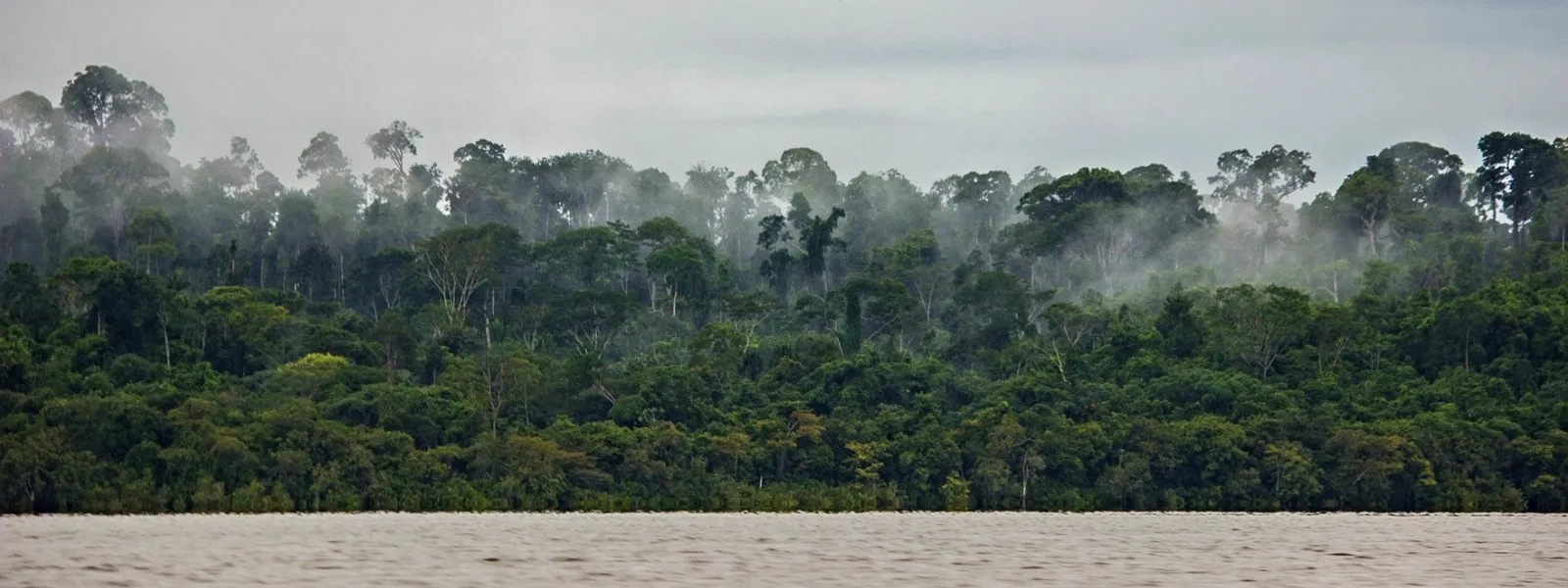
The Belo Monte Dam has caused an environmental and social disaster in the heart of the Amazon—one of the most important ecosystems on the planet.
This situation has only worsened since the hydroelectric plant began operations in 2016. The quest for justice and reparations by the affected indigenous, fishing, and riverine communities continues to this day.
In 2011, the Inter-American Commission on Human Rights (IACHR) granted them protective measures that, to date, have not been fully implemented by the Brazilian State.
Furthermore, since June of that same year, the IACHR has yet to rule on a complaint against the State regarding its international responsibility in the case.
The IACHR may refer the case to the Inter-American Court of Human Rights, which has the authority to issue a ruling condemning the Brazilian State.
After 10 years of the hydroelectric plant's operation and more than 15 years of documented human rights violations, it is time for justice to be served for the affected communities.
Read the open letter from the organizations bringing the case before the IACHR
Background
The Belo Monte hydroelectric plant—the fourth largest in the world by installed capacity (11,233 MW)—was built on the Xingu River in Pará, a state in northern Brazil.
It was inaugurated on May 5, 2016, with a single turbine. At that time, 80% of the river’s course was diverted, flooding 516 km² of land—an area larger than the city of Chicago. Of that area, 400 km² was native forest. The dam began operating at full capacity in November 2019.
Belo Monte was built and is operated by the Norte Energia S.A. consortium, which is composed primarily of state-owned companies. It was financed by the Brazilian Development Bank (BNDES), which provided the consortium with 25.4 billion reais (approximately US$10.16 billion), the largest investment in the bank’s history. Therefore, the BNDES is also legally responsible for the socio-environmental impacts associated with the hydroelectric plant.
Decades of harm to the environment and people
Human rights violations and degradation of the Amazon have been occurring since the project’s inception. In March 2011, Norte Energía began construction of the dam without adequate consultation and without the prior, free, and informed consent of the affected communities.
The construction caused the forced displacement of more than 40,000 people, severing social and cultural ties. The resettlement plan in Altamira—a city directly affected by the hydroelectric dam—involved housing units located on the outskirts, lacking adequate public services and decent living conditions for the relocated families, with no special provisions for those from indigenous communities.
Belo Monte's operations have caused a permanent, man-made drought in the Volta Grande (or "Great Bend") of the Xingu River, exacerbated by the historic droughts in the Amazon in 2023 and 2024. As a result, the deaths of millions of fish eggs were documented for four consecutive years (from 2021 to 2024), and for the past three years, there has been no upstream migration of fish to spawn and reproduce. Thus, artisanal fishing, the main source of protein for indigenous peoples and riverside communities, was severely affected: fish dropped from 50% to 30% of total protein consumed, replaced by processed foods. In summary, there was an environmental and humanitarian collapse that resulted in the breakdown of fishing as a traditional way of life, food insecurity, and access to drinking water for thousands of families, impoverishment, and disease.
Furthermore, the construction of the dam increased deforestation and intensified illegal logging and insecurity on indigenous and tribal lands, putting the survival of these communities at risk. Another consequence was the deepening of poverty and social conflicts, as well as the strain on health, education, and public safety systems in Altamira—a city ranked as the most violent in the country in 2017, where human trafficking and sexual violence increased. Violence was also reported against human rights defenders involved in the case.
In 2025, during the 30th UN Climate Change Conference (COP30), held in Brazil, the Federal Public Prosecutor’s Office labeled the damage caused by the Belo Monte dam as ecocide.
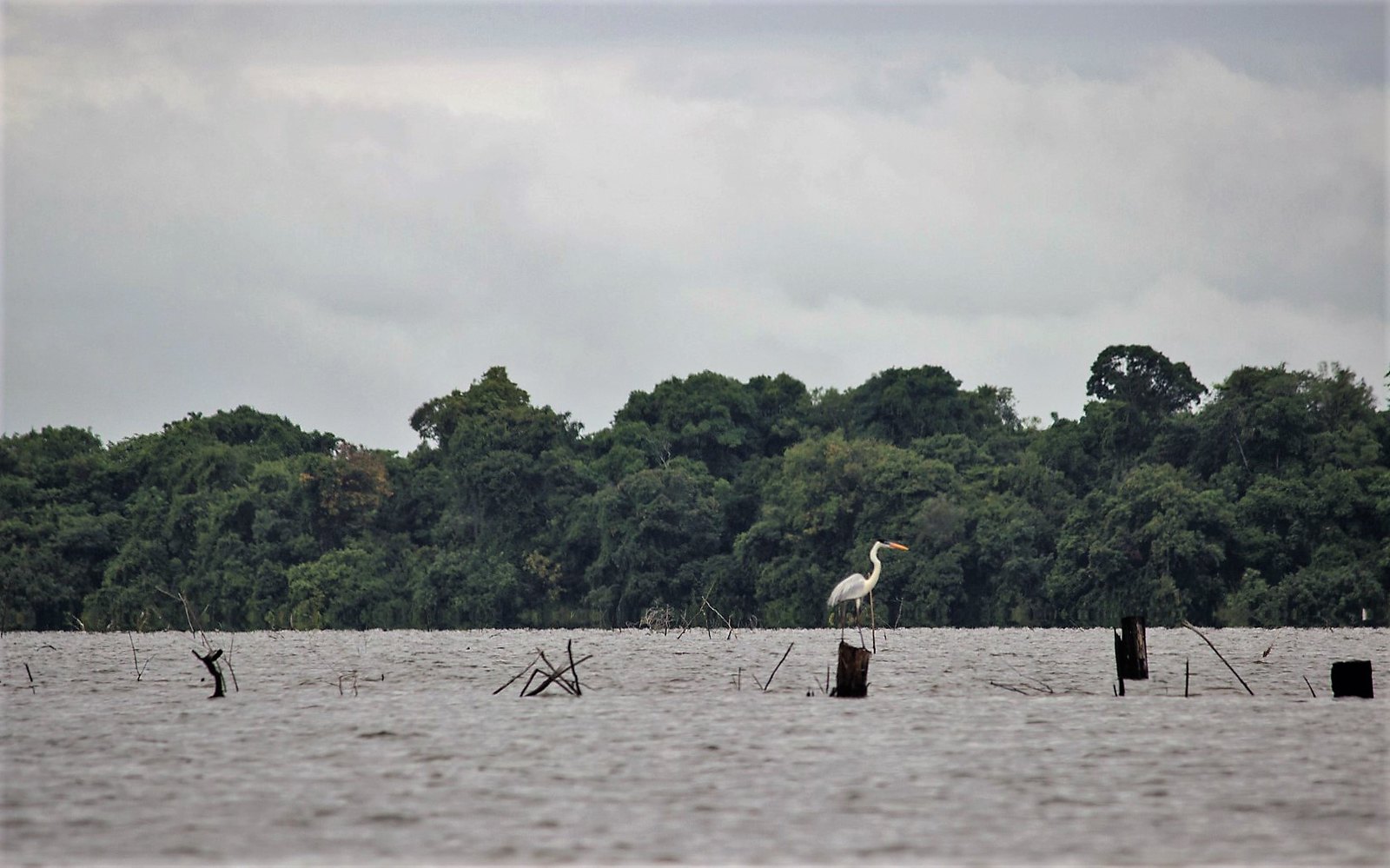
Photo: Amazon Watch / Maíra Irigaray.
The search for justice and reparations
Over the years, the Federal Public Prosecutor’s Office in Pará, the Public Defender’s Office, and civil society organizations have filed dozens of legal actions in Brazilian courts to challenge the project’s various irregularities and its impacts. Most of the claims are still pending resolution, some for more than 10 years.
These efforts have failed because the national government has repeatedly overturned rulings in favor of the affected communities by invoking a mechanism that allowed a court president to suspend a judicial decision based solely on generic arguments such as "the national interest" or "economic order."
In the absence of effective responses at the national level, AIDA, together with a coalition of partner organizations, brought the case before the Inter-American Commission on Human Rights (IACHR) and, in 2010, requested precautionary measures to protect the lives, safety, and health of the affected indigenous communities.
On April 1, 2011, the IACHR granted these measures and requested that the Brazilian government suspend environmental permits and any construction work until the conditions related to prior consultation and the protection of the health and safety of the communities are met.
And on June 16, 2011 —together with the Xingu Vivo Para Sempre Movement, the Coordinating Committee of Indigenous Organizations of the Brazilian Amazon, the Diocese of Altamira, the Indigenous Missionary Council, the Pará Society for the Defense of Human Rights and Global Justice— we filed a formal complaint against the Brazilian State for its international responsibility in the violation of the human rights of the people affected in the case. The case was opened for processing in December 2015.
On August 3, 2011, the IACHR amended the precautionary measures to request, instead of the suspension of permits and construction, the protection of people living in voluntary isolation, the health of indigenous communities, and the regularization and protection of ancestral lands.
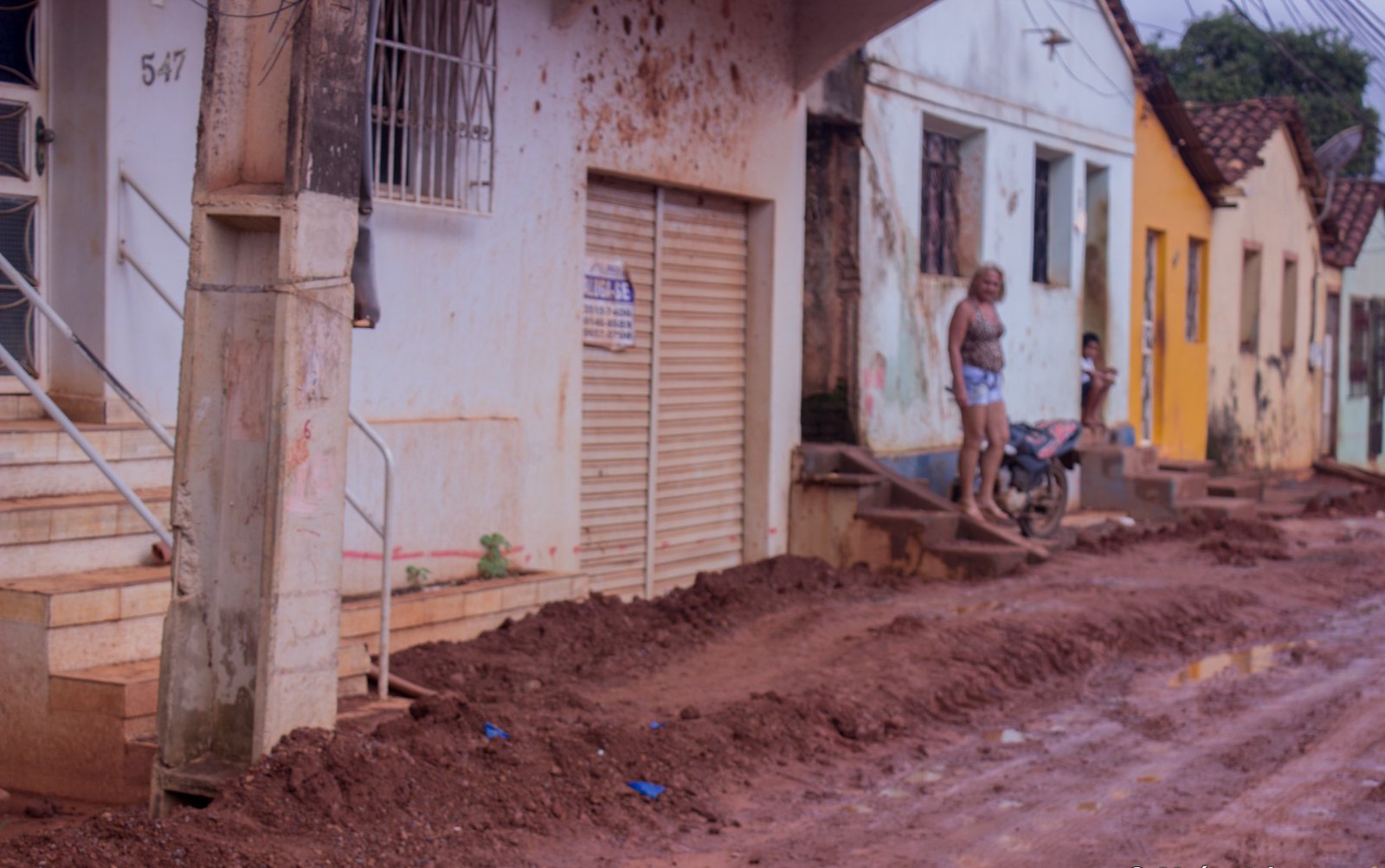
Photo: Amazon Watch / Maíra Irigaray.
Current situation
The protective measures granted by the IACHR remain in effect, but the Brazilian government has not fully complied with them, reporting only on general actions. The communities have documented the ongoing violations of their rights. The situation that prompted the request for these measures—the risk to the lives, physical integrity, and ways of life of the communities—persists and has worsened with the hydroelectric plant operating at full capacity and the recent extreme droughts in the Amazon.
In addition to the impacts of Belo Monte, there is a risk of further social and environmental impacts from the implementation of another mining megaproject in the Volta Grande do Xingu. There, the Canadian company Belo Sun plans to build Brazil’s largest open-pit gold mine.
The combined and cumulative impacts of the dam and the mine were not assessed. The government excluded Indigenous peoples, riverine and peasant communities from the project’s environmental permitting process. Despite protests by Indigenous communities and other irregularities surrounding the project, the government of Pará formally authorized the mine in April 2026.
Like other hydroelectric dams, Belo Monte exacerbates the climate emergency by generating greenhouse gas emissions in its reservoir. And it is inefficient amid the longer, more intense droughts caused by the crisis, as it loses its ability to generate power.
The case before the Inter-American Commission
In October 2017, the IACHR announced that it would rule jointly on the admissibility (whether the case meets the requirements for admission) and the merits (whether a human rights violation actually occurred) of the international complaint against the Brazilian State.
Fifteen years after the complaint was filed, the affected communities and the organizations representing them are still awaiting this decision. If the IACHR concludes that human rights violations occurred and issues recommendations that the Brazilian State fails to comply with, it may refer the case to the Inter-American Court of Human Rights, whose rulings are binding.
A potential ruling by the international court in this case would set a regional legal precedent regarding the rights of indigenous and riverine peoples, public participation in megaprojects, and state responsibility in the context of the climate crisis—a precedent that is particularly relevant in light of the Court’s Advisory Opinion No. 32, which reaffirmed the obligations of States to protect the people and communities of the continent from the climate emergency.
Partners:
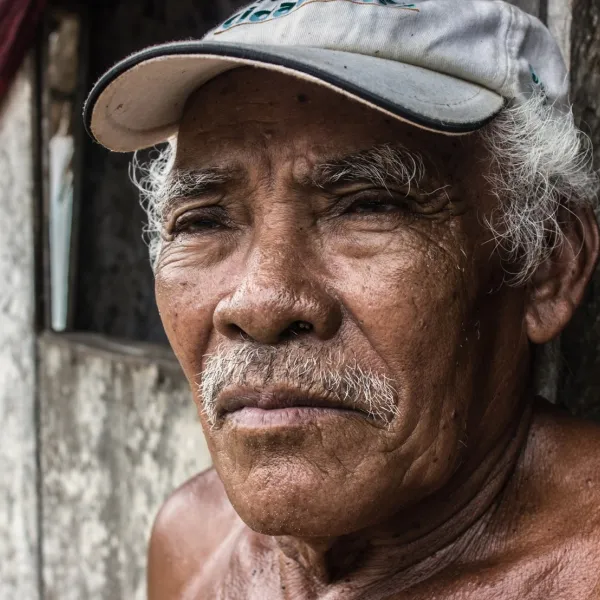
Related projects
Latest News
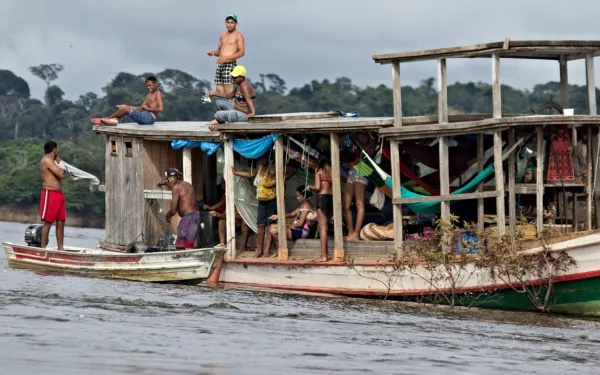
The Xingu River is being silenced, but not its people
A river is always a path, sustenance, and memory. At the Volta Grande (or Great Bend) of the Xingu River, deep in the Brazilian Amazon, the water did more than just flow: it taught people when to plant, when to fish, and when to celebrate. There, life moved to the rhythm of the river. But that began to change in 2010, when plans were underway to build the Belo Monte hydroelectric plant, and a silent question began to grow: Who decides the fate of the water? Six years later, on May 5, 2016, when the dam was inaugurated, nearly 80% of the Xingu River’s flow had been diverted.As early as 2018, organizations and communities were warning that the flow management plan imposed on the Xingu River for the operation of the hydroelectric plant foreshadowed a future of drought.That warning has come true.Today, entire stretches of the river are dry. More than 100 kilometers of the Volta Grande have lost their natural flow. The water, which once sustained biodiversity and local ways of life, no longer flows as it once did. Without enough water, the fish have stopped reproducing. There has been no spawning for three years. The river’s silence has turned into hunger, uncertainty, and disruption. The death of the fish is not just an environmental impact: it is the breakdown of a way of life. Indigenous, riverine, and fishing communities have lost not only their primary source of food but also their autonomy and their connection to the land. Today, the legacy of Belo Monte is a growing accumulation of ecological, social, and cultural degradation. However, this story is not yet over. Time for justice for the Xingu River and the life it sustainsTen years after the Belo Monte Dam began operations, the reported impacts have been confirmed, but something unexpected has also grown stronger: resistance.The affected communities remain organized, active, and determined. They continue to speak out, demand reparations, and defend their right to live alongside the river.That strength is evident today in the protests against new projects in the area.Because for these communities, the struggle is not just against a project; it is for the survival of their way of life.Today is a moment of justice for them. The complaint against the Brazilian State for its international responsibility in the case has been before the Inter-American Commission on Human Rights since 2011, pending a decision that could mark a turning point for the communities of the Xingu Basin. The complaint contains the legal and evidentiary elements necessary for the Commission to admit it, determine that there were several human rights violations, and refer the case to the Inter-American Court of Human Rights, whose ruling could set a precedent for state regulation of megaprojects in the context of the climate crisis; public participation; and the protection of indigenous peoples, traditional communities, and key ecosystems such as the Amazon.But as the process moves forward slowly, the impacts continue to worsen every day. The urgency is not legal; it is human. Every unanswered cycle is another cycle of drought, biodiversity loss, and mounting violations. In this case, making a decision is not just an institutional matter; it is a matter of life expectancy for those who depend on the river.What happened with Belo Monte has become a symbol. It is a clear example of how projects marketed as “clean energy” can have profound and lasting impacts when they disregard human rights. At a time when the world is seeking energy solutions to address the climate crisis, we cannot repeat old patterns of injustice. Learn More
Read more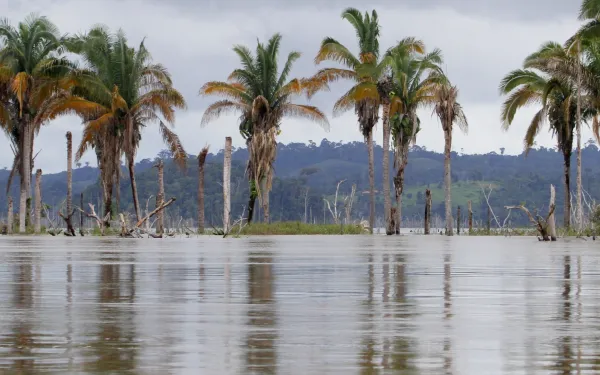
Ten years of Belo Monte: The time for justice has come
Ten years after its inauguration, the Belo Monte Hydroelectric Plant (UHE) in Pará returns to the center of public debate, this time under the scrutiny of the Inter-American Human Rights System. More than an anniversary, this milestone reinforces the urgency of an effective institutional response:justice cannot continue to be postponed.The case, currently pending before the Inter-American Commission on Human Rights (IACHR), brings together a substantial body of evidence regarding human rights violations associated with the Belo Monte UHE. Filed by a coalition of civil society organizations, including the Inter-American Association for the Defense of the Environment (AIDA), Global Justice, Coordenação das Organizações Indígenas da Amazônia Brasileira (COIAB), Movimento Xingu Vivo para Sempre (MXVPS), and the Conselho Indigenista Missionário (CIMI), the petition consolidates allegations of violations of the rights to life, health, prior consultation, and a healthy environment. The case is at an advanced stage of review and could soon be referred to the Inter-American Court of Human Rights.A decade on, the socio-environmental impacts remain significant and largely unmitigated. The Volta Grande do Xingu—a stretch of approximately 130 km directly affected by the artificial reduction in river flow—represents the project’s most serious liability. The alteration of the hydrological regime, compounded by extreme events associated with climate change, has compromised local ecosystems, disrupted the reproductive cycle of species, reduced navigability, and threatened the food and water security of populations that depend directly on the river.Indigenous communities, riverine populations, and artisanal fishers face the ongoing deterioration of their ways of life, including reduced fish availability and impacts on fishing livelihoods. Additional harms include inadequate resettlements, increased violence, mental health impacts, and threats to cultural practices and traditional ways of life.Unlike the debates that characterized the project’s implementation phase, today’s discussion is shaped by the climate emergency and new international regulatory standards. Advisory Opinion OC-32 of the Inter-American Court of Human Rights provides clear guidelines on states’ obligations to protect human rights in the face of the climate crisis, recognizing the right to a healthy environment as a foundational principle. In this context, the Belo Monte Hydroelectric Plant case is a significant test of how energy development, environmental protection, and the rights of local populations can—and must—be reconciled.The organizations monitoring the case highlight non-compliance with precautionary measures issued by the Commission as a key reason to advance to the Court. The legal merit of the case, combined with its international significance, positions the case as ready for adjudication."More than a decade after the start of the Belo Monte hydroelectric project, the impacts on the Xingu River continue and are worsening, exacerbated by pressure for new projects and the climate crisis. The communities remain mobilized for justice and confident in the Inter-American Commission’s efforts to bring the case before the Court—the final step to ensure full reparations and the protection of the territory and its ways of life," said Marcella Torres, legal coordinator of AIDA’s Human Rights Program.According to Melisanda Trentin, coordinator of Socio-Environmental and Climate Justice at Justiça Global, the Belo Sun mining project is moving forward in the Volta Grande do Xingu region with consultation flaws identical to those of the Belo Monte project. “What is at stake in the region is the accumulation of harm and violations of human and environmental rights. A river with reduced flow, communities facing food insecurity and altered ways of life, and now a new project that repeats the same violations denounced in the Inter-American System for over 10 years,” she points out.For the signatory organizations, the ten-year mark represents a critical window for justice. The Belo Monte case is no longer an isolated episode— it stands as a benchmark for the concrete application of environmental justice in the Amazon, amid growing climate pressure and demands for state accountability.ABOUT - Belo Monte is the fourth-largest hydroelectric power plant in the world, built on the Xingu River in the state of Pará, in the heart of the Amazon. With an installed capacity of 11,233 MW, it was inaugurated on May 5, 2016. Its operation diverts 80% of the Xingu River’s flow through a canal 500 meters wide and 75 km long. The flooded area between the canal and the reservoir covers 516 km², larger than the city of Chicago, of which 400 km² was native forest.#JutiçaNoXingu See the statement from the petitioners in the Belo Monte case before the IACHR Read what the petitioning organizations in the case have to say:Coordination of Indigenous Organizations of the Brazilian Amazon (COIAB)"There is no legal certainty without respect for the inherent rights of indigenous peoples. In the Amazon, this defense goes beyond the legal realm: it is a commitment to life, to the integrity of territories, and to the planet’s climate balance. The harm that the construction of the Belo Monte Dam has caused to indigenous populations and the environment has become a reality and is irreversible. COIAB’s Legal Advisory Office works to ensure that the Constitution, international treaties, and the self-determination of indigenous peoples are effectively respected at all levels of decision-making," states Gabriele Baré, coordinator of COIAB’s Legal Advisory Office.Movimento Xingu Vivo Para Sempre "Belo Monte uprooted people from the riverbanks and scattered the Xingu people far and wide, away from the river, their community, and the daily life they knew and loved. The riverine dwellers ceased to be who they were; the fisherwomen ceased to be who they were; they became nothing, many of them wandering the outskirts of cities. These people lost their identity and, with it, their soul. All that remained was emptiness and loneliness. The impact of the loss of their way of life cannot be compensated, but it must be acknowledged so that some form of redress can be made," says Ana Laide Barbosa, an educator with the Xingu Vivo para Sempre Movement.Observatory of Isolated Indigenous Peoples (OPI)"The construction of the Belo Monte hydroelectric dam has exacerbated threats and pressures on the indigenous peoples of the Middle Xingu region in a manner similar to what occurred during the dictatorship with the opening of the Trans-Amazonian Highway in the same region. Recently contacted peoples such as the Parakanã and the Arara have suffered from alarming rates of invasions and illegal deforestation on their lands, and the refuge of the isolated indigenous groups of Ituna Itatá has become one of the most deforested areas in Brazil. At the same time, the diversion of the Xingu River’s waters causes ecocidal damage to the indigenous peoples of Volta Grande; and harmful impact compensation policies have had disintegrating and ethnocidal effects on nearly all the peoples. “For all these reasons, the hydroelectric dam has become yet another example of the colonial relationship established by the Brazilian state with the Amazonian peoples and a debt of reparation that must be acknowledged and addressed," says Helena Palmquist, deputy coordinator of the Observatory of Isolated and Recently Contacted Indigenous Peoples (OPI).
Read more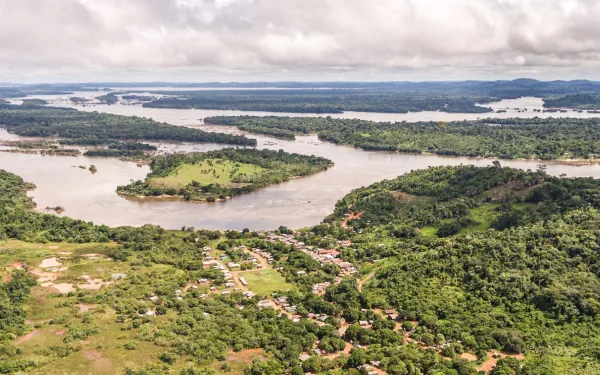
Defending the Volta Grande do Xingu in the Brazilian Amazon
"Certain lives exist only in the Xingu River, mine is one of them. And also that of the indigenous and riverine peoples. Can these lives be destroyed?” The question posed by Sara Rodrigues Lima - a local river dweller, fisherman and researcher - highlights the paradox that one of the most biodiverse, ecologically, climatically and culturally important regions in the world is also one of the most affected by socio-environmental impacts. The Volta Grande (or "Big Bend") of the Xingu River, located in the heart of the Brazilian Amazon, is home to a unique ecosystem and is a key region for the conservation of global biodiversity. For centuries, it has been home to indigenous and riverine peoples who have shared ownership of the river and the Amazonian rainforest, providing sources of food, water, identity, culture and mobility, among other things. This link has translated into livelihood systems based on caring for and defending the territory and their own existence, which are now severely threatened. Since 2015, this region has been the target of large extractive projects that threaten the livelihoods and physical and cultural survival of traditional peoples and communities. This has been accompanied by violence against people defending this Amazonian territory. In order to deal with this situation, the affected peoples and civil society have created a network that unites and strengthens their efforts. The Alliance for the Volta Grande do Xingu, formed by social movements and organizations, including AIDA, supports and coordinates actions to defend the region as a living and healthy territory. The coalition has taken the case to the United Nations. The cumulative impact of two megaprojects One of these projects is the Belo Monte dam, whose construction has caused irreparable environmental damage and human rights violations for several generations. The drought caused by the diversion of the river to generate electricity, as well as the ineffectiveness of the mitigation measures implemented, have led to an ecological and humanitarian collapse in the Volta Grande. Currently, thousands of traditional families are suffering from the death of fish, extinction of fishing, lack of food security, impoverishment, physical and mental illnesses. Another major threat to the region and its traditional inhabitants is the Volta Grande project, where the Canadian company Belo Sun intends to build the largest open-pit gold mine in Brazil. The coexistence of the two projects poses the risk of overlapping areas of direct impact. In this scenario, the potential damage to the environment and to indigenous and riverine peoples will be irreversible. The Belo Sun project is proposed to be built less than 10 kilometers from the Belo Monte dam, on the banks of the Xingu River, in the midst of indigenous lands, protected areas and traditional communities. The magnitude of the synergistic and cumulative impacts of the mine and hydroelectric dam has not been assessed. Also ignored were technical analyses that pointed to the serious impacts of the use of cyanide, the contamination of the river, and the risks of a dam breach that, if it were to occur, would flood 41 kilometers along the river and reach nearby indigenous lands. In addition, the state excluded indigenous peoples, riverine and peasant communities from the environmental licensing process for the mining project. Because they live outside the demarcated indigenous lands or more than 10 kilometers from the project, some indigenous peoples were not considered affected or consulted about the implementation of the project. The lack of consultation and public participation of indigenous and riverine peoples led Brazilian courts to order the suspension of the mining company's operating license. Violence and threats against human rights defenders The arrival of Belo Sun in the area is a serious intervention in the socio-cultural environment of the Volta Grande do Xingu. The overlapping of the mining project in a territorial polygon inhabited by traditional peoples, rural groups benefiting from the agrarian reform, and artisanal miners has led to community divisions and violence against those who oppose the mine. In the context of the project's development, there have been reports of illegal land purchase and sale contracts to evict rural families, threats to the area's inhabitants by private security companies, and violence against peasants claiming agrarian reform lands acquired by the mining company, which are the subject of legal proceedings. Threats of violence against environmental and human rights defenders have also increased in intensity and severity. Some of them have had to leave the area to protect their lives, and those who remain in the area face constant risks and threats. Defending the Volta Grande and its people before the United Nations One of the most important actions of the Alliance for the Volta Grande do Xingu has to do with advocacy in the Universal Periodic Review (UPR), a special process of periodic review of the human rights record of the 193 member states of the United Nations. At Canada's fourth UPR cycle in Geneva in August 2023, more than 50 civil society organizations and communities affected by Canadian business activities presented a report highlighting human rights abuses from 37 projects in nine countries in Latin America and the Caribbean, including Belo Sun's Volta Grande project. The document includes recommendations to ensure that states exercise effective environmental oversight that requires human rights due diligence on the part of companies operating in their territories. One of the defenders of the Volta Grande was part of the delegation in Geneva. In addition to denouncing the abuses suffered, he reported on the risks posed by the socio-environmental impact of the Belo Sun project. More than 20 countries and 13 permanent missions and UN agencies took note of the situation in the region. The results of Canada's fourth UPR cycle, released last month, include 34 recommendations directly related to the Alliance's report. Canada has not yet accepted these recommendations, but may do so at the next session of the UN Human Rights Council, which concludes on April 5. As a follow-up to the UPR advocacy, the Alliance submitted reports on the impact of the Belo Sun project to UN Special Rapporteurs. One of them, sent to the Special Rapporteur on Human Rights Defenders of the Inter-American Commission on Human Rights, focuses on the situation of vulnerability and criminalization of human rights defenders. Similarly, the Alliance submitted a report to the UN Committee on Economic, Social and Cultural Rights highlighting the human rights violations committed by Brazil in the Belo Monte and Belo Sun cases, as well as the lack of effective measures to require human rights due diligence by the companies responsible for these projects. Networking in these international spaces to expose the pattern of environmental impacts and human rights violations of extractive economic projects in Amazonian territories has been one of the alliance's strategies of resistance and denunciation. The conservation of the Amazon and the protection of its peoples are incompatible with the large-scale mining planned by Belo Sun. States have an obligation to prevent serious and irreversible damage to the environment and the population. In the case of Belo Sun, Brazil has the opportunity to avoid repeating the environmental tragedy of Belo Monte and to declare definitively that the mining project is unsustainable from a socio-environmental point of view. The road to these demands and the achievement of these goals will be full of challenges and struggles. But courage and resisting are inherent to those who live in and defend the Amazon. The defense of the Xingu River Basin as a free, vibrant, healthy and safe territory for its peoples and its defenders is an urgent call for social mobilization for the social-ecological protection of one of the world's most important ecosystems.
Read more