
Project
Amazon Watch / Maíra Irigaray
The Belo Monte Dam on the Xingu River: 10 years of impacts in the Amazon and the search for reparations
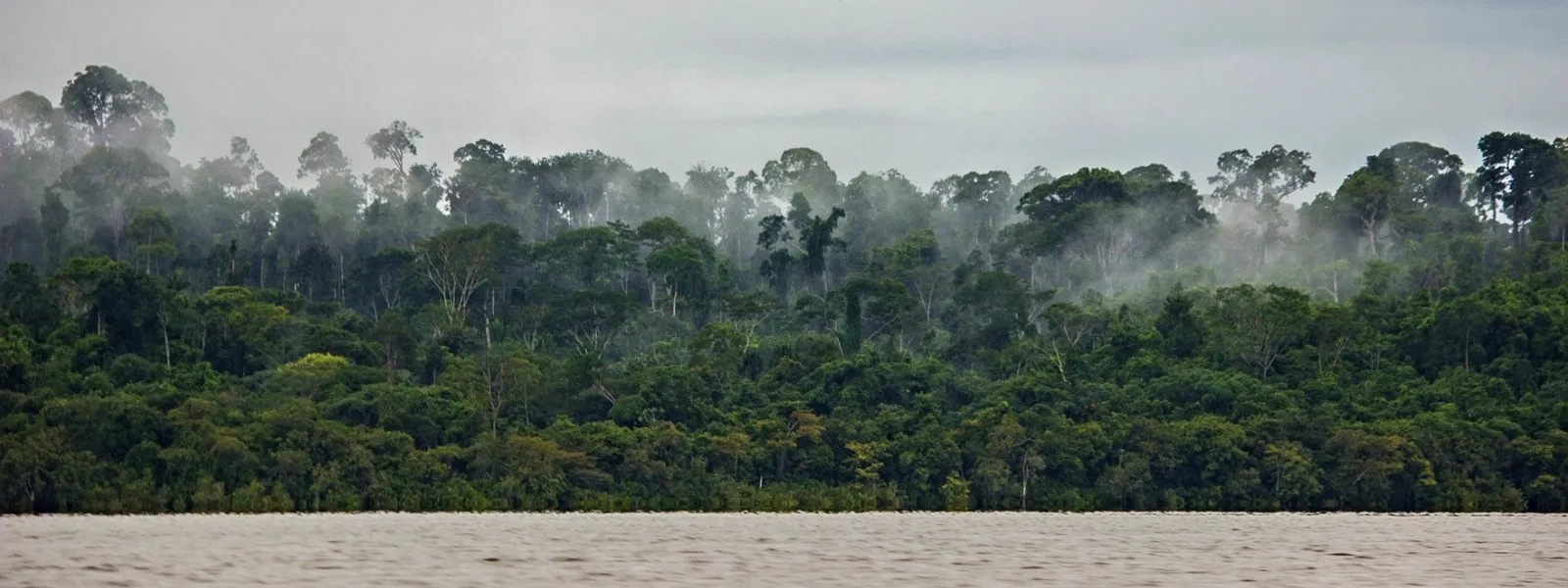
The Belo Monte Dam has caused an environmental and social disaster in the heart of the Amazon—one of the most important ecosystems on the planet.
This situation has only worsened since the hydroelectric plant began operations in 2016. The quest for justice and reparations by the affected indigenous, fishing, and riverine communities continues to this day.
In 2011, the Inter-American Commission on Human Rights (IACHR) granted them protective measures that, to date, have not been fully implemented by the Brazilian State.
Furthermore, since June of that same year, the IACHR has yet to rule on a complaint against the State regarding its international responsibility in the case.
The IACHR may refer the case to the Inter-American Court of Human Rights, which has the authority to issue a ruling condemning the Brazilian State.
After 10 years of the hydroelectric plant's operation and more than 15 years of documented human rights violations, it is time for justice to be served for the affected communities.
Read the open letter from the organizations bringing the case before the IACHR
Background
The Belo Monte hydroelectric plant—the fourth largest in the world by installed capacity (11,233 MW)—was built on the Xingu River in Pará, a state in northern Brazil.
It was inaugurated on May 5, 2016, with a single turbine. At that time, 80% of the river’s course was diverted, flooding 516 km² of land—an area larger than the city of Chicago. Of that area, 400 km² was native forest. The dam began operating at full capacity in November 2019.
Belo Monte was built and is operated by the Norte Energia S.A. consortium, which is composed primarily of state-owned companies. It was financed by the Brazilian Development Bank (BNDES), which provided the consortium with 25.4 billion reais (approximately US$10.16 billion), the largest investment in the bank’s history. Therefore, the BNDES is also legally responsible for the socio-environmental impacts associated with the hydroelectric plant.
Decades of harm to the environment and people
Human rights violations and degradation of the Amazon have been occurring since the project’s inception. In March 2011, Norte Energía began construction of the dam without adequate consultation and without the prior, free, and informed consent of the affected communities.
The construction caused the forced displacement of more than 40,000 people, severing social and cultural ties. The resettlement plan in Altamira—a city directly affected by the hydroelectric dam—involved housing units located on the outskirts, lacking adequate public services and decent living conditions for the relocated families, with no special provisions for those from indigenous communities.
Belo Monte's operations have caused a permanent, man-made drought in the Volta Grande (or "Great Bend") of the Xingu River, exacerbated by the historic droughts in the Amazon in 2023 and 2024. As a result, the deaths of millions of fish eggs were documented for four consecutive years (from 2021 to 2024), and for the past three years, there has been no upstream migration of fish to spawn and reproduce. Thus, artisanal fishing, the main source of protein for indigenous peoples and riverside communities, was severely affected: fish dropped from 50% to 30% of total protein consumed, replaced by processed foods. In summary, there was an environmental and humanitarian collapse that resulted in the breakdown of fishing as a traditional way of life, food insecurity, and access to drinking water for thousands of families, impoverishment, and disease.
Furthermore, the construction of the dam increased deforestation and intensified illegal logging and insecurity on indigenous and tribal lands, putting the survival of these communities at risk. Another consequence was the deepening of poverty and social conflicts, as well as the strain on health, education, and public safety systems in Altamira—a city ranked as the most violent in the country in 2017, where human trafficking and sexual violence increased. Violence was also reported against human rights defenders involved in the case.
In 2025, during the 30th UN Climate Change Conference (COP30), held in Brazil, the Federal Public Prosecutor’s Office labeled the damage caused by the Belo Monte dam as ecocide.
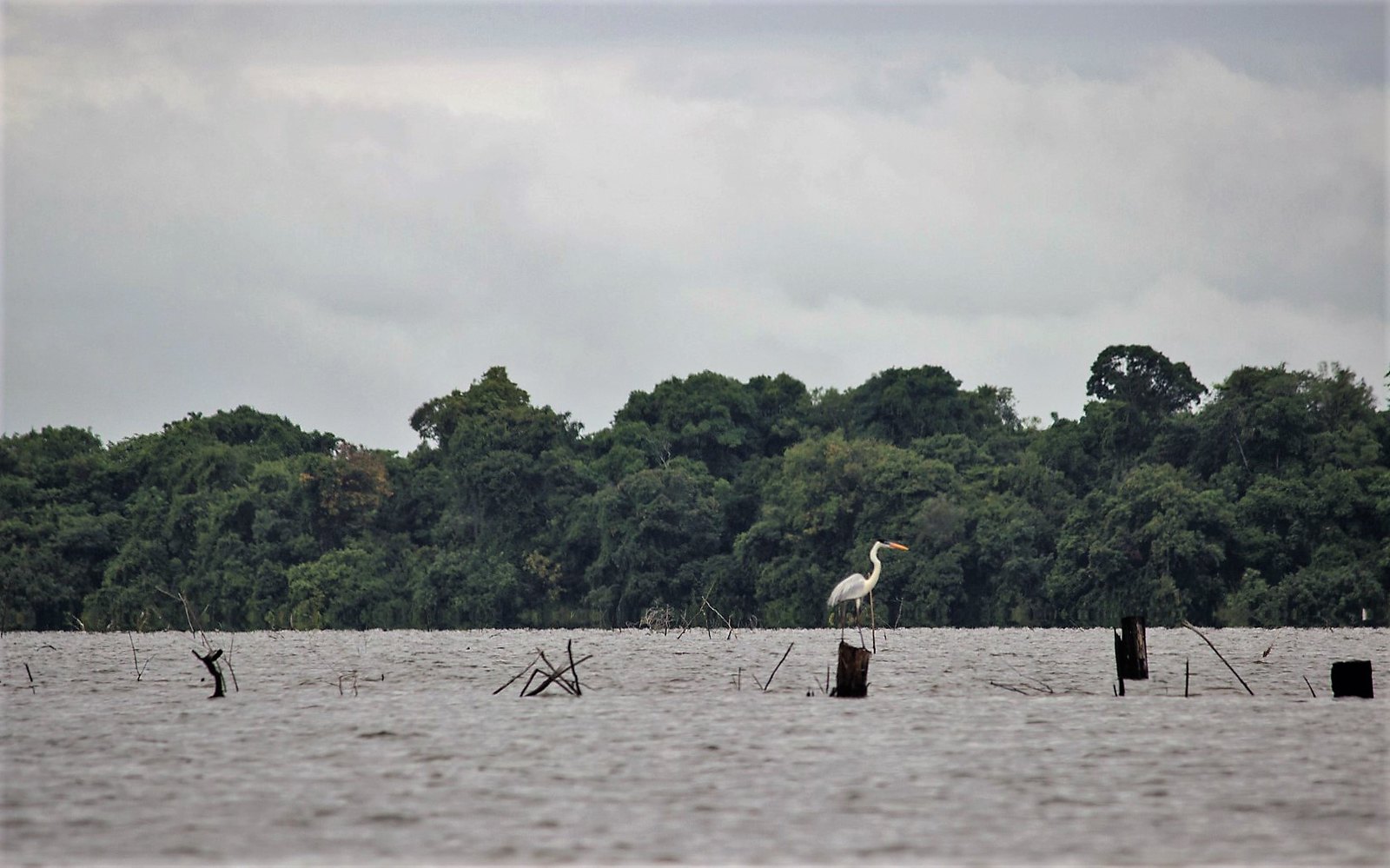
Photo: Amazon Watch / Maíra Irigaray.
The search for justice and reparations
Over the years, the Federal Public Prosecutor’s Office in Pará, the Public Defender’s Office, and civil society organizations have filed dozens of legal actions in Brazilian courts to challenge the project’s various irregularities and its impacts. Most of the claims are still pending resolution, some for more than 10 years.
These efforts have failed because the national government has repeatedly overturned rulings in favor of the affected communities by invoking a mechanism that allowed a court president to suspend a judicial decision based solely on generic arguments such as "the national interest" or "economic order."
In the absence of effective responses at the national level, AIDA, together with a coalition of partner organizations, brought the case before the Inter-American Commission on Human Rights (IACHR) and, in 2010, requested precautionary measures to protect the lives, safety, and health of the affected indigenous communities.
On April 1, 2011, the IACHR granted these measures and requested that the Brazilian government suspend environmental permits and any construction work until the conditions related to prior consultation and the protection of the health and safety of the communities are met.
And on June 16, 2011 —together with the Xingu Vivo Para Sempre Movement, the Coordinating Committee of Indigenous Organizations of the Brazilian Amazon, the Diocese of Altamira, the Indigenous Missionary Council, the Pará Society for the Defense of Human Rights and Global Justice— we filed a formal complaint against the Brazilian State for its international responsibility in the violation of the human rights of the people affected in the case. The case was opened for processing in December 2015.
On August 3, 2011, the IACHR amended the precautionary measures to request, instead of the suspension of permits and construction, the protection of people living in voluntary isolation, the health of indigenous communities, and the regularization and protection of ancestral lands.
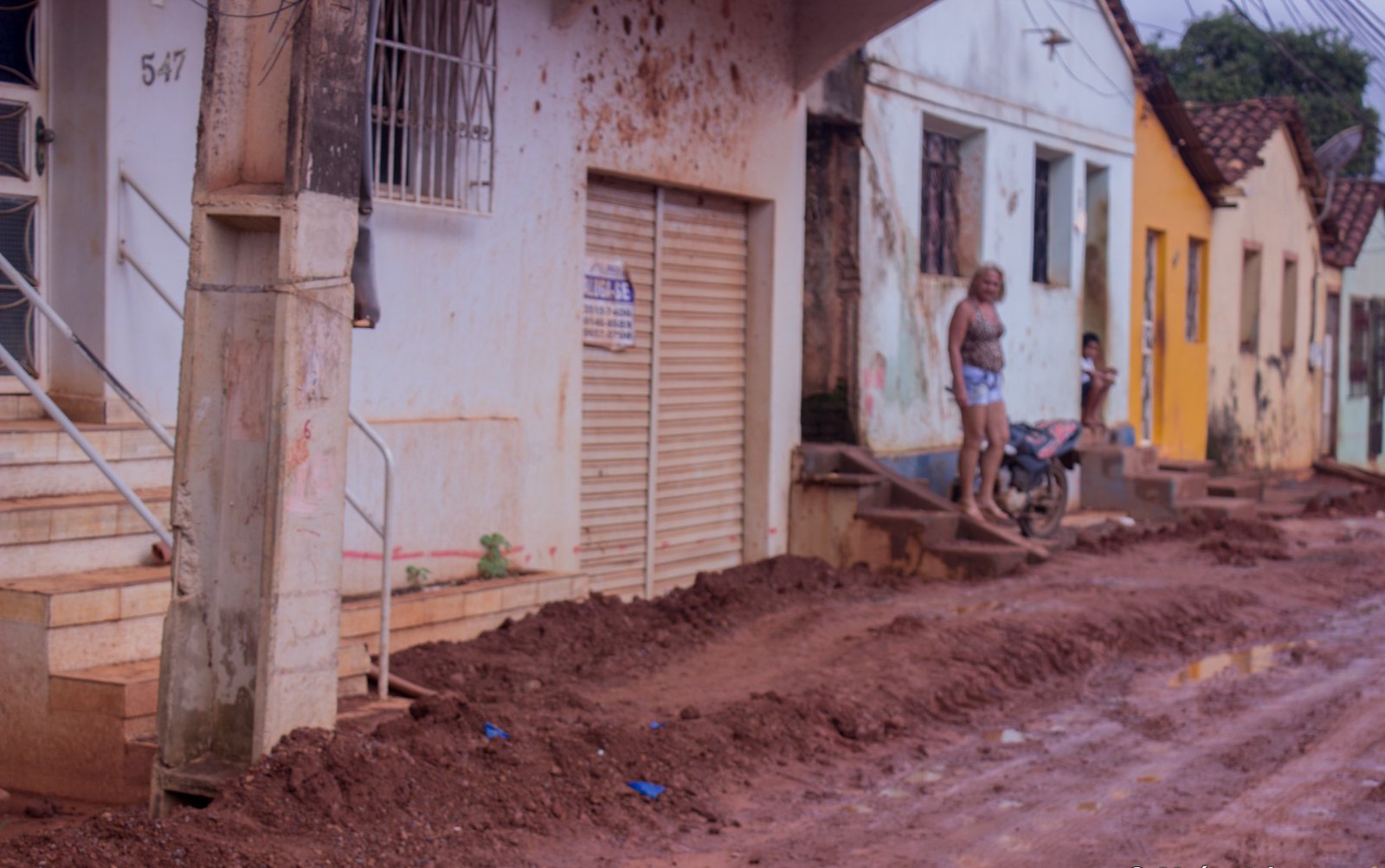
Photo: Amazon Watch / Maíra Irigaray.
Current situation
The protective measures granted by the IACHR remain in effect, but the Brazilian government has not fully complied with them, reporting only on general actions. The communities have documented the ongoing violations of their rights. The situation that prompted the request for these measures—the risk to the lives, physical integrity, and ways of life of the communities—persists and has worsened with the hydroelectric plant operating at full capacity and the recent extreme droughts in the Amazon.
In addition to the impacts of Belo Monte, there is a risk of further social and environmental impacts from the implementation of another mining megaproject in the Volta Grande do Xingu. There, the Canadian company Belo Sun plans to build Brazil’s largest open-pit gold mine.
The combined and cumulative impacts of the dam and the mine were not assessed. The government excluded Indigenous peoples, riverine and peasant communities from the project’s environmental permitting process. Despite protests by Indigenous communities and other irregularities surrounding the project, the government of Pará formally authorized the mine in April 2026.
Like other hydroelectric dams, Belo Monte exacerbates the climate emergency by generating greenhouse gas emissions in its reservoir. And it is inefficient amid the longer, more intense droughts caused by the crisis, as it loses its ability to generate power.
The case before the Inter-American Commission
In October 2017, the IACHR announced that it would rule jointly on the admissibility (whether the case meets the requirements for admission) and the merits (whether a human rights violation actually occurred) of the international complaint against the Brazilian State.
Fifteen years after the complaint was filed, the affected communities and the organizations representing them are still awaiting this decision. If the IACHR concludes that human rights violations occurred and issues recommendations that the Brazilian State fails to comply with, it may refer the case to the Inter-American Court of Human Rights, whose rulings are binding.
A potential ruling by the international court in this case would set a regional legal precedent regarding the rights of indigenous and riverine peoples, public participation in megaprojects, and state responsibility in the context of the climate crisis—a precedent that is particularly relevant in light of the Court’s Advisory Opinion No. 32, which reaffirmed the obligations of States to protect the people and communities of the continent from the climate emergency.
Partners:
Related projects

The IPCC climate report: science has spoken and we must act now
The international scientific community has spoken: the only thing that can save us from a climate catastrophe is a radical and immediate change. The next 11 years are the most important in the history of the planet, in terms of climate change. Our response to their message will determine our future. In its most recent analysis, the Intergovernmental Panel on Climate Change (IPCC) of the United Nations establishes the impacts that could occur if the planet’s average temperature increases by more than 2°C, and compares those with what would happen if we stop warming, or at least keep it below 1.5°C. The 2016 Paris Agreement, an international accord to curb climate change, aims to keep warming well below 2°C with respect to pre-industrial levels, and to continue global efforts to limit it to 1.5°C. The impacts of global warming The IPCC experts’ conclusions are piercing. Those extra 0.5°C would be lethal for millions of people and their ways of life. If the Earth warms 2°C or more, we would experience: more frequent and intense heat waves, droughts and floods; sea level rise of an extra 10 centimeters, implying coastal flooding and filtration of salt water into agricultural areas and freshwater sources—a matter of life and death for roughly 10 million people; double the risk of habitat loss for plants and vertebrates, and triple the risk for insects, considering more than 100 thousand species which were studied; the disappearance of more than 99% of coral reefs, while 10 to 30 percent of what remains could be saved if we were to stabilize the planet’s temperature below 1.5°C; an increase in the range of mosquitoes that transmit diseases such as malaria and dengue; and the devastation of crops and livestock, severely affecting global food security. So, how are we doing now? Not so well. The planet has already warmed 1°C since preindustrial times, and in 2017 the emissions responsible for warming increased again. The commitments nations made to comply with the Paris Agreement are insufficient. Settling on that level of ambition would take us to 3°C warming by 2030, a reality with unimaginable consequences. Changing our climate destiny Let’s talk about solutions. Ensuring that the planet’s warming doesn’t exceed 1.5°C is possible, but it will require unprecedented action. Emissions must lower by 45 percent between 2010 and 2030, and we must achieve carbon neutrality by 2050. That means not emitting more than what the world’s forests and natural carbon sinks can absorb. This will require that: the most polluting industries, particularly those producing fossil fuels, implement radical changes; renewable energy is the norm by 2050, accounting for between 70 and 85 percent of total energy production; coal-fired power plants disappear; transportation runs with clean, renewable electricity; and we expand, maintain, and care for forests and other natural carbon sinks, which are responsible for removing emissions from the atmosphere. The IPCC report also recognizes a monumental opportunity: the mitigation of short-lived climate pollutants (SLCPs)—including black carbon or soot, methane, hydrofluorocarbons and tropospheric ozone. More climatically intense than carbon dioxide, SLCPs are responsible for half of global warming. Because of their short duration in the atmosphere, they could play a key role in reducing warming in the short term. In addition, the reduction of SLCPs brings important benefits for human well-being, including the reduction of pollution that affects public health and better yield of crops. But few countries have included the reduction of short-lived climate pollutants in their national commitments on climate change. At AIDA we’re working so that Latin American nations advance in the control of these emissions. As the region with the greatest potential for renewable energies, Latin America has the opportunity to be an example for the rest of the planet. The threats facing the region are great and avoiding them is well worth the effort. Climate change threatens to shake us from our very roots—melting Andean glaciers, increasing droughts and floods, diminishing freshwater supplies, driving species to extinction, increasing wildfires, favoring the spread of invasive species, losing corals and marine biodiversity, affecting food security, and wreaking havoc on people’s health and livelihoods. The outlook is clear: maintaining global warming below 1.5°C is not an easy task, but science holds it’s possible. We have the scientific knowledge, and the technological and financial capacity to achieve this goal. The responsibility now lies with governments, decision-makers and the private sector—together they must drive unprecedented changes. We must remember that implementing these changes is not just possible, it’s desirable. A world with fewer emissions is a cleaner and a fairer world for us and for future generations. What’s not to like?
Read moreThe IPCC climate report: science has spoken and we must act now
The international scientific community has spoken: the only thing that can save us from a climate catastrophe is a radical and immediate change. The next 11 years are the most important in the history of the planet, in terms of climate change. Our response to their message will determine our future. In its most recent analysis, the Intergovernmental Panel on Climate Change (IPCC) of the United Nations establishes the impacts that could occur if the planet’s average temperature increases by more than 2°C, and compares those with what would happen if we stop warming, or at least keep it below 1.5°C. The 2016 Paris Agreement, an international accord to curb climate change, aims to keep warming well below 2°C with respect to pre-industrial levels, and to continue global efforts to limit it to 1.5°C. The impacts of global warming The IPCC experts’ conclusions are piercing. Those extra 0.5°C would be lethal for millions of people and their ways of life. If the Earth warms 2°C or more, we would experience: more frequent and intense heat waves, droughts and floods; sea level rise of an extra 10 centimeters, implying coastal flooding and filtration of salt water into agricultural areas and freshwater sources—a matter of life and death for roughly 10 million people; double the risk of habitat loss for plants and vertebrates, and triple the risk for insects, considering more than 100 thousand species which were studied; the disappearance of more than 99% of coral reefs, while 10 to 30 percent of what remains could be saved if we were to stabilize the planet’s temperature below 1.5°C; an increase in the range of mosquitoes that transmit diseases such as malaria and dengue; and the devastation of crops and livestock, severely affecting global food security. So, how are we doing now? Not so well. The planet has already warmed 1°C since preindustrial times, and in 2017 the emissions responsible for warming increased again. The commitments nations made to comply with the Paris Agreement are insufficient. Settling on that level of ambition would take us to 3°C warming by 2030, a reality with unimaginable consequences. Changing our climate destiny Let’s talk about solutions. Ensuring that the planet’s warming doesn’t exceed 1.5°C is possible, but it will require unprecedented action. Emissions must lower by 45 percent between 2010 and 2030, and we must achieve carbon neutrality by 2050. That means not emitting more than what the world’s forests and natural carbon sinks can absorb. This will require that: the most polluting industries, particularly those producing fossil fuels, implement radical changes; renewable energy is the norm by 2050, accounting for between 70 and 85 percent of total energy production; coal-fired power plants disappear; transportation runs with clean, renewable electricity; and we expand, maintain, and care for forests and other natural carbon sinks, which are responsible for removing emissions from the atmosphere. The IPCC report also recognizes a monumental opportunity: the mitigation of short-lived climate pollutants (SLCPs)—including black carbon or soot, methane, hydrofluorocarbons and tropospheric ozone. More climatically intense than carbon dioxide, SLCPs are responsible for half of global warming. Because of their short duration in the atmosphere, they could play a key role in reducing warming in the short term. In addition, the reduction of SLCPs brings important benefits for human well-being, including the reduction of pollution that affects public health and better yield of crops. But few countries have included the reduction of short-lived climate pollutants in their national commitments on climate change. At AIDA we’re working so that Latin American nations advance in the control of these emissions. As the region with the greatest potential for renewable energies, Latin America has the opportunity to be an example for the rest of the planet. The threats facing the region are great and avoiding them is well worth the effort. Climate change threatens to shake us from our very roots—melting Andean glaciers, increasing droughts and floods, diminishing freshwater supplies, driving species to extinction, increasing wildfires, favoring the spread of invasive species, losing corals and marine biodiversity, affecting food security, and wreaking havoc on people’s health and livelihoods. The outlook is clear: maintaining global warming below 1.5°C is not an easy task, but science holds it’s possible. We have the scientific knowledge, and the technological and financial capacity to achieve this goal. The responsibility now lies with governments, decision-makers and the private sector—together they must drive unprecedented changes. We must remember that implementing these changes is not just possible, it’s desirable. A world with fewer emissions is a cleaner and a fairer world for us and for future generations. What’s not to like?
Read more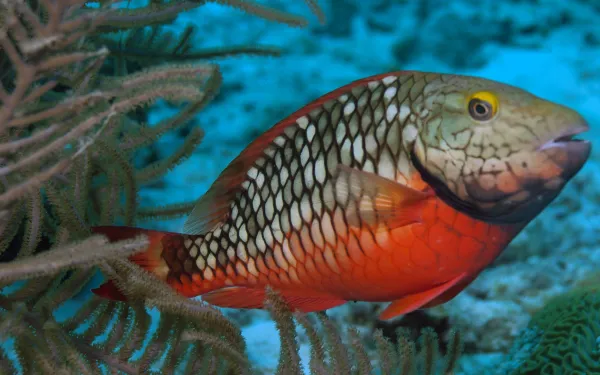
Organizations request Mexico list parrotfish as protected species
Parrotfish are vital to the health of coral reefs, and the Mexican State has an obligation to protect them. In a letter to the government, AIDA outlined the international obligations Mexico has to preserve its coral reefs, requesting that ten species of parrotfish be included in the nation’s list of protected species—a proposal spearheaded by the Healthy Reefs Initiative. Mexico City. Using arguments based in international law and knowledge of environmental treaties, the Interamerican Association for Environmental Defense (AIDA) requested that the Mexican government include ten species of parrotfish in the national registry of protected species, under Official Mexican Law 059, which is currently being updated. AIDA made the request through a letter to the National Advisory Committee for the Normalization of the Environment and Natural Resources, in support of a proposal the Healthy Reefs for Healthy People Initiative made in September in coordination with Casa Wayuu, the Kanan Kay Alliance and the Mexican Center for Environmental Law (CEMDA). “The species of parrotfish we are trying to protect play a vital role in the survival of coral reefs because they feed on algae which otherwise deprive the coral of light and oxygen,” said AIDA attorney Camilo Thomson. “Populations of these fish have declined drastically due to habitat degradation, pollution and climate change. Studies done by the Health Reefs Initiative, among others, have shown that 60 percent of the coral reefs in the Mexican Caribbean are in either poor or critical condition.” The organizations are calling for the following species to be listed under some category of risk in Official Mexican Law 059: the stoplight parrotfish (Sparisoma viride), the rainbow parrotfish (Scarus guacamaia), the blue parrotfish (Scarus coeruleus), the midnight parrotfish (Scarus coelestinus), the queen parrotfish (Scarus vetula), the princess parrotfish (Scarus taeniopterus), the striped parrotfish (Scarus iseri), the redband parrotfish (Sparisoma aurofrenatum), the redtail parrotfish (Sparisoma rubipinne), and the yellowtail parrotfish (Sparisoma chrysopterum). The letter outlines the treaties and conventions that oblige the Mexican State to adequately fight threats to species requiring special protection—species like herbivorous fish, which are vital for the health of Caribbean reefs and other marine ecosystems. These agreements include the Convention for the Protection and Development of the Marine Environment in the Wider Caribbean Region (also known as the Cartagena Convention), the United Nations Convention on the Law of the Sea, the Convention on Biological Diversity, the Ramsar Convention, the Convention concerning the Protection of World Cultural and Natural Heritage, the Tulum Declaration, and the International Coral Reef Initiative. “The letter also mentions the Advisory Opinion on human rights and the environment issued by the Inter-American Court of Human Rights,” Thomson added. “In that decision, the Court strengthens States’ obligations to protect human rights and acknowledges the close relationship that has with environmental protection.” Despite serving as fish hatcheries and natural barriers against hurricanes—among other key functions—coral reefs are very fragile and vulnerable to climate change, the consequences of which include ocean acidification, sea level rise and algal blooms. The latter are caused by untreated or inadequately treated wastewater being pumped into the Caribbean, and other forms of marine pollution. “The most recent report from the Intergovernmental Panel on Climate Change (IPCC) warned that the warming of the planet’s average temperature by more than 1.5 degrees Celsius would result in the destruction of reefs,” explained Melina Soto, Mexico coordinator for the Healthy Reefs Initiative. “It is therefore urgent States adopt adequate measures to preserve coral reefs, and one way to do that is through the protection of herbivorous fish.” Find more information about the case here. PRESS CONTACTS: Victor Quintanilla (Mexico City), AIDA, [email protected], +521 5570522107 Marisol Rueda Flores (Playa del Carmen), Healthy Reefs for Healthy People, [email protected],+521 9848770815
Read more